
Corduroy Hat Men's: Properties, Costs and How to Spec It Right - Cost & MOQ Breakdown (2026 Update)
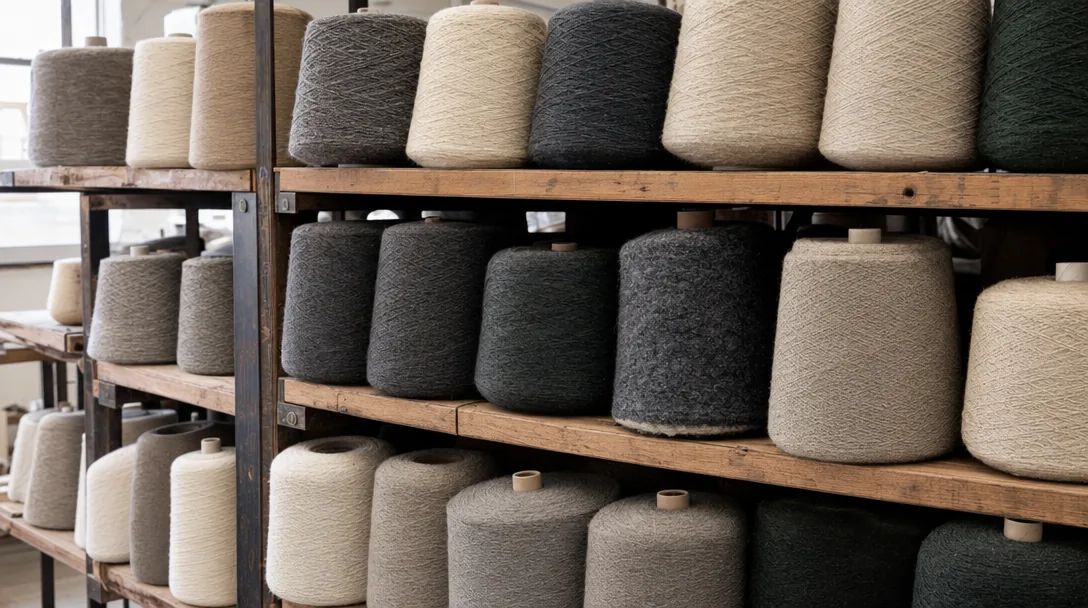
Every week, our sales team answers detailed questions about corduroy hat men's: properties, costs and how to spec it right - cost & moq breakdown (2026 update). We wrote this guide so that wholesalers, streetwear brands, corporate buyers and promotional resellers can compare options with full information, and avoid the traps that show up only after production has started.
Bucket Hat Women
Women’s corduroy bucket hats fail on brim engineering long before they fail on styling. A clean spec starts with shell weight and wale consistency: 8-wale to 14-wale cotton corduroy at 220 to 280 gsm is the workable range for a retail bucket with a stable brim. Under 220 gsm, the edge goes limp after steam shaping or a light garment wash; above 280 gsm, the brim gets too stiff unless you step down fusible to roughly 35 to 50 gsm. I normally build this style with three shell panels—top crown, side band, and brim—plus a self-fabric or 10 oz cotton twill sweatband, 110 to 140 gsm cotton poplin lining, and 2.5 to 3.0 mm edge topstitching. Polyester lining is a false economy here: it traps heat, shifts on the curve, and can telegraph through the shell on dark shades. The same material rules used in corduroy hat men's programs apply, but women’s bucket hats expose mistakes faster because the brim is fully visible and every curved seam is on display. If the wale direction drifts even a few degrees between side band and brim, the hat looks off-balance from two meters away. Side-band puckering is usually not a sewing-operator problem; it comes from poor marker planning, unmatched feed on the curve, or trying to force heavy shell fabric through a light interlining package. When buyers send only a sketch and Pantone reference, factories improvise. That is where brim twist, seam grin, and panel shading start.
A usable tech pack needs measurable controls, not vague comments like “soft handfeel” or “premium finish.” For adult women’s buckets, 57 to 58 cm finished circumference is the commercial center, with crown height at 8.5 to 9.5 cm and brim width at 5.5 to 6.5 cm. Tolerance should stay within +/-0.5 cm on circumference and brim width; looser than that, fit inconsistency becomes obvious in e-commerce returns. Call out wale direction on every pattern piece, stitch density at 7 to 9 SPI, brim interlining weight, and shade tolerance to Pantone TCX under D65 light. If the style is enzyme-washed or garment-washed, bulk approval should target Delta-E below 1.5 to the sealed standard and shrinkage under 3% after wash. For embroidery on pile fabric, include logo size, backing, underlay, pull compensation, and thread brand; satin edges disappear into corduroy unless the digitizing is built correctly for Tajima or Barudan heads running around 850 to 950 spm. In 2026, FOB China pricing for a plain women’s corduroy bucket is typically $2.10 to $3.40 at 300 to 500 pieces per color, while embroidered versions land closer to $2.80 to $4.60 depending on stitch count, lining, wash process, and trim matching. The real MOQ trap is custom-dyed corduroy: many mills still require 800 to 1,000 meters per shade, which can push a single-color program past 1,200 hats unless orders are combined. Recurring defects are predictable—brim twisting, uneven wale alignment, seam grin on the brim curve, side-band join puckering, and logos sinking into the pile. Bulk inspection should use a brim roundness template and check topstitch spacing, logo position, crocking on dark colors, and seam balance under AQL 2.5; fashion accounts with tight symmetry standards often move to AQL 1.5. Our standard practice is to hold bulk cutting until the PP sample and size set confirm wale direction, because once the marker is wrong, final inspection cannot fix the shape.
Camouflage Bucket Hat
A camouflage bucket hat only looks premium when the print engineering is handled before cutting. The safest bases are 100% cotton twill at 200–240 gsm, cotton ripstop at 190–210 gsm, or a 65/35 poly-cotton twill when shrinkage must stay under 3% after garment wash. Reactive-printed yardage gives sharper motif edges and better wet crocking than budget pigment print; the cheap version usually fails at fold lines, shows white grin-through on seam stress points, and shifts shade lot to lot. If you are used to buying a corduroy hat men's program, keep the same fit discipline here: head opening tolerance within +/-3 mm, brim symmetry within 2 mm, and crown height locked by spec instead of vague terms like “mid profile.” Fabric changes, but bad fit reads the same on the shelf.
The tech pack should call out print repeat, panel placement, underbrim requirement, Pantone TCX for any solid trims, eyelet finish, sweatband material, and whether fabric must be pre-washed before cutting. Underbrim substitution is a routine cost-cutting move; if you want matching camo below, write it explicitly, because switching to plain twill saves a factory roughly $0.08–$0.15 per hat. For construction, I would spec brim width in millimeters, interlining weight at 120–180 gsm depending on hand feel, seam allowance, and stitch density at 7–9 SPI for assembly and 10–12 SPI for visible topstitching. In Yiwu-area production, stock-sourced camo fabric usually works at 300–500 pcs per colorway, while custom camouflage from original artwork is more realistic at 800–1,200 pcs due to rotary screen or digital print minimums. A standard cotton camo bucket hat with woven label and inner taping typically lands around $2.20–$3.80 FOB China at 500 pcs; washed fabric, reversible build, metal eyelets, or Tajima/Barudan embroidery will push it into the $4.50–$6.20 range.
Inspection is where most camouflage hats either prove out or get exposed. The recurring defects are brim roundness, seam-to-seam print continuity, panel alignment, off-center eyelets, and shade variation between crown, sidewall, and brim. On custom camo, approve bulk under a defined light source—usually D65—and set a practical Delta-E tolerance before production; if that is missing, every conversation after sewing becomes subjective. Final inspection should run at AQL 2.5, with extra attention on skipped stitches, brim puckering, exposed thread tails, twisted sweatbands, and bubbling from low-grade fusible interlining after steaming. Those failures often pass a carton check and only show up after a wear-and-recover test on form. At CrownsForge, we use the same fit mannequin and measurement SOP across camo and corduroy hat men's orders because mixed assortments make cross-category inconsistency obvious at retail.
Organic Cotton Newborn Hat
Start the spec with compliance and skin-contact construction, not aesthetics. An organic cotton newborn hat fails in the real world for very boring reasons: crown seam bulk that leaves red marks, a neck label that scratches, or trim documents that do not clear shipment. Specify 100% organic cotton with GOTS or OCS transaction certificates at lot level, preferably combed ring-spun 1x1 rib or single jersey at 180-220 gsm; below 170 gsm the hat bags out after a few home launderings, while above 230 gsm it feels too dense for a newborn layette program. A practical finished head circumference is 34-38 cm with stretch recovery of 1.5-2.0 cm after 30 minutes relaxation. Avoid decorative knots, buttons, or metal snaps unless they have already passed small-parts and strangulation review before PP sample approval. I would also reject exposed polyester overlock edges, hard woven labels at the opening, and heat-transfer labels unless the supplier can support CPSIA, REACH Annex XVII, and skin-contact test data. Better construction is printed care info, soft ultrasonic-cut satin labels placed off the forehead line, azo-free dyes, nickel-free trims, and seam covering where the hat contacts the crown and brow.
The sewing looks easy until you run fine organic knits at scale. Fabric should relax at least 12-24 hours before cutting, lays should stay low to control panel distortion, and ballpoint needles in NM 65-75 are the safe range to prevent yarn cutting and pinholes. Flatlock and 4-thread overlock both work, but crown seam height needs discipline because that is the first thing parents notice and the first defect that spikes returns. I would hold shrinkage under 5% after care wash, colorfastness to washing at grade 4 minimum, pH in the baby-safe range, and metal detection as a release gate. If the style is color-matched to other infant pieces, lock the bulk lot to Pantone TCX with Delta-E below 1.5 and fabric weight within plus or minus 5%. AQL 2.5 major and 4.0 minor is standard, but add checkpoints for skipped stitches, loose thread tails, spirality after wash, and finishing-chemical odor. Cost is driven more by certification overhead and fabric booking than by sew minutes: stock organic shades can work at 300-500 pieces per color, while custom-dyed GOTS fabric usually needs 80-120 kg per shade, often translating to 1,500-3,000 hats. In Zhejiang, a simple newborn organic cotton hat is typically $1.10-$1.80 FOB at 500-1,000 pieces; printed gift sets or certified trims can push it to $2.20-$3.30. That paperwork burden is why infant headwear often carries more compliance cost per unit than a corduroy hat men's order, even though the adult cap uses pricier shell fabric, visor board, embroidery, and hardware.
Beanies for Men
Beanies are a different manufacturing category from caps, and buyers get in trouble when they treat them like a simple add-on to a corduroy hat men's line. Fit retention, shade matching, and decoration behavior are all driven by knitting specs, not by silhouette alone. Commercial men’s beanies are usually made on 7GG, 9GG, or 12GG flat knitting machines using 100% acrylic, cotton-acrylic, recycled polyester, or wool blends. A basic cuffed style typically consumes 55 to 75 grams of yarn; a denser fisherman rib can reach 85 to 95 grams, which matters because every extra 10 grams hits both unit cost and ocean freight per carton. If you want the beanie to merchandise next to a corduroy cap, approve color by Pantone TCX and write an acceptable bulk tolerance of Delta-E 1.5 to 2.0 under D65 lighting. Knits and woven corduroy absorb dye differently, so visual approval by eye under warm office light is how you end up with “matching” black that misses badly at retail.
A usable tech pack for beanies needs yarn composition, yarn count, ply, gauge, knit structure, finished measurements, cuff depth, top construction, wash tolerance, and decoration limits. A real spec would read: 60% cotton / 40% acrylic, 2/28Nm yarn, 2x2 rib, finished width 21 cm, body height 22 cm plus 7 cm cuff, tolerance ±1 cm after one wash. Also state whether the body is fully fashioned or cut-and-sew from knitted panels; panel construction is cheaper, but it adds seam bulk and usually gives a less controlled crown. Decoration is where margin disappears fast. Flat embroidery on Tajima, Barudan, or ZSK heads is still the most economical branded option, but over-dense stitching on rib knit will torque the face and twist the hat under stretch. Woven fold labels are cleaner for minimalist programs, while leather or PU patches need chemistry compliance and tighter needle-hole control. Stock-yarn acrylic beanies usually start at 300 to 500 pieces per color; custom-dyed yarn is more realistically 1,000 pieces per shade. Market pricing in China is still roughly $1.20 to $2.10 EXW for basic acrylic cuffs, $1.80 to $3.20 for cotton-rich versions, and $3.80+ for merino blends depending on micron, blend ratio, and gauge.
Inspection has to focus on claims you will actually pay for: pilling, dropped stitches, cuff recovery, top linking consistency, crown seam bulk, and logo distortion after stretch. AQL 2.5 is normal for final inspection, but knitted headwear needs in-line controls that many cap factories skip: relaxed and stretched circumference checks, cuff rebound testing after 10 manual extensions, and at least one home-laundry simulation before bulk approval. Cheap reactive-dyed cotton can bleed onto labels; poorly heat-set acrylic can shift fit by 3% to 5% after washing and tumble drying. For darker shades, our standard practice is to test crocking to dry grade 4 and wet grade 3 minimum, then recheck color transfer on internal labels and sweat-contact areas. If you are sourcing beanies alongside a corduroy hat men's program, compare suppliers on gauge range, linking capacity, yarn traceability, and audit status such as sedex-audit-cap-supplier-guide.html">BSCI 2.0 or Sedex SMETA 4-Pillar. A factory that sews a clean 8-wale corduroy 6-panel is not automatically competent at stable rib-knit production, and that gap usually shows up only after bulk arrives.
Corduroy Hat Wholesale
Price a corduroy hat men's program only after the fabric spec is fixed. The minimum usable callout is fiber content, wale count, finished gsm, color standard, and shrink status after fusing and pressing. In Zhejiang, most factories quote from stocked 100% cotton corduroy in 8-wale or 11-wale, usually 280-340 gsm, but that spread is too wide if you need consistent crown shape. An 8-wale cloth has more bulk and deeper rib shadow, so it suits a heavier streetwear silhouette; 11-wale looks cleaner on a low-profile 6-panel, deconstructed dad cap, or soft A-frame. Piece-dyed corduroy commonly moves 3%-5% through steaming, blocking, and final pressing, so panel patterns need compensation. If the cutter uses the same front-panel shape as standard cotton twill, torque at the crown and a drifting visor centerline are common. Nap direction also has to be locked across every panel and visor piece, because mixed pile orientation will read as shade variation under retail lighting even when the lab dip is within Delta-E 1.5-2.0 to Pantone TCX.
MOQ and cost are usually driven by dyeing and trims, not by the word corduroy itself. With stocked fabric, a realistic wholesale MOQ is 144-300 pcs per colorway. Once you require a custom-dyed cloth to match a brand standard, mills often ask for 800-1,500 meters, which can push the commitment past 1,000 caps depending on yield and size run. In East China, a basic unstructured 6-panel corduroy hat men's style with flat embroidery, cotton twill sweatband, and a plastic snap or self-fabric strap typically lands at $2.60-$4.20 FOB Ningbo or Shanghai at 300-500 pcs. Add a metal buckle, woven flag label, printed seam tape, contrast undervisor, and raised embroidery on Tajima or Barudan heads, and the range moves closer to $4.80-$6.80. Corduroy also cuts less efficiently than chino twill because the nap must run one direction; marker loss is normally 6%-10% higher. Quality issues are predictable: dark navy, olive, and black bruise easily in packing, bulky wales can show seam grin if SPI is wrong, and logos often need heavier underlay or a tatami base so stitches do not sink between ribs. Our standard practice is to inspect to AQL 2.5, with tighter visual tolerances on shading, visor symmetry, top-button centering, crocking, and embroidery placement for retail programs.
Wholesale Hat Manufacturers Usa
When you shortlist wholesale hat manufacturers usa for a corduroy program, separate true cut-and-sew capability from domestic decoration and fulfillment. Most U.S. suppliers in this category are importing sewn shells from China, Vietnam, or Bangladesh, then doing embroidery, patch application, labeling, and pick-pack stateside. For a corduroy hat men's style, that distinction matters because the risk is not the final logo hit; it is shape consistency across bulk. A stable spec usually starts with 8-wale or 11-wale cotton corduroy at 280-320 gsm, front panels backed with 35-50 gsm fusible, PE visor board around 1.6-1.8 mm, and a sweatband that is called out by fiber content, not “standard.” If the vendor cannot freeze crown depth, panel count, wale direction, closure source, and top-button construction before sampling, expect lot drift between production runs. Color and embroidery control are where weak suppliers get exposed fast. Base fabric should be approved to Pantone TCX with bulk shade tolerance capped at Delta-E 1.5-2.0; anything looser is visible on corduroy because the nap reflects light unevenly. Embroidery on corduroy hat men's product also needs fabric-specific digitizing: underlay, pull compensation, and stitch density that worked on chino twill will crush the pile, split the wale, or cause tunneling on soft-rib cord. Tajima, Barudan, and ZSK heads all run corduroy cleanly, but only if the file accounts for rib deflection and pile recovery. Our standard practice is to test a strike-off on actual shell fabric, not a surrogate swatch, because 3D puff, dense satin borders, and merrowed patch placements can distort crown shape differently once the cap is blocked and top-stitched.
A one-page art sheet is not enough to buy corduroy correctly. A usable tech pack should lock fiber content by testable percentage, pile direction on every panel, seam allowance, stitch-per-inch range, seam tape width, eyelet type, visor sandwich thickness, label attachment method, and carton pack-out by dozen. Corduroy fails in very specific ways: center-front rib mismatch, nap shading caused by inconsistent lay direction, bald spots from over-handling, needle cuts on the wale, and puckering around dense embroidery or patch edges. If a supplier says they inspect to AQL 2.5, make them define major defects in writing and hold measurement tolerance to about ±3 mm on crown symmetry, visor width, and back-strap placement; otherwise the inspection standard sounds stricter than it really is. The cost structure in 2026 is straightforward once you know whether you are buying a stock body or a custom block. For stock 5-panel and 6-panel corduroy hat men's shapes, MOQ is typically 144-300 pcs per colorway. Custom-dyed corduroy, proprietary metal hardware, or a new crown block usually pushes MOQ to 500-1,000 pcs because fabric mills and trim suppliers will not support tiny runs efficiently. A realistic FOB range for a 6-panel unstructured cap with flat embroidery is about $3.40-$5.90 at 300-1,000 pcs, rising to $6.20-$8.50 with applique, woven labels, interior taping upgrades, or wash treatments after sewing. Once you add U.S. receiving, domestic embroidery or patch finishing, warehousing, and parcel fulfillment, landed unit economics commonly reach $7.50-$14.00, with airfreight and split-ship programs sitting at the top end of that range.
Working with CrownsForge for corduroy hat men's programs
The biggest risk in a corduroy hat men's program is not fabric price; it is whether the factory engineers the material correctly before sampling. Corduroy behaves differently from brushed twill because wale direction, nap reflection, and panel shrinkage can make the same dye lot look mismatched across a crown. On 8-wale or 11-wale cotton corduroy, we usually require all six panels to run in one nap direction and cut a trial set before a finished prototype, especially on low-profile 6-panel unstructured bodies where the front panels collapse easily. If that step is skipped, buyers lose 3 to 5 weeks on avoidable revisions. A realistic schedule is 7 to 10 calendar days for the first proto and another 5 to 7 days for the salesman sample, assuming the tech pack already locks Pantone TCX references, crown depth, visor curve, closure type, and logo size on day one.
Decoration has to be specified around the rib structure, not forced through a standard embroidery file. Flat embroidery on corduroy will tunnel between ribs and blur small outlines unless the artwork is redigitized for pile fabric, with adjusted underlay, lower stitch density, and pull compensation on Tajima, Barudan, or ZSK heads. As a rule, text under 4 mm and serifs under 0.8 mm should move to a woven patch, suede patch, or high-density twill appliqué if you want clean edges and fewer remakes. MOQ is usually practical when the shell fabric, visor board, sweatband, and closure are standardized: first runs for a corduroy hat men's style normally land at 144 to 300 pieces per colorway, while repeat programs can sometimes drop to 72 to 144 if multiple SKUs share the same body block and trims. At CrownsForge, that is what creates MOQ flexibility, not haggling after sampling.
Cost control comes from BOM discipline and tight QC, not from squeezing the cut-make price. A straightforward 6-panel corduroy hat men's cap in stock 100% cotton corduroy, 180 gsm cotton twill sweatband, PE visor board, standard metal slider, woven main label, and one front embroidery location typically sits around $3.20 to $5.40 FOB China at 300 to 1,000 pieces. Add custom-dyed seam tape, branded buckle, printed seam binding, satin care label, individual polybag, and retail barcode, and you usually add $0.35 to $0.90 per unit. Because corduroy is a pile fabric, color approval should be checked under D65 and TL84, and a Delta-E below 1.5 is realistic only when the mill is stable and the nap direction is controlled consistently in cutting. The safest workflow is pre-production sample approval, line set-up confirmation, in-line QC, and final inspection at AQL 2.5, with special attention on crown symmetry, visor arc, embroidery registration, and seam appearance under changing light.
Frequently Asked Questions
What is the minimum order quantity (MOQ) for custom hats?
Our standard MOQ is 100 pieces per design and color, with sampling available from 1 piece. For complex multi-color logos or premium fabric upgrades, the MOQ can be lowered with a small per-piece surcharge.
Do you support sustainability certifications?
Yes. We work with GOTS organic cotton, GRS-certified recycled polyester, OEKO-TEX Standard 100 fabrics, and are BSCI and Sedex audited. Certification documentation can be provided per order.
How long does production take?
Sampling takes 7 to 12 days. Bulk production runs 20 to 30 days depending on quantity, fabric availability and decoration complexity. Inspection and packing adds another 3 to 5 days before shipment.
What logo decoration techniques do you offer?
3D puff embroidery, flat embroidery, woven patch, leather patch, PVC patch, screen printing, sublimation, applique and laser etching, all in-house with no subcontracting.
Can I order a sample before bulk production?
Yes. We strongly recommend approving a pre-production sample before mass production. Samples are charged at 35 to 60 USD each plus express shipping, fully refundable against confirmed bulk orders over 500 pieces.
What should buyers know about organic cotton hat?
When evaluating organic cotton hat, the key considerations are construction quality, decoration capability, MOQ flexibility and lead time. Cover everything buyers ask about organic cotton newborn hat: how it's manufactured, what specs to request from a factory, typical MOQ and pricing, common quality issues to inspect for, and how this ties back to the broader corduroy hat men's sourcing decision. Cover everything buyers ask about bucket hat women: how it's manufactured, what specs to request from a factory,…
What should buyers know about cotton beanie men?
When evaluating cotton beanie men, the key considerations are construction quality, decoration capability, MOQ flexibility and lead time. Cover everything buyers ask about organic cotton newborn hat: how it's manufactured, what specs to request from a factory, typical MOQ and pricing, common quality issues to inspect for, and how this ties back to the broader corduroy hat men's sourcing decision. Cover everything buyers ask about bucket hat women: how it's manufactured, what specs to request from a factory,…
What should buyers know about men's corduroy bucket hat?
When evaluating men's corduroy bucket hat, the key considerations are construction quality, decoration capability, MOQ flexibility and lead time. Cover everything buyers ask about bucket hat women: how it's manufactured, what specs to request from a factory, typical MOQ and pricing, common quality issues to inspect for, and how this ties back to the broader corduroy hat men's sourcing decision. Cover everything buyers ask about camouflage bucket hat: how it's manufactured, what specs to request from a factory,…
What should buyers know about organic cotton men's shirts?
When evaluating organic cotton men's shirts, the key considerations are construction quality, decoration capability, MOQ flexibility and lead time. Cover everything buyers ask about organic cotton newborn hat: how it's manufactured, what specs to request from a factory, typical MOQ and pricing, common quality issues to inspect for, and how this ties back to the broader corduroy hat men's sourcing decision. Cover everything buyers ask about bucket hat women: how it's manufactured, what specs to request from a factory,…
Ready to start your custom hat project?
Send us your tech-pack, sketch or even just an inspiration photo. We will respond with a detailed quotation and digital mock-up within 24 hours.
Request a free quoteRelated guides
Fitted Hats Custom: A Vertical-Specific Sourcing Guide
Read article →
Custom Made Trucker Hat: The 2026 Sourcing & Manufacturing Playbook - 2026 Buyer's Guide - 2026 Buyer's Guide - 2026 Buyer's Guide
Read article →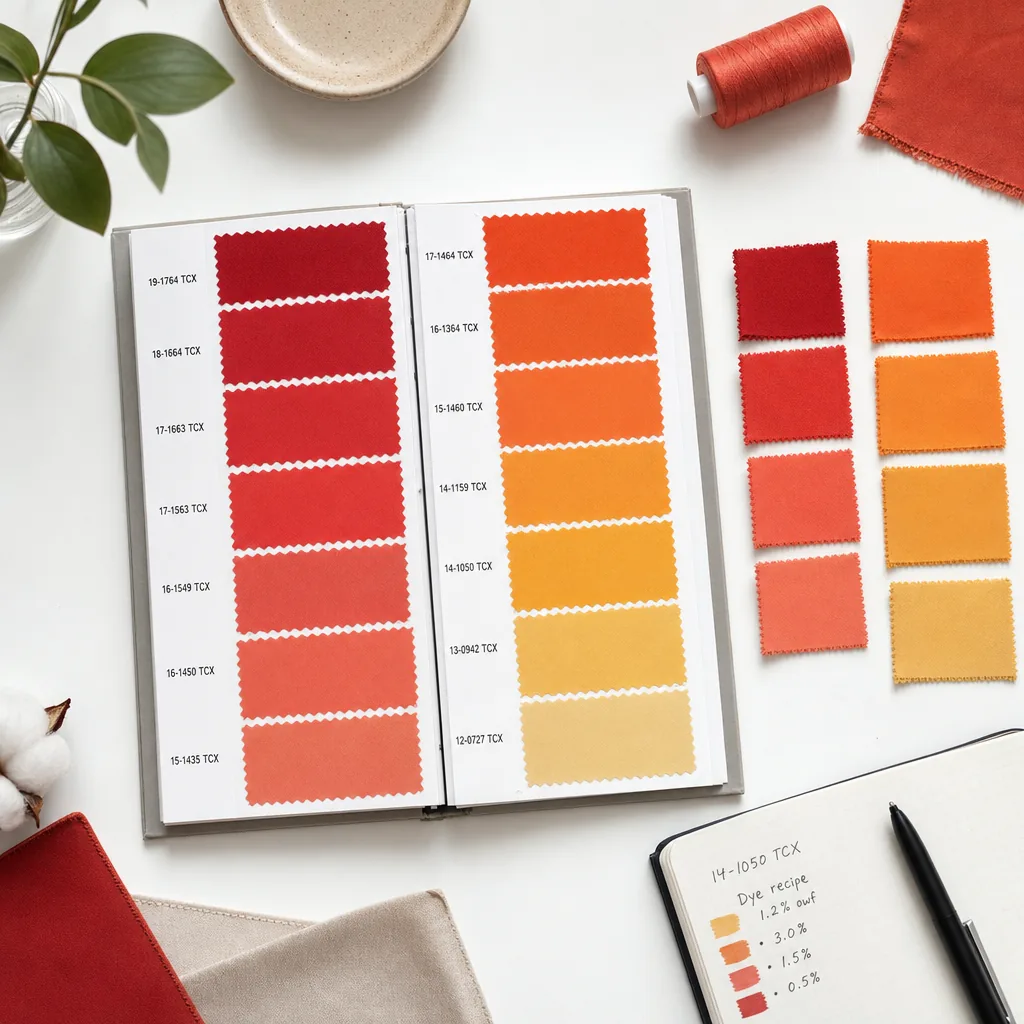
Pantone Color Matching for Custom Caps: A Manufacturer's Reference - 2026 Buyer's Guide
Read article →We hope this guide demystifies corduroy hat men's: properties, costs and how to spec it right - cost & moq breakdown (2026 update) and helps you move forward with confidence. If you have questions specific to your project, our English-speaking sales engineers are one message away.