
Camouflage Bucket Hat: Properties, Costs and How to Spec It Right - Cost & MOQ Breakdown - Supplier Checklist
For brand owners, wholesalers and procurement teams entering the custom headwear category, camouflage bucket hat: properties, costs and how to spec it right - cost & moq breakdown - supplier checklist is one of the highest-leverage decisions you will make. Get it right and your unit economics, retail story and reorder cycle all improve. Get it wrong and you carry the cost for years.
Bucket Hat Women
A women’s camouflage bucket hat should be treated as a small cut-and-sew program, not a generic promo cap with a print slapped on top. I would start with 260-350 gsm cotton twill or washed cotton canvas, then lock the camo artwork to Pantone TCX references or a lab-dipped strike-off; “army green” is not a spec. Get the crown height, brim width, stitch count, sweatband, and wash finish approved before sampling. A workable build is a 4- to 6-panel crown, 6-8 rows of brim topstitching, and either self-fabric tape or cotton herringbone tape at the inner sweatband. If the factory also handles corduroy hat men's, cotton beanie, or organic cotton newborn hat programs, that may say something about sewing range, but it does not replace a bucket-hat-specific fit sample and wash approval.
For MOQ and cost, the market usually sits at 300-500 pieces per colorway for a basic woven bucket hat, with first-order FOB pricing around USD 2.20-4.80 depending on fabric, camo print method, lining, trim, and whether you add embroidery or a woven label. A brushed camo twill with custom woven patch, printed binding, and garment wash will price well above a plain 100% cotton twill version. Insist on a line-item quote for fabric, printing, cutting, sewing, trims, packing, and cartonization, because the hidden creep usually shows up in reinforcement, binding, and packaging rather than the headline unit price. CrownsForge’s standard practice is to separate those costs before sampling so the quote does not move when the brim spec gets heavier or the logo callout becomes more detailed.
Quality control on a women’s camouflage bucket hat should be judged on symmetry, print registration, and brim recovery, not just color and size. The usual failures are crooked side seams, uneven brim width, shade shift across panels, puckered topstitching, and sweatband twist after washing. Check camo under D65 light, verify seam allowance and stitch density, and run a 40 C wash test for shrinkage and distortion before release. I would keep AQL 2.5 for general inspection, then tighten the criticals on panel matching and logo placement because camo can hide a sloppy seam until the hat is worn. sedex-audit-cap-supplier-guide.html">BSCI 2.0 or Sedex SMETA 4-Pillar status is useful for compliance screening, but the real test is whether the factory can repeat the same spec from 300 pieces to 3,000 without the brim softening or the print drifting.
Corduroy Hat Men's
A corduroy hat men’s program lives or dies on the fabric spec, and buyers usually under-spec the cloth first. Start with wale count and weight: 8-wale to 11-wale corduroy is the normal range for structured caps, while 21-wale reads cleaner but has less body and collapses faster on a bucket crown. For cotton corduroy, ask for 280 to 420 gsm, reactive dye, and pre-shrink under 3%; state the color as Pantone TCX, not “navy” or “olive” in a chat thread. If the silhouette needs shape retention, specify buckram in the front panels and a brim insert with enough stiffness to hold its edge after steaming. Stitch order matters too: cut, fuse, then sew the main seams on flatbed and overlock machines, and place embroidery on Tajima, Barudan, or ZSK heads before final assembly so the nap does not distort the needle path. That same discipline is what separates a retail-ready cap from a camouflage bucket hat that only looks acceptable in photos.
MOQ and pricing move fast once you leave stock corduroy. A workable factory MOQ is 300 to 500 pieces per colorway if the mill already has matching fabric; custom dyeing, enzyme wash, woven labels, or branded metal trim usually pushes the order to 1,000 pieces. In Yiwu, ex-works pricing often lands around $2.40 to $4.80 for a simple unlined six-panel cap and $3.20 to $6.50 for a bucket hat with lined crown, woven label, and basic flat embroidery; heavier wale counts, quilting, or garment wash can add $0.30 to $1.20 per piece. Inspect for crushed pile, seam puckering on curved joins, shade drift between panels, and brim symmetry within 3 mm front-to-back. For volume buys, AQL 2.5 is the right default for major defects, and color should be checked against a sealed lab dip under D65 light. Corduroy exposes every bad needle strike and every off-shade panel, while a camouflage bucket hat can hide some visual noise, so the inspection standard needs to be stricter, not looser.
Lock the spec sheet before price negotiation starts. State fiber content, wale count, GSM, crown height, brim width, sweatband construction, stitch density, embroidery method, shrinkage target, label copy, and carton packing format, then get the factory to confirm tolerances at your target MOQ in writing. If the line also includes beanies for men or an organic cotton newborn hat, keep the same control points: composition, shrinkage, artwork placement, label content, and pack count should be written down, not left to sales-language alignment. Our standard practice is to issue a pre-production sample with cut-and-sew notes, color chips, and a defect checklist so the bulk run is judged against measurable points instead of a sales deck. The useful question is not whether a supplier can make one good sample; it is whether they can hold a camouflage bucket hat, a corduroy hat men’s order, and a plain knit cap without drifting in shade, size, or stitch quality across the full lot.
Organic Cotton Newborn Hat
A camouflage bucket hat lives or dies on print fidelity and cloth choice, not on vague style language. For a production-ready spec, call out 100 percent cotton twill or a poly-cotton twill in the 240 to 300 gsm range, usually with a peach finish or light enzyme wash if you want a softer hand. Lock the camouflage artwork to a Pantone TCX target or an approved strike-off before bulk, then hold color to Delta-E 2.0 or better on the dominant shades. On a normal run, panel-to-panel print registration should stay within 1.5 to 2.0 mm, and the brim needs enough recovery to survive packing, so I would not spec below a 6 cm brim with double topstitching or edge binding. If you add embroidery, keep the density sensible on Tajima, Barudan, or ZSK heads; once thread mass gets too heavy, it distorts the camo breaks and makes the face look muddy instead of sharp.
Corduroy Hat Wholesale
Camouflage bucket hat sourcing starts with the fabric, not the silhouette. For a usable spec, call out printed cotton twill, pigment-dyed ripstop, or jacquard-woven twill up front, because those choices drive MOQ, wash fastness, and color control more than the bucket shape itself. A normal production spec lands around 220 to 280 gsm cotton twill or 150D to 210D polyester ripstop, with 4 to 6 panel crown construction, 6 to 8 mm topstitch, and a 2.5 to 5 cm brim depending on how much structure you want. For a multi-color camouflage bucket hat, require Pantone TCX references for each base tone and a bulk approval target under Delta-E 2.0; otherwise the olive, brown, and black notes drift between dye lots. Also define the sweatband as self-fabric, cotton twill, or poly-cotton tape, since that changes hand feel, shrinkage, and landed cost more than buyers usually expect.
MOQ and price move with the print method and trim package. Stock camo fabric can support 300 to 500 pieces per colorway, while custom printed or woven camo usually starts at 1,000 to 3,000 pieces because the mill needs roll minimums and the factory wants fewer changeovers. FOB pricing for a basic camouflage bucket hat typically runs $2.10 to $4.20 in bulk; add embroidery, woven labels, metal eyelets, chin cord, or taped seams and you are usually in the $4.80 to $7.50 range depending on size run and labor content. Ask for stitch count per inch, brim edge finish, crown height, and wash shrinkage in writing. If the quote does not spell out panel alignment tolerance, fabric yield, and whether print repeat matching is included across the crown and brim, it is not a real quote. The cost driver is setup time, not the hat shape.
Most failures show up in inspection before they turn into returns: panel mismatch at the side seam, washed-out contrast after laundering, brim warp, loose topstitch at the crown, and a twisted sweatband that makes the hat sit crooked. Hold the lot to AQL 2.5 for major defects and compare production against a sealed golden sample for panel symmetry, seam puckering, and logo placement. For darker camouflage grounds, request crocking and wash colorfastness tests, plus dimensional stability after a 30 C wash cycle, because weak fixation shows up fast on black, olive, and navy bases. CrownsForge’s standard practice is to check fabric width loss, shrinkage, and needle damage before bulk release, since a camouflage bucket hat gives you very little room for slop once the print repeat has to line up across the crown and brim.
Wholesale Hat Manufacturers Usa
A serious wholesale hat manufacturers USA discussion starts with the spec sheet, not with geography. A camouflage bucket hat should be built as a production item: 100 percent cotton twill, brushed cotton, cotton-poly blend, or ripstop at 180 to 260 gsm; 4-panel or 6-panel crown; stitched-down brim at 2.5 to 3.0 inches; and a sweatband in self-fabric or polyester twill if you are trying to hold cost. Lock down fabric composition, yarn count, Pantone TCX target, Delta-E tolerance under 2.0, seam allowance, shrinkage after wash, and the camo method itself, whether screen printed, pigment dyed, reactive printed, or yarn-dyed. If the supplier cannot state stitch density, embroidery file format, crown structure, or whether the body is fully lined or only seam-taped, they are quoting from memory, not running a repeatable process. A competent factory will also tell you where the pattern is matched at the side seam and how they control brim memory after pressing.
For a custom camouflage bucket hat, realistic MOQ is usually 300 to 1,000 pieces per colorway, with lower minimums only when the base fabric is already in stock and the decoration is simple. On a clean FOB China quote, a basic run usually lands around $2.40 to $4.80 at 500 to 1,000 units before domestic freight, duties, and U.S. margin; add woven labels, all-over print, heavy wash, custom taping, or a woven patch and the number moves quickly. Ask for line-item pricing for body, decoration, labels, hangtags, polybag, carton, and test charges. That matters on any wholesale hat program, whether the order is a camo bucket, a corduroy bucket, or a plain promo cap, because cheap quotes often hide plate fees, extra sampling rounds, or packaging upgrades that only appear after approval.
The first failures I check are crooked brim topstitching, crown height variance, seam puckering after wash, weak sweatband attachment, and camo placement drifting across the side seam. For a camouflage bucket hat, also verify print registration, brim symmetry within 3 mm, colorfastness to rubbing and laundering to ISO 105 standards, and carton pack-out against the customer’s retail requirement. CrownsForge’s standard practice is to approve a pre-production sample, then inspect bulk under AQL 2.5 with measurement checkpoints, carton count verification, and master carton labeling before release. A supplier that can hold those controls on a camo bucket usually has the process discipline to handle adjacent programs; the one that only talks unit price usually leaves a defect that shows up at retail and costs more than the margin you saved.
Black Beanie Hat
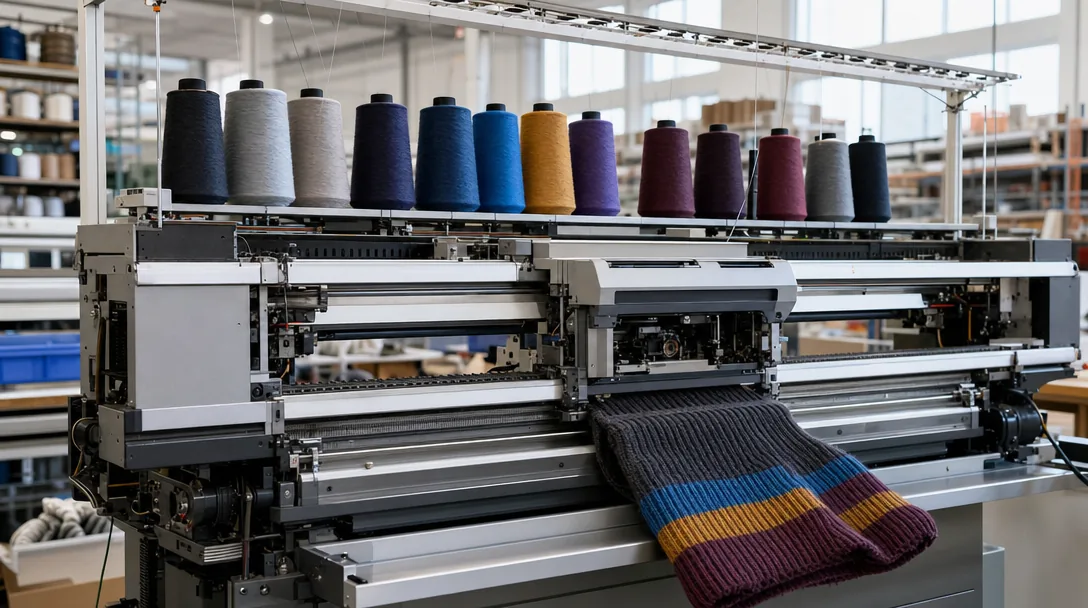
A black beanie hat looks simple until the spec gets loose and the batch turns into mixed hand feel, fit, and color. The normal build is 1x1 or 2x2 rib knit, usually 7-gauge to 12-gauge, in acrylic, combed cotton, merino wool, or an acrylic-wool blend, made on a flat knitting machine and linked at the crown. Write the purchase order around measurable points: yarn count, gauge, stitch density, fold height, crown shaping, and whether the yarn is spun-dyed before knitting or piece-dyed after. For a beanie for men program that needs less itch and better drape, I would push a combed cotton or 60/40 acrylic-cotton blend and require pilling performance to ASTM D3512, plus a wash test for shrinkage under 5 percent. Deep black is not automatic in rib knit; lock Pantone TCX or a signed lab dip, because black yarn can read charcoal, brown, or blue under different dye lots and factory LEDs.
MOQ and price move fast once you leave a plain stock yarn build. A factory-made black beanie hat is often 300 to 1,000 pieces per color if the yarn is already stocked, but jacquard, custom woven labels, metal badges, or specialty yarns push it higher. In China, a basic acrylic rib beanie typically lands around $1.20 to $2.20 EXW at 1,000 pieces, while merino, wool blend, or organic cotton versions are more like $2.80 to $5.50 depending on yarn cost, gauge, and finishing loss. Force the quote to break out folding, steaming, label sewing, hangtagging, polybagging, carton marks, and any third-party carton test report. The same cost logic applies to a camouflage bucket hat: shell fabric, print repeat, seam allowance, brim reinforcement, and trim all change the unit cost, so a lump-sum quote is usually missing something important.
The usual defects are crown collapse, uneven rib tension, yarn fuzzing, twist after wash, and seam ladders at the top join. On black goods, lint contamination is its own problem because every speck shows under factory lighting and usually points to weak housekeeping or a poor final brushing step. Set inline inspection at AQL 2.5 for critical defects, then confirm stretch recovery, wash shrinkage, and color fastness to rubbing and perspiration before bulk release. For CrownsForge, our standard practice is to freeze the fiber content, construction method, color standard, and inspection criteria before sample approval; that discipline matters just as much on a camouflage bucket hat, a corduroy hat men's style, or a cotton newborn hat. If those points are not locked, the purchase order turns into an argument about what the buyer thought was included.
Working with CrownsForge for camouflage bucket hat programs
For a camouflage bucket hat program, the print is only one input. Fabric weight, yarn-dye versus piece print, crown depth, brim width, stitch density, and seam allowance all change fit, shade, and yield on the cutting table. A spec that looks clean on screen can fail once it is cut in 100% cotton twill, washed, and pressed. The right starting point is a pre-production sample in 7 to 10 working days after artwork and tech pack approval, then locking panel shape, topstitch count, sweatband construction, and decoration placement before bulk cutting. If you are comparing a camouflage bucket hat with a corduroy men's hat or beanies for men, do not use the same cost logic; bucket hats carry more brim labor, more fabric waste at nesting, and more risk of print mismatch across side seams.
MOQ and pricing are mostly set by fabric availability and decoration complexity. For a stock camo cloth camouflage bucket hat, 300 to 500 pieces per colorway is a realistic first order; once you require custom placement print, reactive-dyed base fabric, or a special wash finish, the MOQ often moves to 800 pieces or more. Sampling usually runs USD 35 to 80 per style, higher if you want dense embroidery, contrast brim binding, woven labels, or multiple trim components. Our standard practice is to keep logo work in-house on Tajima, Barudan, and ZSK heads, because an outsourced embroidery shop will usually loosen control over stitch density, border cleanup, and Pantone TCX alignment. If you are also buying a cotton beanie or an organic cotton newborn hat, align label construction and color standards across the line so the hand feel and brand identity do not drift between categories.
The compliance file should be operational, not decorative. Ask for BSCI 2.0 or Sedex SMETA 4-Pillar evidence where relevant, plus fabric composition records, needle control logs, carton marks, and PO-linked packing specs. For bulk camouflage bucket hat orders, AQL 2.5 is the right baseline for major defects, with 4.0 for minor defects, and the checkpoints should be pre-production, inline, and final with photo records. The order flow needs to stay disciplined: artwork confirmation, sample sign-off, production booking, inline inspection, final QC, then shipping documents. That is what keeps a small change in embroidery size, brim width, or label position from turning into a delayed shipment, especially when the buyer is managing several SKUs at once and needs each hat program to stay on the same production calendar.
Frequently Asked Questions
What logo decoration techniques do you offer?
3D puff embroidery, flat embroidery, woven patch, leather patch, PVC patch, screen printing, sublimation, applique and laser etching, all in-house with no subcontracting.
Do you support sustainability certifications?
Yes. We work with GOTS organic cotton, GRS-certified recycled polyester, OEKO-TEX Standard 100 fabrics, and are BSCI and Sedex audited. Certification documentation can be provided per order.
What is the minimum order quantity (MOQ) for custom hats?
Our standard MOQ is 100 pieces per design and color, with sampling available from 1 piece. For complex multi-color logos or premium fabric upgrades, the MOQ can be lowered with a small per-piece surcharge.
How long does production take?
Sampling takes 7 to 12 days. Bulk production runs 20 to 30 days depending on quantity, fabric availability and decoration complexity. Inspection and packing adds another 3 to 5 days before shipment.
Can I order a sample before bulk production?
Yes. We strongly recommend approving a pre-production sample before mass production. Samples are charged at 35 to 60 USD each plus express shipping, fully refundable against confirmed bulk orders over 500 pieces.
What should buyers know about organic cotton bucket hat?
When evaluating organic cotton bucket hat, the key considerations are construction quality, decoration capability, MOQ flexibility and lead time. Cover everything buyers ask about organic cotton newborn hat: how it's manufactured, what specs to request from a factory, typical MOQ and pricing, common quality issues to inspect for, and how this ties back to the broader camouflage bucket hat sourcing decision. Cover everything buyers ask about bucket hat women: how it's manufactured, what specs to request from a…
What should buyers know about men's corduroy bucket hat?
When evaluating men's corduroy bucket hat, the key considerations are construction quality, decoration capability, MOQ flexibility and lead time. Cover everything buyers ask about corduroy hat men's: how it's manufactured, what specs to request from a factory, typical MOQ and pricing, common quality issues to inspect for, and how this ties back to the broader camouflage bucket hat sourcing decision. Cover everything buyers ask about corduroy hat wholesale: how it's manufactured, what specs to request from a factory,…
What should buyers know about nike bucket hats for men?
When evaluating nike bucket hats for men, the key considerations are construction quality, decoration capability, MOQ flexibility and lead time. Cover everything buyers ask about corduroy hat men's: how it's manufactured, what specs to request from a factory, typical MOQ and pricing, common quality issues to inspect for, and how this ties back to the broader camouflage bucket hat sourcing decision. Cover everything buyers ask about bucket hat women: how it's manufactured, what specs to request from a factory,…
What should buyers know about cotton beanie men?
When evaluating cotton beanie men, the key considerations are construction quality, decoration capability, MOQ flexibility and lead time. Cover everything buyers ask about corduroy hat men's: how it's manufactured, what specs to request from a factory, typical MOQ and pricing, common quality issues to inspect for, and how this ties back to the broader camouflage bucket hat sourcing decision. Cover everything buyers ask about organic cotton newborn hat: how it's manufactured, what specs to request from a…
Ready to start your custom hat project?
Send us your tech-pack, sketch or even just an inspiration photo. We will respond with a detailed quotation and digital mock-up within 24 hours.
Request a free quoteRelated guides
Acrylic Beanie: Properties, Costs and How to Spec It Right
Read article →
Custom Hat Design: The 2026 Sourcing & Manufacturing Playbook
Read article →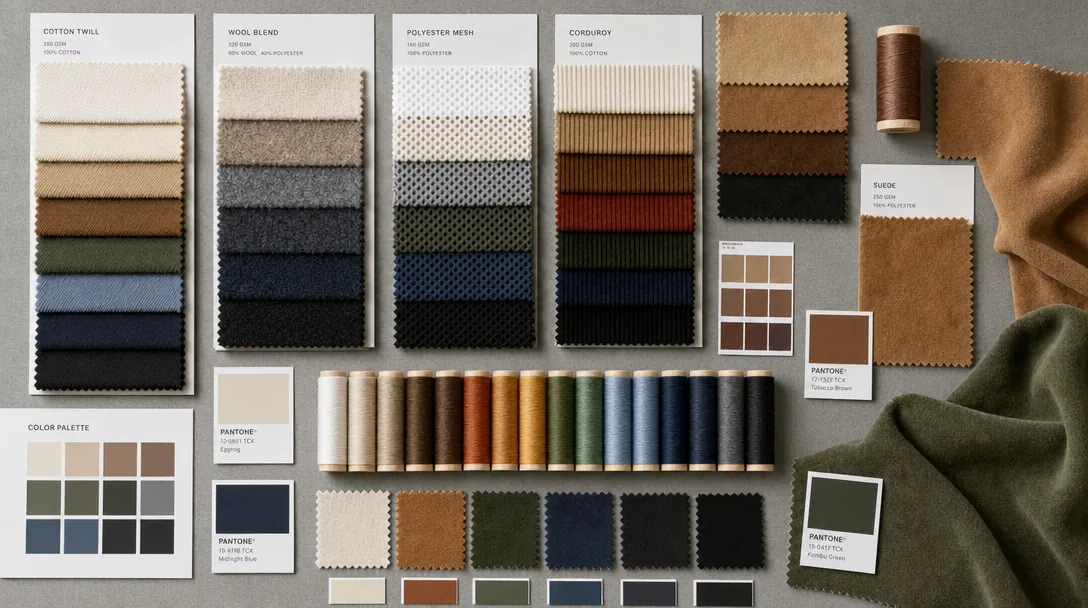
Bucket Hat Corduroy Retail Packaging Guide for Custom Hat Buyers
Read article →We hope this guide demystifies camouflage bucket hat: properties, costs and how to spec it right - cost & moq breakdown - supplier checklist and helps you move forward with confidence. If you have questions specific to your project, our English-speaking sales engineers are one message away.