
Bucket Hats Festival: A Vertical-Specific Sourcing Guide
Bucket Hats Festival: A Vertical-Specific Sourcing Guide is one of the most-asked questions we receive from international buyers, and for good reason. With dozens of factories competing for your order and an alphabet soup of technical terms in every supplier quote, even experienced importers can feel lost. This guide consolidates what we have learned producing custom hats for clients in 40+ countries.
Baseball Hats for Men
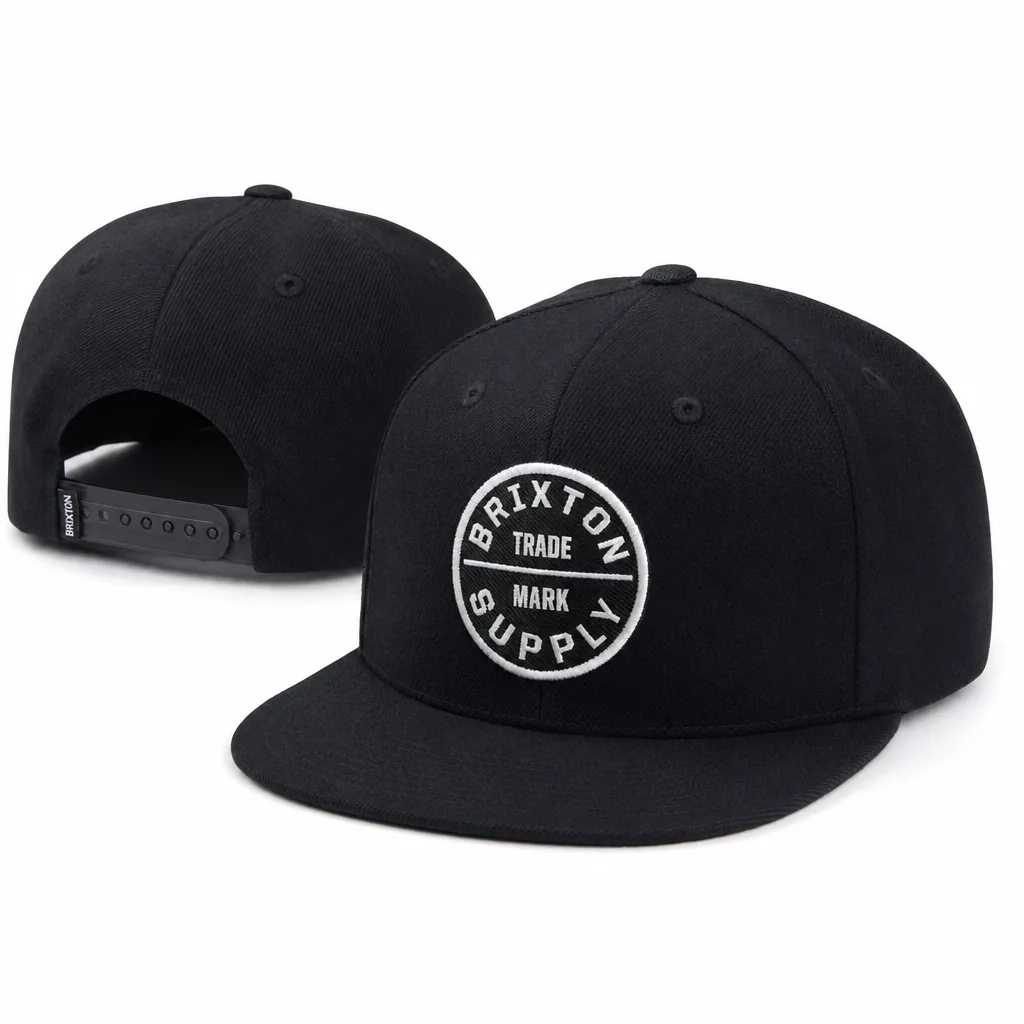
A baseball hat for men is usually built from a six-panel crown, a pre-curved or flat visor, a self-fabric or sandwich sweatband, and an adjustable back closure. On the factory floor, the real variables are fabric weight, crown structure, and stitch control. For a clean retail cap, ask for 100% cotton twill at 260-320 gsm, or polyester twill at 180-220 gsm if you want lower cost and faster drying. Specify fused buckram in the front panels if the cap must hold shape, or unstructured panels if the target is a softer festival bucket hat alternative. Embroidery should be digitized for the exact panel curvature, using Tajima, Barudan, or ZSK heads, and color matching should be locked to Pantone TCX with Delta-E under 2.0 on approvals. For broader bucket hats festival assortments, a baseball cap and a festival bucket hat often share the same trim standards, so the factory should quote both off the same trim card and lab-dip process.
Typical MOQ for a standard men’s baseball cap is 300 to 500 pieces per colorway if the factory already has core fabrics and closures in stock. Fully custom fabric, custom taping, and molded patches usually push the MOQ to 1,000 pieces or more. Ex-works pricing in China is often $1.20 to $2.20 for basic cotton twill with flat embroidery, $2.50 to $4.50 for structured caps with woven labels, sandwich visors, and back embroidery, and $5.00 plus for premium wash treatments, heavy applique, or specialty closures. If a buyer is comparing a primark bucket hat target price to a men’s cap program, the cap is usually cheaper to tool but more sensitive to panel symmetry and embroidery density. For festival bucket hats, rave bucket hat styles, and rave bucket hats with reflective details, add cost for piping, coated fabric, or edge binding. CrownsForge’s standard practice is to quote the cap body, decoration, and packaging separately so buyers can see where the margin is actually going.
The common defects are predictable: off-center logos, visor waviness, crown mismatch across panels, loose topstitching at the sweatband, and bad closure alignment. Check stitch count per inch, seam allowance consistency, and whether the visor board is cracked or underfilled, because those failures show up in transit and on shelf. For inspection, a practical target is AQL 2.5 for major defects and 4.0 for minor defects, with carton-drop and sweatband rub checks if the hats are going to outdoor events. Color drift is another problem, especially when buyers mix men’s baseball hats with bucket hats festival programs and expect one shade across different fabric bases. The safest sourcing decision is to treat the cap and the bucket hat as separate constructions, even when the graphics are shared, because a festival bucket hat tolerates softer shaping while a baseball cap demands tighter dimensional control on crown height, visor curve, and logo placement.
Custom Baseball Team Hats
Custom baseball team hats are usually built from a structured crown assembly, not a loose cut-and-sew shell like a festival bucket hat. A factory will start with front panels, side panels, visor board, sweatband, eyelets or laser perforations, then lock the shape with buckram, stitching, and a heat-pressed or sewn visor. For team orders, I ask for a 6-panel low-profile or mid-profile spec, curved visor, 110-120 gsm cotton twill or 100% polyester, matching thread to Pantone TCX, and embroidery files in DST or EMB. If the buyer wants a cleaner retail finish, CrownsForge would usually quote tighter tolerances on panel symmetry and logo placement, because small alignment errors are obvious on a structured cap in a way they are not on relaxed festival bucket hats. That is also why the same buyer who compares a primark bucket hat on price should treat a team cap as a different product class entirely.
For MOQ and pricing, the market is straightforward but not cheap if you want consistency. Basic custom baseball team hats usually start around 300 to 500 pieces per colorway, with embroidery build costs moving the landed unit price into the $2.80 to $5.50 range FOB depending on stitch count, fabric weight, and whether you need woven labels, printed taping, or 3D puff. A simple one-color front logo is cheaper than a complex multi-location build, and a structured cap with metal buckle closure costs more than a snapback. Buyers should request a pre-production sample, a size spec sheet, and a trim card before bulk approval. If the factory cannot tell you the exact thread brand, backing type, or crown depth, that is usually a warning sign. The same sourcing discipline applies when comparing festival bucket hats and rave bucket hats for a live event program: small spec changes quickly alter handfeel, price, and defect rate.
The defects to inspect are predictable and avoidable if you check them before shipment. I look for crooked visor stitching, uneven top button placement, puckering around embroidered logos, bad color matching under D65 light, loose sweatband seams, and inconsistent crown height across cartons. For bulk work, ask for AQL 2.5 for majors and AQL 4.0 for minors, plus a 100% needle inspection if the order includes metal trims or heavy embroidery. A clean cap program should also survive wash and abrasion checks, especially if the team will re-order mid-season and expects color continuity. This matters to bucket hats festival buyers too, because the sourcing decision is not really cap type versus cap type; it is which silhouette can be held to a repeatable standard at a price point the channel can support. A well-made baseball cap gives you tighter branding control, while a festival bucket hat gives you softer fashion appeal, so the factory choice should follow the selling context, not the trend cycle.
Baseball Hats Canada
For baseball hats Canada buyers usually want two things at the same time: a clean retail finish and a price point that still works after freight, duty, and decoration. A normal structured six-panel cap starts with 180-260 gsm cotton twill or a polyester-cotton blend, then a buckram front, sewn eyelets or laser-cut ventilation, a precurved PE visor, and a self-fabric or woven sweatband. If you are comparing this to a festival bucket hat, the cap is less forgiving on crown shape and visor symmetry, so the factory needs tighter control on panel cutting and seam allowance. Ask for Pantone TCX or PMS matching on body fabric and embroidery thread, a production gold sample, and a wash test if the hat will be sold as fashion apparel rather than promo stock. For Canada-bound programs, I also ask for carton dimensions, net/gross weight, and a HS code confirmation before quoting, because small errors there distort landed cost fast.
Typical MOQ depends on construction. A plain unbranded cap can start around 300 to 500 pieces per color, but once you add 3D embroidery, woven labels, custom taping, or a low-profile molded shape, 1,000 pieces is more realistic if you want stable pricing. Factory ex-works pricing for a basic cotton twill cap is often in the $1.20 to $2.20 range, while a heavier brushed twill or recycled polyester build with embroidery can move into the $2.50 to $4.50 range before packaging. That sits in the same decision tree as bucket hats festival sourcing: if the order is for a rave bucket hat, a primark bucket hat, or a wider festival bucket hats program, the buyer usually trades structure for lower cost and faster lead time. For baseball hats Canada, the key is not chasing the lowest quote; it is locking the same fabric lot, trim lot, and stitch density across the full run so repeat orders do not drift.
The defects that matter most are easy to miss in photos and expensive to fix after arrival. Check crown balance, visor curve consistency, embroidery registration, puckering around the front panels, sweatband twisting, and color shift between body fabric and visor under daylight, not just factory LEDs. I want AQL 2.5 sampling on criticals, with Delta-E under 2.0 for branded colors and a clear rejection rule for broken stitches, oil stains, or crooked closures. On export runs, snapbacks and Velcro closures often fail at the attachment points, while fitted caps fail on circumference tolerance if the cutting dies are worn. That is why the same buyer who is comparing a rave bucket hat to a festival bucket hat should still specify cap measurement points, seam count, and embroidery file limits when they move into baseball hats Canada. The broader sourcing lesson is simple: style changes, but process discipline does not.
Fitted Hats with Patches
A fitted hat with patches is usually built from a structured crown, then finished with the patch as a separate operation, not as a one-step decoration. For a decent result, specify the base fabric first: 100% cotton twill at 260 to 320 gsm, wool blend for a cleaner hand, or acrylic/wool for a firmer crown. Then define the patch type, because an embroidered twill patch, woven label patch, PVC patch, and leather patch all drive different tooling, stitch time, and failure modes. On the factory side, the crown panels are cut, fused with buckram or foam interfacing, stitched, blocked, then the patch is applied by sew-on, heat seal, or a combination. Our standard practice is to ask for Pantone TCX references, stitch density, patch edge finish, and a size spec by fitted size, usually with a tolerance of plus or minus 3 mm on critical measurements.
Buyers should request a sample pack that shows the patch before and after application, not just a flat artwork proof. The useful production specs are crown height, visor curve, sweatband material, seam tape, size range, and patch placement measured from center front and top seam. Typical MOQ is 300 to 500 pieces per colorway for a simple embroidered patch cap, but PVC, leather, or multi-layer appliques often push that to 600 to 1,000 pieces because the patch itself needs a separate setup. FOB pricing commonly lands around $3.20 to $6.80 per piece for standard twill with a simple patch, and can move above $8 when you add heavy embroidery, custom underbrims, or premium trims. If the order needs sedex-audit-cap-supplier-guide.html">BSCI 2.0 or Sedex SMETA 4-Pillar documentation, expect longer lead time for compliance paperwork and inline checks.
The main defects to inspect are patch puckering, crooked centerline placement, size drift between fitted pieces, visor asymmetry, and adhesive bleed if the factory uses low-grade heat seal backing. On a good line, the operator should be using Tajima, Barudan, or ZSK embroidery heads for the patch itself, then a dedicated heat press or single-needle attach step with a placement jig. For buyers comparing a festival bucket hat, a rave bucket hat, or a fitted cap with patch, the tradeoff is simple: bucket hats festival sourcing tolerates more size flexibility, while fitted hats punish poor grading and weak blocking. That is why a Primark bucket hat style can be easier to chase at volume, but a fitted cap with patches gives you a more premium retail signal if the stitching, crown shape, and patch edge finish are controlled tightly.
Funny Bucket Hats
Funny bucket hats are usually built the same way as a standard festival bucket hat, but the decoration changes the failure points. A decent factory will cut the crown and brim from 180 to 260 gsm cotton twill, washed canvas, or 100 percent polyester for brighter print work, then add a 100 gsm lining if the design needs structure. Our standard practice is to ask for a sewn sample first, then run embroidery on Tajima, Barudan, or ZSK heads if the artwork has small text or dense outlines. For novelty shapes, buyers should request stitch count limits, applique placement, and a measured brim depth so the hat still sits correctly on a 58 to 60 cm head. If you are comparing a primark bucket hat style against a rave bucket hat concept, the difference is usually not silhouette; it is print durability, color control, and how much distortion the factory can tolerate without flattening the joke artwork.
For specs, ask for panel count, brim width, crown height, sweatband type, seam allowance, and decoration method in writing. A practical baseline for festival bucket hats is a 5 to 6 cm brim, 8 to 9 cm crown height, polyester core thread, colorfastness at grade 4 or better, and Pantone TCX or Pantone C matching on the main fabric plus Delta-E under 2.0 on sampled panels. MOQ is usually 300 to 500 pieces per colorway for stock fabrics, but novelty shapes or all-over printed rave bucket hats often start at 1,000 pieces because setup waste is real. EXW pricing in China is typically $1.60 to $3.80 for simple embroidery, $2.40 to $5.50 for all-over sublimation or woven patches, and more if you need custom labels, hang tags, or a shaped brim insert. Buyers chasing bucket hats festival timing should not lock price before sample approval, because every correction adds labor and film cost.
The common quality issues are predictable: crooked topstitching, uneven brim binding, embroidery puckering, wrong panel symmetry, and color bleed after a cold wash. Check seam density, usually 8 to 10 stitches per inch on twill, and insist on a wash test plus a 24-hour steam recovery check if the hat uses foam interlining or a fused brim. For production control, I would ask for inline inspection at AQL 2.5, then final random inspection against the approved golden sample, not just the artwork file. The bigger sourcing mistake is treating a funny hat like a throwaway promo item; once you scale to festival bucket hats or seasonal streetwear, small defects become a margin problem and a returns problem. If the buyer wants a one-off joke piece, a rave bucket hat can be loose. If the order is for a real bucket hats festival program, the factory needs proper pattern control, not just a funny print.
Festival Bucket Hat
A festival bucket hat is simple on the sales floor and annoyingly specific on the factory floor. The build usually starts with 4- to 6-panel crown pieces, a cut-and-sew brim, then either fusible or nonwoven interfacing to keep the brim from collapsing after steam pressing. For a dependable festival bucket hat, request the fabric composition in writing: 100% cotton twill at 260-320 gsm for a softer hand, nylon taslan at 110-160 gsm for faster dry time, or polyester with a light DWR finish if the buyer wants a rave bucket hat that can handle sweat and light rain. The spec sheet should call out crown depth, brim width, top-stitch density, thread count, sweatband construction, eyelet size, and whether artwork is embroidery, woven patch, or sublimation. CrownsForge’s standard practice is to lock these points before sampling, because once the crown shape is approved, small changes in brim width or stitch tension are where most fit problems start.
Typical MOQ depends on decoration, not just the hat body. A blank run can start around 300-500 pieces per color, while custom-printed or heavily embroidered festival bucket hats usually land at 500-1,000 pieces per style because of dye, trim, and thread setup. Factory pricing in China is often around $1.20-$2.80 FOB for a simple cotton style, $2.50-$4.20 for a washed or pigment-dyed version, and $4.50-$5.50 when you add structured panels, multi-location embroidery, woven labels, or custom tape. Buyers comparing a primark bucket hat or other mass retail baseline should remember that the retail shelf price hides volume scale, margin, and simplified decoration. If the order needs a true retail-grade finish, the real cost driver is not the fabric itself; it is the consistency of the brim press, the embroidery registration, and the trimming time needed to keep each piece clean enough for hanging display.
The defects that matter are visible from three feet away: brim waviness, crown twist, skipped topstitching, puckered embroidery, and color drift between repeat orders. For bucket hats festival programs, I would insist on a pre-production sample, then a top-of-production approval and an AQL 2.5 inspection on the finished batch. Ask for Pantone TCX references for fabric and Delta-E under 2.0 for reorders if color consistency matters across festival bucket hats and matching apparel. If the style uses dense embroidery, test it on Tajima, Barudan, or ZSK heads before bulk, because small logos can distort when the stabilizer is wrong or the stitch direction fights the crown seam. The broader sourcing decision is whether the hat is meant to read as a disposable rave bucket hat for one event or a repeatable core item for channels that need stable margin, controlled returns, and lower defect rates.
Working with CrownsForge for bucket hats festival programs
For bucket hats festival programs, the first risk is usually not production capacity, it is sampling speed and fit discipline. At CrownsForge, the normal cadence is 5 to 7 days for a plain proto after artwork and spec confirmation, then 7 to 10 days for decorated samples if embroidery, woven patches, or silicone badges need digitizing and color matching. I prefer to lock brim width, crown depth, and stitch density before bulk, because a festival bucket hat that looks good in a flat mockup can still collapse at the brim or distort at the side seam once it is worn wet, packed, and resold. For first-time buyers, MOQ can stay practical: 200 to 300 pcs per colorway is workable on many constructions, while repeat orders can be scaled once the bill of materials is stable.
Decoration is where many festival bucket hats get over-specified and then fail on lead time. Embroidery on Tajima, Barudan, or ZSK heads is fine for logos up to about 80 to 100 mm wide, but dense fills on lightweight cotton twill need stitch-count control to avoid puckering. For a rave bucket hat or rave bucket hats program, I usually push clients toward a combination of low-density embroidery, woven labels, and heat-transfer or silicone patches if they want sharper edges and faster turnarounds. Dye-matched panels should be checked against Pantone TCX or a physical lab dip, not just a screen render, because Delta-E drift is obvious under club lighting and daylight. A primark bucket hat style brief is not a good benchmark for premium retail, but it is useful as a cost reference when deciding how far to go on trim complexity.
The order-management part matters as much as the sewing. Each PO should carry a single approved sample, a measured spec sheet, packing requirements, carton counts, and AQL targets; for these runs, AQL 2.5 is the normal inspection baseline for general defects, with tighter checks on seam slippage, print registration, and contamination from loose threads. We also separate compliance by market: BSCI 2.0 and Sedex SMETA 4-Pillar cover most buyer audits, but fiber content, origin labeling, and REACH or CPSIA concerns still need to be built into the file before cutting starts. That is how bucket hats festival orders stay de-risked when the buyer is moving from a test drop to a 10,000-piece seasonal program. The difference is usually not the factory slogan; it is whether production, inspection, and shipping paperwork all match the same approved version.
Frequently Asked Questions
What logo decoration techniques do you offer?
3D puff embroidery, flat embroidery, woven patch, leather patch, PVC patch, screen printing, sublimation, applique and laser etching, all in-house with no subcontracting.
Can I order a sample before bulk production?
Yes. We strongly recommend approving a pre-production sample before mass production. Samples are charged at 35 to 60 USD each plus express shipping, fully refundable against confirmed bulk orders over 500 pieces.
Do you support sustainability certifications?
Yes. We work with GOTS organic cotton, GRS-certified recycled polyester, OEKO-TEX Standard 100 fabrics, and are BSCI and Sedex audited. Certification documentation can be provided per order.
What file format should I send for my logo?
Vector files (AI, EPS, PDF) are ideal. High-resolution PNG or JPG at 300 dpi on transparent background works as a fallback. Provide Pantone color references for accurate reproduction.
Which shipping methods do you support?
We support FOB, CIF and DDP shipping. Air express for samples and small orders, sea LCL for 100 to 500 pieces, sea FCL for 5,000+ pieces. Door-to-door DDP available for US, EU, UK, Canada and Australia.
What should buyers know about bucket hat men?
When evaluating bucket hat men, the key considerations are construction quality, decoration capability, MOQ flexibility and lead time. Cover everything buyers ask about baseball hats for men: how it's manufactured, what specs to request from a factory, typical MOQ and pricing, common quality issues to inspect for, and how this ties back to the broader bucket hats festival sourcing decision. Cover everything buyers ask about festival bucket hat: how it's manufactured, what specs to request from a factory,…
What should buyers know about nike bucket hats for men?
When evaluating nike bucket hats for men, the key considerations are construction quality, decoration capability, MOQ flexibility and lead time. Cover everything buyers ask about baseball hats for men: how it's manufactured, what specs to request from a factory, typical MOQ and pricing, common quality issues to inspect for, and how this ties back to the broader bucket hats festival sourcing decision. Cover everything buyers ask about custom baseball team hats: how it's manufactured, what specs to request from a…
What should buyers know about cool bucket hats for guys?
When evaluating cool bucket hats for guys, the key considerations are construction quality, decoration capability, MOQ flexibility and lead time. Cover everything buyers ask about baseball hats for men: how it's manufactured, what specs to request from a factory, typical MOQ and pricing, common quality issues to inspect for, and how this ties back to the broader bucket hats festival sourcing decision. Cover everything buyers ask about custom baseball team hats: how it's manufactured, what specs to request from a…
What should buyers know about kangol bucket hat mens?
When evaluating kangol bucket hat mens, the key considerations are construction quality, decoration capability, MOQ flexibility and lead time. Cover everything buyers ask about festival bucket hat: how it's manufactured, what specs to request from a factory, typical MOQ and pricing, common quality issues to inspect for, and how this ties back to the broader bucket hats festival sourcing decision. Cover everything buyers ask about baseball hats for men: how it's manufactured, what specs to request from a factory,…
Ready to start your custom hat project?
Send us your tech-pack, sketch or even just an inspiration photo. We will respond with a detailed quotation and digital mock-up within 24 hours.
Request a free quoteRelated guides
Custom Made Trucker Hat: The 2026 Sourcing & Manufacturing Playbook
Read article →Sports Team Caps & Uniform Headwear: Bulk Manufacturing for Clubs and Schools
Read article →
FOB vs CIF vs DDP: Incoterms Compared for Hat Imports
Read article →If you are ready to take the next step on bucket hats festival: a vertical-specific sourcing guide, our team can put a tailored quotation and digital mock-up in your inbox within 24 hours. Send the inquiry form on our contact page or message us directly on WhatsApp.