
Bucket Hat Corduroy Sample Approval Process for Custom Hat Buyers
Bucket Hat Corduroy Sample Approval Process for Custom Hat Buyers is one of the most-asked questions we receive from international buyers, and for good reason. With dozens of factories competing for your order and an alphabet soup of technical terms in every supplier quote, even experienced importers can feel lost. This guide consolidates what we have learned producing custom hats for clients in 40+ countries.
Why bucket hat corduroy sample approval process needs a separate sourcing plan
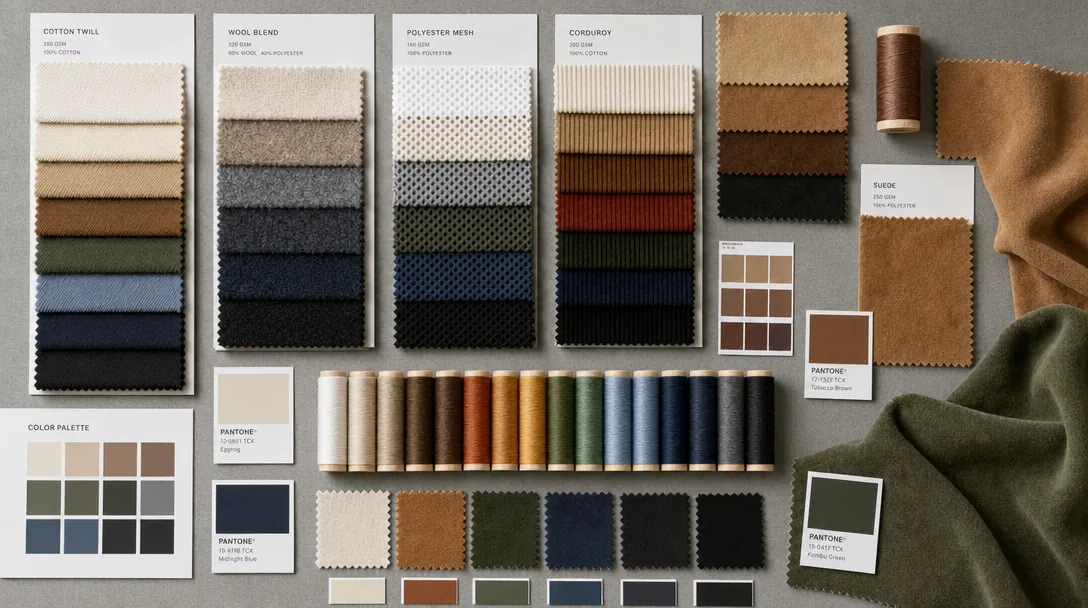
The buyer intent behind a bucket hat corduroy sample approval process is usually risk control, not casual design exploration. Corduroy behaves differently from twill, nylon, or brushed cotton because wale direction, pile height, and garment washing can shift the finished look by more than a Pantone callout suggests. A corduroy bucket hat in 8-wale cotton can look premium and structured; the same pattern in 14-wale baby cord can collapse at the crown if the interlining is too light. Buyers asking for a corduroy hat brown also need to define whether “brown” means Pantone 19-1118 TCX, a washed coffee tone, or a reactive-dyed shade with Delta-E under 1.5 after bulk washing. Generic hat sourcing often approves silhouette and logo first, then fabric later. That order is wrong here. For bucket hat corduroy, fabric hand feel, nap direction, shrinkage, brim memory, and embroidery distortion must be locked before pricing is reliable.
This sourcing plan differs from standard cap development because corduroy changes the production sequence and inspection criteria. On a baseball cap, we can often run Tajima or Barudan embroidery on pre-cut twill panels with predictable tension. On a corduroy bucket hat, embroidery may need lower stitch density, topping film, and revised underlay so the logo does not sink into the pile. If the buyer wants a 280–320 gsm organic cotton hat fabric, the mill certificate, GOTS transaction certificate if applicable, and dye-lot booking should be requested before the sales sample is approved. A normal sample may take 5–7 days; a dyed-to-match corduroy sample with lab dip, shrinkage test, and revised logo run usually needs 12–18 days. Our standard practice at CrownsForge is to cut two sample sets: one for buyer approval and one sealed internal reference with fabric direction, SPI, seam allowance, and shade card attached.
The cost drivers are less forgiving than many buyers expect. Stock corduroy can keep sample cost around $60–$90 and bulk FOB near $3.20–$5.80 depending on MOQ, lining, label package, and embroidery size. Custom dyed organic cotton corduroy may add $180–$350 in lab-dip and setup charges, with fabric MOQ often 300–500 meters per color. Compliance also changes the sourcing decision: recycled polyester labels, nickel-free eyelets, CPSIA requirements for children’s styles, sedex-audit-cap-supplier-guide.html">BSCI 2.0 factory documentation, and Sedex SMETA 4-Pillar audit availability should be checked before the sample is signed off. Do not treat this like ordering cotton beanie men styles, where stretch tolerance and yarn composition dominate the approval. A bucket hat has panel symmetry, brim roll, wash stability, and topstitch visibility. The bucket hat corduroy sample approval process should therefore approve fabric, construction, decoration, packaging, and compliance evidence together, not as separate afterthoughts.
Factory capability checks before quoting
Factory capability should be verified before price, because a cheap quote is useless if the sample room cannot control corduroy pile direction, panel symmetry, and decoration distortion. For a bucket hat corduroy program, I first ask for the wale count, fabric weight, and shrinkage data: common choices are 8-wale or 11-wale cotton corduroy at 280–360 gsm, with reactive dye matched to Pantone TCX and checked under D65 light. A corduroy hat brown is especially risky because pile shading can look like Delta-E 3.0–4.0 even when the lab dip passes; the cutter must keep all panels running in the same nap direction. If the buyer wants organic cotton hat claims, we need GOTS or OCS transaction certificates, not just a mill invoice. I also check whether the factory can source matching sweatband, taping, and drawcord without switching to polyester trims that break the claim.
Decoration capability is the second gate in the bucket hat corduroy sample approval process. Dense satin embroidery that works on twill can sink into corduroy ribs, so the digitizer should increase underlay, reduce stitch density to around 0.38–0.42 mm spacing where possible, and test on the actual fabric, not a substitute swatch. Tajima, Barudan, and ZSK heads can all produce clean results, but only if hooping pressure is controlled; over-tight hooping leaves ring marks on pile. For chenille, woven labels, rubber patches, leather patches, and flat embroidery, I ask for photos of previous production plus pull-test and wash-test results. Patch placement tolerance should be agreed before sampling, usually ±2 mm from center front and ±1.5 mm rotation. For bucket hats, panel construction matters too: four-panel and six-panel crowns fit differently, brim rows can range from 6 to 10 stitches, and reversible styles need cleaner seam allowance control.
A capable sample room must be able to build one-off samples without hiding production problems. At CrownsForge, our standard practice is to check pattern templates, seam allowance, brim stiffness, sweatband attachment, eyelet position, and optional chin cord or stopper choices before issuing a final quote. Closure options are limited on a bucket hat compared with baseball caps, but buyers may still specify elastic sweatband, adjustable drawcord, detachable neck flap, or packable soft brim; each changes labor time by roughly $0.15–$0.60 per piece at production scale. Audit readiness is part of capability, not paperwork decoration: BSCI 2.0, Sedex SMETA 4-Pillar, needle-control logs, metal detection records, and AQL 2.5 inspection history should be available before order confirmation. Communication checks also matter. A factory that cannot confirm Pantone, gsm, embroidery size, carton marks, and sample lead time in writing will struggle later when the buyer has 3 SKUs, including a corduroy bucket hat, cotton beanie men styles, and mixed FOB/DDP shipping deadlines.
MOQ, pricing and sample approval
MOQ should be quoted by fabric color, not just by style, because corduroy dye lots and wale direction control the real factory economics. For a bucket hat corduroy order, 100–300 pcs is usually a paid trial band with limited color choices from stock 8-wale or 11-wale cotton corduroy; expect about $4.80–$7.20 FOB Ningbo/Shanghai before heavy decoration. At 500 pcs, custom Pantone TCX dyeing becomes more realistic, though mills still prefer 300–500 meters per color. At 1,000–3,000 pcs, pricing can drop into the $3.20–$5.10 range depending on lining, brim stiffness, sweatband, and packing. Organic cotton hat claims need GOTS or OCS transaction documents, not just a supplier promise; organic corduroy often adds 12–25% and one extra week. A corduroy hat brown sounds simple, but brown shades shift badly under D65 versus store lighting, so we approve against a physical swatch with Delta-E under 1.5 when possible.
Decoration setup is where buyers underestimate both cost and approval risk. Flat embroidery on a corduroy bucket hat needs a test sew because the ribs can swallow fine lettering; I avoid text below 5 mm height unless we increase density and use a tear-away plus water-soluble topping. Tajima, Barudan, and ZSK heads can all run clean logos, but digitizing has to account for pile direction, not just thread count. Normal embroidery digitizing runs $35–$80 per logo, 3D puff is rarely smart on bucket hats, and woven patches need $60–$120 mold or artwork setup. Metal buckles, eyelets, drawcord stoppers, woven labels, care labels, and hangtags should all be listed in the PPS file with material, color, placement tolerance, and finish. Do not approve trims by photo only; antique brass, matte black, and nickel plating can look acceptable on screen and fail badly in bulk.
The bucket hat corduroy sample approval process should finish with one signed PPS, not a chain of WhatsApp comments. Our standard practice at CrownsForge is to lock fabric shade, wale direction, panel symmetry, brim width, crown height, embroidery density, label placement, and packaging before bulk cutting. A proper PPS approval includes Pantone TCX or lab-dip reference, thread card numbers such as Madeira or Gunold, stitch count, SPI on seams, carton markings, polybag spec, barcode position, and AQL 2.5 inspection criteria for major defects. Sample timing is usually 5–7 days for stock corduroy and 12–18 days for lab-dip or custom-dyed fabric; bulk lead time is 25–35 days after PPS approval, or 40–50 days in peak season. If your assortment also includes items like cotton beanie men styles, keep them on a separate approval track because knit tension, shrinkage, and labeling tolerances are completely different from cut-and-sew bucket hats.
Quality inspection and shipping risk
The highest-risk point in a bucket hat corduroy order is not sewing; it is letting a “close enough” sample become the shipping standard. For the bucket hat corduroy sample approval process, I require a sealed gold sample with panel nap direction, brim width, crown height, sweatband width, and label placement signed off before bulk cutting. Our normal tolerance is ±3 mm on brim width, ±5 mm on crown height, and ±2 mm on woven label position; anything wider creates visible size variation when 500 pieces are stacked together. Final inspection should follow ANSI/ASQ Z1.4 at AQL 2.5 for major defects and AQL 4.0 for minor defects, with measurement checks pulled across all sizes and colors. For corduroy bucket hat production, I also check wale alignment at the center front seam, puckering around the crown top, loose topstitching, and brim wire or interlining distortion after steam pressing.
Color and decoration defects need tougher control on corduroy than on twill because the pile hides some problems and exaggerates others. A corduroy hat brown shade should be matched against Pantone TCX under D65 light, with Delta-E ideally under 1.5 for repeat orders and under 2.0 for first bulk if the buyer approved lab dips. Colorfastness testing should cover rubbing, perspiration, and light exposure; dark brown, black, and forest green corduroy often fail dry/wet crocking if reactive dye washing is rushed. Embroidery must be checked for thread breaks, bird-nesting, registration drift over 1 mm, and density that crushes the wale; Tajima, Barudan, and ZSK heads all produce clean logos if digitizing uses lower stitch density and proper underlay. For an organic cotton hat, request GOTS or OCS transaction certificates, not just a fabric supplier’s invoice. A buyer comparing this to cotton beanie men orders should remember that corduroy shrinkage and nap direction are less forgiving.
Shipping risk is mostly documentation discipline. Carton markings should match the approved packing method: PO number, SKU, color, size if applicable, quantity, gross/net weight, carton dimensions, country of origin, and carton number such as 1/25. For bucket hat corduroy, I prefer 50 pieces per export carton with polybag vent holes and silica gel when humidity is high; overpacking 100 pieces can flatten the brim and leave pressure marks in the pile. FOB Ningbo or Shanghai is cleaner when the buyer controls freight, insurance, and customs broker timing; DDP is convenient for small streetwear drops but the supplier must quote duty, MPF, HMF, last-mile delivery, and remote-area surcharges separately, otherwise someone hides the cost in unit price. Reorder documentation should include approved sample photos, fabric gsm and wale count, Pantone TCX reference, embroidery DST file, thread color codes, carton specs, AQL report, and any deviation waiver from the last shipment.
Buyer checklist for the next RFQ
Commercial details decide whether the quotation is real or just a placeholder. State order quantity by color and size, sample quantity, target FOB or DDP destination, carton mark requirements, barcode or polybag needs, and inspection standard such as AQL 2.5 for major defects and AQL 4.0 for minor defects. Our standard practice at CrownsForge is to quote sample cost, mold or digitizing charge, bulk unit price, lead time, and remake rules separately so buyers can see what is refundable after PO. For a corduroy bucket hat, ask the supplier to confirm shrinkage after washing, seam slippage, colorfastness to rubbing, needle marks on the ribs, and brim symmetry tolerance before sample approval. A clean bucket hat corduroy sample approval process normally needs one fit sample, one color/material approval, and one pre-production sample before bulk cutting.
Working with CrownsForge
The fastest bucket hat corduroy sample approval process is built around a controlled reference sample, not a pretty photo. At CrownsForge, we start by locking the corduroy wale count, fabric weight, and shrinkage behavior before cutting the first sample; a 14-wale cotton corduroy at 260–300 gsm behaves very differently from a wide-wale 8-wale cloth after enzyme wash. For buyers requesting an organic cotton hat, we verify GOTS or OCS transaction documents before quoting, because uncertified “organic” fabric is still common in small-lot markets. Color is checked against Pantone TCX under D65 light, with a normal tolerance of Delta-E under 1.5 for solid shades like corduroy hat brown, black, or olive. A first physical sample usually takes 7–10 days after tech pack approval, while a revised sample takes 4–6 days if the pattern is unchanged.
Decoration on a corduroy bucket hat needs tighter control than decoration on twill because the ribs can distort fine artwork. For embroidery, we digitize with underlay adjusted to the wale direction and test on Tajima or Barudan heads before bulk approval; small letters below 4 mm often close up unless the thread weight, stitch density, and backing are changed. For woven labels, we check edge fray, fold allowance, and placement against the brim seam, since a label that looks centered on a flat panel can rotate once the crown is assembled. If the buyer is developing matching headwear, such as cotton beanie men styles for the same capsule, we align thread colors, label yarns, and packaging codes across both products so the retail set does not look sourced from two unrelated factories.
QC is not left until cartons are sealed; the bucket hat corduroy sample approval process defines the inspection standard used in production. We keep a signed gold sample, approved measurement chart, trim card, embroidery sew-out, and packing method together, then run inline checks for crown height, brim width, panel symmetry, stitch SPI, shade lot, and loose pile marks. For export orders, our normal final inspection follows AQL 2.5 for major defects and AQL 4.0 for minor defects unless the buyer’s manual requires stricter terms. Export coordination is handled alongside QC: care labels, fiber content, HS code, carton marks, FBA or DDP requirements, and audit documents such as BSCI 2.0 or Sedex SMETA 4-Pillar are reviewed before booking. This prevents the common problem where a technically approved bucket hat corduroy sample fails shipment because labeling or compliance was treated as an afterthought.
Frequently Asked Questions
How long does production take?
Sampling takes 7 to 12 days. Bulk production runs 20 to 30 days depending on quantity, fabric availability and decoration complexity. Inspection and packing adds another 3 to 5 days before shipment.
Can I order a sample before bulk production?
Yes. We strongly recommend approving a pre-production sample before mass production. Samples are charged at 35 to 60 USD each plus express shipping, fully refundable against confirmed bulk orders over 500 pieces.
Do you support sustainability certifications?
Yes. We work with GOTS organic cotton, GRS-certified recycled polyester, OEKO-TEX Standard 100 fabrics, and are BSCI and Sedex audited. Certification documentation can be provided per order.
What logo decoration techniques do you offer?
3D puff embroidery, flat embroidery, woven patch, leather patch, PVC patch, screen printing, sublimation, applique and laser etching, all in-house with no subcontracting.
What file format should I send for my logo?
Vector files (AI, EPS, PDF) are ideal. High-resolution PNG or JPG at 300 dpi on transparent background works as a fallback. Provide Pantone color references for accurate reproduction.
What should buyers know about organic cotton bucket hat?
When evaluating organic cotton bucket hat, the key considerations are construction quality, decoration capability, MOQ flexibility and lead time. Explain the buyer intent behind bucket hat corduroy sample approval process, when it differs from generic hat sourcing, and what decisions affect cost, lead time and compliance. Describe how CrownsForge manages bucket hat corduroy sample approval process programs with sampling, decoration, QC and export coordination.
What should buyers know about brown corduroy bucket hat?
When evaluating brown corduroy bucket hat, the key considerations are construction quality, decoration capability, MOQ flexibility and lead time. Explain the buyer intent behind bucket hat corduroy sample approval process, when it differs from generic hat sourcing, and what decisions affect cost, lead time and compliance. Describe how CrownsForge manages bucket hat corduroy sample approval process programs with sampling, decoration, QC and export coordination.
What should buyers know about bucket hat men nike?
When evaluating bucket hat men nike, the key considerations are construction quality, decoration capability, MOQ flexibility and lead time. Explain the buyer intent behind bucket hat corduroy sample approval process, when it differs from generic hat sourcing, and what decisions affect cost, lead time and compliance. Describe how CrownsForge manages bucket hat corduroy sample approval process programs with sampling, decoration, QC and export coordination.
What should buyers know about acrylic beanie hat?
When evaluating acrylic beanie hat, the key considerations are construction quality, decoration capability, MOQ flexibility and lead time. Explain the buyer intent behind bucket hat corduroy sample approval process, when it differs from generic hat sourcing, and what decisions affect cost, lead time and compliance. Describe how CrownsForge manages bucket hat corduroy sample approval process programs with sampling, decoration, QC and export coordination.
Looking for a reliable hat manufacturer in China?
CrownsForge has produced custom hats for 800+ brands across 40 countries. From 100-piece launches to 100,000-piece retail programs, we deliver on time and on spec.
Get in touchRelated guides
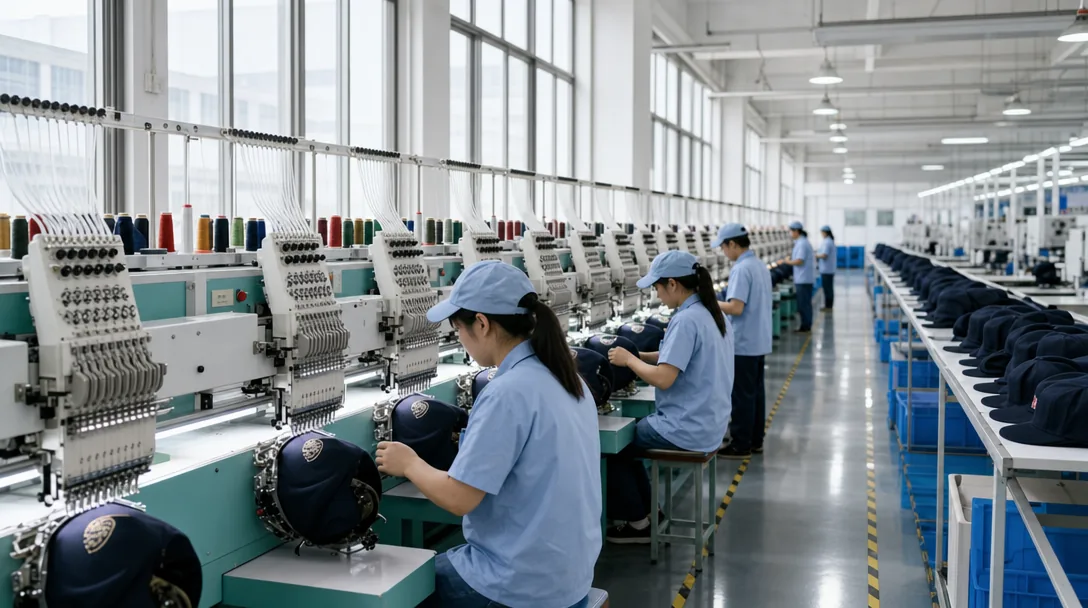
Bulk Trucker Hats Supplier Audit Checklist for Custom Hat Buyers
Read article →
Golf Hats For Men Supplier Audit Checklist for Custom Hat Buyers
Read article →
Hat With Patch MOQ And Pricing Plan for Custom Hat Buyers
Read article →We hope this guide demystifies bucket hat corduroy sample approval process for custom hat buyers and helps you move forward with confidence. If you have questions specific to your project, our English-speaking sales engineers are one message away.