
Bucket Hat Corduroy Decoration QC Checklist for Custom Hat Buyers - Cost & MOQ Breakdown - Cost & MOQ Breakdown
Bucket Hat Corduroy Decoration QC Checklist for Custom Hat Buyers - Cost & MOQ Breakdown - Cost & MOQ Breakdown is one of the most-asked questions we receive from international buyers, and for good reason. With dozens of factories competing for your order and an alphabet soup of technical terms in every supplier quote, even experienced importers can feel lost. This guide consolidates what we have learned producing custom hats for clients in 40+ countries.
Why bucket hat corduroy decoration qc checklist needs a separate sourcing plan
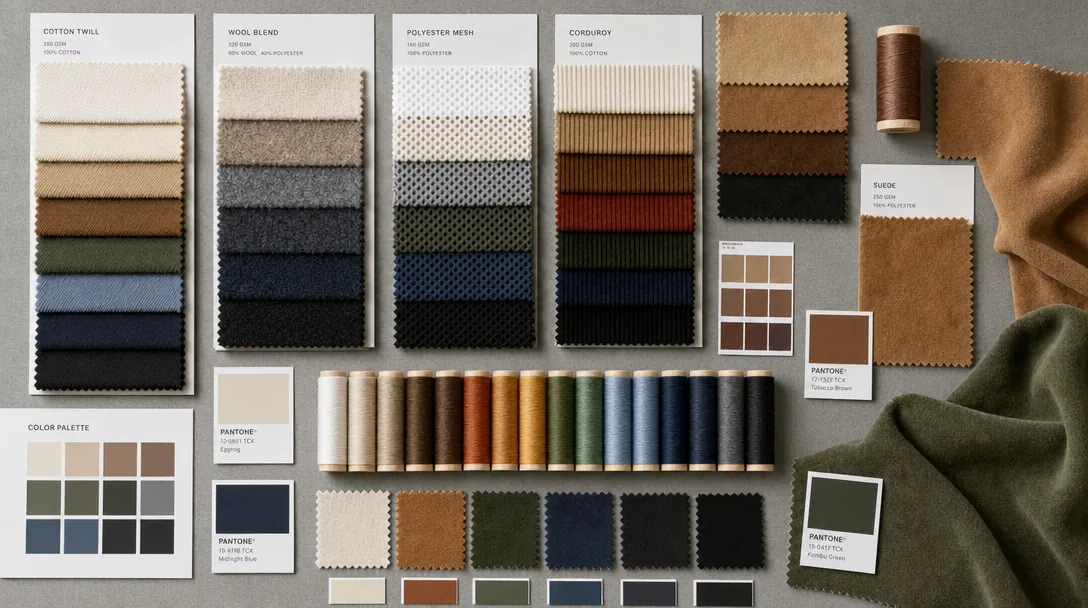
A separate sourcing plan is non-negotiable because corduroy fails in ways brushed twill and chino do not, and bucket-hat geometry makes every defect visible. The sidewall is a continuous 360-degree band, so one panel cut against nap or from a substitute roll will show as an obvious shade break under D65 light, store LEDs, or outdoor daylight. A practical bucket hat corduroy decoration qc checklist starts at fabric booking: lock the wale specification—typically 8-wale for a heavier streetwear hand or 11-wale for cleaner embroidery—then confirm weight at 220-280 gsm with a tolerance of +/-5%, pile direction, and roll-to-roll shade continuity before cutting. If the mill swaps to a “similar” lot without approval, you usually get mixed rib height, extra seam bulk at the crown join, and visible panel shading even when the dye recipe is nominally the same. For piece-dyed cotton corduroy, a realistic bulk standard is Delta-E 1.5-2.0 against the approved lab dip; buyers asking for tighter than that on multiple rolls are usually writing a spec the mill cannot hold consistently.
Decoration is where the separate plan earns its keep, because cord ribs change how embroidery, patches, and prints behave. On Tajima or Barudan heads, flat embroidery on corduroy normally needs reduced stitch density, firmer edge underlay, and minimum text closer to 5-6 mm height, otherwise the stitches sink into the channels and fine outlines break. That is why the bucket hat corduroy decoration qc checklist should freeze decoration method before bulk cutting and require a sewn PPS made on actual shell fabric, with final backing, needle count, and wash or abrasion conditions. If the digitizer builds the file as if it were 14 oz chino, you pay twice: once in rejected panels and again in embroidery edits and resampling. Cost impact is not theoretical—better 100% cotton corduroy commonly adds $0.35-$0.80 per hat versus low-grade poly blends, and extra strike-offs or patch sampling can add 5-10 calendar days. Plain dyed programs can sometimes start at 144-300 pieces per color, but once you add custom dye, woven labels, or multi-position decoration, the workable MOQ is usually 500-1,000 pieces if you want stable yield and shade control.
Compliance is the other reason this category needs its own lane. Corduroy, especially in dark navy, brown, and black, is more exposed to crocking and color transfer than smooth woven caps, so the sourcing plan has to align mill, dye house, and trim vendors before sampling—not after bulk is sewn. For US and EU orders, that usually means confirming fiber content, azo-free dyestuffs, and restricted-substance readiness under REACH and, where applicable, CPSIA, then checking dry and wet rubbing fastness plus migration onto light sweatbands, topstitch thread, and woven labels. A serious checklist separates appearance control from compliance control: appearance covers wale alignment, brim symmetry within 3 mm, stitch balance, seam puckering, and decoration registration; compliance covers lot traceability, matching test reports to actual bulk fabric, and factory oversight under sedex-audit-cap-supplier-guide.html">BSCI 2.0 or Sedex SMETA 4-Pillar. That separation is what prevents a 3,000-piece lot from clearing inline inspection at AQL 2.5 and still failing at the lab or at customer receiving.
Factory capability checks before quoting
Decoration capability should decide whether a supplier gets to quote at all, because corduroy exposes weak digitizing fast. On 8-wale to 14-wale cotton corduroy in the 280-360 gsm range, the pile swallows detail and the ribs push stitches off line, so the factory must show recent bucket-hat samples on comparable fabric—not generic 6-panel cap swatches. I would want proof of flat embroidery, chain stitch, woven patch application, leather or PU patch placement, and appliqué specifically on soft corduroy shells. On Tajima, Barudan, or ZSK heads, fill densities tighter than roughly 0.35-0.40 mm usually bury into the wale unless the digitizer opens spacing, adds pull compensation, and swaps standard tatami underlay for a lighter edge-run plus zigzag structure. If the supplier cannot explain how a 5,000-stitch left-chest-style logo behaves differently on brushed chino versus corduroy, the quote is guesswork. A practical bucket hat corduroy decoration qc checklist should require embroidery strike-offs from the actual dye lot, stitch specs by logo area, patch edge tolerance within +/-1.0 mm for woven labels and +/-1.5 mm for leather patches, plus Pantone TCX color approval with a Delta-E target of <=1.5 for licensed work and <=2.0 for standard fashion programs.
Many decoration failures start upstream in cutting and assembly, not at the embroidery machine. Before approving a price, confirm whether the factory steam-relaxes or pre-shrinks the corduroy before cutting, what weights it runs routinely—280 gsm, 320 gsm, and 360 gsm are the normal commercial bands—and whether fabric claims such as BCI, GOTS, or recycled cotton are backed by transaction certificates and mill test reports. Bucket hats go wrong on crown symmetry, brim roundness, and seam bulk; if side band joins or crown panel alignment drift beyond +/-2 mm, the decoration will sit visibly off-center after sewing even when the embroidery file is correct. Ask what backing and fusing method they use under patches, whether brim topstitching is 6-8 SPI or 8-10 SPI depending on rib depth, and whether they switch between 40 wt and 60 wt top thread to keep the stitching from disappearing between wales. The sample room should also prove process control: prototype lead time of 5-7 working days, revision handling from a tech pack, inside-seam and sweatband photos, needle-control logs, inline and final inspection to AQL 2.5, and current BSCI 2.0 or Sedex SMETA 4-Pillar audit records. That is the detail level that makes a bucket hat corduroy decoration qc checklist commercially useful instead of cosmetic.
MOQ, pricing and sample approval
MOQ on corduroy bucket hats is driven by fabric and trim liability, not by how fast the line can sew a crown and brim. If you stay with stock 8-wale or 11-wale cotton corduroy in mill colors like black, camel, or dark brown, 100 to 200 pieces is workable; once you specify a Pantone TCX match, the real threshold usually moves to 300 to 500 pieces per color because the mill has to open a dye lot, run shade control, and absorb off-roll waste. Certified inputs push it higher. With GOTS or OCS fabric, 300 pieces per color is often the practical floor after transaction certificates, lot segregation, and extra booking costs are counted. Add custom inside taping, woven main labels, printed care labels, branded sweatbands, and retail polybags, and the project can easily require 800 pieces total to keep all trim suppliers inside their own MOQs. A solid bucket hat corduroy decoration qc checklist should treat any quote promising under 100 pieces with caution: the factory can produce it, but the unit cost gets inflated by fabric yield loss, trim overbuy, and sample amortization that buyers do not always see on the first quotation.
Decoration is where margin disappears fastest, especially on corduroy. Flat embroidery cannot be digitized like chino twill because the wale height swallows detail; a clean result usually needs lower stitch density around 0.38 to 0.42 mm, stronger underlay, and wider satin columns to stop tunneling and edge breakup. Digitizing normally runs $25 to $60 per logo, while a 5,000 to 6,000-stitch front design typically adds $0.35 to $0.80 per hat depending on thread count, color changes, and run time on Tajima or Barudan heads. Other decorations carry their own tooling: woven patch setup is commonly $35 to $70, PVC patch mold fees are about $80 to $150, metal eyelets add $0.06 to $0.12 each, and contrast binding or rope trim adds more labor minutes than raw material cost. Sample approval is the point where cost control and QC meet. Corduroy pile direction changes color appearance under D65 light, TL84 store lighting, and warehouse fluorescent tubes, so the PPS should lock the approved shade, pile lay, logo placement tolerance, edge clarity across the wale, label content, barcode position, and carton assortment before bulk starts. In practice, a pre-production sample takes 7 to 10 days after artwork approval and lab dip confirmation; bulk for 300 to 1,000 pieces is usually 25 to 35 days, plus 7 to 12 days if custom dyeing or garment washing is involved. The bucket hat corduroy decoration qc checklist should tie PPS approval directly to final inspection at AQL 2.5, because most chargebacks come from shortcuts taken before production, not from defects found at the end.
Quality inspection and shipping risk
Most claims on corduroy bucket hats come from subjective finals, so the bucket hat corduroy decoration qc checklist needs a fixed sampling protocol before cartons are sealed. Use ANSI/ASQ Z1.4, single sampling, General Inspection Level II as the default, with AQL 2.5 for major defects and 4.0 for minor; if the order is for premium retail, tighten embroidery appearance, seam balance, and fabric shading to AQL 1.5. On this product, a major defect is embroidery placement off by more than 3 mm from the approved point-to-point spec, brim width or crown height outside tolerance, skipped topstitching, broken bartacks at the sweatband join, seam grin exposing raw edge, or mixed-panel shade variation from different dye lots. Minor defects are loose threads under 5 mm, recoverable hoop marks, light pressing shine, or slight wale-direction mismatch that is not visible at arm’s length. Lock everything against a sealed golden sample with measurements in centimeters, Pantone references, stitch count, artwork size, and decoration position measured from crown seam and brim edge; otherwise every inspector makes a different call.
Corduroy moves more than buyers expect, so fit, color, and decoration need numeric controls, not “looks OK” comments on an inspection report. For adult bucket hats in 8-wale or 11-wale cotton corduroy around 220-280 gsm, practical tolerances are usually +/-0.5 cm on crown height, +/-0.5 cm on brim width, and +/-1.0 cm on inside circumference after 24 hours of conditioning. Color should be approved from lab dips against Pantone TCX under D65 light, with Delta-E kept below 1.5 for reorder programs; if you leave that undefined, navy, olive, and brown lots can drift enough to fail side-by-side at retail. Decoration also needs process-specific checks: flagging over the wales, backing show-through, thread breaks, ovalized round logos from hoop tension, and fill sinking into the pile. On Tajima or Barudan heads, corduroy usually runs cleaner with fill density around 0.38-0.42 mm and firm underlay instead of the heavier settings used on flat twill. Before shipment, verify carton marks, packing list, and booking data match exactly—PO, style, color, quantity, carton dimensions, gross/net weight, and country of origin—because relabeling, customs holds, and short-ship disputes are common when DDP paperwork and outer cartons do not align.
Buyer checklist for the next RFQ
A quote is only as good as the RFQ, and most weak RFQs fail on construction data. A usable bucket hat corduroy decoration qc checklist should fit on one technical sheet and remove guesswork: finished crown height, brim width, head opening by size, panel count, top button yes or no, eyelet type, sweatband material, seam binding, lining, and whether the body is fused, half-fused, or fully unstructured. Do not write “corduroy” and assume the factory can price it correctly. Specify wale count, fiber content, and gsm, because 11-wale 100% cotton at 280 gsm cuts, feeds, and puckers very differently from 16-wale 97/3 cotton-spandex at 220 gsm. If color matters, list Pantone TCX for shell, lining, sweatband, and thread, then define tolerance in plain factory language: Delta-E under 1.5 under D65 is premium; 2.0 to 2.5 is more typical for commercial bulk. Also call out shrinkage allowance after wash, especially if the hat uses enzyme wash or pigment dye, because corduroy pile distortion can shift both size and logo appearance. Decoration details are where claim disputes usually start. Submit artwork in AI, EPS, or editable PDF, then specify logo size in millimeters and placement from fixed construction points like side seam, crown seam, or brim stitch line. For embroidery, note stitch count or fill area; a 6,000-stitch side logo on a Tajima or Barudan setup is not priced or stabilized like a 15,000-stitch dense fill on corduroy, where underlay, push compensation, and pile direction determine edge clarity. If you use patches, define the exact type—woven, merrowed embroidery, TPU, faux leather, chenille—plus backing and attachment method such as heat seal, satin stitch, or edge sew-down. Add 3 to 5 close photos of inside finishing, brim topstitch rows, label position, and wash effect. Then lock the commercial terms before asking for price: quantity by color and size, MOQ expectation, Incoterm like FOB Ningbo or DDP Los Angeles, ex-factory date, testing needs, audit standard, packaging requirements, and AQL level. For most programs, AQL 2.5, 144 to 300 pieces per color for stock fabric, and 500 to 1,000 pieces per color for custom-dyed corduroy are realistic starting numbers.
Working with CrownsForge
A usable bucket hat corduroy decoration qc checklist starts before cutting, because corduroy hides defects until sewing locks them in. The first control point is fabric direction and shade: every crown panel and brim segment must run in the same wale and nap direction, or one hat will read like two different colors under store lighting. For 8-wale or 11-wale cotton corduroy at 280-320 gsm, I would not accept bulk unless the mill lot is matched to the approved swatch under D65 light with a shade tolerance around Delta-E 1.0-1.5. Brim orientation needs to be written on the marker and on the sewing SOP, not left to operator habit, because mixed pile is most visible at the brim seam and topstitch rows. Approval flow matters just as much: artwork, lab dip or fabric swatch, prototype, then PP sample signed against final sweatband, eyelets, care label, hangtag, and exact decoration position before bulk release. In practical sourcing terms, standard dyed corduroy usually starts around 144-300 pcs per colorway; organic cotton, custom Pantone TCX lab dips, or enzyme-washed programs more often land at 300-500 pcs because both the mill and dye house enforce minimums.
Decoration is where cost leakage shows up first on corduroy, because the pile distorts both embroidery and patch application. On Tajima or Barudan heads, dense fills need lower stitch density, more open column widths, and carefully tuned edge-run plus underlay, otherwise the panel puckers and the logo turns boardy after pressing. Text below 4.5-5.0 mm cap height is a real risk unless the digitizer opens counters, increases pull compensation, and tests on the actual shell fabric with the intended backing; a 50-70 gsm tear-away may survive sampling but fail in production, while a cut-away stabilizer is safer for heavy fills. Placement tolerance should be spec'd by decoration type: ±3 mm is realistic for side-panel embroidery, while brim artwork crossing seam areas often needs ±4-5 mm after topstitch spread. Final QC should run to AQL 2.5 and check brim SPI consistency, eyelet symmetry, seam matching at the brim join, circumference tolerance, lint and pressure shine on dark shades, barcode accuracy, carton strength, and outer carton scanability. As a working cost guide at 500 pcs, basic embroidery typically adds $0.18-$0.35, woven patch application $0.28-$0.55, and mixed appliqué or satin-stitch-plus-patch work $0.80-$1.20 before FOB or DDP freight.
Frequently Asked Questions
What is the minimum order quantity (MOQ) for custom hats?
Our standard MOQ is 100 pieces per design and color, with sampling available from 1 piece. For complex multi-color logos or premium fabric upgrades, the MOQ can be lowered with a small per-piece surcharge.
What file format should I send for my logo?
Vector files (AI, EPS, PDF) are ideal. High-resolution PNG or JPG at 300 dpi on transparent background works as a fallback. Provide Pantone color references for accurate reproduction.
How long does production take?
Sampling takes 7 to 12 days. Bulk production runs 20 to 30 days depending on quantity, fabric availability and decoration complexity. Inspection and packing adds another 3 to 5 days before shipment.
Can I order a sample before bulk production?
Yes. We strongly recommend approving a pre-production sample before mass production. Samples are charged at 35 to 60 USD each plus express shipping, fully refundable against confirmed bulk orders over 500 pieces.
Do you support sustainability certifications?
Yes. We work with GOTS organic cotton, GRS-certified recycled polyester, OEKO-TEX Standard 100 fabrics, and are BSCI and Sedex audited. Certification documentation can be provided per order.
What should buyers know about organic cotton bucket hat?
When evaluating organic cotton bucket hat, the key considerations are construction quality, decoration capability, MOQ flexibility and lead time. Explain the buyer intent behind bucket hat corduroy decoration qc checklist, when it differs from generic hat sourcing, and what decisions affect cost, lead time and compliance. Describe how CrownsForge manages bucket hat corduroy decoration qc checklist programs with sampling, decoration, QC and export coordination.
What should buyers know about brown corduroy bucket hat?
When evaluating brown corduroy bucket hat, the key considerations are construction quality, decoration capability, MOQ flexibility and lead time. Explain the buyer intent behind bucket hat corduroy decoration qc checklist, when it differs from generic hat sourcing, and what decisions affect cost, lead time and compliance. Describe how CrownsForge manages bucket hat corduroy decoration qc checklist programs with sampling, decoration, QC and export coordination.
What should buyers know about bucket hat men nike?
When evaluating bucket hat men nike, the key considerations are construction quality, decoration capability, MOQ flexibility and lead time. Explain the buyer intent behind bucket hat corduroy decoration qc checklist, when it differs from generic hat sourcing, and what decisions affect cost, lead time and compliance. Describe how CrownsForge manages bucket hat corduroy decoration qc checklist programs with sampling, decoration, QC and export coordination.
What should buyers know about acrylic beanie hat?
When evaluating acrylic beanie hat, the key considerations are construction quality, decoration capability, MOQ flexibility and lead time. Explain the buyer intent behind bucket hat corduroy decoration qc checklist, when it differs from generic hat sourcing, and what decisions affect cost, lead time and compliance. Describe how CrownsForge manages bucket hat corduroy decoration qc checklist programs with sampling, decoration, QC and export coordination.
Ready to start your custom hat project?
Send us your tech-pack, sketch or even just an inspiration photo. We will respond with a detailed quotation and digital mock-up within 24 hours.
Request a free quoteRelated guides
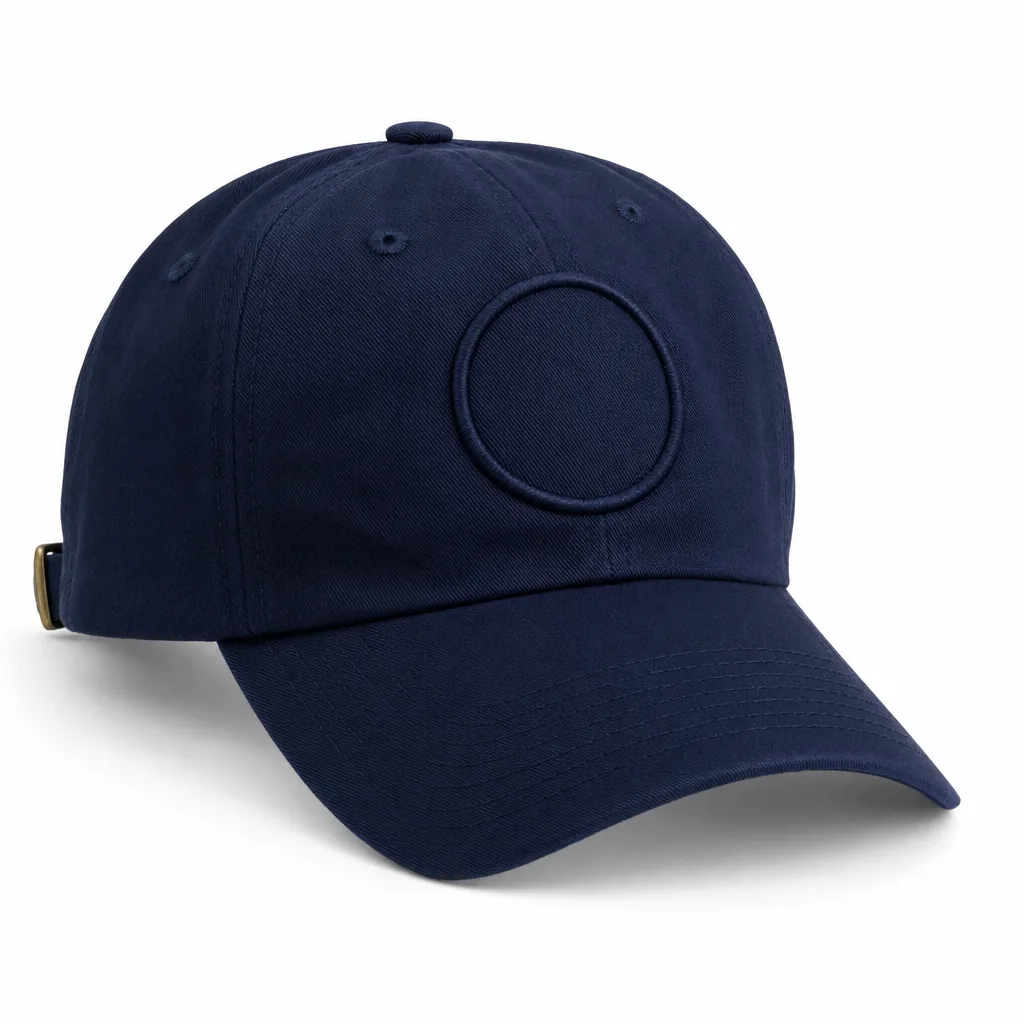
Custom Made Trucker Hat: The 2026 Sourcing & Manufacturing Playbook (2026 Update) - Cost & MOQ Breakdown
Read article →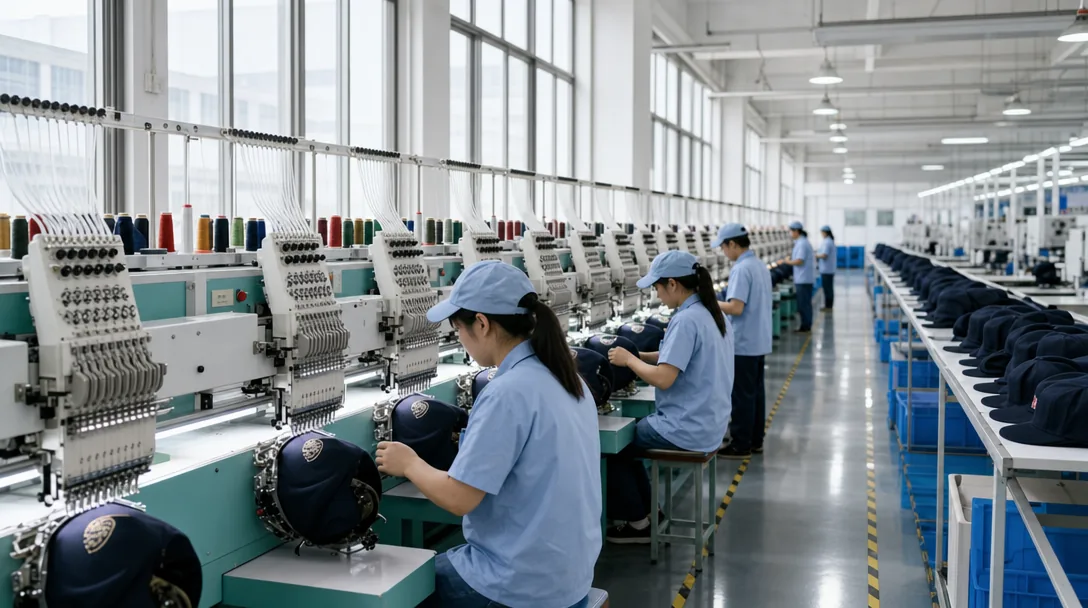
Blank Hats MOQ And Pricing Plan for Custom Hat Buyers
Read article →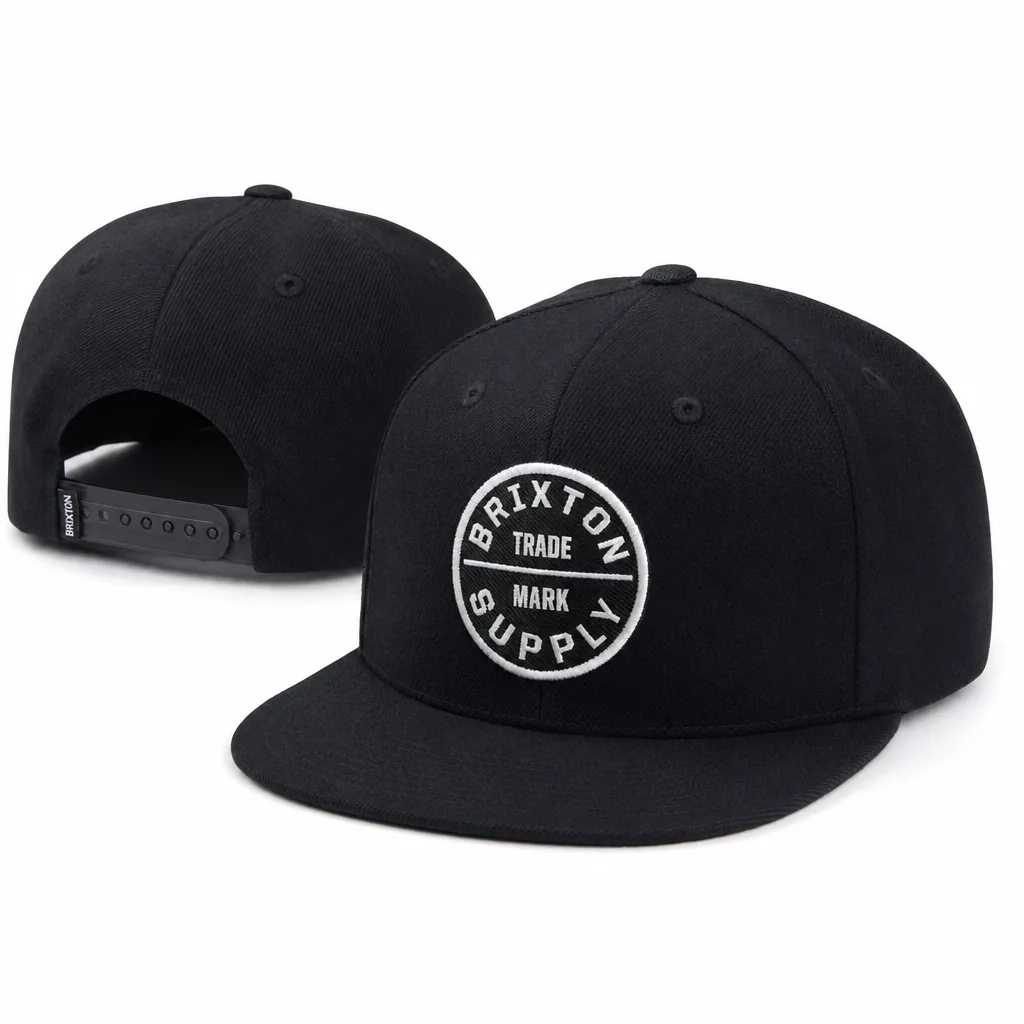
Baseball Hats For Men Export Shipping Checklist for Custom Hat Buyers - Supplier Checklist
Read article →If you are ready to take the next step on bucket hat corduroy decoration qc checklist for custom hat buyers - cost & moq breakdown - cost & moq breakdown, our team can put a tailored quotation and digital mock-up in your inbox within 24 hours. Send the inquiry form on our contact page or message us directly on WhatsApp.