
Blank Hats Decoration QC Checklist for Custom Hat Buyers - Supplier Checklist
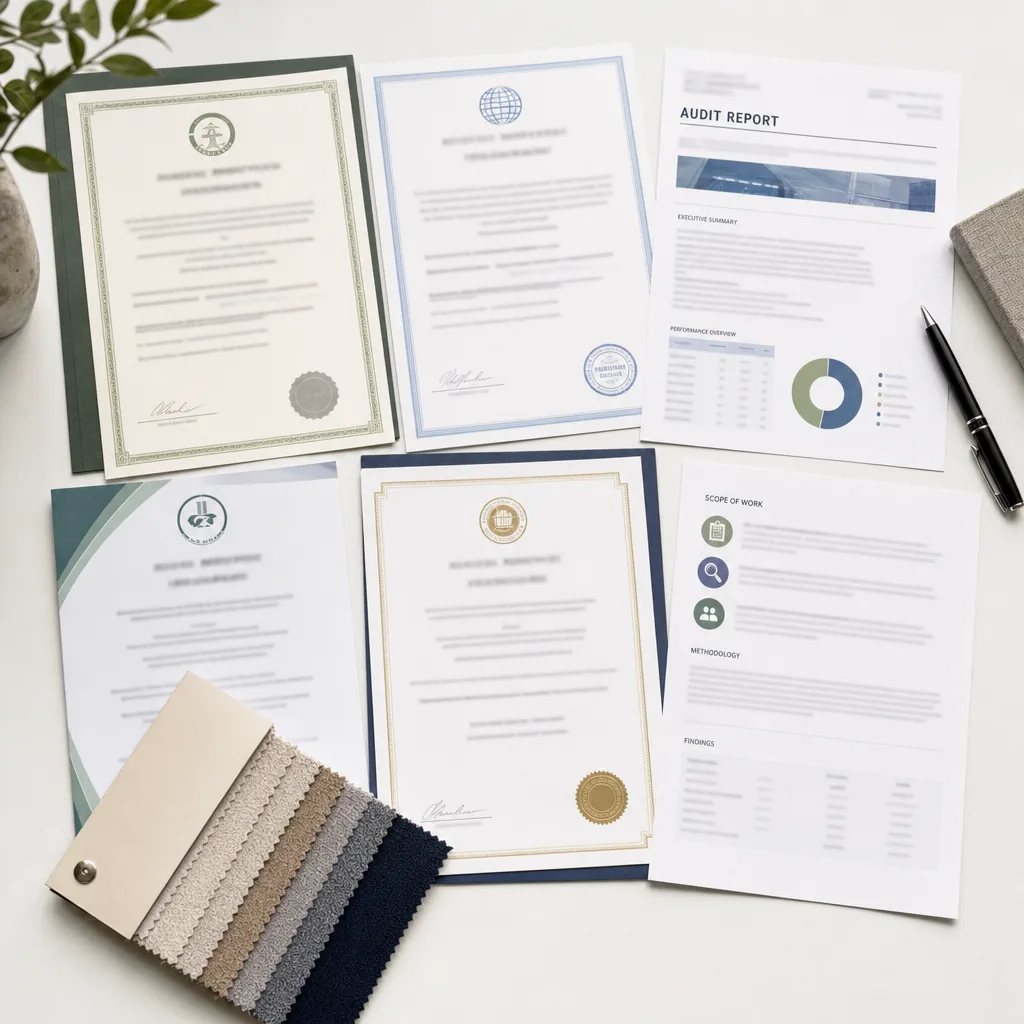
Blank Hats Decoration QC Checklist for Custom Hat Buyers - Supplier Checklist is one of the most-asked questions we receive from international buyers, and for good reason. With dozens of factories competing for your order and an alphabet soup of technical terms in every supplier quote, even experienced importers can feel lost. This guide consolidates what we have learned producing custom hats for clients in 40+ countries.
Why blank hats decoration qc checklist needs a separate sourcing plan
A separate sourcing plan is non-negotiable because most decoration claims start at the interface between the blank cap and the process, not in the basic shell inspection. A cap can pass incoming checks for crown symmetry, visor curvature, seam alignment, and sweatband attachment, then fail the moment it goes under a Tajima, Barudan, or ZSK head. A usable blank hats decoration qc checklist has to qualify the front panel for the actual artwork: buckram stiffness, panel thickness variation, needle penetration resistance, and whether the face fabric can hold a 6,000-12,000 stitch logo without puckering, tunneling, or strike-through. For heat-applied graphics, the risk shifts to fabric shrinkage, coating sensitivity, and adhesion stability. Buyers should lock validation conditions before production—typically 145-160°C press temperature, defined dwell time and pressure, then adhesion, colorfastness, and surface recovery checks after 24 hours, cooling, and master-carton compression.
The biggest mistake is using one generic checklist when blanks come from one factory and decoration happens at another. That misses the failure modes that actually create chargebacks: hoop burn on 3 mm foam-front truckers, edge distortion around merrowed patches, crown collapse after wash, or light cotton twill showing embroidery strike-through. The sourcing plan should be built backward from the decoration method, with separate approval gates for blank cap QA, sew-out or strike-off approval, and post-decoration inspection at AQL 2.5. Style and material change the QC logic more than most buyers expect. A 280-320 gsm brushed cotton twill dad cap behaves nothing like a structured 85/15 acrylic-wool cap or a trucker with laminated foam and 75D polyester mesh. For repeat orders, shade control also has to be specified up front: Pantone TCX reference, agreed light source, and Delta-E tolerance—under 1.5 for stable solids, under 2.5 for pigment-dyed or washed finishes. That is why blank sourcing, decoration validation, and final export QA cannot be treated as one checkpoint.
Factory capability checks before quoting
Do not compare unit price until the factory proves it can match the decoration method to the cap build. Ask what is actually run in-house: Tajima, Barudan, or ZSK multi-head embroidery; merrow machines for overlock patch borders; and flat heat presses for TPU, silicone, sublimation, or woven-label transfers. A serious team gives operating limits, not generic reassurance: maximum front logo width by profile, minimum legible text height, fill stitch density by fabric, backing options, and known failure points on foam truckers versus unstructured dad caps. A practical blank hats decoration qc checklist starts with panel stability, because decoration quality is usually decided before the first stitch. A structured 5-panel trucker with 3 mm foam and buckram can normally hold a 110-120 mm front embroidery cleanly, while an unstructured 260-280 gsm brushed cotton cap often needs lighter fill density, edge-run underlay, and tighter hooping to prevent tunneling, puckering, or crown collapse. Ask when they switch from tear-away to cut-away backing, whether they use cap frames or special narrow frames for low profiles, and if 3.0-3.5 mm satin text still stays open after washing and abrasion.
Decoration capability means very little if the blank hat body is inconsistent. Ask for exact shell specifications by fabric type and weight: cotton twill at 260-280 gsm, chino twill around 220-240 gsm, washed canvas at 300 gsm, acrylic-wool blends for premium snapbacks, or 600D polyester foam for trucker fronts. Then verify which shapes they make repeatedly without profile drift: structured 6-panels, soft unstructured crowns, 5-panel rope hats, or pinch-front silhouettes. Weak factories usually miss at assembly, not artwork: front seams wandering off center, visor curvature varying piece to piece, sweatband joins stacked unevenly, or snap closures pulled out of square by 2-3 mm. The sample-room process tells you whether those issues get corrected before bulk. Ask for first sample lead time, whether pattern edits and embroidery digitizing are done in-house, and how color is approved—Pantone TCX for textiles, coated Pantone for trims, and a defined Delta-E tolerance, usually within 1.5-2.0 where the fabric permits. Finish the blank hats decoration qc checklist by checking discipline: current sedex-audit-cap-supplier-guide.html">BSCI 2.0 or Sedex SMETA 4-Pillar audit status, AQL 2.5 final inspection, and whether the factory flags risks before quoting, such as dye migration under white twill applique, needle marks on coated nylon, or brim distortion when pressing above 145-155°C.
MOQ, pricing and sample approval
MOQ is driven by the least flexible component in the bill of materials, not by the sewing line. For stock-style 6-panel blank hats in 100% cotton twill at 260-320 gsm, a realistic MOQ is 144-300 pcs per colorway; for 5-panel foam-front truckers with polyester mesh and PP snapback closure, 200-500 pcs is more typical because foam gauge, mesh shade, and crown profile are booked separately. Decoration shifts the bottleneck again: woven labels often start at 1,000 pcs per design, custom inside seam tape usually needs 500-1,000 meters, and printed sweatbands can require 3,000 meters minimum. Any usable blank hats decoration qc checklist should therefore separate ex-factory unit cost from non-recurring charges. On runs under 300 pcs, those setup costs materially change landed pricing: flat embroidery digitizing is commonly $25-60 per file, 3D puff digitizing $40-80, screen print film/output $20-50 per color, woven patch loom setup around $80-150, and zinc-alloy badge molds roughly $120-250 depending on size, plating, and cavity count.
Sample approval is where most cap problems should be caught and closed. A proper PPS approval needs measurable tolerances written into the record: Pantone TCX or Pantone C references for shell fabric and trims, Delta-E under 1.5 on dominant panels, logo placement within +/- 2 mm, visor length tolerance within +/- 3 mm, crown height within +/- 3-5 mm, and exact thread codes for embroidery. On Tajima or Barudan machines, the same fill pattern that runs clean on 320 gsm brushed cotton can tunnel or pucker on a 2.5-3.0 mm foam-front trucker if underlay, pull compensation, and stitch density are not re-digitized, so approving only artwork or a lab dip is not serious QC. The PPS should be sewn on the exact shell fabric, buckram, backing, closure, and sweatband combination, then sealed against the PO.
Lead time needs the same discipline. For a normal custom hat program, 3-5 days for artwork and digitizing, 7-12 days for PPS, and 18-30 days for bulk after sample approval and deposit is credible; anything much faster usually means stock blanks are being over-decorated or approval gates are being skipped. If the order includes barcode labels, size stickers, insert cards, hangtags, or individual polybags with tissue to protect crown shape, add 2-5 days for packing confirmation and carton consolidation. Lock packaging into the PO, not an email thread: 5-ply export carton, common outer carton around 60 x 45 x 45 cm, packed quantity per carton, silica gel requirement, and final inspection standard such as AQL 2.5. At CrownsForge, the cleanest programs are the ones where the sealed sample, packing method, shipment tolerance, and inspection criteria are fixed before cutting starts.
Quality inspection and shipping risk
Most avoidable losses are locked in before loading, so the blank hats decoration qc checklist has to end with a real final random inspection, not a quick walk-through. Use ANSI/ASQ Z1.4, General Inspection Level II, on the packed lot, with AQL 2.5 for major defects and 4.0 for minor defects; on a 3,200-piece order, that usually means code letter L and a 200-piece sample. Anything materially smaller will miss repeat defects from one sewing line or one embroidery head. The report should record crown height, visor length, head opening, seam symmetry, sweatband join, top button centering, eyelet alignment, and label position against the approved tech pack. Practical tolerances are usually ±0.5 cm on cap body measurements and ±0.3 cm on front decoration placement. If inspection data is not split by style, color, line, and production date, you cannot quarantine a bad batch without holding the whole shipment. Traceability matters as much as pass/fail. Every carton should tie back to PO, style, color code, carton number, and repair history, with photos of defects and carton markings taken during inspection. For sewn blanks, major defects usually include broken stitches, open seams over 3 mm, skewed panels, sharp visor distortion, or visible oil marks; minor defects are things like loose thread ends over 5 mm, slight topstitch waviness, or small label offset within tolerance. CrownsForge standard practice is to link inspection records to carton sequence and in-line repair logs, because once a container is sealed, vague paperwork is useless. A clean report should tell you exactly which lot passed, which cartons were reworked, and whether the goods loaded match the inspected quantity.
Decoration and packing errors erase margin faster than most freight claims, especially on embroidered or high-profile programs. Shade approval should be done under D65 light box conditions against signed Pantone TCX references, lab dips, or sealed strike-offs, with Delta-E below 1.5 for embroidery thread and below 2.0 for body fabric on standard commercial orders. Before shipment, test dry crocking to grade 4 minimum and wet crocking to grade 3-4, and do perspiration checks if the style uses dark cotton twill, brushed chino, or heather poly blends. On embroidery, inspectors should call out registration drift, loose trims, missed stitches, bird nesting on Tajima, Barudan, or ZSK heads, uneven satin density, exposed EVA foam on 3D puff, and backing show-through inside the crown. Those are not cosmetic details; they turn into chargebacks fast on licensed, team, and retail programs. Carton control needs the same discipline as decoration control. Shipping marks must match the packing list exactly: PO, style, color, size run if applicable, carton sequence, quantity, gross and net weight, country of origin, and barcode data. For structured caps packed 24 or 48 pieces per master carton, weak corrugate or poor pallet stacking will crush buckram and flatten the front profile before arrival, even when the goods leave the factory looking fine. Use at least a basic carton drop check and top-load compression review before dispatch, and confirm polybag count, inner carton count, and master carton count all reconcile to the shipment summary. If the blank hats decoration qc checklist stops at appearance and ignores transit packaging, it is incomplete.
Buyer checklist for the next RFQ
A usable RFQ lives or dies on six inputs: silhouette, shell fabric, decoration method, quantity by color, Incoterm, and required in-hands date. If you want a supplier to follow a real blank hats decoration qc checklist instead of filling gaps with assumptions, write the cap like a tech pack, not a mood board. Specify the body as structured 6-panel trucker, unstructured dad cap, 5-panel foam front, rope cap, low-profile A-frame, or western crown, then lock the fabric to a measurable spec: cotton twill 270 gsm, chino twill 240 gsm, brushed canvas 10 oz, acrylic-wool serge 320 gsm, or poly mesh 120-140 gsm. Add closure type, sweatband composition, visor sandwich color, crown height, seam tape color, and whether the blank is buyer-nominated or factory-sourced. Those details move cost fast. A factory quoting 210 gsm twill versus 280 gsm can appear 8-15% cheaper on paper, and that gap usually shows up later as failed hand-feel, visor collapse, or a sample approval dispute.
Artwork needs to be production-ready. Send AI, EPS, or editable PDF files with Pantone Solid Coated or Pantone TCX references, decoration size in millimeters, and placement measured from a fixed point such as the center front seam, crown base, or visor edge. For embroidery, call out flat, 3D puff, applique, tackle twill, or merrowed patch, because a 9,000-stitch flat logo on a Tajima or Barudan head does not run or cost like a 3 mm EVA puff build with knockdown underlay, capping frame compensation, and a satin edge. If the hat carries front, side, and back hits, include a placement map; center seams, buckram stiffness, and mesh panel stretch create real sewing limits and can push reject rates above AQL 2.5 if ignored. Close the RFQ with measurable acceptance criteria: logo placement tolerance of plus or minus 3 mm, fabric shade tolerance within Delta-E 1.5 of the approved lab dip, clean trims with no jump-stitch exposure over 2 mm, and QC photo requirements covering inside taping, sweatband join, closure, visor underside, and decoration close-ups at 300 dpi. If you require BSCI 2.0, Sedex SMETA 4-Pillar, CPSIA labeling, or azo-free dyestuffs, state it before sampling, not after PP approval.
Working with CrownsForge
A usable blank hats decoration qc checklist starts before the first Tajima or Barudan head runs. The four gates that actually prevent claims are incoming materials, pre-production approval, in-line decoration control, and final audit at AQL 2.5 before cartons are taped. Incoming blanks should be checked against the approved bill of materials, not a salesman’s PDF: 280 gsm brushed cotton twill should not land at 240 gsm, 600D polyester should match the approved denier and coating handfeel, and crown height, visor curve, and buckram stiffness should be verified against the sealed sample. Color control needs a measurable standard—Pantone TCX or a signed dyed swatch—with a realistic tolerance such as Delta-E under 1.5 on solid panels and under 2.0 on heather or washed fabrics. Hardware is a real failure point on blank caps, so snapback pegs, tri-glide slides, metal buckles, and hook-and-loop closures should get pull tests and open-close cycle checks before decoration starts, because weak trims often fail after container vibration rather than on the sewing floor.
Decoration QC has to be based on physical samples, because a digital approval never shows how a 3 mm satin border behaves over foam, buckram, corduroy, or brushed twill under needle tension. Our standard practice is to approve actual sew-outs and pilot caps—usually 3 to 5 pieces per colorway—then lock logo placement to ±2 mm from seam and visor reference points, thread colors to the approved shade card, and embroidery construction to a defined recipe. A proper blank hats decoration qc checklist should state stitch density, backing type, thread brand, needle size, patch edge finish, heat-transfer dwell time, and acceptable crown deformation after hooping. On ZSK, Tajima, and Barudan machines, the common bulk failures are predictable: puckering on 3D puff, thread show-through on white fronts, needle drag on coated nylon, misaligned woven patches, and front-panel collapse on high-profile trucker bodies. If those points are not written into the approval sheet, “logo approved” is meaningless.
The last preventable failure usually happens after decoration passes: packing, labeling, and export release. A cap can be clean on the table and still turn into a claim if inner packing crushes a foam front, brims rub in transit, size stickers are mixed, or barcode labels do not match the PO. Final inspection should tie workmanship to pack-out with assortment counts, carton markings, barcode scanability, moisture protection where needed, and carton compression strength suited to the route; for shape-sensitive trucker caps, moving from a basic 5-ply carton to tested export board typically adds only $0.06 to $0.12 per cap, which is cheap insurance against a 28-day ocean transit. The release file should be photo-based and specific: measurements, defect photos, labeling, carton condition, and corrective actions before FOB Ningbo or Shanghai booking. If the buyer also needs compliance traceability, inspection records should reconcile with BSCI 2.0 or Sedex SMETA 4-Pillar documentation, including line allocation, timestamps, and rework history.
Frequently Asked Questions
What logo decoration techniques do you offer?
3D puff embroidery, flat embroidery, woven patch, leather patch, PVC patch, screen printing, sublimation, applique and laser etching, all in-house with no subcontracting.
What file format should I send for my logo?
Vector files (AI, EPS, PDF) are ideal. High-resolution PNG or JPG at 300 dpi on transparent background works as a fallback. Provide Pantone color references for accurate reproduction.
Can I order a sample before bulk production?
Yes. We strongly recommend approving a pre-production sample before mass production. Samples are charged at 35 to 60 USD each plus express shipping, fully refundable against confirmed bulk orders over 500 pieces.
How long does production take?
Sampling takes 7 to 12 days. Bulk production runs 20 to 30 days depending on quantity, fabric availability and decoration complexity. Inspection and packing adds another 3 to 5 days before shipment.
Do you support sustainability certifications?
Yes. We work with GOTS organic cotton, GRS-certified recycled polyester, OEKO-TEX Standard 100 fabrics, and are BSCI and Sedex audited. Certification documentation can be provided per order.
What should I know about blank trucker cap wholesale bulk?
When evaluating blank trucker cap wholesale bulk, the key considerations are construction quality, decoration capability, MOQ flexibility and lead time. Explain the buyer intent behind blank hats decoration qc checklist, when it differs from generic hat sourcing, and what decisions affect cost, lead time and compliance. Describe how CrownsForge manages blank hats decoration qc checklist programs with sampling, decoration, QC and export coordination.
How does ordering custom embroidered trucker hat work?
When evaluating custom embroidered trucker hat, the key considerations are construction quality, decoration capability, MOQ flexibility and lead time. Explain the buyer intent behind blank hats decoration qc checklist, when it differs from generic hat sourcing, and what decisions affect cost, lead time and compliance. Cover embroidery, patch, fabric, panel construction, closure options, sample room capability, audit readiness and communication checks.
What should I know about custom rope hat wholesale bulk?
When evaluating custom rope hat wholesale bulk, the key considerations are construction quality, decoration capability, MOQ flexibility and lead time. Explain the buyer intent behind blank hats decoration qc checklist, when it differs from generic hat sourcing, and what decisions affect cost, lead time and compliance. Cover embroidery, patch, fabric, panel construction, closure options, sample room capability, audit readiness and communication checks.
What should I know about custom trucker hats bulk?
When evaluating custom trucker hats bulk, the key considerations are construction quality, decoration capability, MOQ flexibility and lead time. Explain the buyer intent behind blank hats decoration qc checklist, when it differs from generic hat sourcing, and what decisions affect cost, lead time and compliance. Describe how CrownsForge manages blank hats decoration qc checklist programs with sampling, decoration, QC and export coordination.
What makes a hat high quality?
High-quality hats start with high-quality materials. If it's wool, it should feel dense but soft, not thin or scratchy. If it's felt, it should be smooth and structured, not flimsy or rough. Cheap hats often use low-grade blends that feel stiff or papery—and those won't hold up with time, sweat, or sun.
How to put a logo on a blank hat?
Q. Can you put a logo on a hat? Yes, you can put a logo on a hat through different techniques — sublimation printing, heat transfer vinyl printing, and transfer paper printing. You can also put a logo on a hat through screen printing and embroidery.
Ready to start your custom hat project?
Send us your tech-pack, sketch or even just an inspiration photo. We will respond with a detailed quotation and digital mock-up within 24 hours.
Request a free quoteRelated guides
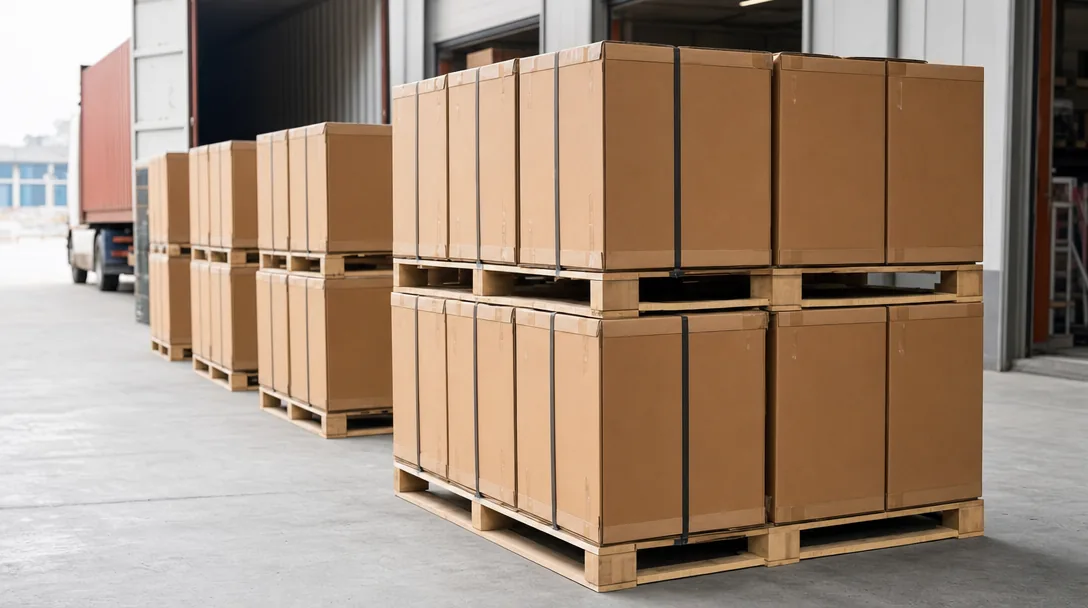
Embroidery Hats Machine: When to Use It, Costs, and What to Ask Your Factory (2026 Update)
Read article →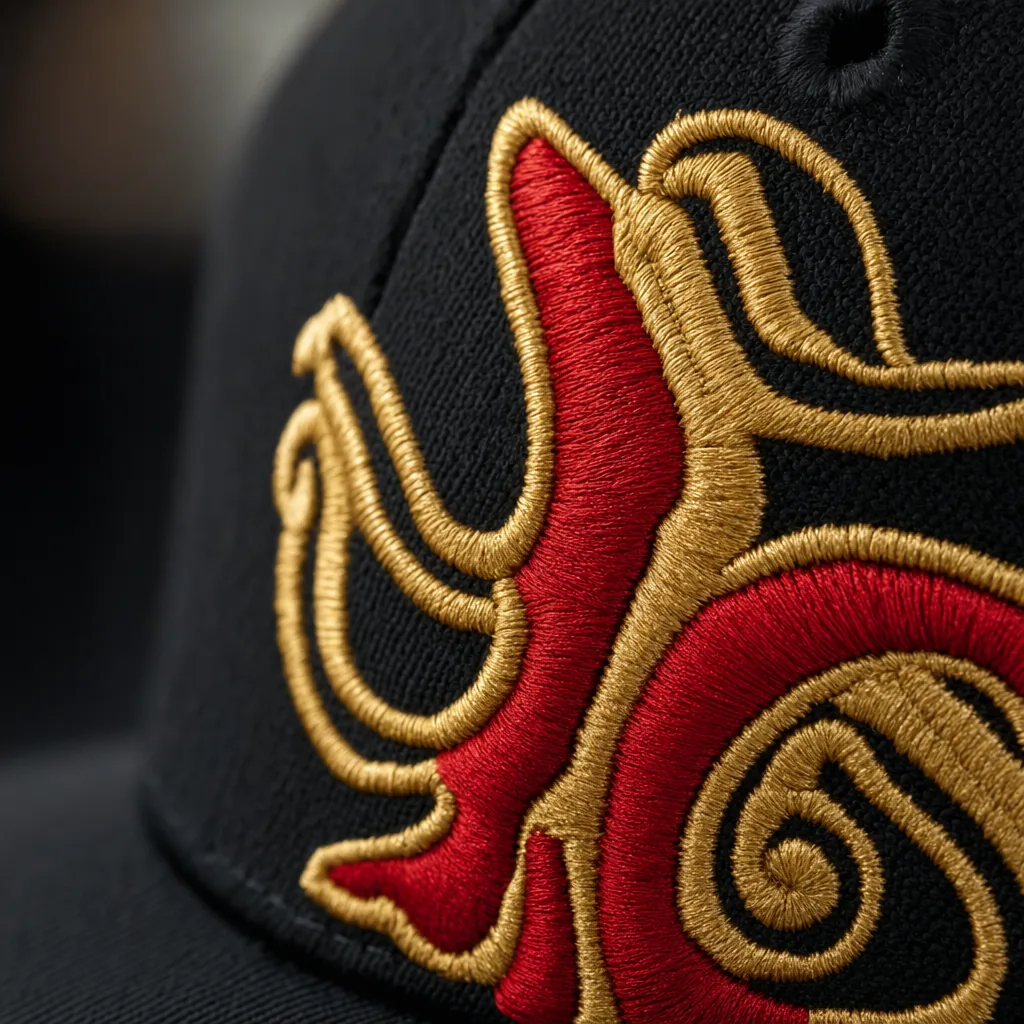
Custom Logo Hats: When to Use It, Costs, and What to Ask Your Factory (2026 Update)
Read article →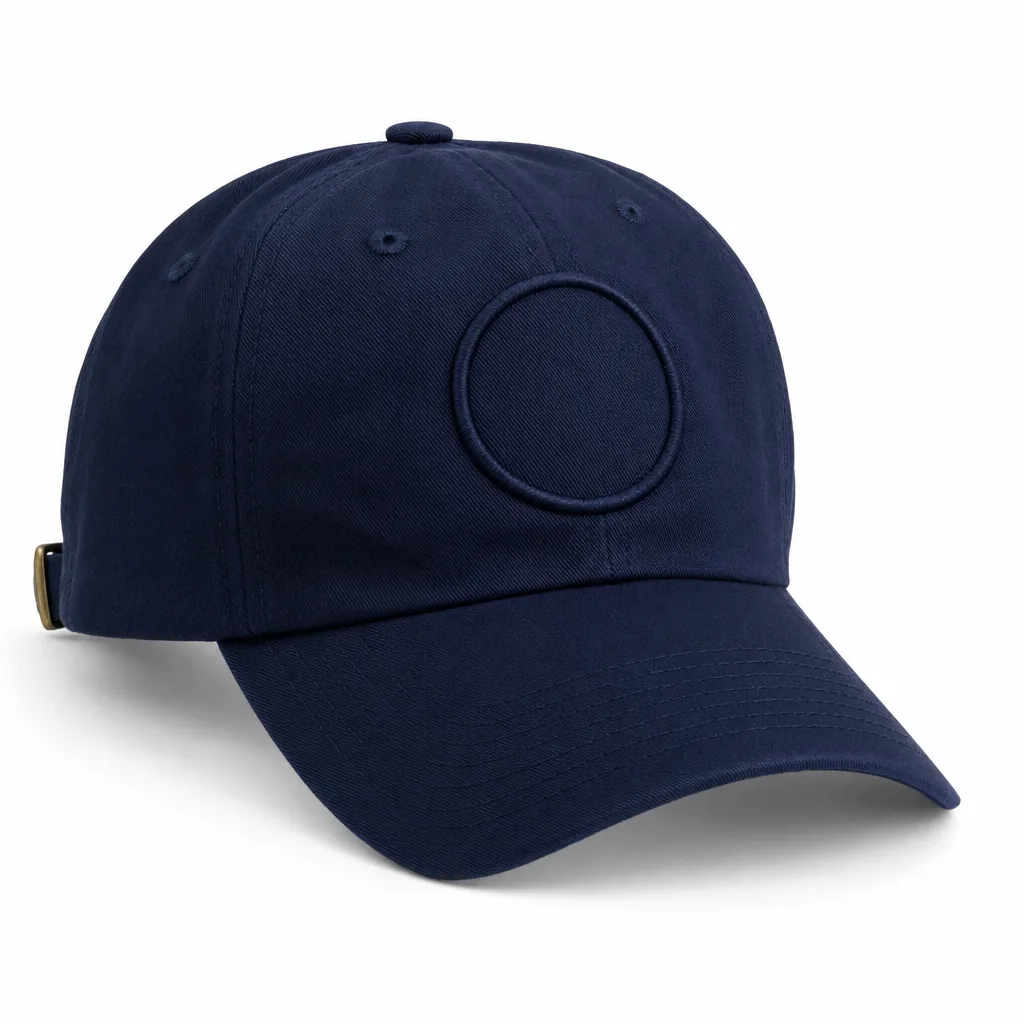
Custom Hat Embroidery: The 2026 Sourcing & Manufacturing Playbook
Read article →Sourcing custom hats does not have to be complicated. With the right manufacturing partner, clear specifications and a small upfront investment in sampling, you can launch a retail-quality product in 30 to 45 days.