
Blank Hats Decoration QC Checklist for Custom Hat Buyers - Cost & MOQ Breakdown
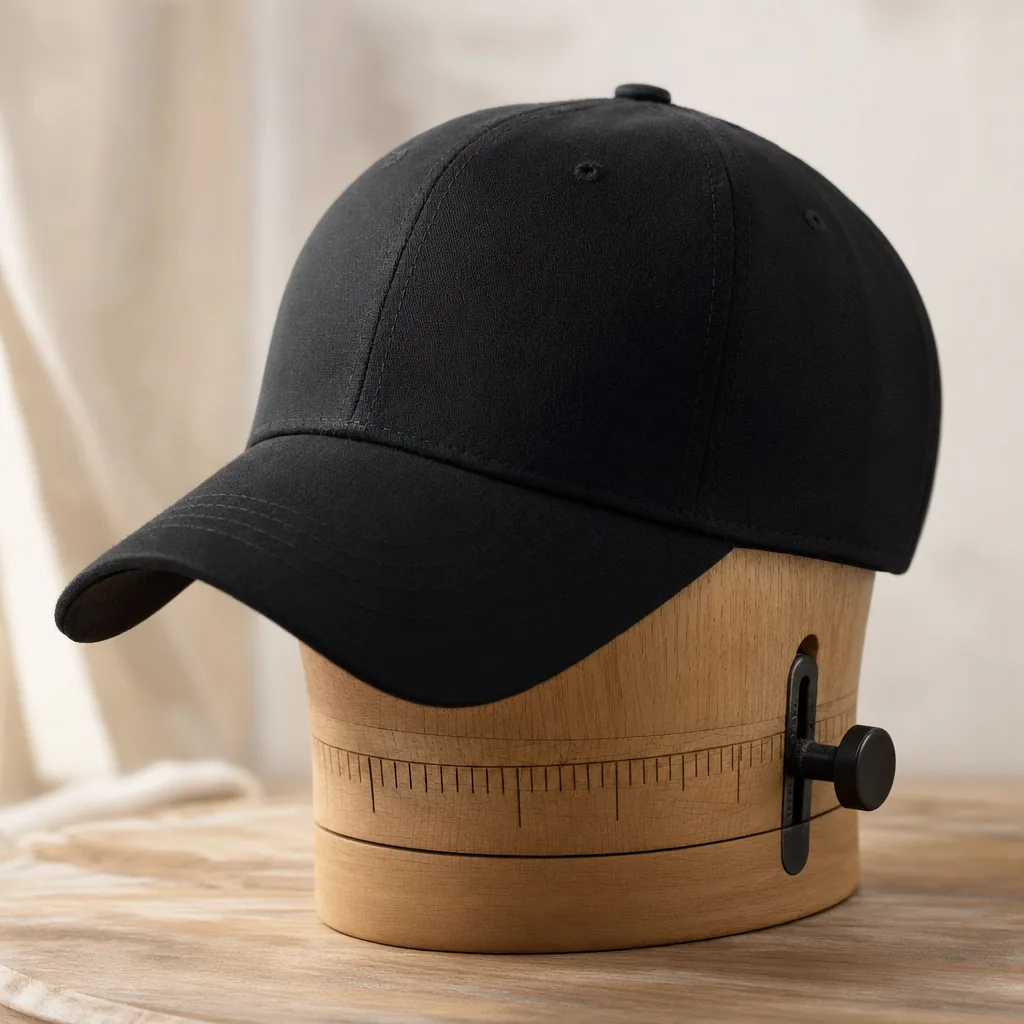
Blank Hats Decoration QC Checklist for Custom Hat Buyers - Cost & MOQ Breakdown is one of the most-asked questions we receive from international buyers, and for good reason. With dozens of factories competing for your order and an alphabet soup of technical terms in every supplier quote, even experienced importers can feel lost. This guide consolidates what we have learned producing custom hats for clients in 40+ countries.
Why blank hats decoration qc checklist needs a separate sourcing plan
A buyer searching for a blank hats decoration qc checklist is usually not trying to learn what a cap is; they are trying to avoid paying twice for the same mistake. Blank programs fail in different ways than finished custom programs because the risk moves upstream into panel symmetry, crown height consistency, buckram stiffness, visor curve tolerance, and fabric shade continuity before any embroidery or heat transfer starts. A 0.8 cm front-panel skew that looks minor on a warehouse shelf becomes an obvious logo tilt once the cap hits a Tajima or Barudan frame. That is why the blank hats decoration qc checklist needs its own sourcing logic: you are qualifying a decoration platform, not just buying wholesale blank hats by color and price. The supplier decision should start with shell spec control—fabric gsm, seam SPI, sweatband absorbency, closure tensile strength, and panel measurement tolerance—because decoration yield, not unit price alone, determines the real landed cost.
Generic hat sourcing often prioritizes silhouette, hand feel, and low MOQ, but decoration-ready sourcing has to map the cap body to the artwork process. A 5-panel foam trucker for bulk custom trucker hats behaves very differently from a brushed cotton twill dad cap or rugged canvas profile used in country hats for men. Foam fronts can crush in transit and rebound unevenly, causing heat-transfer adhesion problems; low-profile unstructured crowns can pucker under dense 3D embroidery; recycled polyester may show shade variation above Delta-E 1.5 between dye lots, which becomes visible when matching Pantone TCX trims. Buyers also need to decide whether the factory will pre-inspect blanks to AQL 2.5 before sending to a decorator, or whether the decorator absorbs defect sorting on arrival. In practice, that choice can swing usable yield by 3% to 8%, which is more expensive than shaving $0.12 off the FOB cap price.
Cost, lead time, and compliance all move once decoration enters the sourcing plan. If a custom hat manufacturer promises 7-day blank delivery but cannot provide needle-detection records, azo-free dye compliance, CPSIA tracking for U.S. youth programs, or sedex-audit-cap-supplier-guide.html">BSCI 2.0 / Sedex SMETA 4-Pillar audit documentation, the cheap quote is not commercially safe. MOQ also changes by body and trim: a standard cotton twill blank may run 144 to 300 pcs per color, while custom bulk trucker hats with matched undervisor, woven label, and Pantone-locked mesh can push 500 to 1,000 pcs because the shell factory is booking dyed fabric, not pulling stock. Our standard practice is to separate shell approval, decoration test, and final packed inspection into three gates, because each gate answers a different commercial question: will the cap embroider cleanly, will the lot stay color-consistent, and will the shipment clear retail and compliance requirements without rework.
Factory capability checks before quoting
Most quote problems start with a capability mismatch, not with price. Before you compare FOB numbers, verify which decoration methods are genuinely in-house: flat embroidery, 3D puff, chain stitch, towel embroidery, TPU heat transfer, woven patch application, merrowed badge sewing, and direct screen print each need different machines, operators, and setup windows. Ask for the actual equipment list—Tajima, Barudan, or ZSK cap embroidery heads, heat-press tonnage, patch overlock capacity—and ask for operating limits, not sales language: minimum legible text is usually 3.5-4.0 mm on caps, satin columns below 1.2 mm get fragile, puff foam is typically 2 mm to 3 mm, and stitch density on brushed cotton twill should not be treated the same as on 100% polyester foam front panels. If a factory outsources patches or transfer application, add roughly 7-12 calendar days and expect more risk on thread-to-patch shade variation, usually visible once Delta-E drifts past 2.0 under D65 lighting. A workable blank hats decoration qc checklist also ties decoration limits to the blank hat construction. A 5-panel foam trucker, a washed 6-panel dad cap, and an acrylic-wool snapback need different backing, needle selection, hoop tension, and underlay strategy. Unstructured washed twill often runs better with lighter edge-walk and fill underlay to avoid panel collapse, while buckram-backed crowns can tolerate higher density and cleaner borders. Coarse poly mesh also behaves badly under dense merrow borders and heavy fill embroidery because the holes telegraph through the edge and cause tunneling. If the supplier cannot explain when they switch from 75/11 to 80/12 needles, when they reduce density on low-profile crowns, or how they control logo placement tolerance to plus or minus 2 mm from approved artwork, the quote is still guesswork.
Logo capability means very little if the factory cannot hold material, fit, and color standards. Ask what fabrics they purchase every week, with real specs instead of generic names: 10x10 cotton twill at 260-280 gsm, chino twill at 220-240 gsm, polyester mesh in 75D or 100D, acrylic-wool blends, or RPET with GRS traceability. Then check whether the factory controls the details buyers usually discover too late: Pantone TCX lab dips, acceptable color tolerance at Delta-E 1.5-2.0, buckram thickness in millimeters, PE versus EVA visor board, sweatband fiber content, seam tape width, and closure sourcing from 7-hole snapback sets to self-fabric tuck straps with metal clasp. A supplier that jumps between 5-panel, 6-panel, and rope-trucker patterns without a locked base size spec can quote one silhouette and ship another. The sample room is where capability claims get exposed. A serious factory should turn a proto or pre-production sample in about 5-10 working days and provide measurable standards for crown height, visor length, visor curl, logo position, and carton pack-out. Our standard practice is to treat sampling as a quoting filter, not a formality: if they cannot define front logo tolerance, embroidery thread brand, patch sew margin, or final inspection criteria, they are not ready for bulk. Add basic compliance and QC discipline—BSCI 2.0 or Sedex SMETA 4-Pillar audits, needle-control records, inline inspection, and final inspection at AQL 2.5—and the blank hats decoration qc checklist becomes a practical screen for supplier selection instead of a document you open after defects have already been shipped.
MOQ, pricing and sample approval
MOQ drives the quote before unit price does, and the first thing serious buyers should separate is blank cap MOQ from decoration MOQ. For stock blanks that are already cut and sewn, 144 to 288 pcs per color is workable for flat embroidery, a standard woven patch, or a common heat-transfer label. Once you alter shell components—custom mesh, contrast seam tape, inside woven label, rope, sandwich visor, or a branded snap closure—the practical floor usually moves to 300 pcs per style-color, and 500 pcs is more realistic when two or three trims are customized together. The real constraint often comes from the trim vendors, not the sewing line: molded TPU badges, metal logo plates, printed sweatbands, felt appliqué, and custom hangtags regularly carry their own minimums from 300 to 1,000 pcs. A usable blank hats decoration qc checklist should force every supplier to list MOQ by component: shell, decoration, closure, label, polybag, inner carton, and retail pack. If a quote only says “300 pcs MOQ,” assume something is buried—commonly a 500-pc badge minimum or a 1,000-pc custom tape order that will later be prorated into your cost.
Small runs get overpriced when buyers fail to split one-time setup from repeat unit cost. On Tajima or Barudan cap frames, an 8,000 to 12,000 stitch front logo normally carries a digitizing charge of $25 to $60; 3D puff usually adds another $15 to $30 because foam thickness, underlay, pull compensation, and satin column width need test runs to avoid tunneling and edge collapse on the crown. Woven patches often start with an $80 to $150 loom setup, while molded rubber, zinc alloy, or brass trims typically require $120 to $250 in tooling. Sample approval is where cost control actually happens. Thread and fabric colors should be checked against Pantone TCX or TPX references under D65 lighting, and for dark shells I would write Delta-E 1.5 to 2.0 into the approval standard instead of accepting “close enough” photos on WhatsApp. Approve the full PPS, not just the logo: closure, visor curve, sweatband, inside labels, carton marks, barcode placement, and packing method. Retail packaging usually adds $0.18 to $0.85 per hat, bulk lead time is commonly 18 to 30 days after PPS sign-off, and any blank hats decoration qc checklist that requires AQL 2.5 final inspection should leave at least one to two working days before ex-factory.
Quality inspection and shipping risk
The biggest shipping risk on decorated caps is not a late ex-factory date; it is releasing goods without a measurable inspection gate. A usable blank hats decoration qc checklist should lock to a sealed approval sample, signed spec sheet, Pantone TCX references, and final random inspection at AQL 2.5 for majors and 4.0 for minors. On adult 6-panel caps, I would hold crown height, visor length, and front panel width to ±5 mm, but tighten logo placement, eyelet alignment, and back-strap centering to ±3 mm because buyers notice embroidery drift immediately. For structured styles, inspect buckram hardness, visor arc symmetry, seam balance, and crown shaping by carton, not just by piece at the table. Cartons from the pallet bottom usually reveal the real problems: compression dents, sweatband warping, moisture marks, and panel shade shift caused by storage pressure and humidity during staging. Embroidery deserves its own checkpoint because it creates more claims than sewing. A stable run from Tajima or Barudan heads should show clean thread trims, no bird-nesting on the reverse, no jump stitches longer than 2 mm, balanced top and bobbin tension, and accurate registration between fill, satin border, and 3D puff layers. On washed cotton twill, brushed chino, or polyester mesh truckers, ask for dry and wet crocking of Grade 4 minimum, then do a manual rub test on the decorated panel to screen for sweat bleed and thread staining. Check 3D puff for foam height consistency, edge wrap, and stitch density; weak underlay looks acceptable at packing but collapses after 30 to 40 kg of carton stack pressure in transit. Also call out broken needle damage near eyelets, visor sandwich fray, seam puckering at the sweatband join, loose taping, and abrasive backing that can scratch the forehead.
Carton control is where acceptable production gets ruined after packing. Every master carton should match the booking file exactly: PO number, style code, colorway, quantity, net weight, gross weight, carton size in cm, and destination marks. A single wrong suffix or carton sequence can trigger relabeling, ASN mismatch penalties, or warehouse split fees; in practice, that is usually $80 to $150 per shipment before delivery even starts. For export packing, I look for 5-ply corrugate at minimum, clean H-taping, no overpacking that flattens the visor curve, and pallet photos showing corner boards, stretch wrap, and stacking height. If terms are FOB, the factory should release the commercial invoice, packing list, booking confirmation, and final inspection report before CY cutoff, not after the truck arrives at port. For DDP, put cost responsibility in writing before balance payment: duty variance, customs exam fees, demurrage, storage, and last-mile appointment charges are where first-time importers get hit. The best way to reduce repeat disputes is to preserve reorder data from the first run: approved artwork, digitizing version, stitch count, Madeira or Gunold thread codes, fabric weight in gsm, mesh denier, visor board spec, closure type, inner-pack ratio, and a defect log with photos. At CrownsForge, our standard practice is to keep that file attached to the style number so the next blank hats decoration qc checklist is objective instead of based on memory. That is how you catch Delta-E shade drift above 1.5, care-label mistakes, or silent packing changes before they turn into chargebacks or refused delivery.
Buyer checklist for the next RFQ
A usable RFQ starts with engineering data, not inspiration images. For a reliable blank hats decoration qc checklist, define the cap build first: 5-panel or 6-panel, structured buckram or unstructured front, low/mid/high profile, flat or pre-curved visor, and closure type—plastic snap, self-fabric strap with tri-glide, Velcro, or fitted. If you need anything outside the standard 58 cm head block, state the target circumference and tolerance, because reblocking to 56 cm or 60 cm affects pattern, sweatband length, and carton yield. Fabric specs should be measurable: 108 x 58 cotton twill at 260 gsm, brushed chino at 280-285 gsm, 600D polyester, or nylon taslon with denier and coating noted. Color should reference Pantone TCX for dyed fabric and Pantone Coated for printed trims, labels, or transfer elements. Decoration details are where quotes usually drift. Specify logo size in millimeters, exact placement from crown seam or visor edge, embroidery coverage, patch construction, and thread finish—matte rayon, polyester sheen, or metallic. If you want 3D puff, call out 2 mm versus 3 mm EVA foam and acceptable top-stitch sink. For embroidery, include expected stitch count or coverage area; a front logo at 9,000 stitches prices very differently from one at 15,000. Vague artwork forces the factory to estimate digitizing and machine time, and those assumptions routinely move sampled cap costs by 8% to 20% before bulk approval.
Attach production-ready files, not screenshots. AI, EPS, or layered PDF is the working standard; a PNG mockup is only a visual reference. If the artwork is for embroidery, specify minimum stroke width and small text height early. On the factory floor, satin columns below about 0.8 mm and text under 4.5-5.0 mm high usually need cleanup during Tajima, Barudan, or ZSK digitizing, which changes edge definition and stitch count. For woven patches, heat transfers, TPU badges, or printed labels, list finished dimensions, merrow or laser-cut edge, backing type, attachment method, and color tolerance. On brand-sensitive programs, key logo colors are often held to Delta-E 1.5-2.0 against the approved lab dip or strike-off. A serious RFQ also locks commercial and QC terms before sampling. State quantity by colorway and decoration, target ex-factory or FOB budget, Incoterm, destination ZIP code for DDP, and milestone dates for sample approval, bulk finish, and delivery. Add compliance requirements up front—CPSIA, REACH, Prop 65, BSCI 2.0, or Sedex SMETA 4-Pillar—so the supplier does not price a noncompliant base cap. QC language should be equally specific: AQL 2.5, no exposed bobbin thread on visible panels, visor curve tolerance, carton drop standard, mesh spec for trucker styles such as 100% polyester 18 x 14 mesh, and acceptable seam grin under dense front embroidery. That level of detail is what keeps pricing stable, usually within a 3% band from quote to bulk.
Working with CrownsForge
A usable blank hats decoration qc checklist is written before bulk cutting, because by final AQL most expensive mistakes are already sewn into the cap. The four approvals that prevent rework are base blank specification, decoration construction, color standard, and shipment criteria. For the blank, buyers should lock measurable inputs: crown height, buckram stiffness, visor curve radius, shell fabric weight, sweatband fiber content, closure strap width, snap gauge, and button size. A 5-panel foam trucker normally uses 3-5 mm EVA-laminated front foam with polyester mesh at 110-140 gsm; a brushed cotton twill dad cap is typically 260-280 gsm; recycled poly twill performance caps often sit around 180-220 gsm with 75D or 150D yarn. If those inputs drift, embroidery registration, patch adhesion, and panel shape drift with them. Decoration specs also need hard numbers: stitch count tolerance, satin column width, 3D puff foam height, merrow or laser-cut patch border, heat-transfer film grade, and logo placement within plus or minus 2 mm from the approved PPS. Our standard practice is to run the pre-production sample on Tajima or Barudan heads, then compare shell fabric and trims to approved Pantone TCX references under D65 light, targeting Delta-E below 1.5 on main fabric and below 2.0 on mixed-material components.
Most claim risk sits in decoration control, not in carton sealing, so the blank hats decoration qc checklist should split inspection into first-piece approval, inline audits, and final release. First-piece approval needs more than a quick visual: verify thread brand and ticket size, backing type, underlay, needle size, seam clearance, and actual logo position against the approved template. After line start, inline checks every 100-150 pieces are a realistic floor standard for logo skew, thread breaks, backing show-through, puckering, seam bite, visor mismatch, closure attachment, and panel distortion. Foam-front truckers need tighter control on needle penetration and density; overbuilt fills can crush the face panel and cause railroading around 3D puff edges, especially on low-denier polyester. Heavier shells such as duck canvas, washed chino twill, and waxed-look cotton shift the failure mode to hoop marks, crown slippage, and uneven patch seating. Final shipment release should be sampled to AQL 2.5 for major defects and 4.0 for minor, covering assortment ratio, barcode accuracy, carton marking, needle logs, polybag suffocation warnings where required, and carton compression. In Zhejiang, a 3,000-5,000 piece order usually lands around $1.10-$2.20 FOB for a plain blank cap and $2.80-$5.80 FOB once 3D embroidery, woven labels, inside taping, and merrowed patches are added; ocean freight is often $0.18-$0.45 per cap, while air commonly adds $1.20-$2.80.
Frequently Asked Questions
What is the minimum order quantity (MOQ) for custom hats?
Our standard MOQ is 100 pieces per design and color, with sampling available from 1 piece. For complex multi-color logos or premium fabric upgrades, the MOQ can be lowered with a small per-piece surcharge.
Do you support sustainability certifications?
Yes. We work with GOTS organic cotton, GRS-certified recycled polyester, OEKO-TEX Standard 100 fabrics, and are BSCI and Sedex audited. Certification documentation can be provided per order.
What file format should I send for my logo?
Vector files (AI, EPS, PDF) are ideal. High-resolution PNG or JPG at 300 dpi on transparent background works as a fallback. Provide Pantone color references for accurate reproduction.
How long does production take?
Sampling takes 7 to 12 days. Bulk production runs 20 to 30 days depending on quantity, fabric availability and decoration complexity. Inspection and packing adds another 3 to 5 days before shipment.
Can I order a sample before bulk production?
Yes. We strongly recommend approving a pre-production sample before mass production. Samples are charged at 35 to 60 USD each plus express shipping, fully refundable against confirmed bulk orders over 500 pieces.
What should I know about blank trucker cap wholesale bulk?
When evaluating blank trucker cap wholesale bulk, the key considerations are construction quality, decoration capability, MOQ flexibility and lead time. Explain the buyer intent behind blank hats decoration qc checklist, when it differs from generic hat sourcing, and what decisions affect cost, lead time and compliance. Describe how CrownsForge manages blank hats decoration qc checklist programs with sampling, decoration, QC and export coordination.
How does ordering custom embroidered trucker hat work?
When evaluating custom embroidered trucker hat, the key considerations are construction quality, decoration capability, MOQ flexibility and lead time. Explain the buyer intent behind blank hats decoration qc checklist, when it differs from generic hat sourcing, and what decisions affect cost, lead time and compliance. Cover embroidery, patch, fabric, panel construction, closure options, sample room capability, audit readiness and communication checks.
What should I know about custom rope hat wholesale bulk?
When evaluating custom rope hat wholesale bulk, the key considerations are construction quality, decoration capability, MOQ flexibility and lead time. Explain the buyer intent behind blank hats decoration qc checklist, when it differs from generic hat sourcing, and what decisions affect cost, lead time and compliance. Cover embroidery, patch, fabric, panel construction, closure options, sample room capability, audit readiness and communication checks.
What should I know about custom trucker hats bulk?
When evaluating custom trucker hats bulk, the key considerations are construction quality, decoration capability, MOQ flexibility and lead time. Explain the buyer intent behind blank hats decoration qc checklist, when it differs from generic hat sourcing, and what decisions affect cost, lead time and compliance. Describe how CrownsForge manages blank hats decoration qc checklist programs with sampling, decoration, QC and export coordination.
What makes a hat high quality?
High-quality hats start with high-quality materials. If it's wool, it should feel dense but soft, not thin or scratchy. If it's felt, it should be smooth and structured, not flimsy or rough. Cheap hats often use low-grade blends that feel stiff or papery—and those won't hold up with time, sweat, or sun.
Looking for a reliable hat manufacturer in China?
CrownsForge has produced custom hats for 800+ brands across 40 countries. From 100-piece launches to 100,000-piece retail programs, we deliver on time and on spec.
Get in touchRelated guides
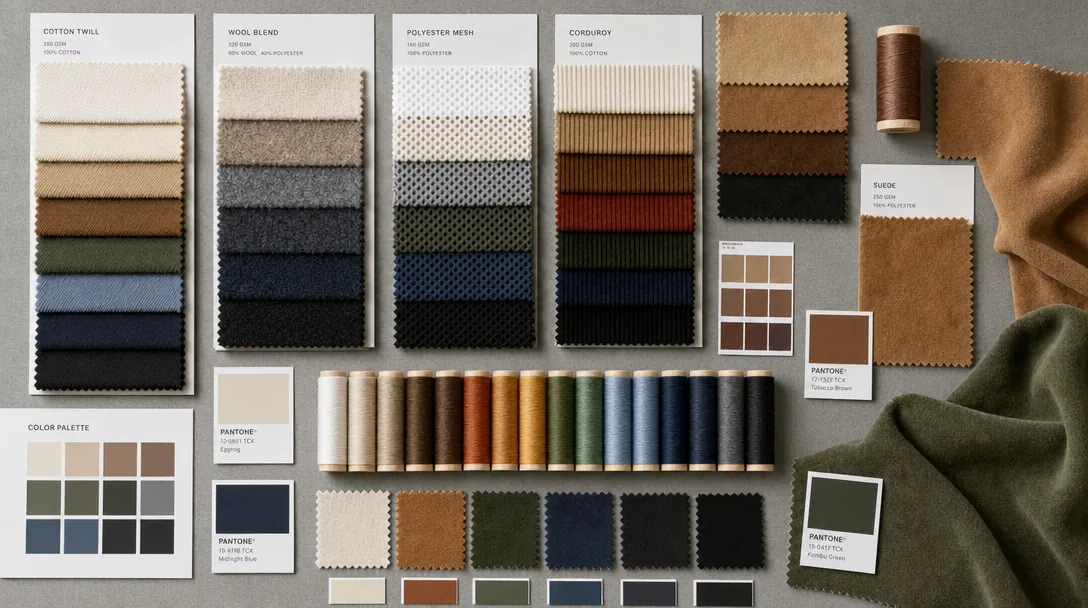
Bucket Hat Corduroy Reorder Planning Guide for Custom Hat Buyers
Read article →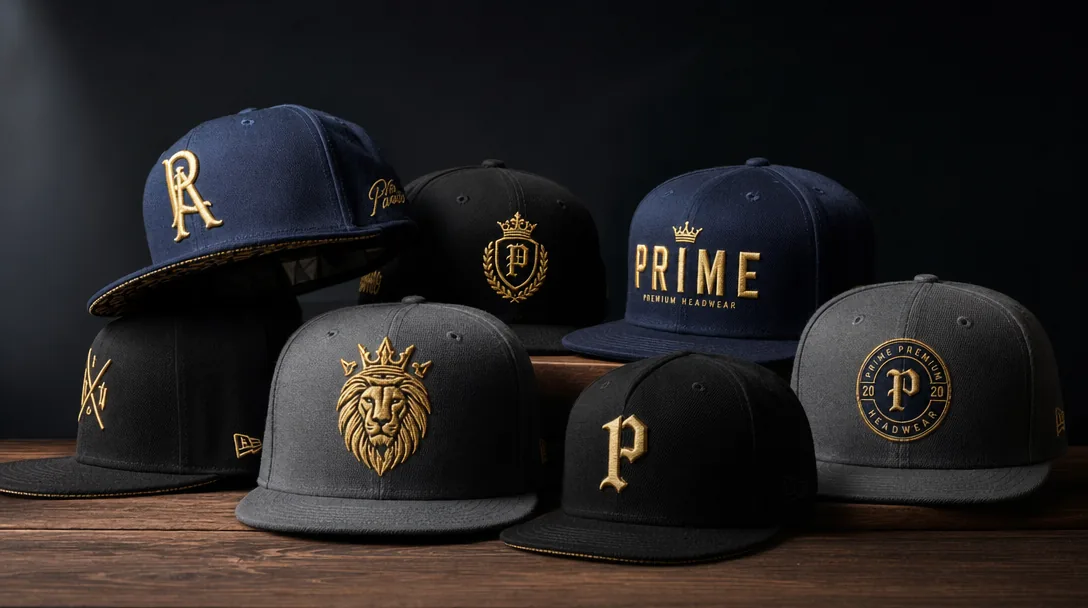
Laser Perforated Performance Cap Custom: A 2026 B2B Sourcing Guide
Read article →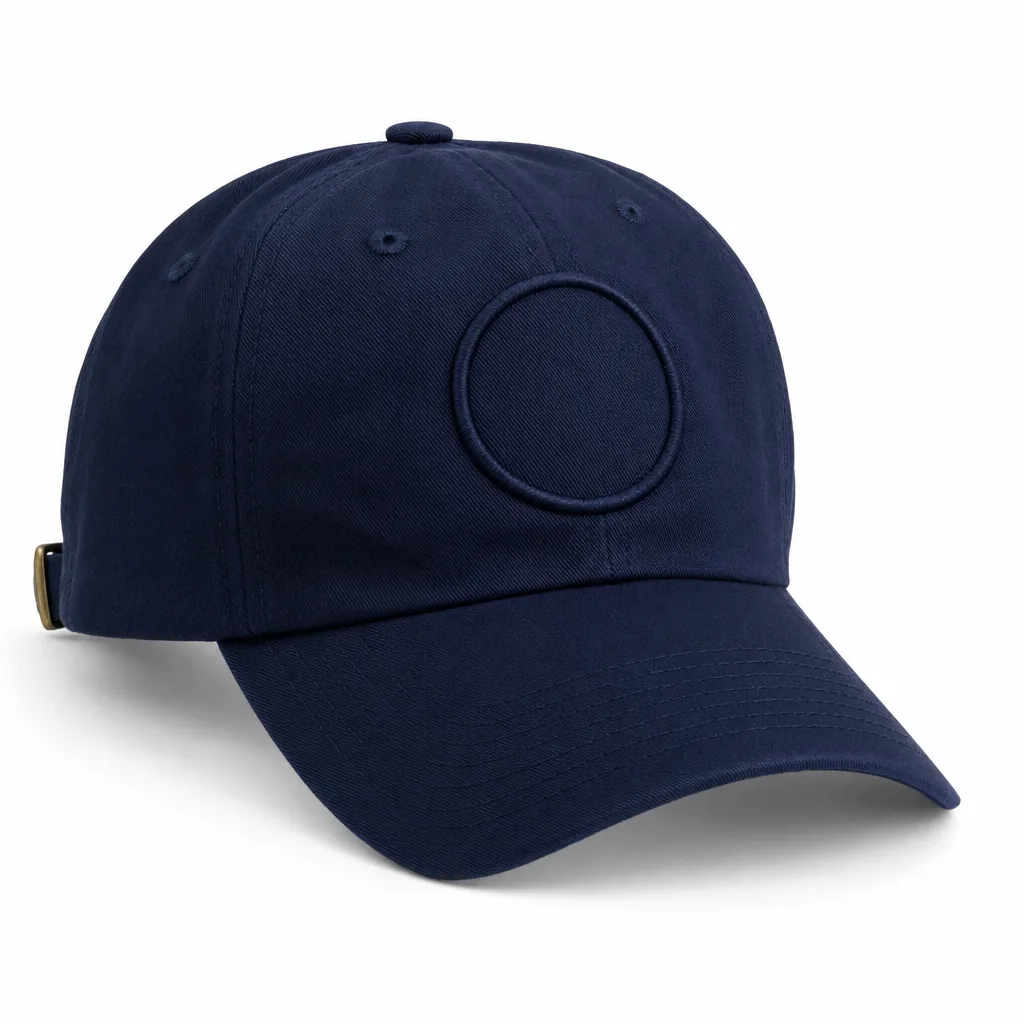
Custom Made Trucker Hat: The 2026 Sourcing & Manufacturing Playbook - Supplier Checklist (2026 Update)
Read article →If you are ready to take the next step on blank hats decoration qc checklist for custom hat buyers - cost & moq breakdown, our team can put a tailored quotation and digital mock-up in your inbox within 24 hours. Send the inquiry form on our contact page or message us directly on WhatsApp.