
Customizing Blank Fitted Caps: New Era 59FIFTY, Otto, Imperial Buyer's Guide - 2026 Buyer's Guide
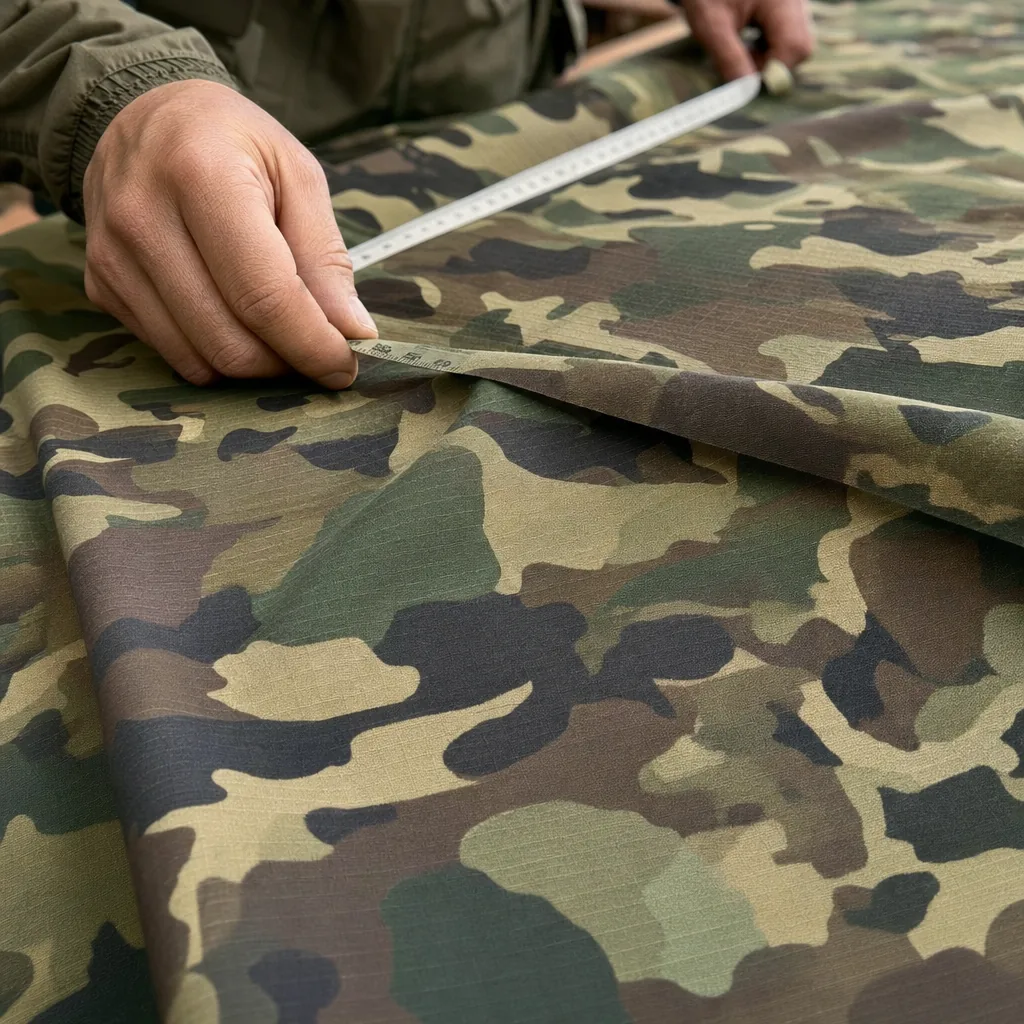
Every week, our sales team answers detailed questions about customizing blank fitted caps: new era 59fifty, otto, imperial buyer's guide - 2026 buyer's guide. We wrote this guide so that wholesalers, streetwear brands, corporate buyers and promotional resellers can compare options with full information, and avoid the traps that show up only after production has started.
Why brands ask about 'custom New Era' (and what they actually need)
Most buyers asking for custom new era hats are not really asking for a side flag or a licensed sticker; they are trying to name a very specific build without using factory terms. In production language, they usually mean a 59FIFTY-type fitted: closed back, 6-panel high-profile crown, hard buckram front, full size run from 6 7/8 to 7 5/8 or wider, and a visor that holds shape after packing, transit, and retail handling. That spec is tighter than most people realize. On a size 7 1/4, you are typically looking at crown height around 165-170 mm, visor length around 70-72 mm, shell fabric in the 180-220 gsm range, and PE visor board rather than paperboard that softens in humidity. If front embroidery drifts more than about +/-1.5 mm off center, seam tape pulls, or the sweatband tunnels after a 35-40 day ocean shipment, the cap immediately loses the sharp, structured look the buyer was paying for. That is why vague requests like “blank fitted,” “59FIFTY style,” or even “9FIFTY” turn technical very quickly. A capable factory will ask for crown depth, panel angle, buckram stiffness, visor curvature, interior taping width, stitch density, and size grading increments before talking seriously about price. Decoration also changes the build. A 3D puff logo sewn on Tajima or Barudan heads with 2 mm foam needs a firmer front than flat embroidery, or the crown face will ripple under thread tension. In practice, the phrase custom new era hats is shorthand for silhouette, hand feel, size consistency, and repeatability under retail lighting, not just brand recognition.
The real sourcing decision is usually not branding; it is whether the buyer needs authentic licensed blanks or an OEM cap that hits the same visual standard. Buying genuine branded fitted blanks through authorized channels is the expensive route: landed cost is commonly US$14-US$22 per cap before decoration, and embroidery adds roughly US$1.20-US$3.50 per location depending on stitch count, metallic thread, side hits, and whether 3D puff requires extra machine time. That route only makes sense when the licensed base product itself has resale value. For most private-label programs, an OEM equivalent is more rational. At 1,000 pieces, a premium fitted silhouette usually lands around US$4.80-US$8.50 FOB China, with cost pushed by fabric choice, size breaks, printed seam tape, woven labels, and embroidery complexity. What brands actually need is a controlled spec pack, not a borrowed brand name. The brief should lock crown depth in millimeters, visor length and curve, fabric composition, sweatband material, seam tape artwork, thread brand, puff thickness, and logo placement tolerance before sampling starts. Color control matters just as much. “Black and cream” is not a usable standard; Pantone TCX references or physical swatches are. Our standard practice is to approve lab dips within Delta-E 1.5-2.0 and inspect bulk production to AQL 2.5 for measurement tolerance, stitch defects, panel skew, and embroidery alignment. Whether the inquiry starts as custom new era hats or “that on-field fitted shape,” the correct answer comes down to MOQ, landed cost, and whether the buyer truly needs licensed blanks or simply a disciplined factory build.
Blank-cap brands and their positioning
New Era still sets the benchmark when a buyer needs authentic fitted sell-through, especially in licensed sports, streetwear, and team merchandise. The reason is not just the logo on the sweatband; it is the combination of crown shape consistency, visor curvature control, and tighter tolerance on panel alignment than most commodity factories can hold. On genuine 59FIFTY programs, you are paying for brand equity and a very specific silhouette that consumers recognize immediately, which is why custom new era hats usually make sense only when the decoration, channel, and retail price can support it. In practical sourcing terms, blank New Era fitted caps and custom New Era 59FIFTY projects come with the least flexibility: stricter approval processes, narrower decoration windows, and higher landed cost, often $14 to $22 FOB before complex embroidery or side patches. Buyers also need to watch logo-placement rules, stitch-count limits around seams, and color matching expectations; if you promise Pantone accuracy, you should be holding embroidery thread within a commercially acceptable Delta-E, not guessing from screen proofs.
Otto Cap sits in a different lane entirely: mid-tier, price-driven, and built for decorators who care more about dependable blanks than brand heat. For promo programs, company stores, event merch, and regional team orders, Otto custom hats typically land in a range where the math works at 144 to 1,000 pieces without forcing premium retail pricing. You will see more MOQ flexibility, more forgiving customization routes, and fewer legal restrictions than with branded athletic labels. Construction is serviceable rather than elite: buckram stiffness can vary by style, sweatband hand feel is less refined, and embroidery on a Tajima or Barudan head may require more push-pull compensation because crown profiles are not as tightly standardized. That said, for a buyer comparing a fitted or snapback wall, Otto often wins on margin, especially when the decoration package includes flat stitch, 3D foam, woven loop labels, or heat-transfer taping that would make a New Era program unnecessarily expensive.
Imperial Headwear, Branded Bills, and Melin each solve a narrower use case, and buyers should not treat them as interchangeable cap vendors. Imperial is strongest in golf, resort, and tournament business, with better rope-hat depth, cleaner lightweight performance fabrics, and strong adoption of shapes that work for corporate outings rather than street retail. Branded Bills pushes further into premium outdoor and leisure positioning, where perceived value comes from fabric story, structured front profile, and merchandising more than from pure unit economics. Melin is the luxury-performance outlier: retail often starts above $75, and the build spec usually reflects that through moisture-managed liners, higher-grade trims, sealed seams on some styles, and packaging standards that standard promo factories do not replicate cheaply. Even something like a new era 9fifty snapback blank is governed by tighter brand controls than an unbranded alternative, so the correct decision is less about which cap is "best" and more about channel fit, MOQ tolerance, decoration freedom, and whether the end customer is buying status, utility, or simply a clean canvas.
Path 1: Buying blanks from these brands for in-house embellishment
Brand selection determines margin before you ever load a cap frame. Blank New Era 59FIFTYs bought through authorized channels such as S&S Activewear or alphabroder usually cost about $18 to $28 each, and the real landed cost is often $20 to $31 once you add inbound freight, carton-split fees, and a realistic spoilage allowance of 2 to 4 percent. That math only works when the customer specifically wants custom New Era hats and will pay for the side flag logo, MLB-style silhouette, and retail familiarity. Otto gives you far more room: most fitted or fitted-look blanks land around $4 to $10, which still leaves margin after digitizing, backing, and a 5,000 to 8,000-stitch front logo. Imperial typically sits between $9 and $18 and is the safer middle ground for golf shops, resorts, and corporate programs where buyers care more about hand feel, shape retention, and a cleaner presentation than streetwear status. The bigger issue with New Era is operational, not cosmetic. A true 59FIFTY program requires broken-size inventory—commonly 6 7/8 through 7 5/8, sometimes up to 8—so one missing size can hold up a reorder while slow sizes sit on the shelf and crush cash flow. Decoration tolerance is tighter too. The 59FIFTY front panel uses stiff buckram, a high crown, and a pronounced center seam, which means narrow satin columns, tiny copy, and low-push underlay can split or drift if the file was digitized like a flat knit tee graphic. On Tajima or Barudan cap frames, experienced operators usually widen columns below 2.0 mm, tune pull compensation by thread type, and approve sew-outs on the actual crown profile before release. If you are buying premium blanks at this price point, incoming inspection should happen before embellishment: check crown symmetry, visor shape, seam alignment, and shade consistency against the approved standard, ideally keeping fabric color within a commercially acceptable Delta-E tolerance rather than trusting a photo on a distributor portal.
Path 2: Equivalent OEM manufacturing
If licensing is irrelevant, equivalent OEM manufacturing is usually the smarter buy. A retail-grade 59FIFTY-style fitted in 80/20 acrylic-wool, 6-panel high profile, full buckram, matching undervisor, and 8-row visor stitching typically lands at $5.20 to $7.80 per cap at 300 to 1,000 units with front embroidery included; a 9FIFTY-style structured snapback with flat visor and PP snap closure is more commonly $4.30 to $6.40. That is the practical substitute for custom new era hats: you are buying the silhouette, crown depth, visor pitch, and hand feel without paying for trademarked flags, branded seam tape, licensed labels, or channel restrictions. On the factory floor, most requests for “blank New Era fitteds” are really shape requests. Buyers want a deeper fit, firmer front panel, visor curve memory after carton pressure, and a crown that still presents cleanly after 30 to 45 days in ocean freight. The gap between a strong OEM cap and a cheap imitation shows up in the spec sheet, not the sales pitch. For fitteds, body fabric should usually sit in the 260 to 320 gsm range, often 16x12 wool blend or heavy brushed cotton twill, with a sweatband around 180 gsm and enough recovery to resist collapse after repeated wear. Full crown buckram should be consistent across the two front panels, visor PE board generally 1.8 to 2.2 mm, and panel skew tolerance should stay within about 3 mm at final inspection. Embroidery matters just as much: on Tajima, Barudan, or ZSK heads, a raised front logo should hold clean edges with 2.5 to 3.0 mm EVA foam, no tunneling, no loose trims, and no visible registration drift. If shell fabric and Madeira or Gunold thread are approved to Pantone TCX within Delta-E 1.5, especially on black, athletic navy, and dark green, the cap reads retail immediately instead of looking like a near miss.
OEM manufacturing also lets you segment by channel without inheriting someone else’s trademark costs or MOQ rules. An Imperial-style rope cap in 92/8 poly-spandex with laser-perforated side panels, braided rope, and a moisture-wicking sweatband usually costs $5.80 to $8.20 decorated at 300 to 500 units. An Otto-style promo cap in chino twill or standard cotton twill is more often $3.90 to $5.40 depending on closure type, stitch count, and whether decoration is flat embroidery, heat transfer, or a woven patch. That flexibility is useful when one program is built for team dealers, another for golf shops, and another for giveaways: you can keep one fit block, one trim standard, and one AQL 2.5 inspection plan instead of juggling separate licensed vendors, approval queues, and inconsistent replenishment terms. The smart buying sequence is to lock engineering first and branding second. A serious factory should be able to specify buckram grade, visor board thickness, snap pull strength, sweatband absorbency, embroidery density, and carton drop performance before discussing private labels or fancy packaging. In our standard practice, we also define acceptable seam allowance variance, stitch-per-inch targets, and shade tolerances before sample approval, because those details drive repeatability more than any hangtag ever will. If a supplier cannot tell you the PE thickness in the brim, the denier of the seam tape, or how they audit panel alignment under AQL 2.5, they are not ready for a fitted program. In most cases, budget is better spent on cleaner digitizing, tighter color control, and better closure hardware than chasing a new era 9fifty snapback blank by name alone.
MOQ and timing differences between the two paths
If you need speed and low volume, buying blanks is the cleaner path. For most U.S. distributors carrying licensed stock, blank new era fitted caps are typically sold in case-pack logic, which in practice means 12 pieces minimum per size per color through channels like SanMar or S&S. That matters because a fitted run across sizes 6 7/8 through 7 5/8 can turn a “small” order into 72 to 96 caps very quickly. Stocked SKUs can ship same day or within 48 hours, so decorated custom new era hats often move from PO to finished goods in under 7 business days if the embroidery file is clean and the factory slot is open. Special-order blanks are a different story: if the profile, color, or fabric is not in domestic inventory, 30 days is a realistic replenishment window, sometimes longer during MLB season or Q3 holiday loading.
OEM is slower at the front end but far more flexible once you cross real production volume. A true factory-built cap usually starts at 100 pieces per design for one size run, and 300 pieces is the common floor if you want size grading in a fitted program like a custom new era 59fifty lookalike. Sampling takes 7 to 10 days if trims are straightforward; add 3 to 5 days if you are matching a specific Pantone TCX, testing a specialty wool blend, or approving 3D embroidery on a Tajima or Barudan setup. Bulk production is normally 22 to 30 days after sample sign-off and deposit, assuming standard shell fabrics like 100% polyester twill at 180 to 220 gsm or acrylic-wool blends are already booked. Our standard practice is to lock size specs and seam-tape artwork before sampling, because late changes there create the most avoidable delay.
The cost crossover is where buyers stop romanticizing blanks and start doing the math. On low-volume decorated programs, blank purchasing still wins because you avoid mold setup, pattern development, and dead stock risk; you pay more per cap, but you keep cash exposure tight. Once you get above roughly 200 pieces per design, OEM usually overtakes blanks on landed cost, especially if you are comparing premium new era custom hats against a factory-made equivalent with matching crown height, buckram stiffness, undervisor color, and stitch count. A domestically sourced blank plus front embroidery can easily land at USD 18 to 28 per unit, while a well-built OEM fitted or even a new era 9fifty snapback blank style equivalent may land around USD 7.50 to 12.50 FOB in China depending on fabric, closure, and decoration count. The same logic applies to otto custom hats: blanks are operationally easy, but OEM becomes the smarter tool once volume is stable and spec control actually matters.
When to choose which path
Choose blanks when the logo on the sweatband is doing commercial work for you. If the brief specifically calls for custom new era hats, a team-store look, or a promo program that needs instant retail recognition, decorating stock 59FIFTY or 9FIFTY caps is usually the cleanest path. The break point is mostly about size spread and setup cost: below about 72 to 96 pieces, especially across fitted sizes 6 7/8 to 7 5/8, OEM gets expensive fast once you add pattern development, fabric MOQs, trims, and at least one PPS round. On factory timing, blanks also save real calendar time. Going straight from art approval to digitizing, sew-out, and production can cut 2 to 4 weeks versus a custom build, which matters more than a theoretical unit-price win if the delivery date is fixed. In practice, a branded blank fitted cap with embroidery often lands around $18 to $32 landed before duties, depending on style, stitch count, side hits, and whether you are packing domestic or shipping DDP.
The tradeoff is specification control, and experienced buyers notice it first in silhouette and hand feel. With blanks, you inherit the shell fabric, buckram, visor board, seam tape, eyelet placement, internal branding, and often the undervisor color, so your customization window is mostly embroidery placement and maybe licensed post-decoration labeling. That is fine when the branded cap itself is the product. It is the wrong route when the brief calls for a specific crown profile, green undervisor, 16-wale corduroy, wool serge, or a 300 gsm brushed cotton twill body with Pantone TCX trim matching held within Delta-E 2.0 to 2.5. OEM usually starts making better financial sense around 300 to 500 pieces per colorway on a fitted program, though some factories will quote 144 if you stay with stock fabrics and simplified trims. At that volume you can control the details buyers actually feel and see: crown height, seam alignment, satin taping, woven labels, sticker sets, carton packout, and embroidery performance on Tajima or Barudan heads. If you are building your own silhouette, OEM is the smarter path; choose blanks only when speed, low MOQ, or brand recognition clearly matters more than full spec control.
Decoration restrictions and licensing implications
A blank-cap invoice is not a trademark license. You can legally buy authentic 59FIFTY blanks and decorate them, but that does not give you the right to market the program as if it were approved by New Era or any league licensor. The biggest mistakes happen in product-detail pages, hangtags, and marketplace titles, where buyers slide from factual description into implied endorsement. “Embroidered on authentic New Era 59FIFTY blank caps” is usually safer than broad promotional copy like custom new era hats if the surrounding language suggests official status, exclusivity, or a sanctioned collaboration. Major channels such as Amazon, Fanatics-adjacent accounts, and U.S. chain retail compliance teams often ask for trademark authorization letters, not just invoices or packing lists. If you add MLB-style side patches, World Series-style insignia, city seals, or collegiate marks, that becomes a second rights-clearance issue beyond the cap manufacturer itself. Fixing copy after 5,000 units ship is expensive; I have seen cartons held, relabeled, or destroyed over artwork that cost less than $80 to digitize.
The cap body itself imposes hard decoration limits. A 59FIFTY has a rigid buckram front, center seam bulk, and higher crown profile, so files that sew fine on an Otto 82-480 or washed chino dad cap can break down quickly on fitted construction. On Tajima, Barudan, or ZSK cap frames, front logos typically run cleanest around 11,000 to 14,000 stitches on wool blends or 100% polyester shells; once you push past roughly 15,000 stitches with fine text, metallic thread, or 3D foam, you increase the risk of flagging, needle deflection, and puckering unless the digitizer opens pull compensation, rebuilds underlay, and drops speed into the 650 to 750 rpm range. Side embroidery near eyelets and back-arch placements are less forgiving because seam thickness and sweatband tension can shift registration by 1 to 2 mm. Approve a sew-out on the exact cap body, backing stack, and thread spec you will bulk on; one DST file will not behave the same across 59FIFTY, 9FIFTY, and softer unstructured blanks.
Relabeling is where compliance and workmanship usually collide. Interior woven labels, satin care labels, heat-transfer size marks, and carton relabeling are all manageable, but de-branding branded blanks needs to be specified like construction, not treated as trim work. For fitted-cap programs, the replacement method should be locked with exact label size, stitch density, Pantone TCX target, and an acceptable Delta-E tolerance if your retail brand color is controlled; QC should then check placement, stitch security, sweatband re-stitch consistency, needle damage, and loose-thread trimming under AQL 2.5. The failure mode is straightforward: miss needle clearance at the sweatband seam and you telegraph stitches to the shell or create a comfort issue that retail inspection will reject immediately. On these programs, post-decoration rework is slow and visible, and in our standard practice it often adds $0.35 to $0.80 per cap plus delays, which is usually more expensive than approving the right tag-out method before production starts.
Working with CrownsForge on either path
Embellishment-only is the quickest route when you already own blank fitted inventory, but the real risk is cap-to-cap inconsistency, not stitch time. Buyer-supplied lots routinely show 1.0-1.5 mm front seam drift, uneven buckram stiffness, visor curve variance, or crown height spread that changes how a 3D puff logo, flat embroidery, or woven patch presents across the run. Before a Tajima, Barudan, or ZSK head starts, CrownsForge typically checks panel symmetry, front rise, sweatband attachment, shell composition, and size-ticket accuracy, then runs 3-5 pre-production caps to confirm registration, push, and thread coverage. If trims are involved, we match appliques or woven labels to Pantone TCX references and hold visible color variance around Delta-E 2.0 where the fabric base allows it. On customer-supplied blanks, straightforward embroidery usually lands around $1.10-$2.80 per cap depending on stitch count, locations, and backing; silicone badges, chain stitch, merrow patches, or dyed twill appliques usually bring total decoration closer to $2.50-$4.80 before freight, duty, and reject allowance.
If replenishment is steady, full custom usually wins on margin because you are paying for construction once instead of buying a branded blank and decorating it afterward. Buyers searching for custom new era hats generally are not buying the trademark; they are buying a very specific build: six-panel high crown, closed-back fitted sizing, buckram-backed front panels, 8-row visor stitching, a 3.0-3.5 mm PE visor board, and shell fabrics that hit the right handfeel, whether that is 80/20 acrylic-wool serge, 180-220 gsm polyester performance twill, or a softer brushed cotton twill for fashion programs. At 288-1,200 pieces, a private-label fitted cap typically falls around $4.20-$7.60 FOB China depending on fabric, embroidery coverage, taping, labels, packaging, and trim complexity, while branded blanks plus decoration often end up $11-$18 landed before domestic fulfillment once inbound freight, relabeling, spoilage, and duty are included. The practical way to choose is to quote both paths against the real size run, destination country, carton spec, and compliance requirement. Embellishment-only can often ship 10-18 days after blanks arrive; full custom is more typically 30-45 days including sampling, lab dips, inline inspection, and final audit to AQL 2.5, with sedex-audit-cap-supplier-guide.html">BSCI 2.0 or Sedex SMETA 4-Pillar paperwork confirmed before the PO, not after bulk sewing starts.
Frequently Asked Questions
How long does production take?
Sampling takes 7 to 12 days. Bulk production runs 20 to 30 days depending on quantity, fabric availability and decoration complexity. Inspection and packing adds another 3 to 5 days before shipment.
Do you support sustainability certifications?
Yes. We work with GOTS organic cotton, GRS-certified recycled polyester, OEKO-TEX Standard 100 fabrics, and are BSCI and Sedex audited. Certification documentation can be provided per order.
What is the minimum order quantity (MOQ) for custom hats?
Our standard MOQ is 100 pieces per design and color, with sampling available from 1 piece. For complex multi-color logos or premium fabric upgrades, the MOQ can be lowered with a small per-piece surcharge.
What logo decoration techniques do you offer?
3D puff embroidery, flat embroidery, woven patch, leather patch, PVC patch, screen printing, sublimation, applique and laser etching, all in-house with no subcontracting.
Can I order a sample before bulk production?
Yes. We strongly recommend approving a pre-production sample before mass production. Samples are charged at 35 to 60 USD each plus express shipping, fully refundable against confirmed bulk orders over 500 pieces.
What should I know about new era blank hats wholesale?
When evaluating new era blank hats wholesale, the key considerations are construction quality, decoration capability, MOQ flexibility and lead time. Most blank-cap brands sell to authorized distributors (SanMar, S&S Activewear, Alphabroder) at wholesale prices that build in their brand margin. Cost per blank cap: New Era $18-$28, Otto $4-$10, Imperial $9-$18, Branded Bills $25-$40, Melin $35-$55. Plus your decoration cost. Plus your margin for retail. Most searches for 'custom New Era hats' come from brand owners who…
What should buyers know about new era 9fifty snapback?
When evaluating new era 9fifty snapback, the key considerations are construction quality, decoration capability, MOQ flexibility and lead time. Most searches for 'custom New Era hats' come from brand owners who want the New Era silhouette and quality — premium 59FIFTY fitted construction, 9FIFTY structured snapback — without necessarily needing the New Era licensed brand. There are two viable paths: (1) buy New Era blanks and customize them, or (2) commission equivalent silhouettes from an OEM manufacturer at lower…
What's the MOQ for custom hat embroidery no minimum?
When evaluating custom hat embroidery no minimum, the key considerations are construction quality, decoration capability, MOQ flexibility and lead time. We produce silhouette equivalents — 59FIFTY-style fitted, 9FIFTY-style structured snapback, Imperial-style rope hat, Otto-style mid-tier promotional — at $4-$8 per piece including decoration. Same construction quality (we run Tajima embroidery, full buckram structure, retail-grade wool blend), at a fraction of the licensed-brand cost. Most searches for 'custom New Era hats'…
How does ordering custom embroidered hats new era work?
When evaluating custom embroidered hats new era, the key considerations are construction quality, decoration capability, MOQ flexibility and lead time. Most searches for 'custom New Era hats' come from brand owners who want the New Era silhouette and quality — premium 59FIFTY fitted construction, 9FIFTY structured snapback — without necessarily needing the New Era licensed brand. There are two viable paths: (1) buy New Era blanks and customize them, or (2) commission equivalent silhouettes from an OEM manufacturer at lower…
Ready to start your custom hat project?
Send us your tech-pack, sketch or even just an inspiration photo. We will respond with a detailed quotation and digital mock-up within 24 hours.
Request a free quoteRelated guides
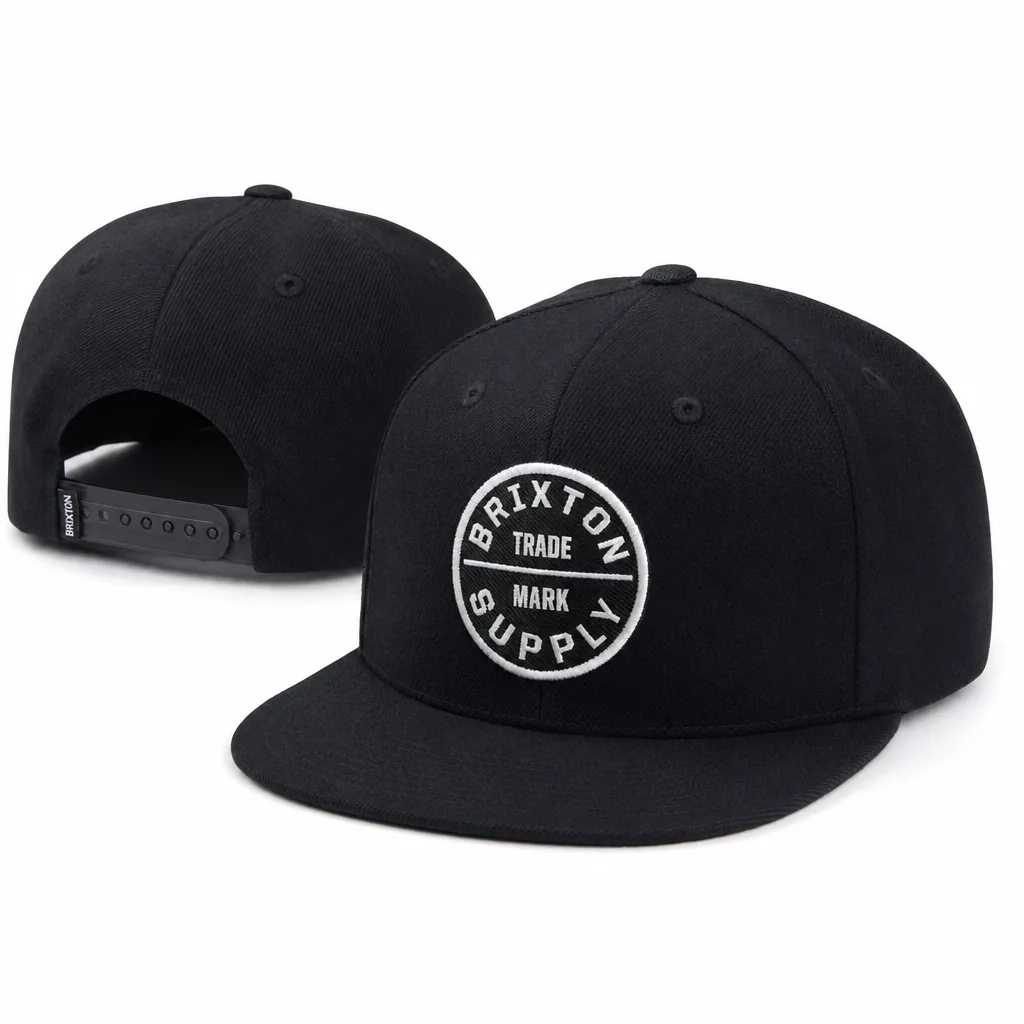
Snapback vs Fitted vs Adjustable: Cap Closure Systems Compared
Read article →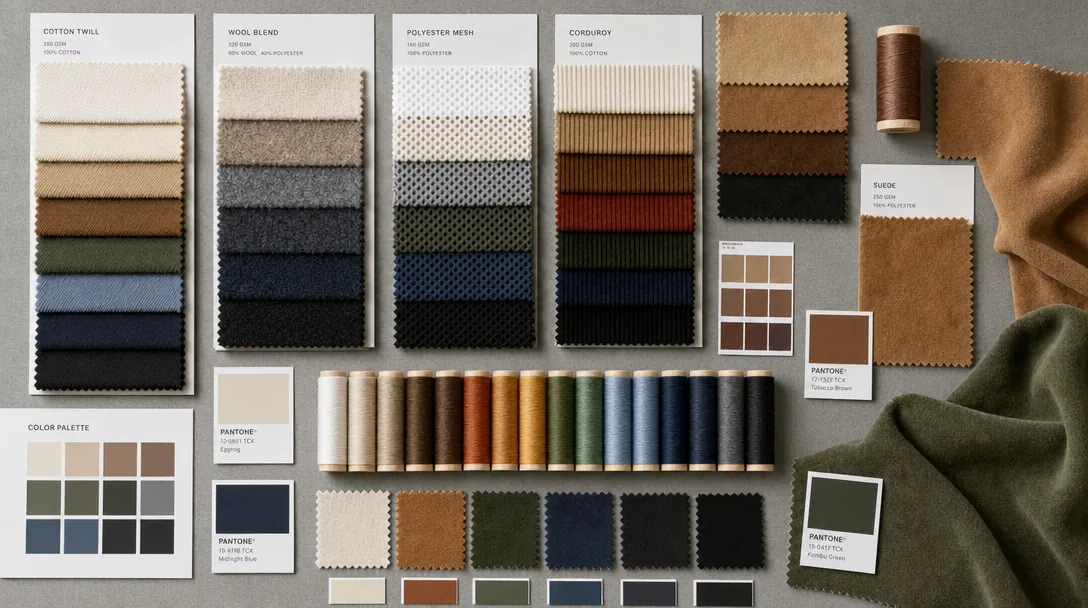
Sustainable Custom Hats: Eco-Friendly Materials, Recycled Fabrics & Certifications
Read article →
Woven Label Beanie Custom Bulk: A 2026 B2B Sourcing Guide
Read article →Sourcing custom hats does not have to be complicated. With the right manufacturing partner, clear specifications and a small upfront investment in sampling, you can launch a retail-quality product in 30 to 45 days.