
10 Questions to Ask a Cap Manufacturer on Your First Call (2026 Update)
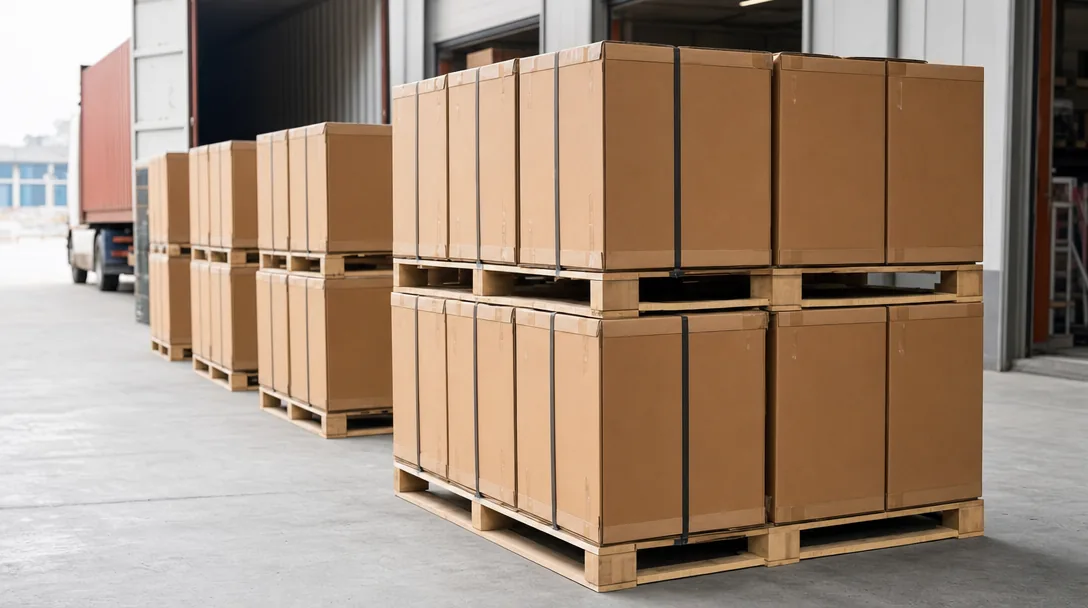
For brand owners, wholesalers and procurement teams entering the custom headwear category, 10 questions to ask a cap manufacturer on your first call (2026 update) is one of the highest-leverage decisions you will make. Get it right and your unit economics, retail story and reorder cycle all improve. Get it wrong and you carry the cost for years.
Question 1: What's the actual lead time from artwork approval to shipment?
A factory that cannot break lead time into sample development, material booking, cutting, sewing, decoration, finishing, and ex-factory handoff is not giving you a schedule; it is guessing. For a serious first call, the answer should be department-level, not “around a month.” A normal 6-panel cap in 260–280 gsm cotton twill, poly twill, or brushed canvas usually needs 7–10 calendar days for a pre-production sample after artwork approval, then 22–28 days for bulk on a 1,000–5,000 piece order, plus 3–5 days for inline repair, final inspection to AQL 2.5, carton packing, and FOB booking. That puts a realistic artwork-to-FOB window at 35–45 days if the factory is actually running by work center. Among the most practical questions for hat manufacturer screening, this one quickly shows whether they control capacity or just recycle a generic promise.
The number is only useful if the factory can explain what is already in-house and what still has to be purchased. Stock shell fabric is one thing; custom-dyed fabric matched to Pantone TCX with a verified Delta-E tolerance, molded metal closures, rope, woven labels, seam tape, sweatband, buckram, visor board, and back-strap hardware can add 5–12 days before cutting even starts. Decoration also changes the clock: 3D puff on Tajima, Barudan, or ZSK heads often needs 1–2 days for digitizing, foam selection, sew-out, and approval, while flat embroidery, TPU badges, woven patches, and screen print each sit in different queues. Ask for day zero in writing: final approved spec pack, signed sample, and deposit received. If the factory avoids that definition, your lead time is not fixed; it is vulnerable to every revision cycle and purchasing delay.
A competent supplier should also distinguish between quoted lead time and actual production lead time. If artwork changes the crown height, visor curve, stitch density, or back closure after approval, the schedule resets whether the factory admits it or not. The right answer includes a buffer for inline QC, because a real line will catch panel misalignment, skipped stitches, loose threads, shade variation, and crown symmetry issues before final packing. If the quoted date does not mention audit standard, inspection method, or shipping term, ask again; FOB, DDP, and air freight booking all change the calendar. Good factories quote with a production calendar, not a sales calendar. Bad ones quote what wins the order and leave the buyer to discover the missing time later.
Question 2: Which embroidery machines do you run?
Ask for the embroidery fleet by brand, model, head count, and cap-specific configuration. A real answer is specific: 8 Tajima TMBP2-SC 15-head cap machines for bulk production, 2 Barudan BEKY single-head units for sampling and repair, plus 1 ZSK line kept for small lettering and dense satin columns under 1.5 mm. If you hear “many machines” or “daily capacity is very high” with no model numbers, you are probably dealing with a broker or a shop that outsources peak orders. For standard 6,000-8,500 stitch front logos on structured six-panels, a maintained 15-head line usually lands around 1,800-3,200 front panels per 10-hour shift after thread changes, bobbin swaps, and minor stoppages. That is the kind of hard number serious questions for hat manufacturer screening should force out of a supplier.
Machine choice affects registration, not just speed. Tajima and Barudan are usually the safest for cap frames across buckram fronts, center seams, and 3D puff; ZSK often holds sharp serif text and mixed stitch directions better on technical logos. The factory should know the practical details: cap frame type, needle count, normal cap speed versus flat goods, and whether center-front puff is digitized separately from flat embroidery. On the material side, they should be able to speak in real terms about 40-60 wt polyester thread, 0.5-3 mm EVA foam for puff, and 50-80 gsm tear-away or cut-away backing depending on chino twill, acrylic wool, or brushed canvas. If they cannot explain why a 120D polyester thread behaves differently from rayon under tension, they probably do not control quality on the floor.
The best follow-up is not “Can you embroider caps?” It is: how often do you check hook timing, what is your thread-break rate per machine per shift, and do sampling machines sit apart from bulk production so one 300-piece order does not get jammed behind revisions? A capable plant should also be able to describe their inspection routine under D65 lighting, with a realistic Delta-E target for logo thread and panel fabrics, plus how they handle seam-crossing distortion when the crown is already heat-pressed. On a clean operation, single-heads are not an afterthought; they are where placement, density, and color approval get locked before the 15-head line runs. That is the difference between a real factory answer and a sales answer when you are asking questions for hat manufacturer due diligence.
Question 3: Can I do a video factory tour right now?
If a supplier can do a live video walk-through on the first call or within 24 to 48 hours, you learn more in 15 minutes than from a week of PDFs. Among practical questions for hat manufacturer screening, this is the quickest way to separate a real production site from a trader operating out of a sample room. Ask for one continuous call, not polished clips. You want exterior signage, reception, raw-material racks, cutting tables, sewing lines, embroidery, finishing, QC, carton staging, and finished-goods storage in a single sequence. The camera should pause long enough for you to read work orders, bundle tickets, machine nameplates, and carton markings. On an actual cap floor, you should see crown panels bundled by colorway and size, PE-labeled brim stacks, sweatband rolls, buckram, lining, and operators on Juki single-needle, double-needle, bartack, and post-bed machines. If they need a week because of “renovation,” “boss not here,” or “too busy to film,” treat that as a sourcing risk. A factory shipping daily should be able to prove it exists on short notice.
The embroidery section exposes weak suppliers faster than the showroom. Ask for close-ups of Tajima, Barudan, or ZSK multi-head machines, cap drivers, flat frames, thread racks, backing rolls, and the digitizing station where DST files are prepared. A real factory should be comfortable showing active production on 12-, 15-, or 20-head machines, plus strike-offs, thread trims, rejected panels, and operators loading both structured 6-panel caps and unstructured dad hats. Then move straight to compliance and QC. Ask to see inline inspection sheets, needle-control records, metal-detection procedure if used, the defect holding area, and the final inspection standard—typically AQL 2.5 for majors and 4.0 for minors on promotional programs. If they claim sedex-audit-cap-supplier-guide.html">BSCI 2.0 or Sedex SMETA 4-Pillar, have them show the report cover page, audit date, legal entity, and audited address on camera so it matches the site you are viewing. At CrownsForge, our standard is one uninterrupted call covering cutting, sewing, embroidery, inspection, and packing; a supplier that only shows a showroom or edited montage has not earned a second call.
Question 4: Which compliance audits do you currently hold and when do they expire?
The fastest way to expose a trading shell on the first call is to ask for four details without warning: audit scheme, auditor, audited legal entity, and expiration month. A real factory answers in one sentence: “amfori BSCI 2.0, audited by Intertek, legal entity Yiwu XX Apparel Co., Ltd., report closed and valid through October 2026,” or “Sedex SMETA 4-Pillar, SGS audit completed in December 2025, Sedex company reference available.” Anything softer than that—“our group company has it,” “renewal is being arranged,” “the partner workshop passed last year”—is not partial compliance; it is a gap. The audit must match the exact site cutting panels, sewing sweatbands, attaching eyelets, pressing buckram, and running Tajima or Barudan embroidery heads. If the report belongs to a parent company in Hangzhou or a warehouse in Shenzhen, it will not survive a retailer onboarding review once the packing list, commercial invoice, and factory address are cross-checked. One of the most useful questions for hat manufacturer screening is whether they can send the audit ID, report date, rating or summary result, and CAPA status the same day. If they cannot provide an amfori platform reference, Sedex company number, or even a redacted first page showing facility name, scope, auditor, and issue date, you are qualifying blind. For most licensed, retail, or marketplace programs, an expired audit is functionally the same as no audit once PO value moves past roughly $10,000 to $20,000. BSCI 2.0 and SMETA 4-Pillar are not interchangeable either: BSCI is centered on labor, wages, working hours, health and safety, and management systems, while SMETA 4-Pillar adds environmental performance and business ethics. Ask one more hard question: was the audit announced or semi-announced, and are any major non-conformities still open past the CAPA deadline?
Audit scope matters more than the logos on a supplier deck. Plenty of cap vendors sew crowns in-house but subcontract washing, screen print, heat transfers, metal trim assembly, or even final packing to small satellite workshops that never appear on the main report. Ask directly whether embroidery, sewing, finishing, needle control, inspection, and packing all sit under the same audited address, and whether value-added work such as 3D puff, applique, woven patch attachment, silicone heat transfer, laser-cut label application, or enzyme washing is covered by that site scope. If subcontractors touch the goods, they should either hold their own current BSCI or SMETA reports or be formally listed in the factory’s subcontractor register with disclosed process scope. This is where compliance failures actually happen: not in the main sewing line, but in the unreported side process added after approval. Our standard practice is to map the audit scope against the real production flow before bulk starts, because a clean PDF means very little if finishing is done off-site at an unaudited unit. Ask whether the facility can show the latest report issue date, expiry, corrective action closure, and site headcount, then compare that with the order plan. A factory claiming 80 operators and one 12-head Tajima line should not be promising 120,000 embroidered caps in 30 days without overflow capacity. These are practical questions for hat manufacturer due diligence, not paperwork trivia; they determine whether your shipment clears a retailer compliance gate or gets frozen before ex-factory release.
Question 5: What's your MOQ and how does it scale?
If a factory cannot give MOQ in actual numbers on the first call, read that as weak costing discipline, not flexibility. For most cut-and-sew caps, 100 pcs per style, colorway, and logo application is the clean starting point because that is where marker efficiency, embroidery setup, patch pressing, hand trimming, and export packing stop inflating the unit cost. One of the better questions for hat manufacturer vetting is whether MOQ changes by construction and trim package, because it should. A 6-panel brushed cotton twill dad cap in 260 gsm fabric with direct flat embroidery can often hold at 100 pcs. A 5-panel trucker with 5 mm EVA foam, 75D polyester mesh, braided rope, woven patch, and custom snap closure usually needs 150-300 pcs. Add garment wash, printed lining, sublimated seam tape, molded silicone patches, or genuine leather straps and the minimum moves again, mainly because trim vendors impose their own minimums and color control becomes expensive at short runs. If they say “MOQ depends” without breaking out shell fabric, decoration, and closure type, they are probably quoting from memory.
They should also separate production MOQ from sample-run logic. A 30-50 pc trial run is possible in many factories, but it should come with a 20-40% unit-cost premium because you are absorbing digitizing, thread changes, cutter lay loss, idle machine time, and leftover trim risk. If embroidery is involved, I expect them to mention stitch count and machine type. An 8,000-stitch logo running on a Tajima or Barudan multi-head carries a very different setup burden from a pre-made woven patch or a 3D silicone heat transfer. Ask for ladder pricing at 100, 300, 500, 1,000, and 5,000 pcs and make them explain the driver behind each drop. At 300 pcs, labor utilization and line balancing improve; at 1,000 pcs, fabric mills and trim suppliers usually soften pricing on buckram, sweatbands, labels, and closures; by 5,000 pcs, carton density and freight economics start to matter as much as sewing efficiency. Push for minimums and price tiers by colorway, logo, and size split, plus QC standards such as Pantone thread matching, shade tolerance within commercial Delta-E, embroidery placement tolerance of +/-2 mm, and final inspection at AQL 2.5.
Question 6: What's your sample fee policy?
Sample fees are the quickest way to separate a real factory from a broker. For a true cut-and-sew custom cap, a first prototype usually lands around $35 to $90 before freight, and that range is normal once you account for pattern drafting, fabric cutting, buckram, sweatband, closure trims, embroidery digitizing, machine setup, pressing, and final QC. A basic 6-panel chino twill dad cap or acrylic-wool snapback sits near the low end; add 3D puff on a Tajima or Barudan, woven patch application, sandwich visor, rope detail, applique, or specialty inputs like 280–300 gsm brushed cotton, 16-wale corduroy, or 600D rPET, and the sample cost climbs fast. “Free sample” sounds nice, but on a real production floor it usually means old stock, outsourced guessing, or hidden margin in bulk pricing. It is one of the first questions for hat manufacturer screening because honest sample pricing exposes whether they actually own the process.
The better policy is conditional and itemized. Standard practice at CrownsForge is to refund sample fees against a bulk order once the style/colorway reaches roughly 300 to 500 pieces, because that is where development cost can be absorbed properly. Ask exactly what is included: one physical proto, one revision, Pantone TCX fabric or thread matching, digitizing, patch tooling, courier cost, and whether artwork changes trigger a full new sample or only incremental labor. In a disciplined factory, redigitizing or trim changes should be closer to $10 to $25, not another full $50-plus charge. Also ask what approval gates they use: digital mockup, physical prototype, written sign-off, then bulk production against defined tolerances such as embroidery placement within +/-2 mm, color within Delta-E 1.5 to the approved standard, and final inspection to AQL 2.5. If they cannot quote that process clearly, they are not managing development; they are improvising.
Question 7: What payment terms do you offer?
For a first PO, 30% deposit and 70% against the B/L copy is still the cleanest baseline for ocean shipments; for air, courier, or DDP, the 70% is normally due before dispatch or before handover to the forwarder’s warehouse. That structure matches real cash burn on a cap order: shell fabric, buckram, sweatband, snap or metal closure, woven label, embroidery digitizing, carton packs, and export documentation typically consume 20% to 35% of order value before sewing is even 50% complete. If a supplier asks for 50% upfront, don’t reject it on principle; ask what is driving the exposure. Common reasons are custom-dyed cotton twill under 500 yards, imported 24 oz Melton wool, TPU or molded silicone patches, licensed trims, or small runs below 300 pcs where setup cost gets concentrated. What should put you on guard is 100% prepayment with no production milestone, no inspection right, and no trade-protection mechanism. Among the most useful questions for hat manufacturer screening, payment terms expose very quickly whether you are dealing with a real export factory or a broker covering subcontractor cash gaps.
The percentage alone is not enough; the trigger for payment has to be tied to documents, inspection, and claim terms. A competent cap supplier should issue a proforma invoice that references the approved PPS, agreed Incoterm, bank beneficiary name, and final-payment trigger in writing: B/L copy, AWB, or DDP proof of handover. For bulk approval, I would push for balance payment after a third-party inspection report is passed, not before the inspection is even booked. A practical standard is AQL 2.5 for major defects and AQL 4.0 for minor defects, with carton-count verification, needle-policy records, barcode scan checks if retail packed, and metal-trim testing for burrs, sharp points, and plating failure. Credit should improve after performance is proven; net-15 or even net-30 after three clean orders is realistic if annual volume is stable and claims stay low. If a factory refuses any credit progression, it often means weak banking lines or unstable outsourcing. Also pin down bank charges, USD versus RMB settlement, and over/under shipment tolerance capped at 3% to 5%, because those details hit landed cost just as fast as a Delta-E tolerance miss on the approved lab dip.
Question 8: Who is my project manager and how do I reach them?
Get a named project manager before the first call ends, plus their direct email, WhatsApp or WeChat, China Standard Time availability, and a written response SLA. For factories in Zhejiang or Guangdong, a realistic window is same day or within 4-8 working hours Monday through Saturday; once replies slip past 24 hours on an active sample or bulk order, decisions are usually bouncing between sales, merchandising, and the workshop. On caps, that delay costs real time: a 2 mm peak curve correction, a Pantone TCX fabric approval, a swap from 3D puff to flat-fill embroidery, or a closure change from 7-hole plastic snap to matte nickel buckle can each hold cutting or digitizing for a full shift. Among the most useful questions for hat manufacturer calls, this one tells you whether the supplier has single-point ownership or a relay race of partial answers.
A real PM should own the order from tech pack review through ex-factory booking, not just forward screenshots into a group chat. They should be able to confirm crown height, panel width, visor board spec, fabric weight in gsm, buckram thickness, sweatband material, stitch count, carton dimensions, and booking status without saying “I need to check” on every line item. On embroidery-heavy programs, they also need direct access to the digitizer running Tajima, Barudan, or ZSK heads, because pull compensation, underlay, and puff foam density decisions affect strike-off approval and sewing yield. In most organized factories, one PM handles about 3-8 active accounts; once that number reaches 15 or 20, missed comments and preventable rework become routine. At CrownsForge, the cleanest setup is a named PM plus a backup contact copied from day one, because generic inboxes are where PO revisions, carton marks, and urgent pack-out instructions get lost.
Question 9: What's your defect tolerance / AQL policy?
If a factory says “we do full inspection,” keep pressing. One of the most useful questions for hat manufacturer screening is the exact AQL standard they ship against, because “100% checked” often means a quick visual pass before carton sealing. A disciplined supplier should name ANSI/ASQ Z1.4, General Inspection Level II, with AQL 2.5 for major defects and 4.0 for minor defects; for licensed sports or premium streetwear, some buyers tighten majors to 1.5. On caps, major defects are off-center front embroidery beyond 3 mm, broken seams, wrong size labels, visor deformation, missing eyelets, or color mismatch against the approved standard. Minor defects are loose threads, light soiling, slight puckering, or small stitch irregularities that do not affect wear. If they cannot separate critical, major, and minor defects in plain language, they are not running a controlled QA system.
A serious factory also has a written checklist, not an inspector’s personal judgment. A practical control sheet usually has 30 to 40 points across inline and final inspection: crown height tolerance, panel symmetry, stitch count, embroidery registration, seam allowance, sweatband attachment, button alignment, strapback function, carton ratio, and label accuracy. For embroidery caps, ask what machine platform they run—Tajima, Barudan, or ZSK—and how they verify placement from the center line instead of eyeballing it. CrownsForge’s standard practice is to tie defects to lot number, carton number, and operator or line number in the QC report so root causes can be traced instead of guessed. That is the difference between a factory that can correct drift and one that just repacks it.
The real test is what happens when a lot fails. A serious supplier should stop shipment, segregate the affected cartons, rework repairable defects, replace unrecoverable units, and re-inspect before release; they should also accept third-party inspection by SGS, Intertek, Bureau Veritas, or QIMA under the buyer’s account. Ask them to define acceptance on specific defects like loose threads, crooked embroidery, under-curved visors, or color drift beyond Delta-E 1.5 to 2.0 against the approved Pantone TCX or lab dip. That forces measurable answers instead of “don’t worry.” If they cannot describe the corrective-action flow, assume the defects will show up after arrival, when freight, duty, and launch timing are already exposed. On first-call vetting, refusal to commit to a clear AQL policy is usually not a communication issue; it is a process issue.
Question 10: Can you give me 3 reference customers I can contact?
If a factory cannot produce two or three usable references before deposit, they are asking you to underwrite their credibility. On a first call, the right answer is usually not an instant brand name; it is, “Give us 24 to 48 hours to get customer approval.” That is standard for private-label programs, licensed sports accounts, and retailer-compliance buyers who do not want their supplier list broadcast. The key test is fit, not logo recognition. A streetwear founder buying 300 to 1,200 pieces per drop should ask for references running washed canvas or 12–14 oz cotton twill, mixed colorways, woven labels, and 3D puff plus flat embroidery. A promo distributor should ask for buyers doing 3,000 to 10,000 event caps with hard in-hands dates, carton-marking specs, and chargeback exposure. Among the most revealing questions for hat manufacturer teams, this one tells you fast whether they actually serve your channel or are padding the conversation with irrelevant names.
Do not accept references you cannot verify or references whose operating conditions are nothing like yours. A U.S. team dealer reordering 5,000 brushed-twill snapbacks is not a useful proxy for a DTC brand buying 500 rope caps with Pantone TCX-matched trims, interior taping, and 30-day replenishment pressure. Ask exactly what the reference bought, average lead time in calendar days, repeat-order cadence, defect or claim rate, and shipping term: FOB Ningbo, FOB Shanghai, or DDP. A serious reference should also be able to speak to factory controls that matter on caps: AQL 2.5 final inspection, embroidery run on Tajima or Barudan heads, crown shape consistency, stitch density and SPI, and whether color variation was held to a realistic Delta-E tolerance under D65 lighting. If “confidential” is the answer, accept it only with a deadline. If approval drags, ask for redacted POs from the last 6–12 months, shipment records, inspection reports, and current BSCI 2.0 or Sedex SMETA 4-Pillar summaries. Those do not replace a live call, but they do show whether the factory is current, auditable, and used to buyer scrutiny.
Frequently Asked Questions
Which shipping methods do you support?
We support FOB, CIF and DDP shipping. Air express for samples and small orders, sea LCL for 100 to 500 pieces, sea FCL for 5,000+ pieces. Door-to-door DDP available for US, EU, UK, Canada and Australia.
Can I order a sample before bulk production?
Yes. We strongly recommend approving a pre-production sample before mass production. Samples are charged at 35 to 60 USD each plus express shipping, fully refundable against confirmed bulk orders over 500 pieces.
What logo decoration techniques do you offer?
3D puff embroidery, flat embroidery, woven patch, leather patch, PVC patch, screen printing, sublimation, applique and laser etching, all in-house with no subcontracting.
How long does production take?
Sampling takes 7 to 12 days. Bulk production runs 20 to 30 days depending on quantity, fabric availability and decoration complexity. Inspection and packing adds another 3 to 5 days before shipment.
What file format should I send for my logo?
Vector files (AI, EPS, PDF) are ideal. High-resolution PNG or JPG at 300 dpi on transparent background works as a fallback. Provide Pantone color references for accurate reproduction.
What should buyers know about cotton twill army cap kangol?
When evaluating cotton twill army cap kangol, the key considerations are construction quality, decoration capability, MOQ flexibility and lead time. Good answer: '7-10 days sampling, 22-28 days bulk, 3-5 days inspection and packing. Total order-to-FOB 35-45 days.' Vague answer ('around a month'), or impossibly short ('2 weeks total'), means the factory either doesn't track it or is lying to win the order. Good answer names brands: Tajima, SWF, ZSK, Barudan. Number of heads (15-head machines = high-volume; single-head =…
How does ordering best custom baseball cap work?
When evaluating best custom baseball cap, the key considerations are construction quality, decoration capability, MOQ flexibility and lead time. Good answer: '7-10 days sampling, 22-28 days bulk, 3-5 days inspection and packing. Total order-to-FOB 35-45 days.' Vague answer ('around a month'), or impossibly short ('2 weeks total'), means the factory either doesn't track it or is lying to win the order. Good answer names brands: Tajima, SWF, ZSK, Barudan. Number of heads (15-head machines = high-volume; single-head =…
What should buyers know about kangol bucket hat?
When evaluating kangol bucket hat, the key considerations are construction quality, decoration capability, MOQ flexibility and lead time. Good answer: '7-10 days sampling, 22-28 days bulk, 3-5 days inspection and packing. Total order-to-FOB 35-45 days.' Vague answer ('around a month'), or impossibly short ('2 weeks total'), means the factory either doesn't track it or is lying to win the order. Good answer names brands: Tajima, SWF, ZSK, Barudan. Number of heads (15-head machines = high-volume; single-head =…
How does ordering beanie hat custom work?
When evaluating beanie hat custom, the key considerations are construction quality, decoration capability, MOQ flexibility and lead time. Good answer: '7-10 days sampling, 22-28 days bulk, 3-5 days inspection and packing. Total order-to-FOB 35-45 days.' Vague answer ('around a month'), or impossibly short ('2 weeks total'), means the factory either doesn't track it or is lying to win the order. Good answer names brands: Tajima, SWF, ZSK, Barudan. Number of heads (15-head machines = high-volume; single-head =…
Looking for a reliable hat manufacturer in China?
CrownsForge has produced custom hats for 800+ brands across 40 countries. From 100-piece launches to 100,000-piece retail programs, we deliver on time and on spec.
Get in touchRelated guides
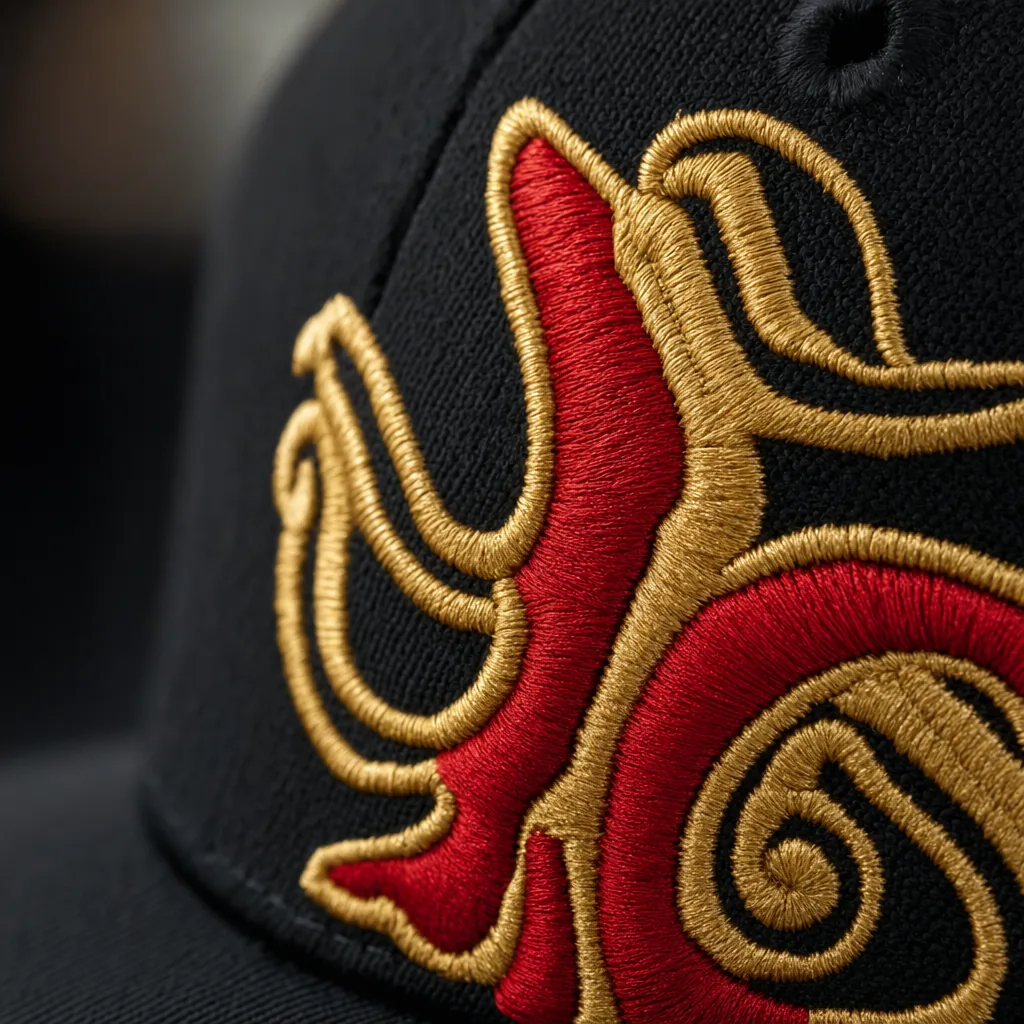
Custom Embroidered Patches: When to Use It, Costs, and What to Ask Your Factory (2026 Update)
Read article →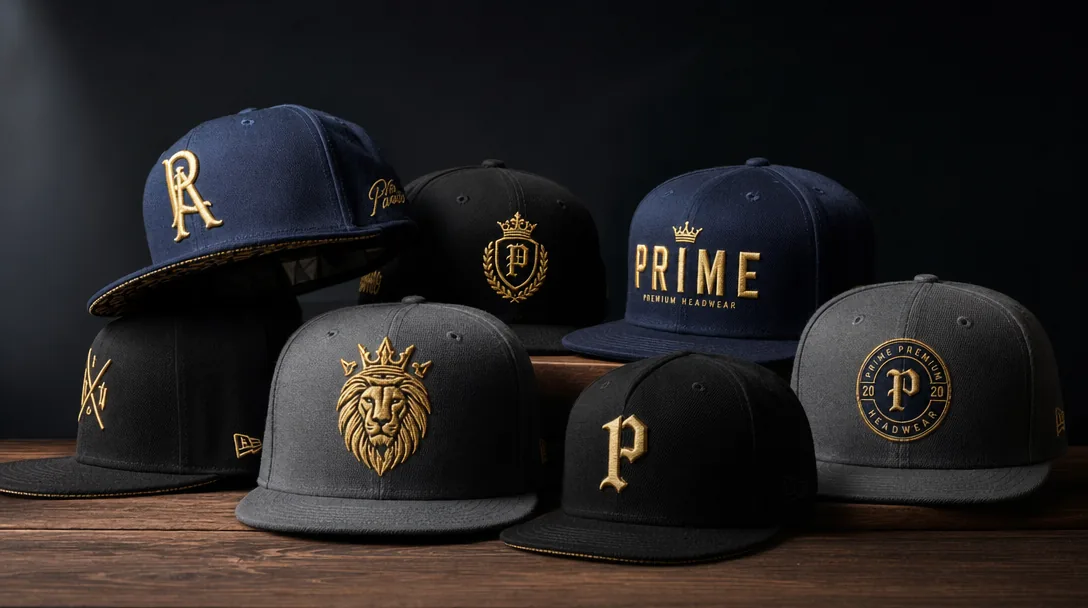
Fisherman Beanie Wholesale Custom: A 2026 B2B Sourcing Guide
Read article →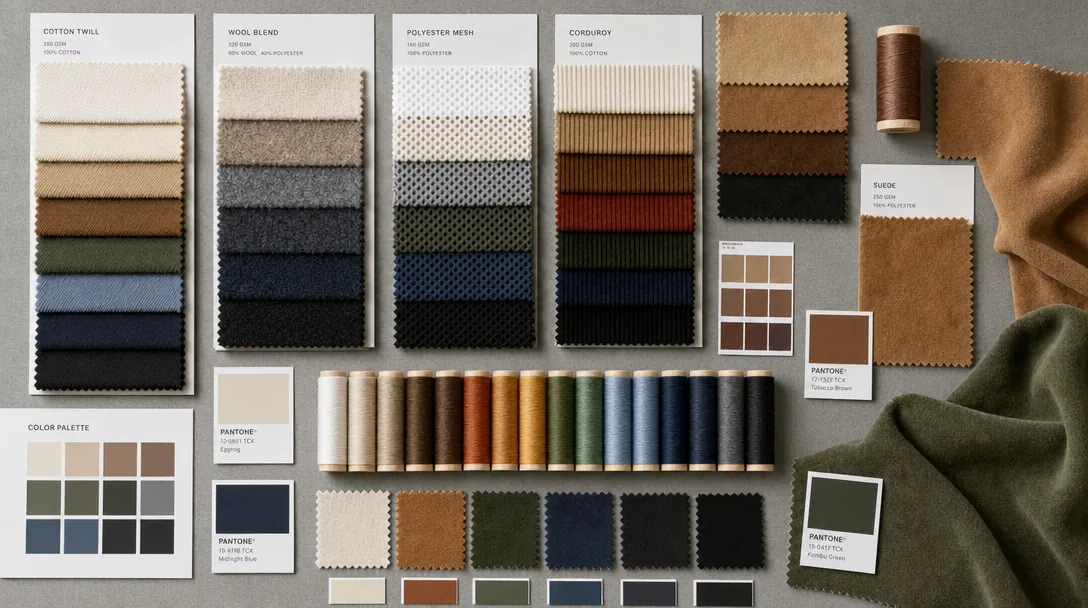
Wholesale Hats Suppliers: Properties, Costs and How to Spec It Right
Read article →Sourcing custom hats does not have to be complicated. With the right manufacturing partner, clear specifications and a small upfront investment in sampling, you can launch a retail-quality product in 30 to 45 days.