
Baseball Hats For Men Supplier Audit Checklist for Custom Hat Buyers
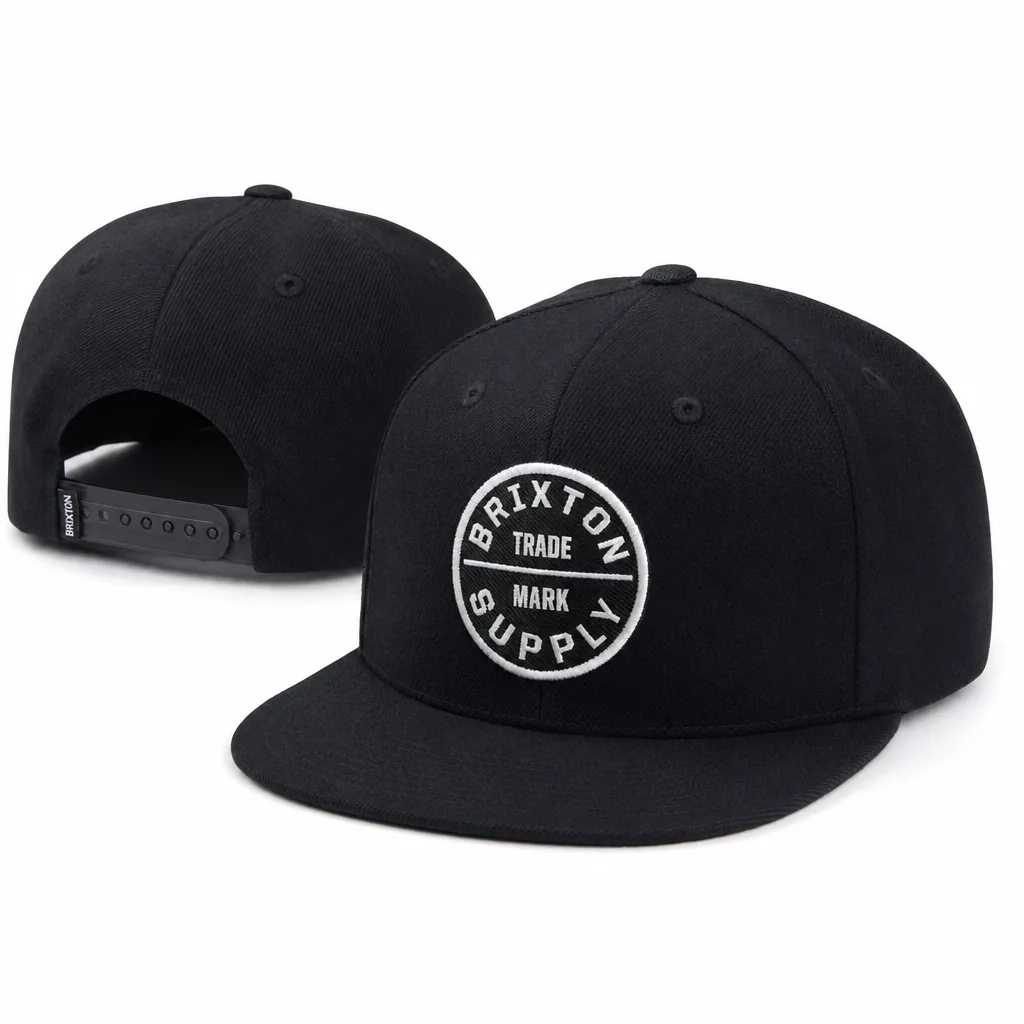
Baseball Hats For Men Supplier Audit Checklist for Custom Hat Buyers is one of the most-asked questions we receive from international buyers, and for good reason. With dozens of factories competing for your order and an alphabet soup of technical terms in every supplier quote, even experienced importers can feel lost. This guide consolidates what we have learned producing custom hats for clients in 40+ countries.
Why baseball hats for men supplier audit checklist needs a separate sourcing plan
A buyer searching for a baseball hats for men supplier audit checklist is usually not asking, “Can you sew a cap?” They are trying to avoid a factory that looks fine on Alibaba but fails on fit consistency, color control, labor documentation, or export paperwork once the PO is paid. Men’s baseball caps have a narrower tolerance window than many casual headwear styles because crown height, visor curve, sweatband stretch, and back-strap placement directly affect perceived size. A 58 cm fitted cap that finishes at 57.2 cm after washing is not a small defect; it becomes a sell-through problem. For custom baseball team hats, I would audit pattern blocks, size grading records, mold condition, and whether the factory measures circumference after pressing, not only after sewing. Generic hat sourcing often checks price, MOQ, and logo method. A proper audit for baseball hats for men must also verify cap-shaping equipment, needle control on six-panel seams, embroidery backing removal, and carton compression tests because these defects show up only after packing and shipping.
The sourcing plan changes when the product carries a compliance or channel risk. If you sell baseball hats canada through retail, the buyer may ask for sedex-audit-cap-supplier-guide.html">BSCI 2.0, Sedex SMETA 4-Pillar, REACH declarations, azo-free dye statements, and fiber content labels in English and French. If the order is for licensed custom baseball team hats, the audit needs tighter IP control: separated logo files, visitor logs, subcontractor disclosure, and embroidery room photo restrictions. For fitted hats with patches, I would check whether patch bonding is done by heat press, zigzag stitch, merrow edge, or direct satin stitch, because each method has different peel strength and wash performance. A TPU patch can add $0.35–$0.90 per cap, while a chenille patch can add $0.80–$1.60 depending on yarn height and border density. These choices affect not only unit cost but also sampling time, because Pantone TCX fabric matching and Delta-E under D65 light can delay approval by 3–7 days when the fabric mill is not aligned early.
The biggest mistake is auditing the supplier after the design is already locked. Fabric, structure, decoration, packing, and destination should be part of the same sourcing decision. A 260 gsm cotton twill cap with a buckram front, sandwich visor, and 12,000-stitch Tajima embroidery will run differently from a lightweight unstructured cap using 160 gsm washed cotton. At CrownsForge, our standard practice is to quote separately for fabric, decoration, mold setup, testing, packing, and FOB versus DDP freight so the buyer can see what actually drives the price. For example, a basic embroidered cap may land at $2.20–$3.40 FOB Ningbo at 1,000 pieces, while a structured cap with woven labels, custom tape, and patchwork can move to $4.80–$7.50 before duty and freight. Lead time also splits: 5–7 days for digitizing and sample embroidery on Barudan or ZSK heads, 10–15 days for bulk fabric dyeing, and 20–30 days for production after sample approval. Festival bucket hats can share fabric sourcing, but they should not share the same audit checklist because blocking, brim stitching, and sizing risk are completely different.
Factory capability checks before quoting
Quote accuracy starts with machine capacity, not a pretty sample photo. For a baseball hats for men supplier audit checklist, I first ask how many active embroidery heads are in daily use, what brands they run, and who digitizes the DST files. A shop with 12 Tajima or Barudan heads can handle small team orders; a factory claiming 50,000 pieces/month should show multi-head lines, backup frames, thread inventory, and needle logs. For custom baseball team hats, inspect whether they can control 3D puff height at 2.5–3.0 mm, keep satin stitch edges clean on 6-panel seams, and maintain logo position within ±2 mm. Patch capability is separate: woven patches need merrow or laser-cut edge control, leather patches need deboss pressure consistency, and rubber patches require mold lead time of 5–7 days. If they outsource every patch, build that risk into the calendar and ask for subcontractor names before paying sample fees.
Fabric and construction capability tell you whether the supplier understands baseball hats for men or only assembles whatever is cheapest that week. Ask for fabric cards with gsm, composition, color codes, and shrinkage results after steam blocking. Common choices are 260–320 gsm cotton twill, 380 gsm acrylic-wool blend for structured fitted caps, 150D–300D polyester for performance styles, and nylon taslan when buyers also source festival bucket hats from the same line. For baseball hats canada programs, I would confirm they can handle darker winter colorways, anti-pilling sweatbands, and carton labeling in English/French if retail distribution requires it. Panel construction matters: 5-panel, 6-panel, unstructured, high-profile, and low-profile patterns should each have physical blocks in the sample room. Closure options should be shown on finished hats, not loose parts: plastic snapback, brass buckle, hook-and-loop, stretch-fit, and true fitted sizing from 6 7/8 to 8 with size tolerance controlled within about 0.3 cm.
A real sample room can revise a cap without waiting two weeks for the production floor to become free. I check whether pattern makers, embroidery digitizers, heat-press operators, and sewing technicians sit under one manager, because fitted hats with patches often need several trial rounds: crown height adjustment, patch placement, brim curve, backing stiffness, and sweatband tension. Our standard practice at CrownsForge is to keep approved counter samples, Pantone TCX references, thread cones, and trim cards in one job bag so bulk production is checked against the same physical standard, not a WeChat photo. Audit readiness is just as practical: ask for current BSCI 2.0 or Sedex SMETA 4-Pillar reports, needle-control records, metal detector logs where applicable, and AQL 2.5 final inspection history. Communication is part of capability too; the merchandiser should answer MOQ, sample lead time, EXW/FOB/DDP terms, carton dimensions, and defect rework rules in writing within 24 hours.
MOQ, pricing and sample approval
MOQ is where a baseball hats for men supplier audit checklist should get very practical, because quoted unit price means nothing without the quantity band behind it. For most structured 6-panel caps, a sensible factory MOQ is 300 pcs per colorway for cotton twill or brushed chino, 500 pcs for custom-dyed fabric, and 1,000 pcs if the buyer wants yarn-dyed plaid, jacquard tape, or a proprietary camo. Small runs of 144 pcs are possible, but expect a surcharge of US$0.45–$1.20 per cap because cutting, thread changes, and QC time do not shrink with volume. A basic embroidered cap may land around US$3.20–$5.80 FOB Ningbo at 500 pcs, while fitted hats with patches using wool blend, buckram front, custom inner tape, and woven size labels often move into the US$6.50–$10.50 range. Buyers comparing baseball hats canada programs should also separate FOB from DDP, because duty, courier fuel surcharge, and carton dimensional weight can add 18–35% landed cost on small shipments.
Decoration setup costs should be listed line by line before a deposit is paid. Embroidery digitizing usually runs US$25–$60 per logo, with 3D puff requiring a separate test because foam height, satin column width, and pull compensation change the result. On Tajima or Barudan heads, I like to see flat embroidery kept around 8,000–12,000 stitches for a front logo unless the artwork truly needs more; dense 18,000-stitch designs can pucker 280 gsm cotton twill and distort the crown. Woven patches need a mold or loom setup of about US$40–$90, rubber patches commonly cost US$80–$150 for tooling, and metal buckles or custom snapback closures can add US$0.12–$0.45 each. For custom baseball team hats, confirm whether player numbers, side logos, and league marks are treated as one combined setup or charged separately, because that can change the economics of a 300-piece order fast.
Sample approval should move from salesman photo to physical PPS, not straight into bulk. Our standard practice at CrownsForge is to approve fabric shade against Pantone TCX or TPX under a D65 light box, with a normal tolerance of Delta-E 1.5–2.0 for dyed fabric and slightly wider tolerance for washed cotton. The PPS should lock crown height, visor curve, stitch density, sweatband width, closure, eyelet color, seam tape, care label, barcode sticker, and carton mark; trims are where factories quietly substitute if the buyer leaves gaps. Packaging also affects cost: a polybag is about US$0.03–$0.06, a printed hangtag US$0.05–$0.12, and a crushed-proof inner box for premium baseball hats for men can add US$0.25–$0.60. Realistic lead time is 7–12 days for PPS after artwork approval, then 25–40 days for bulk; festival bucket hats or washed styles may need another week for shrinkage control and colorfastness testing.
Quality inspection and shipping risk
Quality risk shows up late unless the buyer defines pass/fail points before bulk cutting. For a baseball hats for men supplier audit checklist, I would set final random inspection at AQL 2.5 for major defects and AQL 4.0 for minor defects, with zero tolerance for sharp metal, mold, mixed logos, or wrong country-of-origin labels. Cap circumference should normally hold within ±0.5 cm for adjustable styles and ±0.3 cm for fitted sizes; brim length and crown height should stay within ±3 mm because small deviations are visible when hats sit side by side on a retail shelf. For baseball hats for men using cotton twill, 280–320 gsm is common, while polyester performance fabric usually runs 150–190 gsm. Ask the factory to record shrinkage after steam shaping, not only flat-panel cutting measurements, because sweatband pull and buckram tension change the fit after assembly.
Color and decoration defects need factory-floor controls, not just a pretty pre-production sample. For fabric, request Pantone TCX or TPX references plus a Delta-E limit, usually under 1.5 for brand-critical colors and under 2.0 for general promotional work. Colorfastness should be tested to rubbing and perspiration, especially for black, navy, red, and neon festival bucket hats that may bleed onto sweatbands or skin; ISO 105 grade 4 is a practical minimum for most orders. Embroidery inspection should include thread breaks, bird nesting, skipped stitches, registration drift over 1 mm, and puckering around dense fills. On Tajima, Barudan, or ZSK heads, a 3D puff logo for custom baseball team hats needs a separate foam density and stitch-density approval, because the same DST file behaves differently on brushed cotton, wool blend, and 600D polyester. Fitted hats with patches also need edge-lift checks after heat press or sewing, especially on curved front panels.
Shipping risk is mostly paperwork discipline. Carton markings should match the PO, SKU, color, size run, gross weight, net weight, carton dimensions, and made-in-China labeling; I have seen entire Canada-bound shipments delayed because the outer carton said “black” while the packing list said “charcoal.” For baseball hats canada orders, confirm HS code, fiber composition, importer number, and whether the buyer wants FOB Ningbo/Shanghai or DDP to Toronto, Vancouver, or Montreal. FOB is cleaner for experienced importers controlling their own forwarder; DDP is easier for first-time buyers but the landed price can hide 8–18% logistics padding, fuel surcharge swings, and customs brokerage assumptions. Our standard practice at CrownsForge is to keep reorder documentation as a controlled tech pack: approved sample photos, Pantone records, embroidery files, thread codes, panel patterns, carton layout, AQL report, and final packing list. Without that file, a reorder is just a new order pretending to be the same hat.
Buyer checklist for the next RFQ
A firm quote starts with a complete tech pack, not a mood board. For a baseball hats for men supplier audit checklist RFQ, send cap style first: 6-panel structured, 5-panel camper, unstructured dad cap, trucker, low-profile fitted, or performance stretch-fit. Add crown height in cm, brim type and length, panel fabric with weight such as 280 gsm cotton twill or 150D polyester ripstop, closure type, inside taping color, sweatband material, eyelet style, and size range. If you are buying custom baseball team hats, include league logo placement rules, Pantone TCX or coated Pantone references, and whether the logo needs flat embroidery, 3D puff, woven patch, rubber patch, sublimation, or heat transfer. For fitted hats with patches, specify size grading, patch dimensions, edge finish, backing, and stitch-down method because a 70 mm leather patch behaves very differently from a 55 mm woven patch on a curved crown.
Send production-ready artwork before asking for unit pricing. That means vector AI, EPS, or PDF files with fonts outlined, plus JPG mockups showing front, side, back, underbrim, label, and packaging positions. Embroidery files in DST are useful, but I still prefer original vector art so our digitizer can rebuild stitch direction for Tajima, Barudan, or ZSK heads and control thread breaks. Include acceptable color tolerance, normally Delta-E under 1.5 for fabric lab dips and under 2.0 for thread or patch materials, plus a note if black must match across shell, mesh, buckle, and label. If your range includes baseball hats canada shipments or festival bucket hats in the same RFQ, separate them by SKU because duty codes, carton volume, and fabric consumption are not the same. Photos should include previous samples, retail references, inside construction, sweatband close-ups, and any failed production examples you do not want repeated.
The commercial checklist should be just as precise as the product checklist. State target quantity by color and size, not only total MOQ; 1,200 pieces split across 12 colors prices very differently from 1,200 pieces in one navy body. Give your required Incoterm, such as FOB Ningbo, EXW Yiwu, DDP Los Angeles, or DDP Toronto, plus target delivery date, carton marking rules, barcode format, and polybag requirements. For audits, ask for current BSCI 2.0 or Sedex SMETA 4-Pillar status, latest social audit date, factory name on the report, and whether subcontracted embroidery or washing is used. Our standard practice at CrownsForge is to quote sampling fee, bulk unit price, mold or patch tooling, lead time, AQL 2.5 inspection level, and freight separately so buyers can compare factories without hidden padding. A good baseball hats for men supplier audit checklist should also request photos of embroidery machines, cutting tables, needle detectors, QC light boxes, and packed-carton storage before any deposit is paid.
Working with CrownsForge
A baseball hats for men supplier audit checklist should start before the factory cuts fabric, not when cartons are already sealed. For a new buyer program, our standard practice at CrownsForge is to lock the tech pack around cap structure, crown height, brim curve, sweatband spec, closure type, and decoration tolerance before quoting bulk. For baseball hats for men, we normally run 2–3 fit samples: first for shape and construction, second for artwork placement, and a pre-production sample using bulk fabric and trims. Fabric is checked against Pantone TCX under a D65 light box, with Delta-E held under 1.5 for solid cotton twill and under 2.0 for heather polyester blends. If the program includes baseball hats canada orders, we also verify bilingual care labels, fiber content wording, and carton marks before production release, because relabeling finished caps costs more than doing it right at the sewing line.
Decoration is where most custom cap programs fail, so the audit must test machines, thread behavior, backing, and operator setup. For custom baseball team hats, we digitize embroidery separately for flat front panels, structured 6-panel caps, and curved 3D puff work because the same DST file will not sew cleanly across every crown. On Tajima, Barudan, and ZSK heads, we check stitch density, pull compensation, needle size, and foam height before approving bulk. Fitted hats with patches need a different control point: patch edge sealing, heat-press temperature, dwell time, adhesive bleed, and needle perforation around merrow borders. A normal decoration tolerance is plus or minus 2 mm for front logo placement and plus or minus 3 mm for side embroidery. For mixed seasonal orders that include festival bucket hats, we separate the QC sheet because bucket hat brim symmetry, seam rolling, and top-panel puckering are different risks from baseball cap front-panel distortion.
Quality control and export coordination should be written into the baseball hats for men supplier audit checklist with measurable gates, not vague promises. Inline inspection starts after the first 50–100 pieces, then again around 30% production, so sewing tension, visor insertion, button setting, and sweatband alignment are corrected before the defect repeats across 5,000 units. Final inspection is typically AQL 2.5 for major defects and AQL 4.0 for minor defects, with separate checks for carton count, polybag warning text, barcode scan, hangtag attachment, and moisture level under 12% to reduce mildew risk in ocean freight. For export, we coordinate FOB Ningbo or Shanghai most often, while DDP shipments to the U.S., Canada, and EU need HS code confirmation, commercial invoice consistency, and realistic duty assumptions. A supplier that cannot show BSCI 2.0, Sedex SMETA 4-Pillar, or comparable social compliance records should not be approved for licensed sports or corporate resale programs.
Frequently Asked Questions
Can I order a sample before bulk production?
Yes. We strongly recommend approving a pre-production sample before mass production. Samples are charged at 35 to 60 USD each plus express shipping, fully refundable against confirmed bulk orders over 500 pieces.
Do you support sustainability certifications?
Yes. We work with GOTS organic cotton, GRS-certified recycled polyester, OEKO-TEX Standard 100 fabrics, and are BSCI and Sedex audited. Certification documentation can be provided per order.
What logo decoration techniques do you offer?
3D puff embroidery, flat embroidery, woven patch, leather patch, PVC patch, screen printing, sublimation, applique and laser etching, all in-house with no subcontracting.
What file format should I send for my logo?
Vector files (AI, EPS, PDF) are ideal. High-resolution PNG or JPG at 300 dpi on transparent background works as a fallback. Provide Pantone color references for accurate reproduction.
What is the minimum order quantity (MOQ) for custom hats?
Our standard MOQ is 100 pieces per design and color, with sampling available from 1 piece. For complex multi-color logos or premium fabric upgrades, the MOQ can be lowered with a small per-piece surcharge.
How does ordering custom fitted hats for men work?
When evaluating custom fitted hats for men, the key considerations are construction quality, decoration capability, MOQ flexibility and lead time. Explain the buyer intent behind baseball hats for men supplier audit checklist, when it differs from generic hat sourcing, and what decisions affect cost, lead time and compliance. Describe how CrownsForge manages baseball hats for men supplier audit checklist programs with sampling, decoration, QC and export coordination.
What should buyers know about nike bucket hats for men?
When evaluating nike bucket hats for men, the key considerations are construction quality, decoration capability, MOQ flexibility and lead time. Explain the buyer intent behind baseball hats for men supplier audit checklist, when it differs from generic hat sourcing, and what decisions affect cost, lead time and compliance. Describe how CrownsForge manages baseball hats for men supplier audit checklist programs with sampling, decoration, QC and export coordination.
How does ordering custom embroidered baseball hats work?
When evaluating custom embroidered baseball hats, the key considerations are construction quality, decoration capability, MOQ flexibility and lead time. Explain the buyer intent behind baseball hats for men supplier audit checklist, when it differs from generic hat sourcing, and what decisions affect cost, lead time and compliance. Describe how CrownsForge manages baseball hats for men supplier audit checklist programs with sampling, decoration, QC and export coordination.
How does ordering custom leather patches for hats work?
When evaluating custom leather patches for hats, the key considerations are construction quality, decoration capability, MOQ flexibility and lead time. Explain the buyer intent behind baseball hats for men supplier audit checklist, when it differs from generic hat sourcing, and what decisions affect cost, lead time and compliance. Describe how CrownsForge manages baseball hats for men supplier audit checklist programs with sampling, decoration, QC and export coordination.
Ready to start your custom hat project?
Send us your tech-pack, sketch or even just an inspiration photo. We will respond with a detailed quotation and digital mock-up within 24 hours.
Request a free quoteRelated guides
Merino Wool Beanie: Properties, Costs and How to Spec It Right
Read article →
Embroidery Hats Machine: When to Use It, Costs, and What to Ask Your Factory
Read article →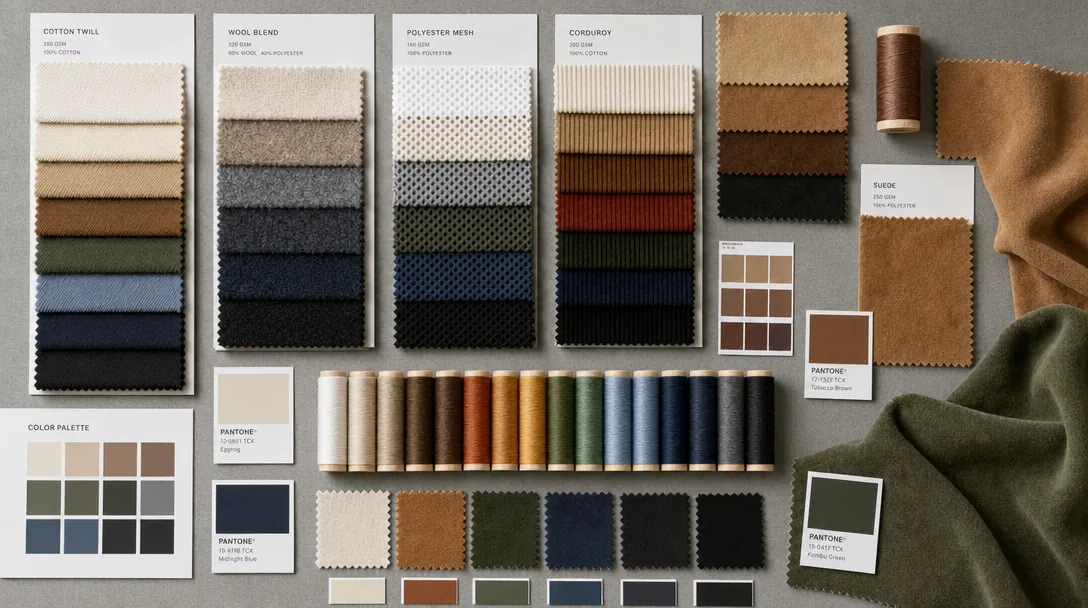
Black Beanie Hat: Properties, Costs and How to Spec It Right
Read article →We hope this guide demystifies baseball hats for men supplier audit checklist for custom hat buyers and helps you move forward with confidence. If you have questions specific to your project, our English-speaking sales engineers are one message away.