
Baseball Hats For Men Sample Approval Process for Custom Hat Buyers
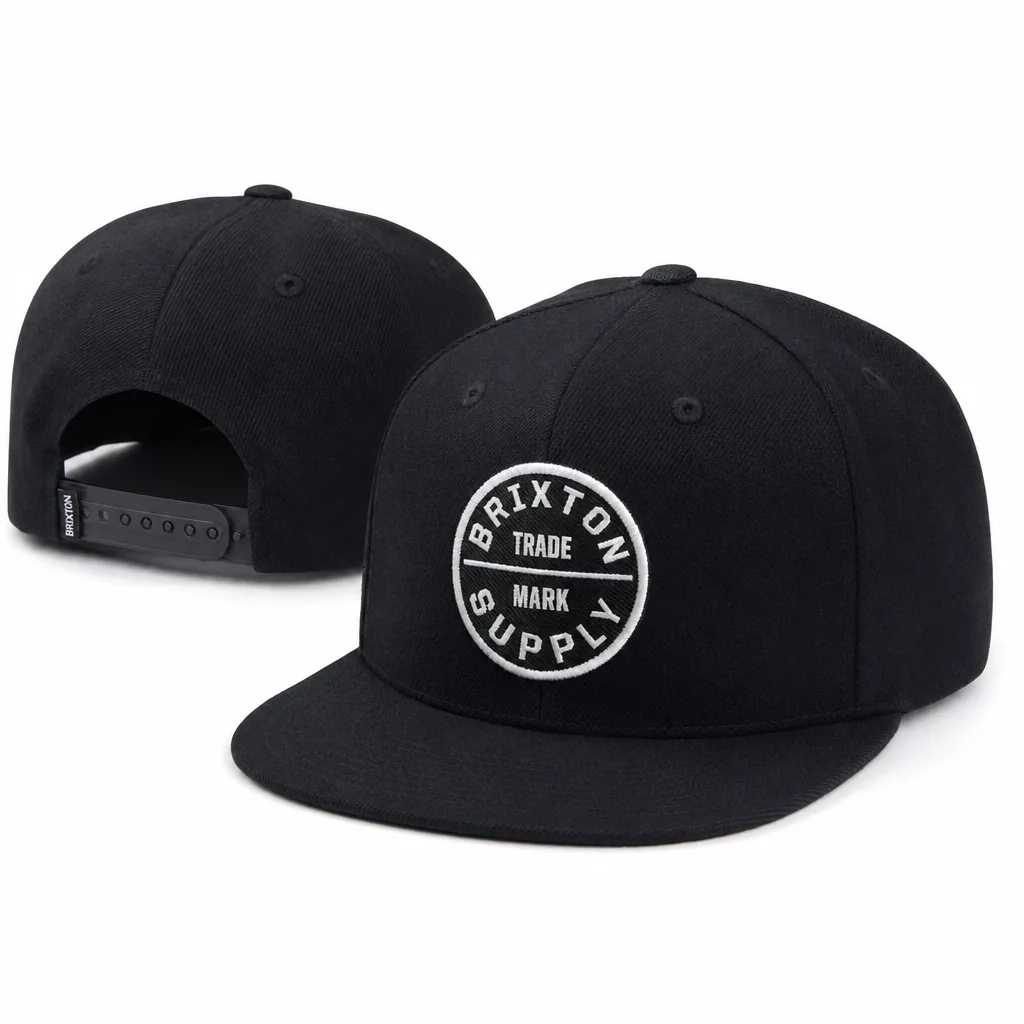
Every week, our sales team answers detailed questions about baseball hats for men sample approval process for custom hat buyers. We wrote this guide so that wholesalers, streetwear brands, corporate buyers and promotional resellers can compare options with full information, and avoid the traps that show up only after production has started.
Why baseball hats for men sample approval process needs a separate sourcing plan
The buyer searching for a baseball hats for men sample approval process is usually not asking, “Can you make a cap?” They are trying to reduce risk before committing 300, 3,000, or 30,000 pieces. Men’s baseball caps carry tighter expectations on crown height, visor curve, sweatband feel, and size grading than novelty headwear. A generic hat sourcing plan might accept a nice-looking salesman sample, but baseball hats for men need a controlled sample trail: fit sample, artwork strike-off, pre-production sample, and sealed bulk standard. If the order includes custom baseball team hats, the approval must also check league colors, sponsor logo placement, and embroidery density so the final cap does not fail licensing review. For baseball hats Canada programs, buyers often add bilingual care labels, carton marks, and winter delivery buffers because Vancouver and Toronto import timelines can slip during peak season.
Cost and lead time are decided much earlier than many buyers think. A 6-panel structured cap in 280 gsm brushed cotton twill with flat embroidery may sample in 7–10 days and bulk in 25–35 days, but fitted hats with patches can add 5–12 days because woven patches, rubber patches, or genuine leather debossing need separate molds, heat tests, and edge-fray checks. Pantone TCX fabric matching should be approved with a Delta-E target, usually under 1.5 for repeat retail programs and under 2.0 for promotional work. Tajima, Barudan, or ZSK embroidery files also need stitch-count review; a front logo moving from 8,000 to 14,000 stitches can add roughly $0.18–$0.45 per cap at China factory cost. Our standard practice at CrownsForge is not to quote final bulk pricing until the decoration method, closure, sweatband, and packaging standard are locked after sample review.
The sourcing plan changes again when compliance or channel requirements enter the job. Retail chains may require sedex-audit-cap-supplier-guide.html">BSCI 2.0 or Sedex SMETA 4-Pillar factory documentation, azo-free dye declarations, nickel-free buckle testing, and needle-detection records, while a small streetwear drop may focus more on shape consistency and photo approval. AQL 2.5 inspection should be written into the purchase order before sampling, not after production starts, because defects such as off-center embroidery, loose top buttons, distorted visors, and size deviation over 0.5 cm need clear accept/reject rules. The baseball hats for men sample approval process also prevents category confusion: festival bucket hats can tolerate softer silhouettes and looser size grading, but men’s baseball caps are judged on symmetry, panel tension, and repeatable fit. Without a separate sourcing plan, buyers often approve artwork only, then discover too late that the cap body, compliance file, packing method, or landed DDP cost does not match the sales channel.
Factory capability checks before quoting
The first capability check should happen before any FOB price is issued, because a cheap quote is useless if the factory cannot reproduce the decoration. For embroidery, I ask for machine type, head count, thread brand, and stitch-density limits: Tajima, Barudan, and ZSK heads handle small lettering differently, especially below 4 mm height. A proper factory should review your logo file before pricing, not after deposit, and confirm whether flat embroidery, 3D puff, appliqué, chenille, woven patch, rubber patch, leather patch, or heat-transfer badge is technically suitable. For fitted hats with patches, the crown curvature and patch backing matter; a stiff PVC patch on a low-profile 5-panel cap often lifts at the corners after wear testing. For custom baseball team hats, the factory should also confirm embroidery placement tolerance, usually ±2 mm on front panels and ±3 mm on side logos, plus thread color matching against Pantone TCX or Madeira/Rayon charts.
Fabric and construction checks separate real cap factories from trading desks. Ask whether the mill can supply 100% cotton twill at 220–260 gsm, brushed cotton, poly performance fabric, wool-blend serge, ripstop nylon, or recycled polyester with GRS paperwork if needed. Panel construction must be confirmed early: structured 6-panel, unstructured dad cap, 5-panel camper, flat-brim snapback, flexfit, trucker mesh, or specialty shapes like festival bucket hats. Each structure needs different buckram, sweatband, seam tape, visor board thickness, and blocking molds. Closure options are not interchangeable either; plastic snap, brass buckle, hook-and-loop, elastic Flexfit band, and fitted sizing all change labor time and MOQ. For baseball hats canada programs, I would also check labeling rules, fiber content accuracy, bilingual care labels when required, carton marks, and whether the factory has experience shipping by DDP to Toronto, Vancouver, or Montreal without under-declaring customs value.
Sample room capacity is the strongest predictor of whether the baseball hats for men sample approval process will stay on schedule. A serious supplier should provide a realistic sample lead time of 7–12 days for standard embroidery and 12–18 days when custom patches, dyed fabric, or new molds are involved. They should share a written tech-pack checklist covering crown height, visor curve, seam alignment, sweatband type, eyelet count, button color, label position, and packaging. Our standard practice at CrownsForge is to review artwork, fabric, construction, closure, compliance documents, and logistics route before quoting, then flag any risk before the first sample invoice. Audit readiness also matters: BSCI 2.0, Sedex SMETA 4-Pillar, ISO 9001 procedures, needle-control logs, metal detection records, and AQL 2.5 inspection reports show whether the factory can handle licensed or retail orders. Clear communication is part of capability too; if a supplier cannot explain Delta-E color tolerance, sample revision cost, or bulk-production risk in writing, the quote is not mature.
MOQ, pricing and sample approval
MOQ should be priced in bands, not guessed from a photo. For baseball hats for men, a practical factory MOQ is 144 pcs per color/style for basic 6-panel cotton twill caps, 300 pcs for custom-dyed fabric or contrast sandwich visors, and 500–1,000 pcs when you need private-mold buckles, jacquard sweatbands, or specialty trims. Small test runs are possible, but the unit price jumps because cutting, embroidery setup, thread changes, and packing labor do not shrink with quantity. A 144 pc order may land around US$4.80–7.20 FOB Ningbo/Shanghai for midweight 260–300 gsm cotton twill with flat embroidery; 500 pcs may drop to US$3.20–5.10 depending on closure, lining, and decoration. Custom baseball team hats with raised 3D embroidery, woven side labels, or player-number personalization should be quoted separately from plain promo caps, because the machine time is completely different.
Decoration setup is where buyers often under-budget. A clean embroidery digitizing file usually costs US$25–60 per logo, while a rubber patch mold can run US$80–180 and a woven patch setup US$35–75 before a single cap is produced. Fitted hats with patches need tighter grading control because the patch placement must stay centered after blocking; our tolerance is normally ±2 mm from approved artwork, checked during inline QC. For embroidery, we review stitch density before production: 0.36–0.42 mm stitch spacing works for most flat logos on twill, while 3D puff needs wider satin columns and less underlay to prevent the foam from cutting. Tajima, Barudan, and ZSK heads all run well, but bad digitizing will still pucker the crown. Pantone matching should be specified as Pantone TCX for fabric and Pantone C/U for print or patch inks, with Delta-E under 1.5 for critical brand colors.
The baseball hats for men sample approval process should include a pre-production sample, or PPS, made with actual bulk fabric, thread, closure, buckram, sweatband, visor board, patch, label, and packaging—not a showroom substitute. Buyers shipping baseball hats canada often need bilingual carton marks or UPC/FNSKU stickers, while festival bucket hats may require individual polybags, hangtags, or recycled kraft belly bands; these packaging choices add US$0.05–0.35 per unit and 2–4 days if barcodes are serialized. Expect 5–7 days for artwork review and digitizing, 7–10 days for PPS after materials are confirmed, and 20–35 days for bulk production after written sample approval and deposit. Air freight to North America can be 5–8 days after final inspection; ocean or rail-linked DDP programs usually need 25–40 days. Do not approve from photos alone for color, crown height, or patch handfeel—approve a physical sample whenever brand consistency matters.
Quality inspection and shipping risk
Quality risk is cheapest to fix before bulk fabric is cut, so I treat the baseball hats for men sample approval process as a pre-shipment control plan, not a photo confirmation. For structured caps, our normal final inspection is AQL 2.5 for major defects and AQL 4.0 for minor defects, with a 125-piece sample pull on a 5,000-piece order under General Inspection Level II. Crown height, visor length, sweatband width, and back-strap position should have written tolerances: usually ±3 mm on panel seams and visor length, ±5 mm on circumference for adjustable caps, and no tolerance for crooked front embroidery visible at arm’s length. Fitted hats with patches need a tighter size check because a 7 1/4 cap that finishes 6 mm small will create returns even if the stitching looks clean.
Color and decoration failures cause more disputes than fabric weight. For baseball hats for men, I want the approved sample tagged with Pantone TCX or TPX references, a Delta-E target under 1.5 for solid cotton twill, and acceptable shade banding signed off if the fabric is garment washed. Colorfastness should be checked to rubbing and perspiration, especially for black, navy, scarlet, and forest green cotton at 260–320 gsm; cheap reactive dye can bleed into a white sweatband after one sweaty game. On custom baseball team hats, embroidery inspection means no thread breaks on the front logo, no bird-nesting underneath, no loose backing visible through eyelets, and satin columns not collapsing below 1.2 mm. Tajima, Barudan, and ZSK heads can all run clean work, but only if the digitizing allows proper underlay, pull compensation, and density around 0.38–0.45 mm for standard rayon or polyester thread.
Shipping risk starts with carton discipline, not the freight quote. Cartons should show PO number, style code, color, size ratio, quantity, gross/net weight, carton dimensions, country of origin, and scannable carton sequence marks such as 1/80 through 80/80. For baseball hats canada programs, I also keep bilingual carton or master-label requirements in the tech pack if the buyer’s warehouse asks for it; relabeling in Vancouver or Toronto can cost more than the original packing labor. FOB Ningbo or Shanghai is cleaner when the buyer controls forwarders and customs, while DDP works for smaller streetwear drops, fitted hats with patches, or festival bucket hats going direct to 3PLs, but the supplier must price duties, remote-area surcharges, and customs exam risk honestly. CrownsForge’s standard reorder file includes approved sample photos, embroidery DST/PXF files, patch mold specs, Pantone records, carton marks, inspection report, and any deviation approvals so the second run does not drift from the first.
Buyer checklist for the next RFQ
A firm RFQ starts with a complete tech pack, not a mood board. For the baseball hats for men sample approval process, send the cap style first: 5-panel, 6-panel, structured, unstructured, low-profile, mid-profile, or high crown. Add closure type, size range, visor shape, sweatband material, and target fabric weight, such as 280 gsm brushed cotton twill, 320 gsm canvas, 100% polyester performance fabric, or wool-acrylic blend. For custom baseball team hats, include league or sponsor compliance rules, logo placement limits, and whether the cap needs youth, adult, or fitted sizing. If you are comparing baseball hats Canada quotes against China FOB pricing, state the Incoterm clearly: EXW Yiwu, FOB Ningbo/Shanghai, DDP Toronto, or DDP Vancouver. Without that, freight, duty, and brokerage can shift landed cost by 12–28%.
Send artwork as vector files, not screenshots. AI, EPS, PDF, or SVG files are best, with Pantone TCX or Pantone Coated references for every fabric, thread, patch, and printed detail. If you want fitted hats with patches, specify patch type: woven, embroidered, PVC, chenille, leather debossed, sublimated, or silicone heat transfer. Give exact patch dimensions in millimeters, border style, backing method, and placement from seam or visor edge. For embroidery, include stitch direction expectations if the logo has small lettering under 4 mm high; Tajima, Barudan, and ZSK heads can sew clean work, but bad digitizing still causes thread breaks and swollen outlines. Also send front, side, back, top, inside, and under-visor reference photos, ideally under daylight, not filtered Instagram images.
Your RFQ should name quantity by colorway and size, target delivery date, packing requirement, label requirements, and inspection standard. A serious buyer states whether they need AQL 2.5 major / 4.0 minor inspection, individual polybags, FSC hangtags, UPC stickers, carton drop-test limits, or BSCI 2.0 / Sedex SMETA 4-Pillar factory documents. CrownsForge standard practice is to quote sample cost, mold or digitizing charge, bulk unit price, carton dimensions, and estimated production lead time separately so buyers can compare factories properly. If your assortment includes baseball hats for men plus festival bucket hats, separate the RFQ lines; bucket hats use different cutting, brim stitching, and packing volume. Before asking for a final quote, provide acceptable Delta-E color tolerance, usually under 1.5 for brand-critical colors and under 2.0 for general promotional orders.
Working with CrownsForge
A reliable baseball hats for men sample approval process starts before cutting fabric, not after the first sample disappoints everyone. Our standard practice at CrownsForge is to lock the tech pack around crown profile, brim curve, panel count, closure, sweatband, and decoration method, then issue a sample matrix showing what is being tested: fit, fabric hand feel, embroidery density, patch edge finish, and color match. For baseball hats for men, we normally request Pantone TCX or TPX references for fabric and Pantone C for thread, then control bulk color to about Delta-E 1.5–2.0 where the fabric mill can support it. A typical pre-production sample takes 7–12 days after artwork approval; complex fitted hats with patches, raised embroidery, sandwich visors, or custom woven labels can push that to 14–18 days. For custom baseball team hats, we also check logo scale on each size run because a 58 cm fitted cap and a 62 cm cap do not carry front embroidery the same way.
Decoration approval is where most hat projects either get disciplined or expensive. Flat embroidery on Tajima or Barudan heads is straightforward at 8,000–12,000 stitches, but 3D puff needs wider satin columns, proper underlay, and foam pull tests after trimming; otherwise the logo collapses during steaming. For leather, PVC, rubber, and woven patches, we approve patch thickness, merrow border, heat-press temperature, and stitch-down tension separately because each failure looks different in bulk. Fitted hats with patches usually need one extra wear-test sample to confirm the patch does not distort the front panel. Even when the buyer asks for a wider program, such as baseball hats canada orders plus festival bucket hats for a summer campaign, we keep approvals style-by-style rather than signing off a whole assortment from one good-looking cap. Sampling cost is usually USD 45–120 per style depending on molds, embroidery time, and patch tooling, with charges often refundable against a serious bulk PO.
QC and export coordination are tied to the approved sample, not to a vague product photo. During production we compare inline output against the signed PP sample for crown height, visor symmetry, seam allowance, sweatband attachment, button centering, and decoration placement tolerance, normally within ±2 mm for front logos and ±3 mm for side embroidery. Final inspection uses AQL 2.5 for major defects and AQL 4.0 for minor defects unless the buyer’s manual is stricter; common rejects include puckering around dense embroidery, dirty sweatbands, uneven brim lamination, and carton assortment errors. For export, we coordinate carton marks, HS codes, polybag warnings, country-of-origin labels, and FOB Ningbo or Shanghai terms; DDP to the U.S., Canada, or the EU is quoted separately because duties, Section 301 exposure, and courier dimensional weight can change the landed cost sharply. A controlled baseball hats for men sample approval process prevents the classic mistake: approving a beautiful desk sample that the production line cannot repeat at 5,000 pieces.
Frequently Asked Questions
Do you support sustainability certifications?
Yes. We work with GOTS organic cotton, GRS-certified recycled polyester, OEKO-TEX Standard 100 fabrics, and are BSCI and Sedex audited. Certification documentation can be provided per order.
Can I order a sample before bulk production?
Yes. We strongly recommend approving a pre-production sample before mass production. Samples are charged at 35 to 60 USD each plus express shipping, fully refundable against confirmed bulk orders over 500 pieces.
What is the minimum order quantity (MOQ) for custom hats?
Our standard MOQ is 100 pieces per design and color, with sampling available from 1 piece. For complex multi-color logos or premium fabric upgrades, the MOQ can be lowered with a small per-piece surcharge.
How long does production take?
Sampling takes 7 to 12 days. Bulk production runs 20 to 30 days depending on quantity, fabric availability and decoration complexity. Inspection and packing adds another 3 to 5 days before shipment.
What logo decoration techniques do you offer?
3D puff embroidery, flat embroidery, woven patch, leather patch, PVC patch, screen printing, sublimation, applique and laser etching, all in-house with no subcontracting.
How does ordering custom fitted hats for men work?
When evaluating custom fitted hats for men, the key considerations are construction quality, decoration capability, MOQ flexibility and lead time. Explain the buyer intent behind baseball hats for men sample approval process, when it differs from generic hat sourcing, and what decisions affect cost, lead time and compliance. Describe how CrownsForge manages baseball hats for men sample approval process programs with sampling, decoration, QC and export coordination.
What should buyers know about nike bucket hats for men?
When evaluating nike bucket hats for men, the key considerations are construction quality, decoration capability, MOQ flexibility and lead time. Explain the buyer intent behind baseball hats for men sample approval process, when it differs from generic hat sourcing, and what decisions affect cost, lead time and compliance. Describe how CrownsForge manages baseball hats for men sample approval process programs with sampling, decoration, QC and export coordination.
How does ordering custom embroidered baseball hats work?
When evaluating custom embroidered baseball hats, the key considerations are construction quality, decoration capability, MOQ flexibility and lead time. Explain the buyer intent behind baseball hats for men sample approval process, when it differs from generic hat sourcing, and what decisions affect cost, lead time and compliance. Describe how CrownsForge manages baseball hats for men sample approval process programs with sampling, decoration, QC and export coordination.
How does ordering custom leather patches for hats work?
When evaluating custom leather patches for hats, the key considerations are construction quality, decoration capability, MOQ flexibility and lead time. Explain the buyer intent behind baseball hats for men sample approval process, when it differs from generic hat sourcing, and what decisions affect cost, lead time and compliance. Describe how CrownsForge manages baseball hats for men sample approval process programs with sampling, decoration, QC and export coordination.
Ready to start your custom hat project?
Send us your tech-pack, sketch or even just an inspiration photo. We will respond with a detailed quotation and digital mock-up within 24 hours.
Request a free quoteRelated guides
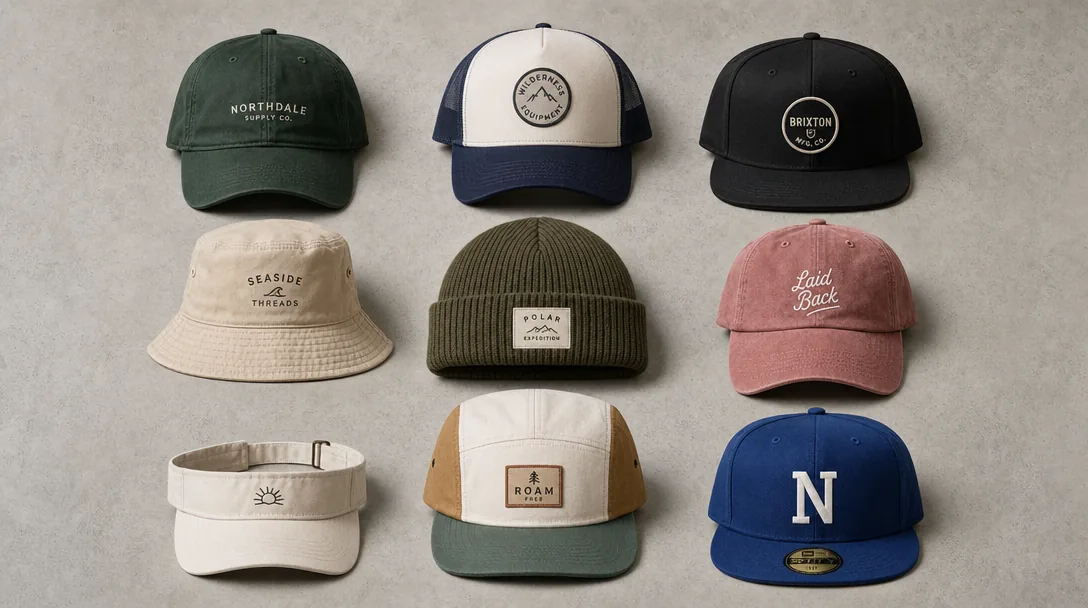
Hat Sizing & Fit for International Markets: US, EU, UK, JP Standards
Read article →Private Label vs White Label Caps: Which Model Fits Your Brand?
Read article →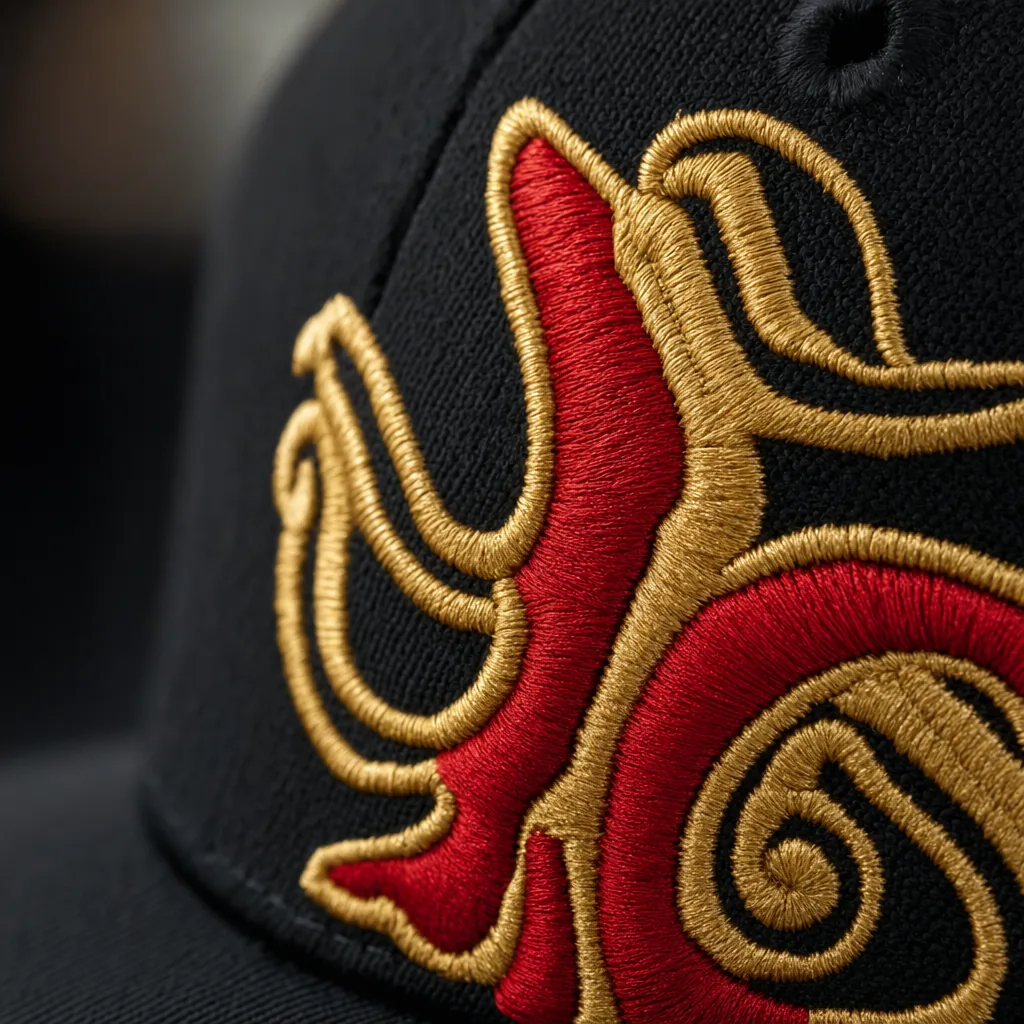
Hat With Patch Fabric And Trim Spec Guide for Custom Hat Buyers
Read article →Sourcing custom hats does not have to be complicated. With the right manufacturing partner, clear specifications and a small upfront investment in sampling, you can launch a retail-quality product in 30 to 45 days.