
Baseball Hats For Men Export Shipping Checklist for Custom Hat Buyers - Cost & MOQ Breakdown
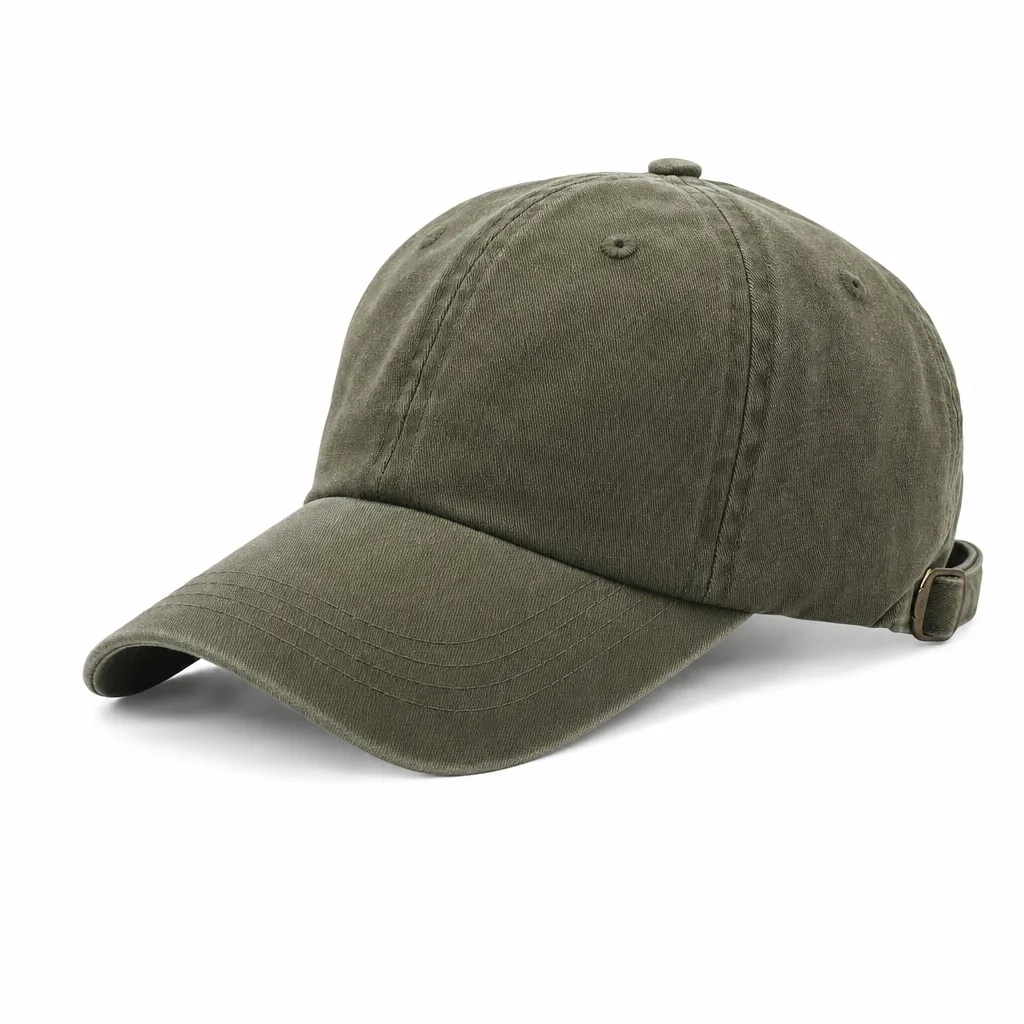
Baseball Hats For Men Export Shipping Checklist for Custom Hat Buyers - Cost & MOQ Breakdown is one of the most-asked questions we receive from international buyers, and for good reason. With dozens of factories competing for your order and an alphabet soup of technical terms in every supplier quote, even experienced importers can feel lost. This guide consolidates what we have learned producing custom hats for clients in 40+ countries.
Why baseball hats for men export shipping checklist needs a separate sourcing plan
A usable baseball hats for men export shipping checklist starts at sourcing, because most export failures are engineered in before bulk cutting. After PP sample approval, the risk is no longer the front logo alone; it shifts to HS code selection, fiber-content declaration, COO marking, carton dimensions, and whether the cap can hold crown shape through 28 to 35 days on water plus terminal handling. A normal sourcing brief focuses on MOQ and decoration price. An export-specific plan locks Incoterms, pack-out method, barcode placement, and destination compliance before fabric is booked. On a 1,200-piece order, changing the master carton from 60 x 45 x 45 cm to 58 x 40 x 36 cm can cut cube enough to matter; on a 12,000-piece program with FNSKU labels, inner boxes, and 3PL routing marks, that same change can move freight cost 8% to 15% before duty, AMS filing, and brokerage are added. If the carton spec is wrong, AQL 2.5 inspection at the factory will not save the shipment from chargebacks or warehouse refusal.
The separate plan is justified by SKU complexity and pack-out risk, not by manufacturing difficulty alone. Men’s cap programs regularly split by colorway, closure, size run, and decoration type, so carton assortment accuracy matters as much as embroidery quality on Tajima or Barudan heads. A fitted cap with buckram front, curved visor, and a 3 mm merrowed patch consumes more cube than a standard 6-panel snapback, which lowers carton quantity and raises freight per piece. The recurring failures I see are mixed-ratio packing, invoice lines that do not match the packing list, and outer-carton marks that miss retailer routing rules. For Canada, bilingual markings and broker paperwork can affect clearance more than a 20 gsm fabric change; for U.S. fulfillment, missing FNSKU, UPC, or PO labels can trigger relabel fees of $0.20 to $0.65 per cap. The practical fix is to freeze BOM, carton-out, labeling method, and QC checkpoints before material booking, because once embroidery, shaping, and finishing begin, any shipping-rule change usually becomes rework, missed vessel cutoff, or dead freight.
Material and compliance are the other reason the baseball hats for men export shipping checklist needs its own sourcing lane. A 260 gsm brushed cotton twill, 180 gsm recycled polyester, and 210D nylon do not behave the same in sewing, packing, or transit. Nylon shells need tighter needle-size control and seam-pucker monitoring; heavier twills protect crown shape better but increase chargeable weight; recycled fabrics usually need earlier mill confirmation on composition and colorfastness. If the order requires sedex-audit-cap-supplier-guide.html">BSCI 2.0 or Sedex SMETA 4-Pillar audited production, REACH compliance, azo-free dyestuffs, or CPSIA-supporting trim paperwork for the U.S., those requirements must be fixed before fabric and trims are ordered. Color control also has to be written into the plan: matching Pantone TCX across shell, undervisor, sweatband tape, and Madeira or Gunold thread only works if the acceptable Delta-E tolerance is agreed in advance. Miss that, and the hats can sew cleanly, pass inline QC, and still fail brand approval or retailer intake at destination.
Factory capability checks before quoting
Decoration capability is the first thing to verify, because plenty of suppliers can embroider a flat strike-off but struggle on a structured crown. For a practical baseball hats for men export shipping checklist, ask what machines are actually on the floor: Tajima, Barudan, or ZSK multi-heads, how many heads, and whether digitizing is done in-house. A competent factory should talk clearly about stitch density, push-pull compensation, center-front registration, and why a 3D puff logo that runs well on a high-profile 6-panel cap may fail on a low-profile unstructured shape. If your artwork includes foam embroidery, satin-edge twill appliqué, merrowed patches, PVC badges, or lettering below 3 mm cap height, ask for macro photos of bulk production, not catalog samples. You want to see clean underbrims, trimmed jump stitches, neat backing, no flagging around the front seam, and consistent logo placement across center, left, and right panels within a reasonable tolerance, typically plus or minus 1.5 mm.
Material and construction capability exposes whether you are speaking to a real factory or a trading desk. Ask what they cut every week, in actual specs: cotton twill at 260-320 gsm, brushed chino around 220-250 gsm, 75D to 150D polyester, nylon taslon, acrylic-wool blends, or RPET with GRS transaction certificates. They should be able to state buckram weight, visor insert material, sweatband composition, seam tape width, eyelet method, and closure hardware without going back to a brochure. MOQ also needs to match process reality: 144 pieces can work for a basic stock-fabric embroidered cap, but fitted size runs, custom-dyed Pantone shades, woven labels, or molded PVC patches usually move the efficient minimum to 300-500 pieces per style. Before you accept any quote, confirm sampling and compliance systems: proto sample lead time of 5-7 days, PP sample approval before bulk, needle control records, in-line and final inspection at AQL 2.5, and current BSCI 2.0 or Sedex SMETA 4-Pillar audit reports. Shade approval should be locked to Pantone TCX or coated references, with realistic fabric tolerance targets such as Delta-E below 1.5 to 2.0, not vague promises of perfect color matching.
MOQ, pricing and sample approval
MOQ decides whether your cap program is actually efficient; the headline FOB price rarely does. For a standard 6-panel style in 260-280 gsm brushed cotton twill, chino twill, or 150D-300D performance polyester, most export factories quote 144-300 pieces per colorway, but cost begins to normalize closer to 500 pieces per SKU. Below that level, you are spreading fabric wastage, embroidery setup, needle changes, and sewing-line changeover across too few units. A basic men’s cap with flat embroidery, fused buckram front, and Velcro or self-fabric back strap usually lands around US$2.40-US$3.60 FOB China at 500 pieces. Add a sandwich visor, metal buckle, woven loop label, printed seam tape, interior taping, and private-label swing tags, and the realistic range becomes US$4.10-US$6.00 FOB. In any baseball hats for men export shipping checklist, this is where buyers need to freeze pack ratio, carton quantity, carton dimensions, country-of-origin label wording, HS code usage, and shipping marks; if you split one order into too many logos, Pantone-matched fabrics, or closure types, the nominal MOQ stops meaning much because every SKU carries its own trim loss, carton assortment, and inspection time.
Most avoidable cost shows up before bulk production, during digitizing and PPS approval. A clean 3D embroidery file typically costs US$25-US$60 depending on stitch count, foam thickness, and trim path complexity; molded TPU, PVC, silicone, or debossed PU patches usually add US$80-US$150 in tooling or sampling before production starts. Tajima, Barudan, and ZSK heads will expose weak artwork fast: text under 4 mm, satin columns under roughly 1.2 mm, or fill density tighter than 0.40 mm often leads to puckering, tunneling, or edge collapse on buckram-backed crowns. The pre-production sample should verify crown height, visor curvature, seam alignment, sweatband construction, closure finish, inside labeling, barcode location, polybag suffocation warning, and retail packing standard—not just send a logo photo for approval. With stock materials, sampling is usually 5-7 days; with custom-dyed fabric, Pantone TCX color matching, branded woven trims, or special closures, expect 7-12 days. After PPS sign-off, bulk production is commonly 18-35 days, plus another 3-7 days if the order requires AQL 2.5 final inspection, needle detection, carton drop-test packaging, or retailer-specific export labeling.
Quality inspection and shipping risk
Pre-shipment inspection decides whether a 12,000-piece order lands saleable or turns into a claims file. A practical baseball hats for men export shipping checklist starts with final random inspection only after 100% packing is complete, using ANSI/ASQ Z1.4 at AQL 2.5 for major defects and 4.0 for minor on each SKU separately. Do not let a factory sample mixed styles under one lot if the shipment includes 6-panel structured caps, unstructured dad hats, and bucket hats; the defect patterns are not interchangeable. On structured caps, the failures that actually trigger rework are off-center front embroidery, visor stitching running off the edge-tape line, crushed buckram, broken top-button wrap, sweatband contamination, and needle cuts on 8x8 cotton twill or brushed chino. Put measurable tolerances in the PO instead of “factory standard”: crown height ±0.5 cm, visor length ±0.3 cm, head circumference ±1.0 cm for snapbacks and truckers, and usually ±0.5 cm for fitted programs. Our standard practice is to record shape retention after 24 hours out of carton, because many structured caps look acceptable at packing and collapse once compression is released.
Color and embroidery are where warehouse rejections get expensive, because a line pass under shop lighting means nothing if the goods fail under D65. Fabric, thread, seam tape, closure tabs, and woven labels should be checked against approved Pantone TCX or Pantone C references with a documented Delta-E target: 1.5 or below for logo-critical components, up to 2.0 on body fabric if shade consistency across the lot is clean. Ask for test reports before balance payment, not after sailing: dry crocking minimum grade 4, wet crocking 3-4, perspiration grade 4, and wash performance matched to fiber content and finish. On Tajima, Barudan, or ZSK embroidery runs, inspectors should flip the panel and check for birdnesting, weak underlay, loose satin edges, thread breaks, and push-pull distortion on lettering under 4 mm height. Shipping risk starts with packaging, not freight quotes: use 5-layer export cartons with roughly 200-275 psi burst strength, correct inner packing to protect crown shape, and clear carton marks showing PO, style, color, quantity, carton sequence, gross/net weight, and destination. If the route includes transloading or parcel injection, paying an extra $0.20-$0.35 per carton for stronger boxes is usually cheaper than a chargeback for crushed crowns and bent visors.
Buyer checklist for the next RFQ
A usable quote starts with a real tech pack, not a mood board. In a baseball hats for men export shipping checklist, lock the silhouette first: 6-panel structured cap, low-profile dad cap, 5-panel foam trucker, fitted, or bucket. Then specify the build points that change factory cost and lead time: pre-curved or flat visor, PE board weight, hard buckram or unstructured front, self-fabric or knit sweatband, metal eyelets or embroidered eyelets, closure type, and shell fabric such as 260 gsm brushed cotton twill, 300 gsm wool blend, or 75D polyester microfleece. SKU structure matters just as much as style. A 288-piece run in one colorway sews and packs far more efficiently than 48 pieces each across six SKUs, and fitted size runs from 7 1/8 to 7 5/8 add counting risk, carton splits, and higher overrun exposure. If one RFQ mixes baseball caps, truckers, and buckets, break them into separate lines; marker yield, sewing sequence, and carton cube are different on every shape.
Artwork needs to be production-ready, not just editable. Submit logos in AI, EPS, or layered PDF and assign a decoration method to every location: 3D puff embroidery, flat embroidery, woven patch, TPU badge, screen print, or heat transfer. Include finished size in millimeters. A 120 x 55 mm front logo on a Tajima or Barudan head runs slower, consumes more thread, and needs different underlay and pull compensation than a 45 x 25 mm side hit. For color, use Pantone Solid Coated for trims and Pantone TCX for dyed fabric, and if shade tolerance is tight, state an acceptable Delta-E target such as 1.5 max on crown panels. For patches, define material, merrow or laser-cut edge, backing, and stitch or heat application; those choices regularly move cost by US$0.25 to US$0.90 per cap.
Freight and compliance are where weak RFQs usually break. State the Incoterm at the top: EXW Yiwu, FOB Ningbo, CIF Vancouver, or DDP Toronto, and say clearly whether duty, customs brokerage, and final delivery appointment fees should be included. If the program ships to U.S. or Canadian retail, list packing rules before quotation: FNSKU, bilingual labels, PO stickers, carton marks, suffocation warnings, barcode format, inner pack method, and carton gross-weight cap such as 12 kg or 15 kg. Also state acceptable quantity tolerance up front; for custom caps, plus or minus 3% before final AQL 2.5 is realistic, especially on mixed-size fitted orders. Compliance should be in the first email as well: BSCI 2.0 or Sedex SMETA 4-Pillar, CPSIA lead and phthalate limits, needle policy logs, metal detection, and any third-party testing on sweatbands, buckram, inks, or closures. That level of detail turns a 24-hour quote into a PI that production, QC, and freight forwarding can use without rework.
Working with CrownsForge
The costliest mistake is treating the baseball hats for men export shipping checklist like a forwarding task. By booking stage, 80% of landed cost is already locked by product decisions made in sampling: crown profile, brim insert, closure type, decoration method, packing style, and carton count all affect unit cost and chargeable volume. For men’s caps, the tech pack should be frozen at pre-production sample stage with confirmed crown height, visor curve, seam tape, eyelet spec, sweatband construction, and Pantone TCX references for shell fabric, thread, and trims. Embroidery approvals should be run on the actual cap fabric, not signed off from a JPEG. On Tajima or Barudan heads, a logo that looks clean on-screen can still pucker on 260 gsm cotton twill, sink into brushed chino, or crack a fused front panel after packing. A proper sample round usually costs US$35-80 per style; add another US$15-30 if you have 3D puff, woven patches, or molded rubber badges. That is cheap compared with reworking 1,200 caps because the front panel tunnels, the patch edge lifts, or the visor shape collapses in transit.
Most export failures happen in materials, QC, and paperwork, not sewing. A structured 6-panel baseball cap typically runs 260-280 gsm 100% cotton twill at 108x58 construction, while washed cotton is closer to 180-220 gsm and polyester microfiber often sits around 140-160 gsm; those choices change carton yield, CBM, and freight cost, so MOQ and shipping need to be quoted together. Digitizing must also match substrate and machine behavior: 3D puff on acrylic/wool needs wider columns, lower density, and firmer underlay than flat embroidery on polyester, and patch application needs validated heat, pressure, and dwell time before bulk. Inline and final inspection should be set to AQL 2.5, with measurement tolerance held to +/-0.5 cm, shade variation controlled to practical Delta-E standards, and closure pull, seam slippage, eyelet security, barcode placement, and country-of-origin labeling checked before release. The shipping file should then match the physical goods exactly: HTS code, carton marks, pack ratios, invoice description, fiber-content label, and audit records such as BSCI 2.0 or Sedex SMETA 4-Pillar. In real scheduling, samples take 7-10 days, bulk production 25-35 days after approval, and ocean transit about 18-35 days; air freight can save the calendar, but usually adds around US$1.20-2.80 per cap on mid-volume orders.
Frequently Asked Questions
How long does production take?
Sampling takes 7 to 12 days. Bulk production runs 20 to 30 days depending on quantity, fabric availability and decoration complexity. Inspection and packing adds another 3 to 5 days before shipment.
Do you support sustainability certifications?
Yes. We work with GOTS organic cotton, GRS-certified recycled polyester, OEKO-TEX Standard 100 fabrics, and are BSCI and Sedex audited. Certification documentation can be provided per order.
What logo decoration techniques do you offer?
3D puff embroidery, flat embroidery, woven patch, leather patch, PVC patch, screen printing, sublimation, applique and laser etching, all in-house with no subcontracting.
Can I order a sample before bulk production?
Yes. We strongly recommend approving a pre-production sample before mass production. Samples are charged at 35 to 60 USD each plus express shipping, fully refundable against confirmed bulk orders over 500 pieces.
Which shipping methods do you support?
We support FOB, CIF and DDP shipping. Air express for samples and small orders, sea LCL for 100 to 500 pieces, sea FCL for 5,000+ pieces. Door-to-door DDP available for US, EU, UK, Canada and Australia.
How does ordering custom fitted hats for men work?
When evaluating custom fitted hats for men, the key considerations are construction quality, decoration capability, MOQ flexibility and lead time. Explain the buyer intent behind baseball hats for men export shipping checklist, when it differs from generic hat sourcing, and what decisions affect cost, lead time and compliance. Describe how CrownsForge manages baseball hats for men export shipping checklist programs with sampling, decoration, QC and export coordination.
What should buyers know about nike bucket hats for men?
When evaluating nike bucket hats for men, the key considerations are construction quality, decoration capability, MOQ flexibility and lead time. Explain the buyer intent behind baseball hats for men export shipping checklist, when it differs from generic hat sourcing, and what decisions affect cost, lead time and compliance. Describe how CrownsForge manages baseball hats for men export shipping checklist programs with sampling, decoration, QC and export coordination.
How does ordering custom embroidered baseball hats work?
When evaluating custom embroidered baseball hats, the key considerations are construction quality, decoration capability, MOQ flexibility and lead time. Explain the buyer intent behind baseball hats for men export shipping checklist, when it differs from generic hat sourcing, and what decisions affect cost, lead time and compliance. Describe how CrownsForge manages baseball hats for men export shipping checklist programs with sampling, decoration, QC and export coordination.
How does ordering custom leather patches for hats work?
When evaluating custom leather patches for hats, the key considerations are construction quality, decoration capability, MOQ flexibility and lead time. Explain the buyer intent behind baseball hats for men export shipping checklist, when it differs from generic hat sourcing, and what decisions affect cost, lead time and compliance. Describe how CrownsForge manages baseball hats for men export shipping checklist programs with sampling, decoration, QC and export coordination.
What is the best shipping method for hats?
It's always better to package the hat in a size-appropriate box and not mash it into a smaller one. In some instances, maybe you don't need a box. Instead of always using a box, you can choose to ship soft and bendable hats in a plastic shipping bag with some protective material.
Looking for a reliable hat manufacturer in China?
CrownsForge has produced custom hats for 800+ brands across 40 countries. From 100-piece launches to 100,000-piece retail programs, we deliver on time and on spec.
Get in touchRelated guides
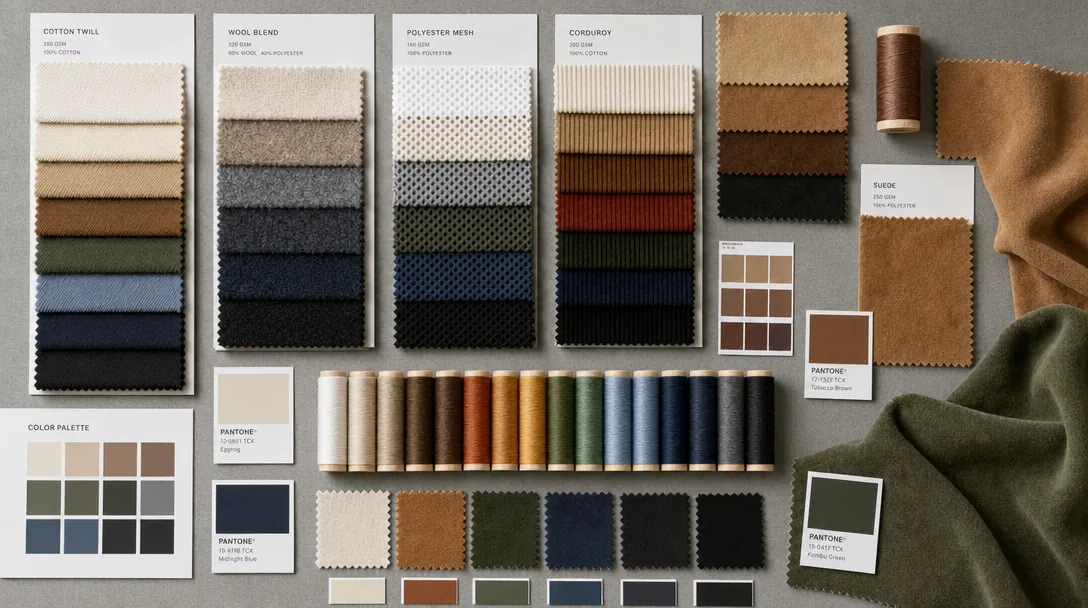
Camouflage Bucket Hat: Properties, Costs and How to Spec It Right - Cost & MOQ Breakdown - Cost & MOQ Breakdown - Cost & MOQ Breakdown
Read article →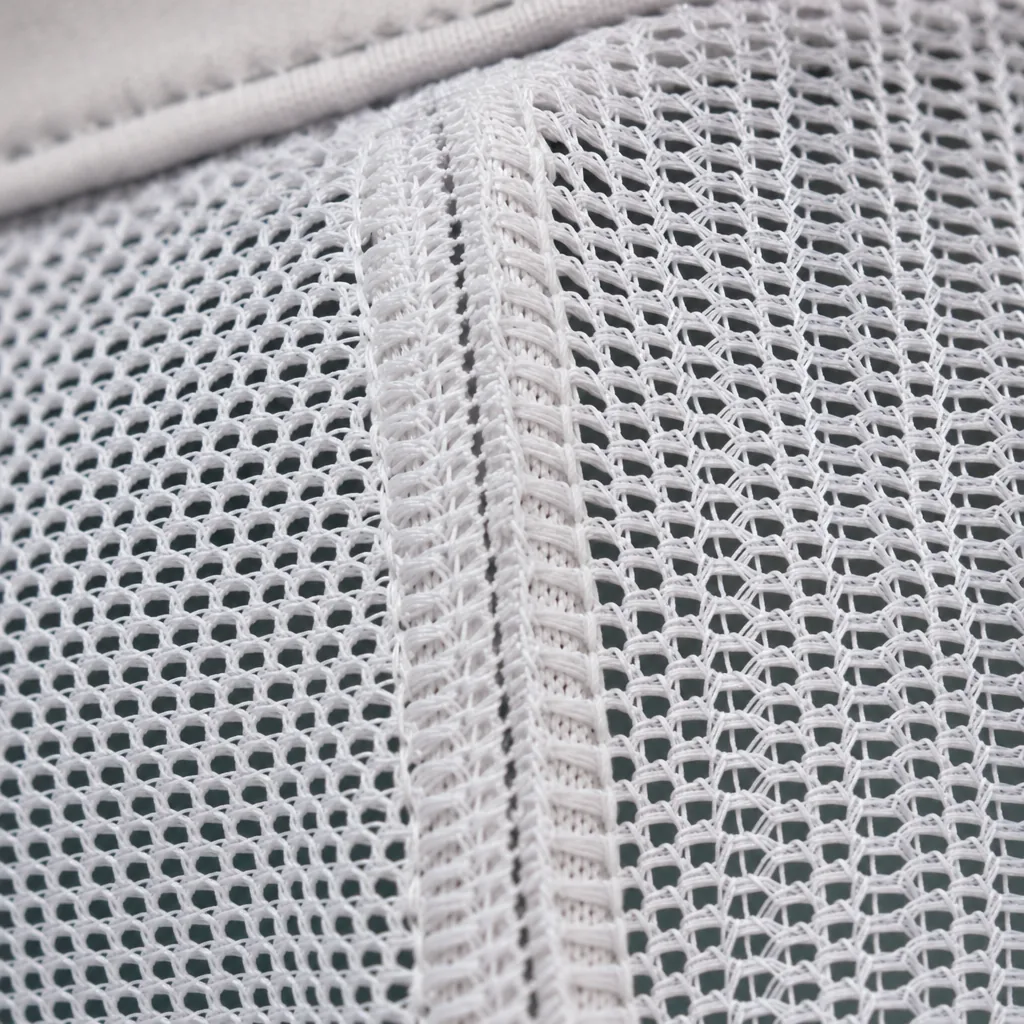
Custom Hat Trucker: The 2026 Sourcing & Manufacturing Playbook - Cost & MOQ Breakdown
Read article →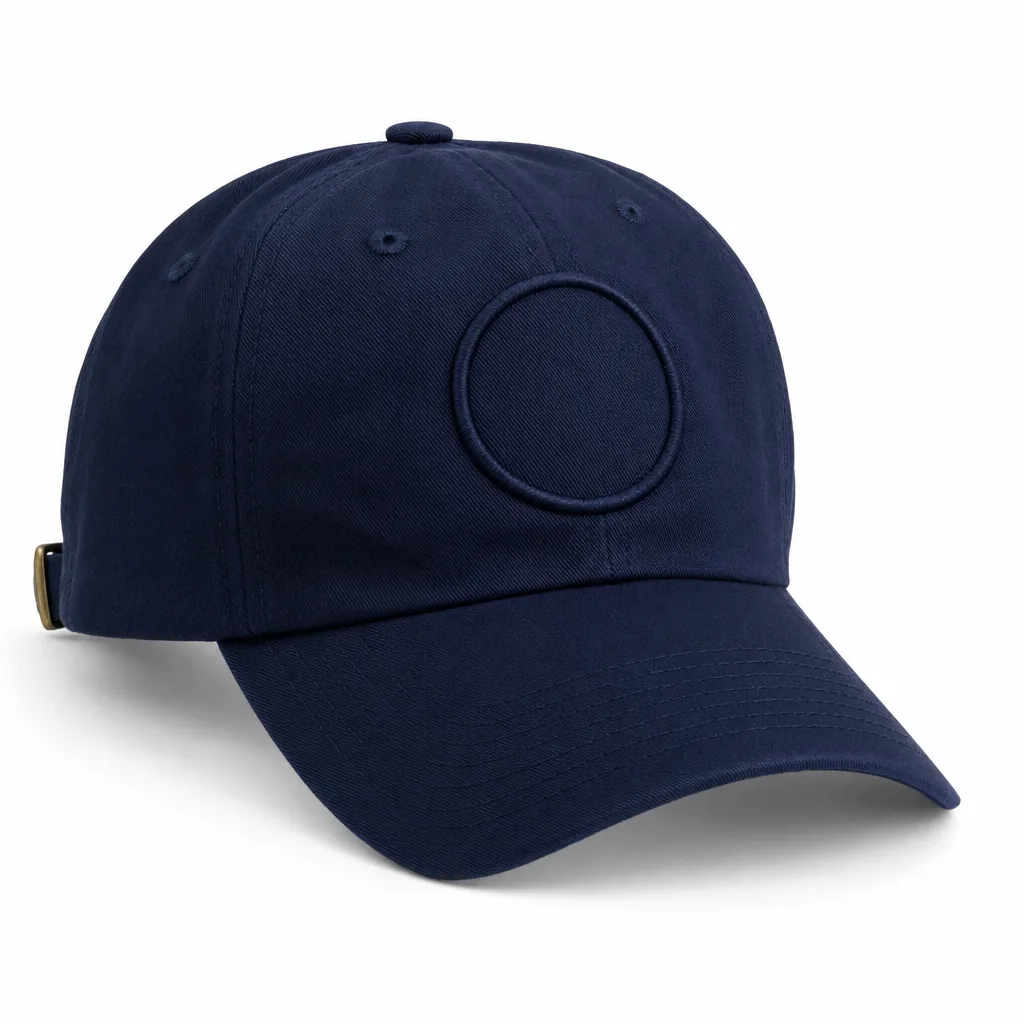
Cap Sweatband Material Selection for Custom Headwear Buyers
Read article →We hope this guide demystifies baseball hats for men export shipping checklist for custom hat buyers - cost & moq breakdown and helps you move forward with confidence. If you have questions specific to your project, our English-speaking sales engineers are one message away.