
Baseball Hats For Men Export Shipping Checklist for Custom Hat Buyers - Cost & MOQ Breakdown - Cost & MOQ Breakdown
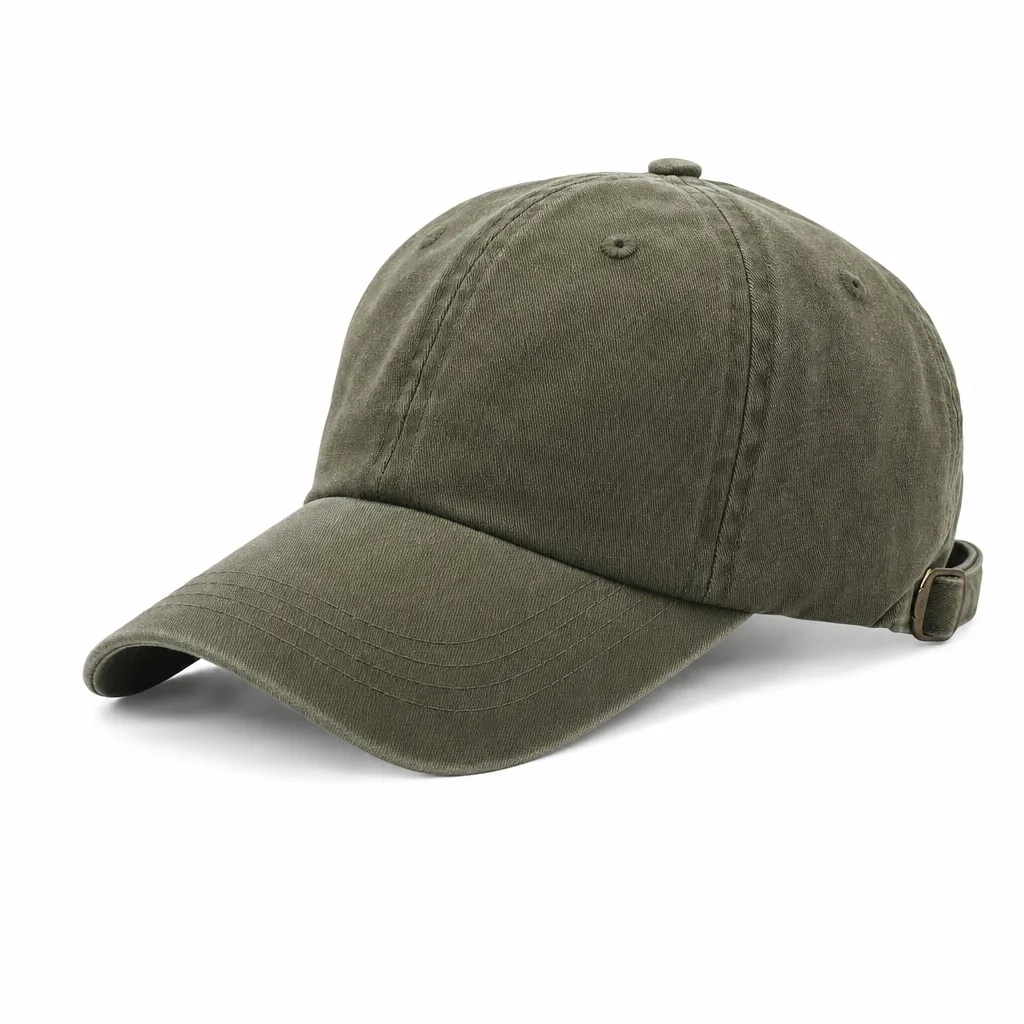
Every week, our sales team answers detailed questions about baseball hats for men export shipping checklist for custom hat buyers - cost & moq breakdown - cost & moq breakdown. We wrote this guide so that wholesalers, streetwear brands, corporate buyers and promotional resellers can compare options with full information, and avoid the traps that show up only after production has started.
Why baseball hats for men export shipping checklist needs a separate sourcing plan
The baseball hats for men export shipping checklist needs a separate sourcing plan because shipping risk is set long before cartons are sealed. A 144-piece promo order can tolerate mixed carton ratios, generic care labels, and loose carton dimensions; a 3,000-piece retail or licensed run usually cannot. Once a U.S. retailer, Canadian team merchandiser, or Amazon FBA program is involved, the file should lock HTS code, COO marking, fiber-content wording, barcode-to-style mapping, polybag suffocation warning text, and pallet footprint before bulk cutting. Re-cartoning after final inspection is where “cheap” FOB pricing gets erased by labor, carton replacement, and missed vessel bookings. For repeat men’s cap programs, color also has to be controlled like a production variable, not a visual opinion: hold bulk fabric and topstitch thread to roughly Delta-E 1.0-1.5 against the approved Pantone TCX or coated chip under D65 light, then keep a sealed shade band in-line for cutting and sewing. Construction drives export behavior more than most buyers expect. A structured 6-panel cap in 260 gsm brushed cotton twill with 1.8 mm PE visor board and 0.6 mm buckram front panels ships differently from a washed chino dad cap, a wool-blend fitted, or a patch-heavy team style. Flat embroidery on Tajima, Barudan, or ZSK heads is straightforward; chenille, molded silicone, TPU badges, chain stitch, and merrowed emblems need added placement tolerance checks and carton compression review because crown nesting pressure can deform both decoration and panel shape. That is why style approval and shipping approval should be separate gates. First approve crown height, closure, sweatband, eyelets, underbill, and stitch count; then fix carton count, nesting direction, gross weight, and shipping marks. Poor pack-out can push volumetric airfreight up 20-35 percent, while oversized export cartons waste ocean cube without giving the hats better arrival condition.
Compliance and landed cost are the practical reason the baseball hats for men export shipping checklist cannot be treated as an afterthought. Men’s caps often pull components from five or more suppliers: dyed cotton shell, recycled polyester mesh, metal buckle, PVC or TPU patch, woven labels, hangtags, and paper packaging. If recycled-content claims, retailer packaging standards, or marketplace fulfillment rules apply, those documents have to be aligned before production starts, not collected after sewing. That means confirming audit status such as sedex-audit-cap-supplier-guide.html">BSCI 2.0 or Sedex SMETA 4-Pillar, mapping test requirements by trim mix, and checking whether the program needs colorfastness, azo, lead, phthalate, needle detection, or pull-force testing. AQL 2.5 final inspection is standard for export caps, but e-commerce shipments usually require tighter barcode scan accuracy, assortment control, and carton presentation than wholesale bulk orders. The cost spread comes directly from those sourcing decisions. A basic men’s 6-panel baseball cap in 260 gsm cotton twill with flat or 3D front embroidery typically lands around $2.20-$3.60 FOB at 500-1,000 pieces using stock fabric and standard metal slider hardware. Add fitted sizing, custom woven taping, printed seam tape, under-visor print, branded swing tags, heat-transfer size labels, and retail-ready packaging, and the realistic range moves to $4.80-$7.50 FOB, with MOQs rising because dye lots, custom trims, and packaging vendors each carry their own minimums. Lead time shifts the same way: 18-25 days for repeat basics, 35-50 days once lab dips, embroidery strike-offs, drop-test cartons, audit scheduling, or DDP booking windows enter the critical path. Our standard practice is to have sourcing, QA, and logistics sign off the checklist before cutting the first panel, because that is cheaper than fixing export mistakes after inspection.
Factory capability checks before quoting
Most bad quotes fail before pricing because the factory is quoting outside its real process window. A usable baseball hats for men export shipping checklist starts with capability proof: machine brand, head count, attachment mix, and what the line runs every week. Ask whether embroidery is on Tajima, Barudan, or ZSK heads, and request sewn samples for any text under 3.5 mm high, 3D puff over 2 mm foam, or fill areas above roughly 8 mm satin width where edge pull, thread breaks, and looping show up fast. Also pin down which trims are in-house and which are subcontracted under audit: direct embroidery, woven patches, merrowed twill, laser-cut heat-transfer badges, chenille, molded PVC, and woven labels all change lead time and defect exposure. On a standard 6-panel cap, direct embroidery usually adds about $0.35-$0.90 per piece; a stitched patch is more often $0.70-$1.60 depending on size, backing, border style, and stitch count. Construction capability matters just as much as decoration because not every line can build every silhouette cleanly. A factory that mainly runs unstructured dad caps will often struggle to hold shape on A-frame rope hats, fitted wool-blend caps, or 5-panel foam truckers without rework at the front panel and visor seam. Ask what crown profiles they produce weekly, not what appears in a catalog, and request tolerances for crown height, visor length, and head opening. Closure options should be confirmed before quoting because snapback, tri-glide buckle, self-fabric strap, hook-and-loop, fitted sizing, and Flexfit-style elastic all affect MOQ, packing ratio, and sewing time. In practice, fitted caps with size splits commonly push MOQ to 300-500 pieces per color because the run has to balance 6 7/8 through 7 5/8 without leaving dead stock in small sizes.
Material mistakes cause more delays than artwork ever does, so get fabric and hidden-component specs before approving color. Ask for shell fabric by exact composition and weight, not vague names: brushed cotton twill at 260-280 gsm, recycled polyester microfiber at 140-160 gsm, nylon taslan at 105-120 gsm, 11-wale corduroy, washed canvas, or 80/20 acrylic-wool suiting. Then check the parts buyers miss on first pass: sweatband fiber content, buckram stiffness, seam-taping method, eyelet finish, and visor insert material. For export orders moving 30-45 days by sea through humid lanes, PE visor cores hold shape better than cheap cardboard and reduce brim warping on arrival. Our standard practice is to lock a quote only after the sample room confirms fabric shrinkage, crown structure, and closure installation against the intended silhouette. Audit discipline and response speed are the last filter because they predict whether the order will ship cleanly. Before accepting a quote, request the latest BSCI 2.0 or Sedex SMETA 4-Pillar report, needle-control procedure, subcontractor list for patching or washing, and chemical declarations if REACH or California Prop 65 applies. For quality control, ask whether inline and final inspections run to AQL 2.5 and whether the supplier can issue a working color standard using Pantone TCX for textiles and Pantone Coated for packaging. Any serious factory should also explain realistic color tolerances: dyed fabric can often be held near Delta-E 1.5-2.0 against an approved lab dip, while embroidery thread on textured twill usually needs a wider practical tolerance because sheen shifts under light. Test communication the same way you test sewing: can they mark up a tech pack within 24 hours, release a cap spec sheet, and flag export risks like eyelets colliding with logo stitches, top-button interference, or oversized front patches distorting the crown in carton compression?
MOQ, pricing and sample approval
MOQ on custom caps is set by trim minimums, machine setup loss, and carton economics, not just shell fabric. For a standard six-panel style in 260-300 gsm brushed cotton twill or chino twill, most factories will quote 144-300 pcs per colorway if you stay with stock fabric, pre-made buckram, and basic closures like plastic snapback, hook-and-loop, or self-fabric strap with brass buckle. The MOQ rises quickly when the spec adds custom-dyed crown tape, contrast undervisor, woven flag label, moisture-wicking sweatband, or printed seam binding, because each outside trim vendor may require 500-1,000 pcs per color. That is where buyers blow the budget on a baseball hats for men export shipping checklist: the style is technically low-MOQ, but the trims are not. In practice, those add-ons can push landed cost 8-15% above the opening quote once overage, shade matching, and dead trim are included. Decoration is the next pricing trap. A front flat-embroidery logo usually needs a $25-60 digitizing fee and runs around 8,000-12,000 stitches; once you add 3D puff, side hit, and back arch, total stitch count can exceed 18,000 and cut output enough to add $0.20-0.55 per cap on Tajima, Barudan, or ZSK heads. Patch programs vary wider than most buyers expect: woven patches commonly add $0.35-0.80, PVC $0.60-1.20, and genuine leather $0.90-1.80 depending on thickness, edge finish, mold charge, and whether attachment is stitch-down or heat press plus top stitch. If color accuracy matters, specify Pantone TCX for dyed textiles, coated Pantone for print references, and an acceptable Delta-E under D65 lighting; thread, twill, and patch substrates do not match by assumption.
PPS approval is the last real cost-control gate before bulk cutting, and approving artwork alone is not enough. A proper pre-production sample should lock crown height, visor curve, seam alignment, eyelet spacing, closure function, stitch density, embroidery placement tolerance, inside labels, carton marks, and packing method. On the factory floor, the expensive mistakes are predictable: dense fills pucker the buckram front, the back arch sits too close to the eyelet, the sweatband label fails destination rules, or the visor arrives flatter than the approved sample. Once fabric is issued and embroidery files are loaded, a missed detail can turn an 18-25 day bulk lead time into 30-35 days with rework and replacement trims. At CrownsForge, we treat PPS sign-off as the point where construction, labeling, and pack-out become frozen for production. Export requirements should be approved in the same document because they change labor minutes, carton count, and even freight class. For U.S. and Canada programs, that usually means fiber-content or bilingual labels, barcode stickers, hangtags, suffocation-warning polybags, and export cartons held around 12-15 kg to reduce handling claims and warehouse penalties. Put AQL 2.5 in writing, along with units per carton, carton dimensions, head inserts or tissue requirements, and whether inner boxes are needed for retail replenishment. Sample timing is fairly predictable when the tech pack is complete: 3-5 days for artwork and digitizing, 7-10 days for a physical PPS in stock materials, and another 3-5 days if custom closures, woven tapes, or molded TPU patches come from outside vendors. That level of detail is what makes a baseball hats for men export shipping checklist operational instead of cosmetic.
Quality inspection and shipping risk
The biggest shipping loss on caps is not demurrage or a rolled booking; it is exporting goods that should have failed final inspection. A practical baseball hats for men export shipping checklist starts at pre-production with written defect definitions, approved point-of-measure tolerances, and an AQL plan tied to the order quantity. For most cap programs, ANSI/ASQ Z1.4, General Inspection Level II, AQL 2.5 for major defects and 4.0 for minor defects is still the right baseline. On men’s 6-panel structured baseball hats, major defects usually mean twisted crown, off-center front logo over 2 mm, visor warpage, broken topstitching, fabric shade mismatch beyond approved tolerance, oil marks, or snap/strap failure. Minor defects are loose thread tails under 3 mm, light seam grin, small needle impressions, or slight visor edge waviness. If the spec sheet does not lock down head circumference at +/-0.5 cm, visor length at +/-0.3 cm, crown height at +/-0.5 cm, and logo placement at +/-0.2 cm, the inspection report becomes subjective and useless in a claim. Fit complaints are usually caused by shape drift, not tape-measure mistakes. If the PP sample was blocked on one mold and bulk ran on another, the profile changes even when every measurement technically passes; the front panel can buckle, the crown can flatten, and the visor curve can open up in transit. The PP sample should be built with the same cap mold, buckram weight, visor board thickness, sweatband construction, and closure hardware used in production. Our standard practice is to also stress-check concealed failures that random carton pulls often miss: cracked PE visor inserts, weak buckram lamination, under-trimmed seam allowances printing through the crown, and snapback studs breaking after 20-30 cycles. These are the defects that survive packing, clear customs, and turn into chargebacks when the goods hit a 3PL, team store, or retail shelf.
Color and decoration generate more repeat-order claims than sewing because they are expensive to rework once packed. Fabric shade should be checked against the approved Pantone TCX or dyed lab dip under D65 light box conditions, not under factory fluorescents. For cotton twill, brushed chino, or poly-cotton shell fabrics, a Delta-E under 1.5 is achievable; for washed pigment caps, heather blends, or heavy enzyme finishes, under 2.0 is more realistic. On dark navy, black, and red, ask for actual colorfastness reports, not verbal promises: ISO 105 or AATCC results should show dry crocking grade 4 minimum and wet crocking grade 3-4. Decoration has to be approved on production equipment. On Tajima, Barudan, and ZSK cap frames, the common failures are registration drift, bobbin show-through on white fills, missed stitches after thread breaks, cap hoop burn, and distortion around heat-applied patches when the front panel already carries heavy backing film. Carton control is where small shortcuts become customs holds, warehouse refusal, or crushed brims. Every master carton should carry PO, style number, color, carton count, quantity, gross and net weight, dimensions in cm, and country of origin; if the destination 3PL uses ASN matching, barcode size and placement need sign-off before packing starts. Use 5-ply export cartons for standard ocean freight and 7-ply when the route includes rail transfer, cross-docking, or long-haul DDP trucking. Once a carton exceeds roughly 12-14 kg, structured caps start taking crown compression and visor deformation, especially with high stacks in container loading. The shipping file should include PP approval, final packing list, carton mark artwork, needle control record, inline/final inspection report, and the exact embroidery program revision used in bulk. That paperwork is what makes a baseball hats for men export shipping checklist enforceable six months later when a claim lands.
Buyer checklist for the next RFQ
A workable RFQ lives or dies on measurable specs. For a baseball hats for men export shipping checklist, send six things on day one: tech pack, editable artwork, quantity by colorway and size split, target Incoterm, delivery date to warehouse, and compliance requirements. The tech pack should lock the build completely: 5-panel or 6-panel, crown height in cm, structured or unstructured front, buckram weight, visor length and curvature, closure type, sweatband and seam tape spec, and shell fabric by composition, construction, and gsm. Useful fabric callouts look like 100% cotton twill 108x58 at 260 gsm, brushed cotton at 285 gsm, or 150D recycled polyester with a GRS claim. If fabric weight, underbill, or closure is left open, the quote is only a placeholder and unit cost usually moves after sampling. Artwork needs to be production-ready, not inspirational. Submit AI or editable PDF files for print assets, and mark embroidery size in millimeters with Pantone Solid Coated or Pantone TCX references for shell, logo, eyelets, sandwich, taping, and underbill. If the logo is embroidered, specify flat embroidery or finished-cap embroidery, plus 3D foam, tatami fill, satin column, or run-stitch outline; that changes digitizing time, stitch count, and machine efficiency on Tajima, Barudan, or ZSK heads. For color approval, set tolerances before bulk: Delta-E under 1.5 for body fabric against approved lab dips is a practical standard, with trims under 2.0. Without that, shade disputes show up after sewing, when the most expensive mistakes are already baked in.
Reference photos only work when they are annotated like a factory drawing. Send front, both sides, back, inside, closure, underbill, sweatband, taping, and close-up logo shots, then mark exact placement from center front, visor seam, and side panel seams. For trims, define the construction instead of writing “premium patch”: woven damask, merrowed twill, laser-cut heat-transfer, PVC, suede microfiber, or 2 mm felt applique, along with border type, backing, stitch color, and finished size in mm. “Match previous sample” is not a spec. Set tolerances such as crown height ±0.5 cm, visor length ±0.3 cm, embroidery width ±2 mm, and top-button alignment within 3 mm so QC can inspect against something objective under AQL 2.5. Packaging and shipping terms belong in the RFQ before sampling because landed cost usually drifts there first. State whether each cap needs a hangtag, barcode label, size sticker, tissue, silica gel, polybag with suffocation warning, or insert to protect crown shape. Standard export packing for a 6-panel cap is often 25 pcs per inner and 100 pcs per master carton, but high-profile styles with heavy 3D embroidery may need 72 or 80 pcs per carton to prevent panel crush. Name the trade term exactly—FOB Ningbo, FOB Shanghai, CIF Vancouver, or DDP to a named warehouse—because freight, duty, and brokerage can swing by roughly US$0.35 to US$1.20 per cap depending on carton cube, HTS classification, and fiber content. Also declare audit and test requirements up front: BSCI 2.0, Sedex SMETA 4-Pillar, REACH, CPSIA, azo-free dyes, and colorfastness. MOQ should be stated by SKU; most embroidery caps quote cleanly at 144 to 300 pcs per colorway, while mixed-fabric builds usually price better above 200 pcs per SKU.
Working with CrownsForge
Most avoidable losses on a baseball hats for men export shipping checklist are created before bulk cutting, not at destination. The control point is sample approval with hard tolerances written into the tech pack: crown height ±3 mm, visor length ±2 mm, top button centered within 2 mm, eyelets aligned, and fabric shade held to Delta-E below 1.5 versus the approved Pantone TCX under D65 lighting. Lock the approved sample as the shipment standard, including visor curve, sweatband construction, stitch density, and carton pack-out. In practice, two approvals are enough if they are disciplined: digital artwork for logo position and embroidery size, then one physical pre-production sample. A plain 6-panel brushed cotton twill cap can usually sample in 5-7 days, but styles with 3D puff, sandwich brim, woven inner taping, back embroidery, or custom metal closure are more realistically 7-10 days because digitizing has to be tuned on Tajima, Barudan, or ZSK heads to control thread breaks, registration drift, and front-panel distortion.
MOQ is where buyers often under-budget the program. There is no single minimum for baseball hats for men because the floor is set by fabric yield, trim loss, and setup time. A basic unstructured dad cap in stock cotton twill may work at 144 pcs per color, while fitted or highly customized styles with printed sweatbands, TPU or molded silicone labels, matching underbill fabric, and custom closure hardware usually need 300-500 pcs per style to make the numbers hold. Decoration changes cost faster than fabric: flat embroidery under roughly 8,000 stitches is still the most stable option for price and repeatability, while 3 mm EVA puff only performs properly on a structured front with buckram; on soft fronts, carton compression will crush the edge and expose poor definition. Final QC should be tied directly to shipping release: AQL 2.5 major and 4.0 minor, carton gross weight preferably under 15 kg where the destination DC requires manual handling, and shipping marks matched exactly to PO, warehouse code, and ASN routing. For ocean freight, Ningbo or Shanghai to the U.S. West Coast is often 18-25 days port-to-port but 30-40 days landed once trucking, customs, and drayage are included; DDP air is commonly 7-12 days door-to-door and can add about $1.80-$3.50 per cap in peak season. At CrownsForge, we treat BSCI 2.0 or Sedex SMETA 4-Pillar documents as booking-release items, because after cargo is packed, compliance gaps become expensive instead of administrative.
Frequently Asked Questions
Do you support sustainability certifications?
Yes. We work with GOTS organic cotton, GRS-certified recycled polyester, OEKO-TEX Standard 100 fabrics, and are BSCI and Sedex audited. Certification documentation can be provided per order.
Can I order a sample before bulk production?
Yes. We strongly recommend approving a pre-production sample before mass production. Samples are charged at 35 to 60 USD each plus express shipping, fully refundable against confirmed bulk orders over 500 pieces.
What is the minimum order quantity (MOQ) for custom hats?
Our standard MOQ is 100 pieces per design and color, with sampling available from 1 piece. For complex multi-color logos or premium fabric upgrades, the MOQ can be lowered with a small per-piece surcharge.
How long does production take?
Sampling takes 7 to 12 days. Bulk production runs 20 to 30 days depending on quantity, fabric availability and decoration complexity. Inspection and packing adds another 3 to 5 days before shipment.
What logo decoration techniques do you offer?
3D puff embroidery, flat embroidery, woven patch, leather patch, PVC patch, screen printing, sublimation, applique and laser etching, all in-house with no subcontracting.
How does ordering custom fitted hats for men work?
When evaluating custom fitted hats for men, the key considerations are construction quality, decoration capability, MOQ flexibility and lead time. Explain the buyer intent behind baseball hats for men export shipping checklist, when it differs from generic hat sourcing, and what decisions affect cost, lead time and compliance. Describe how CrownsForge manages baseball hats for men export shipping checklist programs with sampling, decoration, QC and export coordination.
What should buyers know about nike bucket hats for men?
When evaluating nike bucket hats for men, the key considerations are construction quality, decoration capability, MOQ flexibility and lead time. Explain the buyer intent behind baseball hats for men export shipping checklist, when it differs from generic hat sourcing, and what decisions affect cost, lead time and compliance. Describe how CrownsForge manages baseball hats for men export shipping checklist programs with sampling, decoration, QC and export coordination.
How does ordering custom embroidered baseball hats work?
When evaluating custom embroidered baseball hats, the key considerations are construction quality, decoration capability, MOQ flexibility and lead time. Explain the buyer intent behind baseball hats for men export shipping checklist, when it differs from generic hat sourcing, and what decisions affect cost, lead time and compliance. Describe how CrownsForge manages baseball hats for men export shipping checklist programs with sampling, decoration, QC and export coordination.
How does ordering custom leather patches for hats work?
When evaluating custom leather patches for hats, the key considerations are construction quality, decoration capability, MOQ flexibility and lead time. Explain the buyer intent behind baseball hats for men export shipping checklist, when it differs from generic hat sourcing, and what decisions affect cost, lead time and compliance. Describe how CrownsForge manages baseball hats for men export shipping checklist programs with sampling, decoration, QC and export coordination.
What is the best shipping method for hats?
It's always better to package the hat in a size-appropriate box and not mash it into a smaller one. In some instances, maybe you don't need a box. Instead of always using a box, you can choose to ship soft and bendable hats in a plastic shipping bag with some protective material.
Ready to start your custom hat project?
Send us your tech-pack, sketch or even just an inspiration photo. We will respond with a detailed quotation and digital mock-up within 24 hours.
Request a free quoteRelated guides
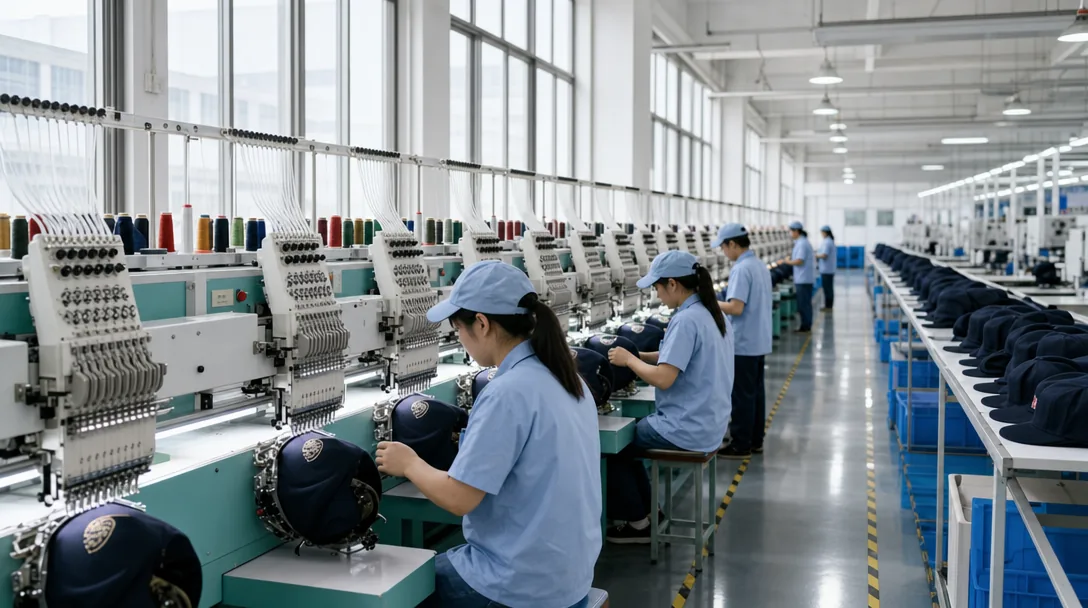
Ball Caps for Women: A 2026 Sourcing Playbook for International Buyers
Read article →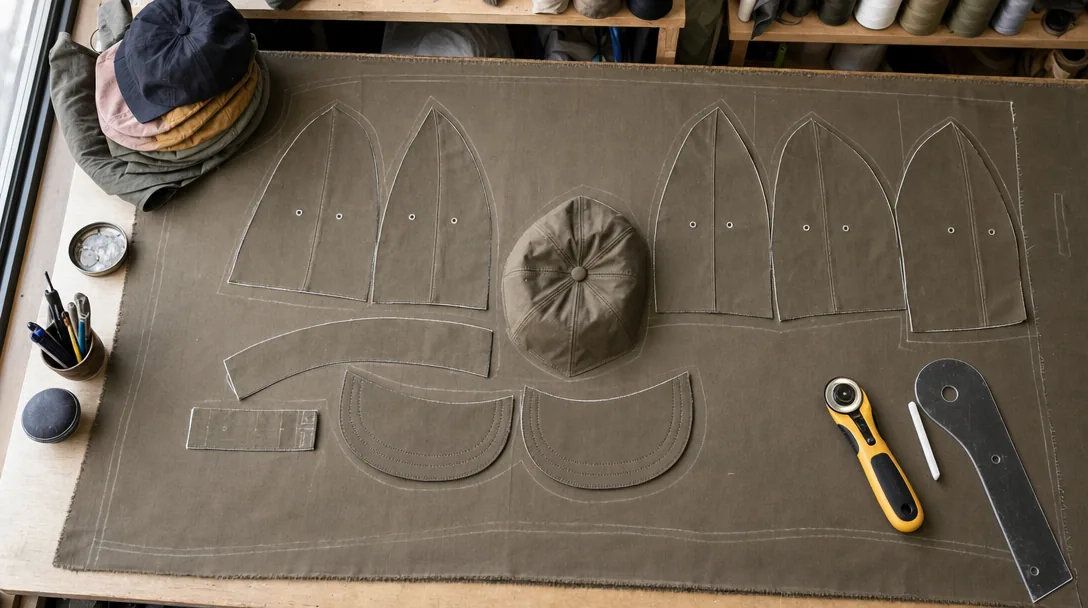
5-Panel vs 6-Panel Caps: Construction, Use Cases and Cost Compared
Read article →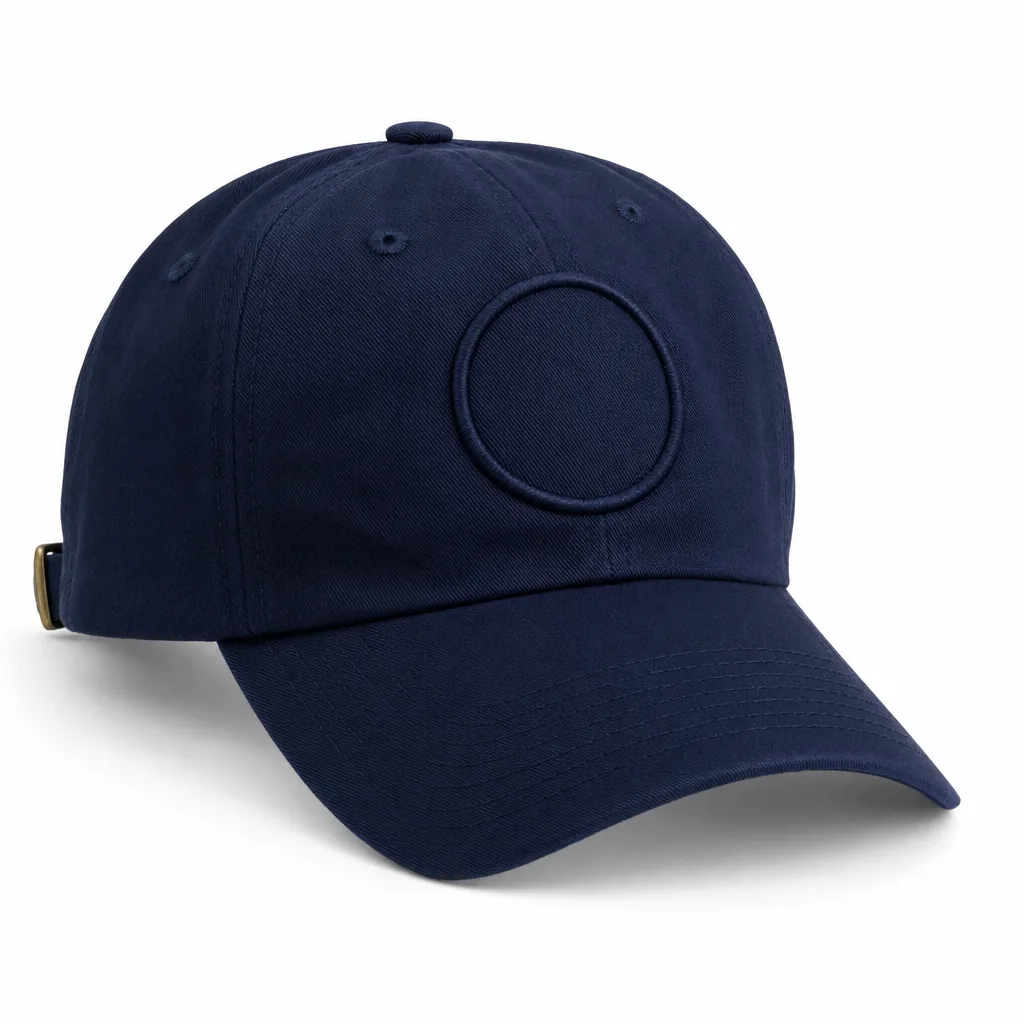
Custom Made Trucker Hat: The 2026 Sourcing & Manufacturing Playbook (2026 Update) (2026 Update) - 2026 Buyer's Guide - 2026 Buyer's Guide
Read article →Sourcing custom hats does not have to be complicated. With the right manufacturing partner, clear specifications and a small upfront investment in sampling, you can launch a retail-quality product in 30 to 45 days.