
Ball Caps for Women: A 2026 Sourcing Playbook for International Buyers - Supplier Checklist
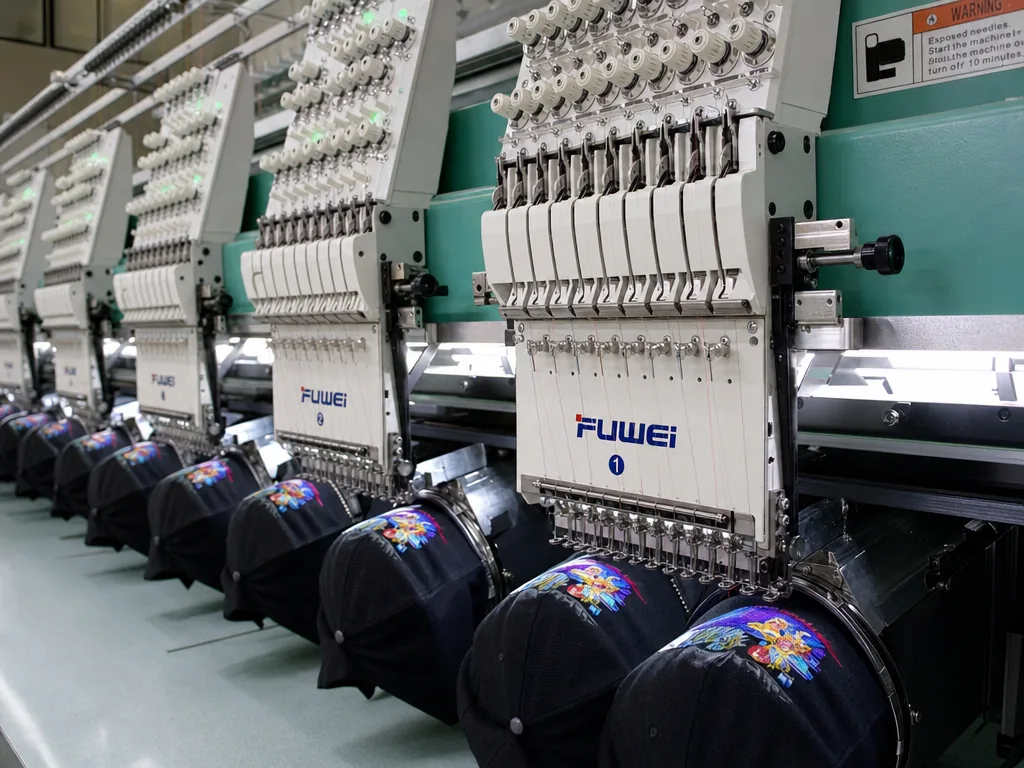
For brand owners, wholesalers and procurement teams entering the custom headwear category, ball caps for women: a 2026 sourcing playbook for international buyers - supplier checklist is one of the highest-leverage decisions you will make. Get it right and your unit economics, retail story and reorder cycle all improve. Get it wrong and you carry the cost for years.
Dad Hats for Men
Dad hats for men are usually built on the same low-profile baseball cap line used for ball caps for women, but buyers should not assume the fit, brim length, or back opening can stay identical. A proper dad hat starts with an unstructured 6-panel crown, soft buckram or no front reinforcement, a pre-curved PE sandwich visor, and a washed hand feel if the brand wants that broken-in look. Most factories cut these in 100% cotton twill at 210 to 260 gsm, brushed cotton chino around 240 gsm, or enzyme-washed canvas for a heavier retail hand. If you are buying both men’s and women’s programs, ask for crown height in centimeters, visor arc radius, sweatband width, top button diameter, and back strap type instead of approving from photos. On the factory floor, the difference between a clean dad hat and a cheap one is pattern control: if the sewing room misses panel symmetry by even 2 to 3 mm, the cap twists on head and the visor looks off-center immediately.
The spec sheet should be tighter than most buyers think. Request Pantone TCX references for shell fabric, embroidery thread, woven label, and closure tape; if the cap uses reactive-dyed cotton, set an acceptable shade tolerance such as Delta-E below 1.5 against the approved lab dip. For decoration, dad hats often run best on Tajima or Barudan heads at 8,000 to 8500 stitches per minute because soft, unstructured fronts pucker easily at higher speed. Standard MOQ is commonly 144 to 300 pieces per colorway for stock fabric, but custom-dyed cloth, metal logo buckles, or specialty wash effects can push practical MOQ to 500 or 1,000 pieces. In Yiwu and Dongguan, a basic blank dad hat in volume can land around $2.10 to $3.40 FOB, while fully customized programs with embroidery, inside taping print, hangtag, and private mold buckle more often sit at $3.80 to $6.20 FOB. Buyers comparing custom bulk hats, wholesale blank hats, bulk custom trucker hats, and custom bulk trucker hats should note that dad hats usually cost less than mesh trucker builds with foam fronts, but washing and embroidery rework can erase that gap fast.
Inspection is where most margin gets protected. The recurring failures on dad hats are visor wave, uneven topstitch density, skewed embroidery on the soft crown, sweatband join bulk at the back seam, metal buckle plating scratches, and color crocking after wash. Our standard practice is to check fit consistency across size samples, run needle detection after sewing, and inspect packed goods under AQL 2.5 with special attention to logo position tolerance of plus or minus 2 mm and visor length tolerance of plus or minus 3 mm. If the order includes garment-washed cotton, ask for wash test photos before bulk packing because over-washing can expose seam grin and distort the opening shape. This matters to the wider ball caps for women sourcing decision because many buyers try to combine men’s dad hats with women’s low-profile caps, country hats for men, and promotional basics in one PO. That works only if the factory can control pattern grading, finishing, and color continuity across categories, ideally under sedex-audit-cap-supplier-guide.html">BSCI 2.0 or Sedex SMETA 4-Pillar audited production rather than splitting the order across random subcontractors.
Country Hats for Men
Western-inspired men’s caps and ball caps for women often run through the same sewing lines, but country styling exposes weak specifications much faster. The safest base programs are 260-320 gsm cotton chino twill, 8-10 oz washed canvas, and trucker constructions using 140-160 gsm polyester mesh with a 2.5-3.0 mm PE pre-curved brim. If the look is ranch, rodeo, or workwear rather than promo-trucker, call out a lower-profile 5-panel or 6-panel crown, 11.5-12.5 cm crown height, moderate visor camber, and enzyme or garment wash after sewing. A tall foam front, oversized crown, or aggressive brim curve will push the cap into gas-station trucker territory immediately. Decoration is where cost and failure rate separate. Direct embroidery on Tajima, Barudan, or ZSK heads is still the most stable option for volume orders; leather patches, satin appliqué, rope trims, and corded seams need tighter heat-press windows, adhesive tests, and thread-tension control to prevent strike-through, bubbling, and edge lift after washing. Buyers already sourcing ball caps for women can usually combine shell fabrics, sweatbands, buckram, snap closures, and hook-and-loop tape in one booking, which helps reduce color MOQs and speeds bulk approval.
The spec sheet needs measurements, not adjectives. Lock panel count, crown height in centimeters, visor length and arc, fabric composition, fabric weight in gsm or oz, sweatband material, eyelet type, seam taping, closure supplier, stitch count per inch, and embroidery thread brand if sheen matters at retail. For color, use Pantone TCX on textiles and Pantone Solid Coated on trims, then require lab dips or strike-offs within Delta-E 1.5-2.0 under D65 lighting; anything looser will show crown-to-visor shading, especially on washed black, olive, and tan programs. Also specify whether the front support is polyester buckram or fused non-woven, because the crown collapse after enzyme wash is noticeably different. Commercially, the market is straightforward: stock-fabric programs usually sit at 144-300 pieces per colorway, while dyed-to-match mesh, suede-touch finishes, rope trims, or custom patch molds push realistic MOQs to 500-1,000. Current China FOB pricing is typically $2.10-3.20 for basic brushed cotton, $2.80-4.20 for truckers with woven or faux-leather patch, and $4.50-7.50 for washed canvas or suede-finish caps with mixed trims. Final release should be against AQL 2.5 with logo-position tolerances, closure offset held within 3 mm, crocking checks on dark washes, and carton-drop review for DDP shipments. That same discipline matters for ball caps for women, where smaller crowns and cleaner lines make asymmetry, brim memory loss, and off-center decoration more obvious at first glance.
Toilet Bolt Caps
Fit failure on toilet bolt caps starts in the mold, not in final inspection. These parts are usually 32-40 mm OD with a 1.2-1.8 mm wall, and the retention performance depends on snap-lug geometry, shrink compensation, and cavity consistency far more than buyers assume. PP homopolymer is still the safest export resin for most programs because it gives acceptable stiffness, decent impact resistance, and stable processing at a lower cost than ABS; HDPE is usually too soft on the locking tabs, especially after repeated removal. For volume production, a 4- to 16-cavity P20 or 718H steel tool is common, with cavity-to-cavity dimensional variance kept within about ±0.10 mm if you want reliable fit across lots. If you are buying toilet hardware alongside ball caps for women, do not let the sourcing workflow blur together: resin grade, cavity count, mold ownership, SPI surface finish, and signed color standard should be locked before T1 sampling, because a loose-fit cap cannot be fixed later with packing pressure or cosmetic sorting. For white and colored caps, use a signed physical chip or Pantone Solid Coated reference and hold color to Delta-E ≤1.5 for retail programs, ≤2.0 for promotional volume.
A real spec sheet needs more than diameter and color. Call out resin type, melt flow index, approved regrind ratio, UV stabilizer package, gloss level, dome height, internal retention profile, gate position, ejector-mark allowance, and carton drop requirement. On cost, an existing-mold program usually needs MOQ 3,000-5,000 pcs per color; new tooling typically runs USD 800-2,500 depending on cavity count, steel grade, and polish requirement, while a basic white PP cap can land around USD 0.04-0.10 EXW on stable runs above 20,000 pcs. That price only holds if the molder controls cycle time, resin drying discipline where applicable, and regrind below the agreed threshold, typically 10-15% max for non-critical parts. The failure modes are predictable and easy to audit if you know where to look: sink on the dome, flash at the skirt, sharp parting lines, brittle locking tabs, and inconsistent engagement on bolts that drift outside nominal diameter. I would not approve mass production without T1 and T2 samples, snap-fit trials on actual bolt assemblies, cavity balance review for multi-cavity tools, and final inspection to AQL 2.5 with separate checks for cosmetic scuffing. Packing is where cheap suppliers create expensive claims; glossy caps rub and haze in transit if they are bulk-packed without poly segregation, dividers, or small-cell inner bags. Our standard practice is to define packing count, bag thickness, and master-carton compression target up front, because a 5-cent molded part still becomes a chargeback if it arrives scratched or deformed.
Embroidered Caps Wholesale
Embroidery is where wholesale cap programs either look premium or fall apart, and the difference usually starts before a single panel hits the sewing line. For embroidered caps wholesale, buyers should ask the factory how artwork is digitized, what stitch count range is expected, and whether production runs on Tajima, Barudan, or ZSK heads. A clean 3D puff logo on a structured 6-panel cap needs different underlay, foam density, and thread path than a flat left-chest style logo on soft brushed cotton. For ball caps for women, the critical issue is proportion: front panel height, visor curve, and logo scale need to suit a smaller crown profile, often 56 to 58 cm instead of a unisex 58 to 60 cm block. Good factories will confirm fabric weight in gsm, sweatband composition, closure type, and thread brand before sampling, because embroidery tension behaves very differently on 100 percent cotton twill, recycled polyester, and mesh-backed bulk custom trucker hats.
The spec sheet should be brutally specific. Request crown height, panel construction, buckram type, visor sandwich details, closure material, eyelet finish, seam tape color, embroidery location, stitch count, thread sheen, and Pantone TCX references for all visible components. If color matching matters, ask for a Delta-E tolerance, usually under 1.5 to 2.0 for dyed fabric and under 3.0 for thread approximation, since embroidery thread rarely hits textile color exactly. Typical MOQ for embroidered custom bulk hats is 144 to 300 pieces per colorway for standard fabrics, but if you want multiple logo positions, specialty washes, or small-size grading for women’s fits, 300 to 500 pieces is more realistic. In Yiwu and neighboring factories, a basic 6-panel embroidered cap in bulk often lands around $2.10 to $3.80 FOB China, while premium brushed cotton, contrast sandwich visor, metal buckle, and 3D plus flat embroidery combinations can push $4.20 to $6.50. Wholesale blank hats are cheaper, of course, but once buyers compare logo durability and perceived retail value, embroidery usually justifies the added unit cost.
Inspection has to focus on embroidery defects, not only sewing defects. The most common failures are puckering around the logo, loose jump threads, poor registration on small text, foam exposure on 3D puff, needle cuts on lightweight cotton, and distorted front panels caused by excessive stitch density. At final inspection, I would check logo placement tolerance within plus or minus 3 mm, thread trims, needle cleanliness, visor symmetry, and carton assortment against PO, then sample to AQL 2.5 for major defects. Our standard practice is to review embroidery strike-offs before bulk because many factories approve sew-outs that already show red flags. For buyers comparing custom bulk trucker hats, fashion caps, and even adjacent categories like country hats for men, embroidery quality becomes a proxy for the whole supplier’s control level. If a factory cannot hold clean satin edges, stable backing, and consistent crown shape, it is a poor choice for broader ball caps for women programs where fit, finish, and repeatability matter more than headline price.
Wholesale Embroidered Caps
Embroidery quality is decided before the first cap body reaches sewing. On wholesale embroidered caps, the serious questions are who does the digitizing in-house, what machines are on the floor, and whether the program is rebuilt for each fabric instead of reused across every shell. Tajima, Barudan, and ZSK heads will all produce clean work if the file is right; they will all produce puckering if the digitizer ignores material behavior. That matters more on ball caps for women because the shape is usually lower-profile, with a shorter crown and a softer front panel. Brushed cotton twill typically sits around 220-280 gsm, peach-skin microfiber around 140-180 gsm, and washed canvas can skew badly if push-pull compensation, edge underlay, and stitch density are not adjusted. A small serif logo that looks sharp on a structured promo cap often sinks, ripples, or tunnels on a soft women’s silhouette once buckram weight, crown curve, and visor flex change the surface tension.
Buyers should spec embroidery like a controlled process, not a visual suggestion. Ask for the native digitizing file, thread brand, thread ticket size, backing weight, maximum stitch count per location, and a sewn photo sample on the actual cap body rather than a flat strike-off. For women’s styles, I would lock front-logo placement at ±3 mm and reject anything drifting 4 mm or more; the smaller silhouette makes misalignment obvious fast. The full tech pack should also freeze panel construction, visor length, closure type, sweatband material, embroidery dimensions by location, and Pantone TCX for shell fabric. On repeat orders, dyed trims and labels can usually be held to Delta-E under 1.5, but embroidery thread is still best approved against a physical master because rayon and polyester sheen can shift perceived color under retail lighting.
Cost and QC separate usable suppliers from factories that only sell blanks and outsource decoration. In Zhejiang, a basic 6-panel cotton twill embroidered cap usually lands around US$2.20-US$3.80 FOB Ningbo at 300-1,000 pieces, while softer fashion-driven ball caps for women with shorter visors, metal adjusters, self-fabric taping, or branded seam tape are more often US$4.20-US$6.50. MOQ is commonly 144-300 pieces per colorway on stock bodies, but fully custom washed fabrics or custom trims normally start at 500-1,000 pieces per style-color. Inspection should cover inline and final checks to AQL 2.5, not just carton appearance. The defect list should include puckering, crown collapse from over-tensioning, exposed backing on light fabrics, seam mismatch, needle cuts, trimming cleanliness, dark-color crocking, and stitch-count consistency by logo position. If a supplier cannot control embroidery in-house or through a tightly managed nominated decorator, expect placement drift and unstable repeat quality.
Best Baseball Caps for Men
The gap between a strong men’s baseball cap and well-executed ball caps for women is usually pattern geometry, not manufacturing quality. The factory control points are identical: crown symmetry, consistent needle tension, visor memory, and fabric stability after wash and humid wear. What changes is the fit block. If the tech pack is vague, suppliers default to a standard unisex shell, and that is where women’s programs start failing. Lock the build before quotation: 5-panel or 6-panel construction, structured woven fusible buckram or unstructured front, finished crown height in centimeters, visor length and pre-curve, finished head circumference with tolerance, sweatband material, back closure type, fabric weight, and decoration method. For everyday retail programs, 100% cotton twill at 240-280 gsm is still the safest specification; brushed chino in 16s x 12s or 10s x 10s gives a cleaner handfeel, while athletic capsules usually shift to polyester microfiber or interlock at 120-160 gsm for lower moisture pickup and faster drying. If the logo is embroidered, digitizing has to be matched to the actual cap body. On Tajima or Barudan heads, stitch density, underlay, and pull compensation must be tuned to the buckram stiffness and fabric stretch, or the same file will sew clean on one shell and pucker on the next.
Most failed orders come from uncontrolled tolerances, not from bad styling. Color must be locked across shell fabric, embroidery thread, visor sandwich, seam tape, eyelets, and closure tab using Pantone TCX or solid coated references, then tied to an approved lab dip; on visible panels, bulk should stay within Delta-E 1.0-1.5 of the sealed standard if you want consistent replenishment. Front support should be written clearly on the PO as woven fusible buckram, not generic “interlining,” because paper buckram loses shape faster after long-haul ocean transit, especially through humid lanes into the U.S. East Coast and Northern Europe. Also specify visor board material, number of visor stitch rows, sweatband join method, and closure attachment, because these are the places weak factories quietly downgrade. In Yiwu, a basic cotton twill cap typically sits around FOB $1.85-$3.20 at 144-300 pieces per colorway; melton wool blends, washed canvas, applique embroidery, rope trims, or mixed-material builds can move FOB past $4.50 quickly. Final inspection should run at AQL 2.5 with tight checkpoints: embroidery centering within 3 mm, head circumference tolerance of plus or minus 0.5 cm, even visor edge binding, no panel torque, lot-to-lot shade consistency, and closure alignment that does not cant the cap on head.
Working with CrownsForge for ball caps for women programs
The fastest way to de-risk a ball caps for women program is to lock the silhouette and decoration method before you argue over 20 or 30 cents. On a factory floor, timing is predictable if the brief is disciplined: a blank fit sample usually takes 3-5 working days, a decorated prototype 5-7 days, and a true development sample 10-14 days once you add Pantone TCX fabric matching, custom metal trims, or a rebuilt embroidery file. For first production, I would keep the range to two or three proven bodies only: a 6-panel brushed cotton twill at 240-260 gsm, a washed chino twill around 220 gsm, and a lightweight performance polyester at 140-160 gsm for sport or travel channels. Most fit failures in women’s headwear come from proportion, not stitching—crown depth, visor pitch, opening at the back strap, and sweatband bulk matter more than whether the seam is perfectly straight. MOQ has to follow the material strategy, not the buyer’s wish list. On stock fabrics, standard hook-and-loop or metal slide closures, and existing patterns, 144-300 pieces per colorway is realistic. Once you ask for custom-dyed fabric, branded buckles, private-label tape, or exclusive hardware, 500 pieces per colorway is usually the real break point because trims, dye lots, and wastage all move up at once. Our standard practice is to approve a blank fit first, then a pre-production sample with the exact closure, visor board, embroidery backing, and sweatband construction; that sequence catches expensive mistakes before bulk cutting starts.
Decoration is where margins quietly disappear on ball caps for women, because the styling often looks simple while the execution is less forgiving. Smaller front logos, tonal embroidery, narrow side placements, and low-profile branding expose bad digitizing immediately. Stitch count by itself means nothing; underlay, pull compensation, column width, and thread tension are what keep a 28-40 mm logo clean on curved panels. Tajima and Barudan heads are dependable for flat embroidery and controlled 3D foam, while ZSK machines generally hold finer serif detail and tighter satin columns better when the artwork is delicate. Every decoration should be strike-tested on the actual substrate, because a file that runs crisp on 260 gsm cotton twill can sink into foam-backed mesh, pucker on washed chino, or show edge distortion on lightweight polyester. A supplier also needs disciplined order control, not just decent sewing. Current BSCI 2.0 or Sedex SMETA 4-Pillar audit records, needle-policy logs, restricted-substance controls for inks and trims, and final inspection to AQL 2.5 should be standard paperwork, not something produced after you ask twice. For color-sensitive programs, lab dips or stock swatches should be approved against Pantone TCX targets under D65 lighting with an agreed Delta-E tolerance—if that number is not written down, shade variation is effectively uncontrolled. The repeatable workflow is simple: tech pack review, quotation with confirmed Incoterm, sample approval, PPS sign-off, inline inspection, final QA, carton spec check, and booking. On larger orders, retailer chargebacks usually come from barcode placement, carton marks, assortment ratios, and pack-out errors before they come from sewing defects.
Frequently Asked Questions
Which shipping methods do you support?
We support FOB, CIF and DDP shipping. Air express for samples and small orders, sea LCL for 100 to 500 pieces, sea FCL for 5,000+ pieces. Door-to-door DDP available for US, EU, UK, Canada and Australia.
Do you support sustainability certifications?
Yes. We work with GOTS organic cotton, GRS-certified recycled polyester, OEKO-TEX Standard 100 fabrics, and are BSCI and Sedex audited. Certification documentation can be provided per order.
Can I order a sample before bulk production?
Yes. We strongly recommend approving a pre-production sample before mass production. Samples are charged at 35 to 60 USD each plus express shipping, fully refundable against confirmed bulk orders over 500 pieces.
How long does production take?
Sampling takes 7 to 12 days. Bulk production runs 20 to 30 days depending on quantity, fabric availability and decoration complexity. Inspection and packing adds another 3 to 5 days before shipment.
What logo decoration techniques do you offer?
3D puff embroidery, flat embroidery, woven patch, leather patch, PVC patch, screen printing, sublimation, applique and laser etching, all in-house with no subcontracting.
What should I know about custom trucker hats bulk?
When evaluating custom trucker hats bulk, the key considerations are construction quality, decoration capability, MOQ flexibility and lead time. Cover everything buyers ask about dad hats for men: how it's manufactured, what specs to request from a factory, typical MOQ and pricing, common quality issues to inspect for, and how this ties back to the broader ball caps for women sourcing decision. Cover everything buyers ask about country hats for men: how it's manufactured, what specs to request from a factory,…
What should buyers know about ball caps for men?
When evaluating ball caps for men, the key considerations are construction quality, decoration capability, MOQ flexibility and lead time. Cover everything buyers ask about dad hats for men: how it's manufactured, what specs to request from a factory, typical MOQ and pricing, common quality issues to inspect for, and how this ties back to the broader ball caps for women sourcing decision. Cover everything buyers ask about country hats for men: how it's manufactured, what specs to request from a factory,…
What should I know about new era blank hats wholesale?
When evaluating new era blank hats wholesale, the key considerations are construction quality, decoration capability, MOQ flexibility and lead time. Cover everything buyers ask about dad hats for men: how it's manufactured, what specs to request from a factory, typical MOQ and pricing, common quality issues to inspect for, and how this ties back to the broader ball caps for women sourcing decision. Cover everything buyers ask about country hats for men: how it's manufactured, what specs to request from a factory,…
How does ordering custom golf hats for men work?
When evaluating custom golf hats for men, the key considerations are construction quality, decoration capability, MOQ flexibility and lead time. Cover everything buyers ask about dad hats for men: how it's manufactured, what specs to request from a factory, typical MOQ and pricing, common quality issues to inspect for, and how this ties back to the broader ball caps for women sourcing decision. Cover everything buyers ask about country hats for men: how it's manufactured, what specs to request from a factory,…
Ready to start your custom hat project?
Send us your tech-pack, sketch or even just an inspiration photo. We will respond with a detailed quotation and digital mock-up within 24 hours.
Request a free quoteRelated guides
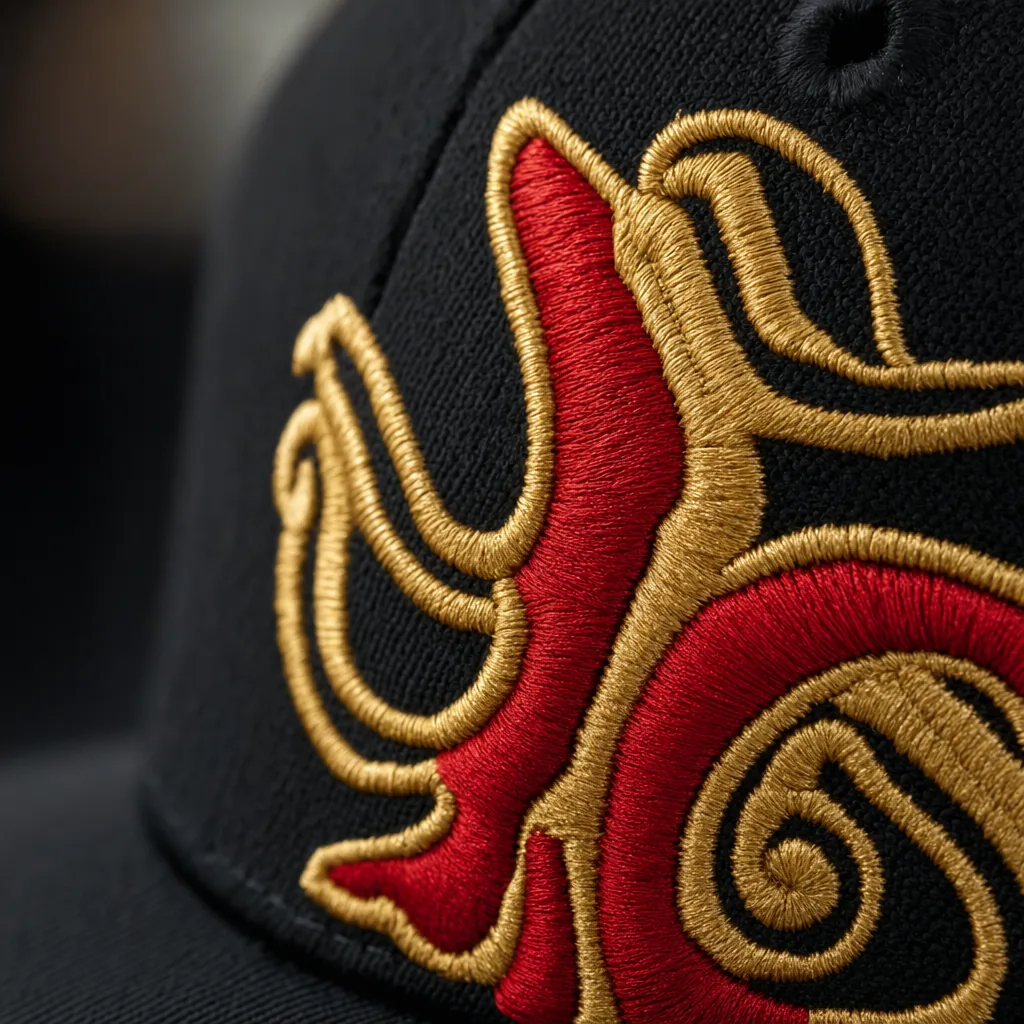
Custom Embroidered Patches: When to Use It, Costs, and What to Ask Your Factory (2026 Update)
Read article →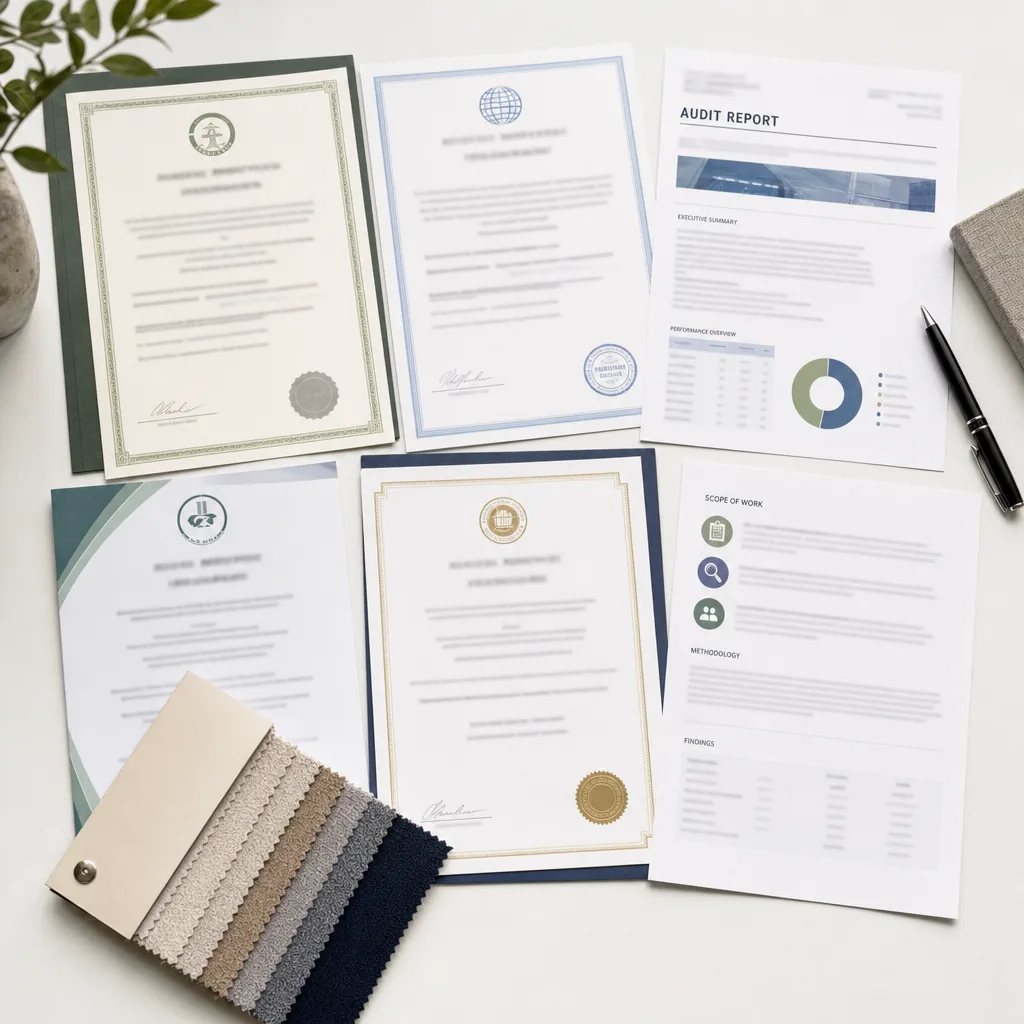
Compliance Documentation Checklist for First Hat Import to US/EU - Supplier Checklist
Read article →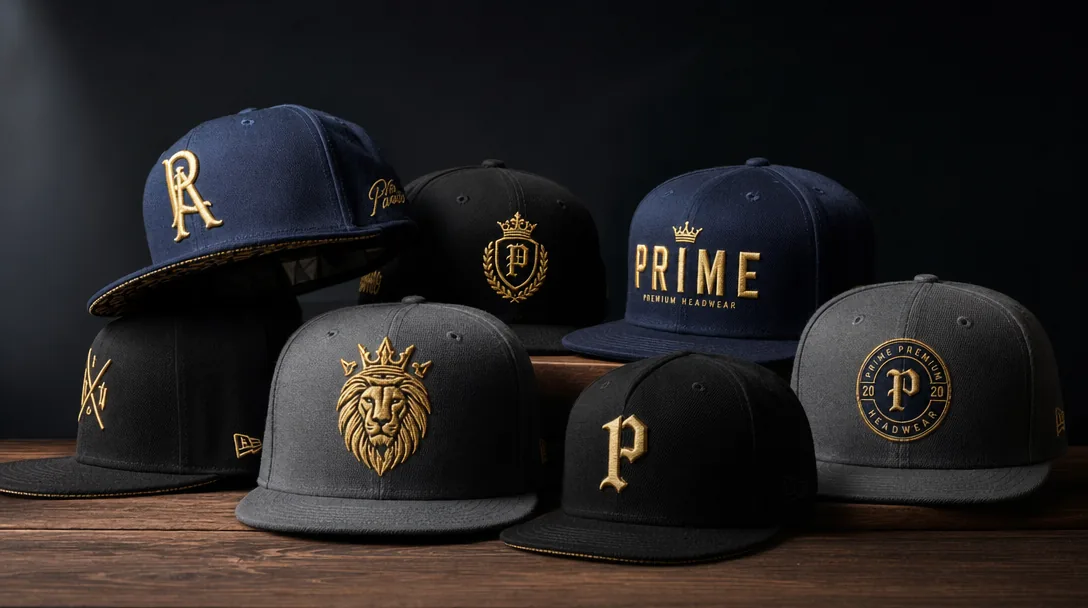
Fisherman Beanie Wholesale Custom: A 2026 B2B Sourcing Guide
Read article →Sourcing custom hats does not have to be complicated. With the right manufacturing partner, clear specifications and a small upfront investment in sampling, you can launch a retail-quality product in 30 to 45 days.