
5-Panel Camp Cap Manufacturing: A Buyer's Specification Guide
For brand owners, wholesalers and procurement teams entering the custom headwear category, 5-panel camp cap manufacturing: a buyer's specification guide is one of the highest-leverage decisions you will make. Get it right and your unit economics, retail story and reorder cycle all improve. Get it wrong and you carry the cost for years.
The 5-panel silhouette: how it differs from 6-panel baseball caps
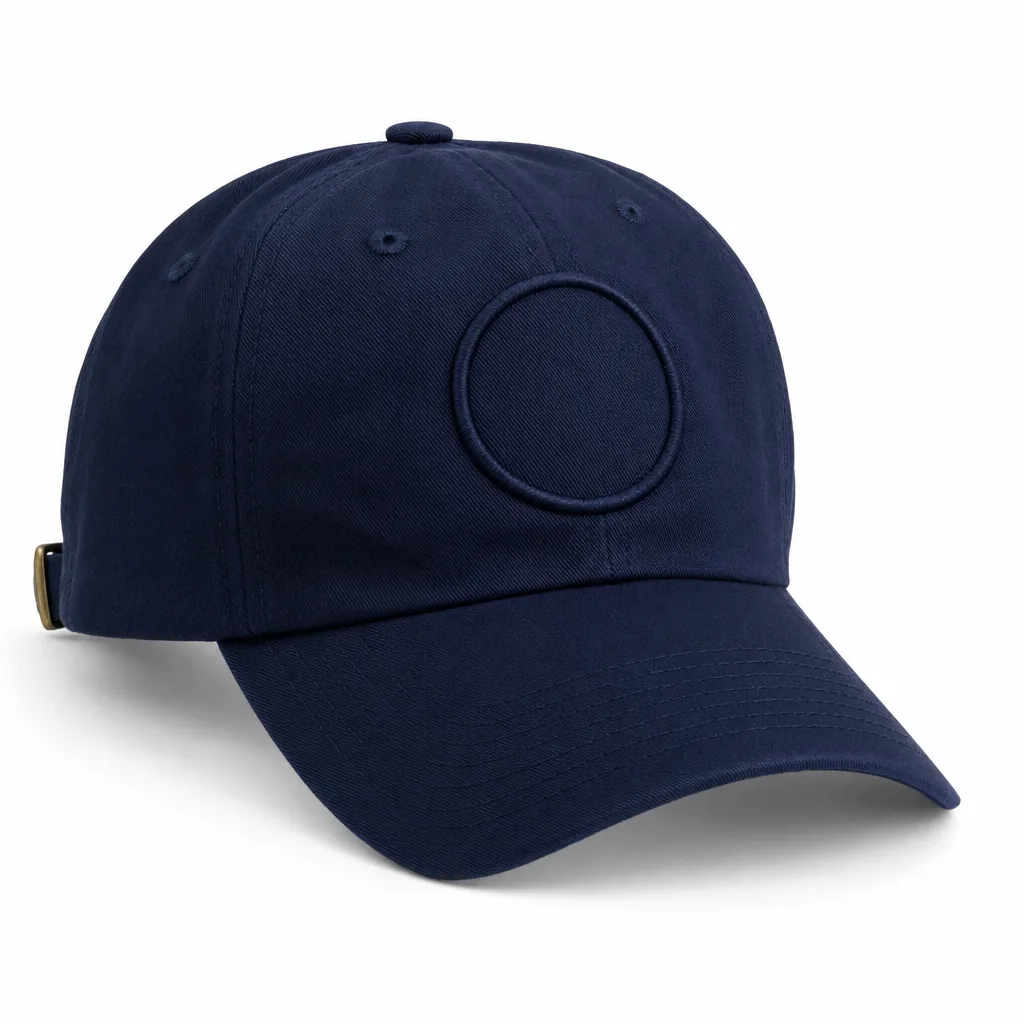
The 5-panel camp cap is built around a single uninterrupted front panel, which is the first thing buyers should understand when comparing it to a 6-panel baseball cap. A true 5-panel cap construction removes the center front seam, so you get a cleaner face for printing, woven labels, or embroidery without that awkward stitch line cutting through the artwork. The layout is usually one front panel, two side panels, and two back panels, with a low-profile crown and a flat or slightly pre-curved brim. For a custom 5 panel hat, that front panel matters because it changes both the fit and the decoration area; the panel sits flatter on the head and carries graphics more like a billboard than a structured sports cap.
From a production standpoint, the silhouette is easier to make look sharp but less forgiving on pattern work than a 6-panel cap. If the crown depth is off by even 3 to 5 mm, the cap can sit too tall or collapse at the sides, especially in lightweight nylon or a polyester 5 panel cap. A serious 5 panel cap manufacturer will control crown height, panel angle, and sweatband tension together, because these three variables decide whether the cap reads as streetwear or just a cheap promo item. In wholesale 5 panel caps, I usually see buyers miss the difference between a camp cap supplier china and a standard baseball-cap factory: the former should know how to keep the front panel smooth, keep the brim level, and avoid the “tunnel” effect that happens when the side panels pull too hard.
The silhouette comes from 90s skate and cycling culture, where low-profile, flat-brim headwear was practical, packable, and easy to personalize. That history still affects what sells today: outdoor brands want lightweight ripstop or nylon with quick-dry lining, while streetwear labels often ask for cotton twill or washed canvas to get a softer, worn-in look. CrownsForge’s standard practice is to sample both a structured and unstructured version when a buyer is deciding on a camp cap, because the same artwork can look completely different depending on the crown stiffness and the brim board. For larger programs, I would also spec the target handfeel, shrinkage allowance, and stitch density up front; those details matter more than the fashion story once you are ordering 3,000 pieces or more.
Fabric choices: cotton, nylon, recycled polyester
Cotton twill at 6.4 oz/yd² is still the safest default for a custom 5 panel hat because it presses well, holds embroidery cleanly, and does not turn into a floppy mess after washing. For a normal wholesale 5 panel caps program, I would spec 100% cotton twill with a tight weave, reactive dye or pigment wash depending on the look, and shrinkage controlled under 3% after a cold wash. If you are buying from a 5 panel camp cap manufacturer, ask for fabric shade approval under Pantone TCX and check handfeel against a sealed bulk swatch, because twill from two mills can look similar on paper but sew very differently on the crown panels and brim facing. One thing people miss: cotton breathes better than polyester, but it also shows sweat marks faster, so dark colors and enzyme-washed finishes are often smarter for retail sell-through.
For technical outdoor programs, lightweight nylon ripstop is the better call, especially when the cap needs to dry fast and survive abrasion from pack straps, rain, or repeated folding. I usually see 70D to 210D nylon ripstop used on a polyester 5 panel cap-style build, with DWR if the buyer wants water shedding and a matte hand rather than a shiny shell fabric. The 5 panel cap construction matters here: nylon has less forgiveness at the seams, so you need proper needle choice, seam tape where relevant, and tighter control on panel alignment or the brim will twist after sewing. A camp cap supplier china should be able to show you tear strength, colorfastness, and wash test data, not just a fabric photo. For sports, cycling, and trail accounts, this is where nylon earns its keep.
Recycled polyester is the practical choice when the buyer needs sustainability claims without sacrificing consistency, and it works well for promotional and corporate wholesale 5 panel caps. I prefer recycled polyester in the 75D to 150D range for a cleaner surface and stable lot-to-lot color, especially when the decoration is heat transfer or woven labels instead of heavy embroidery. The key is to verify the actual recycled content, not just a marketing statement; ask for GRS paperwork and confirm whether the yarn is post-consumer or pre-consumer feedstock. For cold-weather variants, a wool blend can make sense, usually 80/20 wool-poly or similar, but it needs careful sourcing because wool handfeel varies wildly and can pill if the fiber length is poor. A good 5 panel camp cap manufacturer will treat fabric choice as a performance spec, not just a price point, because the wrong cloth ruins the fit, drape, and resale value.
Construction details that matter
Underbrim color looks cosmetic until you do a real production run and realize it affects dye matching, perceived quality, and return rate. On a custom 5 panel hat, the common setup is a contrast underbrim in black, green, navy, or red against a lighter shell, but the buyer should specify Pantone TCX for both shell and underbrim if they want consistency across lots. A 5 panel camp cap manufacturer should also confirm whether the underbrim is self-fabric, polyester twill, or a brushed cotton; that choice changes handfeel and cost by roughly $0.12 to $0.35 per piece. For a polyester 5 panel cap, a darker underbrim is usually safer because it hides print bleed and light staining better than white or cream.
Eyelets are another small detail that creates big consistency problems if nobody writes it down. On wholesale 5 panel caps, I normally expect 4 embroidered eyelets on a soft camp shape, but some patterns use 2 side eyelets only, and that changes ventilation and the panel balance. Placement needs to follow the crown seam structure, not the embroidery placement, otherwise the eyelets end up fighting the front logo or sitting too close to the side seam. A good camp cap supplier China will lock the eyelet spec before sampling: embroidered grommets, matching thread color, 6-8 mm opening, and no skipped stitches. If the cap is going to be worn in summer retail, the buyer should ask for a ventilation layout that keeps the crown from collapsing during packing and shipping.
The sweatband is where cheap caps give themselves away. For a 5 panel cap construction spec, I prefer a 100 percent cotton sweatband at 280-320 gsm for comfort, or a polyester/cotton blend if the order needs faster drying and lower cost; pure polyester sweatbands feel harsh and can trap odor on a hot day. Closure choice matters just as much: plastic snapback is cheapest and most common for a streetwear fit, metal buckle with matching fabric or PU strap gives a cleaner retail look, and a self-fabric strap with tri-glide reads more premium but takes more labor and exact cutting. A serious 5 panel camp cap manufacturer should show the closure stitch pattern, not just the front view, because sloppy bartacks and crooked strap alignment are the first things a buyer catches in QC.
Decoration: what works on the single front panel
On a single front panel, flat embroidery is still the cleanest retail-standard option for a custom 5 panel hat, especially when the logo has fine text or tight outlines. A good 5 panel cap construction gives you one uninterrupted canvas, so the art can sit lower and wider than on a structured six-panel cap. For a 5 panel camp cap manufacturer, the real question is not whether embroidery is possible — it is how dense the stitch count can be without buckling the panel. On cotton twill, I usually keep large chest-style logos around 6,000 to 9,000 stitches and avoid tiny lettering under 3 mm height. If the buyer wants wholesale 5 panel caps with consistent retail presentation, flat embroidery is the safest route because it survives washing better than most applique work and does not add much weight to the front panel.
Woven patches and PVC patches make sense when the artwork has gradients, micro-detail, or a corporate look that should stay crisp at small size. A woven patch will usually reproduce finer edges than embroidery, but it needs a clean sew line and enough flat space to avoid wrinkling on the crown. PVC gives a heavier, more dimensional finish and is common for streetwear programs, though on a soft camp cap supplier china build it can pull the panel forward if the patch is oversized. For a polyester 5 panel cap, this matters because the face fabric often has less body than heavy cotton canvas, so patch placement and backing become more important than the patch type itself. In factory terms, I would rather use a 60–80 mm woven badge with merrowed edge than force a large PVC piece onto a lightweight front panel.
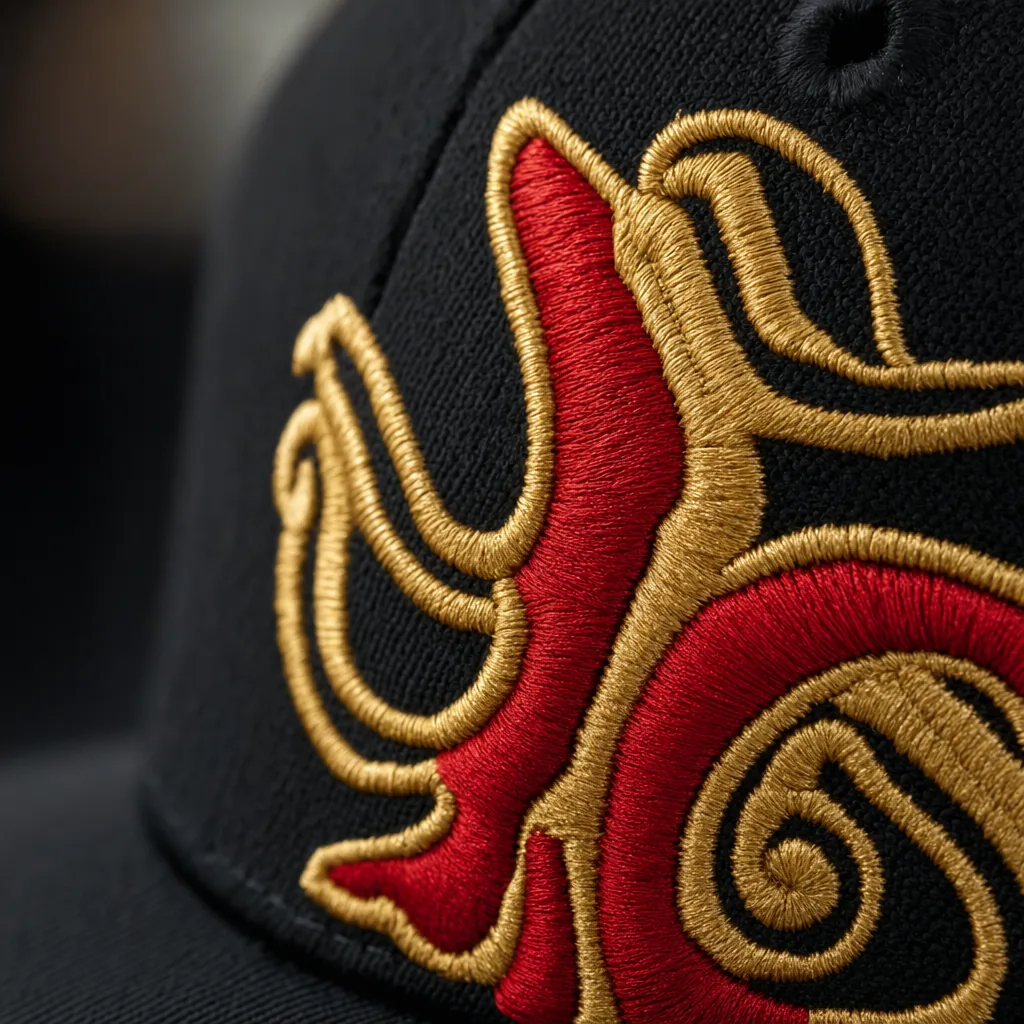
3D puff embroidery works, but only when the design is bold and the buyer accepts a less subtle look. The single front panel on a camp cap is wide enough for puff lettering or a thick emblem, but the foam underlay can distort small counters, so I would not use it for fine scripts or thin line art. Screen print is the practical choice for lightweight nylon or coated fabrics, especially when the order is color-rich and the budget cannot absorb a large embroidery run. On smooth nylon, print adhesion depends on the ink system and cure temperature; if the fabric is heat-sensitive, the shop has to test for gloss change and shrinkage before bulk. As a 5 panel camp cap manufacturer, our standard practice is to sample all three decoration routes first, then choose the one that matches the fabric weight, logo complexity, and target price point instead of forcing every custom 5 panel hat into the same decoration method.
MOQ, lead time, pricing — 5-panel specifics
For a 5 panel camp cap manufacturer, the practical MOQ starts at 100 pieces per colorway if you want sane pricing and clean production flow. That is low enough for a brand test, but not low enough to ignore setup costs: pattern grading, panel cutting, thread changes, and embroidery digitizing still have to be paid for somewhere. A custom 5 panel hat with simple 2D embroidery on cotton twill usually lands at the lower end of the range, while a polyester 5 panel cap with nylon webbing, contrast piping, or woven labels pushes the unit price up because the factory has more handling steps and more inspection points.
Sampling is usually 7 to 10 days if the artwork is final and the fabric is already in stock; if you are waiting on custom-dyed fabric, add another week. Bulk production is normally 22 to 28 days after PP approval, and that timeline assumes the order is not buried behind a large run of structured 6-panels or truckers. In real factory terms, the speed bottleneck is not sewing the crown, it is getting the right fabric lot, confirming Pantone TCX matches, and approving stitch density before the line starts. If you are buying from a camp cap supplier China side, ask whether the quoted lead time includes trimming, metal eyelets, washing, and carton packing, because some quotes quietly exclude those steps.
FOB pricing for wholesale 5 panel caps generally sits around $3.40 to $6.20 per piece, but that spread is real, not arbitrary. The low end is a basic cotton twill or polyester 5 panel cap with flat embroidery, standard snapback closure, and one woven label; the high end is usually heavier fabric, multi-location decoration, sandwich visor work, or higher thread-count embroidery that takes more machine time. A decent 5 panel cap construction spec should also lock down fabric gsm, panel lining, sweatband material, and seam finish, because every one of those choices affects labor and rejects. If you are comparing quotes, make sure they are all based on the same FOB port, same decoration count, and the same inspection standard, otherwise you are not comparing prices—you are comparing assumptions.
Who buys 5-panel camp caps?
The buyers for a 5-panel camp cap are usually brands that need a flatter front, lower crown, and cleaner decoration zone than a standard 6-panel dad cap. Outdoor labels, skate programs, and indie streetwear capsules all want that square, boxy profile because it sits well with woven labels, flat embroidery, and woven patches without fighting seams. A serious 5 panel camp cap manufacturer will know the difference between a true camp cap and a generic five-panel dad shape: you are usually looking at a front panel around 18–19 cm wide, a crown height closer to 11–12 cm, and a more structured brim line that does not collapse after one wash. That matters when the buyer is ordering wholesale 5 panel caps for retail, not just giveaways.
Outdoor brands with Patagonia or Cotopaxi-style positioning buy these caps for lightweight performance stories, not just aesthetics. They often ask for nylon taslan, recycled polyester, or a polyester 5 panel cap with mesh lining, moisture-wicking sweatband, and low-profile closure options like nylon webbing or plastic snap. Fishing tournaments and guide companies care about sun coverage, quick dry performance, and colorfastness, so they will ask for Pantone TCX matching, UV-stable yarns, and a decoration plan that survives sweat and salt exposure. In those jobs, the buyer usually wants a camp cap supplier china that can handle both fabric sourcing and decoration control without pushing the cap into a bulky promotional shape.
Skate brands and festival merch buyers are usually more design-driven, but they still care about construction details once production starts. A custom 5 panel hat for streetwear often uses unstructured front panels, contrast sandwich visors, or rope inserts, while festival runs may need low MOQs, mixed colorways, and fast reorders with consistent Delta-E control across lots. The best orders are the ones with a clear line on 5 panel cap construction: panel stitch count, brim board thickness, sweatband spec, and whether the buyer wants flat embroidery, TPU patches, or woven labels. If the spec is vague, the cap samples drift fast, and the final retail product looks cheap even when the fabric cost was decent.
Frequently Asked Questions
Do you support sustainability certifications?
Yes. We work with GOTS organic cotton, GRS-certified recycled polyester, OEKO-TEX Standard 100 fabrics, and are BSCI and Sedex audited. Certification documentation can be provided per order.
Can I order a sample before bulk production?
Yes. We strongly recommend approving a pre-production sample before mass production. Samples are charged at 35 to 60 USD each plus express shipping, fully refundable against confirmed bulk orders over 500 pieces.
What logo decoration techniques do you offer?
3D puff embroidery, flat embroidery, woven patch, leather patch, PVC patch, screen printing, sublimation, applique and laser etching, all in-house with no subcontracting.
How long does production take?
Sampling takes 7 to 12 days. Bulk production runs 20 to 30 days depending on quantity, fabric availability and decoration complexity. Inspection and packing adds another 3 to 5 days before shipment.
Which shipping methods do you support?
We support FOB, CIF and DDP shipping. Air express for samples and small orders, sea LCL for 100 to 500 pieces, sea FCL for 5,000+ pieces. Door-to-door DDP available for US, EU, UK, Canada and Australia.
How does ordering baseball cap embroidered custom work?
When evaluating baseball cap embroidered custom, the key considerations are construction quality, decoration capability, MOQ flexibility and lead time. Single front panel (no front seam), two side panels, two back panels, low-profile flat brim. Originated in 90s skate culture; now an outdoor and streetwear staple. Cotton twill 6.4 oz is standard. Lightweight nylon ripstop for technical outdoor. Recycled polyester for sustainability programs. Wool blend for cold-weather variants.
How does ordering custom embroidered trucker hat work?
When evaluating custom embroidered trucker hat, the key considerations are construction quality, decoration capability, MOQ flexibility and lead time. Single front panel (no front seam), two side panels, two back panels, low-profile flat brim. Originated in 90s skate culture; now an outdoor and streetwear staple. Cotton twill 6.4 oz is standard. Lightweight nylon ripstop for technical outdoor. Recycled polyester for sustainability programs. Wool blend for cold-weather variants.
What's the MOQ for custom embroidered baseball caps no minimum?
When evaluating custom embroidered baseball caps no minimum, the key considerations are construction quality, decoration capability, MOQ flexibility and lead time. Single front panel (no front seam), two side panels, two back panels, low-profile flat brim. Originated in 90s skate culture; now an outdoor and streetwear staple. Cotton twill 6.4 oz is standard. Lightweight nylon ripstop for technical outdoor. Recycled polyester for sustainability programs. Wool blend for cold-weather variants.
What should I know about wholesale baseball caps made in usa?
When evaluating wholesale baseball caps made in usa, the key considerations are construction quality, decoration capability, MOQ flexibility and lead time. Single front panel (no front seam), two side panels, two back panels, low-profile flat brim. Originated in 90s skate culture; now an outdoor and streetwear staple. Cotton twill 6.4 oz is standard. Lightweight nylon ripstop for technical outdoor. Recycled polyester for sustainability programs. Wool blend for cold-weather variants.
Ready to start your custom hat project?
Send us your tech-pack, sketch or even just an inspiration photo. We will respond with a detailed quotation and digital mock-up within 24 hours.
Request a free quoteRelated guides
9 Cap Decoration Techniques Compared: Embroidery, Patches, Printing & More
Read article →
US Tariff Section 301 on Chinese Caps: Import Cost Planning for 2026
Read article →Custom Embroidered Patches: When to Use It, Costs, and What to Ask Your Factory
Read article →If you are ready to take the next step on 5-panel camp cap manufacturing: a buyer's specification guide, our team can put a tailored quotation and digital mock-up in your inbox within 24 hours. Send the inquiry form on our contact page or message us directly on WhatsApp.