
How to Vet a China Hat Manufacturer Before You Wire the Deposit - Supplier Checklist
How to Vet a China Hat Manufacturer Before You Wire the Deposit - Supplier Checklist is one of the most-asked questions we receive from international buyers, and for good reason. With dozens of factories competing for your order and an alphabet soup of technical terms in every supplier quote, even experienced importers can feel lost. This guide consolidates what we have learned producing custom hats for clients in 40+ countries.
Business license verification (5 minutes, free)
The fastest screen is the Chinese government’s business registration database, 国家企业信用信息公示系统, and it takes less than five minutes if the supplier gives you its full Chinese legal name. Do not start with the English trading name printed on a website footer; half the time it is a brand alias, not the entity receiving your wire. When you vet hat manufacturer China, the first pass is simple: confirm the unified social credit code, registered address, legal representative, establishment date, and registered capital. For a cut-and-sew cap factory, I like to see a founding date older than 3 years and registered capital above RMB 1 million; below that, it is often a small trading office or a workshop operating with thin cash flow. If the business scope only says import-export, consulting, or e-commerce, that is not enough for due diligence cap factory work unless they clearly disclose they are a trader.
The business scope line matters more than buyers think. You want language that covers textile, garment, apparel, hat, embroidery, sewing, or manufacturing-related activity, not just wholesale. A real headwear producer may list terms such as 服装制造, 针织品, 纺织品, 帽子加工, or 绣花加工; a trader will often list 销售, 货物进出口, and sourcing language but no production scope. That distinction is the backbone of supplier verification headwear because it tells you whether the company is legally set up to make caps or only to resell them. If you need to verify hat supplier China for customs, liability, or product safety paperwork, also check whether the registered address matches the factory audit report, commercial invoice, and bank beneficiary. A mismatch is not always fraud, but it is a flag that deserves explanation before deposit.
The registration file also shows operating status and administrative penalties, which is where basic free checking becomes real risk control. Look for 存续 or 在营 as active status; if you see 注销, 吊销, or repeated abnormal-operation records, stop and ask questions. In practice, our standard review before accepting a new vendor file is to cross-check the legal entity on the registry against the payee name on the proforma invoice, then match that to any sedex-audit-cap-supplier-guide.html">BSCI 2.0 or Sedex SMETA 4-Pillar audit report they provide. If a supplier claims to be a factory founded in 2008 with 6 Barudan lines and 120 sewing operators, but the registry shows a 2023 company with RMB 100,000 capital and wholesale-only scope, the story does not hold. That is exactly why you audit hat supplier credentials on paper before you rely on samples, Trade Assurance screenshots, or polished sales English.
Audit history: what should be on file?
A current social-compliance audit is the fastest filter when you need to vet hat manufacturer china without wasting two weeks on samples and late-night WeChat calls. A real factory should be able to send a valid BSCI 2.0 report or a Sedex SMETA 4-Pillar audit with the report date, site name, and report ID the same day you ask. Do not accept a cropped screenshot with scores hidden, a PDF missing the audited address, or vague language like “audit passed last year.” The legal entity on the report should match the company taking your deposit, and the production address should match the workshop actually sewing and embroidering your caps. If the supplier says the audit is “scheduled next month,” I treat that as a soft-fail, because factories that already export to EU or US buyers keep current paperwork on file as basic operating hygiene.
The verification step matters more than the PDF itself. If you want to verify hat supplier china properly, ask for the full report number and check it through the platform or auditor record rather than trusting an emailed attachment. For BSCI, buyers usually review the amfori system through their own access or via an authorized screenshot showing rating, validity, and zero-tolerance findings. For Sedex, the supplier should provide the SMETA audit reference and Sedex member details so you can confirm the site exists in the database. This is standard supplier verification headwear work, not an aggressive demand. I have seen traders borrow another factory’s audit, especially when the sewing room looks decent on video but the registered address belongs to a small office in Shenzhen or Hangzhou, not an operating cap plant.
A serious due diligence cap factory check goes beyond asking whether an audit exists; you need to read what failed and what was corrected. Look for working-hours nonconformities, dormitory issues, blocked fire exits, missing needle-control records, and subcontracting disclosures. In headwear, undisclosed subcontracting is a real risk because embroidery, washing, or brim forming may be pushed to outside workshops during peak season. If a supplier promotes trade assurance hat manufacturer terms but cannot produce a current audit trail, that mismatch should concern you. Our standard practice is to keep the latest audit, corrective action plan, and closure evidence ready alongside business license and export registration, because any buyer who wants to audit hat supplier credentials seriously will ask for all three, not just a glossy certificate cover page.
Video factory tour: what to look for
A continuous factory walk-through will tell you more than a polished PDF ever will, because cap production leaves a lot of physical evidence that a trader cannot improvise on the fly. If you want to vet hat manufacturer china suppliers properly, ask for a live 15 to 20 minute video call on WhatsApp, WeChat, or Zoom during active production hours, ideally 9:00 to 11:30 a.m. China time. Have them begin outside the building with the company sign visible, then stay on one uninterrupted path through raw material storage, cutting, embroidery, sewing, finishing, QC, and packing. You should see fabric rolls labeled by PO, style number, color lot, or supplier batch; brim boards, sweatband rolls, buckles, snapback straps, and WIP bundles moving in a logical sequence. On the embroidery line, ask for a close shot of Tajima, Barudan, or ZSK heads actually stitching, with the control panel, cap frames, and thread cones in view. Powered-off machines, a sample room loop, or constant floor changes without process logic usually mean outsourced production or a trading company fronting someone else’s factory.
The strongest signal is process control, not machine count. In cutting, look for spreading tables, printed marker plans, bundling by size and color lot, and chalk or ticket IDs that keep panels from different dye lots from mixing; disciplined factories usually hold visible shade variation to around Delta-E 1.5 to 2.0 on front-facing panels. In sewing, the line should show a real cap sequence: front panel joining, eyelet stitching, crown assembly, sweatband setting, visor attachment, top button fixing, closure installation, then trimming. Ask the camera to stop on inline spec sheets, measuring tapes, needle change logs, reject bins, thread racks marked with ticket numbers, and cartons with shipping marks. Finish at final inspection and packing, where weak operators are easiest to spot. Ask to see AQL 2.5 records, random caps pulled from different cartons, barcode labels, and if they claim major export experience, a recent BSCI 2.0 or Sedex SMETA 4-Pillar report cover page shown live alongside the working floor. Audit names are easy to say; matching paperwork to an operating line is much harder to fake.
Sample evaluation: what physical and functional checks?
Start with the parts you can measure, because sample photos hide the defects that trigger claims after goods land. On a retail-grade 6-panel baseball cap, I expect main construction seams at roughly 10-12 SPI using polyester core-spun thread, but the real tell is consistency through the crown joins, eyelet areas, sweatband attachment, and back opening. Check for skipped stitches, seam grin, needle heat marks, and tension drag, especially on 210-260 gsm brushed cotton twill or heavier enzyme-washed chino. Measure left-right panel symmetry within 2 mm, top button centering within 1.5 mm, and visor alignment so the bill tracks straight when worn; if the visor is off-axis, the problem is usually bad die-cutting or careless blocking, not shipping damage. Lay the cap on flat glass and measure visor deviation edge to edge; anything beyond 2 mm is a red flag for uneven pressing, unstable PE insert stock, or a poorly bonded sandwich brim. If you want to vet hat manufacturer china suppliers with any discipline, request two samples from the same tech pack and compare them side by side. One clean salesman sample proves finishing skill; two matching samples prove process control.
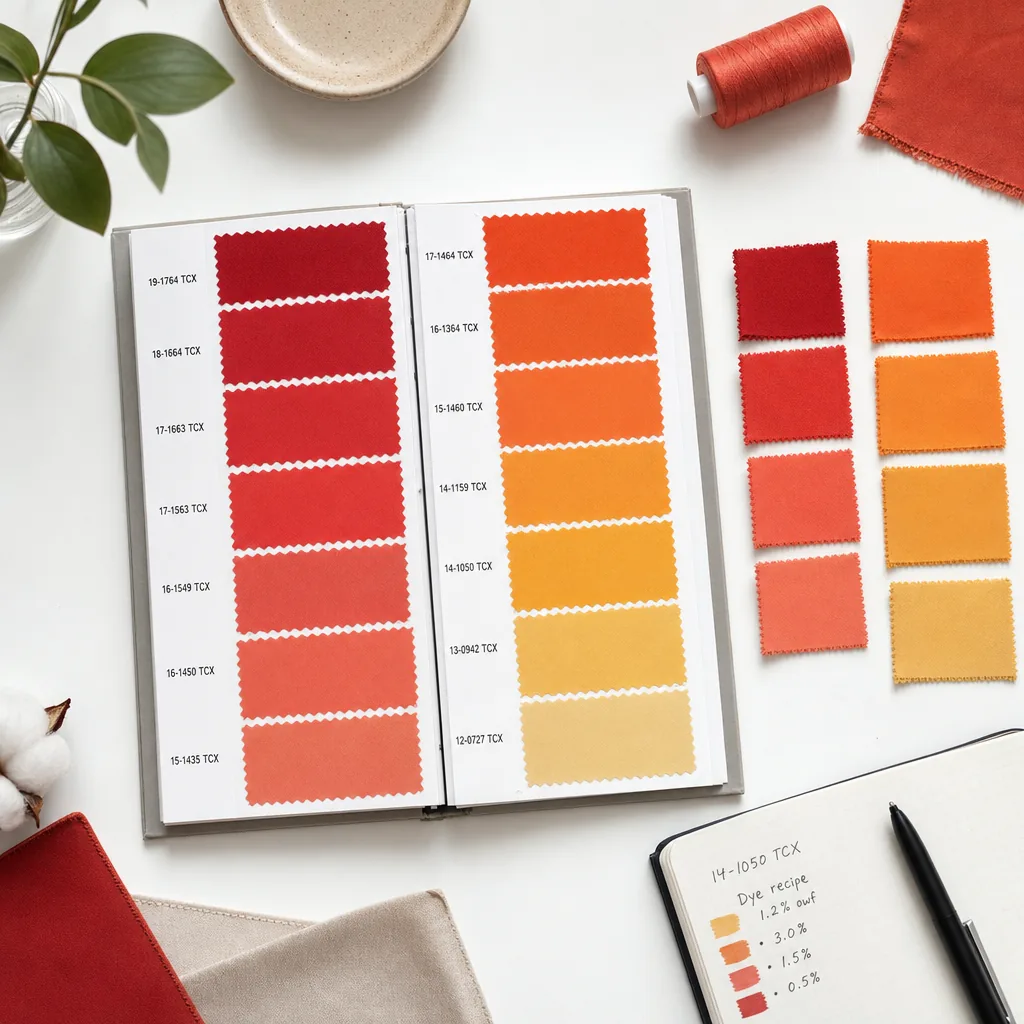
Functional checks expose weak factories faster than any BSCI 2.0 or Sedex SMETA 4-Pillar report. Stress the sweatband seam by hand and run a damp-rub test on the inside band; if the tape creeps, twists, or opens at the back join, you are usually looking at cheap tape stock, poor fold control, or inconsistent needle penetration. Flex the visor 20-30 times and watch for PE board cracking, top-fabric tunneling, buckram separation, or delamination between shell and under-visor. On plastic snapbacks, run 50 open-close cycles and check whether the pegs whiten, crack, or lose bite; on metal buckle straps, apply a 3-5 kg pull to see whether the webbing slips or the plating scuffs through. Lock color at sample stage, not after deposit: compare shell, visor, embroidery thread, closure strap, and sweatband against the approved Pantone TCX standard under D65 light, with visible components held to Delta-E below 3.0. Ask the factory to show the sample QC sheet, needle size, thread ticket size, brim insert spec, embroidery machine type such as Tajima or Barudan, and whether bulk inspection is actually run to AQL 2.5 instead of a casual end-line glance.
Payment terms: 30% deposit / 70% balance is standard. Be wary of any variation
The cleanest benchmark in custom headwear is still 30% deposit with 70% balance against pre-shipment inspection, copy B/L, or completed goods photos, depending on whether the order moves FOB Ningbo, EXW Yiwu, or DDP air. When a factory asks for 50% to 100% upfront on a standard cap order, I treat that as a credit-risk problem first, not a production problem. For a 2,000-piece run of cotton twill 6-panels at roughly $3.20 to $4.80 each, a 30% deposit already covers fabric booking, embroidery tape setup, labels, and initial cutting. They should not need full cash before sample approval unless they are undercapitalized, trading the order through multiple middlemen, or buying unusually expensive materials like imported wool blends or specialty performance fabrics above 220 gsm. If you are trying to vet hat manufacturer china options properly, payment terms tell you very quickly whether you are dealing with an actual factory or a fragile trading outfit.
The biggest red flag is payment routing that does not match the company you are contracting with. Your proforma invoice, business license, and beneficiary bank account should align on the same legal entity, ideally a mainland China corporate account, not a personal account in Fujian, a Hong Kong shell with a different company name, or a random USD collection account in another country. That mismatch kills traceability if there is a dispute and makes supplier verification headwear far harder than it needs to be. Real factories that pass BSCI 2.0 or Sedex SMETA 4-Pillar audits generally have disciplined finance paperwork because audited payroll, tax, and banking controls tend to move together. At CrownsForge, our standard practice is bank-to-bank T/T with stamped PI details matching the licensed entity, because that is what serious B2B buyers, credit insurers, and freight forwarders expect when they verify hat supplier china candidates.
PayPal-only is another signal that the supplier is either too small for normal B2B controls or avoiding the documentation trail that comes with commercial banking. PayPal can make sense for a $80 digitizing fee or a single sample parcel, but not as the sole channel for a $6,000 to $25,000 bulk cap order. If the supplier also wants the balance paid before you approve the pre-production sample, before embroidery strike-off confirmation, or before an AQL 2.5 final inspection, slow the process down and start due diligence cap factory checks immediately. Ask for the bank account certificate, latest export declaration copy, and a recent factory audit report; if they hesitate, you likely need to audit hat supplier credentials harder or walk away. Buyers using Alibaba should also treat trade assurance hat manufacturer coverage as a backup layer, not a substitute for proper commercial controls, because platform protection does not fix a bad payment structure.
Third-party inspection: when worth the $300
Once the PO value passes about $10,000, a $300 final random inspection is usually the highest-ROI control in the whole order. I have seen buyers spend a week arguing over Pantone TCX callouts, crown height by 3 mm, or whether the 3D puff underlay should be 2.0 or 2.5 mm, then wire the balance without a shipment gate. That is how you end up with 2,400 caps where visor curvature drifts from the sealed sample, top buttons miss the body fabric by a Delta-E that is visible in daylight, or front panels ripple because the digitizer pushed too much stitch density into 10 oz cotton twill. If you want to vet hat manufacturer china properly, schedule the inspection only when 100% of units are finished and at least 80% are export-packed; earlier than that, the factory can cherry-pick clean pieces. Use ANSI/ASQ Z1.4, General Inspection Level II as the default, with AQL 2.5 for major defects and 4.0 for minor unless your spec sheet sets tighter limits for licensed or retail programs.
Use SGS, Intertek, Bureau Veritas, or QIMA, but give them a headwear-specific checklist, not a generic softlines template. Caps fail in places apparel inspectors often underweight: crown symmetry, panel alignment, seam tape trimming, sweatband join strength, visor shape consistency, eyelet spacing, snapback engagement, buckle plating, needle damage, odor, mixed carton assortments, and barcode accuracy. For fitted or performance styles, add head circumference tolerance, fabric weight verification in gsm, sweatband material confirmation, and wash-care label placement. For embroidery, require a side-by-side check against the approved sample for logo position, stitch coverage, thread trims, text legibility, and backing cleanliness; if copy is under 4 mm high, ask for close-up photos from actual Tajima, Barudan, or ZSK production. The point is leverage. A final inspection report lets you stop loading, demand rework, or negotiate a debit note before release of the balance, whether the term is FOB Ningbo or DDP. BSCI 2.0 and Sedex SMETA 4-Pillar audits matter, but they do not tell you if 12% of the lot has broken snaps, off-center patches, or loose overlock at the sweatband join.
Frequently Asked Questions
Can I order a sample before bulk production?
Yes. We strongly recommend approving a pre-production sample before mass production. Samples are charged at 35 to 60 USD each plus express shipping, fully refundable against confirmed bulk orders over 500 pieces.
Do you support sustainability certifications?
Yes. We work with GOTS organic cotton, GRS-certified recycled polyester, OEKO-TEX Standard 100 fabrics, and are BSCI and Sedex audited. Certification documentation can be provided per order.
What logo decoration techniques do you offer?
3D puff embroidery, flat embroidery, woven patch, leather patch, PVC patch, screen printing, sublimation, applique and laser etching, all in-house with no subcontracting.
What file format should I send for my logo?
Vector files (AI, EPS, PDF) are ideal. High-resolution PNG or JPG at 300 dpi on transparent background works as a fallback. Provide Pantone color references for accurate reproduction.
What is the minimum order quantity (MOQ) for custom hats?
Our standard MOQ is 100 pieces per design and color, with sampling available from 1 piece. For complex multi-color logos or premium fabric upgrades, the MOQ can be lowered with a small per-piece surcharge.
How does ordering custom trucker hat bar work?
When evaluating custom trucker hat bar, the key considerations are construction quality, decoration capability, MOQ flexibility and lead time. Look up the supplier on the Chinese government's business registration site (国家企业信用信息公示系统). Confirm legal name, registered capital, year founded, scope of business includes textile/garment manufacturing. A real manufacturer has at least a current BSCI or Sedex SMETA report. Ask for the report ID and verify via the certifying body. 'Coming next month' is a soft-fail.
What should I know about wholesale custom baseball cap?
When evaluating wholesale custom baseball cap, the key considerations are construction quality, decoration capability, MOQ flexibility and lead time. Look up the supplier on the Chinese government's business registration site (国家企业信用信息公示系统). Confirm legal name, registered capital, year founded, scope of business includes textile/garment manufacturing. A real manufacturer has at least a current BSCI or Sedex SMETA report. Ask for the report ID and verify via the certifying body. 'Coming next month' is a soft-fail.
How does ordering custom dad hat embroidery work?
When evaluating custom dad hat embroidery, the key considerations are construction quality, decoration capability, MOQ flexibility and lead time. Live tour (not pre-recorded), walk through cutting / sewing / embroidery / QC / packing. Look for actual workers at workstations, organized fabric inventory, posted safety signage. Look up the supplier on the Chinese government's business registration site (国家企业信用信息公示系统). Confirm legal name, registered capital, year founded, scope of business includes textile/garment…
How does ordering custom baseball cap motorcycle helmet work?
When evaluating custom baseball cap motorcycle helmet, the key considerations are construction quality, decoration capability, MOQ flexibility and lead time. Look up the supplier on the Chinese government's business registration site (国家企业信用信息公示系统). Confirm legal name, registered capital, year founded, scope of business includes textile/garment manufacturing. A real manufacturer has at least a current BSCI or Sedex SMETA report. Ask for the report ID and verify via the certifying body. 'Coming next month' is a soft-fail.
Which country makes the best hats?
The combination of centuries-old craftsmanship and modern-day fashion has made Italy one of the best countries for hats. From classic fedoras to straw panamas, Italian milliners produce some of the world's finest headwear.
Are 47 brand hats made in China?
47 Brand caps are manufactured and imported mostly from countries such as Vietnam, China, Bangladesh due to cheaper labor costs and material costs. The 47 Brand company contracts with factories overseas to produce the hats, which are then shipped to distribution locations and warehouses in the United States.
Ready to start your custom hat project?
Send us your tech-pack, sketch or even just an inspiration photo. We will respond with a detailed quotation and digital mock-up within 24 hours.
Request a free quoteRelated guides
First Custom Hat Order: 10 Mistakes That Cost First-Time Buyers Money
Read article →
Buckram vs Foam vs Unstructured: Cap Crown Construction Compared
Read article →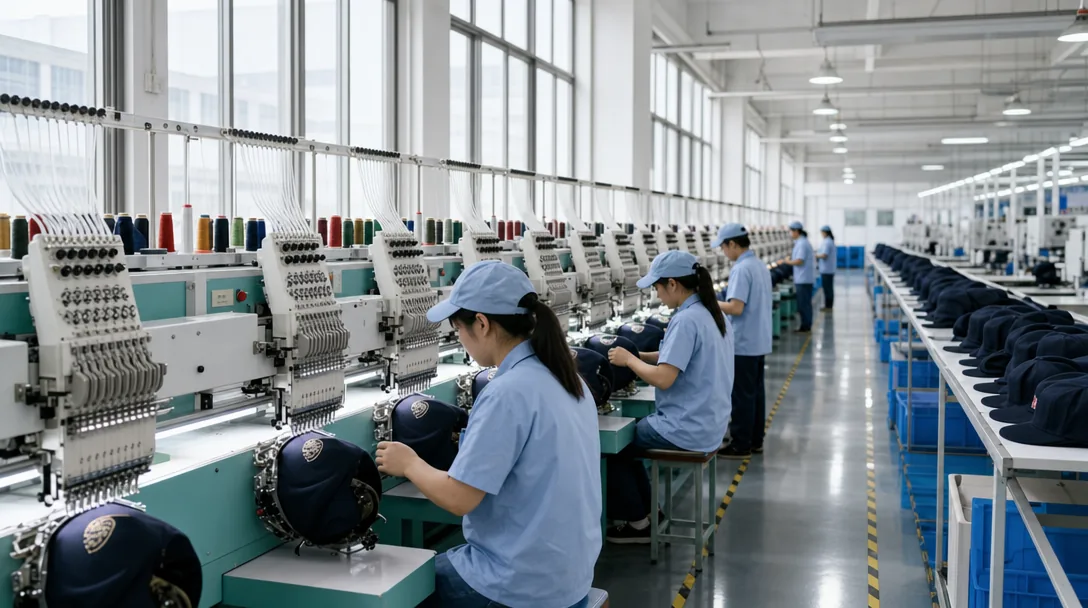
Country Hats For Men Export Shipping Checklist for Custom Hat Buyers
Read article →We hope this guide demystifies how to vet a china hat manufacturer before you wire the deposit - supplier checklist and helps you move forward with confidence. If you have questions specific to your project, our English-speaking sales engineers are one message away.