
Sustainable Custom Hats: Eco-Friendly Materials, Recycled Fabrics & Certifications (2026 Update)
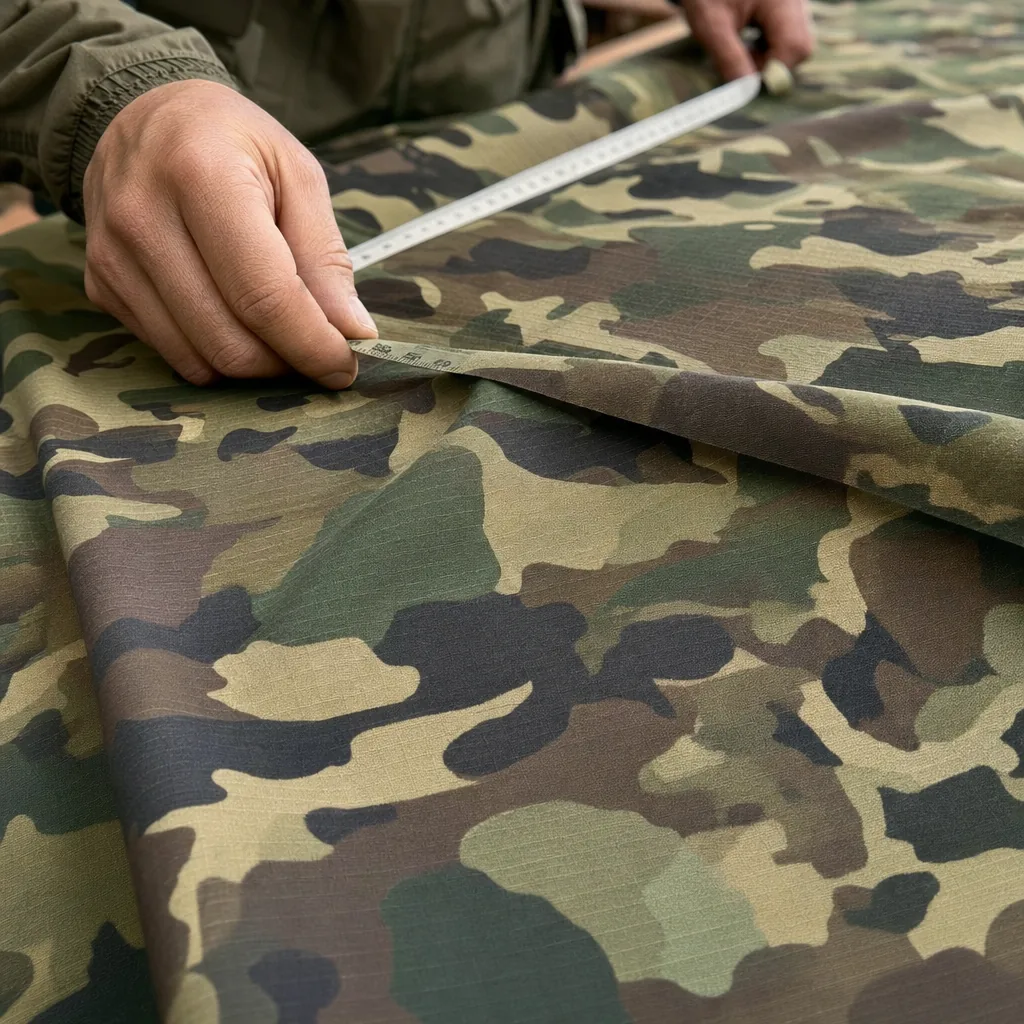
For brand owners, wholesalers and procurement teams entering the custom headwear category, sustainable custom hats: eco-friendly materials, recycled fabrics & certifications (2026 update) is one of the highest-leverage decisions you will make. Get it right and your unit economics, retail story and reorder cycle all improve. Get it wrong and you carry the cost for years.
Why sustainability matters in headwear
Sustainability in headwear is no longer a branding line item; it is a procurement filter that can block a PO before price discussion even starts. Buyers who source sustainable custom hats now ask for fiber percentages, country of origin by material, and chain-of-custody documents that actually reconcile to the PO: GRS transaction certificates for recycled inputs, OCS or organic cotton declarations, and mill test reports for weight, colorfastness, and formaldehyde limits. The raw material premium is usually tolerable. A 260 gsm organic cotton twill commonly runs about $0.18 to $0.35 more per cap than conventional cotton, and a 300D recycled PET shell often adds $0.12 to $0.28 depending on MOQ, dye-lot consistency, and whether the mill can maintain shade within the approved tolerance. The expensive failure is not the fabric upcharge; it is a compliance rejection after production because a sweatband claims “recycled” while the paperwork stops at the converter, or because carton marks, care labels, and certified quantities do not match.
The real standard in 2026 is traceability plus process control. Better retail programs, licensed sports accounts, and corporate buyers increasingly require sedex-audit-cap-supplier-guide.html">BSCI 2.0 or Sedex SMETA 4-Pillar audit reports alongside REACH declarations, azo-free dye statements, and color approval tied to Pantone TCX, with Delta-E often held below 1.5 for branded shades. If a cap uses recycled polyester mesh, sublimated side panels, silicone heat transfers, or laminated seam tape, the restricted-substance review extends past the shell fabric into inks, films, adhesives, and backing materials. That is why sustainability has to be managed across the full BOM, not treated as a hangtag added at packing. On a production floor, that means verifying certified fabric rolls before spreading, keeping recycled PE visor board segregated, matching FSC paper tags to the approved claim, and closing the order with labeling checks and final inspection at AQL 2.5. The brands that protect margin are the ones treating sustainable custom hats as a measurable specification, not a marketing adjective.
Organic cotton options
A GOTS logo on the fabric roll means very little if the rest of the cap is outside scope. For sustainable custom hats, the claim is only audit-safe when the gin, spinner, fabric mill, dye house, printer or embroiderer, trim suppliers, and cut-and-sew factory all hold current GOTS scope certificates, and the shipment is backed by a transaction certificate tied to the PO, style number, color, and shipped weight. The mistake buyers make is assuming certified shell fabric is enough. It is not. A 260 gsm organic brushed twill can enter the line as certified, then lose claim status the moment it is paired with non-approved sewing thread, a conventional polyester sweatband, PVC label backing, or standard visor adhesive. On actual production orders, trims fail faster than panels. Sweatbands, seam tape, woven labels, hook-and-loop, visor inserts, and even embroidery backing need to match the approved input list and declared fiber content. In practice, document control causes more GOTS failures than sewing quality: certificate numbers, lot codes, trim declarations, and material balance records need to be checked before bulk cutting, because fixing paperwork after final inspection usually means downgrading the entire order to non-certified.
Color control and costing are less forgiving with organic programs than with standard cotton. GOTS chemical restrictions limit formaldehyde, APEOs, GM inputs, certain heavy metals, and auxiliaries used in dyeing and finishing, so Pantone matching is achievable but narrower, especially on fluorescent orange, acid brights, and very deep optic blacks. If a buyer wants Pantone TCX matching with Delta-E below 1.0 on dark navy or black, expect extra lab dips, wash tests, dry and wet crocking checks, and a higher chance of shade rejection. Organic yarn also shows more lot-to-lot variation, particularly on washed finishes such as enzyme wash, pigment wash, garment wash, or vintage fade, so panel shading tolerance should be written into the approved standard before production starts, not argued over at packing.
The premium is measurable, not hypothetical. At 1,000 pieces, a basic 6-panel cap in conventional cotton twill may land around $2.20-$3.10 FOB China, while a comparable GOTS organic version usually adds $0.45-$1.20 per cap depending on fabric weight, trim substitutions, and certification handling. Structured crowns climb faster because standard PET buckram, cheap polyester sweatbands, and generic inner tape often need certified replacements with longer lead times. Our standard practice is to quote the trim matrix line by line, because that is where the hidden cost sits. When comparing vendors, ask for three things: scope certificates for every relevant supplier, the transaction-certificate workflow, and a full bill of materials showing which components remain certified after sewing. If a factory cannot answer those points clearly, the “organic” claim is probably only at fabric level, not at finished-hat level.
Recycled polyester (rPET, REPREVE®)
rPET is no longer a compromise fabric for sustainable custom hats if the spec is written correctly. In caps, a 75D x 150D recycled polyester twill at 210-230 gsm or a brushed rPET canvas at 280-320 gsm will sew and embroider very close to virgin polyester, provided the yarn uniformity, resin finish, and backing are stable. Most failures I see are finishing problems, not recycled-content problems: over-softened fabric that creeps during cutting, inconsistent PU coating that shifts needle penetration, or unstable fusible backing that distorts front panels under a 6-head Tajima, Barudan, or ZSK run. For structured caps, the weak points show up fast—crown recovery after carton compression, eyelet stitch density, seam grin at the side panels, and brim warp after heat exposure above roughly 60°C in container transit. Performance-wise, rPET still gives buyers what matters in teamwear, golf, promo, and outdoor programs: moisture regain below 1%, quick dry time, solid abrasion resistance, and better dimensional stability than cotton in hot and humid markets.
The bigger risk is paperwork and component traceability, not wear performance. A mill quoting “GRS polyester” means nothing unless it can produce a current GRS scope certificate, a transaction certificate covering the exact shipment, and a recycled-content breakdown by component. A cap shell may be 100% rPET while the sweatband, seam tape, buckram, undervisor, closure strap, or hook-and-loop remains virgin polyester or nylon, which becomes a problem if the retailer requires claim-level traceability or audits against BSCI 2.0 or Sedex SMETA 4-Pillar. REPREVE® only adds real value when the factory can tie finished caps back to specific rolls, dye lots, and cutting records, then confirm shade control within an agreed Delta-E tolerance—typically 1.0 to 1.5 against the approved lab dip for solids. On mixed-material styles, especially lightweight shells under 180 gsm, I would also check crocking, perspiration fastness, seam slippage, puckering after topstitching, and post-wash torque before bulk. That is how sustainable custom hats stay credible: verify denier, gsm, finish, certification chain, and lot control before production starts.
Hemp and natural fiber blends
Hemp works in caps only when the blend and finish are chosen for production, not for a cleaner hangtag story. The reliable constructions for headwear are usually hemp/cotton canvas or hemp/rPET twill in the 270-400 gsm range; below that, crown panels lose shape, and above roughly 12 oz after finishing, sewing efficiency drops fast on standard 6-panel builds. Pure hemp sounds strong on paper, but on the floor it is too stiff for many structured crowns, tends to show needle cutting at eyelets and seam intersections, and makes brim binding and panel turning noticeably dirtier. In bulk, a 55/45 hemp-organic cotton canvas or a 30/70 hemp-recycled polyester twill gives a better balance of drape, seam strength, and recovery, especially on sustainable custom hats with curved visors, front fusing, and taped internal seams. That lower hemp percentage is not compromise for its own sake; it reduces panel cracking, seam grin, and sewing rejects, which matters far more than claiming the highest possible natural-fiber content once you are producing 1,000 to 5,000 units.
Decoration and color approval need stricter controls than standard cotton chino. Hemp has a drier hand and a less even surface, so on Tajima or Barudan embroidery heads it is normal to reduce fill density by 10%-15%, open the underlay, and test pull compensation before approving any dense crest or script logo; otherwise puckering and ground show-through appear quickly on front panels. Color is another place where buyers should write realistic specs. Hemp blends can hit Pantone TCX references, but expecting polyester-level repeatability is usually a mistake; for natural-fiber lots, a bulk tolerance of Delta-E 1.5-2.0 is credible, while sub-1.0 is often fantasy unless the mill is over-engineering tiny runs. Certifications also need to match the actual bill of materials: GOTS for organic cotton components, GRS or RCS for recycled polyester content, and separate chemical verification such as OEKO-TEX Standard 100 or ZDHC-aligned input chemistry. Add 10-18 days to development for lab dips, crocking, shrinkage after fusing and stitching, and embroidery trials, because hemp programs fail in sampling long before they fail in the carton.
Trims and packaging
Trims are where sustainable custom hats usually fail an audit, because the shell fabric gets all the attention and the small parts stay conventional. I’ve seen buyers approve GRS-certified recycled twill, then leave virgin PE snapbacks, standard nylon webbing, PVC labels, and OPP bags untouched. That weakens both the environmental claim and the paperwork trail. The practical fix is to write trims into the BOM with the same discipline as fabric: post-consumer recycled POM snap closures, recycled nylon or rPET webbing, recycled-content sweatband tape, and metal adjusters from suppliers that can show a valid GRS scope certificate or equivalent chain-of-custody records. On a basic 6-panel cap at 3,000 pieces, recycled trims usually add only $0.06 to $0.18 per hat; the premium is mostly driven by MOQ on custom-dyed resin and limited tooling, not raw material cost. Color control also matters more than buyers expect. Recycled resin shifts lot to lot, especially on stone, ecru, olive, and other muted shades, so trim approvals should be locked to Pantone Coated or Pantone TCX references with a Delta-E tolerance around 1.5 to 2.0, not judged casually by warehouse lighting.
Labels, tickets, and bags are the easiest place to make sustainability visible, but they also get challenged first by retailers and licensors. FSC-certified hangtags on 300 to 350 gsm uncoated board, recycled paper swing tickets, and soy- or water-based inks are standard if the printer can provide real chain-of-custody documentation instead of just adding an FSC logo. For woven branding, recycled damask labels or organic cotton herringbone labels typically add $0.03 to $0.09 per piece, depending on pick density, fold construction, and whether the cut is heat or ultrasonic. Packaging needs even more realism. Compostable PLA/PBAT bags are not automatically better for export: in hot containers they can soften, in humid warehouses they can block, and long packing windows can reduce seal reliability. For most overseas programs, recycled LDPE individual bags with clear recycling marks are the lower-risk choice, and for bulk wholesale orders the best option is often no single bag at all if the channel allows it. Master cartons should then be specified like a real transport component—recycled corrugate, 125# to 200# burst or suitable ECT based on stacking method, right-sized dimensions to reduce airfreight DIM weight, and packing records that hold up under BSCI 2.0 or Sedex SMETA 4-Pillar review.
Certifications and audits
If a supplier cannot show a current scope certificate plus shipment-specific transaction records, the sustainability claim is mostly theater. For sustainable custom hats, the useful certifications split into two buckets: chain-of-custody standards for the material itself and audit frameworks for how the factory actually operates. GOTS is still the strongest benchmark when the program is built around organic cotton twill, canvas, or brushed jersey because it covers certified fiber content, approved dyestuffs and auxiliaries, wastewater controls, and traceability back through the spinner or mill listed on the certificate. GRS is the workhorse standard for recycled polyester caps, recycled nylon bucket hats, and RPET mesh because it verifies recycled input, segregation, and document control; in practice, buyers should ask for the transaction certificate tied to the exact PO, color, and shipped quantity, not just a PDF of a factory’s annual certificate. OEKO-TEX Standard 100 does a different job: it does not prove organic or recycled content, but it does screen components such as shell fabric, sweatband, sewing thread, woven labels, PU patches, and print inputs against restricted-substance limits, which matters for kids’ programs, EU retail, and brands managing chemical-risk exposure.
Social-compliance audits are where weak “green” programs usually fall apart. BSCI 2.0, Sedex SMETA 4-Pillar, and WRAP are not sustainability certifications in the fiber-content sense, but they tell you whether the factory has basic control over working hours, payroll records, PPE issuance, fire exits, machine guarding, grievance channels, dormitories, and subcontractor disclosure. On a real cap program, the biggest gap is usually outside processing: if the sewing line is audited but the embroidery subcontractor running 12-head Tajima or Barudan machines, the washing plant, or the heat-transfer shop sits outside scope, the paper trail is incomplete. Certified orders also change the commercial math. Segregated storage, color-coded lot labeling, cleaner inbound and outbound logs, and tighter trim reconciliation typically add 3 to 7 days to lead time and around $0.18 to $0.60 per piece on a basic 6-panel style, with more impact on low-MOQ runs. Before releasing any PO, verify the certificate number, expiry date, issuing body, legal entity, and product scope; that two-minute check eliminates a surprising amount of recycled-content fiction.
Telling the sustainability story to retail buyers
Retail buyers do not approve sustainability on brand language; they approve documentation that survives a compliance review and still supports a sellable SKU. For sustainable custom hats headed into chain retail, the file needs to tie every material claim to the exact style number, PO, and production window: fiber content, country of origin, mill information, and chain-of-custody records for crown fabric, sweatband, visor board, closure, labels, and hangtags. If the body fabric is recycled polyester, a GRS scope certificate alone will not satisfy most buyers in 2026; they increasingly want a transaction certificate linked to the yarn lot or fabric batch used on that order. For organic cotton, GOTS or OCS paperwork usually has to trace from spinning or knitting forward, backed by azo-free declarations, REACH Annex XVII screening, and, for U.S. programs, CPSIA lead and phthalate compliance where applicable. On the factory side, labor and environmental credibility get reviewed together, so BSCI 2.0 or Sedex SMETA 4-Pillar reports often sit in the same approval packet as material certificates, test reports, and labeling files. Traceability only works when a buyer can map a claim to the hat in front of them without chasing five upstream vendors. The cleanest systems link each production lot to approved Pantone TCX references, dye-lot numbers, BOM material codes, embroidery backing specs, carton marks, carton ranges, shipment dates, and AQL 2.5 final inspection records. If a cap uses 210 gsm organic cotton twill for the crown and 150D recycled polyester mesh on the side panels, that specification belongs on the tech pack, bulk approval sheet, and carton paperwork—not buried in a sustainability deck. The weak link is usually trim. A virgin PP snap, conventional woven label, solvent-heavy heat-transfer emblem, or PE polybag with 0 percent recycled content can undercut the claim fast. Color control matters too. If you are matching one branded green across cotton twill and recycled poly mesh, a lab dip target of Delta-E under 1.5 is defensible; “commercially acceptable” is not a standard any serious retail compliance team wants to sign off on.
The strongest sustainability story is product-specific: one hat, one supply chain, one proof set. Instead of broad factory claims, show the buyer the exact journey for the style under review: recycled yarn source, fabric mill, cut-and-sew factory, decoration method, packaging spec, and final inspection outcome. Our standard practice is to condense that into a buyer-ready one-pager with the style photo, material breakdown, certification references, carton ratio, and key test data so the retail team can clear both merchandising and compliance faster. If the style is a jacquard bucket hat in a 60/40 organic cotton/recycled polyester blend, say why the blend exists. Organic cotton improves handfeel and moisture comfort; recycled polyester helps shape retention, abrasion resistance, and lower distortion after washing. Then back the claim with numbers: 240-260 gsm finished weight, wash shrinkage under 3 percent, dry crocking 4 grade minimum, and colorfastness that meets the buyer's matrix. That level of specificity sells better than generic “eco-conscious quality” copy because it reduces buyer risk. Retail teams can work with a documented tradeoff, a verified test result, and a legally safe online claim. They cannot work with vague sustainability language once legal, sourcing, and QA start asking questions. In real FOB terms, a supplier that can convert production records into traceable claim language usually beats a competitor that is $0.20-$0.35 cheaper per hat but cannot substantiate recycled content, trim composition, or packaging reduction. The commercial reality is simple: sustainable custom hats win at retail when the environmental claim is narrow, provable, and tied to the exact SKU the buyer plans to put on shelf.
Frequently Asked Questions
Can I order a sample before bulk production?
Yes. We strongly recommend approving a pre-production sample before mass production. Samples are charged at 35 to 60 USD each plus express shipping, fully refundable against confirmed bulk orders over 500 pieces.
What file format should I send for my logo?
Vector files (AI, EPS, PDF) are ideal. High-resolution PNG or JPG at 300 dpi on transparent background works as a fallback. Provide Pantone color references for accurate reproduction.
What logo decoration techniques do you offer?
3D puff embroidery, flat embroidery, woven patch, leather patch, PVC patch, screen printing, sublimation, applique and laser etching, all in-house with no subcontracting.
How long does production take?
Sampling takes 7 to 12 days. Bulk production runs 20 to 30 days depending on quantity, fabric availability and decoration complexity. Inspection and packing adds another 3 to 5 days before shipment.
Do you support sustainability certifications?
Yes. We work with GOTS organic cotton, GRS-certified recycled polyester, OEKO-TEX Standard 100 fabrics, and are BSCI and Sedex audited. Certification documentation can be provided per order.
How does ordering custom hat trucker work?
When evaluating custom hat trucker, the key considerations are construction quality, decoration capability, MOQ flexibility and lead time. Consumer demand, retailer requirements, brand storytelling, regulatory direction. GOTS-certified cotton supply chain, color limitations, premium pricing.
How does ordering baseball cap custom work?
When evaluating baseball cap custom, the key considerations are construction quality, decoration capability, MOQ flexibility and lead time. Consumer demand, retailer requirements, brand storytelling, regulatory direction. GOTS-certified cotton supply chain, color limitations, premium pricing.
How does ordering beanie hats custom work?
When evaluating beanie hats custom, the key considerations are construction quality, decoration capability, MOQ flexibility and lead time. Consumer demand, retailer requirements, brand storytelling, regulatory direction. GOTS-certified cotton supply chain, color limitations, premium pricing.
How does ordering custom embroidered baseball caps work?
When evaluating custom embroidered baseball caps, the key considerations are construction quality, decoration capability, MOQ flexibility and lead time. Consumer demand, retailer requirements, brand storytelling, regulatory direction. GOTS-certified cotton supply chain, color limitations, premium pricing.
Looking for a reliable hat manufacturer in China?
CrownsForge has produced custom hats for 800+ brands across 40 countries. From 100-piece launches to 100,000-piece retail programs, we deliver on time and on spec.
Get in touchRelated guides
Fedora Hats For Men Export Shipping Checklist for Custom Hat Buyers
Read article →
Hat With Patch Retail Packaging Guide for Custom Hat Buyers
Read article →
Baseball Hats Men's: A Vertical-Specific Sourcing Guide - Cost & MOQ Breakdown
Read article →Sourcing custom hats does not have to be complicated. With the right manufacturing partner, clear specifications and a small upfront investment in sampling, you can launch a retail-quality product in 30 to 45 days.