
Sustainable Cap Packaging: Options, Costs and Retail-Buyer Demands - Supplier Checklist
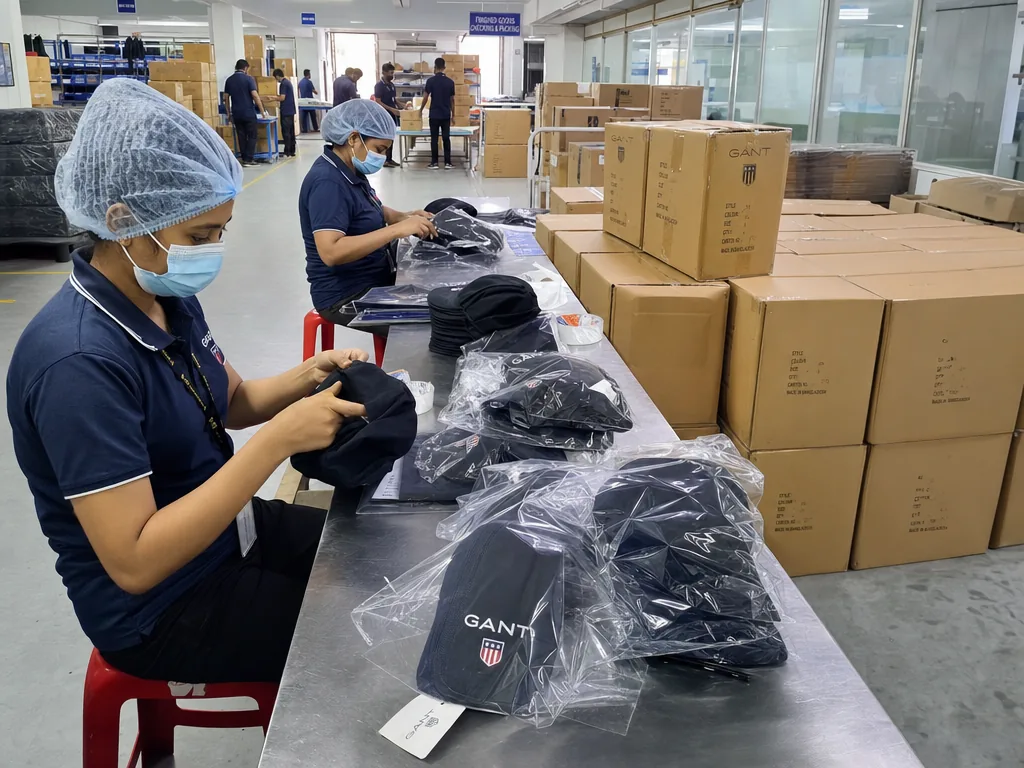
Sustainable Cap Packaging: Options, Costs and Retail-Buyer Demands - Supplier Checklist is one of the most-asked questions we receive from international buyers, and for good reason. With dozens of factories competing for your order and an alphabet soup of technical terms in every supplier quote, even experienced importers can feel lost. This guide consolidates what we have learned producing custom hats for clients in 40+ countries.
Why your retail buyer cares about packaging carbon now
Packaging carbon is no longer a soft CSR topic; for many retail accounts it is a vendor-approval checkpoint that can block a PO even after the cap itself has passed fit, Pantone TPX shade tolerance, needle control, metal detection, and AQL 2.5 final inspection. The usual problem is basic, not technical: a virgin LDPE bag with no resin identification code, no micron spec, no post-consumer recycled declaration, and no traceable statement from the film mill. Retail compliance teams want documents they can clear in one pass: material composition, thickness in microns or mil, printing coverage, country of origin, and a signed PCR claim such as 30%, 50%, or 100% recycled content. If paper hangtags, belly bands, or inserts are involved, they often also ask for FSC Mix or FSC Recycled claim language and mill backing. The commercial impact is bigger than the bag cost itself. A standard virgin polybag for one cap might cost only $0.015 to $0.030, while a 50% PCR version may land at $0.022 to $0.040 depending on gauge, print, and MOQ. But when the sustainable cap packaging file is incomplete, the buyer’s packaging review can loop for 2 to 4 weeks, which is enough to miss a vessel cutoff or force air shipment on a launch style. On the factory side, that delay also disrupts carton booking, carton-drop tests, and ex-factory scheduling, so packaging carbon now affects onboarding speed, not just material spend.
European buyers tend to press harder because packaging waste fees and reporting sit directly on their P&L. Under EPR schemes, retailer scorecards, and internal Scope 3 programs, “recyclable” is not accepted as a vague claim; it has to fit the destination market’s collection and sorting stream. In practice, mono-material PE or PP packaging with a clear resin mark usually clears faster than mixed constructions using paper windows, foil stamping, lamination, or metallic inks, because those combinations create sorting problems and weaken real-world recyclability. That is why sustainable cap packaging often favors simple structures over premium-looking ones, especially for large-chain retail where packaging data has to be uploaded into PLM or compliance portals before the style can move. Compostable film is the most misunderstood option. Buyers may ask for EN 13432 or ASTM D6400 certification, but certification alone does not solve disposal if the market lacks industrial composting access; many programs still classify it as contamination in regular recycling. On real production runs, 50% PCR LDPE usually wins more approvals because the claim is easier to document and the cost adder is predictable, typically $0.003 to $0.010 per bag at common 40 to 60 micron gauges. For premium presentation, the tradeoff gets sharper: an FSC-certified rigid box can add roughly $0.45 to $1.20 per cap and reduce master-carton density enough to push freight cost up 8% to 15%. Buyers notice that immediately, so the right solution has to satisfy compliance, cube efficiency, and damage control at the same time.
FSC-certified hat boxes vs unbranded white boxes
The cost delta is real, but it should be decided by sell-through channel, not by vague sustainability language. In South China export pricing, an FSC-certified cap box in E-flute or light B-flute corrugated typically adds $0.18 to $0.40 per unit over a plain unbranded white folding box at the same footprint; once you add custom tooling, heavier board, and tighter print control, the gap can push to $0.45. The low end is usually a stock die line in 1.5-2.0 mm white-faced or kraft-faced board, 250-300 gsm liner, one Pantone exterior print, no lamination, and MOQ around 3,000-5,000 pcs. The higher end is a custom cavity sized to crown height and brim curve, 32 ECT board, inside print or inserts, and color tolerance held to Delta-E below 2.0 against the approved Pantone reference. For sustainable cap packaging going into boutiques, team stores, museum retail, or licensed programs, that premium is usually justified because buyers ask for FSC claim language, barcode-ready carton markings, and a presentation standard that matches a $28-$45 retail cap. For promo runs, charity races, or large bank giveaways, it is usually wasted cost.
FSC affects control points, not just material selection. If the box carries an FSC Mix or FSC Recycled claim, the mill, board laminator, printer, and packing site all need valid chain-of-custody handling, and the certified stock must stay segregated from non-FSC inventory through printing, die-cutting, gluing, and final pack-out. That means separate job tracking, approved logo use, and paperwork that can survive a buyer audit; misuse of an FSC logo is a bigger commercial risk than most importers realize. On the production floor, the common failure points are not theoretical: board caliper drifting below spec, poor rub resistance on dark solids without adequate varnish, and corner crush after 30-40 days of ocean transit under stacked master cartons. Unbranded white boxes are simpler to manage because MOQs are lower, replenishment is faster, and artwork approval is lighter. Buyers serious about sustainable cap packaging usually judge the full pack-out, so the box choice should be aligned with water-based inks, right-sized export cartons, and reducing virgin PE or PP polybags where the program can tolerate it.
Compostable polybag options
If a buyer asks for a compostable polybag, the first thing I check is the certificate number, not the sales claim. For cap packing, the workable spec is usually a PLA/PBAT blend film tested to ASTM D6400 or EN 13432, because pure PLA tears too easily at the fold and does not handle warehouse abuse the way buyers expect. On a baseball cap, the common bag size is around 28 x 30 cm or 30 x 32 cm with a 35 to 50 micron film, depending on whether the cap has a high crown, rope detail, or a bulky snapback closure. Compared with a standard 25 to 30 micron LDPE bag that might cost about $0.012 to $0.018 per piece in volume, a certified compostable option is typically $0.055 to $0.095, so the 4 to 6 times premium is real. That cost jump is why sustainable cap packaging decisions need to be locked before sampling, not after PO approval.
The catch is that a compostable polybag cap program only works if the retailer’s disposal stream can actually process it. Many EU customers now request industrially compostable film as part of broader eco friendly cap packaging policies, especially in Germany, the Netherlands, and the Nordics, but they will usually also ask for declaration documents, printing ink compliance, and language on the suffocation warning. If you print a logo or recycling guidance, use low-migration inks and keep coverage light, because heavy solid prints can affect both appearance and certification paperwork. Our standard practice is to match the film lot to the packing PO and keep the supplier’s D6400 or EN 13432 test file with shipment records, since compliance questions often come up months later during retailer QA review.
Buyers should also be honest about what problem they are solving, because compostable film is not the same thing as plastic free hat packaging. PLA/PBAT is still a polymer-based bag, and some retailers that reject conventional plastic will still accept it only as a transition option, while others now prefer recyclable hat packaging made from FSC paper sleeves or a fsc certified hat box for e-commerce presentation. On the factory floor, compostable bags also require tighter storage control than LDPE: keep cartons sealed, avoid high humidity, and rotate stock fast, because aged film gets brittle and starts splitting at the side seal. If you need shelf life beyond 9 to 12 months, or the goods will sit in a non-climate-controlled warehouse, I usually tell buyers to test both compostable and recyclable formats before finalizing their sustainable cap packaging spec.
Paper-based hangtag and string ties
Recycled-paper hangtags with cotton string are the premium-retail baseline because they combine branding, barcode space, and fiber claims in one trim item. For sustainable cap packaging, the most workable build is 350-400 gsm FSC-certified recycled white card or grayback board, die-cut with a 2-3 mm corner radius so the edges do not fuzz or crack after cartoning. I would not oversell soy ink; most buyers care far more about an unlaminated surface, water-based or low-VOC offset inks, and a traceable recycled-content declaration from the paper mill. In production, a 1.5-2.0 mm braided cotton cord paired with an 8-10 mm brass bulb pin or safety pin gives a cleaner retail finish than standard nylon barbs, which are cheaper but look disposable and can leave the tag twisted on shelf. At 3,000-5,000 pieces, a realistic ex-factory cost is usually $0.07-$0.11 per cap for a one- or two-color tag with pre-cut cord, moving to roughly $0.12-$0.16 once you add double-sided print, embossing, spot deboss, or pre-knotted strings.
The credibility test is consistency across the entire packout, not the hangtag alone. If the tag specifies Pantone Black 6 C or Pantone 19-0303 TCX, but the outer carton print drifts beyond Delta-E 2.0 or switches from matte kraft to coated SBS board, retail buyers read the sustainability message as surface-level decoration. The better standard is to match the hangtag and shipper presentation: same logo lockup, same matte fiber-based finish, and the same paperwork trail for FSC claim code, recycled-content percentage, and mill test data. Our standard practice is to collect those documents before bulk production because larger importers now file packaging records alongside sedex-audit-cap-supplier-guide.html">BSCI 2.0 and Sedex SMETA 4-Pillar audit files. If the goal is functional sustainable cap packaging, keep the tag easy to separate from the cap and simple to recycle; foil stamping, PET lamination, and aggressive glue zones may boost shelf impact, but they also add $0.02-$0.05 per unit and weaken the actual recyclability story.
Per-piece cost breakdown of three packaging tiers
The real cost lever is not the package material alone; it is labor minutes, print setup amortization, and how badly the pack-out hurts master-carton cube. Tier 1 is still the bare-minimum transit pack: an unprinted LDPE or PP bag in 0.03-0.04 mm film, no hangtag, no EAN/UPC sticker, carton mark only. At 10,000 pcs, that bag is usually $0.012-$0.015 each, and manual bagging plus sealing adds another $0.004-$0.006, so the true packaging adder lands around $0.018-$0.021 per cap. Buyers use this tier for school programs, event merchandise, and cost-sensitive promo orders because it prevents dust pickup, sweatband contamination, and embroidery oil transfer with almost no handling complexity. If a customer insists on sustainable cap packaging at this price point, the only realistic option is usually bulk packing with kraft tissue interleaves or partitioned inner cartons; once you specify individual plastic-free packs, the cost jump is immediate and usually visible on the FOB by 3-5 cents per piece.
Tier 2 is where sustainable cap packaging becomes commercially sensible: a retail-ready recyclable format without the freight penalty of a rigid box. In practice, that means a recyclable mono-PE printed bag or paper-based outer pack, plus a 300-350 gsm FSC paper hangtag and scannable barcode label. At 5,000-10,000 pcs, a 1-color flexo or gravure printed bag typically runs $0.045-$0.065, the hangtag with die-cut hole and cotton or polyester string adds $0.035-$0.055, and the size/barcode sticker is another $0.010-$0.020. After manual tagging, straight label placement, and final assortment checks, the all-in adder is usually $0.16-$0.20 per cap. This is also the tier where details start to matter: Pantone-matched tag color within a commercially acceptable Delta-E, barcode scan rate, adhesive performance in humid transit, and carton rub resistance. Our standard practice is to treat this as the baseline for retail programs because it cuts virgin plastic without committing the buyer to box-level cost and cube.
Tier 3 is premium presentation, and the cost increase comes as much from slower line speed and lower carton density as from the box itself. A proper FSC-certified folding carton in 350-400 gsm SBS board or light E-flute, sized to protect the crown and brim curvature, usually costs $0.32-$0.42 depending on coverage, matte lamination, spot UV, and whether the insert or fitment is structural. Add a compostable or bio-based bag at $0.09-$0.14, a paper hangtag at $0.04-$0.06, and a branded closure seal at $0.015-$0.030, and the total adder typically reaches $0.60-$0.75 per cap before any retailer-specific testing. Buyers should also ask for the paperwork behind the claims: ASTM D6400 or EN 13432 for compostable components, FSC chain-of-custody codes for board, and confirmation that inks and adhesives are compatible with the disposal claim. If the print drifts, the lamination scuffs, or the box delaminates in DDP transit, it is not sustainable cap packaging; it is expensive rework.
What to put on the packaging for SEO + brand recall
Put compliance data where a retail QC inspector can find it in three seconds, because that is what gets checked before anyone cares about slogans. The outside of the pack should carry the brand name, consumer-facing style name, SKU, country of origin, fiber content, care symbols where required, barcode, and a disposal mark that actually matches the substrate. On headwear, the common mismatch is not decoration; it is paperwork drift between the cap label, hangtag, carton mark, and commercial invoice. If the shell is declared as 100% cotton chino twill, 80/20 acrylic-wool, or 100% recycled polyester at 180-220 gsm, that wording needs to stay identical across every touchpoint. The same applies to origin text: if the product is marked "Made in China," do not shorten, restyle, or relocate it casually on the retail pack. For sustainable cap packaging, the safest claims are auditable and specific, such as "FSC-certified paperboard," "printed with soy-based inks," or "polybag made with 30% post-consumer recycled PE." Avoid vague copy like eco-friendly or green unless it is backed by FSC, GRS, or a retailer-approved claims guide.
Brand recall works best when packaging repeats the exact language used online, not a watered-down marketing version. Print the same style name, product descriptor, color name, and SKU used on the PDP, barcode database, and warehouse master: "6-panel unstructured dad cap" and "5-panel rope snapback" are more useful than generic terms like fashion cap. A clean front or side panel usually gives the best scan path: logo, style name, color, UPC-A or EAN-13, then legal copy in 6-8 pt type. If you need small text, high scan rates, or QR codes that resolve cleanly, 350-400 gsm SBS or CCNB carton stock performs better than rough natural kraft, especially when brand colors must hold within Delta-E 2.0-2.5 against a Pantone reference. Disposal language should be just as tight. Say "Recycle with paper where accepted" for a mono-material box, and use "Industrially compostable where facilities exist" only when the film is certified to a standard the buyer recognizes. In production, locking barcode quiet zones, score-line clearances, and origin placement in the dieline early usually saves $80-$150 in prepress corrections per 10,000 units and avoids the two- to three-day approval delays that come from unreadable UPCs or legal text buried in folds.
Frequently Asked Questions
What file format should I send for my logo?
Vector files (AI, EPS, PDF) are ideal. High-resolution PNG or JPG at 300 dpi on transparent background works as a fallback. Provide Pantone color references for accurate reproduction.
Which shipping methods do you support?
We support FOB, CIF and DDP shipping. Air express for samples and small orders, sea LCL for 100 to 500 pieces, sea FCL for 5,000+ pieces. Door-to-door DDP available for US, EU, UK, Canada and Australia.
Can I order a sample before bulk production?
Yes. We strongly recommend approving a pre-production sample before mass production. Samples are charged at 35 to 60 USD each plus express shipping, fully refundable against confirmed bulk orders over 500 pieces.
What logo decoration techniques do you offer?
3D puff embroidery, flat embroidery, woven patch, leather patch, PVC patch, screen printing, sublimation, applique and laser etching, all in-house with no subcontracting.
What is the minimum order quantity (MOQ) for custom hats?
Our standard MOQ is 100 pieces per design and color, with sampling available from 1 piece. For complex multi-color logos or premium fabric upgrades, the MOQ can be lowered with a small per-piece surcharge.
What should buyers know about cotton twill army cap kangol?
When evaluating cotton twill army cap kangol, the key considerations are construction quality, decoration capability, MOQ flexibility and lead time. Recycled-paper hangtag with cotton string + brass pin is the premium-retail standard. Adds roughly $0.08-$0.12/cap. Pairs with FSC box for a coherent eco message. FSC-certified corrugated box adds roughly $0.18-$0.40/cap depending on size and print. Worth it for premium retail; overkill for promotional. We can supply both grades.
How does ordering custom patch trucker hat work?
When evaluating custom patch trucker hat, the key considerations are construction quality, decoration capability, MOQ flexibility and lead time. Sephora, Whole Foods, REI and most European chains now score suppliers on packaging recyclability. A polybag with no recycle marking can block onboarding. A bag with PCR (post-consumer recycled) content meets the bar. FSC-certified corrugated box adds roughly $0.18-$0.40/cap depending on size and print. Worth it for premium retail; overkill for promotional. We can supply…
How does ordering best custom baseball cap work?
When evaluating best custom baseball cap, the key considerations are construction quality, decoration capability, MOQ flexibility and lead time. FSC-certified corrugated box adds roughly $0.18-$0.40/cap depending on size and print. Worth it for premium retail; overkill for promotional. We can supply both grades. Recycled-paper hangtag with cotton string + brass pin is the premium-retail standard. Adds roughly $0.08-$0.12/cap. Pairs with FSC box for a coherent eco message.
What should buyers know about kangol bucket hat?
When evaluating kangol bucket hat, the key considerations are construction quality, decoration capability, MOQ flexibility and lead time. Sephora, Whole Foods, REI and most European chains now score suppliers on packaging recyclability. A polybag with no recycle marking can block onboarding. A bag with PCR (post-consumer recycled) content meets the bar. FSC-certified corrugated box adds roughly $0.18-$0.40/cap depending on size and print. Worth it for premium retail; overkill for promotional. We can supply…
What are the 7 R's of sustainable packaging?
Seven different strategies or approaches to improve sustainable packaging among the brands explored have been identified: rethink, refuse, reuse, reduce, recycle, repurpose, and rot.
What are sustainable packaging options?
Materials used for sustainable food packaging help divert waste from landfills and offer a more sustainable alternative for single-use items. Common examples of compostable packaging include: PLA-based (polylactic acid) clear containers and cups. Paper-based wrappers coated with compostable biopolymers.
Are bottle caps eco-friendly?
Bottle caps are used in very large volumes across water, soft drinks and other packaged beverages, yet they are more likely than the bottle itself to be discarded improperly. Their size makes them harder to recover, easier to litter and less likely to move through recycling systems effectively.
Ready to start your custom hat project?
Send us your tech-pack, sketch or even just an inspiration photo. We will respond with a detailed quotation and digital mock-up within 24 hours.
Request a free quoteRelated guides
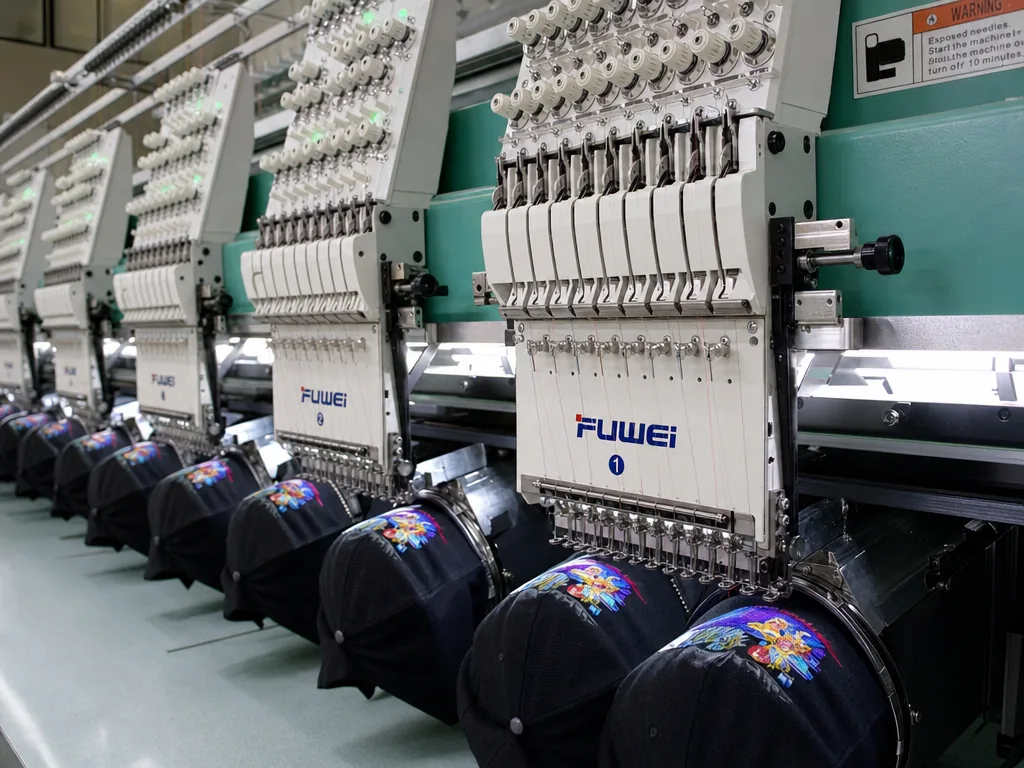
Embroidery Stitch Count & Thread Density: A Cost-and-Quality Reference - 2026 Buyer's Guide
Read article →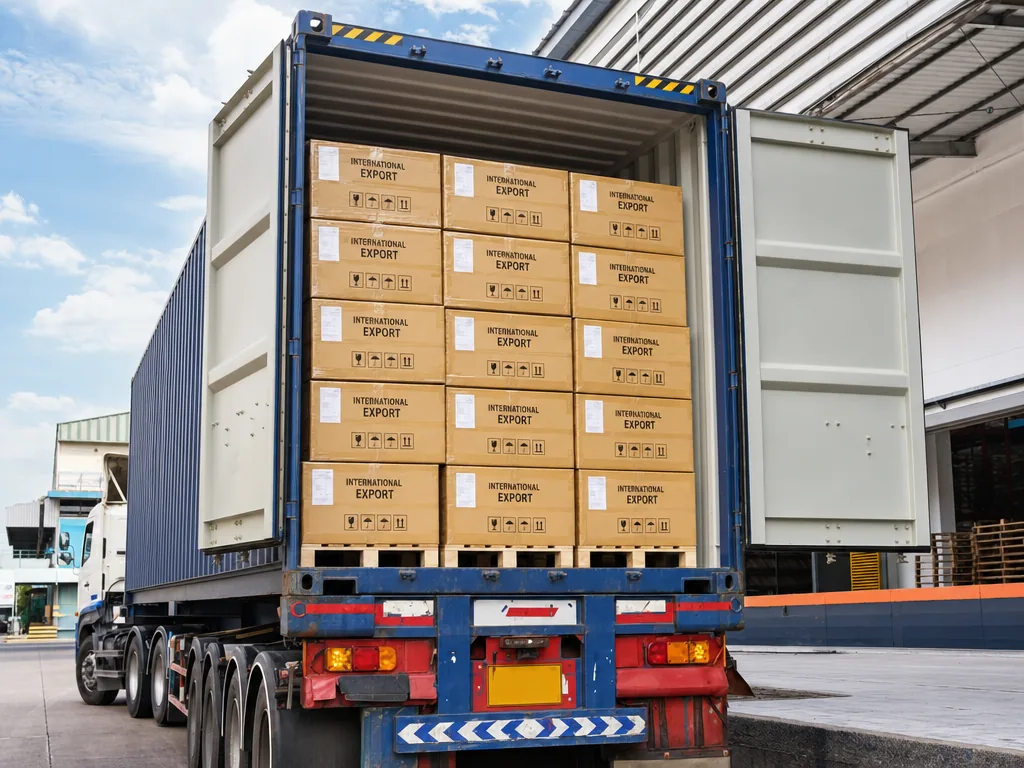
FOB vs CIF vs DDP: Incoterms Compared for Hat Imports - Cost & MOQ Breakdown
Read article →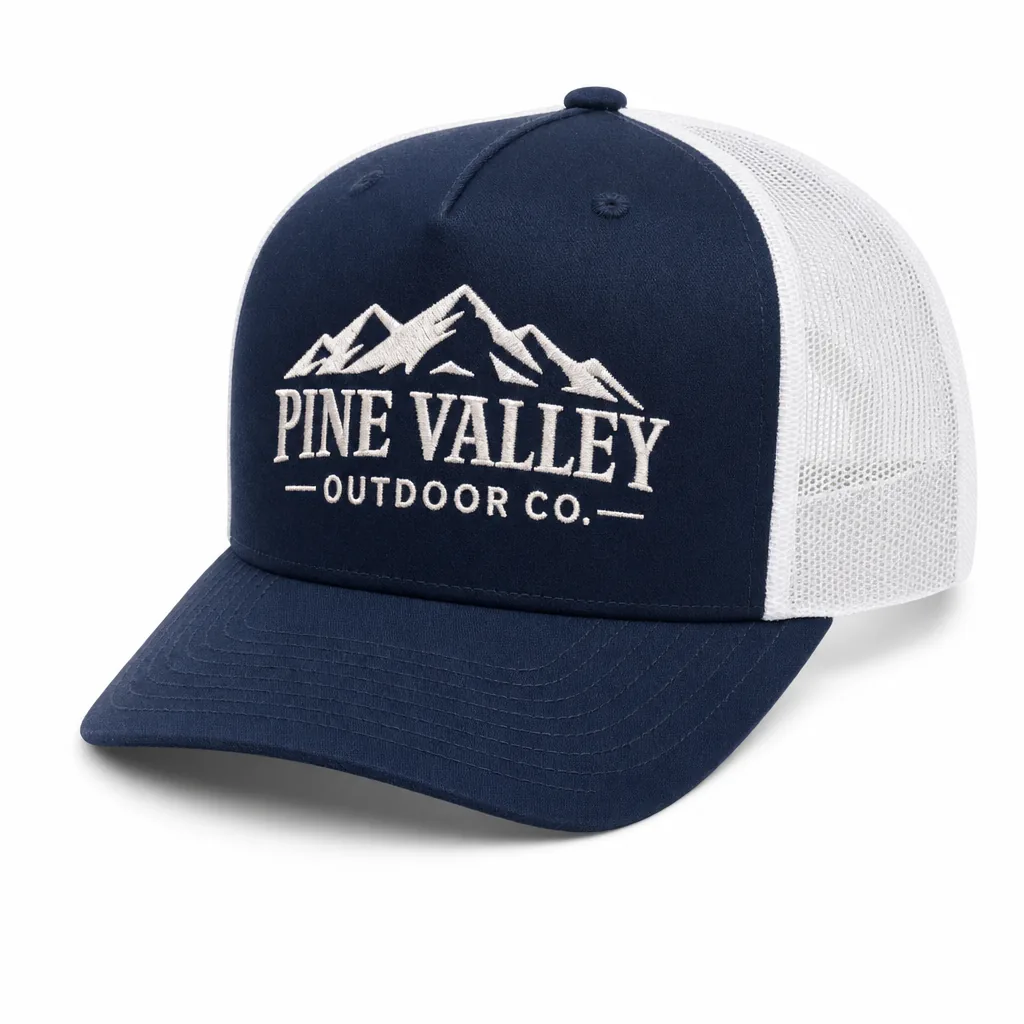
Wholesale Trucker Hats with Custom Logo: A Complete Bulk Sourcing Playbook
Read article →If you are ready to take the next step on sustainable cap packaging: options, costs and retail-buyer demands - supplier checklist, our team can put a tailored quotation and digital mock-up in your inbox within 24 hours. Send the inquiry form on our contact page or message us directly on WhatsApp.