
Sustainable Cap Packaging: Options, Costs and Retail-Buyer Demands - Cost & MOQ Breakdown
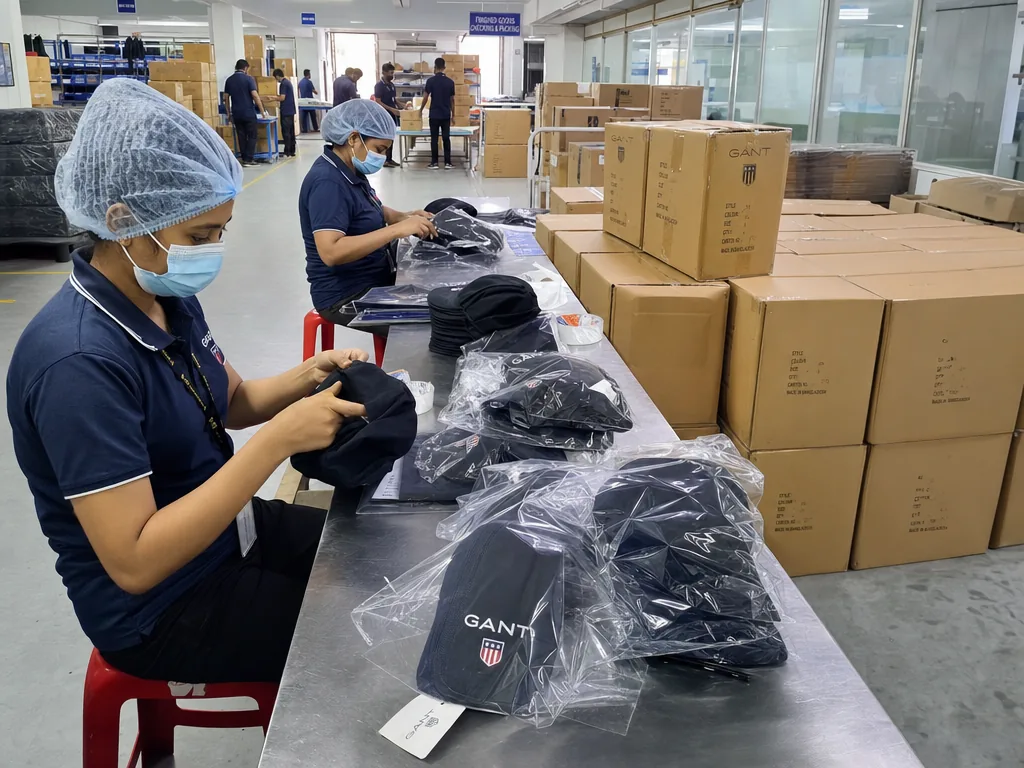
Sustainable Cap Packaging: Options, Costs and Retail-Buyer Demands - Cost & MOQ Breakdown is one of the most-asked questions we receive from international buyers, and for good reason. With dozens of factories competing for your order and an alphabet soup of technical terms in every supplier quote, even experienced importers can feel lost. This guide consolidates what we have learned producing custom hats for clients in 40+ countries.
Why your retail buyer cares about packaging carbon now
Retail buyers now treat packaging the same way they treat CPSIA, REACH, or fiber-label compliance: as a gatekeeper to vendor approval, not a branding extra. On real onboarding checklists, packaging sits beside sedex-audit-cap-supplier-guide.html">BSCI 2.0 or Sedex SMETA 4-Pillar audit status, warning-label placement, and carton-marking accuracy. A cap packed in a virgin LDPE bag with no resin identification, no post-consumer recycled declaration, and no fixed country-of-origin sticker position can trigger a CAPA before the first PO is released. Large U.S. chains and EU retailers increasingly require a packaging spec sheet that spells out substrate, thickness in microns or gsm, recycled-content percentage, ink system, adhesive type, and disposal route. In practice, a bag marked LDPE 4 with 30% to 50% PCR content usually clears the first compliance review; an unmarked bag often gets rejected because the buyer’s compliance team does not want to chase missing declarations across three time zones. That is why sustainable cap packaging matters commercially: the format has to be approvable on paper before anyone cares how it looks in hand.
The carbon question is what changed the urgency. Many retail groups now pull packaging into Scope 3 reporting, so buyers ask for packaging weight per unit, FSC Mix or FSC Recycled chain-of-custody claims, and confirmation that lamination, plastic windows, or mixed-material inserts will not undermine recyclability. A rigid presentation box made from 1200 gsm greyboard with PET lamination may look premium, but it usually performs worse in both freight efficiency and carbon reporting than a 350 gsm FSC kraft folding carton printed with water-based or soy ink and glued with water-based adhesive. Buyers pushing sustainable cap packaging also prefer mono-material solutions because they are easier to defend internally: PCR polybags, uncoated kraft mailers, or recyclable cartons without film windows. Cost still matters, but most serious accounts will absorb an extra $0.01 to $0.02 per unit to avoid a compliance failure or ESG escalation. At 10,000 units, a basic virgin polybag is typically $0.018 to $0.025, while a 30% PCR bag with a printed recycle mark is more often $0.028 to $0.040. Compostable film usually loses because procurement teams immediately ask about ASTM D6400 or EN 13432 certification, industrial-compost limitations, and stability after 30 to 45 days of humid ocean transit.
FSC-certified hat boxes vs unbranded white boxes
Unit economics decide this fast. For a standard 6-panel cap, an unbranded white shipper in 32 ECT E-flute or light B-flute corrugate typically lands at $0.08-$0.16 each at 1,000-3,000 pcs when you stay on stock die lines and limit print to one-color shipping marks. A custom FSC-certified box is a different structure and a different cost base: usually 350-400 gsm SBS or CCNB mounted to E-flute, offset printed, then die-cut and glued. That usually adds $0.18-$0.40 per cap before finishes. If the buyer wants soy-based inks, matte aqueous varnish, interior print, QR/UPC labeling, or a fitment to stop crown crush, the real number often moves to $0.42-$0.55 each. For promo caps, school programs, and value-tier team orders, that uplift rarely survives the landed-cost review. Sustainable cap packaging only makes financial sense when the box supports retail velocity, gifting, or brand positioning, not when it is just replacing a plain carton with expensive decoration.
MOQ is where buyers get burned. White recyclable boxes can often start at 500-1,000 pcs because most converters already hold common hat-box dies and can slot short runs without disrupting an offset schedule. FSC-certified retail boxes are usually commercially stable at 1,500-3,000 pcs per size and artwork, and I would not quote lower without warning the buyer about waste, make-ready, and color drift risk. If you need Pantone Solid Coated matching across repeat runs, expect the printer to hold Delta-E around 2.0-3.0 on approved press sheets, but only if artwork, substrate, and varnish stay fixed. CrownsForge treats FSC boxes as a SKU decision, not a virtue signal: use them for capsule drops, licensed retail, and DTC programs where shelf presentation, FSC chain-of-custody paperwork, and retailer compliance matter. For replenishment orders, plain white boxes paired with recycled-content master cartons, molded paper inserts, and water-activated kraft tape usually deliver the better sustainability-to-cost ratio.
Compostable polybag options
Compostable polybags are no longer a branding extra; for many EU and UK retail programs they are a compliance line item, and buyers will reject the shipment if the primary pack does not match the vendor manual. For caps, the only spec I see work consistently is a PLA/PBAT co-extruded film certified to EN 13432 and ASTM D6400, usually 30–40 microns for a 25 x 30 cm or 27 x 35 cm bag. Anything thinner starts failing at the bottom seal once the crown and brim corners load the bag during carton drop tests. A standard suffocation warning, lot code, and one-color flexo print are straightforward, but if the retailer wants multilingual disposal text, GS1 barcode panel, or QR traceability, plate and setup charges move the real unit cost fast. At 20,000 pieces, plain LDPE still sits around US$0.008–0.015 per bag; certified compostable film is more realistically US$0.045–0.075, and custom printed versions often land at US$0.06–0.08. In sustainable cap packaging, that premium only holds up when it is written into the PO or tied to chargeback exposure.
The weak point is handling, not paperwork. PLA/PBAT film has lower puncture and dart impact resistance than 1.0–1.2 mil LDPE, so it cracks more easily around the flap crease and vent-hole area when packers are moving quickly. On a Zhejiang factory floor in July, warehouse temperatures over 30°C and high RH will age the film faster; after 6–9 months, older stock gets noticeably brittle and starts splitting at the seal line. Our standard practice is sealed inner liners inside the export carton, FIFO stock rotation, and no over-ordering of custom bags beyond the production window. MOQ is also less friendly than conventional polybags: unprinted certified stock may start around 10,000 pieces, but custom sizes or retailer-specific print usually need 20,000–30,000 pieces to make the converter run it efficiently.
Buyers should verify certificate numbers, batch traceability, and the actual test report from the converter, not just accept a one-page declaration. That becomes important when the cap pack includes mixed materials such as PU leather patches, silicone heat transfers, EVA brim protectors, or a coated paper hangtag tied in with a polyester string. The outer bag may be compostable, but the full pack is not, and disposal claims can become misleading very quickly. Serious retail compliance teams will ask whether the claim is industrial compostable only, home compostable, or simply reduced-virgin-content packaging; those are different standards with different legal risk. If the brief only says “eco bag,” pin it down before sampling. I have seen buyers approve a compost logo on artwork, then fail final review because the film had EN 13432 certification but the disposal copy implied household composting, which the lab report did not support.
Paper-based hangtag and string ties
Recycled-paper hangtags with cotton string are the fastest visible upgrade in sustainable cap packaging because the sustainability message lands before the buyer even handles the cap. For a 3,000-10,000 piece order, a realistic factory adder is $0.08-$0.12 per cap for a custom tag using 350-400 gsm FSC-certified recycled board, 80-100% post-consumer content, 1-2 spot colors in soy- or water-based ink, a 5 mm die-punched eyelet, and an 18-22 cm natural cotton cord. If you add duplex board, blind embossing, debossing, foil, or custom-dyed string matched to Pantone TCX, expect another $0.02-$0.05 each. Recycled stock does not behave like virgin SBS on press: the sheet is more porous, ink holdout is weaker, and color drift is more obvious, so fine reverse text under 6 pt and hairlines below 0.25 mm are where retail-facing tags usually start to fail.
The failure point is usually the attachment hardware, not the paper. Buyers will specify recycled board, then approve a polyester elastic loop or nickel-plated metal clasp that weakens the sustainability claim and creates a mixed-material sorting problem for retail compliance teams. Natural cotton cord with a knotted closure or plain brass pin is the cleaner spec, and it also performs better on brushed cotton twill, washed chino, and enzyme-washed dad caps where soft crown panels can tear if the tag is tensioned too aggressively. Practical MOQ is low by packaging standards: most Zhejiang tag suppliers will quote custom recycled hangtags from 1,000-2,000 pieces per SKU, while custom-dyed cords, stamped brass parts, or specialty finishes usually need 3,000 pieces to hold unit cost. In production, the checks that matter are hole tear strength, cord pull resistance, print rub, and barcode scan readability; one detached or scuffed hangtag is enough to turn a solid sustainable cap packaging program into a retail chargeback.
Per-piece cost breakdown of three packaging tiers
The real cost driver in sustainable cap packaging is how many components you add and whether each one needs its own artwork, not the export carton itself. Entry-tier packing can still be close to zero if caps go bulk into a master carton with tissue interleave, but the moment you require individual protection, the floor moves to about $0.02 to $0.04 per piece at 5,000 to 10,000 units. That usually means a plain 0.03 to 0.04 mm LDPE or OPP bag, around 280 x 250 mm, side-sealed, no vent hole, and hand packing at the finishing table. If the brief calls for a more recyclable format, a mono-material PE bag with resin code print or downgauged 0.025 mm film typically adds $0.01 to $0.02, assuming it still passes seam-burst and transit rub checks. MOQ is where buyers get caught: most Zhejiang bag suppliers want 20,000 to 50,000 pieces per SKU or artwork, so on orders below 3,000 caps, plate charges and leftover stock can push the effective unit cost close to $0.05 to $0.07.
The mid tier is where sustainable cap packaging starts showing up as a real line item. A practical range is $0.16 to $0.22 per cap for a printed bag, one hangtag, and one barcode or size label. In current market pricing, the bag is usually $0.06 to $0.08 for 1-color or 2-color flexo print, the hangtag $0.05 to $0.07 for 300 to 350 gsm C1S or coated board with cotton string or a PP loop, and the sticker $0.02 to $0.04 depending on adhesive grade, varnish, and whether variable data is required. The labor is easy to underestimate: tagging, labeling, and scan verification add roughly 20 to 35 seconds per cap, enough to slow an 8,000-piece daily pack-out unless you assign dedicated staff. Once buyers request colorway-specific packaging, separate MOQs by size and artwork become necessary, and obsolete packaging inventory usually becomes a bigger cost problem than the caps themselves.
Premium retail packaging is less about presentation alone and more about materials compliance, print control, and assembly yield. A realistic uplift is $0.58 to $0.78 per piece at 1,000 to 3,000 units for an FSC-certified folding box, paper hangtag, branded label, and either a compostable inner bag or a molded paper insert. The box drives the number at $0.35 to $0.50 depending on whether you use 1.5 to 2.0 mm greyboard or E-flute, a 157 gsm art paper wrap or uncoated kraft, and whether the structure is crash-lock or hand assembled. PLA/PBAT compostable bags usually land at $0.08 to $0.12, but they are often oversold; if the retailer has no industrial compost stream, molded pulp or die-cut paper is usually the cleaner choice at similar cost. At this tier, buyers should ask for FSC chain-of-custody paperwork, EN 13432 or ASTM D6400 declarations where compostables are specified, and color tolerances within Delta-E 2.0 against approved Pantone references, because most rejections come from board warp, glue staining, or off-shade print, not missing units.
What to put on the packaging for SEO + brand recall
Shelf recall comes from fast identification, not a block of greenwashing copy. On sustainable cap packaging, the front-facing panel should carry the same terms the buyer, allocator, and warehouse team will search: brand name, style name, color, SKU, and scannable barcode. I typically reserve a 35 x 60 mm information block on a 350-400 gsm FSC-certified kraft box or recycled SBS sleeve so the UPC/EAN, origin line, and style code remain legible after a retailer applies its own price sticker. Use commercial naming that survives across PDPs, ERP records, and pick lists: "6-Panel Snapback, Black/Khaki, SKU CF-602" is usable; internal factory shorthand like "SBK-24-7" is not. For U.S. and EU sale, move longer compliance text to a side panel, belly band, or hangtag, but do not omit the basics. Country of origin, fiber content, and care instructions need plain language—"Made in China," "80% cotton / 20% polyester," "Spot clean only"—because vague textile copy is one of the fastest ways to trigger retailer onboarding questions.
The SEO value is really record consistency. The style name, color name, SKU, GTIN, and barcode digits printed on the box, hangtag, carton end label, and product listing should match character for character; if one version says "Khaki" and another says "Tan," marketplace intake teams often create duplicate listings, and that turns into relabel fees or chargebacks. Sustainability claims should also be auditable, not decorative. "Box made from 90% post-consumer recycled paper" or "FSC Mix board, FSC-CXXXXX" gives a buyer something they can verify; "eco-friendly packaging" is the kind of empty claim compliance teams push back on. Keep legal copy above 5.5 pt, maintain proper barcode quiet zones, and avoid printing dense icons too close to the scan area, especially on uncoated kraft with one-color soy ink where reflectance is already lower. Our standard practice is to lock dieline, bleed, safe area, and barcode zone before artwork approval so approved copy can scale from unit box to mailer and master carton without a second round of corrections.
Frequently Asked Questions
What file format should I send for my logo?
Vector files (AI, EPS, PDF) are ideal. High-resolution PNG or JPG at 300 dpi on transparent background works as a fallback. Provide Pantone color references for accurate reproduction.
Which shipping methods do you support?
We support FOB, CIF and DDP shipping. Air express for samples and small orders, sea LCL for 100 to 500 pieces, sea FCL for 5,000+ pieces. Door-to-door DDP available for US, EU, UK, Canada and Australia.
Can I order a sample before bulk production?
Yes. We strongly recommend approving a pre-production sample before mass production. Samples are charged at 35 to 60 USD each plus express shipping, fully refundable against confirmed bulk orders over 500 pieces.
What logo decoration techniques do you offer?
3D puff embroidery, flat embroidery, woven patch, leather patch, PVC patch, screen printing, sublimation, applique and laser etching, all in-house with no subcontracting.
What is the minimum order quantity (MOQ) for custom hats?
Our standard MOQ is 100 pieces per design and color, with sampling available from 1 piece. For complex multi-color logos or premium fabric upgrades, the MOQ can be lowered with a small per-piece surcharge.
What should buyers know about cotton twill army cap kangol?
When evaluating cotton twill army cap kangol, the key considerations are construction quality, decoration capability, MOQ flexibility and lead time. Recycled-paper hangtag with cotton string + brass pin is the premium-retail standard. Adds roughly $0.08-$0.12/cap. Pairs with FSC box for a coherent eco message. FSC-certified corrugated box adds roughly $0.18-$0.40/cap depending on size and print. Worth it for premium retail; overkill for promotional. We can supply both grades.
How does ordering custom patch trucker hat work?
When evaluating custom patch trucker hat, the key considerations are construction quality, decoration capability, MOQ flexibility and lead time. Sephora, Whole Foods, REI and most European chains now score suppliers on packaging recyclability. A polybag with no recycle marking can block onboarding. A bag with PCR (post-consumer recycled) content meets the bar. FSC-certified corrugated box adds roughly $0.18-$0.40/cap depending on size and print. Worth it for premium retail; overkill for promotional. We can supply…
How does ordering best custom baseball cap work?
When evaluating best custom baseball cap, the key considerations are construction quality, decoration capability, MOQ flexibility and lead time. FSC-certified corrugated box adds roughly $0.18-$0.40/cap depending on size and print. Worth it for premium retail; overkill for promotional. We can supply both grades. Recycled-paper hangtag with cotton string + brass pin is the premium-retail standard. Adds roughly $0.08-$0.12/cap. Pairs with FSC box for a coherent eco message.
What should buyers know about kangol bucket hat?
When evaluating kangol bucket hat, the key considerations are construction quality, decoration capability, MOQ flexibility and lead time. Sephora, Whole Foods, REI and most European chains now score suppliers on packaging recyclability. A polybag with no recycle marking can block onboarding. A bag with PCR (post-consumer recycled) content meets the bar. FSC-certified corrugated box adds roughly $0.18-$0.40/cap depending on size and print. Worth it for premium retail; overkill for promotional. We can supply…
What are the 7 R's of sustainable packaging?
Seven different strategies or approaches to improve sustainable packaging among the brands explored have been identified: rethink, refuse, reuse, reduce, recycle, repurpose, and rot.
What are sustainable packaging options?
Materials used for sustainable food packaging help divert waste from landfills and offer a more sustainable alternative for single-use items. Common examples of compostable packaging include: PLA-based (polylactic acid) clear containers and cups. Paper-based wrappers coated with compostable biopolymers.
Are bottle caps eco-friendly?
Bottle caps are used in very large volumes across water, soft drinks and other packaged beverages, yet they are more likely than the bottle itself to be discarded improperly. Their size makes them harder to recover, easier to litter and less likely to move through recycling systems effectively.
Ready to start your custom hat project?
Send us your tech-pack, sketch or even just an inspiration photo. We will respond with a detailed quotation and digital mock-up within 24 hours.
Request a free quoteRelated guides
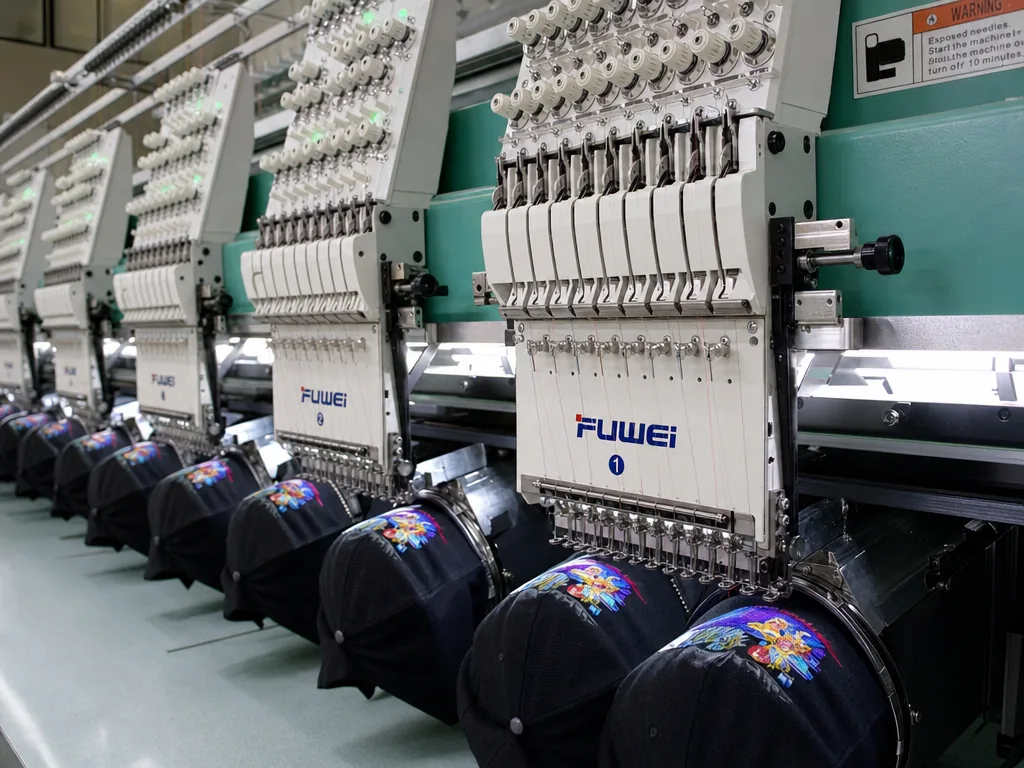
Embroidery Stitch Count & Thread Density: A Cost-and-Quality Reference - 2026 Buyer's Guide
Read article →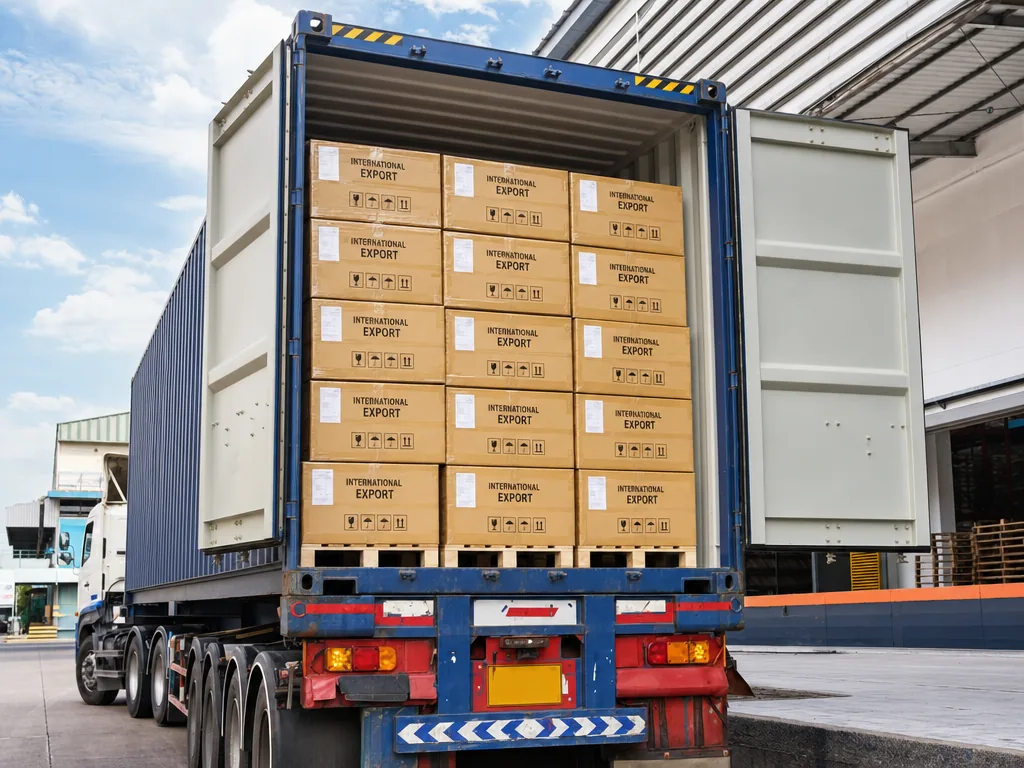
FOB vs CIF vs DDP: Incoterms Compared for Hat Imports - Cost & MOQ Breakdown
Read article →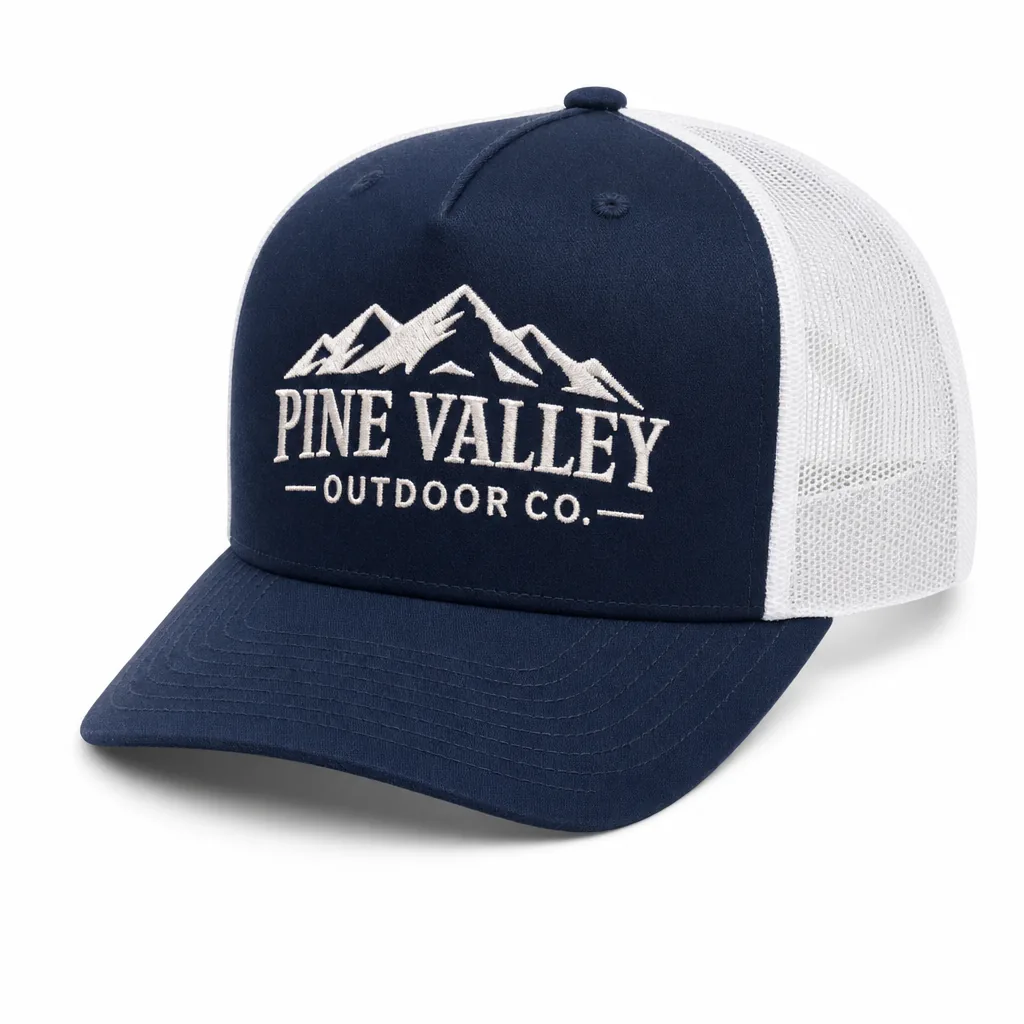
Wholesale Trucker Hats with Custom Logo: A Complete Bulk Sourcing Playbook
Read article →If you are ready to take the next step on sustainable cap packaging: options, costs and retail-buyer demands - cost & moq breakdown, our team can put a tailored quotation and digital mock-up in your inbox within 24 hours. Send the inquiry form on our contact page or message us directly on WhatsApp.