
Snapback vs Fitted vs Adjustable: Cap Closure Systems Compared - 2026 Buyer's Guide
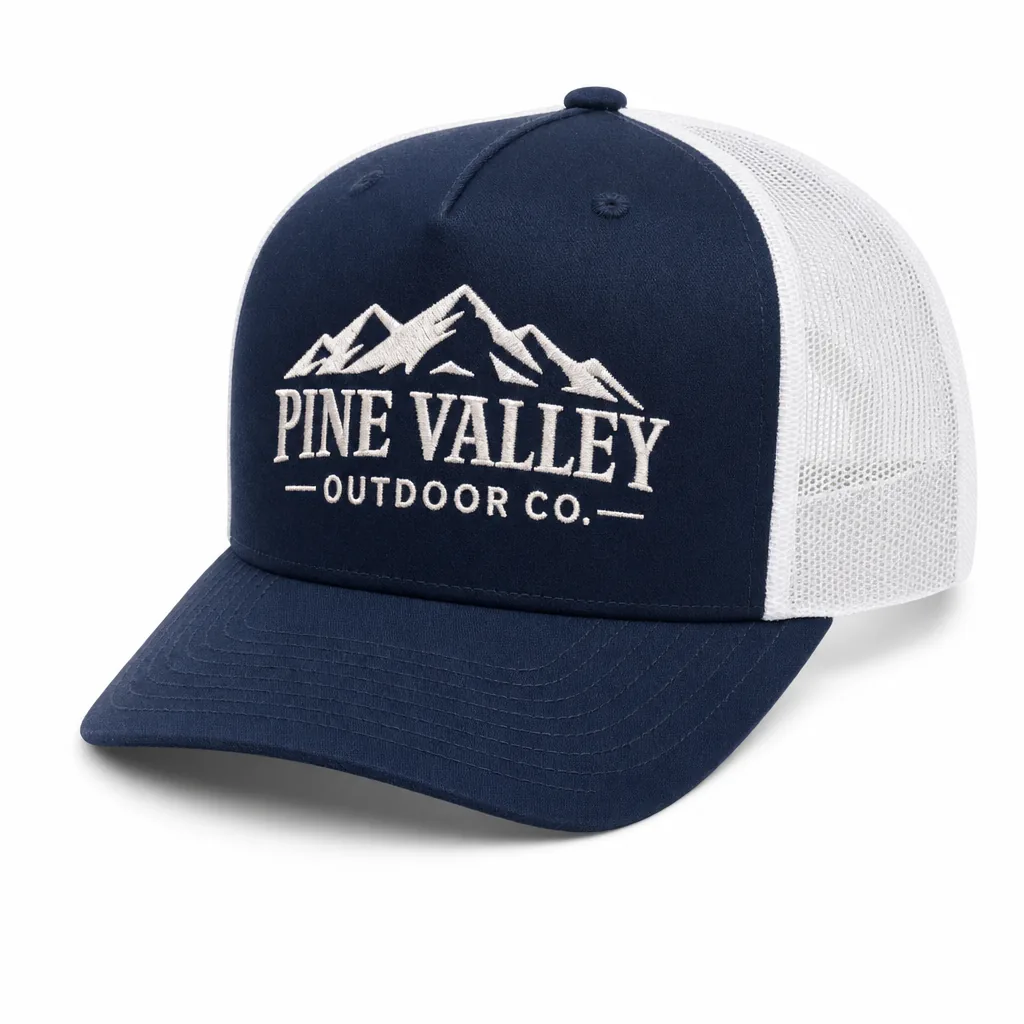
Every week, our sales team answers detailed questions about snapback vs fitted vs adjustable: cap closure systems compared - 2026 buyer's guide. We wrote this guide so that wholesalers, streetwear brands, corporate buyers and promotional resellers can compare options with full information, and avoid the traps that show up only after production has started.
The five closure systems in commercial production
Plastic snap closures still dominate high-volume programs because they solve fit with almost no tooling or labor penalty. A standard seven-position polypropylene snap on a six-panel crown usually adds about $0.08 to $0.12 per cap at 5,000-piece volume, and the usable head range is roughly 54 to 62 cm, which is enough for youth-through-adult retail assortments. The limitation is back-panel real estate. Once you include the center-back seam, snap stack, and tape fold, you lose about 30 to 35 mm of clean embroidery height, so rear decoration has to stay low or shift to a side panel. On Tajima or Barudan heads, rear work is usually run slower, around 750 to 850 stitches per minute, because a 1.2 mm registration error at the closure reads immediately. In snapback vs fitted sourcing, this is the cheapest way to cover the broadest size band without carrying multiple size SKUs.
Strapback systems split into two production paths: metal slide buckle and self-fabric tuck-buckle. A zinc-alloy or brass slide buckle typically adds $0.18 to $0.25 per cap, and with 25 mm cotton twill or polyester webbing plus proper bar-tacked anchors, it should hold up through 500-plus adjustment cycles. That is why it shows up in golf, lifestyle, and boutique streetwear programs where buyers want a cleaner back than a snap but still need flexibility. The tuck-buckle looks more refined because it hides the tail and holes, but it only works if the strap is cut long enough; 180 mm is about the practical minimum, and short heads will expose the tail or pull the back panel off shape. Labor is the real penalty here, usually 35 to 45 seconds more per cap for hardware feeding, threading, and extra bar-tacks compared with a plain snap closure.
Hook-and-loop and fitted caps sit at opposite ends of flexibility, and both are niche choices once you get past basic promotional work. Hook-and-loop is still common in military, tactical, and adaptive-wear orders because it can be adjusted one-handed, but 50 mm nylon hook-and-loop usually costs $0.06 to $0.09 per set and starts degrading after roughly 3,000 open-close cycles, even with better grades like 3M SJ-series or YKK Cosmo Alpha. Fitted caps remove the closure entirely and rely on size blocking, usually in 1/8-inch steps from 6 7/8 to 8, which means separate blocks, more SKUs, and higher inventory risk; MOQs often land around 144 to 288 pieces per size per color. For snapback vs fitted decisions, the actual question is whether the program needs one-SKU coverage or exact sizing with tighter sell-through discipline.
Plastic snap (snapback) economics
Plastic snaps are still the cheapest way to turn one cap body into a usable size range, which is why they dominate trucker programs and entry-level retail snapbacks. A standard 8-position snap usually covers about 54 to 62 cm, which is enough for most adult head sizes without splitting production into S/M, M/L, and XL runs. On a basic five-panel or foam-front cap, the hardware typically adds about $0.04 to $0.08 per piece at the factory level, depending on resin grade, color, and order volume. In a snapback vs fitted comparison, that small closure cost is usually lower than the hidden cost of carrying multiple fitted SKUs: carton splits, slower replenishment, and the leftovers that sit when size curves miss reality by even 10 to 15 percent.
The bigger savings come from SKU compression, not the plastic itself. One closure spec can cover most retail doors, reduce warehouse touchpoints, and simplify reorders because you are not forecasting separate fitted sizes. That is why the fitted vs adjustable decision usually tilts toward adjustable for promo accounts, first-run streetwear drops, and team programs where the head-size distribution is unknown. The construction change is also real: moving from a sewn-back fitted cap to a snapback means different back-panel shaping, an extra sew operation, and a new sample approval cycle. On lower-MOQ orders, that labor and setup burden can move unit cost more than the snap hardware, especially once you include line changeover and QC rechecks.
The tradeoff is perception, not function. Fitted caps usually read cleaner because the crown tension, seam balance, and size spec are fixed, while snapbacks are chosen for flexibility and margin control. Stock snaps are usually available in 8 to 12 colors, and Pantone-matched resin is feasible from about 500 pieces upward if the buyer can absorb the mold and color-match charge. In retail work, that matters when the closure has to stay consistent with the crown fabric, undervisor, or embroidery thread, especially on tonal designs where a mismatched white or black snap looks lazy on shelf. That is also why buyers keep comparing snapback vs fitted by channel instead of by taste: fitted sells better when the fit story is precise, but snapbacks are easier to buy, easier to size, and less dangerous when sell-through is uncertain.
Fabric strap with metal buckle (dad hat aesthetic)
A fabric strap with a metal buckle is the closure that gives a cap the dad-hat look without feeling flimsy at the back. The common build is a 15-20 mm woven cotton tape or self-fabric strap running through a zinc-alloy slide buckle, usually finished in antique brass, brushed nickel, or matte black. On a six-panel cotton twill or brushed chino body, that system usually covers about 54-63 cm of head circumference, which is enough for most retail programs without moving into a graded size run. In the snapback vs fitted comparison, it sits in the middle: cleaner than a plastic snap grid, more forgiving than a fitted cap, and less sport-coded than an open mesh trucker back.
The cost premium is small but measurable. At factory level, the buckle, strap, bartacks, and extra handling typically add $0.12-$0.25 per cap, depending on whether the strap is cut from shell fabric or separate woven tape, and whether the tail end is folded, hemmed, or heat-sealed. The failure modes are basic and avoidable: too much slack in the buckle channel and the strap creeps after a few wears; too little and the adjustment becomes annoying in winter or over thicker hair. The spec I trust is 2-3 mm of travel clearance through the buckle, plus a reinforced bartack at the anchor point, because washed cotton softens after finishing and weak stitching shows up quickly. For fitted vs adjustable cap programs, this is the one-size option that still looks intentional in hand and in product photos.
For streetwear, promotional, and retail assortments, this closure works best when the cap is meant to look broken-in on day one and still keep a clean silhouette on the shelf. A 180-240 gsm cotton tape or matching self-fabric strap with an antique brass buckle reads more premium than a basic plastic strapback, especially when the finish is matched to the crown wash, eyelets, and top button. The tradeoff is straightforward: you are buying presentation and flexibility, not a locked size system, so do not position it like a true fitted cap. CrownsForge’s standard first-production check is buckle travel, strap-end finish, and bartack symmetry, because back-closure defects are obvious immediately even when the front embroidery passes inspection.
Velcro (lowest cost, widest range)
Hook-and-loop is the lowest-cost closure we still ship in volume, typically adding $0.03 to $0.06 per cap at 5,000+ pcs depending on tape width, stitch count, and whether the back panel is cotton twill or 150D polyester. It gives the broadest usable adjustment window in real production, about 54 to 63 cm when the strap is cut and positioned correctly, so one SKU can cover a messy size spread without moving to graded fitted sizes. In a snapback vs fitted comparison, Velcro is not trying to match the clean crown line or retail look of a fitted cap; it is buying you tolerance. That matters for school programs, safety uniforms, field staff, and giveaway orders where sizing data is weak and the buyer wants one closure that can absorb head-size variation without extra inventory.
The tradeoff is obvious on the selling side. Velcro reads as a budget closure the moment the cap is photographed, and it gets worse if the loop field is wide, the tail is overlong, or the stitch box is loose enough to let the strap bow. Cheap loop tape pills, holds lint, and loses grip sooner than woven webbing or a molded snap, especially after repeated washing or hot storage. I would avoid it on licensed sports headwear, streetwear drops, and any SKU where the rear view is part of the purchase decision. On 280-320 gsm cotton twill or brushed chino, a sloppy install also shows wrinkling around the back seam, which makes the cap look cheaper than its BOM even if the front embroidery is clean.
Spec it tightly if you use it. Keep hook-and-loop tape at 20-25 mm, use 8-10 mm bartacks at both ends, and make sure the tail lays flat instead of stacking under the closure. A clean line with even stitch spacing should pass AQL 2.5 if the factory checks pull strength, tail overlap, and edge fray after sewing. Our standard practice is to reserve Velcro for promotion, school, public-event, and PPE-adjacent programs where price and fit tolerance matter more than back-profile finish. If the buyer cares about appearance from every angle, move to a plastic snap, a self-fabric strap, or a metal buckle; if the priority is the cheapest workable closure with the widest fit range, hook-and-loop does the job.
Fitted: why some brands accept the operational cost
Fitted caps are not a closure choice so much as a size program. Once you move from a snapback vs fitted comparison into production, you are managing separate SKUs for sizes like 6 7/8 through 8, usually in 1/8-inch steps, with different blocks, sweatband lengths, and QC checkpoints for each size. On a 10,000-piece run, a common curve might be 10 percent 6 7/8, 20 percent 7, 25 percent 7 1/8, 20 percent 7 1/4, 15 percent 7 3/8, and the rest split across the tails; if that curve is wrong, the slow sizes sit while the mid-sizes blow through first. The operational cost shows up in more laydowns, more changeovers, and more inventory risk, not just in the obvious issue of having no adjustable back.
Brands still accept that cost when the fit is part of the value proposition. Licensed sports headwear is the clearest example: buyers expect a true size run, a cleaner rear profile, and the exact crown shape tied to a team spec, often with tighter requirements on brim curve and front panel stiffness than a casual retail cap. Premium streetwear does the same math for a different reason: a fitted cap looks finished, with no plastic closure, no loose strap tail, and a more tailored line around the head. If the wholesale price does not carry at least a 15 to 25 percent premium over a comparable adjustable cap, the economics usually do not work once you add dead stock, size breaks, and the cost of carrying odd sizes into markdown season.
The production risk is mostly upstream. Fit sampling has to happen before bulk, because a 2 to 3 mm blocking drift, a sweatband with the wrong recovery, or a crown that opens up after steaming can turn a 7 1/4 into a return. We check against a full size set, not one sample size, and we do it with head forms, seam symmetry checks, and sweatband tension tests before approvals move to cutting. For fitted programs, CrownsForge treats sales history and license specs as input data, not guesswork, because bad size curves are expensive: they tie up cash, distort reorder behavior, and force discounting long before the style wears out. When the size curve is disciplined, fitted can outperform adjustable caps on perceived value and retail pricing; when it is not, the extra complexity just turns into avoidable waste.
MOQ implications by closure type compared
The MOQ gap is the real separator in the snapback vs fitted decision, not the shelf price. A standard snapback or strapback usually starts at 100 pieces per design because the closure is one-size and the crown does not need to be built around exact head circumference. In a practical first run, that means a three-color launch can stay at 300 units total, which is manageable for a test drop or a promo order. On a typical FOB Yiwu quote, a 5-panel or 6-panel cotton twill cap lands around $4.80 to $5.40 per piece, depending on 40- to 80-stitch embroidery, flat or curved visor, structured buckram, and whether the back uses plastic snap, fabric strap, or metal buckle. The real advantage is inventory control: the seller is betting on artwork and color, not on a size curve that may miss demand.
Fitted caps flip the math because every size is a separate SKU. A normal range runs seven sizes, from 6 7/8 to 7 3/4, and most factories will still want 100 pieces per size per design unless it is a repeat program or an approved blank body. That pushes a full size run to 700 units before you add color changes, and that is before you account for tighter tolerances on crown depth, sweatband tension, and stitching at the front seam. A structured fitted cap typically quotes around $5.60 to $6.20 FOB per piece, with more rejection risk if the band is even 2 to 3 mm off spec or the size tape is not cut and sewn consistently. For licensed sports, team shops, and retail programs with known sell-through by size, that risk is acceptable; for small brands, it is usually dead inventory waiting to happen.
Adjustable closures sit in the same MOQ bucket as snapback, but the line cost is not identical. Hook-and-loop tape usually adds about $0.18 to $0.25 per cap depending on tape width and supplier grade, and the sewing operation takes longer because the tab has to land square or it twists after wash testing. Plastic snaps are cheaper to source, but they can loosen if the closure tape and stitching are too soft; metal buckles look cleaner on premium programs but add parts cost and a little more labor. Our standard practice is to check closure alignment during in-line inspection and again at AQL 2.5, because most buyer complaints on adjustable caps are not about the crown at all, they are about fit feel and closure durability after 5 to 10 wash cycles. In short: adjustable and snapback minimize MOQ exposure, fitted gives better retail fit but only makes sense when you can absorb the size split.
How to spec the right closure for your retail positioning
Start with sell-through math, not taste. For a retail program, the closure should support the SKU strategy you can actually finance: a 6-panel structured cap with 2 mm buckram, a flat visor, and a plastic snap closure gives you one-size coverage across most adult heads without building a full size curve. That is why the snapback vs fitted decision is mostly about inventory discipline. Snapback reduces WIP, simplifies replenishment, and tolerates broader distribution because buyers can move one SKU through more doors. Strapbacks with self-fabric or faux-leather tails and a metal tri-glide sit between the two, but they read softer and can look sloppy if the back opening is too long or the tail is left oversized. If the cap needs to sell on a shelf, in a lookbook, and on resale rails, snapback usually wins because the closure is obvious, legible, and easy to understand in three seconds.
Fitted only makes sense when the closure is supposed to disappear and size becomes part of the product story. That is normal in pro sports licensing and premium headwear programs, where buyers expect true size runs in 1/8-inch steps, typically from 6 7/8 to 7 5/8, with crown height, visor curve, and sweatband tension held tighter than on a free-size cap. The cost is structural, not cosmetic: you add SKUs, pack more size labels, and take on return risk if the curve misses by even one step. On the factory floor, fitted also demands better blocking control, tighter panel matching, and more consistent sweatband stretch so a nominal 7 1/4 does not drift after sewing and steam setting. For most retail brands, that effort only pays on hero styles with proven demand. If the goal is lower dead stock and cleaner buying, snapback or a well-executed strapback is the practical spec; fitted belongs in channels that can support exact sizing and understand the tradeoff upfront.
Frequently Asked Questions
How long does production take?
Sampling takes 7 to 12 days. Bulk production runs 20 to 30 days depending on quantity, fabric availability and decoration complexity. Inspection and packing adds another 3 to 5 days before shipment.
Do you support sustainability certifications?
Yes. We work with GOTS organic cotton, GRS-certified recycled polyester, OEKO-TEX Standard 100 fabrics, and are BSCI and Sedex audited. Certification documentation can be provided per order.
What file format should I send for my logo?
Vector files (AI, EPS, PDF) are ideal. High-resolution PNG or JPG at 300 dpi on transparent background works as a fallback. Provide Pantone color references for accurate reproduction.
What is the minimum order quantity (MOQ) for custom hats?
Our standard MOQ is 100 pieces per design and color, with sampling available from 1 piece. For complex multi-color logos or premium fabric upgrades, the MOQ can be lowered with a small per-piece surcharge.
Can I order a sample before bulk production?
Yes. We strongly recommend approving a pre-production sample before mass production. Samples are charged at 35 to 60 USD each plus express shipping, fully refundable against confirmed bulk orders over 500 pieces.
What should buyers know about cotton twill baseball cap?
When evaluating cotton twill baseball cap, the key considerations are construction quality, decoration capability, MOQ flexibility and lead time. Universal sizing 54-62cm with 8 snap positions. Single SKU per design covers most adults. Adds ~$0.05 per cap for hardware. Industry-standard for retail snapback hats, trucker caps, casual baseball caps. Available in 8 stocked colors; custom Pantone-matched snaps at 500+ pieces. Plastic snap (snapback), fabric strap with metal slide buckle, fabric strap with tuck-buckle,…
What should buyers know about flat bill hats snapback?
When evaluating flat bill hats snapback, the key considerations are construction quality, decoration capability, MOQ flexibility and lead time. Universal sizing 54-62cm with 8 snap positions. Single SKU per design covers most adults. Adds ~$0.05 per cap for hardware. Industry-standard for retail snapback hats, trucker caps, casual baseball caps. Available in 8 stocked colors; custom Pantone-matched snaps at 500+ pieces. Plastic snap (snapback), fabric strap with metal slide buckle, fabric strap with tuck-buckle,…
How does ordering custom flat bill hat embroidery work?
When evaluating custom flat bill hat embroidery, the key considerations are construction quality, decoration capability, MOQ flexibility and lead time. Universal sizing 54-62cm with 8 snap positions. Single SKU per design covers most adults. Adds ~$0.05 per cap for hardware. Industry-standard for retail snapback hats, trucker caps, casual baseball caps. Available in 8 stocked colors; custom Pantone-matched snaps at 500+ pieces. Soft fabric strap (1.5-2cm wide) with antique brass slide buckle. Fits 54-63cm. Adds ~$0.15 per…
What should buyers know about baseball hats women?
When evaluating baseball hats women, the key considerations are construction quality, decoration capability, MOQ flexibility and lead time. Universal sizing 54-62cm with 8 snap positions. Single SKU per design covers most adults. Adds ~$0.05 per cap for hardware. Industry-standard for retail snapback hats, trucker caps, casual baseball caps. Available in 8 stocked colors; custom Pantone-matched snaps at 500+ pieces. Plastic snap (snapback), fabric strap with metal slide buckle, fabric strap with tuck-buckle,…
Are snapbacks better than fitted?
Fitted hats are a great choice if you know your size and want to build a collection of caps for casual wear, while snapback caps are ideal for streetwear fashion enthusiasts and make a bold statement. Both hats come in a range of colors and designs, so the right choice for you all comes down to your own personal style.
Do baseball players wear snapbacks or fitted?
The snaps are usually plastic even if the cap is made of wool, cotton, or other material. Popularized by New Era, the official hat supplier to the MLB, the snapback cap is de rigueur for Major League baseball players.
What does it mean if a hat is fitted?
Fitted hats are called “fitted” because they're designed to fit the wearer's head snugly without adjustable snaps or straps. That means these hats are sized specifically to the wearer's head, ensuring a natural fit. This modern-day baseball cap comes in 20 sizes to fit nearly any head shape or size.
Do fitted hats look better?
The seamless design without a closure in the back is much sleeker with a fitted hat. It's not that snapback hats don't look as good, but you can wear a fitted hat in nearly any setting. Because fitted hats look so sleek, they're a better choice for an elevated look.
Is a fitted hat a snapback?
Snapbacks have an adjustable snap closure, usually made from plastic, that you can use to adjust the size of the cap to fit your head perfectly. A fitted cap is just a hat, with no adjustable sizing. The snapback design is bolder, with a more structured high crown and a flat brim.
Looking for a reliable hat manufacturer in China?
CrownsForge has produced custom hats for 800+ brands across 40 countries. From 100-piece launches to 100,000-piece retail programs, we deliver on time and on spec.
Get in touchRelated guides
Custom Leather Patch Hat Low Minimum: A 2026 B2B Sourcing Guide
Read article →
Mens Beanies: Properties, Costs and How to Spec It Right
Read article →
Bulk Trucker Hats Export Shipping Checklist for Custom Hat Buyers - Cost & MOQ Breakdown - Supplier Checklist
Read article →We hope this guide demystifies snapback vs fitted vs adjustable: cap closure systems compared - 2026 buyer's guide and helps you move forward with confidence. If you have questions specific to your project, our English-speaking sales engineers are one message away.