
Private Label vs White Label Caps: Which Model Fits Your Brand? (2026 Update)
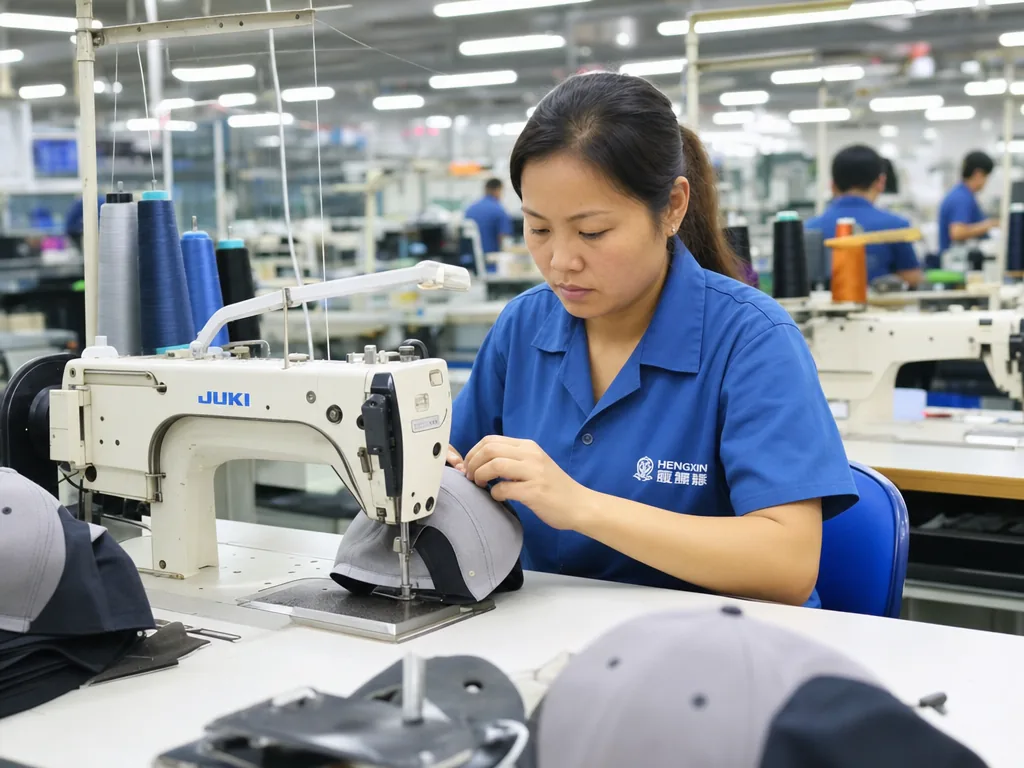
Every week, our sales team answers detailed questions about private label vs white label caps: which model fits your brand? (2026 update). We wrote this guide so that wholesalers, streetwear brands, corporate buyers and promotional resellers can compare options with full information, and avoid the traps that show up only after production has started.
Definitions: private label, white label, OEM, ODM
Private label means the cap is built to your brand standard, not just decorated with your logo. In practice, private label caps usually start from an existing 5-panel, 6-panel, trucker, dad cap, or unstructured dad-hat block, then get pinned down by a real tech pack: Pantone TCX targets, crown height, visor curve, seam tape, buckle type, sweatband material, embroidery placement in millimeters, and pack-out instructions. A factory quoting this work should ask for stitch count, fabric gsm, buckram spec, panel count, and artwork size, not just a style photo. That level of control adds lead time and cost: first samples often run $80 to $200 per style, MOQ commonly starts at 300 to 500 pieces per colorway, and lab dips, trim approvals, or revised embroidery sew-outs can add 5 to 10 days before bulk production begins.
White label is simpler because the body already exists and you are branding a stock or near-stock cap. You choose from available shapes, then add flat embroidery, 3D puff, woven patch, heat transfer, printed care label, or a custom swing tag. That usually cuts development cost and can bring lead time down to 10 to 20 days if fabric and closures are already in inventory, but the tradeoff is weak differentiation: the same shell can be sold to multiple buyers. OEM sits further toward true custom manufacturing, where the factory builds to your exact spec, while ODM means the factory developed the silhouette or performance detail first and offers it for adaptation. OEM gives the most control over fit, hand feel, and margin engineering, but it also demands tighter approvals on pattern, board shape, embroidery digitizing, and color tolerance, ideally within Delta-E 1.0 to 1.5 for branded programs.
The cleanest way to read the models is simple: white label is purchase-and-brand, private label is brand-and-spec, and OEM is spec-and-build. That difference affects cost, risk, and operational workload more than most buyers expect. If you need 500 to 2,000 units for a promo drop, event, or market test, white label or light private label caps are usually the least painful route because there is no new pattern development, no custom hardware tooling, and only basic pre-production work beyond logo digitizing, which typically runs $15 to $40 per file. If you need repeatable sell-through at retail, private label is the stronger model because you can lock fabric weight, stitch density, visor stiffness, carton pack-out, and QC thresholds such as AQL 2.5, then reorder without chasing whatever stock body is cheapest that month.
Private label: full brand control, custom design
Private label caps make sense when the brand owns the product definition and the factory is there to execute it. The buyer should control the tech pack, artwork, fit spec, bill of materials, panel geometry, crown height, visor curve, seam allowance, labeling, and packaging before sampling starts. Put Pantone TCX targets on the spec sheet, not in email, and set a realistic Delta-E tolerance of about 1.0 to 2.0 for critical logo work. A serious cap manufacturer will still warn you about panel distortion, stitch density, closure placement, or shrinkage risk, but the silhouette and branded details stay under your control. That is the practical difference between private label caps and a stock blank with a tag swapped in: the product is built to your standard, not forced into a preexisting template.
Private label hat development needs numbers, not mood boards. Specify fabric by construction and weight, such as 100% cotton twill at 260 to 300 gsm, acrylic-wool blend at 280 to 320 gsm, or recycled polyester at 210 to 240 gsm, then lock in closure type, sweatband width, taping, and embroidery placement in millimeters. For a structured 6-panel cap, the fit sample should confirm crown depth, front panel buckling, visor curve, and head circumference before bulk cutting starts. On embroidery-heavy programs, the digitizing file should be tested on Tajima, Barudan, or ZSK heads so underlay, pull compensation, and stitch count are correct before production. That is where OEM and private label caps diverge from white label: each editable variable is negotiated, sampled, and approved instead of being pulled from a catalog.
The tradeoff is development time and cost. Private label usually adds one or two sample rounds, strike-offs, and more back-and-forth on trims and fit, so lead time is longer than ordering an existing blank, but the result can support retail margins, licensed programs, and repeat seasonal colorways without looking generic. A realistic development budget might include a $50 to $150 sampling charge per style, plus separate costs for embroidery digitizing, woven labels, hangtags, and custom packaging; bulk pricing then starts to move meaningfully at 3,000 to 5,000 units, with stronger breaks above 10,000. If you only need a fast logo application, white label is simpler. If you need private label caps that protect brand equity and repeat cleanly from season to season, this is the stronger structure.
White label: existing factory designs with your logo
White label caps are the quickest way to get product moving when you need a shelf-ready style, not a new silhouette. The factory is offering a finished blank: existing crown blocks, visor curve, sweatband, closure, and often the same 5-panel or 6-panel body already running on line. You choose from stock colors, confirm logo placement, and approve the decoration method, which is why sampling can land in 3-7 days instead of the 2-4 weeks common in private label caps development. Cost stays lower because the pattern, cutting die, and sewing setup are already paid for. A standard 280-320 gsm cotton twill dad cap with front flat embroidery is usually the cheapest route, especially if you avoid extras like sandwich brims, metal buckles, contrast underbrims, or interior seam tape.
The limitation is structural, not cosmetic: your brand owns the mark, but not the form. If five or ten accounts buy the same ODM blank, the difference is usually thread color, woven label, hangtag, and polybag print, not fit or silhouette. That is fine for promo programs, event merch, marketplace testing, or quick seasonal drops, but it is weak if the product has to carry a distinct identity. You can still specify practical details such as Pantone TCX thread matching, woven neck labels, heat-transfer size marks, and embroidery density around 7,000-10,000 stitches for a front logo, but the base construction stays generic. That is the trade: low engineering risk, low minimums, and a fast yes-or-no on demand without funding a full development run.
For startups and resellers, white label is usually the first commercial step before moving into private label caps or OEM. MOQ is often 100-300 pieces per color, while custom blocks, proprietary closure hardware, or a new embroidery map usually push the order to 500-1,000 pieces or more. That smaller commitment is useful when you are testing sell-through, price elasticity, and color preference, but it is not a substitute for a protected fit spec or a repeatable brand asset. Our standard practice is to use white label for the first market read, then shift winning SKUs into private label once reorder data justifies custom crown height, brim stiffness, back closure, and label stack. At that point, the first run matters less than the version that can be repeated without drift.
When to upgrade from white label to private label
The move from white label to private label is usually a volume and repeat-order decision, not a branding mood. Once a SKU is moving roughly 500 to 1,000 units per season with predictable replenishment, the limits of stock blanks start showing up in returns, fit complaints, and inconsistent reorders. White label caps lock you into somebody else’s crown height, visor curve, buckram weight, and closure hardware, so your brand is still riding on a shared body. Private label caps let you set the specs that actually control sell-through: 5-panel or 6-panel construction, front panel buckram stiffness, crown depth in millimeters, visor board thickness, sweatband composition, and logo placement tolerance. On a production line, a 2 to 3 mm shift in embroidery position or a softer front structure changes how the cap sits and how premium it feels. That is the point where customization stops being decorative and starts affecting margin and repeat purchase rate.
The second trigger is brand recognition. If buyers already expect a specific color standard, trim package, and unboxing experience, shipping generic blanks works against the money you spent on marketing. A serious private label program should move beyond a stitched logo and specify Pantone TCX targets, thread matching within a workable Delta-E tolerance, woven labels, care labels, seam tape, hangtags, and either interior print or heat-transfer branding. Material choice matters just as much: 260 to 340 gsm cotton twill, 8-wale corduroy, brushed chino, or 150D to 300D polyester each position the cap differently before anyone looks at the front panel. In practical terms, the switch makes sense when you can support a MOQ of about 300 to 800 pieces per colorway, absorb $1,500 to $6,000 in sampling and digitizing, and still keep gross margin in the 55 to 70 percent range. Below that, white label usually remains the cleaner way to test demand without tying up cash in custom development.
Hybrid approaches
A hybrid cap program starts with a proven stock body and changes only the variables buyers actually notice: fabric, color, trim, and decoration. That is the cleanest way to lower MOQ pressure and sampling risk without falling back to generic white label inventory. If the crown block, visor curve, and sweatband construction are already locked, the money goes into Pantone TCX matching, front-panel fabric choice, and embroidery placement instead of pattern development. For private label caps, that usually means taking a 5-panel or 6-panel blank and specifying cotton twill, brushed cotton, acrylic wool, nylon taslan, or washed denim, then holding exposed panels to a Delta-E under 2.0 so reorder shade does not wander batch to batch.
The model makes sense when you need brand ownership but do not have the volume to justify full OEM development. A stock body can still read as distinct if you control the tape color, eyelet thread, sandwich visor, back closure, woven label, and hangtag pack. The practical move is to freeze the base silhouette first, then make one or two high-visibility changes only, such as a 280 gsm brushed cotton crown in custom navy with a matching underbrim or a contrast-stitch program. That is enough to separate private label caps on shelf and in photos while keeping the sewing sequence, inspection points, and fit package familiar to the factory. It also makes replenishment cleaner because the same approved body can be rerun with fewer adjustments to shade, stitch tension, and trim alignment.
The tradeoff is simple: once you start changing panel count, brim structure, closure hardware, or liner construction, the economics drift toward a true ODM program. A hybrid still protects margin because tooling stays minimal and trims stay standardized, but it only works if the change list stays disciplined. On a typical order, savings are often 10 to 20 percent versus a fully custom build, with fewer lab dip rounds and shorter sample lead times, which matters when you need to launch fast and avoid dead stock. CrownsForge uses this approach often for buyers who want visible differentiation without paying for full development, because the best hybrid programs are boring in the right places and specific where the customer can actually see it.
Working with CrownsForge across all three models
CrownsForge handles white label, private label caps, and full OEM without forcing buyers into one sourcing lane, because the engineering burden is not the same. White label is the fastest path: you start from a proven blank and change logo, patch, woven label, hangtag, or a small trim package. Private label caps sit one step deeper, where you control fabric, closure, sweatband, label set, embroidery placement, and color standards. OEM is the full spec route, with your own crown depth, visor curve, panel count, stitch mapping, seam taping, and wash finish. On cost, a stock 5-panel cotton twill cap typically lands around $2.10-$2.60 FOB, while a custom six-panel with woven labels, taped seams, and garment wash usually moves to $3.40-$5.20 FOB depending on MOQ, thread count, and decoration density. That spread is normal, and it is usually cheaper than trying to force a weak concept into the wrong construction.
The right model comes down to speed, margin, and how much product control you actually need. White label is usually the cleanest market test, often 300-500 pcs per color with a 10-18 day lead time after sample approval. Private label caps make more sense when the buyer wants repeatable details that customers notice in hand: Pantone TCX matching, sewn eyelets, 0.5-1.0 mm embroidery registration tolerance on Tajima, Barudan, or ZSK heads, custom sweatband printing, woven size labels, and retail-ready hangtag packs. That middle ground is often the practical choice for founders and licensees, because it creates a distinct product without burning weeks on pattern corrections, fit rounds, and avoidable sample churn. It also keeps the first production run close enough to standard components that reorders stay predictable.
OEM only earns its keep when the cap itself is part of the brand language, not just a logo carrier. At that point brim board stiffness, crown height, panel geometry, stitch density, fabric weight in gsm, and wash behavior all matter, and QC needs to tighten accordingly: AQL 2.5 for major defects, Delta-E checks under D65 light, and inline inspection before bulk embroidery or final packing. The sensible sequence is usually staged: launch with white label or private label caps, prove sell-through, then move into OEM once the SKU justifies tooling, grading, and longer development time. The real question is not which model sounds more premium; it is which one gives you the lowest friction for the margin, inventory risk, and brand control you need this season.
Frequently Asked Questions
What logo decoration techniques do you offer?
3D puff embroidery, flat embroidery, woven patch, leather patch, PVC patch, screen printing, sublimation, applique and laser etching, all in-house with no subcontracting.
What file format should I send for my logo?
Vector files (AI, EPS, PDF) are ideal. High-resolution PNG or JPG at 300 dpi on transparent background works as a fallback. Provide Pantone color references for accurate reproduction.
How long does production take?
Sampling takes 7 to 12 days. Bulk production runs 20 to 30 days depending on quantity, fabric availability and decoration complexity. Inspection and packing adds another 3 to 5 days before shipment.
Do you support sustainability certifications?
Yes. We work with GOTS organic cotton, GRS-certified recycled polyester, OEKO-TEX Standard 100 fabrics, and are BSCI and Sedex audited. Certification documentation can be provided per order.
Which shipping methods do you support?
We support FOB, CIF and DDP shipping. Air express for samples and small orders, sea LCL for 100 to 500 pieces, sea FCL for 5,000+ pieces. Door-to-door DDP available for US, EU, UK, Canada and Australia.
How do I find a reliable wholesale hat manufacturers usa?
When evaluating wholesale hat manufacturers usa, the key considerations are construction quality, decoration capability, MOQ flexibility and lead time. Clear distinctions and what each implies for your supply chain. You provide tech-packs and own all IP; factory only produces.
What should buyers know about best baseball caps for men?
When evaluating best baseball caps for men, the key considerations are construction quality, decoration capability, MOQ flexibility and lead time. Clear distinctions and what each implies for your supply chain. You provide tech-packs and own all IP; factory only produces.
What should buyers know about acrylic beanie hat?
When evaluating acrylic beanie hat, the key considerations are construction quality, decoration capability, MOQ flexibility and lead time. Clear distinctions and what each implies for your supply chain. You provide tech-packs and own all IP; factory only produces.
What should buyers know about branded bills performance hat?
When evaluating branded bills performance hat, the key considerations are construction quality, decoration capability, MOQ flexibility and lead time. Clear distinctions and what each implies for your supply chain. You provide tech-packs and own all IP; factory only produces.
Ready to start your custom hat project?
Send us your tech-pack, sketch or even just an inspiration photo. We will respond with a detailed quotation and digital mock-up within 24 hours.
Request a free quoteRelated guides
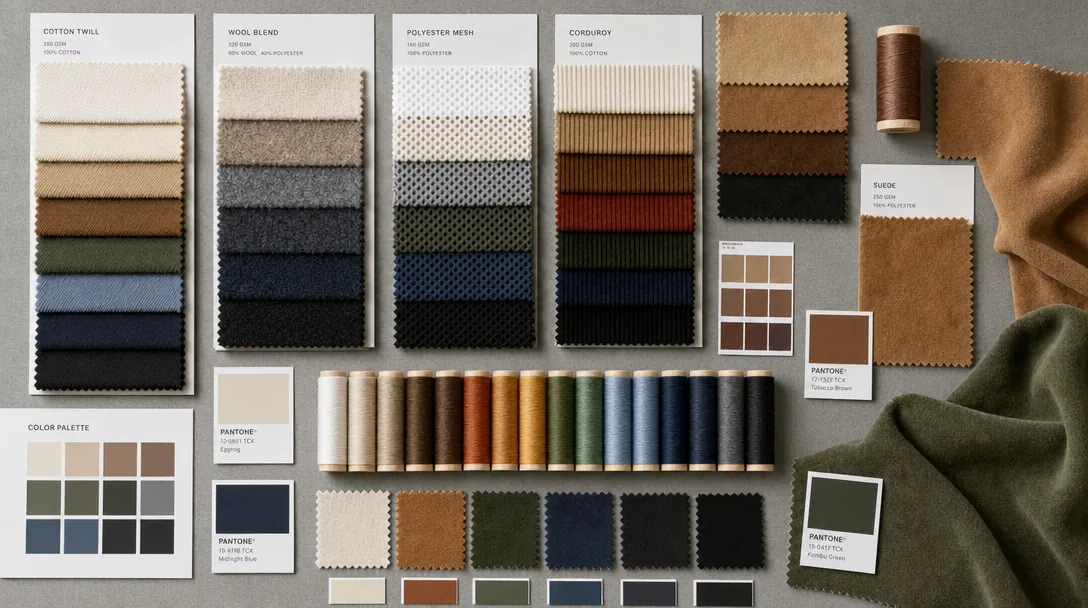
Camouflage Bucket Hat: Properties, Costs and How to Spec It Right
Read article →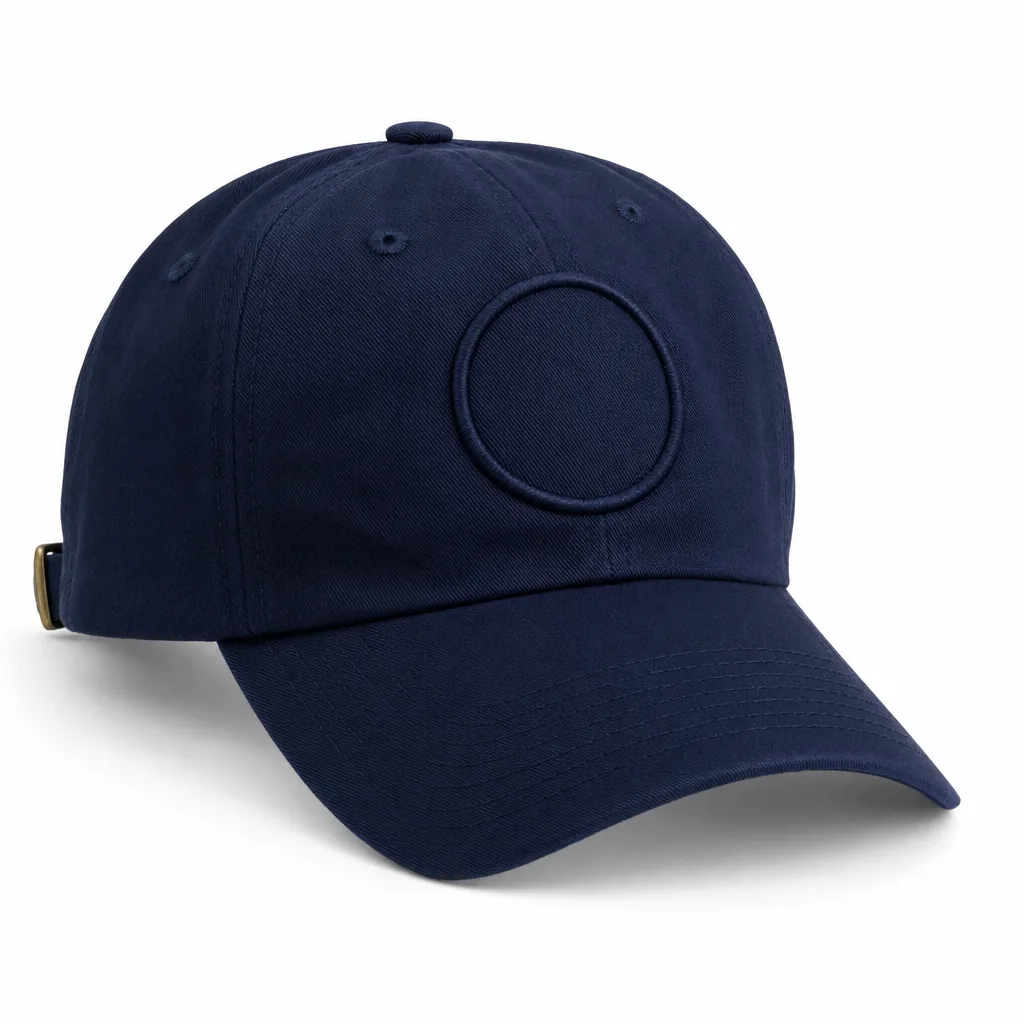
Custom Made Trucker Hat: The 2026 Sourcing & Manufacturing Playbook (2026 Update) - Supplier Checklist
Read article →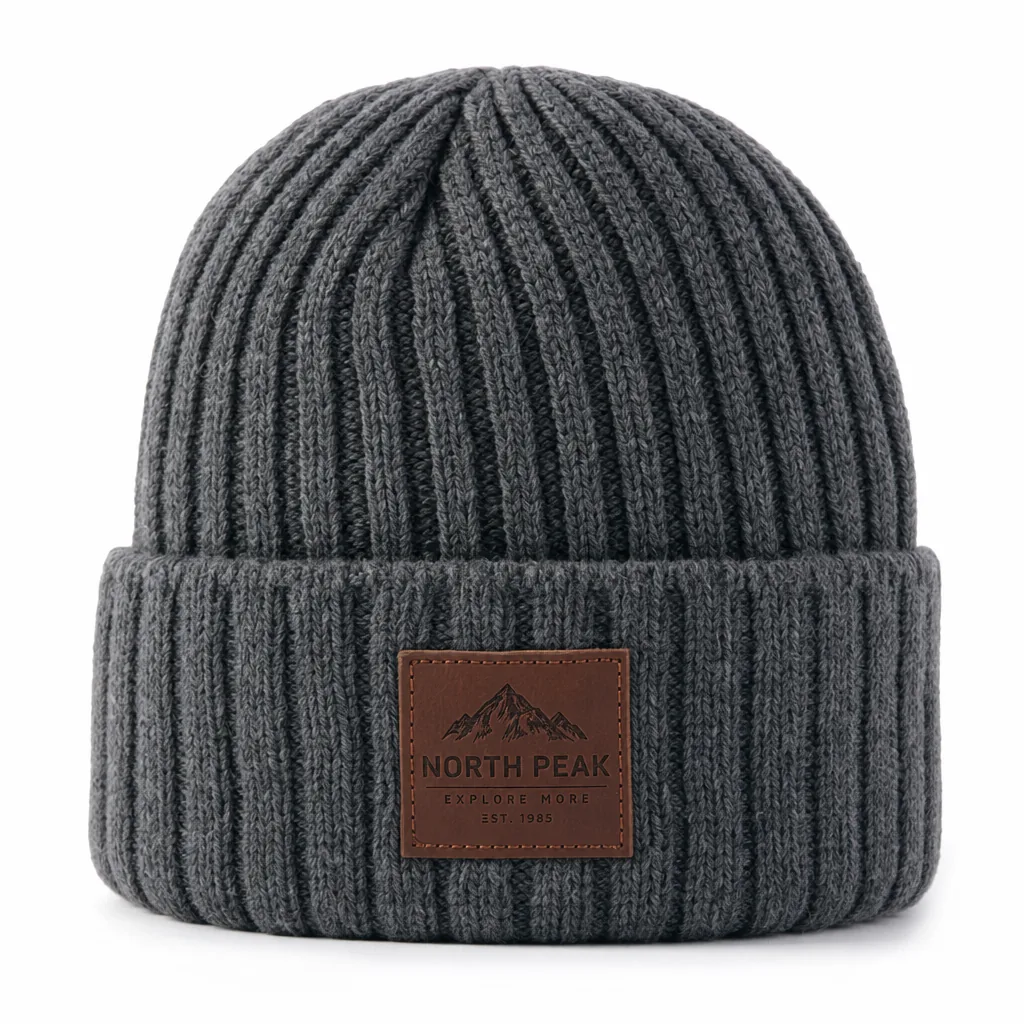
Merino Wool Beanie: Properties, Costs and How to Spec It Right - Cost & MOQ Breakdown (2026 Update) (2026 Update)
Read article →Sourcing custom hats does not have to be complicated. With the right manufacturing partner, clear specifications and a small upfront investment in sampling, you can launch a retail-quality product in 30 to 45 days.