
Performance & Athletic Caps: Moisture-Wicking, UPF and Buyer Specs - Supplier Checklist - 2026 Buyer's Guide - 2026 Buyer's Guide
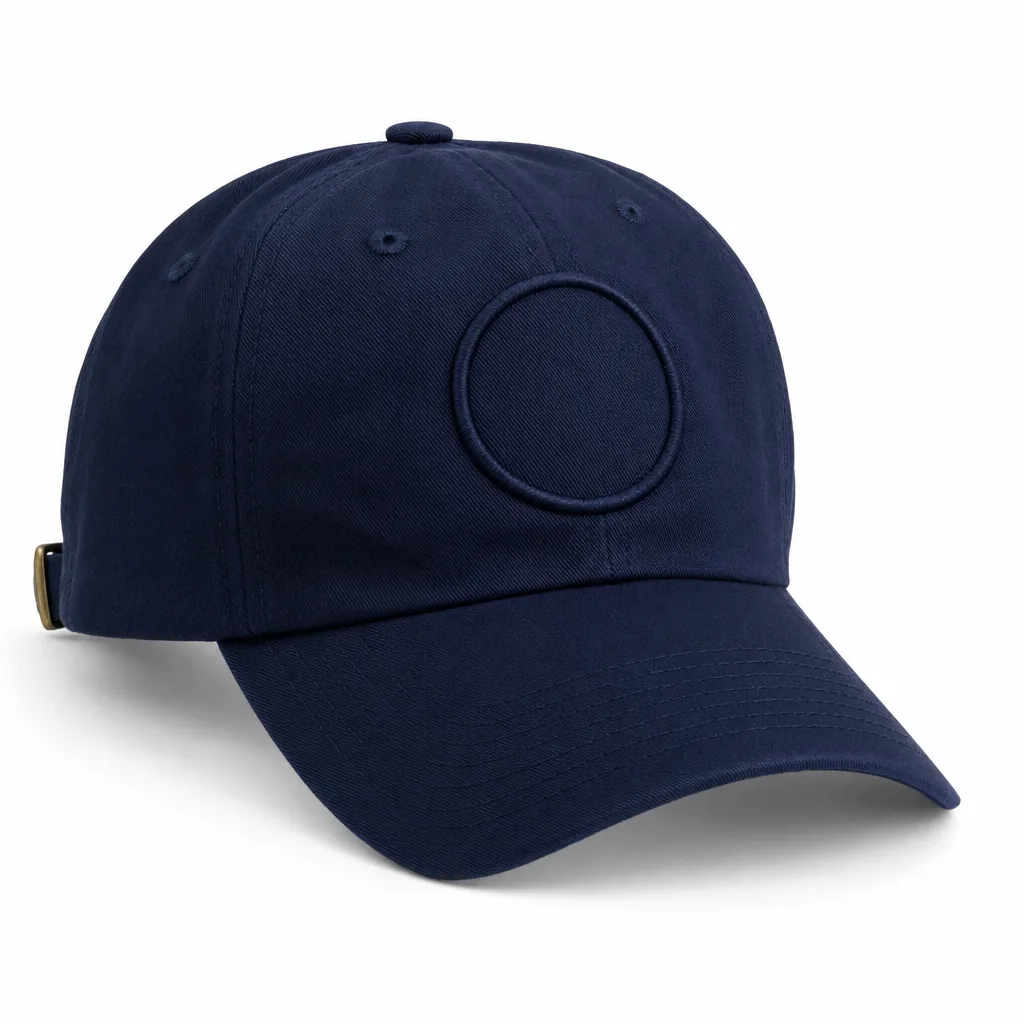
For brand owners, wholesalers and procurement teams entering the custom headwear category, performance & athletic caps: moisture-wicking, upf and buyer specs - supplier checklist - 2026 buyer's guide - 2026 buyer's guide is one of the highest-leverage decisions you will make. Get it right and your unit economics, retail story and reorder cycle all improve. Get it wrong and you carry the cost for years.
What makes a cap 'performance' vs 'standard'
A cap is truly “performance” only if the fabric, sweat management, and construction keep working after the first 10 minutes of real use. In practice, that means smooth filament polyester, usually 130 to 160 gsm, with a durable wicking finish and a sweatband built from polyester-spandex or polyester-elastane tricot that rebounds after repeated compression. A finished six-panel cap in the 65 to 85 g range is common; once you climb much past that, the hat starts retaining heat and drying too slowly. Cotton twill can look fine on a shelf, but it absorbs sweat, holds odor longer, and loses structure when wet. A performance cap manufacturer should also control stitch density, seam tape, and crown ventilation so the cap does not build pressure at the forehead during running, tennis, or golf.
The label matters less than the test data. For a moisture-wicking cap, I want a smooth filament polyester shell, not brushed fleece or cotton-rich blends, plus a finish that still moves moisture after repeated wash cycles. If the design uses laser-cut perforations, mesh side panels, or a ventilated back panel, those features should assist airflow, not carry the whole claim. For UV protection, ask for documented UPF 30, 50, or 50+ results under AATCC 183 or AS/NZS 4399, with clarity on whether the crown, visor, underbrim, and contrast panels were tested. An upf hat manufacturer that cannot separate tested panels from decorative ones is leaving buyers exposed, especially in golf and outdoor programs where mixed-fabric builds are common.
The buyer checklist should be measurable: shell gsm, total finished weight, sweatband composition, colorfastness after washing, and proof that the wicking finish still performs after at least 20 home launderings. Decoration also changes function. Dense front-panel embroidery can lock up airflow on a performance cap, so low-stitch logos, flat transfers, or left-chest style marks are usually the better call for running and training programs. CrownsForge’s standard practice is to confirm fit samples, sweatband recovery, and handfeel before bulk cutting, because a cap that photographs well can still fail on forehead pressure, drying speed, and thermal comfort once it is worn in heat and sweat.
UPF ratings: what's actually meaningful
UPF claims only matter when they are tied to the test standard, the fabric build, and the exact colorway, not the hangtag number. UPF 30 blocks 96.7% of UV radiation; UPF 50 blocks 98% or more, so the delta is real even if it sounds small. In cap work, a 100% polyester shell can test anywhere from UPF 15 to 40 depending on filament count, knit or weave tightness, pigment loading, and whether the surface is brushed or calendered. A performance cap manufacturer should treat UPF 30 as a workable outdoor baseline, not a premium feature. If the supplier cannot provide the fabric composition, GSM, construction, and a lab report, the claim is marketing, not specification.
When a buyer asks for UPF 50+, the spec has to lock the whole system, not just the crown fabric. That usually means tighter cover factor, a UV-absorbing finish, or both, and the cost adder is often about $0.08 to $0.35 per cap for treated polyester, higher for low-MOQ programs or heavyweight fabrics. ASTM D6603, AS/NZS 4399, and EN 13758-1 do not read the same way, so the purchase order should state the exact standard, whether the result is before or after laundering, and how many wash cycles the finish must survive. A 110 gsm laser-perforated panel and a 190 gsm closed-weave front panel are not equivalent under test, and a serious buyer should insist on the actual lab report, not a generic certificate.
The spec also needs to separate tested crown fabric from ventilation zones, sweatbands, and seam tape. Mesh side panels, embroidery density, and laser perforation can all reduce effective coverage and pull the overall rating down even when the main fabric passes at UPF 50+. That is normal, but it has to be written into the tech pack so no one promises uniform protection across every panel. For golf, running, and team-sport caps, the real question is retention after abrasion, sweat, and repeated laundering, because UV performance drops when the finish degrades or the fabric stretches. Lock the exact fabric, dye lot, panel map, and finish to the golden sample, then require re-test if the supplier changes yarn, mill, or coating chemistry.
Sweatband construction for athletic use
Cotton sweatbands are cheap on paper and wrong in use. They hold sweat and salt against the skin, stay wet long after the crown has started to dry, and are a common cause of forehead drag after 20 to 30 minutes of hard running. For athletic caps, the baseline should be a polyester or polyester-elastane sweatband with a hydrophilic finish on the skin side so moisture spreads, moves, and evaporates instead of pooling. When you work with a performance cap manufacturer, the inner band is usually where comfort problems show up first; a good shell cannot compensate for a band that turns damp, abrasive, and heavy under load.
For running, training, and team-use styles, I would normally specify a 220 to 260 gsm polyester knit sweatband with 8 to 12 percent elastane and a finished width of 20 to 25 mm. That range gives enough recovery to hold the cap steady without cutting into the temples or leaving a pressure line at the brow. Brushed tricot, micro-mesh, or fine pique all work if the face yarn is smooth and the back side is tuned for capillary transfer. Stitch choice matters: a clean coverstitch or bound seam sits flatter than a raw overlock, lowers abrasion, and holds up better after repeated wash and wear cycles. Cotton terry still has a place in low-cost casual caps, but for athletics it absorbs too much water, collapses when saturated, and gets sloppy fast.
Buyers should ask for measurable pass criteria, not vague moisture-wicking claims. A usable spec is under 3 percent shrinkage after five home-laundering cycles at 40 C, color change on the sweatband within Delta-E 2.0 to 3.0 after wash testing, and no visible crocking or dye bleed onto a white wipe cloth under wet-rub checks. If the cap is sold with UPF 50+ crown fabric, the sweatband still has to manage heat and humidity; a tight, non-breathing band can ruin the wear experience even when the exterior fabric tests well. The practical workflow is to sample the sweatband as a separate component, then test it in wear with real sweat load, because a cap that looks fine on a head form can fail once the band is soaked, reopened, and rubbed through a full training session.
Reflective trim, vented panels, and other athletic features
Reflective trim is a visibility spec, not decoration, and it has to be placed where motion actually catches light. For a running cap custom program, I would call out 5 mm to 8 mm reflective piping on the rear arch or under the brim edge, plus a reflective tab on the back closure if the cap is meant for cycling. That setup usually adds about $0.20 to $0.45 per piece at 1,000 units, depending on whether the material is silver glass-bead tape or TPU reflective film. A performance cap manufacturer should also lock in wash performance, not just first-pass brightness: ISO 6330 home-laundering for 20 to 30 cycles is a reasonable baseline, with no edge lift, cracking, or visible drop-off at the seam line after repeated flexing.
Vented panels matter more than logo placement on high-output caps. Laser-cut perforation is the cleaner answer for race-day and interval use because it opens airflow without turning the crown into a soft mesh shell; typical hole diameters are 1.2 mm to 2.0 mm, with heat-sealed edges or cover stitching where the panel carries stress. For athletic cap wholesale programs, I usually see the best balance on 90 gsm to 130 gsm polyester or nylon-spandex, with 4-way stretch only in panels that need recovery around the side crown or rear panel. The sweatband should be quick-dry polyester or microfiber, not cotton terry, because terry holds moisture, slows drying, and starts to smell after a few wear-and-pack cycles.
Golf and similar warm-weather programs need a slightly different construction logic. Perforated mesh inserts often outperform aggressive laser cutting when the buyer wants a cleaner visor line and less draft across the forehead, and the mesh should be color matched to within Delta-E 2.0 against the main fabric or it will read as an off-spec sample-room fix. For UPF-branded programs, the vent map has to be documented in the tech pack: body fabric can still test at UPF 30+ or UPF 50+, but any exempt zones around vents, sandwich edges, or open mesh need to be named clearly so the claim stays defensible. That is the detail buyers should push a performance cap manufacturer to put in writing, because airflow, UV protection, and wash durability only hold together when the construction is measurable at production level.
Color and design considerations for athletic positioning
Athletic buyers usually want restraint, not noise, and the best spec starts with a mono-color crown, matched visor, and tonal logo lockup in matte thread or low-contrast silicone so the cap reads clearly from 1.5 to 2 meters without fighting the uniform. A performance cap manufacturer should treat that as the default for team, club, and licensed sports programs, because the cap has to sit beside jerseys, warm-up tops, and sideline gear without looking like an afterthought. In practice, black-on-black, navy-on-navy, or heather charcoal with a logo one shade darker is easier to sell across academies, retail sports accounts, and sponsor-facing programs than a loud two-tone build, especially when the buyer is trying to keep the line tight across multiple SKUs and seasonal reorders.
Color works better as a controlled system than as decoration. Tournament series, summer camps, and regional team programs usually need one accent only, placed on the undervisor, sandwich piping, or closure, while the main body stays neutral. That gives a custom athletic cap enough brand signal for sponsor visibility without tipping into streetwear contrast. For a running cap custom order, I would lock the palette to one base Pantone TCX plus one accent at most, then check logo legibility under D65 lighting, direct sun, and stadium LED wash; a colorway that looks sharp on screen can flatten once sweat, glare, and motion enter the picture. Small front marks and side-hit embroidery are where weak contrast shows up first, so they need to be judged on a real sample, not a render.
Finish matters as much as color because gloss changes how the eye reads shape. A matte polyester microfiber or 96/4 nylon-spandex weave hides seam disruption and keeps tonal embroidery cleaner than shiny tricot or coated fabric, especially on golf and training programs where the buyer wants premium but not flashy. If the cap is positioned as a UPF piece, the surface should stay tight and uniform so the UV claim is not undercut by decorative paneling, contrast inserts, or open mesh in the wrong zones; a 40+ UPF fabric spec is more believable when the construction is simple and the panel map is disciplined. Standard practice is to sample one subdued colorway first, approve the silhouette, then build the alternate team palette around that construction so the line stays coherent across retailer resets and repeat orders.
Pricing: performance fabric costs vs standard cotton
Performance polyester usually adds $0.40 to $0.80 per cap versus standard cotton when you are quoting the same silhouette on the same factory line. In bulk, a basic 5-panel or 6-panel cotton twill cap often lands around $1.10 to $1.60 FOB, while a 150D to 250D polyester body with wicking yarn, a smoother face, and tighter shade matching typically comes in at $1.60 to $2.30 before embroidery or print. A performance cap manufacturer should price that spread by fabric gsm, yarn finish, and dye complexity, not by the word "poly" on the spec sheet. Recycled polyester, heather melanges, and deep saturated colors all raise cost because shade control tightens and first-pass yield drops once Delta-E creeps past 1.5 to 2.0. The premium is defensible when the buyer needs lower water retention, faster dry time, and less sweat marking under heat and repeated wash cycles.
UPF only matters when it is tied to a tested fabric, not a loose hangtag claim. A proper UPF cap usually adds about $0.20 to $0.30 per unit for a fabric finish or construction that genuinely tests at UPF 30, UPF 50, or 50+, with lab reports linked to the production lot. The cost is in weave density, UV-stable dye systems, and process control so the rating survives laundering instead of dying in the first season. For golf, running, and sideline programs, buyers should budget for the full build, not just the shell fabric: seam tape, crown structure, visor board, and lining all change heat buildup and comfort. A 3-layer foam front or heavy buckram can make a cap feel hotter than the fabric spec suggests, which is why fabric price alone does not explain end-use performance.
The sweatband is where cheap builds fail quickly. A brushed polyester or terry-poly sweatband with better capillary action usually adds $0.10 to $0.20 per cap, while plain cotton tape is cheaper but holds moisture, gets heavy, and breaks down faster in humid wear. For a moisture-wicking cap used in golf or training, that upgrade matters more than many buyers expect because it changes how the cap feels after 18 holes or a full outdoor session. The clean way to compare programs is to quote shell fabric, finish, sweatband, and structure as separate lines. That is how a performance cap manufacturer keeps a true athletic build from being disguised as a basic cotton cap with a better logo. In practice, a well-built performance program often runs $0.60 to $1.30 above a cotton baseline before decoration, but the price gap is usually smaller than the cost of returns from sweat staining, shape collapse, or comfort complaints.
Frequently Asked Questions
Do you support sustainability certifications?
Yes. We work with GOTS organic cotton, GRS-certified recycled polyester, OEKO-TEX Standard 100 fabrics, and are BSCI and Sedex audited. Certification documentation can be provided per order.
What is the minimum order quantity (MOQ) for custom hats?
Our standard MOQ is 100 pieces per design and color, with sampling available from 1 piece. For complex multi-color logos or premium fabric upgrades, the MOQ can be lowered with a small per-piece surcharge.
How long does production take?
Sampling takes 7 to 12 days. Bulk production runs 20 to 30 days depending on quantity, fabric availability and decoration complexity. Inspection and packing adds another 3 to 5 days before shipment.
What logo decoration techniques do you offer?
3D puff embroidery, flat embroidery, woven patch, leather patch, PVC patch, screen printing, sublimation, applique and laser etching, all in-house with no subcontracting.
Can I order a sample before bulk production?
Yes. We strongly recommend approving a pre-production sample before mass production. Samples are charged at 35 to 60 USD each plus express shipping, fully refundable against confirmed bulk orders over 500 pieces.
How does ordering baseball cap custom logo work?
When evaluating baseball cap custom logo, the key considerations are construction quality, decoration capability, MOQ flexibility and lead time. Performance polyester adds roughly $0.40-$0.80 per cap vs standard cotton. UPF treatment adds another $0.20-$0.30. Sweatband upgrade adds $0.10-$0.20. Moisture-wicking fabric (typically polyester with wicking finish), moisture-wicking sweatband (usually polyester-elastane blend), lightweight construction (under 80g), and often UPF treatment.
What should buyers know about branded bills performance hat?
When evaluating branded bills performance hat, the key considerations are construction quality, decoration capability, MOQ flexibility and lead time. UPF 30 blocks ~97% of UV. UPF 50+ blocks 98%+. Most performance polyester fabric reaches UPF 30 naturally without chemical treatment. UPF 50+ usually requires treated fabric, which adds cost. Performance polyester adds roughly $0.40-$0.80 per cap vs standard cotton. UPF treatment adds another $0.20-$0.30. Sweatband upgrade adds $0.10-$0.20.
How much does branded bills custom hat cost typically cost?
When evaluating branded bills custom hat cost, the key considerations are construction quality, decoration capability, MOQ flexibility and lead time. UPF 30 blocks ~97% of UV. UPF 50+ blocks 98%+. Most performance polyester fabric reaches UPF 30 naturally without chemical treatment. UPF 50+ usually requires treated fabric, which adds cost. Moisture-wicking fabric (typically polyester with wicking finish), moisture-wicking sweatband (usually polyester-elastane blend), lightweight construction (under 80g), and often UPF…
How does ordering custom logo bucket hat work?
When evaluating custom logo bucket hat, the key considerations are construction quality, decoration capability, MOQ flexibility and lead time. Moisture-wicking fabric (typically polyester with wicking finish), moisture-wicking sweatband (usually polyester-elastane blend), lightweight construction (under 80g), and often UPF treatment. UPF 30 blocks ~97% of UV. UPF 50+ blocks 98%+. Most performance polyester fabric reaches UPF 30 naturally without chemical treatment. UPF 50+ usually requires treated fabric, which…
Ready to start your custom hat project?
Send us your tech-pack, sketch or even just an inspiration photo. We will respond with a detailed quotation and digital mock-up within 24 hours.
Request a free quoteRelated guides
Custom Made Trucker Hat: The 2026 Sourcing & Manufacturing Playbook - Supplier Checklist (2026 Update)
Read article →
Cap Packaging Options: Retail-Ready, Hangtag, Polybag & Custom Boxes (2026 Update)
Read article →
Cool Bucket Hats for Guys: A Vertical-Specific Sourcing Guide
Read article →Sourcing custom hats does not have to be complicated. With the right manufacturing partner, clear specifications and a small upfront investment in sampling, you can launch a retail-quality product in 30 to 45 days.