
Performance & Athletic Caps: Moisture-Wicking, UPF and Buyer Specs - Supplier Checklist - 2026 Buyer's Guide - 2026 Buyer's Guide (2026 Update)
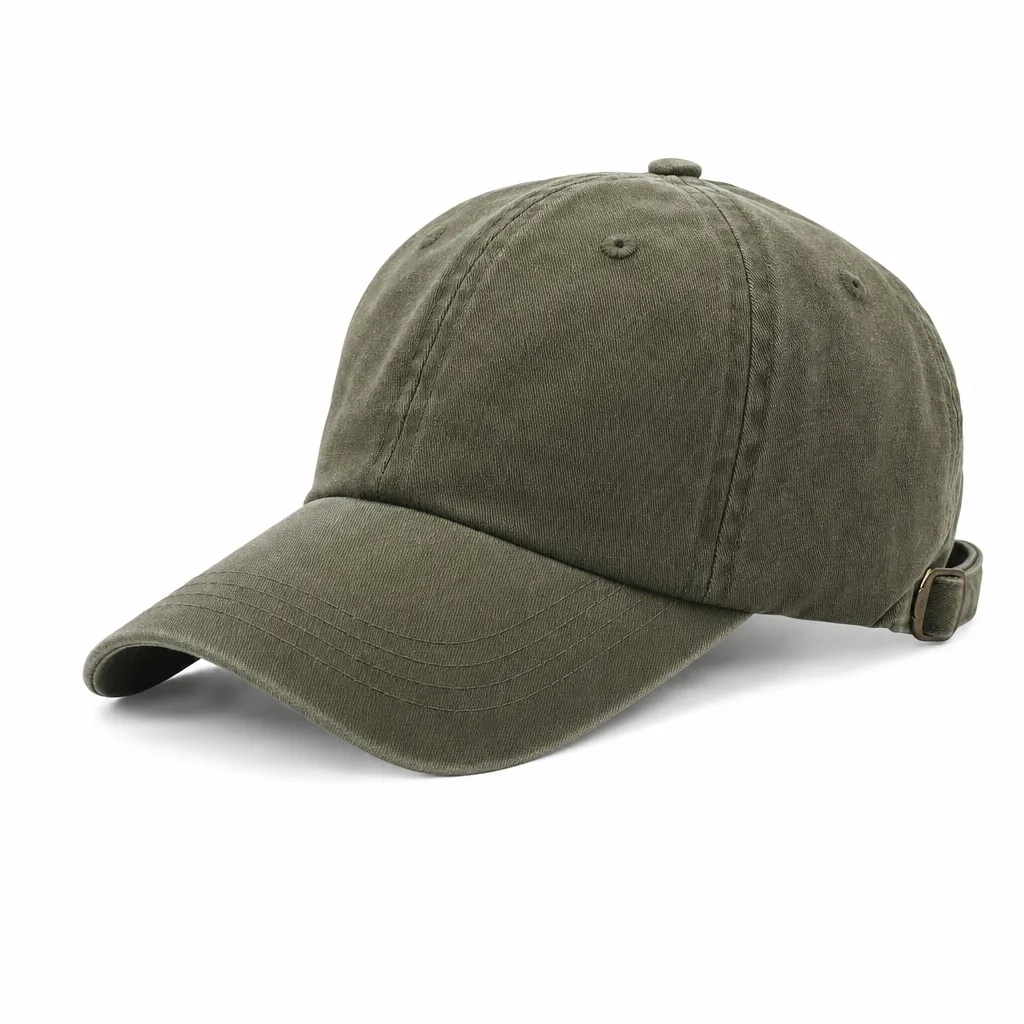
For brand owners, wholesalers and procurement teams entering the custom headwear category, performance & athletic caps: moisture-wicking, upf and buyer specs - supplier checklist - 2026 buyer's guide - 2026 buyer's guide (2026 update) is one of the highest-leverage decisions you will make. Get it right and your unit economics, retail story and reorder cycle all improve. Get it wrong and you carry the cost for years.
What makes a cap 'performance' vs 'standard'
A cap earns the “performance” label only when the full material package is engineered around sweat transport, heat release, and recovery after repeated wear; using lighter cloth alone does not make it athletic. A standard 6-panel brushed cotton twill cap usually finishes around 95 to 130 grams, absorbs perspiration into the shell and sweatband, and can stay visibly damp for hours in 28 to 32°C humidity. A true running or training cap is more often 45 to 80 grams finished weight, built from 75D to 150D polyester microfiber, mini-ripstop, or mechanical-stretch woven fabric in the 90 to 140 gsm range. The real separator is the yarn and finish system: capillary-channel polyester, cationic wicking polyester, or a hydrophilic treatment that still passes after 20 home launderings. If a supplier says “quick dry” but cannot give fiber denier, gsm, and wash durability, you are usually looking at a standard cap with thinner fabric and no verified performance spec.
The sweatband and trim expose weak programs fast. Plenty of vendors switch the shell to polyester but leave a cheap cotton terry sweatband inside, which holds moisture against the forehead and cancels out the fabric upgrade. A proper build uses a polyester-elastane sweatband, typically 88/12 or 92/8 at 180 to 220 gsm, sometimes with spacer mesh or a light foam laminate to increase evaporation without adding much bulk. Construction changes as well: softer buckram or no front support, 2 to 4 mm laser perforations, mesh side panels, narrower seam tape, and lighter closures such as hook-and-loop or elastic loop. Any experienced performance cap manufacturer knows decoration matters just as much as fabric; one dense 3D embroidery file, thick woven patch, or oversized TPU badge can ruin drape, trap heat, and add 8 to 15 grams where the wearer feels it most.
UPF is another dividing line, but only when the rating is tied to an actual test method. Dark, tightly woven polyester may naturally hit UPF 30+ because the construction blocks transmission, while a pale 100 gsm mesh panel often needs UV-absorbing chemistry or titanium dioxide in the yarn to reach UPF 50+. A serious supplier should cite AATCC 183 or AS/NZS 4399 and explain whether the result comes from weave density, dye depth, additive package, or post-finish treatment. The same discipline should apply to airflow and color approval. Wicking and UV finishes can shift shade by Delta-E 1.0 to 1.5 against Pantone TCX standards, and some coatings reduce air permeability enough to make a cap feel hotter even when the lab result looks good. Our standard practice is to lock measurable buyer specs before sampling: finished cap weight tolerance, sweatband composition, UPF target, air permeability, colorfastness, and wash durability, then inspect finished goods to AQL 2.5 because performance failures are functional, not just cosmetic.
UPF ratings: what's actually meaningful
The label matters less than the test method and the exact fabric state when tested. Under AATCC 183, UPF 30 still allows roughly 3.3% UV transmission; UPF 50 allows about 2.0%; UPF 50+ is simply anything better than that cutoff, not a giant leap in real-world protection. On the factory floor, weave density, shade, and stretch move the result more than most buyers expect. A 110-140 gsm polyester plain weave, mini-ripstop, or dobby in black, navy, or deep red will often reach UPF 30-40 without any UV finish, while the same construction in white, cool gray, or safety lime can test materially lower because less dye means less absorption. Perforations and mechanical stretch are the other common traps: once a shell is pulled over a structured 6-panel crown, cover factor opens and UV transmission rises. If a performance cap manufacturer offers blanket UPF 50+ across all colorways, ask for lot-specific reports by color and finish, not a borrowed mill certificate from one dark control sample.
UPF 50+ usually comes from a deliberate material decision, and every route has a tradeoff. Mills get there with tighter cover factor, TiO2-loaded polyester filaments, ceramic additives, or UV-absorber finishes, but those choices can reduce CFM air permeability, stiffen hand feel, and complicate moisture management. In practical FOB terms, moving from a wicking shell that naturally lands around UPF 25-35 to a certified UPF 50+ shell typically adds $0.18-$0.45 per cap at 3,000-10,000 units; if the mill needs a dedicated finishing run below MOQ, the surcharge can exceed $0.60. That premium is often wasted if the side or rear panels use laser perforation, sandwich mesh, or 75D tricot vents, because the finished cap only protects as well as its most open zone. The spec that actually survives QC is panel-specific: front crown, visor top, and top panels tested to UPF 50+ after 20 home launderings; side and back panels either tested separately or clearly declared breathable/non-UPF zones. Our standard practice is to lock the approved shell to the lab dip, verify bulk fabric before cutting, and keep any UPF claim off the PO unless the report matches the exact color, lot, and finish used in production.
Sweatband construction for athletic use
The sweatband is where an athletic cap earns or loses its keep. Cotton twill and brushed terry are still common in promo-grade caps, but once they saturate they hold water, gain noticeable weight, and dump sweat back toward the brow. For real running, golf, tennis, and training use, the safer spec is a polyester-elastane knit in the 180-240 gsm range, typically 88/12 or 90/10, with a hydrophilic finish or engineered channel knit that spreads moisture laterally for faster evaporation. In wear trials, that upgrade usually improves comfort more than upgrading the shell from a standard 75D polyester microfiber to a more expensive stretch woven. A credible performance cap manufacturer should be able to state the yarn denier, knit construction, finish type, and target moisture-management result, not just write "wicking" on a spec sheet. Band geometry also needs to match the sport. A 32-38 mm finished height is normal for general athletic caps, but heavy-perspiration programs usually work better at around 40 mm at center front, tapering slightly at the side seams so the band does not press into the temples. I prefer low-bulk overlock or flatlock joins over folded seam constructions because they reduce friction during repetitive movement and sit cleaner under lightweight crowns. Do not approve on handfeel alone. A sweatband with 8-12% elastane should recover after 10 home-laundry cycles at 30°C with no roping, edge tunneling, or loss of surface wicking. Cheap finishes often test fine unwashed, then collapse after laundering, which is exactly when team and retail returns start.
Attachment quality is where a lot of import programs get exposed. Sewing a slippery interlock or warp-knit band onto a lightweight 75D or 100D polyester shell is not trivial; excessive top tension, the wrong folder setup, or an aggressive needle will nick filaments and weaken the stitch line. I would normally spec 10-12 SPI with a fine ballpoint needle, then check for seam grin, slippage, and edge rolling after shaping. If the operator is fighting curl at the folder, you usually end up with uneven bite, inconsistent finished width, and visible twist once the cap comes off the blocking line. Those faults rarely show in lab dips or photo approvals, but they are obvious on-head. The buyer checklist should ask for test data, not just width and color. Request AATCC 195 moisture-management results, colorfastness to perspiration, crocking, pH compliance for skin-contact textiles, and wash durability after at least 10 cycles. Dark sweatbands bleeding onto white or stone-colored crowns are still a live claim issue, so shade should be approved to Pantone TCX with an agreed Delta-E tolerance, especially on piece-dyed bands. On better-managed production runs, including our standard practice at CrownsForge, sweatband attachment, seam slippage, and shade consistency are controlled under AQL 2.5 because those are the defects athletes notice first. If a supplier cannot tell you whether the band is piece-dyed, yarn-dyed, or sublimated before assembly, they are not running an athletic headwear program with much discipline.
Reflective trim, vented panels, and other athletic features
Reflective trim is one of the highest-claim items on athletic caps because buyers often spec it like decoration, then discover it behaves like a performance component. For running and cycling styles, use segmented reflective heat-transfer film or woven glass-bead tape at the brim edge, rear arch, or closure strap, with a functional width of 5 to 8 mm; narrower than that, the return drops sharply once the trim bends over a low-profile crown. On 92/8 polyester-spandex shells, 70D to 100D nylon, or other low-surface-energy fabrics, the adhesive system matters more than the trim supplier’s brochure. A competent performance cap manufacturer should show 40°C wash data, synthetic sweat resistance, dry and wet crocking, and edge-lift results after at least 20 wash-equivalent cycles. Reflective trim usually adds only $0.18 to $0.45 per cap, but delamination after a few training sessions creates returns out of proportion to the cost. Construction method decides whether the trim survives retail handling and repeated wear. Reflective tape captured into a seam holds up better against abrasion and polybag scuffing than top-applied film, though it requires tighter sewing control and adds operator time. For team and retail programs, keep reflective placement within ±2 mm of the approved centerline; drift beyond that is obvious under store lighting and tends to fail visual inspection faster than color shade issues. If the cap also carries embroidery, do not let Tajima, Barudan, or ZSK needle paths cross reflective zones, because puncturing the coating lowers brightness and often creates crack lines around the stitch run. I also avoid placing reflective transfers over high-stretch vent areas, where repeated extension and recovery is exactly where edge failure starts.
Laser-cut venting is the best airflow solution for lightweight training caps, but only when fabric, reinforcement, and UPF target are engineered together. On polyester or recycled-poly shells in the 110 to 140 gsm range, laser perforation keeps the crown flatter and lighter than sewn-in mesh, which is why it works on 5-panel and unstructured running silhouettes. The failure point is edge stability: without backing film, welded perimeters, or disciplined hole density, the apertures ripple after sweat saturation and drying cycles. White and pastel colors are especially unforgiving, because poor laser settings leave browning that stands out against light Pantone TCX shades. I would test vent zones for distortion, shade shift, and seam torque after 20 wash-equivalent cycles, and reject any lot showing visible heat marking under D65 lighting. Ventilation has to be balanced against decoration limits and real UPF retention. If the target is UPF 30+ or UPF 50+, distributed micro-perforation is safer than large slashes because excessive open area makes lab compliance harder to defend. For golf and warm-weather promotional programs, fine-hole polyester mesh at 90 to 120 gsm or warp-knit spacer mesh gives better dimensional stability than cheap open mesh, especially if shell and insert are color-matched within Delta-E 1.5 to 2.0. Side mesh panels should carry silicone transfers, woven labels, or low-stitch-count graphics; dense embroidery on perforated material puckers, chokes airflow, and pushes up rejection rates. Our standard practice is to inspect vent and mesh seam security to AQL 2.5 and run panel-join pull tests, because this feature only adds about $0.12 to $0.30 per cap yet causes far more returns than most buyers budget for.
Color and design considerations for athletic positioning
Athletic positioning works best when the palette is disciplined and the specs are locked before bulk cutting. Team buyers and serious retail accounts usually want a single-color build or a low-contrast two-tone cap that reads as uniform, not promotional: black crown with a black or charcoal visor, navy with tonal embroidery, white with matched thread, or stone with a slightly deeper sand bill. For a performance cap manufacturer, the real work is controlling color across fabric dye lots, polyester thread sheen, visor underlay, seam tape, and binding so the cap does not drift in production. Lock Pantone TCX or Pantone C references early, then approve under D65 daylight and 4000K LED before PO release. On a moisture wicking cap, glossy polyester thread can flash hard under stadium lighting even when it looks fine on a phone screen, so stitch finish matters as much as color choice.
Subtle logo placement usually wins because the cap should carry the team identity without fighting it. A 55 to 70 mm front mark, a 35 to 45 mm side hit, or a small back arch in a slightly darker or lighter shade than the crown keeps the cap wearable for training, travel, and resale. In athletic hat custom programs, clubs often split the line into a core colorway for stock and a quieter sub-brand version for camps, sponsor drops, or playoff merch. The check that matters is Delta-E, not taste: a thread-to-fabric color difference under 2.0 in controlled light is usually workable, while anything looser tends to look sloppy once the cap is worn at head height outdoors. Dense embroidery on Tajima, Barudan, or ZSK heads also changes how color reads, because stitch direction and coverage alter sheen.
For running cap custom and golf cap wholesale programs, the safest palette follows the sport’s visual language. Running assortments usually lean on black, asphalt gray, navy, and occasional safety orange accents because they read technical and replenish cleanly; golf buyers usually want white, navy, stone, or forest green with enough contrast for a club crest or sponsor mark. Our standard practice is to sample logos in both matte and high-sheen thread, because tonal embroidery can disappear if stitch density, pile height, and reflectance are not balanced. If the cap is also coming through an upf hat manufacturer, keep the color story aligned with sun protection claims: lighter colors feel more summer-appropriate, but the buyer still needs the crown fabric, visor fabric, and mesh inserts to hold the same visual tone after laundering and UV exposure, not just in the first pre-production photo.
Pricing: performance fabric costs vs standard cotton
Performance polyester typically adds $0.40 to $0.80 per cap versus 100 percent cotton twill when the silhouette, stitch count, and trim package stay the same. That spread is driven by real material differences: a 210 to 250 gsm cotton crown is a different bill of materials than a 150 to 180 gsm birdseye, micro mesh, or flat-knit polyester body, and the labor cost shifts too when you introduce self-fabric panels, contrast mesh inserts, or binding on the internal seams. Cotton looks cheaper on a spec sheet, but it absorbs sweat, takes longer to dry, and deforms faster after repeated laundering. A performance cap manufacturer should be quoting by fabric weight, yarn denier, panel count, seam construction, and whether the crown is fully solid or mixed with technical mesh, because those variables move cutting waste and sewing minutes in a way buyers can verify in sampling.
UPF usually adds another $0.20 to $0.30 per cap when the protection comes from a tested fabric, and the price is higher if the base cloth is certified lot by lot instead of only claimed in marketing copy. The right reference is not “sun protection” in the abstract; it is a documented result under UV Standard 801 or AATCC 183, tied to the fabric lot number, colorway, and wash condition used in the test. A UPF 50+ body in navy or black generally holds up better than the same construction in pale shades, but only if the dyeing is controlled and the finish does not wash off after a few cycles. For golf, trail, and other athletic hat custom programs, buyers should expect that paper trail upfront, because retailers and licensees will ask for it when the order lands in QA or compliance review.
The sweatband is the cheapest upgrade, usually $0.10 to $0.20 per cap, but it changes the hand-feel and end-user complaint rate more than most buyers expect. A brushed polyester, terry, or spacer-backed band with a thin PU or EVA insert pulls moisture off the forehead better than basic cotton tape, and it stays usable longer before it goes limp or sour. It also affects factory time: laminated bands, bound edges, and one-pass stitching all create different defect points at the front panels and seam intersections, so the quote should separate crown fabric, treatment, and trim instead of burying them in one line. That is the only clean way to compare a basic cotton cap with a technical build from a performance cap manufacturer, especially when the program includes mesh back panels, UPF fabric, and upgraded internal taping. If the quote is bundled, the buyer usually finds the real cost only after sampling.
Frequently Asked Questions
What logo decoration techniques do you offer?
3D puff embroidery, flat embroidery, woven patch, leather patch, PVC patch, screen printing, sublimation, applique and laser etching, all in-house with no subcontracting.
Do you support sustainability certifications?
Yes. We work with GOTS organic cotton, GRS-certified recycled polyester, OEKO-TEX Standard 100 fabrics, and are BSCI and Sedex audited. Certification documentation can be provided per order.
What is the minimum order quantity (MOQ) for custom hats?
Our standard MOQ is 100 pieces per design and color, with sampling available from 1 piece. For complex multi-color logos or premium fabric upgrades, the MOQ can be lowered with a small per-piece surcharge.
How long does production take?
Sampling takes 7 to 12 days. Bulk production runs 20 to 30 days depending on quantity, fabric availability and decoration complexity. Inspection and packing adds another 3 to 5 days before shipment.
Can I order a sample before bulk production?
Yes. We strongly recommend approving a pre-production sample before mass production. Samples are charged at 35 to 60 USD each plus express shipping, fully refundable against confirmed bulk orders over 500 pieces.
How does ordering baseball cap custom logo work?
When evaluating baseball cap custom logo, the key considerations are construction quality, decoration capability, MOQ flexibility and lead time. Performance polyester adds roughly $0.40-$0.80 per cap vs standard cotton. UPF treatment adds another $0.20-$0.30. Sweatband upgrade adds $0.10-$0.20. Moisture-wicking fabric (typically polyester with wicking finish), moisture-wicking sweatband (usually polyester-elastane blend), lightweight construction (under 80g), and often UPF treatment.
What should buyers know about branded bills performance hat?
When evaluating branded bills performance hat, the key considerations are construction quality, decoration capability, MOQ flexibility and lead time. UPF 30 blocks ~97% of UV. UPF 50+ blocks 98%+. Most performance polyester fabric reaches UPF 30 naturally without chemical treatment. UPF 50+ usually requires treated fabric, which adds cost. Performance polyester adds roughly $0.40-$0.80 per cap vs standard cotton. UPF treatment adds another $0.20-$0.30. Sweatband upgrade adds $0.10-$0.20.
How much does branded bills custom hat cost typically cost?
When evaluating branded bills custom hat cost, the key considerations are construction quality, decoration capability, MOQ flexibility and lead time. UPF 30 blocks ~97% of UV. UPF 50+ blocks 98%+. Most performance polyester fabric reaches UPF 30 naturally without chemical treatment. UPF 50+ usually requires treated fabric, which adds cost. Moisture-wicking fabric (typically polyester with wicking finish), moisture-wicking sweatband (usually polyester-elastane blend), lightweight construction (under 80g), and often UPF…
How does ordering custom logo bucket hat work?
When evaluating custom logo bucket hat, the key considerations are construction quality, decoration capability, MOQ flexibility and lead time. Moisture-wicking fabric (typically polyester with wicking finish), moisture-wicking sweatband (usually polyester-elastane blend), lightweight construction (under 80g), and often UPF treatment. UPF 30 blocks ~97% of UV. UPF 50+ blocks 98%+. Most performance polyester fabric reaches UPF 30 naturally without chemical treatment. UPF 50+ usually requires treated fabric, which…
Ready to start your custom hat project?
Send us your tech-pack, sketch or even just an inspiration photo. We will respond with a detailed quotation and digital mock-up within 24 hours.
Request a free quoteRelated guides
Acrylic Beanie: Properties, Costs and How to Spec It Right
Read article →
Custom Hat Design: The 2026 Sourcing & Manufacturing Playbook
Read article →
Bucket Hat Corduroy Retail Packaging Guide for Custom Hat Buyers
Read article →We hope this guide demystifies performance & athletic caps: moisture-wicking, upf and buyer specs - supplier checklist - 2026 buyer's guide - 2026 buyer's guide (2026 update) and helps you move forward with confidence. If you have questions specific to your project, our English-speaking sales engineers are one message away.