
Performance & Athletic Caps: Moisture-Wicking, UPF and Buyer Specs - Supplier Checklist - 2026 Buyer's Guide - 2026 Buyer's Guide - 2026 Buyer's Guide
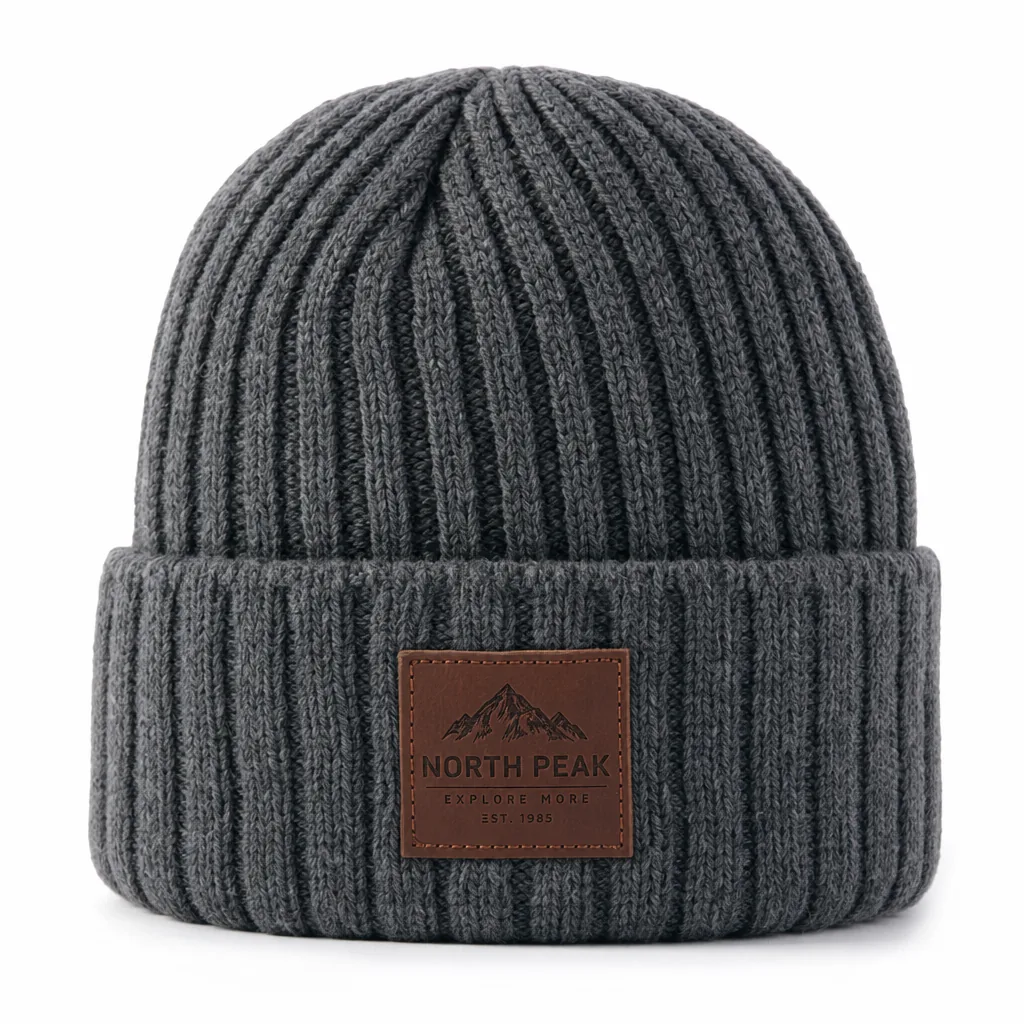
Performance & Athletic Caps: Moisture-Wicking, UPF and Buyer Specs - Supplier Checklist - 2026 Buyer's Guide - 2026 Buyer's Guide - 2026 Buyer's Guide is one of the most-asked questions we receive from international buyers, and for good reason. With dozens of factories competing for your order and an alphabet soup of technical terms in every supplier quote, even experienced importers can feel lost. This guide consolidates what we have learned producing custom hats for clients in 40+ countries.
What makes a cap 'performance' vs 'standard'
A cap earns the label "performance" only when the BOM is engineered around sweat, heat, and low carry weight; a sporty silhouette alone does not qualify. Standard promo caps are still usually built from brushed cotton twill or chino in the 180-240 gsm range, with cotton sweatbands that absorb perspiration, dry slowly, and feel heavier after 30-40 minutes of wear. A real athletic build typically moves to 100% polyester microfiber, micro-ripstop, or lightweight nylon at 95-140 gsm, sometimes with 4-8% spandex or mechanical stretch for recovery. The sweatband matters as much as the shell: a polyester-elastane band around 180-220 gsm keeps shape better than basic single-jersey tape, resists edge rolling after repeated wash cycles, and moves moisture off the forehead instead of storing it. If a factory calling itself a performance cap manufacturer cannot specify shell gsm, denier, sweatband composition, crown structure, and target finished weight, it is usually quoting a standard cap with technical-looking trims.
Finished weight is the quickest factory-floor test because it exposes whether the cap was actually engineered down component by component. A credible running or training cap usually finishes under 80 g, while a clean unstructured 5-panel or low-profile 6-panel often lands around 55-70 g depending on closure, visor insert, and seam construction. That number comes from details buyers should ask about directly: narrow seam tape, mesh or laser-perforated side panels, lightweight hook-and-loop or elastic webbing closures, and thin PE visor boards instead of the heavier inserts common in fashion caps. Decoration can wreck the spec just as fast. A raised 3D embroidery at the front can add 8-15 g, stiffen the crown, and reduce airflow, whereas reflective heat transfers, silicone badges, or high-stretch screen prints preserve hand feel and ventilation. UV protection is the other hard divider, but it needs lab confirmation, not assumptions; ask for UPF 30+ or UPF 50+ reports to AATCC 183 or AS/NZS 4399 by colorway, since white, pastel, and dark shades can test very differently. A cap is only performance-grade when moisture management, ventilation, low mass, and verified UV protection all survive in the same production spec.
UPF ratings: what's actually meaningful
The only UPF number worth paying for is a lab result tied to a specific fabric code, color, weight, and construction—not a generic hangtag. UPF 30 allows roughly 3.3% UV transmission; UPF 50+ allows 2% or less. That difference sounds dramatic in a catalog, but on an actual running or golf cap, protection is often driven more by brim depth, front-panel coverage, and how much of the side crown is opened up with mesh or laser perforation. Tight polyester plain weaves, dobbies, and interlocks in the 110-160 gsm range often land around UPF 20-35 without special treatment, especially in darker shades. I see buyers overspec UPF 50+ on lightweight styles where ventilation zones, not the main shell, become the weakest point. If you need a defensible UPF 50+ claim, ask for the test basis: usually AATCC 183 or AS/NZS 4399, plus the exact colorway, gsm, and whether the result is before or after laundering. Construction and shade move the number more than most sourcing teams expect. A black 140 gsm polyester interlock can clear 50+ with no added chemistry, while a white 120 gsm birdseye mesh may struggle to reach UPF 25. To push pale colors higher, mills typically use UV-absorber finishes or modified filament chemistry, which usually adds about $0.18-$0.45 per cap at normal MOQs. Any competent performance cap manufacturer should also spell out whether mesh back panels, underbill fabric, and vent zones are covered by the claim, because that is where certificate language and real wear conditions usually split.
The most common PO mistake is writing “UPF 50+ cap” without defining which components must meet that standard. On a typical 6-panel athletic cap, the front crown panels may test at 50+, while the side mesh, closure opening, sweatband edge, and even the underbill sit materially lower. Depending on the market, a supplier can still label that cap compliant if only the primary shell fabric was tested. The fix is simple: lock the requirement to the exact shell fabric SKU, approved supplier lot, and Pantone-matched color standard, then require excluded zones to be listed in the tech pack. On pale shades, controlling lab dip approval to around Delta-E 1.5 is also sensible, because small lightness shifts can slightly change UV transmission. For most breathable sports styles, UPF 30 on the main body fabric is the rational commercial spec and usually the better value. Reserve UPF 50+ for prolonged-exposure use cases—fishing, field coaching, desert events, tennis camps, or youth programs with strict compliance wording—where the margin actually matters. If the style uses 20D-40D mesh, sandwich mesh, or aggressive laser-cut ventilation, ask for panel-by-panel disclosure instead of a blanket claim. Our standard practice is to review the claim against the full cap BOM, not just the crown fabric, because that is the difference between a real technical spec and a certificate that only survives until the first wear test.
Sweatband construction for athletic use
Sweatband failure is usually the first real-world failure in an athletic cap, and the weak point is almost always the wrong fiber system. A basic 100% cotton twill or brushed cotton band can absorb sweat fast, but once pickup reaches roughly 300% to 500% of its own weight, dry-back slows sharply and the wearer gets that cold, wet forehead during rest intervals. On wear tests, you see it immediately: sweat mapping above the bill, salt bloom after laundering, and dye migration onto light-colored front panels. For running, golf, and training programs, the better spec is a knitted polyester-elastane sweatband at 180 to 220 gsm, usually 88/12 or 90/10, using 75D/72F to 100D filament polyester with a hydrophilic finish or capillary-channel yarn. If a performance cap manufacturer can only say “moisture-wicking” and cannot tell you whether the band is single jersey, double-knit, or birdseye, they do not really control dry-back performance.
Construction matters as much as composition because attachment defects are what buyers end up paying claims on. For athletic use, I would spec a double-knit or birdseye band with mechanical stretch, a lightly brushed skin side, 30 to 35 mm finished width, and clean folded or cover-stitched edges so the forehead does not get abraded on 10K runs or range sessions. Recovery should stay stable after repeated extension; cheap bands often bag out after 20 to 30 wears because the spandex plating is weak or the mill used overly fine denier yarn to save cost. The QC checkpoints are simple but non-negotiable: back join placement, seam overlap thickness, stitch density around 10 to 12 SPI, skipped stitches, and seam bulk at the side panels. Our standard practice is to check stretch recovery, perspiration colorfastness, and shade consistency before bulk cutting, with color held within Delta-E 1.0 to 1.5 under D65 lighting. If the brief calls for UPF 50+, ask for wash data and perspiration test results too, because ultraviolet protection does nothing if the band dumps sweat into the eye line.
Reflective trim, vented panels, and other athletic features
Reflective trim is one of the first athletic details to fail at scale because buyers approve a bright salesman sample, then production switches to a cheaper film with lower retroreflection or unstable adhesive. For running and cycling caps, write the spec around performance, not appearance: 3M Scotchlite or equivalent TPU reflective transfer, silver-gray color target, and a minimum RA value agreed before bulk. Placement matters just as much. Brim-edge reflective piping should be 3 to 5 mm finished width, rear arch transfer centered within ±2 mm, and seam transitions checked for tunneling and edge lift. On technical shells such as 70D to 120D polyester, 88/12 poly-spandex stretch woven, or C0 DWR nylon, bond strength must be validated on the actual lot; a transfer that survives on cotton twill can peel after sweat, flexing, and a few wash cycles on slick microfiber. A reliable performance cap manufacturer should treat reflective trims like a construction issue, not a decoration. Our standard practice is to test after ISO 6330 home-laundry simulation, sweat exposure, and repeated brim flexing, then inspect adhesion and cracking under AQL 2.5. If reflective piping is sewn into the brim seam, stitch density and needle size need control; too many penetrations weaken the film carrier, while excessive tension distorts the brim profile. I usually call for 9 to 11 SPI on lightweight performance caps and a no-lift requirement after 5 wash cycles minimum. Also specify whether the reflective element must stay soft-handed. Some low-cost PVC-based films pass initial brightness checks but turn brittle in cold weather and fail on foldable running caps packed into a pocket or hydration vest.
Ventilation only works when the panel engineering matches the fabric. Laser-cut vents perform well on 90 to 140 gsm microfiber polyester and lightweight nylon, but the pattern has to be controlled: 0.8 to 1.5 mm hole diameter, 2 to 4 mm pitch, and at least 6 mm clearance from seam allowance. Anything tighter than that on a soft crown panel often causes warping, seam tear-out, or visible scorching, especially on white and pastel shades where heat browning and Delta-E shift show immediately. If the cap is being cut after dyeing, ask for a tolerance on color change around the vent field; I have seen light gray polyester drift beyond Delta-E 1.5 after aggressive laser settings. For high-volume programs, vent consistency should be checked panel by panel, not just on the first-off sample. Perforated mesh inserts are usually the safer choice for golf, tennis, and warm-weather teamwear because they keep airflow predictable and reduce scrap risk. A common build is a 140 to 180 gsm woven front panel with side and rear mesh in 75D to 100D polyester or nylon, using 1.5 to 3 mm perforation openings. That setup breathes well without the seam weakness you get from over-perforating the shell. Buyers should be realistic about weather claims: every vent reduces hydrostatic resistance, so you cannot have aggressive airflow and meaningful rain protection in the same cap without compromise. If UPF 50+ is part of the brief, test the finished cap, not just the base fabric certificate, because mesh area, stitch holes, and crown curvature all reduce actual protection. I prefer AS/NZS 4399 or AATCC 183 finished-garment testing over relying on mill paperwork alone.
Color and design considerations for athletic positioning
Athletic color strategy should be driven by how the cap looks after 45 minutes of real use, not how it looks under showroom lighting. The cleanest-selling programs usually stay with one body color—black, optic white, navy, graphite, or one approved team shade—and build branding with matte TPU transfer, micro silicone badge, or reflective welded film instead of raised embroidery. Bright sandwich trims, aggressive color blocking, and oversized front graphics tend to backfire on training and running styles because they exaggerate sweat mapping, salt lines, and panel distortion on 75D to 150D polyester or nylon shells in the 110 to 160 gsm range. A competent performance cap manufacturer should also speak plainly about color control: Delta-E 1.0 to 1.5 against approved Pantone TCX is realistic on bulk production, but moisture-management chemistry, UPF finishes, and dark heather grounds can push visible shade shift beyond approval if the lab dip is not matched to the final finish.
Logo placement has to respect the fabric structure. Laser-perforated side panels, bonded seams, and ultralight 4-way stretch crowns do not handle dense satin fills the way a 6-panel street cap does; heavy stitching can cause puckering, reduce stretch recovery, and compromise water resistance at the needle line. For most training caps, keeping the front mark under about 55 mm high and moving secondary branding to the rear closure webbing, underbrim print, or sweatband label gives a cleaner and more durable result. If you are adding team, event, or sponsor identifiers, each extra logo position adds another setup charge, another placement tolerance, and another chance for drift if the tech pack is loose. On the factory floor, we lock one retail artwork file and one simplified personalization file, then check placement under D65 lighting with AQL 2.5 inspection focused on crown symmetry, brim top cloth matching, and closure tape consistency.
Color also changes field performance. Optic white and pale gray can look sharp in a sales sample, but on shells below roughly 120 gsm they often show translucency under heavy perspiration, especially with open-hole mesh or large laser vents. Black and deep navy hide sweat better but absorb more radiant heat, which is why many golf, endurance, and outdoor programs now land on mid-tone mineral shades such as slate, stone, muted olive, and cloud blue with tonal charcoal or reflective silver branding. Those colors are more forgiving in wear, less likely to show crease whitening around welded seams, and more stable when UPF 40+ or UPF 50+ claims rely partly on chemical finish rather than fiber construction alone. Buyers should require lot-controlled cutting, bulk panel review in a D65 light box, and shade checks across crown panels, brim fabric, and closure components before approving shipment.
Pricing: performance fabric costs vs standard cotton
The most common pricing mistake is treating a technical running cap like a standard cotton twill cap with a different fabric code. It is not. A basic 6-panel cap in 260-280 gsm brushed cotton twill typically uses $0.55-$0.75 of shell fabric at volume, while a true performance shell in 120-160 gsm polyester microfiber, mini-ripstop, or interlock usually lands at $0.95-$1.45, depending on denier, filament count, and whether the mill is knitting 75D/72F, 50D, or finer yarn. That alone puts a moisture-wicking cap about $0.40-$0.80 above standard cotton before decoration. The spread grows fast once the spec includes laser-cut vents, perforated rear panels, bonded seams, reflective heat-transfer film, or unstructured ultralight crowns, because each feature adds handling time, setup loss, and a higher rejection risk during sewing and finishing. A capable performance cap manufacturer also prices the inside package differently, because comfort and wearability live inside the cap, not on the visor. Replacing a basic cotton sweatband with polyester mesh or a Coolmax-type band usually adds $0.10-$0.20 per piece; antimicrobial finishes, welded seam tape, soft hook-and-loop closures, and low-friction binding add another $0.08-$0.25 combined. On athletic orders around 3,000-5,000 pieces, the real gap between entry-level cotton construction and a proper performance build is usually $0.70-$1.30 per cap before embroidery on Tajima or Barudan heads. That is not margin padding; it reflects lighter fabrics that are less forgiving on needle heat, tighter sewing tolerances to avoid puckering, and more inspection time to keep crown shape, panel tension, and vent placement consistent.
UPF rarely drives cost by itself; documented compliance does. A tightly woven dark polyester can already perform well in UV-blocking tests without extra chemistry, but a genuine UPF 50+ program supported by AATCC 183 or AS/NZS 4399 reports adds measurable cost in both treatment and control. As a working benchmark, yarn-level or topical UV treatment often adds $0.20-$0.30 per cap, but the larger expense is testing, development sampling, and lot-by-lot verification, which can run several hundred dollars per fabric lot or colorway if the order is too small to spread those charges. Cheap quotations often exclude those items from the unit price, then add them back later as lab fees, certification surcharges, or repeat-test charges. Color control also gets more expensive once moisture-management chemistry, UV treatment, and brand color matching have to coexist. Those finishes can shift hand feel and move shade enough to matter, especially on light gray, neon, and team-color programs. If the spec calls for Pantone TCX matching, set the Delta-E tolerance before lab dips and bulk dyeing; premium programs usually target Delta-E below 1.5, while broader commercial goods may accept 2.0-2.5. On technical caps, that tolerance directly affects re-dye risk, approval speed, and final inspection workload. In practice, AQL 2.5 is the minimum sensible standard for appearance and construction, because there is no value paying for wicking, airflow, and UPF if the bulk lot fails on color consistency or distorted panel geometry.
Frequently Asked Questions
What is the minimum order quantity (MOQ) for custom hats?
Our standard MOQ is 100 pieces per design and color, with sampling available from 1 piece. For complex multi-color logos or premium fabric upgrades, the MOQ can be lowered with a small per-piece surcharge.
Do you support sustainability certifications?
Yes. We work with GOTS organic cotton, GRS-certified recycled polyester, OEKO-TEX Standard 100 fabrics, and are BSCI and Sedex audited. Certification documentation can be provided per order.
Which shipping methods do you support?
We support FOB, CIF and DDP shipping. Air express for samples and small orders, sea LCL for 100 to 500 pieces, sea FCL for 5,000+ pieces. Door-to-door DDP available for US, EU, UK, Canada and Australia.
What file format should I send for my logo?
Vector files (AI, EPS, PDF) are ideal. High-resolution PNG or JPG at 300 dpi on transparent background works as a fallback. Provide Pantone color references for accurate reproduction.
How long does production take?
Sampling takes 7 to 12 days. Bulk production runs 20 to 30 days depending on quantity, fabric availability and decoration complexity. Inspection and packing adds another 3 to 5 days before shipment.
How does ordering baseball cap custom logo work?
When evaluating baseball cap custom logo, the key considerations are construction quality, decoration capability, MOQ flexibility and lead time. Performance polyester adds roughly $0.40-$0.80 per cap vs standard cotton. UPF treatment adds another $0.20-$0.30. Sweatband upgrade adds $0.10-$0.20. Moisture-wicking fabric (typically polyester with wicking finish), moisture-wicking sweatband (usually polyester-elastane blend), lightweight construction (under 80g), and often UPF treatment.
What should buyers know about branded bills performance hat?
When evaluating branded bills performance hat, the key considerations are construction quality, decoration capability, MOQ flexibility and lead time. UPF 30 blocks ~97% of UV. UPF 50+ blocks 98%+. Most performance polyester fabric reaches UPF 30 naturally without chemical treatment. UPF 50+ usually requires treated fabric, which adds cost. Performance polyester adds roughly $0.40-$0.80 per cap vs standard cotton. UPF treatment adds another $0.20-$0.30. Sweatband upgrade adds $0.10-$0.20.
How much does branded bills custom hat cost typically cost?
When evaluating branded bills custom hat cost, the key considerations are construction quality, decoration capability, MOQ flexibility and lead time. UPF 30 blocks ~97% of UV. UPF 50+ blocks 98%+. Most performance polyester fabric reaches UPF 30 naturally without chemical treatment. UPF 50+ usually requires treated fabric, which adds cost. Moisture-wicking fabric (typically polyester with wicking finish), moisture-wicking sweatband (usually polyester-elastane blend), lightweight construction (under 80g), and often UPF…
How does ordering custom logo bucket hat work?
When evaluating custom logo bucket hat, the key considerations are construction quality, decoration capability, MOQ flexibility and lead time. Moisture-wicking fabric (typically polyester with wicking finish), moisture-wicking sweatband (usually polyester-elastane blend), lightweight construction (under 80g), and often UPF treatment. UPF 30 blocks ~97% of UV. UPF 50+ blocks 98%+. Most performance polyester fabric reaches UPF 30 naturally without chemical treatment. UPF 50+ usually requires treated fabric, which…
Looking for a reliable hat manufacturer in China?
CrownsForge has produced custom hats for 800+ brands across 40 countries. From 100-piece launches to 100,000-piece retail programs, we deliver on time and on spec.
Get in touchRelated guides
Compliance Documentation Checklist for First Hat Import to US/EU (2026 Update)
Read article →
Cap Factory AQL Inspection Plan for Importers
Read article →
Bucket Hat Corduroy MOQ And Pricing Plan for Custom Hat Buyers
Read article →Sourcing custom hats does not have to be complicated. With the right manufacturing partner, clear specifications and a small upfront investment in sampling, you can launch a retail-quality product in 30 to 45 days.