
Performance & Athletic Caps: Moisture-Wicking, UPF and Buyer Specs - Cost & MOQ Breakdown (2026 Update) - Cost & MOQ Breakdown
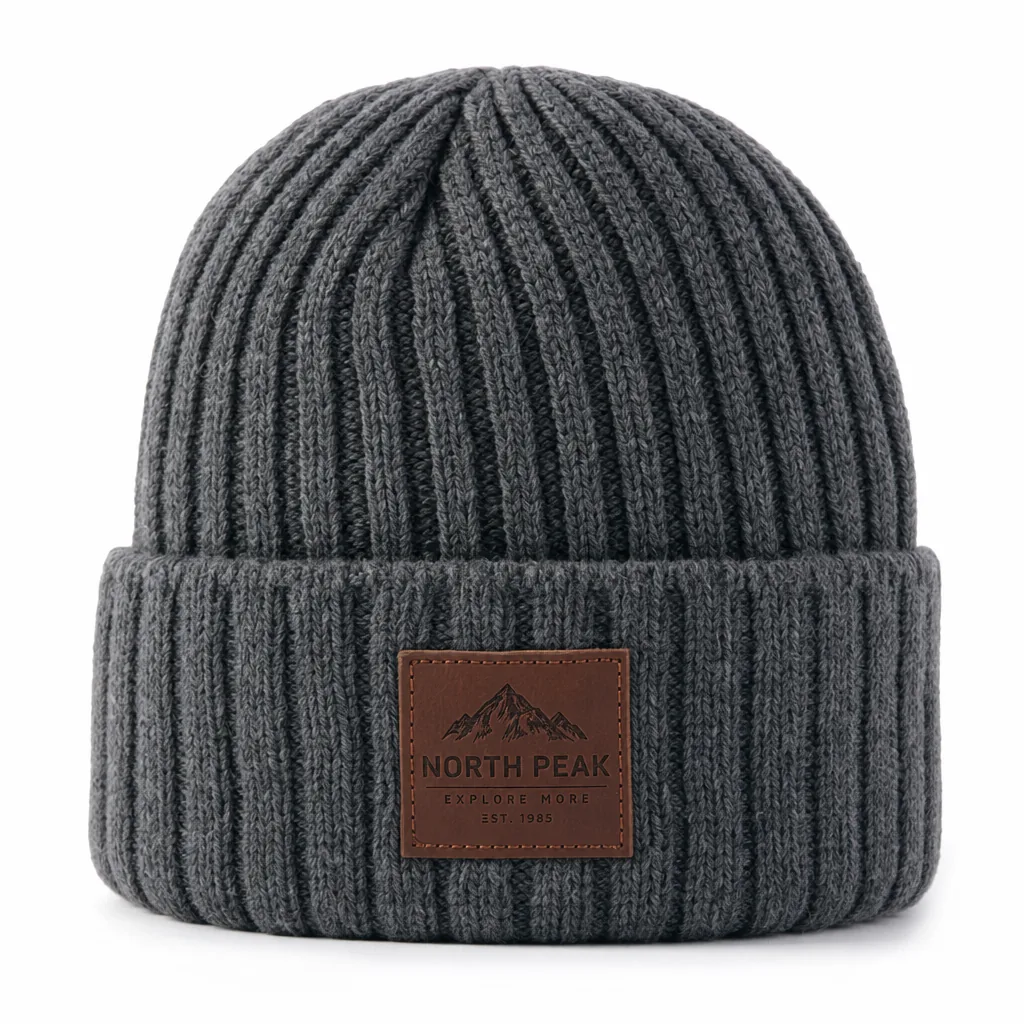
For brand owners, wholesalers and procurement teams entering the custom headwear category, performance & athletic caps: moisture-wicking, upf and buyer specs - cost & moq breakdown (2026 update) - cost & moq breakdown is one of the highest-leverage decisions you will make. Get it right and your unit economics, retail story and reorder cycle all improve. Get it wrong and you carry the cost for years.
What makes a cap 'performance' vs 'standard'
A cap is only “performance” when the material stack is engineered to dump heat and sweat, not just cover a head. Standard promotional caps are still usually 260-340 gsm cotton twill or brushed chino; they hold moisture, go heavy, and feel clammy once the wearer starts moving. A real moisture-wicking build is more often 75D-150D polyester microfiber, mini ripstop, warp-knit mesh, or mechanical-stretch woven fabric in the 95-160 gsm range, sometimes with hydrophilic finishing or yarn-level capillary channels that spread sweat for faster evaporation. On the factory floor, I look at dry-back time, crown recovery after wash, and whether the fabric bags out after sublimation or heat setting. If a sample still feels damp 15 to 20 minutes after a hard sweat test, it is not a performance cap, even if the hangtag says otherwise.
The sweatband and closure usually decide whether the cap actually works in sport use. A proper athletic spec uses polyester-elastane or nylon-elastane sweatband tape, typically 180-240 gsm, with a brushed inner face and active-wick chemistry; cotton terry absorbs sweat and then stays wet, which is why it leaves salt rings and feels cold on the forehead. Finished weight matters too: a standard structured snapback often lands at 95-125 g, while a running or golf cap custom program usually targets 55-80 g including visor core and closure. That lighter build comes from thin EVA or low-density PE visor inserts, reduced seam bulk, perforated side panels, laser-cut vent zones, and soft seam tape. A performance cap manufacturer will also avoid heavy buckram, because fashion-grade structure traps heat and adds grams athletes notice after the first mile.
UPF is the other line between performance and standard, but only if it is specified tightly. Buyers should call out UPF 30+ or 50+, whether the rating is pre-wash or post-wash, and which method is being used, usually AATCC 183 or an equivalent ISO protocol. Dense polyester, darker shades, and tighter weaves usually test better than open cotton, but mesh panels, vent holes, and sublimation can change the result enough to fail a sports program. For repeat orders, I also lock fabric shade against a Delta-E tolerance so the mill does not drift into a lighter, weaker lot. That is why an athletic cap costs more than a standard one: you are paying for controlled fiber selection, verified UV data, and repeatable construction, not just a curved brim and a sporty colorway.
UPF ratings: what's actually meaningful
UPF only means something when it is tied to the finished cap fabric and the exact test report, not a generic hangtag claim. UPF 30 blocks 96.7% of UV radiation; UPF 50+ blocks 98% or more, so the paper gap is small, but construction changes can erase it fast. A 100% polyester performance twill or interlock in the 110 to 160 gsm range will often clear UPF 30 in solid dark colors, but mesh inserts, laser-perforated side panels, light heather yarns, and stretch blends can pull the result down. A performance cap manufacturer should be able to show the method used, typically AATCC 183, AS/NZS 4399, or UV Standard 801, plus the actual sample description, because two mills can both print “50+” while testing under different conditions and with different post-finish treatments.
UPF 50+ usually means the mill did more than specify a tight weave. The usual levers are UV-absorber finishes, higher yarn coverage with 75D/72F or 100D microfilament polyester, laminated or coated backings, or additives compounded into the fiber. Those choices cost real money: in volume, an untreated moisture-wicking cap shell may land around $1.10 to $1.60 per unit in fabric cost, while a verified UPF 50+ treated shell often adds $0.12 to $0.35 before cutting and sewing. White, heather gray, and neon shades are the weak points and usually need a finish to pass, especially on running cap custom programs with thin side panels or open mesh. The practical rule is simple: treat UPF 30 as the baseline for solid sports caps, and quote UPF 50+ only when the mill provides lot-specific documentation, not a catalog promise.
The part buyers miss is that a cap is not a flat swatch. The visor usually performs well because of its multilayer build, but the side and rear panels are where UV protection drops first, especially on athletic hat custom styles with punch eyelets, power mesh, or 4-way stretch. For golf cap wholesale, fishing programs, school athletics, or licensed outdoor retail, the spec that matters is UPF 50+ on the exposed crown fabric after finishing, with wash durability, colorfastness, and sweat resistance tested alongside it. A finish that passes once and slips below spec after 10 home launderings is not a usable result. A serious upf hat manufacturer should pair the UV report with fabric weight, construction, and after-wash data; otherwise the number is just paperwork, not performance.
Sweatband construction for athletic use
The sweatband is where most athletic caps succeed or fail. A 100% cotton twill or brushed cotton band feels fine at first touch, but once it holds roughly 15 to 25 grams of perspiration it starts sitting wet against the forehead, trapping heat and leaving salt marks that buyers often misread as fabric defects. For a real moisture-wicking build, specify a warp-knit polyester-elastane sweatband, usually 88/12 or 90/10, at 180 to 220 gsm. The knit structure and filament yarn move moisture by capillary action; the elastane is not cosmetic, it keeps recovery consistent after repeated stretch cycles across different head sizes. In field wear, the crown gets the branding attention, but the sweatband is what decides whether the cap stays usable after 30 minutes of running or just looks technical on paper. A performance cap manufacturer should be able to state the fiber blend, gsm, and recovery target in writing, not hide behind “quick-dry” language.
Construction matters more than the fiber claim on a hangtag. A cheap single-layer polyester jersey band may wick better than cotton, but it still rolls, bags out, or turns abrasive at the seam join after a few wash cycles. For athletic orders, the better build is a folded or dual-layer knit band with flatlock or low-bulk overlock joining, plus a brushed skin side if the customer wants a softer handfeel. I usually specify a finished width of 32 to 38 mm for running caps; narrower bands save a few cents but create pressure points and reduce absorption area. For golf and teamwear programs, some buyers still ask for cotton because it photographs cleanly, but return rates are higher in hot-weather markets like Texas, Dubai, and Queensland. A serious performance cap manufacturer should show perspiration colorfastness, dimensional stability, and recovery data, not just print “quick-dry” on a spec sheet.
The cost delta is small compared with the performance gain. Upgrading from a basic cotton sweatband to a polyester-elastane wicking band usually adds about $0.08 to $0.22 per cap at 3,000 pieces, depending on yarn spec, brushing, and whether the band is bought as finished tape or knitted locally. MOQ is rarely driven by the sweatband alone; most mills can support 1,000 to 2,000 meters per color, which is enough for roughly 8,000 to 15,000 caps, and black, white, and heather gray are often available ex-stock for smaller athletic hat custom runs. If the cap is also sold as a UPF product, the inner band should be checked after laundering for shrinkage and dye transfer, because distortion inside the sweatband can change fit and shift visor position on the face. That is a real production failure, not a brochure problem.
Reflective trim, vented panels, and other athletic features
Reflective trim is easy to spec badly because buyers treat it like decoration instead of a functional safety component. On running and cycling caps, the durable options are 3M or equivalent reflective transfer film placed on the back arch strap, side seam, or brim sandwich, or stitched reflective piping on a 75D to 150D polyester body. Heat-transfer strips look clean in a mockup, but once the cap starts flexing and the hook-and-loop tab rubs, edge lift shows up fast; on cheap adhesive systems, peeling often starts after 20 to 30 wash cycles. A serious performance cap manufacturer will ask for wash fastness, flex-crack checks, and low-light visibility approval, not just artwork signoff. In FOB China terms, reflective detailing usually adds about $0.18 to $0.55 per cap, and MOQ often starts at 500 pieces per colorway when the tape supplier forces a slit-roll minimum or a fixed-width run.
Laser-cut vented panels only work when the shell fabric can take heat cutting without warping. The practical substrates are microfiber polyester, ripstop, or 4-way stretch woven in the 110 to 160 gsm range; brushed poly and soft-hand finishes tend to distort around the cut edge and create wavy QC failures at the seam line. Hole diameter, pitch, and location matter more than most buyers expect: side crowns and rear quarters ventilate well, while the front panel still needs enough structure for logo stability and brim balance. If the cap also uses welded seams or seam tape, the vent map has to be drawn around those zones before digitizing starts. Laser ventilation typically adds $0.25 to $0.80 per cap, and the real MOQ floor is usually 300 to 500 units per style because programming and fixture setup dominate the first run.
Perforated mesh inserts are often the better commercial choice for golf and resort programs because they breathe, sew cleaner, and reject less often at AQL 2.5 final inspection. Good builds use polyester or nylon mesh in 100D to 200D yarns, sometimes with 8% to 12% spandex for recovery, inserted into side or rear panels with binding that keeps the edge flat instead of rippling. UPF is the trap here: a cap body tested at UPF 50+ does not mean the mesh zones match, so buyers should ask for lab results by material lot, not a generic mill claim sheet. In practice, perforated mesh inserts add about $0.20 to $0.60 over a closed-panel build, while a moisture-wicking sweatband upgrade adds another $0.12 to $0.35 depending on whether the spec calls for Coolmax, quick-dry interlock, or an antimicrobial branded tape.
Color and design considerations for athletic positioning
Athletic buyers usually want restraint first: one crown color, one logo color, and at most a second shade for the undervisor or sandwich binding. That is not just taste; it keeps a program licensable and easier to assort across golf, sideline, and gym accounts. A performance cap manufacturer should treat color as a production control problem, not a mockup choice: align thread and shell within Delta-E 1.5 to 2.0 under D65, then check the match on the actual fabric lot, not a screen rendering. For most moisture-wicking builds, 100% polyester twill or micro-mesh at 110-150 gsm gives the cleanest embroidery base, with 75D to 150D yarns holding shape better than soft brushed knits. Flat embroidery keeps logos legible at 35-50 mm width; 3D puff only works when the crown has enough structure and the buyer wants a raised mark, not a sporty identity.
For team programs, the stronger commercial move is usually a core neutral plus one tightly controlled secondary colorway. Black, navy, charcoal, white, and forest cover most retail and licensing use cases; then a small contrast hit on the undervisor, back arch, or sandwich trim gives the buyer a reason to open a second SKU without turning the cap into promo stock. That split also helps when one style has to serve as a running cap custom order and a golf cap wholesale line item at the same time. Our standard practice is to sample tonal embroidery on production fabric because thread that looks balanced on coated twill can go muddy on brushed polyester and too bright on ripstop. If the buyer wants speed, approve a Lab-targeted shade band up front, then hold the bulk to that reference instead of renegotiating color on every PO.
Pricing: performance fabric costs vs standard cotton
Standard brushed cotton twill is still the cheapest body fabric for a cap, but the gap versus performance polyester is narrower than many buyers expect. On the same 5-panel or 6-panel build with the same closure and decoration method, cotton usually comes in about $0.40 to $0.80 per piece below a polyester performance shell. That difference is not just raw fabric cost. A performance cap manufacturer also pays for tighter shade tolerance, more consistent yarn construction, lower shrink risk, and extra QC on hand feel and colorfastness. On small runs of 300 to 1,000 pieces, lab dips, strike-offs, and cutting loss are spread over too few units, so the unit price stays stubbornly high. Once you get to 5,000 pieces, the curve flattens and the fabric premium becomes much easier to absorb.
If the spec truly needs UPF 50+, budget another $0.20 to $0.30 per cap, but only when the fabric or finish can actually support a testable claim. I do not count UPF as a decorative line item; ask for the test basis, whether it is inherently UV-stable polyester or a treated woven cloth, and whether the result holds after laundering. Real moisture management also costs money. A polyester shell with warp-knit mesh, laser-cut venting, and a terry or Coolmax-style inner sweatband usually adds $0.10 to $0.20 over a plain cotton cap. That is the part buyers feel in use on run, tennis, and golf programs, where the crown gets wet and the hat has to dry quickly between sessions.
For a running cap custom or golf cap wholesale program, I price the bill in the order it affects performance: fabric first, then UPF, then sweatband, then decoration. A realistic factory cost for a midweight moisture-wicking cap usually lands $0.70 to $1.30 above a standard cotton version once those upgrades are stacked, before embroidery, seam tape, packaging, and freight. If the order needs 3D embroidery on a Tajima or Barudan head, stitch count and density can add another $0.15 to $0.40 depending on the logo size and backing. That is why a technical line should be quoted as separate components, not as one blended premium that hides the fabric spec, the functional finish, and the trim choices.
Frequently Asked Questions
What logo decoration techniques do you offer?
3D puff embroidery, flat embroidery, woven patch, leather patch, PVC patch, screen printing, sublimation, applique and laser etching, all in-house with no subcontracting.
Do you support sustainability certifications?
Yes. We work with GOTS organic cotton, GRS-certified recycled polyester, OEKO-TEX Standard 100 fabrics, and are BSCI and Sedex audited. Certification documentation can be provided per order.
What is the minimum order quantity (MOQ) for custom hats?
Our standard MOQ is 100 pieces per design and color, with sampling available from 1 piece. For complex multi-color logos or premium fabric upgrades, the MOQ can be lowered with a small per-piece surcharge.
How long does production take?
Sampling takes 7 to 12 days. Bulk production runs 20 to 30 days depending on quantity, fabric availability and decoration complexity. Inspection and packing adds another 3 to 5 days before shipment.
Can I order a sample before bulk production?
Yes. We strongly recommend approving a pre-production sample before mass production. Samples are charged at 35 to 60 USD each plus express shipping, fully refundable against confirmed bulk orders over 500 pieces.
How does ordering baseball cap custom logo work?
When evaluating baseball cap custom logo, the key considerations are construction quality, decoration capability, MOQ flexibility and lead time. Performance polyester adds roughly $0.40-$0.80 per cap vs standard cotton. UPF treatment adds another $0.20-$0.30. Sweatband upgrade adds $0.10-$0.20. Moisture-wicking fabric (typically polyester with wicking finish), moisture-wicking sweatband (usually polyester-elastane blend), lightweight construction (under 80g), and often UPF treatment.
What should buyers know about branded bills performance hat?
When evaluating branded bills performance hat, the key considerations are construction quality, decoration capability, MOQ flexibility and lead time. UPF 30 blocks ~97% of UV. UPF 50+ blocks 98%+. Most performance polyester fabric reaches UPF 30 naturally without chemical treatment. UPF 50+ usually requires treated fabric, which adds cost. Performance polyester adds roughly $0.40-$0.80 per cap vs standard cotton. UPF treatment adds another $0.20-$0.30. Sweatband upgrade adds $0.10-$0.20.
How much does branded bills custom hat cost typically cost?
When evaluating branded bills custom hat cost, the key considerations are construction quality, decoration capability, MOQ flexibility and lead time. UPF 30 blocks ~97% of UV. UPF 50+ blocks 98%+. Most performance polyester fabric reaches UPF 30 naturally without chemical treatment. UPF 50+ usually requires treated fabric, which adds cost. Moisture-wicking fabric (typically polyester with wicking finish), moisture-wicking sweatband (usually polyester-elastane blend), lightweight construction (under 80g), and often UPF…
How does ordering custom logo bucket hat work?
When evaluating custom logo bucket hat, the key considerations are construction quality, decoration capability, MOQ flexibility and lead time. Moisture-wicking fabric (typically polyester with wicking finish), moisture-wicking sweatband (usually polyester-elastane blend), lightweight construction (under 80g), and often UPF treatment. UPF 30 blocks ~97% of UV. UPF 50+ blocks 98%+. Most performance polyester fabric reaches UPF 30 naturally without chemical treatment. UPF 50+ usually requires treated fabric, which…
Ready to start your custom hat project?
Send us your tech-pack, sketch or even just an inspiration photo. We will respond with a detailed quotation and digital mock-up within 24 hours.
Request a free quoteRelated guides
Acrylic Beanie: Properties, Costs and How to Spec It Right
Read article →
Custom Hat Design: The 2026 Sourcing & Manufacturing Playbook
Read article →
Bucket Hat Corduroy Retail Packaging Guide for Custom Hat Buyers
Read article →We hope this guide demystifies performance & athletic caps: moisture-wicking, upf and buyer specs - cost & moq breakdown (2026 update) - cost & moq breakdown and helps you move forward with confidence. If you have questions specific to your project, our English-speaking sales engineers are one message away.