
Performance & Athletic Caps: Moisture-Wicking, UPF and Buyer Specs - Cost & MOQ Breakdown - 2026 Buyer's Guide
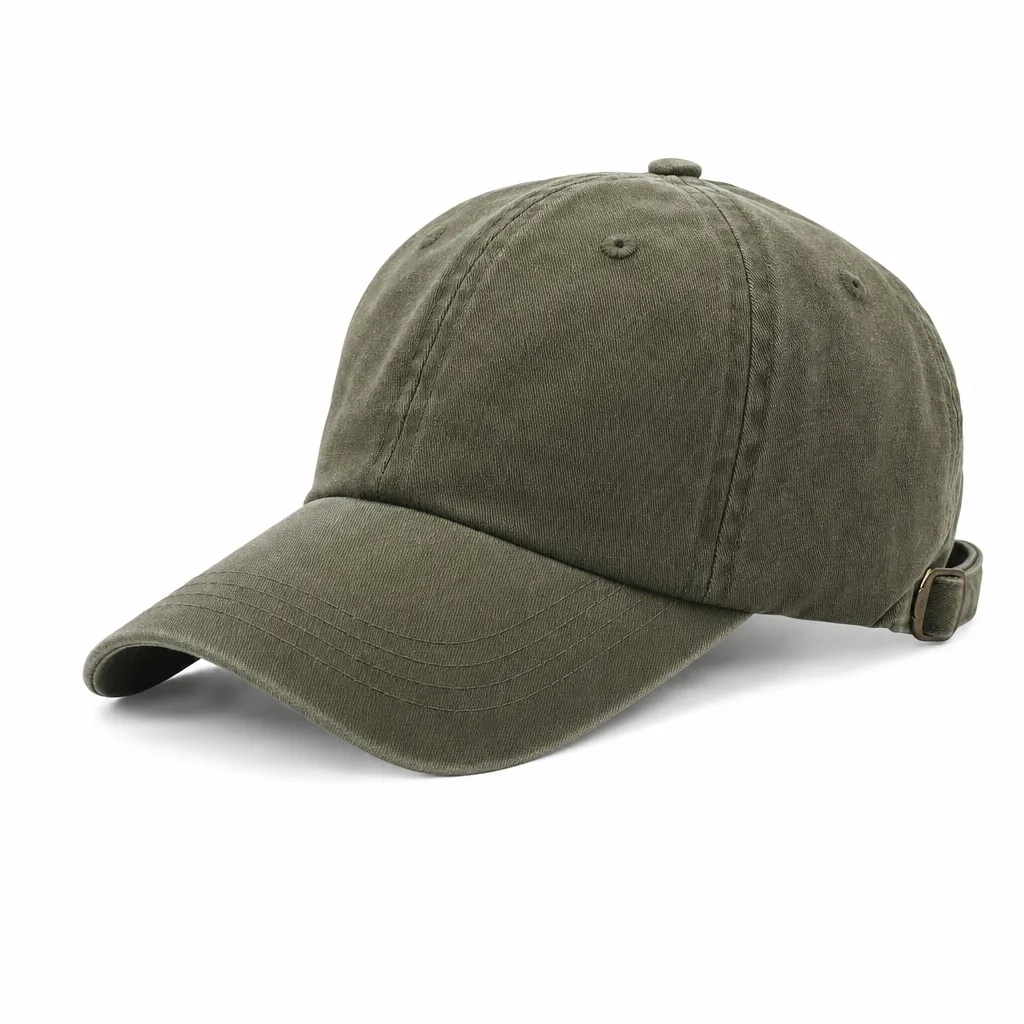
For brand owners, wholesalers and procurement teams entering the custom headwear category, performance & athletic caps: moisture-wicking, upf and buyer specs - cost & moq breakdown - 2026 buyer's guide is one of the highest-leverage decisions you will make. Get it right and your unit economics, retail story and reorder cycle all improve. Get it wrong and you carry the cost for years.
What makes a cap 'performance' vs 'standard'
A cap only earns the label "performance" when the spec is built around sweat load, dry time, air permeability, and low carried weight rather than a sporty look. Standard caps still rely on 8-12 oz cotton twill or brushed chino, which can hold several times more moisture than lightweight synthetics and feel heavy once saturated. A true athletic build is usually made from 75-140 gsm polyester microfiber, micro-ripstop, or perforated woven fabric in roughly the 20D-75D range, sometimes with mechanical stretch for fit without spandex distortion. The weak point is often the wicking claim: cheap programs use topical finishes that fade badly after 10-20 home wash cycles, while better mills use yarn-engineered moisture management or durable PFAS-free chemistry with retention data. Any credible performance cap manufacturer should be able to provide fabric weight tolerance, wicking test results, colorfastness to perspiration, and wash-durability records instead of saying the fabric simply "breathes." Construction matters as much as fabric. On the sewing floor, a standard fashion cap can hide bulky seam allowances, heavy buckram, and overbuilt internals that trap heat even if the shell textile looks technical on paper. Better running, golf, and training caps use low-mass buckram or unstructured fronts, narrow seam tape, laser-cut or die-cut ventilation, and carefully trimmed internals to keep finished weight around 55-70 grams for run silhouettes and generally below 85 grams for most team or golf styles. Those numbers are easy to verify on a pre-production sample, and they tell you more than a mood-board description ever will.
The sweatband and UV spec usually expose whether the product is real athletic headwear or just costume sportswear. Cotton terry sweatbands are still common in cheap "sport" caps because they are easy to buy and cheap to sew, but they saturate quickly, dry slowly, and push moisture back onto the forehead. A better build uses a 180-240 gsm polyester-spandex or nylon-spandex band with about 8%-15% elastane so it recovers after repeated sweat-and-dry cycles and does not curl or bag out. Good factories also run colorfastness to perspiration and crocking checks, because dark sweatbands bleeding onto white crowns remain a common bulk failure, especially when inspection is held to AQL 2.5. Seam bulk is another practical issue: wide overlock seams and dense internal stitching create pressure points during long wear and reduce the benefit of a wicking shell. UPF is the other line buyers should draw hard. A standard cap may block some UV by accident because the fabric is dark or tightly woven, but a performance program should call for tested protection such as UPF 30+ or UPF 50+ verified under AATCC 183 or AS/NZS 4399. The source of that rating matters. UV protection can come from filament type, fabric cover factor, dye depth, titanium dioxide additives, or a chemical finish, and each option holds up differently after 20-40 laundering cycles. If a supplier cannot state whether the UPF result is before washing or after durability testing, the claim is weak. In sourcing terms, upgrading from commodity polyester to a documented performance build with tested UPF, a recovery sweatband, and lightweight technical shell usually adds about $0.45-$1.20 per cap at volume, which is usually far cheaper than field claims for heat retention, sweatback, or failed sun-protection promises.
UPF ratings: what's actually meaningful
A UPF claim only matters when it is tied to the exact cap shell submitted to the lab: same fabric code, colorway, finish, and wash condition. UPF 30 allows roughly 3.3% UV transmission, UPF 50 allows 2%, and most labs cap the top band at UPF 50+ under AATCC 183 or AS/NZS 4399. On caps, that numerical jump is often less dramatic in real wear than buyers assume, because weave density and coverage matter more than hangtag language. A 110-140 gsm polyester microfiber, closed-hole dobby, or high-cover plain weave in black, navy, or dark olive will often test at UPF 30 without any added chemistry simply because the filament packing, cover factor, and dye depth are already blocking radiation. Any credible performance cap manufacturer should provide the report number, specimen description, conditioning method, and test date, not a recycled "UV protection" line copied across unrelated SKUs.
UPF 50+ usually changes both material engineering and sourcing economics. In practice you get there through tighter yarn coverage, lower air porosity, a double-layer build, or a mill-applied UV absorber durable to at least 20 home launderings. For a six-panel polyester athletic cap, standard shell fabric may cost about $1.10-$1.80 per cap, while verified UPF 50+ fabric typically adds $0.18-$0.45 at volume; recycled yarns or branded finishes push the premium higher. The bigger issue is MOQ: treated fabrics commonly require 300-500 meters per color, which is where small programs get trapped into stock black, white, or navy. Bright custom shades need extra caution because UV finishes can move color; if the dyehouse is weak, Delta-E can drift past 1.5 after finishing, so the dyed lot should be retested against the approved Pantone TCX standard before bulk cutting.
Finished-cap coverage is where many UPF specs become misleading. Laser perforations, mesh side panels, rear keyhole openings above a hook-and-loop strap, and oversized vent zones can gut sun protection even when the front panel fabric tested at UPF 50+. I have seen golf and running caps specified as UPF 50+ while the mesh sections performed far lower unless we switched to dense warp-knit polyester, which immediately reduced airflow and moisture vapor transmission. That tradeoff belongs in the tech pack, not buried in sales copy. Our standard practice is to separate fabric UPF from whole-cap coverage and limit the claim to tested components. For most breathable sports caps, UPF 30 is the commercial sweet spot: enough protection for general outdoor use without making the crown hot, stiff, or expensive. Reserve UPF 50+ for fishing, trail, desert golf, and other UV Index 8-11 exposure where the wearer is outside for hours, and lock the requirement in the PO by fabric weight, color, and vent construction.
Sweatband construction for athletic use
The sweatband determines whether an athletic cap is still comfortable after 10K pace work or gets pulled off by halftime. Brushed cotton and cotton twill bands are a bad spec for training product because they absorb perspiration into the fiber, hold salt, and stay wet against the skin; in wear trials, a saturated cotton band can retain roughly 20 to 30 grams of moisture and leave a dark tide line inside the crown after one hard session. A better build is a warp-knit or circular-knit polyester-elastane band at 140 to 180 gsm, usually 85/15 or 90/10, with a brushed skin side and capillary channel face to spread moisture laterally across the knit plane. That construction dries faster, feels lighter, and reduces the clammy forehead pressure athletes notice late in a run. Any competent performance cap manufacturer understands that this spec shift has more impact on perceived comfort than trimming 10 gsm from the shell fabric.
I never approve a tech pack that says only “sports sweatband.” Buyers should lock the fiber content, finished width, stretch and recovery, seam type, join placement, and test method before sampling. For running, golf, and field training caps, a finished width of 32 to 38 mm with 25% to 35% cross stretch usually gives enough grip without creating pressure above the brow; recovery should return to within 90% after repeated extension cycles, or the band will bag out and roll. Most factories sew the band with a 4-thread overlock, not a flatlock, so the join should be offset away from center front where wearers feel it immediately. Our standard practice is to require colorfastness to perspiration of at least Grade 4, check crocking on dark shades, and hold finished gsm within +/-5%, because black, navy, and athletic red bands are where rushed dyeing shows up first as bleed, salt marking, and visible shade change under sweat.
The cost premium for a real moisture-management sweatband is small compared with the return risk of a cap that stays wet inside. On a lightweight 5-panel or 6-panel athletic style, moving from a basic cotton band to a polyester-elastane wicking knit typically adds about $0.12 to $0.28 per piece at 3,000 units, depending on yarn origin, dye route, and whether the band is stock black or custom matched to a Pantone TCX reference. MOQ usually stays practical when the mill already runs the yarn, but custom jacquard logos, Polygiene-type anti-odor chemistry, or silver-based finishes often push trim minimums into the 2,000 to 5,000 piece range. Buyers should also stop treating moisture management and UPF as separate checkboxes: a shell can pass UPF 50+ under AATCC 183, but if the sweatband traps moisture, recovers poorly, or creates seam pressure, the cap still fails in actual sport use. Ask for the knit structure, seam specification, perspiration fastness data, and recovery results before bulk approval; if the factory cannot provide them, the spec is still too loose.
Reflective trim, vented panels, and other athletic features
Reflective details are one of the first places athletic caps fail in the field, not because the idea is wrong, but because buyers spec them too vaguely. For running and cycling styles, I usually recommend 3M or equivalent reflective transfer film or woven reflective piping placed at the brim edge, rear arch, or hook-and-loop closure tail, with a target retroreflectivity that stays usable after 20 home-laundry cycles. A 5 mm reflective sandwich on the visor adds visibility without distorting the crown, while full reflective taping around curved seams often creates puckering on lightweight 75D to 150D polyester shells. If you are sourcing from a performance cap manufacturer, ask whether the factory heat-applies reflective films before or after crown assembly; post-assembly application is faster, but pre-cut panel application usually gives cleaner alignment and less edge lift. On a basic 6-panel moisture wicking cap, reflective additions typically raise FOB cost by about $0.18 to $0.45 per piece depending on width, placement count, and whether the supplier uses branded trim.
Ventilation is where sport-specific design matters more than catalog language. Laser-cut holes work well for high-output training caps, but only when the base fabric has enough dimensional stability; on 90 to 120 gsm mechanical-stretch polyester, poorly tuned laser settings will yellow the edge, harden the hand feel, and create a brittle ring that cracks after repeated sweat-and-wash cycles. My preference for interval running and team-training programs is a bonded or taped seam construction with laser-cut side and rear panels backed by lightweight tricot, because it keeps airflow high without the collapse you get from oversized perforations. For an athletic hat custom program, buyers should define hole diameter, pitch, open-area percentage, and acceptable edge char in the tech pack rather than approving a photo sample. A decent running cap custom build with laser ventilation usually adds $0.30 to $0.70 FOB, and the MOQ often starts at 1,000 pieces per color because panel yield loss and setup are higher than on standard cut-and-sew caps.
Perforated mesh inserts are still the most practical option for warm-weather golf and resort use, especially when buyers want a softer profile than a fully laser-cut shell. A 100% polyester birdseye or micro-mesh insert in the side panels can improve airflow without sacrificing decoration area on the front crown, which matters for golf cap wholesale accounts that still want clean logo embroidery on Tajima or Barudan heads. For sun-sensitive markets, the better approach is pairing mesh only in low-exposure zones with a solid UPF-treated top panel and visor, because too much open mesh can reduce the effective protection buyers assume they are getting from an upf hat manufacturer. I usually tell importers to ask for lab-backed UPF 40+ or 50+ claims, colorfastness to perspiration, and AQL 2.5 inspection on mesh seam security, since these inserts are where skipped stitches and seam grin show up first. At CrownsForge, our standard practice is to test perforated and mesh constructions against embroidery distortion before bulk, because lightweight athletic fabrics behave very differently from brushed cotton or heavy chino twill.
Color and design considerations for athletic positioning
Restraint usually outsells contrast in athletic headwear because the cap has to sit beside technical jerseys, quarter-zips, and warm-up kits without looking like a promo giveaway. The reliable commercial palette is still black, white, graphite, navy, stone, deep maroon, and royal; those shades bridge training, sideline, and retail channels, and they hide sweat and salt better than bright fashion colors. On 90-120 gsm polyester, nylon taslon, or stretch-woven shells, tonal branding reads more premium than a loud front hit. Matte silicone heat transfers, low-profile TPU patches, welded reflective films, and low-sheen embroidery hold up better visually than glossy treatments, especially once the shell starts flexing and showing moisture. I usually keep logo contrast in a Delta-E window of about 1.5-2.5 against the shell: enough separation for legibility at arm’s length, but not so much that the cap stops looking athletic. A performance cap manufacturer supplying running clubs, golf programs, or collegiate training lines needs to manage that threshold deliberately, because buyers are judging whether the cap merchandises with the rest of a technical assortment.
Color only works when it is approved with the actual fabric and finish, because the same Pantone target shifts noticeably across performance materials. A 110 gsm micro-perforated polyester reflects light very differently from a 160 gsm brushed stretch woven; add laser perforation, cire, or a C0 DWR finish and the visual change becomes obvious under retail lighting. Dark shades such as black, carbon, deep olive, and navy are forgiving on sweat marks, sunscreen transfer, and salt residue, while white, light heather gray, and pale khaki need a stronger sweat-management package—typically a 30-40 mm moisture-wicking mesh or brushed tricot sweatband—to stay saleable after repeated wear. Thread and decoration approval should be tied to the base fabric, not handled separately: on Tajima or Barudan heads, high-sheen polyester thread can wash out on smooth synthetic shells when luster values are too close. The clean way to control reorders is to approve lab dips, thread cards, and transfer strike-offs together under D65 daylight and 4000K-5000K LED, then lock a bulk tolerance before production. At CrownsForge, that usually means signed color standards with an agreed visual Delta-E limit so repeat lots do not drift.
Sub-branding is where athletic programs can add identity without wrecking a clean silhouette. The layout that works most often is a tonal front logo, a reflective side hit for low-light visibility, and a smaller code, mascot, or event mark on the back closure, seam tape, or undervisor. That approach lets one crown pattern cover academy teams, marathon activations, and golf capsules with only artwork or trim changes, which keeps sampling and inventory risk under control. The MOQ math follows the same rule. If the shell stays in a stocked color and only labels, reflective transfers, or embroidery files change, many factories can hold 300-500 pieces per colorway; once the buyer asks for custom-dyed shells, the real floor usually moves closer to 1,000 pieces because lab dips, dye-lot control, and fabric overage have to be amortized. If the cap is sold on UV positioning, do not let the color story carry the claim. UPF 30+ or UPF 50+ comes from fabric density, yarn construction, and finish durability after wash testing, not simply from choosing a darker shade.
Pricing: performance fabric costs vs standard cotton
Shell fabric is the first place athletic headwear stops behaving like commodity cotton. A standard 6-panel cap in 260-280 gsm cotton twill usually consumes 0.18-0.22 meters of shell, so the fabric cost lands around $0.55-$0.85 per unit if the mill is running from greige stock and the shade can follow an existing lab dip. Shift that same pattern into 120-160 gsm technical polyester—birdseye mesh, 75D/144F interlock, or 50D mechanical-stretch microfiber with a moisture-management finish—and the shell delta is typically $0.40-$0.80 per cap before waste. The jump is driven by more than price per meter: wicking and peaching finishes reduce yield, slippery low-denier fabrics generate more cutting loss, and sewing tension errors show up fast as puckering on crown seams and visor wraps. Any competent performance cap manufacturer should therefore quote by actual marker consumption and panel construction, not by a lazy “poly upgrade” line. A structured golf cap with fused front panels, 2.0 mm EVA visor insert, and full undervisor wrap can consume 8-12% more material than an unstructured running cap using the same fabric.
UPF pricing is usually the second real cost layer, but buyers need to separate inherent protection from treated protection. Dark, tightly constructed polyester can already test at UPF 30+ under AATCC 183 without extra chemistry, while a dependable UPF 50+ claim often requires a higher cover factor, a denser knit, or a UV-absorbing finish that adds about $0.20-$0.30 per cap at scale. The trouble is not the surcharge itself; it is color and testing risk. Light shades like ice gray, pale lime, and pastel blue are harder to hold when the buyer also wants a Pantone TCX target within Delta-E 1.5-2.0, because lighter color build can weaken UV performance and force retesting to AS/NZS 4399 or ASTM D6603 protocols. On the factory floor, the cheapest comfort upgrade is usually the sweatband: replacing basic cotton drill with brushed polyester cool-dry, spacer mesh, or perforated elastic typically adds only $0.10-$0.20, yet wear feedback improves more than with many logo upgrades. After that, trims stack quietly—reflective heat transfer, laser venting, seam tape, soft hook-and-loop, TPU pull tab, molded closure—so real comparison has to be made on a full BOM under the same AQL 2.5 standard, not on shell fabric alone.
Frequently Asked Questions
What logo decoration techniques do you offer?
3D puff embroidery, flat embroidery, woven patch, leather patch, PVC patch, screen printing, sublimation, applique and laser etching, all in-house with no subcontracting.
Do you support sustainability certifications?
Yes. We work with GOTS organic cotton, GRS-certified recycled polyester, OEKO-TEX Standard 100 fabrics, and are BSCI and Sedex audited. Certification documentation can be provided per order.
What is the minimum order quantity (MOQ) for custom hats?
Our standard MOQ is 100 pieces per design and color, with sampling available from 1 piece. For complex multi-color logos or premium fabric upgrades, the MOQ can be lowered with a small per-piece surcharge.
How long does production take?
Sampling takes 7 to 12 days. Bulk production runs 20 to 30 days depending on quantity, fabric availability and decoration complexity. Inspection and packing adds another 3 to 5 days before shipment.
Can I order a sample before bulk production?
Yes. We strongly recommend approving a pre-production sample before mass production. Samples are charged at 35 to 60 USD each plus express shipping, fully refundable against confirmed bulk orders over 500 pieces.
How does ordering baseball cap custom logo work?
When evaluating baseball cap custom logo, the key considerations are construction quality, decoration capability, MOQ flexibility and lead time. Performance polyester adds roughly $0.40-$0.80 per cap vs standard cotton. UPF treatment adds another $0.20-$0.30. Sweatband upgrade adds $0.10-$0.20. Moisture-wicking fabric (typically polyester with wicking finish), moisture-wicking sweatband (usually polyester-elastane blend), lightweight construction (under 80g), and often UPF treatment.
What should buyers know about branded bills performance hat?
When evaluating branded bills performance hat, the key considerations are construction quality, decoration capability, MOQ flexibility and lead time. UPF 30 blocks ~97% of UV. UPF 50+ blocks 98%+. Most performance polyester fabric reaches UPF 30 naturally without chemical treatment. UPF 50+ usually requires treated fabric, which adds cost. Performance polyester adds roughly $0.40-$0.80 per cap vs standard cotton. UPF treatment adds another $0.20-$0.30. Sweatband upgrade adds $0.10-$0.20.
How much does branded bills custom hat cost typically cost?
When evaluating branded bills custom hat cost, the key considerations are construction quality, decoration capability, MOQ flexibility and lead time. UPF 30 blocks ~97% of UV. UPF 50+ blocks 98%+. Most performance polyester fabric reaches UPF 30 naturally without chemical treatment. UPF 50+ usually requires treated fabric, which adds cost. Moisture-wicking fabric (typically polyester with wicking finish), moisture-wicking sweatband (usually polyester-elastane blend), lightweight construction (under 80g), and often UPF…
How does ordering custom logo bucket hat work?
When evaluating custom logo bucket hat, the key considerations are construction quality, decoration capability, MOQ flexibility and lead time. Moisture-wicking fabric (typically polyester with wicking finish), moisture-wicking sweatband (usually polyester-elastane blend), lightweight construction (under 80g), and often UPF treatment. UPF 30 blocks ~97% of UV. UPF 50+ blocks 98%+. Most performance polyester fabric reaches UPF 30 naturally without chemical treatment. UPF 50+ usually requires treated fabric, which…
Ready to start your custom hat project?
Send us your tech-pack, sketch or even just an inspiration photo. We will respond with a detailed quotation and digital mock-up within 24 hours.
Request a free quoteRelated guides
Acrylic Beanie: Properties, Costs and How to Spec It Right
Read article →
Custom Hat Design: The 2026 Sourcing & Manufacturing Playbook
Read article →
Bucket Hat Corduroy Retail Packaging Guide for Custom Hat Buyers
Read article →We hope this guide demystifies performance & athletic caps: moisture-wicking, upf and buyer specs - cost & moq breakdown - 2026 buyer's guide and helps you move forward with confidence. If you have questions specific to your project, our English-speaking sales engineers are one message away.