
Performance & Athletic Caps: Moisture-Wicking, UPF and Buyer Specs - 2026 Buyer's Guide (2026 Update)
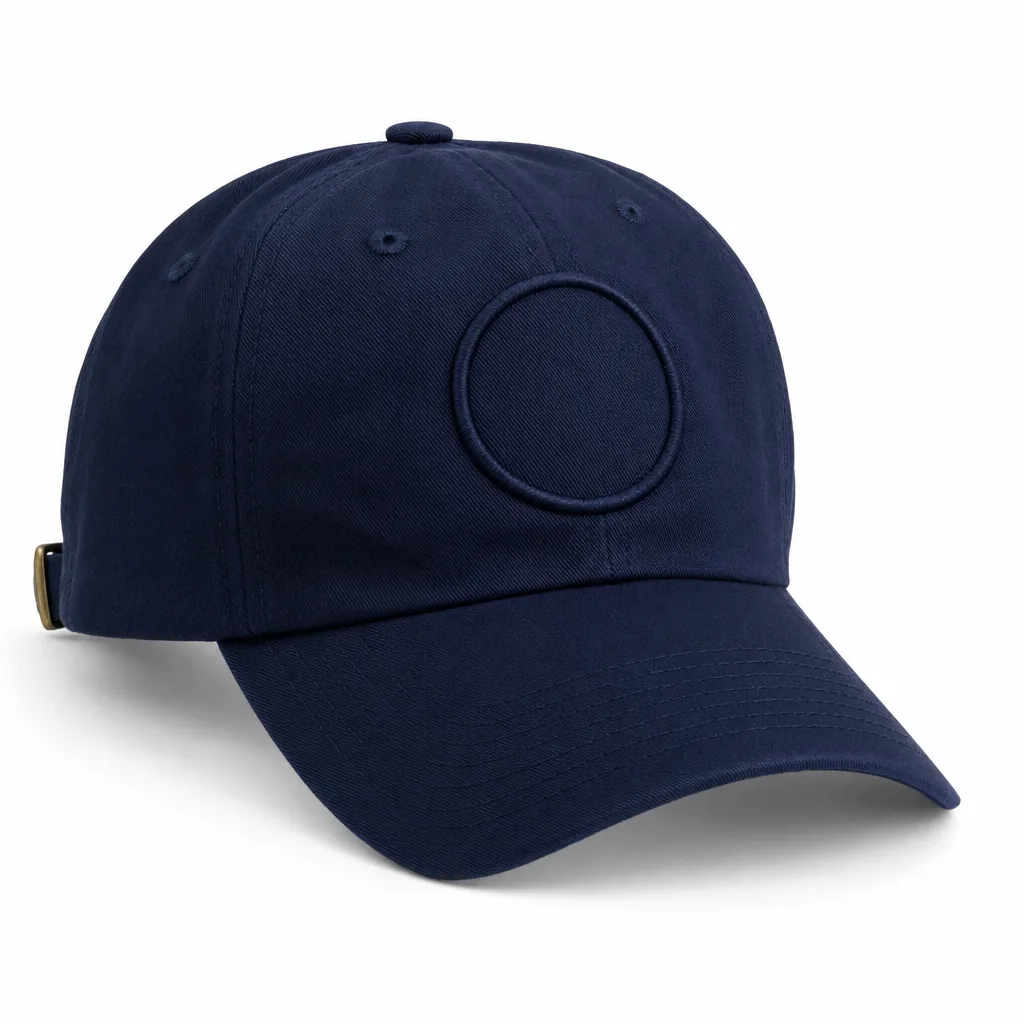
For brand owners, wholesalers and procurement teams entering the custom headwear category, performance & athletic caps: moisture-wicking, upf and buyer specs - 2026 buyer's guide (2026 update) is one of the highest-leverage decisions you will make. Get it right and your unit economics, retail story and reorder cycle all improve. Get it wrong and you carry the cost for years.
What makes a cap 'performance' vs 'standard'
A cap earns the “performance” label only when the spec is engineered for sweat, heat, and repeated wash cycles; polyester alone does not qualify it. A standard promo or retail baseball cap is usually built in 180–220 gsm cotton twill, brushed chino, or heavy poly-cotton, with a finished weight around 95–130 grams and a buckram-backed front that traps heat. A true athletic style is typically cut from 75D–150D polyester microfiber, mini-ripstop, or mechanical-stretch woven fabric in the 95–140 gsm range, often with capillary-channel yarns or a hydrophilic wicking finish. In production, the difference is obvious: serious running and training caps usually land around 45–70 grams, use soft or unstructured front panels, narrower seam allowances, perforated or mesh side panels, and lighter PE brim inserts instead of thick paper or hard buckram reinforcement. Those details control dry time, packability, and thermal comfort far more than the fiber name on a hangtag.
The sweatband is where weak specifications fail first. Cotton terry may feel substantial in a sales sample, but after 20 minutes of wear it saturates, salts up, and leaves the forehead wet. A proper performance build usually uses a polyester-elastane sweatband around 90/10 or 92/8, brushed on the skin side and finished to spread moisture laterally so it evaporates instead of pooling. That is also why an experienced performance cap manufacturer checks perspiration colorfastness, wet and dry crocking, seam slippage, and wash stability before bulk approval, especially on black, navy, and red where finishing inconsistency can push shade drift past Delta-E 1.5. For shipment, AQL 2.5 is a practical benchmark because puckering around laser-cut vents, seam tape lift, and brim distortion show up quickly on lightweight shells.
UPF is the other hard divider, but buyers should ask what creates the rating: fabric density, dye depth, UV-absorbing finish, or a combination. A basic cotton cap may block some sun incidentally, but that is not the same as a verified claim. For golf, fishing, running, and team issue programs, the spec sheet should call out UPF 30+ or UPF 50+ tested to AATCC 183 or AS/NZS 4399, along with approved fabric weight and color range because pale shades can underperform on open constructions. Decoration also affects performance more than many buyers expect. Our standard practice is to cap front embroidery density or shift to welded badges and heat-transfer logos, because a dense stitchout on Tajima, Barudan, or ZSK heads can add 6–12 grams, stiffen the crown, and reduce airflow. That is the practical line between a genuine performance cap and a standard cap with athletic language printed on the label.
UPF ratings: what's actually meaningful
The number on the hangtag matters less than the fabric that earned it. UPF 30 blocks about 96.7% of UV radiation; UPF 50+ blocks 98% or more. That 1.3-point difference looks trivial until you build the cap and realize it usually comes from tighter construction, darker dye depth, or a UV-absorber finish that changes breathability, hand feel, and cost. In cap programs, 110-140 gsm polyester birdseye, mini-pique, or micro-mesh often lands around UPF 20-30 because the structure is engineered for airflow. A tighter 140-180 gsm interlock, dobby woven, or high-density peach-skin polyester can often reach UPF 30 before any chemistry is added. Buyers working with a performance cap manufacturer should treat UPF 30 as the default baseline for most running caps, tennis visors, and promo athletic styles, because it usually aligns better with air permeability targets and keeps the shell spec honest. UPF 50+ earns its keep when exposure is prolonged and the end use carries real compliance risk: golf in Arizona or Queensland, fishing programs, parks crews, youth athletics, or resort uniforms with written sun-protection language. In those cases, treated polyester or nylon/spandex shells typically add about $0.18-$0.45 per cap at volume, and the tradeoff is not theoretical. White and pastel shades are harder to pass than navy or black because lower dye depth increases UV transmission; a 150 gsm white polyester can fail where the same construction in dark navy clears the threshold. Mesh back panels, laser perforation, seam junctions, and stretch zones also reduce real-world coverage, so a crown-panel test report does not automatically describe the whole cap.
Write the requirement into the tech pack like an engineer. State `UPF 30 minimum` or `UPF 50+ minimum`, name the test method—usually `AATCC 183` in the U.S. market or `AS/NZS 4399` for Australia and New Zealand—then lock the exact mill fabric code, colorway, and weight tolerance, typically +/-5% gsm. Ask whether the lab report is from greige, dyed, or finished fabric, and whether the result reflects the fabric after laundering. Some finish-based UV packages lose meaningful performance after 10-20 home wash cycles, especially on lightweight polyester knits, so a development swatch is not enough evidence for a bulk claim. The other spec buyers miss is interaction with the rest of the cap system. UV finishes can lower air permeability, shift shade enough to create Delta-E issues on light colors, and interfere with moisture management if the sweatband or underbill lining is not tested as a package. Our standard practice is to approve bulk against the same mill lot used for sealing samples, because a small change in yarn denier, filament count, or finish pickup can move a shell below target. If the order also requires branded decoration, confirm the fabric still runs clean on Tajima or Barudan embroidery heads without puckering, because denser UV-capable shells behave differently under stitch load than open athletic meshes. For most team and training programs, UPF 30 is the sensible floor; UPF 50+ should be treated as a paid technical spec with a defined test basis, not a decorative claim on a sales sheet.
Sweatband construction for athletic use
Cotton sweatbands are the first thing I cut from an athletic cap spec. Brushed cotton or cotton twill feels soft on the fitting table, then turns into a wet gasket after 20 minutes of running because it stores moisture instead of moving it. For training, golf, and run programs, the reliable spec is a 180-220 gsm polyester knit with 8-12% elastane and a C0 or hydrophilic wicking finish, not a silicone softener sold as “quick dry.” The right band spreads sweat across the knit face so it evaporates before it drips into the eyes. A competent performance cap manufacturer should state fiber content, knit structure, finished width, and finish chemistry in the tech pack; “sports sweatband” is not a usable specification. I also want the buyer to know whether the band is circular knit, warp knit, or cheap flat knit, because they react very differently to salt, sunscreen, and repeated laundering. In most adult athletic caps, 32-38 mm finished width is the safe range. Below that, runoff misses the band; above that, low-profile crowns start to bunch and roll.
Construction failures usually show up before fabric failures. A 32-38 mm band sewn with a 4-thread overlock, with the join moved off the center forehead, gives the cleanest wear because the user does not feel a seam ridge under tension. On lightweight 75D to 150D polyester shells, poor feed balance will pucker the inside circumference immediately, so seam appearance and seam slippage need to be checked, not just signed off visually. The sweatband also needs recovery testing after repeated extension; if elongation growth gets sloppy after 20-30 wash cycles, the cap starts floating and sweat bypasses the band. Our standard practice is to test colorfastness to perspiration, crocking, and stretch recovery, and to watch black-on-white combinations especially closely because poor dye fixation will stain adjacent panels even when lab dips looked fine under D65. Shade control should be held within commercial tolerance, and on optic white or neon programs I would call out Delta-E limits directly. Upgrading from a basic cotton band to a polyester-elastane athletic sweatband usually adds only $0.12-$0.28 per cap at normal MOQs, which is a better performance return than most decorative trims.
Reflective trim, vented panels, and other athletic features
Reflective trim earns its keep only if it still performs after sweat, abrasion, and repeated laundering; a showroom flashlight test tells you nothing. For run and cycling caps, I spec 3M Scotchlite segmented tape or a certified reflective woven piping on the visor edge and rear opening, not generic silver PU heat-transfer film that starts micro-cracking after roughly 15 to 20 home wash cycles at 30°C. A reflective sandwich between 5 and 8 mm on the visor gives usable low-light visibility without pushing the cap into safety-PPE territory, and a rear arch strip 8 to 12 mm above the closure catches headlights when the runner’s head is pitched forward. Buyers should ask for peel adhesion data, minimum 20-cycle wash results, and heat-application settings that do not flatten the visor curve or telegraph adhesive through lightweight shells. Placement and process matter as much as the material. On thin 110 to 140 gsm polyester-spandex shells, reflective film applied with excessive dwell time will pucker the face fabric and create a visible hard spot at the brim edge. A competent performance cap manufacturer will check lot-to-lot reflectivity, bonding consistency, and color shift under daylight, because reflective components can drift enough in tone to fail aesthetic approval even when they still meet visibility claims. At CrownsForge, we also flag edge lifting at the first-off sample stage, since once the visor is fully closed and topstitched, replacing reflective trim is slow, expensive, and usually leaves needle marks. If the cap is intended for team or event programs, add crocking and salt-sweat resistance to the approval checklist, not just wash durability.
Laser-cut venting works only when the shell fabric, hole geometry, and reinforcement are engineered together. On high-output running caps, a 92/8 or 90/10 polyester-spandex woven at about 110 to 140 gsm usually laser-perforates cleanly; heavier microfiber or tightly coated fabrics tend to leave heat-browned edges and stiff rings around the holes if the operator pushes wattage or slows the cut path. “Laser holes” is not a real specification. A workable starting point is 1.0 to 1.5 mm perforations on a 3 to 5 mm pitch, cut before panel assembly, with fused edges and vent zones kept clear of seam allowances, sweatband turns, and internal taping that can block airflow or distort the crown under tension. Mesh inserts are still the safer choice for golf and tennis programs where buyers want ventilation without sacrificing shape retention. I generally prefer 75 to 100 denier polyester mesh or an engineered spacer mesh in side and rear panels, paired with a brushed polyester or Coolmax-type sweatband, because perforation alone rarely moves enough air once the wearer starts sweating heavily. Venting also complicates sun-protection claims: once open area rises, finished-garment UPF can fall well below the shell fabric’s lab result, especially on white and pastel colors where Delta-E tolerance and color depth already need close control. If the supplier is also quoting as an UPF source, ask for the finished-cap test report, not just the base fabric certificate. The buyer spec should lock mesh gsm, perforation diameter, vent-zone dimensions, target finished weight, and AQL 2.5 appearance criteria so production is not improvising mid-line.
Color and design considerations for athletic positioning
Restrained palettes outperform loud color in athletic caps because they age better in use, not because they are safer on a mood board. The programs that reorder consistently—golf, run specialty, collegiate staff, and team travel—still center on black, navy, graphite, stone, and muted olive, then use one controlled accent rather than three competing colors. On performance shells, I would hold bulk production to Delta-E 1.0-1.5 against the approved standard under D65, with perspiration colorfastness at grade 4 minimum and crocking at grade 4 dry, 3-4 wet. White, ice gray, and pale pastel caps look sharp in launch photography, but they expose sweat-salt rings, seam grin, needle heat marks, and yellowing around laser perforations unless the fabric is solution-dyed or chemically stabilized. A serious performance cap manufacturer should tie palette decisions to the actual end use: darker crowns for sideline staff and coaching, mid-tone grays and asphalt blues for golf and travel retail, and light shades only after confirming stain release and UPF retention through at least 20 home-laundry cycles. Color also has to respect thermal behavior and fabric chemistry. Dark shades conceal sweat mapping, but on a 110-140 gsm polyester ripstop or 4-way stretch woven shell they can run noticeably hotter unless the body has real airflow—laser holes, mesh side panels, or low-denier constructions in the 50D to 75D range. Light shades reduce solar load, but they punish weak moisture management; if the wicking is only a topical finish rather than yarn-level or durable chemistry, wet-out becomes blotchy fast. Buyers positioning around sun protection should ask whether the UPF 40+ or 50+ result comes from fabric density, titanium dioxide loading, or dye depth, and whether heavy logo placement compromises performance in high-exposure zones. We usually verify color under both D65 and outdoor daylight because Pantone approval alone does not catch underbill fading, reflective transfer ambering, or closure tape drifting half a shade in production.
Decoration has to follow the same discipline as the color plan. On athletic shells—105-140 gsm mini-ripstop, stretch woven polyester, or nylon-spandex—dense 3D embroidery is usually a mistake. It distorts the crown, flattens perforation zones, and creates a hard patch that fights the sweatband and front panel recovery. In most cases, flat embroidery in the 6,000-9,000 stitch range, matte silicone heat transfers, micro-injected TPU badges, or low-gloss reflective transfers give a cleaner result with less added weight. Tajima, Barudan, and ZSK heads can all run tonal logos well, but thread selection matters more than the machine badge: trilobal polyester throws more light, while matte poly thread is better when the logo should read premium and understated rather than flashy. Modular branding is where athletic programs protect margin and reduce fit risk. If one tested cap body—same crown depth, closure, sweatband, panel architecture, and UPF report—can carry four shell colors and six logo executions, a 1,200-piece buy split into six 200-piece drops stays manageable. It gets expensive fast when every channel asks for new panel lines, contrast taping, and separate embroidery setups. For team sales, corporate wellness, and licensed athletics, two visible branding zones are usually enough; once the front, side, back arch, closure, and undervisor all carry marks, the product stops reading technical and starts looking like promo inventory. At CrownsForge, our standard practice is to strike off every logo on actual shell fabric and review gloss, edge definition, and visibility under daylight before approving bulk, because tonal decoration that looks sophisticated on the table can disappear completely on a bright sideline.
Pricing: performance fabric costs vs standard cotton
The real price jump from cotton into performance headwear is not the shell fabric alone; it is the whole cap moving into a lower-margin process window. A basic 6-panel cap in 180-220 gsm cotton twill or brushed chino is forgiving on cutting yield, crown shaping, and sewing balance, so FOB on a standard promo build stays predictable. Shift that same pattern into 75D/144F polyester interlock, 100% microfiber, or a 90-110 gsm mechanical-stretch woven with moisture-wicking finish, and shell fabric may add only $0.18-$0.35 per cap, but total FOB usually climbs $0.40-$0.80 at 3,000-10,000 units once real production losses are priced in. Lightweight synthetics distort more easily in cutting, heat up faster at the needle, and show seam grin or puckering sooner, especially around the front panel and side ventilation zones. Add laser-perforated panels, bonded seam taping, or an EVA brim insert instead of standard HDPE, and you are also adding machine time, secondary handling, and more in-line checks. A capable performance cap manufacturer should quote fabric spec, denier, gsm, finish type, and added labor separately instead of hiding everything inside a vague athletic surcharge.
UPF is usually a smaller cost driver than moisture management, but buyers need to separate a real tested claim from decorative wording on a tech pack. A genuine UPF 40+ or UPF 50+ result can come from tighter construction, darker dope-dyed polyester, or UV-absorbing chemistry, and the normal FOB adder is typically $0.12-$0.30 per cap before lab work. If the factory cannot show AATCC 183 or AS/NZS 4399 test data from a recognized lab, the UPF callout has no procurement value. Color is another hidden variable: some UV finishes shift handfeel and can pull pale shades outside tolerance, so if you are matching a seasonal Pantone TCX, approve the lab dip after finishing and hold bulk within Delta-E 1.5 or tighter for premium programs. Sweatband upgrades follow the same logic. Replacing basic cotton terry with polyester spacer mesh, Coolmax-type wicking knit, or an antimicrobial laminated band usually adds $0.10-$0.25, but poor tension control on low-gsm crowns will telegraph immediately as rippling, sweatband torque, slow dry-back, or colorfastness failure in perspiration testing.
The most expensive mistake is benchmarking a technical cap against a commodity cotton promo cap and assuming the difference sits only in fabric consumption. Moisture-wicking styles often require lighter seam tape, more stable crown backing, finer needle selection such as NM 65-75, and stricter decoration controls because a Tajima or Barudan head will mark or tunnel lightweight polyester much faster than 210 gsm cotton twill. Once you add silicone heat transfer, reflective trims, or welded labels, rejection risk rises again, especially on high-speed lines trying to protect target FOB. That is where hidden cost turns into claims: brim binding drift, sweatband curl, logo misregistration, or perforation cracking can push defects past AQL 2.5 very quickly. Our standard practice is to quote shell, sweatband, closure, decoration, and compliance testing as separate cost buckets, because that is the only practical way to tell whether a low number reflects good engineering or simply missing process cost that will reappear later as delays, rework, or uneven bulk quality.
Frequently Asked Questions
What logo decoration techniques do you offer?
3D puff embroidery, flat embroidery, woven patch, leather patch, PVC patch, screen printing, sublimation, applique and laser etching, all in-house with no subcontracting.
Do you support sustainability certifications?
Yes. We work with GOTS organic cotton, GRS-certified recycled polyester, OEKO-TEX Standard 100 fabrics, and are BSCI and Sedex audited. Certification documentation can be provided per order.
What is the minimum order quantity (MOQ) for custom hats?
Our standard MOQ is 100 pieces per design and color, with sampling available from 1 piece. For complex multi-color logos or premium fabric upgrades, the MOQ can be lowered with a small per-piece surcharge.
How long does production take?
Sampling takes 7 to 12 days. Bulk production runs 20 to 30 days depending on quantity, fabric availability and decoration complexity. Inspection and packing adds another 3 to 5 days before shipment.
Can I order a sample before bulk production?
Yes. We strongly recommend approving a pre-production sample before mass production. Samples are charged at 35 to 60 USD each plus express shipping, fully refundable against confirmed bulk orders over 500 pieces.
How does ordering baseball cap custom logo work?
When evaluating baseball cap custom logo, the key considerations are construction quality, decoration capability, MOQ flexibility and lead time. Performance polyester adds roughly $0.40-$0.80 per cap vs standard cotton. UPF treatment adds another $0.20-$0.30. Sweatband upgrade adds $0.10-$0.20. Moisture-wicking fabric (typically polyester with wicking finish), moisture-wicking sweatband (usually polyester-elastane blend), lightweight construction (under 80g), and often UPF treatment.
What should buyers know about branded bills performance hat?
When evaluating branded bills performance hat, the key considerations are construction quality, decoration capability, MOQ flexibility and lead time. UPF 30 blocks ~97% of UV. UPF 50+ blocks 98%+. Most performance polyester fabric reaches UPF 30 naturally without chemical treatment. UPF 50+ usually requires treated fabric, which adds cost. Performance polyester adds roughly $0.40-$0.80 per cap vs standard cotton. UPF treatment adds another $0.20-$0.30. Sweatband upgrade adds $0.10-$0.20.
How much does branded bills custom hat cost typically cost?
When evaluating branded bills custom hat cost, the key considerations are construction quality, decoration capability, MOQ flexibility and lead time. UPF 30 blocks ~97% of UV. UPF 50+ blocks 98%+. Most performance polyester fabric reaches UPF 30 naturally without chemical treatment. UPF 50+ usually requires treated fabric, which adds cost. Moisture-wicking fabric (typically polyester with wicking finish), moisture-wicking sweatband (usually polyester-elastane blend), lightweight construction (under 80g), and often UPF…
How does ordering custom logo bucket hat work?
When evaluating custom logo bucket hat, the key considerations are construction quality, decoration capability, MOQ flexibility and lead time. Moisture-wicking fabric (typically polyester with wicking finish), moisture-wicking sweatband (usually polyester-elastane blend), lightweight construction (under 80g), and often UPF treatment. UPF 30 blocks ~97% of UV. UPF 50+ blocks 98%+. Most performance polyester fabric reaches UPF 30 naturally without chemical treatment. UPF 50+ usually requires treated fabric, which…
Ready to start your custom hat project?
Send us your tech-pack, sketch or even just an inspiration photo. We will respond with a detailed quotation and digital mock-up within 24 hours.
Request a free quoteRelated guides
Acrylic Beanie: Properties, Costs and How to Spec It Right
Read article →Custom Hat Design: The 2026 Sourcing & Manufacturing Playbook
Read article →
Bucket Hat Corduroy Retail Packaging Guide for Custom Hat Buyers
Read article →We hope this guide demystifies performance & athletic caps: moisture-wicking, upf and buyer specs - 2026 buyer's guide (2026 update) and helps you move forward with confidence. If you have questions specific to your project, our English-speaking sales engineers are one message away.