
Patch Hats Sample Approval Process for Custom Hat Buyers
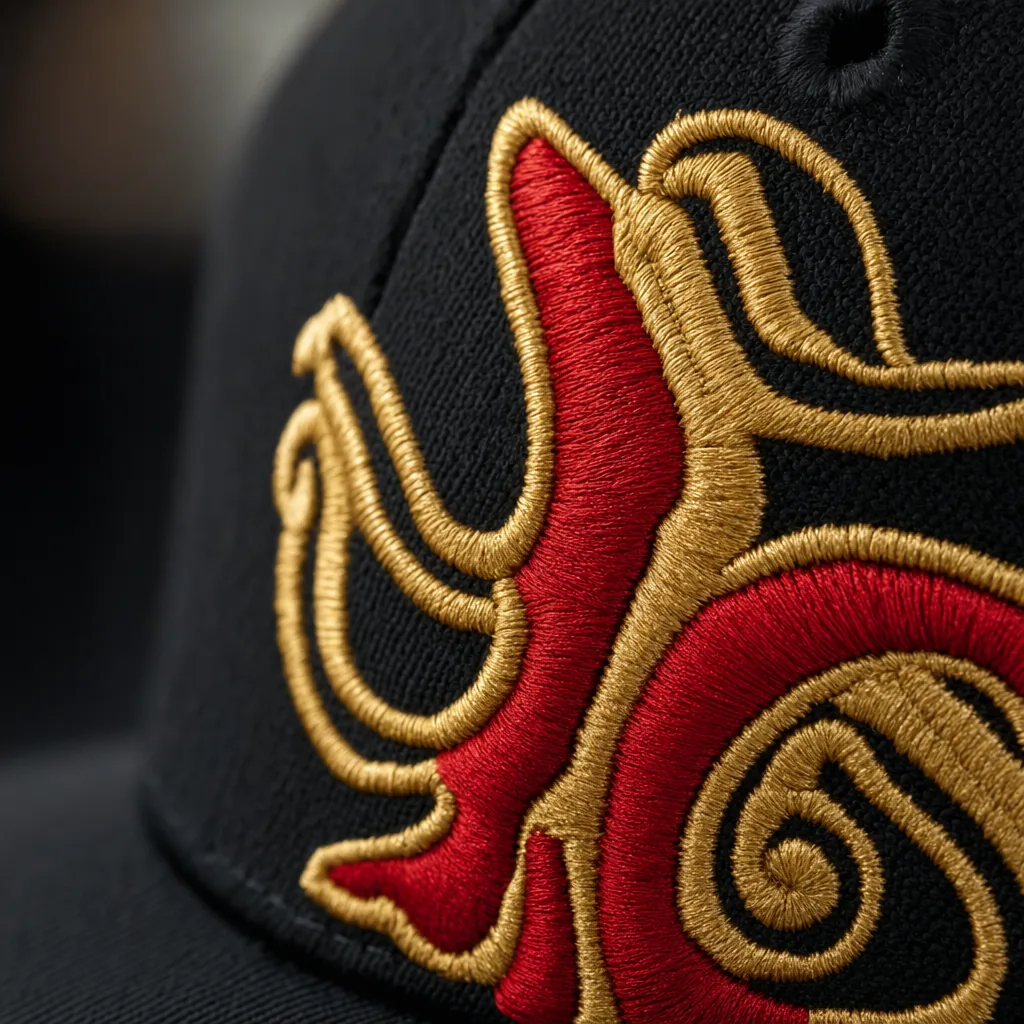
Patch Hats Sample Approval Process for Custom Hat Buyers is one of the most-asked questions we receive from international buyers, and for good reason. With dozens of factories competing for your order and an alphabet soup of technical terms in every supplier quote, even experienced importers can feel lost. This guide consolidates what we have learned producing custom hats for clients in 40+ countries.
Why patch hats sample approval process needs a separate sourcing plan
The buyer searching for a patch hats sample approval process is usually not asking, “Can you make a cap?” They are trying to control risk before locking a bulk PO, because patches add a second supply chain on top of the hat body. A 6-panel cotton twill cap may be straightforward, but a woven label patch, PVC patch, chenille patch, leatherette deboss patch, or embroidered merrow-edge patch each has its own mold, backing, edge finish, color tolerance, and application method. That is why custom patch hats should not be sourced like plain embroidered caps. The sample has to prove three things at once: the cap fit, the patch quality, and the attachment durability. I have seen buyers approve a nice-looking patch separately, then reject the finished hat because the patch warped the front panel or sat 4 mm off center after heat pressing.
A separate sourcing plan matters because patch decisions change cost and lead time earlier than most buyers expect. A simple embroidered patch for hat custom order may add US$0.35–0.90 per piece, while molded PVC can add US$0.70–1.60 plus a US$50–150 mold charge depending on size and color count. Genuine leather or microfiber leather patches need die cutting and deboss tooling, and chenille often needs 5–7 extra days because yarn density and border thickness must be checked before sewing. If the buyer wants a hat with custom patch on structured buckram, we test whether sewing creates panel puckering; if they want heat application, we test 150–165°C dwell time and peel strength after 24 hours. A realistic sample calendar is 7–10 days for existing patch techniques, 12–18 days for new PVC or metal molds, and longer if Pantone TCX matching requires dyed yarn or custom silicone color mixing.
Compliance and inspection are also different from generic hat sourcing because hat patches custom components may introduce restricted substances, labeling issues, or audit exposure. For PU leather patches we check REACH and California Prop 65 declarations; for rubber PVC we ask for phthalate and heavy-metal test reports, especially for children’s or school-team programs. For recycled felt or RPET woven patches, buyers should confirm whether GRS transaction certificates are needed, not just a recycled hangtag claim. Our standard practice at CrownsForge is to approve the cap body, patch artwork, patch bulk pre-production sample, and finished cap sample as separate checkpoints before AQL 2.5 final inspection. The best hat patch custom approvals include Delta-E color tolerance, patch placement tolerance of ±2 mm, stitch density or heat-press parameters, barcode and care-label requirements, and the factory audit requirement, usually sedex-audit-cap-supplier-guide.html">BSCI 2.0 or Sedex SMETA 4-Pillar for retail buyers.
Factory capability checks before quoting
A serious factory should check capability before it gives a price, not after the buyer approves artwork. For custom patch hats, I want to see the logo file, patch size, stitch density, border type, base fabric, cap silhouette, and order quantity before quoting. A 75 mm woven patch on a structured 6-panel cap behaves very differently from a 55 mm chenille patch on an unstructured dad hat. Embroidery files should be reviewed for thread count, minimum letter height, and satin-column width; on Tajima, Barudan, or ZSK heads, small text below 4 mm usually starts closing up unless we simplify the digitizing. For woven patches, the factory must confirm loom resolution, usually 50D or 75D yarn, and whether the artwork needs Pantone TCX matching or just visual approval. If the buyer asks for a hat with custom patch using leather, TPU, PVC, felt, chenille, or sublimated twill, each material needs its own MOQ, mold cost, attachment method, and wash-risk review before any number is reliable.
Fabric and construction checks are where weak suppliers get exposed. A quote for a hat patch custom project should confirm crown fabric weight, panel count, buckram stiffness, visor board type, sweatband material, and closure hardware before sampling begins. Common builds include 280–320 gsm cotton twill, 160–180 gsm nylon taslan, polyester ripstop around 110–130 gsm, or wool-blend serge for vintage team styles. Structured caps need the patch placement tested against the front buckram curve; if the patch is too stiff or the border is too heavy, the front panel can pucker after pressing. On 5-panel camper caps, the patch often sits flatter, but the factory must control panel symmetry within 2–3 mm or the logo will look off-center. Closure options also change cost and lead time: plastic snapback is usually lowest risk, brass buckle adds roughly $0.18–$0.35, and custom metal clasps can require 10–15 days plus a small mold fee.
The patch hats sample approval process should also include sample room capacity, audit status, and communication discipline. A capable sample room can cut panels, sew caps, make or receive hat patches custom, attach patches by embroidery, zigzag, heat press, or adhesive backing, and return a fit-photo plus measurement sheet within 7–12 days after artwork lock. Our standard practice at CrownsForge is to photograph the sample under D65 lighting, record Delta-E readings for dyed fabric or patch yarn when color is critical, and inspect the sample against a pre-production checklist before shipping it by DHL or FedEx. Buyers should ask whether the factory has current BSCI 2.0, Sedex SMETA 4-Pillar, or equivalent audit readiness, especially for licensed sports or retail programs. Communication matters as much as machinery: if the merchandiser cannot explain AQL 2.5 inspection, Pantone limitations, carton dimensions, FOB Ningbo versus DDP delivery, and realistic sample revision costs of $30–$80, the quote is not yet production-safe.
MOQ, pricing and sample approval
MOQ should be read by construction and patch type, not as one magic number. For custom patch hats, a realistic factory MOQ is 144 pcs for repeat fabrics and stock colors, 300 pcs when the crown fabric must be dyed to Pantone TCX, and 500–1,000 pcs when you need custom jacquard tape, private mold buckles, or special washed effects. Patch setup is separate: woven patches usually run $35–$60 for artwork and loom programming, rubber PVC molds are $80–$180 depending on color layers, and leather deboss plates are typically $45–$90. Unit pricing changes fast across bands: a 6-panel cotton twill cap with embroidered-edge woven patch may be $4.20–$5.80 FOB at 144 pcs, $3.40–$4.60 at 500 pcs, and $2.95–$3.80 at 2,000 pcs, before branded packaging or DDP freight.
The patch hats sample approval process should lock the physical PPS before bulk cutting, because a PDF mockup cannot show patch stiffness, edge curl, or how the patch sits over a curved front panel. Our standard practice at CrownsForge is to submit one pre-production sample with the final crown fabric, patch backing, thread, trims, sweatband, closure, and packaging tag; buyers sign off by photo only for low-risk repeats, but new hat patches custom programs should use couriered samples. Pantone matching should be judged under D65 light with a tolerance around Delta-E 1.5–2.0 for dyed fabric and Delta-E 2.5–3.0 for woven threads or PVC, because different substrates reflect color differently. If the patch includes merrowed embroidery, stitch density around 0.38–0.45 mm is safer than overpacking, which can make the edge ropey and distort the panel.
Lead time starts after PPS approval, not after deposit, and that detail prevents most delivery arguments. A normal hat with custom patch takes 5–7 days for sample making after artwork confirmation, 2–4 days for buyer review by DHL or FedEx, then 18–25 days for bulk production under 1,000 pcs if fabric is in stock. Dyed fabric, washed caps, rubber molds, or imported trims can push production to 30–45 days. Buyers should approve the full trim card: top button, eyelets, snapback or metal buckle, inside seam tape, sweatband, hangtag, barcode sticker, and polybag. Packaging also affects cost and carton size; individual polybags add about $0.04–$0.08, tissue stuffing $0.05–$0.12, and custom printed boxes can add $0.35–$0.90 per cap. Final inspection should use AQL 2.5 for major defects, with patch placement tolerance usually within ±2 mm from center.
Quality inspection and shipping risk
Quality risk starts before bulk cutting, so the patch hats sample approval process has to lock measurable standards, not just a pretty photo. For custom patch hats, I use AQL 2.5 for major defects and AQL 4.0 for minor defects on final inspection, with critical defects at zero tolerance. Cap circumference normally allows ±0.5 cm, brim length ±0.3 cm, crown height ±0.5 cm, and patch placement ±2 mm from the approved sample. On a hat with custom patch, a crooked woven label may look acceptable in a flat lay but fail badly once the crown is curved; inspectors should check the cap on a head form, not only on a table. Fabric color should be checked against Pantone TCX or TPX under D65 light, with Delta-E ideally under 1.5 for repeat orders and under 2.0 for first production where dyed cotton twill has more batch movement.
Colorfastness and stitch quality are where many hat patch custom orders fail after the buyer has already approved the artwork. For washed cotton, corduroy, or wool-blend caps, I want rubbing fastness at Grade 4 dry and Grade 3–4 wet, especially if the patch uses dark navy, black, or red. Embroidered patches need clean borders, no thread loops over 2 mm, no bobbin pull-through, no oil marks, and no missing stitches in small lettering. On Tajima, Barudan, or ZSK heads, dense satin borders above 7,000 stitches on a 60 mm patch can pucker unless the backing and stitch angle are adjusted. PVC and leather patches need separate checks: edge scorching, glue bleed, deboss depth, and cracking after light bending. Our standard practice at CrownsForge is to keep the approved sample, bulk pre-production sample, thread chart, patch mold file, and carton label proof in one reorder folder.
Shipping risk is mostly documentation discipline. Carton markings should match the packing list exactly: style number, PO number, color, size breakdown, quantity, gross weight, net weight, carton dimensions, country of origin, and any retailer routing code. If the patch for hat custom order ships FOB Ningbo or Shanghai, the buyer controls freight but must confirm vessel cutoff, booking party, and insurance; if shipped DDP to the U.S. or EU, the factory or forwarder must price duty, customs clearance, last-mile delivery, and possible exam fees into the quote. I have seen cheap DDP quotes hide $0.35–$0.80 per cap in later adjustments when HS code or declared material was wrong. For the patch hats sample approval process, reorder documentation should include approved photos, Pantone references, patch dieline, embroidery DST/EMB files, Bill of Materials, AQL report, and sealed sample notes so the next run of hat patches custom does not drift by memory.
Buyer checklist for the next RFQ
A firm RFQ starts with the exact hat architecture, not just a logo file. Send the cap type first: 5-panel camper, 6-panel structured snapback, unstructured dad cap, trucker, bucket, or performance running cap. Add fabric specs if known, such as 10 oz cotton twill, 280 gsm brushed cotton, 320 gsm wool blend, 600D polyester, ripstop nylon, or recycled polyester with GRS claim. Include crown height, brim type, closure, eyelet style, sweatband material, inside taping color, and target size range. For custom patch hats, the patch method drives both price and sample risk, so state woven patch, embroidered patch, rubber PVC, chenille, leather deboss, sublimated twill, or printed TPU. If you want a hat with custom patch but are unsure of construction, send 3–5 reference photos with notes on what you like: edge finish, patch thickness, placement, and crown stiffness.
Artwork needs to be production-ready before anyone should promise unit price or sampling lead time. Send vector files in AI, EPS, PDF, or SVG, plus a PNG mockup showing placement and scale in millimeters. Pantone TCX or Pantone Solid Coated references are better than “navy” or “cream”; for tight retail programs, specify allowable Delta-E, usually under 1.5 for visible brand colors and under 2.0 for secondary trims. For embroidery-based hat patches custom work, include stitch direction expectations, merrow border color, backing type, and whether small text under 3 mm must remain legible. For leather or rubber patch for hat custom orders, include thickness target, such as 1.2 mm PU leather or 2.5 mm soft PVC, plus mold color, matte/gloss finish, and whether the patch is stitched, heat-pressed, or both. Our standard practice at CrownsForge is to quote only after patch size, cap body, quantity, and packaging are clear.
Before asking for a firm quote, confirm quantity by colorway, delivery term, compliance, and inspection expectations. MOQ can change sharply: a stock-body hat with custom patch may start around 100–144 pcs per design, while custom-dyed fabric or molded PVC usually makes sense from 300–500 pcs. Tell the factory whether you need FOB Ningbo/Shanghai, EXW Yiwu, DDP to a U.S. warehouse, or split shipments to multiple doors. Add packaging requirements such as individual polybag, recycled PE bag, hangtag, UPC sticker, master carton limit under 15 kg, or Amazon FBA carton labeling. If you are a licensee or corporate buyer, state audit needs upfront: BSCI 2.0, Sedex SMETA 4-Pillar, ISO 9001, restricted substance testing, CPSIA, or Prop 65. A clean patch hats sample approval process depends on these RFQ details being locked before the first sample, otherwise buyers end up approving appearance while renegotiating cost, timing, and compliance later.
Working with CrownsForge
CrownsForge runs the patch hats sample approval process as a controlled production trial, not a loose “pre-production photo” exercise. For a new custom patch hats program, we first lock the tech pack: crown profile, panel fabric, visor construction, sweatband, closure, patch material, artwork scale, Pantone TCX targets, and placement tolerance. A woven patch may need 75D or 100D polyester yarn to hold small lettering, while a faux leather patch needs deboss depth control around 0.4–0.6 mm so the logo does not blur after heat pressing. If the buyer wants a hat with custom patch on washed cotton twill, we test shrinkage and surface irregularity before approving the patch edge, because a clean merrowed border on paper can sit crooked on a garment-washed crown. Our standard practice is to issue one counter sample for construction, one decoration sample for patch approval, and one pre-production sample after corrections, unless the style is simple enough to combine steps.
Decoration approval is where most delays happen, so we separate artwork validation from sewing validation. For embroidered hat patches custom work, digitizing is checked on Tajima or Barudan heads before the patch is attached to the cap; thread density, satin width, pull compensation, and backing type are adjusted before the buyer sees the sample. For woven labels, we check yarn color against Pantone TCX under D65 light and normally accept Delta-E under 1.5 for solid brand colors, though fluorescent and heather tones need a wider judgment standard. PVC patches need mold charges of about $80–$180 depending on logo depth and color count, while small-run leather or rubber patch for hat custom orders can increase sample cost to $45–$120 per style. We document every revision with close-up photos, measurement tables, and a marked sample sheet so the final approval is tied to a physical reference, not a WeChat comment.
QC and export planning start before the sample is signed, because the approved sample becomes the inspection standard for bulk production. We set AQL 2.5 for major defects and AQL 4.0 for minor defects on normal cap orders, with special checkpoints for patch centering, stitch skip, glue bleed, heat-press scorch marks, crown symmetry, visor curve, and carton moisture. A hat patch custom order using metal buckles or leather straps also needs packing review, because rough hardware can dent patch surfaces during sea freight if caps are compressed too tightly. For export, we align barcode labels, polybag warnings, carton marks, HS code classification, and FOB Ningbo or Shanghai timing while production is still running. Buyers using DDP delivery to the U.S. or EU should approve packaging early, since last-minute carton changes can affect dimensional weight and customs paperwork. The patch hats sample approval process is only finished when the signed sample, QC checklist, and shipping specification match each other.
Frequently Asked Questions
What logo decoration techniques do you offer?
3D puff embroidery, flat embroidery, woven patch, leather patch, PVC patch, screen printing, sublimation, applique and laser etching, all in-house with no subcontracting.
What file format should I send for my logo?
Vector files (AI, EPS, PDF) are ideal. High-resolution PNG or JPG at 300 dpi on transparent background works as a fallback. Provide Pantone color references for accurate reproduction.
Can I order a sample before bulk production?
Yes. We strongly recommend approving a pre-production sample before mass production. Samples are charged at 35 to 60 USD each plus express shipping, fully refundable against confirmed bulk orders over 500 pieces.
How long does production take?
Sampling takes 7 to 12 days. Bulk production runs 20 to 30 days depending on quantity, fabric availability and decoration complexity. Inspection and packing adds another 3 to 5 days before shipment.
Do you support sustainability certifications?
Yes. We work with GOTS organic cotton, GRS-certified recycled polyester, OEKO-TEX Standard 100 fabrics, and are BSCI and Sedex audited. Certification documentation can be provided per order.
How does ordering custom hat leather patch work?
When evaluating custom hat leather patch, the key considerations are construction quality, decoration capability, MOQ flexibility and lead time. Explain the buyer intent behind patch hats sample approval process, when it differs from generic hat sourcing, and what decisions affect cost, lead time and compliance. Cover embroidery, patch, fabric, panel construction, closure options, sample room capability, audit readiness and communication checks.
What's the MOQ for custom leather patch hat low minimum?
When evaluating custom leather patch hat low minimum, the key considerations are construction quality, decoration capability, MOQ flexibility and lead time. Explain the buyer intent behind patch hats sample approval process, when it differs from generic hat sourcing, and what decisions affect cost, lead time and compliance. Cover embroidery, patch, fabric, panel construction, closure options, sample room capability, audit readiness and communication checks.
How does ordering custom leather patches for hats work?
When evaluating custom leather patches for hats, the key considerations are construction quality, decoration capability, MOQ flexibility and lead time. Explain the buyer intent behind patch hats sample approval process, when it differs from generic hat sourcing, and what decisions affect cost, lead time and compliance. Describe how CrownsForge manages patch hats sample approval process programs with sampling, decoration, QC and export coordination.
How does ordering custom patch trucker hats work?
When evaluating custom patch trucker hats, the key considerations are construction quality, decoration capability, MOQ flexibility and lead time. Explain the buyer intent behind patch hats sample approval process, when it differs from generic hat sourcing, and what decisions affect cost, lead time and compliance. Describe how CrownsForge manages patch hats sample approval process programs with sampling, decoration, QC and export coordination.
Ready to start your custom hat project?
Send us your tech-pack, sketch or even just an inspiration photo. We will respond with a detailed quotation and digital mock-up within 24 hours.
Request a free quoteRelated guides
Rave Bucket Hat: A Vertical-Specific Sourcing Guide
Read article →
Custom Made Trucker Hat: The 2026 Sourcing & Manufacturing Playbook
Read article →
Promotional Caps & Corporate Gifts: Bulk Custom Hats for Brand Events
Read article →Sourcing custom hats does not have to be complicated. With the right manufacturing partner, clear specifications and a small upfront investment in sampling, you can launch a retail-quality product in 30 to 45 days.