
Patch Hats MOQ And Pricing Plan for Custom Hat Buyers
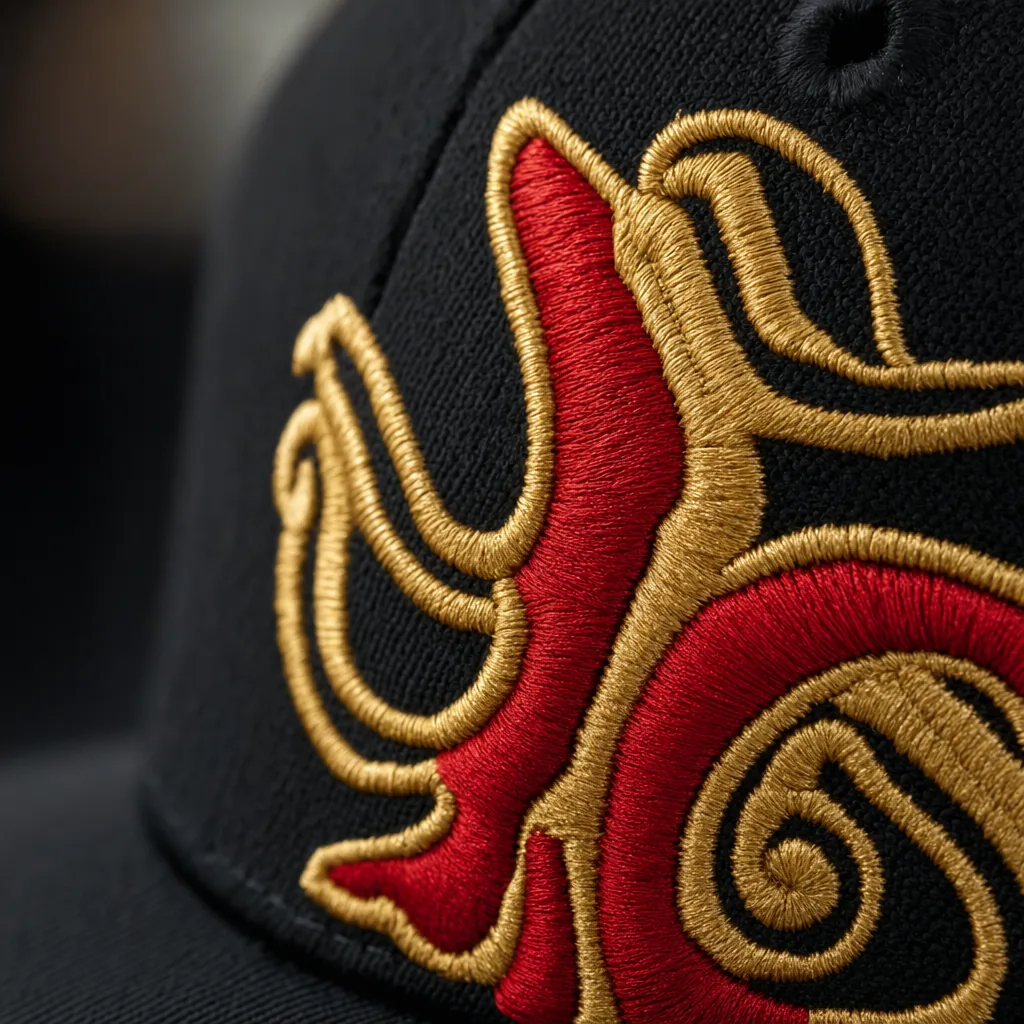
Patch Hats MOQ And Pricing Plan for Custom Hat Buyers is one of the most-asked questions we receive from international buyers, and for good reason. With dozens of factories competing for your order and an alphabet soup of technical terms in every supplier quote, even experienced importers can feel lost. This guide consolidates what we have learned producing custom hats for clients in 40+ countries.
Why patch hats moq and pricing plan needs a separate sourcing plan
A patch hats moq and pricing plan needs its own sourcing track because the buyer is not just asking, “How much is a cap?” They are trying to price two products at once: the blank hat body and the decoration component. A 6-panel cotton twill cap with flat embroidery can often run at 144–300 pcs per color, but custom patch hats may need separate MOQs for woven labels, PVC molds, leather deboss dies, chenille backing, or heat-transfer films. If the patch supplier requires 500 pcs but the cap order is only 288 pcs, the buyer still pays for the unused patch inventory or accepts a higher unit cost. That is where generic hat quotes become misleading. A hat with custom patch also has more approval points: cap fabric color, patch base color, border stitching, adhesive backing, placement jig, and final sewing tension. Each can shift cost by $0.20–$1.80 per piece before freight is even discussed.
The biggest pricing decisions are patch construction, attachment method, and SKU split. A woven hat patch custom order is usually cheaper than embroidery for fine detail, often around $0.35–$0.90 per patch at 500 pcs, while PVC can run $0.80–$2.20 depending on mold size and colors. Genuine leather or PU deboss patches add die cost, usually $40–$120, and need burn testing if the buyer sells into regulated retail channels. Sewing-on patches is slower but reliable for washed cotton, corduroy, wool blend, and 5-panel camper caps; heat press is faster but risky on nylon, foam trucker fronts, and coated polyester where temperature windows are narrow. If a buyer wants six cap colors with one patch for hat custom design, the patch MOQ may be easy. If every cap color needs a different Pantone TCX patch ground, the sourcing plan changes immediately.
Lead time and compliance also separate hat patches custom sourcing from normal cap production. A plain embroidered cap sample can be ready in 5–7 days on Tajima or Barudan heads after digitizing, but PVC molds, woven patch loom setup, leather color matching, and edge-merrow sampling can add 7–15 days before the cap factory can even confirm bulk placement. Our standard practice at CrownsForge is to lock the patch approval before cutting bulk fabric, because a 3 mm patch size change can make a crown panel look crowded or expose seam distortion after washing. Compliance checks matter too: CPSIA lead limits for children’s caps, REACH/SVHC screening for PVC, azo-free dye declarations for fabric patches, and sedex-audit-cap-supplier-guide.html">BSCI 2.0 or Sedex SMETA 4-Pillar factory documentation if the order goes into chain retail. A proper patch hats moq and pricing plan therefore protects margin, calendar, and audit risk at the same time.
Factory capability checks before quoting
Audit and communication checks protect the buyer from late surprises after deposit. If the order is for licensed sports, retail, or corporate resale, ask whether the factory has current BSCI 2.0, Sedex SMETA 4-Pillar, ISO 9001, or brand-specific social compliance records, and verify the audit holder matches the production site, not only a trading office. Inspection readiness should include inline QC, final AQL 2.5 for major defects and 4.0 for minor defects, needle control logs, metal detection for kids’ caps, and carton drop-test records. For hat patches custom programs, the supplier should explain mold fees, digitizing charges, patch MOQ, hat MOQ, sample lead time, bulk lead time, and re-order pricing in one written sheet. A realistic patch hats moq and pricing plan separates fixed costs from unit costs: embroidery digitizing may be $30–$80, woven patch setup $50–$120, PVC mold $80–$180, and bulk custom hat pricing often changes sharply between 144, 300, 600, and 1,200 pieces. Slow, vague answers at quotation stage usually become expensive corrections during production.
MOQ, pricing and sample approval
MOQ should be quoted by construction, patch type, and fabric, not by a lazy one-line “500 pcs minimum.” For custom patch hats, a realistic factory band is 144 pcs for a reorder using existing molds and stock fabric, 300 pcs for new woven or embroidered patches on cotton twill or polyester, and 500–1,000 pcs when the buyer wants dyed-to-match fabric, special corduroy, brushed canvas, or private-label trims. Below 300 pcs, the unit price is punished by setup: a woven patch loom setup may run $45–$90, embroidered patch digitizing $35–$70, leather deboss mold $60–$120, and heat-transfer film setup $40–$80. A practical patch hats moq and pricing plan separates these fixed costs from the cap unit cost so the buyer can see why 144 pcs at $6.80–$9.50 FOB is not comparable to 1,000 pcs at $3.20–$5.40 FOB.
Pre-production sample approval is where most hat with custom patch problems are caught, so I do not release bulk cutting until the PPS is signed against a physical cap, not just a photo. Pantone matching should be controlled with Pantone TCX for fabric and Pantone C/U for thread or printed patch artwork; for bulk fabric, Delta-E under 1.5 is a good target, while 2.0 may be acceptable on washed cotton because garment dye and enzyme wash shift the shade. For embroidered patches, stitch density normally sits around 0.36–0.45 mm spacing depending on thread weight, backing, and whether we run Tajima or Barudan heads. Too much density on a small hat patch custom logo makes the patch curl; too little density exposes twill ground. PPS timing is usually 7–10 days for standard embroidery or woven patches, and 12–18 days if a leather mold, rubber PVC mold, or custom dye lot is involved.
Bulk pricing also depends on trims and packing decisions that buyers often approve too late. A metal buckle adds about $0.18–$0.35 compared with plastic snapback, a branded woven sweatband adds $0.20–$0.45, custom seam tape adds $0.12–$0.25, and a printed polybag with suffocation warning adds roughly $0.05–$0.09. Retail packaging changes the carton plan: 25 pcs per inner box protects a patch for hat custom order better than loose 100 pcs cartons, but it increases CBM and DDP freight cost. Our standard practice at CrownsForge is to inspect hat patches custom orders at inline and final using AQL 2.5 for major defects, checking patch placement tolerance within ±2 mm, loose threads, adhesive bleed, and crown distortion. Normal lead time after PPS approval is 25–35 days for 300–1,000 pcs, 35–45 days for dyed fabric or molded patches, plus 5–7 days for FOB consolidation or 8–15 days for air DDP.
Quality inspection and shipping risk
Quality inspection should be written into the patch hats moq and pricing plan before the deposit is paid, because a $0.18 cheaper patch is useless if 12% of the caps fail on arrival. For bulk custom patch hats, I normally set AQL 2.5 for major defects and AQL 4.0 for minor defects, with a tightened check on the first shipment of any new style. Major defects include crooked patch placement over 3 mm off center, loose merrow stitching, exposed glue, wrong crown fabric, broken snapback teeth, and embroidery thread cuts on the patch face. Measurement tolerance must be clear: crown height ±5 mm, visor length ±3 mm, head circumference ±5 mm, patch position ±2 mm for premium orders and ±3 mm for promotional runs. For a hat with custom patch using woven labels or PVC, we also check edge lift after a 30-minute room-temperature bend test, because weak adhesive can look fine in the sewing room and fail after ocean freight heat.
Color and stitch quality need separate controls because buyers often approve a beautiful sample under office lighting and then receive bulk goods that look one shade duller. For fabric, we match Pantone TCX or buyer-supplied swatches with a target Delta-E under 1.5 for fashion orders and under 2.0 for promo orders; black cotton twill is especially risky because reactive-dyed 260 gsm fabric can crock onto white patches. Colorfastness should be tested to dry rubbing grade 4 and wet rubbing grade 3–4 under ISO 105 standards when the order uses light hat patches custom sewn onto dark crowns. Embroidery defects on a hat patch custom order are usually digitizing problems, not machine problems: satin columns under 1.2 mm collapse, tiny text under 5 mm fills in, and dense fill above 12,000 stitches on a small patch can pucker the front panel. Tajima, Barudan, and ZSK heads all produce clean work if thread tension, backing, and digitizing density are controlled.
Shipping risk is where many first-time buyers lose more money than they saved on unit price. Carton markings should show PO number, style code, color, size ratio, carton count, gross weight, net weight, and country of origin; if the buyer uses FBA, club distribution, or a 3PL, carton labels must be locked before final packing. Our standard practice at CrownsForge is to photograph the carton layout, inner polybag count, hangtag placement, and master carton marks during final inspection so reorder documentation is not dependent on memory. FOB Ningbo or Shanghai is usually cleaner for buyers with their own forwarder, while DDP makes sense for small patch for hat custom runs under 2,000 pieces where the buyer wants landed cost certainty. Reorder files should include approved sample photos, patch mold or embroidery DST, Pantone references, fabric gsm, trim cards, carton specs, AQL report, and final invoice, so the second order matches the first instead of becoming a new development project.
Buyer checklist for the next RFQ
A firm quote starts with a complete tech pack, not a mood board. For a patch hats MOQ and pricing plan, send the cap style first: 5-panel, 6-panel structured, unstructured dad cap, trucker, camper, bucket, or rope cap. Add fabric type and weight if known, such as 280 gsm cotton twill, 320 gsm brushed canvas, 100D nylon taslan, polyester mesh, corduroy wale count, or wool blend. Specify closure, visor type, crown height, sweatband material, and size range. If you want custom patch hats, state the patch construction clearly: woven, embroidered, chenille, leatherette debossed, PVC, TPU, sublimated, or felt applique. The factory also needs patch size in millimeters, placement, edge finish, backing method, and whether the patch sits flat, over a seam, or on a curved crown.
Artwork files decide whether pricing is real or just a guess. Send vector AI, EPS, or PDF files with outlined fonts, plus a PNG mockup for visual reference. For color, use Pantone TCX for fabric and Pantone C/U for thread, ink, PVC, or leatherette; do not rely on RGB screenshots. If there is an existing hat with custom patch, send front, side, back, inside label, closure, sweatband, and close-up patch photos under daylight, plus one photo with a ruler beside the patch. For embroidered patch for hat custom work, include stitch direction notes if the logo has small letters under 4 mm, gradients, metallic thread, or 3D puff areas. For leatherette or PVC, specify thickness, usually 0.8–1.5 mm for leatherette and 2.0–2.5 mm for PVC.
Commercial terms belong in the RFQ because they change the unit cost more than many buyers expect. State target quantity by colorway, delivery date, destination address, Incoterm such as FOB Ningbo, EXW Yiwu, CIF, or DDP, and packaging requirements. A normal quote should separate cap cost, mold or digitizing fee, sample fee, carton specs, and freight estimate; for hat patches custom orders, PVC molds can run $80–$180, embroidery digitizing $25–$60, and pre-production samples $45–$120 depending on complexity. Our standard practice at CrownsForge is to quote after checking artwork against machine limits on Tajima or Barudan heads, fabric availability, and AQL 2.5 inspection requirements. If the buyer needs BSCI 2.0, Sedex SMETA 4-Pillar, hangtags, barcode stickers, or recycled material certificates, say so before the first price is issued.
Working with CrownsForge
The cleanest patch hats moq and pricing plan starts with separating the cap cost from the patch cost, because the risk sits in different places. For a standard 6-panel cotton twill or brushed chino cap, practical MOQ is usually 144 pieces per color when using stock fabric and available buckram; custom-dyed fabric, Pantone TCX matching under Delta-E 1.5, or private-label sweatband work pushes that to 500–1,000 pieces. Patch MOQ depends on the method: woven patches are efficient from 100–300 pieces, embroidered patches from 144 pieces, PVC patches from 300–500 pieces because of mold charges, and genuine leather patches from about 100 pieces if the hide color is stock. A realistic FOB Ningbo/Yiwu range for custom patch hats is $3.20–$5.80 for cotton twill with a woven or embroidered patch, $4.80–$7.50 for washed canvas or corduroy, and $6.50–$10.50 for wool blend, performance polyester, or structured trucker builds with premium closures.
Sampling should prove three things before bulk: cap shape, patch execution, and attachment strength. Our standard practice at CrownsForge is to build a pre-production sample with the same front panel fabric, crown height, buckram weight, and closure as bulk, then attach the actual patch by merrow edge, satin stitch, heat press, or adhesive-backed sewing depending on the material. For a hat with custom patch, sampling normally takes 7–12 days after artwork approval; PVC molds add 5–7 days and usually cost $60–$150, while leather debossing dies run $40–$90. Embroidery files are digitized for Tajima or Barudan heads at the final patch size, not scaled from a logo blindly, because small lettering below 4 mm often closes up on twill or felt. Buyers should approve physical thread, felt, leather, or rubber swatches instead of relying on screen color, especially when hat patches custom programs use brand-critical reds, olives, creams, or washed blacks.
QC and export planning matter more on patch programs than buyers expect, because a good cap with a crooked patch still fails at retail. Bulk inspection should use AQL 2.5 for major defects and AQL 4.0 for minor defects, with specific checks for patch placement tolerance, usually ±2 mm horizontally and ±3 mm vertically from the approved sample. Pull testing is useful for heat-applied or adhesive-assisted patches; for sewn patch for hat custom orders, inspectors should check skipped stitches, loose bobbin thread, puckering, and edge lift after steam shaping. Cartons need size/color/PO markings that match the packing list, and DDP shipments to the U.S. or EU should confirm HS code classification before production because leather, wool, and PVC components can affect duty assumptions. For a stable patch hats moq and pricing plan, lock artwork, patch method, cap fabric, Incoterms, and inspection standard before deposit; otherwise the cheapest quote usually becomes the most expensive production order.
Frequently Asked Questions
What logo decoration techniques do you offer?
3D puff embroidery, flat embroidery, woven patch, leather patch, PVC patch, screen printing, sublimation, applique and laser etching, all in-house with no subcontracting.
How long does production take?
Sampling takes 7 to 12 days. Bulk production runs 20 to 30 days depending on quantity, fabric availability and decoration complexity. Inspection and packing adds another 3 to 5 days before shipment.
Can I order a sample before bulk production?
Yes. We strongly recommend approving a pre-production sample before mass production. Samples are charged at 35 to 60 USD each plus express shipping, fully refundable against confirmed bulk orders over 500 pieces.
What is the minimum order quantity (MOQ) for custom hats?
Our standard MOQ is 100 pieces per design and color, with sampling available from 1 piece. For complex multi-color logos or premium fabric upgrades, the MOQ can be lowered with a small per-piece surcharge.
Which shipping methods do you support?
We support FOB, CIF and DDP shipping. Air express for samples and small orders, sea LCL for 100 to 500 pieces, sea FCL for 5,000+ pieces. Door-to-door DDP available for US, EU, UK, Canada and Australia.
How does ordering custom hat leather patch work?
When evaluating custom hat leather patch, the key considerations are construction quality, decoration capability, MOQ flexibility and lead time. Explain the buyer intent behind patch hats moq and pricing plan, when it differs from generic hat sourcing, and what decisions affect cost, lead time and compliance. Cover embroidery, patch, fabric, panel construction, closure options, sample room capability, audit readiness and communication checks.
What's the MOQ for custom leather patch hat low minimum?
When evaluating custom leather patch hat low minimum, the key considerations are construction quality, decoration capability, MOQ flexibility and lead time. Explain the buyer intent behind patch hats moq and pricing plan, when it differs from generic hat sourcing, and what decisions affect cost, lead time and compliance. Cover embroidery, patch, fabric, panel construction, closure options, sample room capability, audit readiness and communication checks.
How does ordering custom leather patches for hats work?
When evaluating custom leather patches for hats, the key considerations are construction quality, decoration capability, MOQ flexibility and lead time. Explain the buyer intent behind patch hats moq and pricing plan, when it differs from generic hat sourcing, and what decisions affect cost, lead time and compliance. Describe how CrownsForge manages patch hats moq and pricing plan programs with sampling, decoration, QC and export coordination.
How does ordering custom patch trucker hats work?
When evaluating custom patch trucker hats, the key considerations are construction quality, decoration capability, MOQ flexibility and lead time. Explain the buyer intent behind patch hats moq and pricing plan, when it differs from generic hat sourcing, and what decisions affect cost, lead time and compliance. Describe how CrownsForge manages patch hats moq and pricing plan programs with sampling, decoration, QC and export coordination.
Need a low-MOQ test order?
We help emerging brands launch with as few as 100 pieces. Premium fabric, in-house embroidery, retail-ready packaging.
Start a small orderRelated guides
Custom Logo Hats: When to Use It, Costs, and What to Ask Your Factory
Read article →
Golf Hats For Men Sample Approval Process for Custom Hat Buyers
Read article →Hat With Patch Supplier Audit Checklist for Custom Hat Buyers
Read article →If you are ready to take the next step on patch hats moq and pricing plan for custom hat buyers, our team can put a tailored quotation and digital mock-up in your inbox within 24 hours. Send the inquiry form on our contact page or message us directly on WhatsApp.