
Patch Hats Fabric And Trim Spec Guide for Custom Hat Buyers
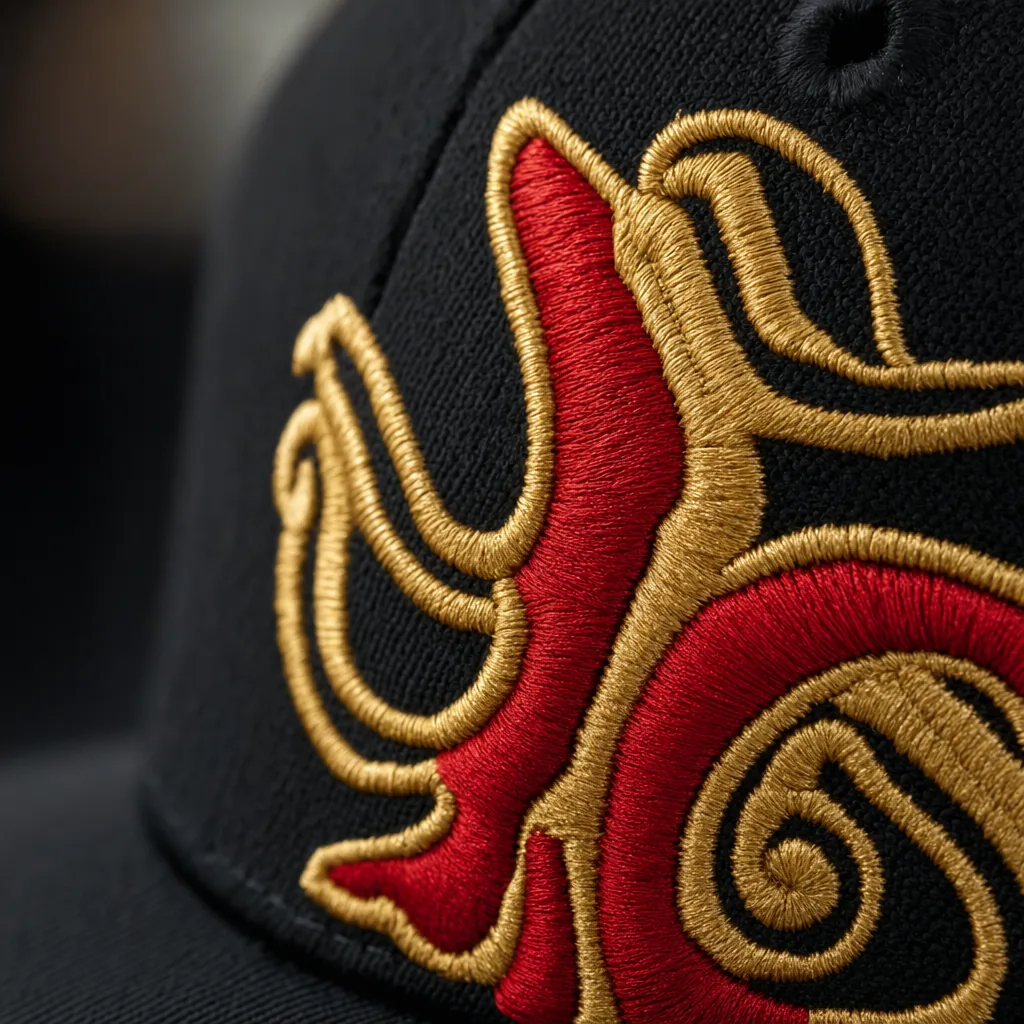
For brand owners, wholesalers and procurement teams entering the custom headwear category, patch hats fabric and trim spec guide for custom hat buyers is one of the highest-leverage decisions you will make. Get it right and your unit economics, retail story and reorder cycle all improve. Get it wrong and you carry the cost for years.
Why patch hats fabric and trim spec guide needs a separate sourcing plan
A patch hats fabric and trim spec guide needs a separate sourcing plan because the patch is not just decoration; it changes the cap’s construction risk, unit cost, inspection method, and production sequence. Generic hat sourcing usually starts with crown fabric, visor shape, closure, and embroidery. Custom patch hats add another bill of materials: patch substrate, edge finish, backing, adhesive behavior under heat, stitch-down method, and placement tolerance. A woven label patch on cotton twill may run clean at 2.5 mm border tolerance, while a TPU or faux leather patch can pucker on unstructured 5-panel caps if the front panel gsm is too light. Buyers searching this topic usually already know they want a hat with custom patch, but they need help preventing a good-looking sample from becoming a slow, expensive bulk order.
The sourcing split matters most when the patch supplier is different from the cap factory. Woven patches custom to Pantone TCX shades often require dyed yarn matching with Delta-E under 1.5 to 2.0, while embroidered patches need digitizing, thread conversion, and density testing on Tajima, Barudan, or ZSK heads before they are sewn to the cap. Rubber, silicone, PVC, and leatherette patches need molds or cutting dies, so tooling can add USD 45 to 180 and 5 to 9 days before bulk approval. A hat patch custom program with six colorways may share one mold, but every patch color, merrow border, backing, and stitch color still needs approval. That is why a buyer should lock the patch spec before confirming cap fabric lots, not after the cap is already in sewing.
Cost, lead time, and compliance are affected by decisions that look small on a tech pack. A 280 gsm washed cotton twill crown with a PU patch and flat embroidery border is very different from 100% polyester performance fabric with a heat-transfer silicone patch; one goes through garment wash safely, the other may fail adhesion after 3 wash cycles or high-humidity carton storage. Metal trims, snapbacks, leather straps, and nickel-plated buckles may trigger CPSIA, REACH, or Prop 65 documentation depending on destination and buyer category. Our standard practice at CrownsForge is to inspect patch adhesion, placement, color, and stitching under AQL 2.5, with separate checkpoints before final cap assembly because fixing a crooked patch after sewing usually means scrapping the whole front panel, not reworking one cheap accessory.
Factory capability checks before quoting
Capability checking should happen before price talk, because a factory that cannot build the spec will still quote it and solve problems later at your expense. For custom patch hats, I first ask what patch processes are in-house versus outsourced: flat embroidery on Tajima or Barudan heads, 3D puff limits, woven label MOQ, PVC mold lead time, leather debossing pressure, chenille edge cleanliness, and whether merrow or laser-cut borders are available. A serious factory can show stitch-density standards, backing choices, and pull-test results for the patch attachment, not just pretty photos. For a hat with custom patch, ask them to confirm maximum patch size by crown shape; a 70 mm round patch may sit cleanly on a structured 5-panel but distort badly across a soft 6-panel seam unless the front panel is fused and the patch is pre-curved.
Fabric and trim capability is where many quotes become misleading. A proper patch hats fabric and trim spec guide should force the supplier to identify crown fabric by composition, weight, and finish: 260 gsm cotton twill, 16x12 canvas, 75D polyester ripstop, acrylic-wool blend, washed chino, or recycled poly with GRS paperwork. Ask for Pantone TCX matching tolerance, ideally Delta-E under 1.5 for solid fabric and under 2.0 after garment wash, because patch color can shift visually against the crown. Panel construction also matters: 5-panel camper, high-profile structured 6-panel, unstructured dad cap, foam trucker front, or 7-panel rope cap all change patch placement and sewing tension. Closure options should be quoted as real trims: brass buckle, plastic snap, nylon strap with D-ring, elastic Flexfit-style band, or hook-and-loop, with carton-ready durability checks such as 500-cycle open-close testing.
Sample room competence is the fastest way to separate a trading desk from a production partner. Before accepting a quote for hat patch custom work, ask whether the same sample technicians control pattern correction, embroidery digitizing, patch sewing, blocking, steaming, and measurement reports. Our standard practice at CrownsForge is to photograph first samples against the tech pack, measure crown height, visor length, sweatband width, and patch placement to ±2 mm before sending buyer approval. Audit readiness is not decoration either: sedex-audit-cap-supplier-guide.html">BSCI 2.0, Sedex SMETA 4-Pillar, payroll records, needle-control logs, and AQL 2.5 inspection routines tell you whether bulk can survive retailer compliance. Communication is the final capability check; if the factory cannot answer hat patches custom questions with fabric cards, trim photos, machine limits, sample lead time, and FOB/DDP assumptions within 24 hours, the bulk order will be slower and more expensive than the quote suggests.
MOQ, pricing and sample approval
MOQ is where many custom patch hats quotes become misleading. For woven or embroidered patches, 100 pieces is usually possible, but the unit price is punished by patch setup, fabric cutting loss, and carton handling; a 6-panel cotton twill cap with a merrowed patch may land around US$5.80–7.20 FOB at 100 pieces. At 300 pieces, the same hat often drops to US$4.20–5.40, and at 1,000 pieces it can reach US$3.10–4.30 depending on fabric, closure, and patch size. PVC patches normally carry higher mold fees, often US$80–180 per design, while woven and embroidered patch setup is more commonly US$35–75. In a proper patch hats fabric and trim spec guide, MOQ should be separated by cap body, patch type, and trim package, not quoted as one vague number. A metal buckle, branded inside seam tape, and custom polybag can each trigger separate minimums from trim suppliers.
Pre-production sample approval should lock the hat before bulk fabric is cut, not after 500 crown panels are already fused. A PPS usually costs US$50–120 for a hat with custom patch, plus courier, and takes 7–12 days after artwork, Pantone TCX references, and patch placement are confirmed. Pantone matching is realistic within Delta-E 1.5–2.0 for dyed fabric lots, but patch thread and fabric rarely match perfectly because polyester embroidery thread reflects light differently from brushed cotton twill. For embroidered patches, I check stitch density around 0.38–0.45 mm spacing on filled areas; too dense and the patch cups, too loose and the base cloth shows through. On Tajima, Barudan, or ZSK heads, small lettering below 4 mm height is risky unless converted to satin or simplified. A hat patch custom approval should include patch edge, backing, adhesive or stitch-on method, and exact crown coordinates.
Lead time depends less on sewing speed and more on approval discipline. After PPS approval, a normal run of 300–1,000 custom patch hats takes about 25–35 days in production, with another 3–7 days for final inspection, packing, and export handoff. Peak season before March baseball programs or September streetwear drops can push that to 40–50 days, especially when washed cotton, corduroy, or nylon taslan needs lab dips. Our standard practice at CrownsForge is to inspect bulk under AQL 2.5 major / 4.0 minor, checking patch alignment tolerance within ±3 mm, seam symmetry, loose threads, and carton marks. Packaging specs should state flat polybag or individual polybag, silica gel requirement, hangtag position, carton ply, and barcode labeling. If buyers need DDP air to the U.S., budget roughly US$1.20–2.80 per cap freight depending on carton cube; sea freight is cheaper but rarely saves a late launch.
Quality inspection and shipping risk
Quality risk on custom patch hats is usually not the patch idea; it is the uncontrolled variation between approved sample and bulk. For a normal production lot, I recommend AQL 2.5 for major defects and AQL 4.0 for minor defects, with a tightened check on logo placement because a 3 mm drift on a front patch is visible at retail. Measurement tolerance should be written before cutting: crown height ±0.5 cm, visor length ±0.3 cm, back strap length ±0.5 cm, patch position ±2 mm horizontally and vertically. For a hat with custom patch, inspectors should pull samples across all sewing lines, not just from the top cartons. Patch edge lift, skipped lockstitch, wavy merrow border, glue bleed-through, loose threads, crooked sweatband, puckering around the front panel, and visor asymmetry should all be listed as major or minor defects in the QC checklist. This is where a patch hats fabric and trim spec guide earns its money.
Color and durability checks must be practical, not theoretical. Fabric shade should be compared against Pantone TCX or a sealed fabric swatch under D65 light, with Delta-E ideally under 1.5 for solid cotton twill and under 2.0 for washed or enzyme-treated fabric. For dark navy, black, red, and forest green caps, run dry and wet crocking tests because poor reactive dyeing will stain the sweatband or the wearer’s forehead. Patch materials need separate checks: woven patch yarn density, PVC patch surface scratches, leather patch deboss depth, chenille pile shedding, and embroidered patch thread breaks on Tajima, Barudan, or ZSK heads. On hat patches custom orders, I also check satin stitch coverage at corners and small lettering under 5 mm, because that is where digitizing shortcuts show up. Our standard practice at CrownsForge is to keep the approved patch, thread card, fabric swatch, and bulk first-piece inspection photos in one reorder file.
Shipping risk is controlled by carton discipline and commercial terms. Carton markings should show PO number, style code, color, size ratio if applicable, carton count, gross weight, net weight, carton dimensions, and country of origin; retail buyers often reject mixed cartons when markings do not match the packing list. For custom patch hats, inner polybag choice also matters: individual bags protect leather and PVC patches but add roughly $0.03–$0.06 per cap, while bulk packing saves cost but increases abrasion risk during LCL movement. FOB Ningbo or Shanghai is cleaner for buyers with their own forwarder and cargo insurance; DDP is easier for small streetwear brands but exposes the quote to tariff classification, courier remote-area fees, and customs exam delays. Every reorder should reference the same tech pack, approved sample date, Pantone numbers, patch mold or digitizing file, carton specs, and previous inspection report. A good patch hats fabric and trim spec guide should make the second order faster, not force everyone to rediscover the first order’s mistakes.
Buyer checklist for the next RFQ
A firm RFQ for custom patch hats should start with the cap body, not the patch artwork. Send the hat style first: 5-panel camper, 6-panel structured, dad cap, trucker, rope cap, bucket, or performance running cap. Add crown height, brim type, closure, size range, and whether the front panel needs buckram support. For fabric, specify cotton twill 260–320 gsm, brushed chino, polyester ripstop, nylon taslon, corduroy wale count, wool blend percentage, or recycled polyester with GRS certificate if required. Give Pantone TCX or TPX references for every fabric and trim color; “dark green” is not a spec. In this patch hats fabric and trim spec guide, the buyer’s fastest path to a real quote is to send target quantity, delivery country, Incoterm preference such as FOB Ningbo or DDP Los Angeles, and required ship date in the first email.
Patch files need to be production-ready enough for the factory to judge process risk. Send vector artwork in AI, EPS, or PDF with outlined fonts, plus a PNG mockup showing patch position and approximate size in millimeters. State the patch type clearly: woven label, embroidered patch, chenille, felt appliqué, leather deboss, PVC, TPU, sublimated twill, or printed canvas. For embroidered hat patches custom work, include stitch direction if critical and confirm whether merrowed edge, satin edge, laser-cut edge, or raw edge is acceptable. If you want a hat with custom patch placed over a seam or rope, say so early because it affects puckering and machine access. A 75 mm wide patch behaves very differently from a 105 mm wide patch on a curved crown, especially on unstructured dad caps.
Photos save days of clarification. Send front, side, back, inside sweatband, closure, visor underside, and label photos from any reference sample, even if it is a competitor’s cap. Mark what should be copied and what must change. For trim, specify sweatband material, seam tape color, eyelet type, button color, snapback grade, metal buckle finish, rope diameter, woven label placement, and packaging method. Our standard practice at CrownsForge is to quote with assumptions listed line by line, then lock them after sample approval under AQL 2.5 inspection. Buyers asking for a patch for hat custom quote should also state testing needs: CPSIA, Prop 65, azo-free dye, nickel release, BSCI 2.0, or Sedex SMETA 4-Pillar. Without these inputs, any price for custom patch hats is only a budget estimate, not a factory-committed offer.
Working with CrownsForge
A serious patch hats fabric and trim spec guide starts with locking the cap body before anyone argues about the patch artwork. Our standard practice at CrownsForge is to build the spec around crown fabric, buckram stiffness, visor board, sweatband, closure, patch base, edge finish, and stitch method in one controlled sheet, not scattered across email threads. For cotton twill we normally quote 260–320 gsm; for performance builds we use 150D–300D polyester, nylon taslan, or 92/8 poly-spandex depending on stretch recovery and hand feel. Color is confirmed against Pantone TCX or TPX, with bulk fabric held to Delta-E under 1.5 when the mill can support lab-dip control. For custom patch hats, the first sample usually costs $45–$120 depending on mold fees, woven label density, leather debossing, or PVC patch tooling, and the normal sampling window is 7–12 days after artwork and trim cards are approved.
Decoration is managed by matching the patch construction to the cap shape, not by forcing one cheap method onto every order. A flat woven patch works well on low-profile dad caps, but a thick rubber PVC patch can distort a soft unstructured crown unless the backing fabric and pressing jig are adjusted. For a hat with custom patch programs, we check patch placement on the actual crown panel after blocking because 3 mm off-center is visible on a 5-panel front. Embroidery borders are run on Tajima, Barudan, or ZSK heads depending on thread count and production load; merrowed edges, satin stitch borders, laser-cut felt, microfiber suede, genuine leather, and heat-transfer backing all need different temperature and dwell settings. For hat patch custom development, I prefer a physical strike-off before the full cap sample when the artwork has small serif type under 2 mm, metallic thread, or layered PVC details.
QC and export coordination are where many hat patches custom projects either stay clean or become expensive rework. Inline inspection checks panel shade, seam allowance, visor symmetry, patch bond strength, needle damage, and sweatband alignment before final trimming; final inspection is usually AQL 2.5 for major defects and 4.0 for minor defects unless the buyer’s manual is stricter. Cartons are measured for FOB Ningbo/Shanghai costing, while DDP quotes need destination ZIP code, HS code confirmation, duty assumptions, and whether the buyer wants express, air freight, or LCL sea freight. For a patch for hat custom order going to licensed sports, retail, or promotional distribution, we keep production records tied to PO, carton mark, trim lot, and inspection report. If the program requires compliance, the factory file should include BSCI 2.0 or Sedex SMETA 4-Pillar status, needle-control logs, material test reports, and restricted substance declarations before goods leave Yiwu.
Frequently Asked Questions
What file format should I send for my logo?
Vector files (AI, EPS, PDF) are ideal. High-resolution PNG or JPG at 300 dpi on transparent background works as a fallback. Provide Pantone color references for accurate reproduction.
What logo decoration techniques do you offer?
3D puff embroidery, flat embroidery, woven patch, leather patch, PVC patch, screen printing, sublimation, applique and laser etching, all in-house with no subcontracting.
Which shipping methods do you support?
We support FOB, CIF and DDP shipping. Air express for samples and small orders, sea LCL for 100 to 500 pieces, sea FCL for 5,000+ pieces. Door-to-door DDP available for US, EU, UK, Canada and Australia.
How long does production take?
Sampling takes 7 to 12 days. Bulk production runs 20 to 30 days depending on quantity, fabric availability and decoration complexity. Inspection and packing adds another 3 to 5 days before shipment.
Do you support sustainability certifications?
Yes. We work with GOTS organic cotton, GRS-certified recycled polyester, OEKO-TEX Standard 100 fabrics, and are BSCI and Sedex audited. Certification documentation can be provided per order.
How does ordering custom hat leather patch work?
When evaluating custom hat leather patch, the key considerations are construction quality, decoration capability, MOQ flexibility and lead time. Explain the buyer intent behind patch hats fabric and trim spec guide, when it differs from generic hat sourcing, and what decisions affect cost, lead time and compliance. Cover embroidery, patch, fabric, panel construction, closure options, sample room capability, audit readiness and communication checks.
What's the MOQ for custom leather patch hat low minimum?
When evaluating custom leather patch hat low minimum, the key considerations are construction quality, decoration capability, MOQ flexibility and lead time. Explain the buyer intent behind patch hats fabric and trim spec guide, when it differs from generic hat sourcing, and what decisions affect cost, lead time and compliance. Cover embroidery, patch, fabric, panel construction, closure options, sample room capability, audit readiness and communication checks.
How does ordering custom leather patches for hats work?
When evaluating custom leather patches for hats, the key considerations are construction quality, decoration capability, MOQ flexibility and lead time. Explain the buyer intent behind patch hats fabric and trim spec guide, when it differs from generic hat sourcing, and what decisions affect cost, lead time and compliance. Describe how CrownsForge manages patch hats fabric and trim spec guide programs with sampling, decoration, QC and export coordination.
How does ordering custom patch trucker hats work?
When evaluating custom patch trucker hats, the key considerations are construction quality, decoration capability, MOQ flexibility and lead time. Explain the buyer intent behind patch hats fabric and trim spec guide, when it differs from generic hat sourcing, and what decisions affect cost, lead time and compliance. Describe how CrownsForge manages patch hats fabric and trim spec guide programs with sampling, decoration, QC and export coordination.
Need a low-MOQ test order?
We help emerging brands launch with as few as 100 pieces. Premium fabric, in-house embroidery, retail-ready packaging.
Start a small orderRelated guides
Cap Size Run Planning for Retail Launches: A B2B Buyer Guide
Read article →
Cap Defect Catalog: 32 Production Issues to Inspect For
Read article →Baseball Hats For Men Reorder Planning Guide for Custom Hat Buyers
Read article →We hope this guide demystifies patch hats fabric and trim spec guide for custom hat buyers and helps you move forward with confidence. If you have questions specific to your project, our English-speaking sales engineers are one message away.