
Patch Hats Decoration QC Checklist for Custom Hat Buyers - Cost & MOQ Breakdown - Cost & MOQ Breakdown (2026 Update) - 2026 Buyer's Guide
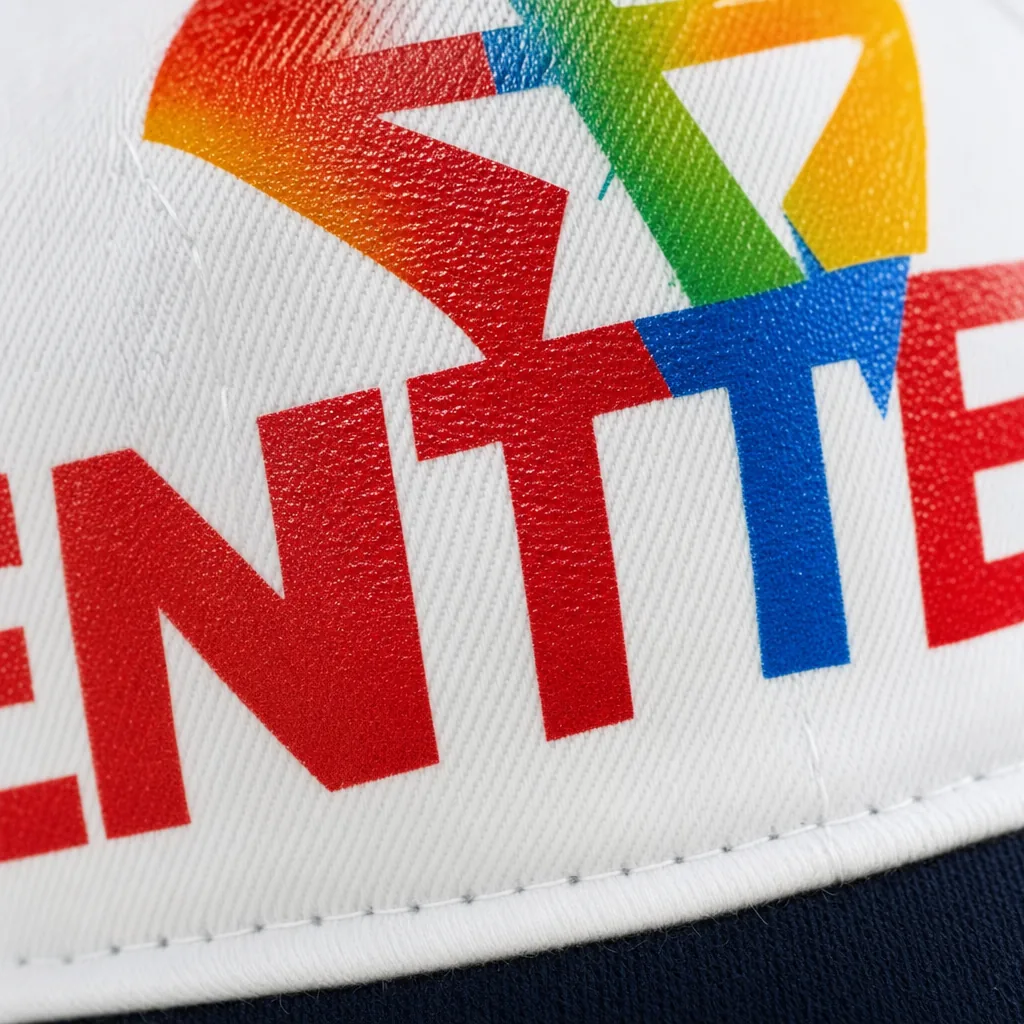
Patch Hats Decoration QC Checklist for Custom Hat Buyers - Cost & MOQ Breakdown - Cost & MOQ Breakdown (2026 Update) - 2026 Buyer's Guide is one of the most-asked questions we receive from international buyers, and for good reason. With dozens of factories competing for your order and an alphabet soup of technical terms in every supplier quote, even experienced importers can feel lost. This guide consolidates what we have learned producing custom hats for clients in 40+ countries.
Why patch hats decoration qc checklist needs a separate sourcing plan
A patch hats decoration qc checklist needs its own sourcing plan because the patch is not just “decoration”; it is a second manufactured component with separate tooling, tolerances, materials, and failure modes. Direct embroidery on a 6-panel cap stays mostly inside one controlled route: panel cutting, Tajima/Barudan/ZSK embroidery, sewing, blocking, trimming, and packing. Patch hats usually split production across woven label looms, PVC mold casting, PU or leather laser engraving, chenille embroidery, merrow edging, adhesive lamination, heat pressing, or post-assembly stitching. Each route adds inspection points that a normal cap QC sheet will miss. For structured front panels, patch placement tolerance should be ±1.5 mm from the approved centerline; side and back placements can usually allow ±2.0 mm. On high-crown truckers, anything looser reads crooked immediately. Major defects include glue bleed beyond 0.5 mm, lifted corners after a 40°C wash or rub test, scorched PU leather, warped PVC, loose merrow yarn, uneven chenille pile, and crown puckering caused by excessive stitch tension or wrong backing.
Cost and MOQ also change the moment the patch type is selected, so the cap body and patch should be sourced as linked components, not bought independently and forced together later. At 500–1,000 pcs, woven patches typically add USD 0.35–0.85 per cap; laser-engraved PU leather runs about USD 0.55–1.20; genuine leather can reach USD 1.50–2.80 depending on thickness, hide grade, backing, and burn consistency. PVC or rubber patches usually require USD 80–250 in mold charges, with practical MOQs of 300–500 pcs per design and 100–200 pcs per colorway after tooling. Heat-pressed patches must have recorded temperature, dwell time, pressure, and peel method. A setting like 160°C for 12 seconds may bond well to cotton twill, but it can flatten polyester foam fronts, leave shine marks on nylon taslan, or distort laminated buckram. Our standard practice at CrownsForge is to approve the patch strike-off before bulk cap assembly, because removing a failed patch from a finished crown usually destroys the shape.
Compliance and final inspection are different for patch hats because subcontracted patches introduce adhesives, coatings, plastics, and sometimes restricted chemicals that are not present in a plain embroidered cap. A proper patch hats decoration qc checklist should specify REACH screening, CPSIA lead limits for children’s headwear, phthalate testing for PVC or rubber patches, and nickel release checks when metal logo plates, rivets, or eyelet trims are used. Color approval should not be based on phone photos. Use Pantone TCX for fabric and leather shades, Pantone C or U for printed artwork, and a measured Delta-E tolerance: ≤1.5 for licensed sports logos and ≤2.0 for streetwear or promotional colorways. Final inspection can follow AQL 2.5 major / 4.0 minor, but patch placement, logo geometry, edge adhesion, shade mismatch, and visible adhesive residue should be classified as major defects. sedex-audit-cap-supplier-guide.html">BSCI 2.0 or Sedex SMETA 4-Pillar may cover the cap factory, but buyers still need to verify whether the patch supplier is audited, because small outside workshops can add 5–12 days and limit corrective action before shipment.
Factory capability checks before quoting
The quote is only credible if the supplier controls both the cap body and the patch workflow, or can clearly show where each step happens and who owns the scrap. If they buy blank caps from one shop, embroider patches at another, and attach them in a third room, your real MOQ, lead time, and defect liability all move in the wrong direction. A factory ready for patch hats decoration qc checklist review should name the exact equipment and limits without hesitation: Tajima, Barudan, or ZSK cap frames for direct embroidery; merrow machines for 3 mm overlock borders; laser cutting for twill, TPU, felt, and PU patches; and heat presses that hold 145-165°C within about ±3°C, with dwell times of 8-15 seconds depending on adhesive film and shell fabric. If they cannot explain when they choose stitch-down over heat seal, or why brushed cotton, pigment-washed canvas, and 420D nylon taslon need different backing and pressure settings, they are quoting from a template, not from production reality.
Patch success starts with front-panel stability, not decoration artwork. Before quoting, the supplier should state whether the crown is structured with 150-220 gsm buckram, lightly fused, or fully unstructured, and how that construction affects puckering, strike-through, and crown distortion after patch attachment. The cap spec should also call out shell material precisely—10x10 cotton twill, polyester chino, corduroy, washed canvas, ripstop—and define placement tolerance at ±2 mm, crown height tolerance at ±3 mm, visor symmetry, and closure hardware finish on the markup. Good sample rooms will flag artwork failure points before they burn time: satin columns below 0.8 mm, text under 4 mm cap height, merrow borders too tight for a curved 5-panel foam front, or Pantone TCX color targets likely to miss Delta-E 2.0 in woven labels or thread lots.
Documentation discipline tells you whether the numbers are grounded. I expect a technical summary before price confirmation: BOM, patch size in millimeters, attachment method, packing ratio, carton dimensions, and a clear cost break if volume drops from 300 pieces to 144. If the supplier cites BSCI 2.0 or Sedex SMETA 4-Pillar, confirm that embroidery, sewing, finishing, and packing are all inside the audited site; plenty of vendors show one certificate and ship from an unaudited workshop with no needle control log, no incoming fabric inspection, and no calibrated press records. For QC readiness, ask whether they inspect to AQL 2.5, approve color under a D65 light box, and log defect codes such as patch misalignment over 2 mm, loose merrow tails, skipped stitches, visor asymmetry, sweatband contamination, and closure plating scratches. Our standard practice is to treat those records as part of the patch hats decoration qc checklist, because factories that can quantify defect risk usually quote MOQ and cost triggers far more honestly.
MOQ, pricing and sample approval
MOQ is driven by the patch process more than the cap shell. For stock 6-panel chino twill, brushed cotton, or 260-300 gsm recycled poly blanks, 144 pcs per style-color can work for a basic embroidered or woven patch, but the quote usually stabilizes at 288-300 pcs because digitizing, loom setup, die cost, and reject allowance are spread over more units. Genuine leather, molded PVC, chenille, and layered appliqué are rarely economical below 300-500 pcs; the hidden cost is not just tooling, but color batching, attachment scrap, and replacement yield when patch edges burn, fray, or deform. In 2026, realistic setup costs in Zhejiang are $35-80 for embroidered patch digitizing with first sew-out, $50-120 for woven patch setup depending on pick density and edge finish, and $90-180 for PVC mold or leather deboss tooling. If the shell fabric is custom dyed, expect separate mill minimums: typically 500-1,000 meters for cotton twill or 300 kg for recycled polyester. Ex-factory pricing for a mid-profile baseball cap with a 2.25-3.00 inch patch usually lands at $2.10-3.60 at 300 pcs for embroidered or woven versions, assuming standard snapback, woven sweatband print, and no retail box. Leather and PVC patch caps are more often $2.80-4.90 because attachment is slower and scrap runs higher, especially on curved buckram fronts where alignment tolerance is tighter. The patch hats decoration qc checklist should be tied to the quote from day one: a woven main label, hangtag, size sticker, and export carton only adds about $0.08-0.18 per cap, but barcode labels, FSC insert cards, recycled PE zip bags, tissue wrap, or individual hat boxes can add $0.35-1.20. If those trims are approved after PPS, the sample cost and landed margin drift fast, and the supplier starts value-engineering in places buyers never intended.
The biggest approval error is approving flat artwork instead of a PPS sample sewn onto the actual crown shape and fabric. A patch can look clean on a strike-off card and still tunnel, pucker, or roll once stitched over buckram on a curved front panel, especially on low-profile washed caps or unstructured 5-panels. Approval should be based on measurable tolerances: patch size within +/-2 mm, center-front placement within 3 mm, left-right visual balance, border symmetry, backing material, and exact attachment method called out as merrow edge stitch, satin border stitch-down, heat-seal plus perimeter stitch, or hidden tack. For color-critical programs, compare thread or woven yarn to Pantone TCX or Pantone Coated under D65 light; for premium branded headwear, Delta-E below 1.5 is realistic on primary colors, with up to 2.0 acceptable on secondary shades. Machine capability and digitizing discipline matter more than buyers think. On Tajima, Barudan, or ZSK heads, dense fills and undersized lettering are what create patch curl and front-panel waviness, not just operator error. For most embroidered patches, 0.35-0.45 mm stitch spacing is safer than forcing a hard fill into a small area, and text under 2.5 mm cap height should be tested before approval rather than assumed. If leather is specified, define the substrate clearly: full-grain, split, PU, or microfiber all behave differently in heat, flex, and abrasion, and edge cracking usually appears before color shift. Our standard bulk release is PPS plus production benchmark: attachment pull check, needle detection when required by the customer, carton drop verification, and AQL 2.5 final inspection with focus on alignment, edge lifting, loose trims, and needle damage. In 2026, normal timing is 3-5 working days for digital mockup, 7-10 days for PPS, and 18-30 days for bulk after sample approval.
Quality inspection and shipping risk
Most failures show up at final inspection, not during artwork approval, so the patch hats decoration qc checklist needs to define acceptance before bulk packing starts. Use ANSI/ASQ Z1.4, General Inspection Level II, single sampling, with AQL 2.5 for major defects and 4.0 for minor unless the PO sets stricter limits. On cap lines, major means patch placement more than 3 mm off center, skew over 2 degrees, skipped merrow stitches, visible glue bleed, heat-seal edge lift after pressing, needle cuts on brushed cotton twill, or contamination in white fill embroidery. Minor means hoop marks that recover after steaming, slight bobbin show on the patch perimeter, top-button shade variation within approved tolerance, or loose thread under 10 mm that can be trimmed cleanly. Attachment method must be frozen on the PO because sewn, heat-applied, and combo patches fail differently in wear and transit, especially on unstructured 5-panel bodies versus buckram-backed 6-panel caps.
Set tolerances in writing, or the factory and buyer will argue after goods are already boxed. Practical cap-body limits are crown height plus or minus 5 mm, visor length plus or minus 3 mm, and finished circumference plus or minus 10 mm depending on snapback, strapback, or fitted construction. Patch dimensions should be tighter at plus or minus 2 mm; on a 2.25 inch front badge, 3 mm drift is obvious from two meters. Color approval should reference Pantone TCX for textile surfaces and Pantone C only for coated logo art, with Delta-E under 1.5 for critical brand colors and under 2.0 for secondary panels or undervisor fabric. Test dark twill, suede-touch polyester, and brushed canvas for crocking and perspiration fastness to at least grade 3-4, because container heat can push dye into light patch grounds. On Tajima, Barudan, or ZSK runs, also check satin density, registration drift, jump-stitch trimming misses, and edge fray from dull die blades or unstable merrow tension.
Shipping risk is usually packaging discipline, not freight mode. Cartons should show PO number, style, color, quantity, country of origin, carton sequence, gross and net weight, and dimensions in centimeters; mixed-logo orders should add a barcode or oversized visual style code so 3PL warehouses do not cross-ship variants. Structured caps with chenille, molded PVC, or multilayer woven patches over 1.8 mm thick need crown support or tissue, and carton density matters: 24 or 48 pcs per carton is safer than 72 when brim board is soft or the patch face can abrade adjacent hats. Our standard practice is a 10-piece pull test per lot for heavy patches, then a 24-hour post-press adhesion check because edges that look flat off the heat press often start curling after container exposure above 45 C. Archive the sealed sample, DST or EMB file revision, backing type, placement spec from crown center and visor seam, carton pack-out, and final AQL report; otherwise the reorder drifts even when the first production was clean.
Buyer checklist for the next RFQ
A usable quote starts with the variables that actually move cost: patch type, cap body, and units per colorway. Write the decoration method exactly as you want it produced—merrowed embroidered patch, laser-cut woven damask, printed twill badge, sublimated patch, molded PVC, debossed PU leather, microfiber suede, or genuine leather—because suppliers price these off different processes, rejects, and setup costs. A 70 mm embroidered patch at 4,500-6,000 stitches typically adds $0.28-$0.55 per cap; a 3-color PVC patch may land at $0.45-$0.90 plus a one-time mold charge of $80-$150. Then lock the cap spec with the same precision: 6-panel cotton twill at 260-320 gsm, 5-panel foam trucker with 3 mm EVA, acrylic/wool snapback, or 140-180 gsm performance polyester. Include visor board type, closure, eyelets, sweatband, seam tape, inside label, hangtag, polybag, barcode, carton mark, and Incoterm. FOB Ningbo versus DDP can shift total landed cost by $0.08-$0.25 per piece once relabeling, export carton changes, and destination compliance are added. Artwork quality decides whether your first sample is useful or a waste of seven days. For a serious patch hats decoration qc checklist, send AI, EPS, or layered PDF files plus a 300 dpi PNG at actual size in millimeters. Call out all colors with Pantone Solid Coated for PVC or print details and Pantone TCX for textile matching, then state tolerance: Delta-E under 2.0 for visible patch face colors is realistic, while garment-dyed cap fabric often needs a wider Delta-E under 3.5. Flag anything that creates production risk before sampling starts: text under 2.0 mm cap height, 3D puff embroidery under a patch border, metallic thread, glow yarn, distressed die-lines, or raised PVC tiers. Placement should be dimensioned from the crown centerline and visor seam, not shown only in a mockup. On curved fronts, even a 3-5 mm drift is obvious, especially on foam truckers or 5-panel silhouettes where heat-press pressure can warp the panel and expose crooked placement.
Commercial assumptions belong in the RFQ, not in the email thread after sampling. State quantity by SKU and colorway, size split if relevant, and whether the order is a test buy or a repeating program. In practice, MOQ for woven or embroidered patch caps is usually 144-300 pieces per color/style; PVC, molded rubber, custom metal badges, and debossed leather programs often need 300-500 pieces to absorb tooling and setup. Specify the attachment method because it changes labor, speed, and defect rate: merrow patch sewn edge-down, satin stitch, zig-zag, heat press with adhesive film, hook-and-loop backing, rivet reinforcement, or hand-sewn leather. These are not interchangeable. Heat press is fast but unreliable on high-crown foam and some coated polyesters; hand sewing costs more but handles thick leather, uneven curves, and long-term wash wear better than adhesive-only construction. The last part of the patch hats decoration qc checklist should lock compliance and inspection standards before unit pricing is approved. If the goods are for the US or EU, state CPSIA, REACH, and California Proposition 65 requirements up front, especially for PVC, inks, faux leather coatings, and metal trims. If your vendor screening requires BSCI 2.0 or Sedex SMETA 4-Pillar, say so before booking production capacity. For inspection, specify AQL 2.5 as the default unless your brand uses another level, and define what counts as a major defect: wrong patch placement beyond 3 mm, loose stitching, visible glue bleed, color mismatch above Delta-E tolerance, crushed front panels, or barcode errors. Our standard practice is to also ask for maximum carton weight, carton dimensions, drop-test needs, and FBA label instructions because those details can change master carton count and repacking labor after approval. Without them, the first quote is only a placeholder.
Working with CrownsForge
Most patch-hat failures are engineered in pre-production, not caught at final inspection. A useful patch hats decoration qc checklist has to lock three variables before bulk starts: exact patch construction, exact cap body, and exact attachment method. Leave any of them open and you invite predictable defects—front-panel tunneling on buckram-backed 5-panels, patch smile on low-profile dad caps, off-center placement, or a patch that sits flat loose but distorts once sewn over a curved crown seam. The tech pack should specify Pantone TCX references, approved Madeira Classic or Gunold Poly thread codes, patch base weight in gsm, backing type, border construction, finished size tolerance, and a placement window in millimeters from center front and visor seam. For microfiber suede, wool felt, woven damask, TPU, PU leather, or merrow-edge embroidery, I also want rub fastness, crocking expectation, and whether the patch must tolerate spot clean only, enzyme wash, or dry abrasion. The best control point is a PPS set made from the actual production cap body: one blank cap, one loose patch, and one fully applied cap. That exposes attachment risk before cutting and line balancing start. A loose patch can pass visual review, then fail immediately when stitched onto a 380 gsm cotton twill front with fused buckram or heat-pressed onto a foam trucker that cannot take the dwell temperature. Sampling is usually 5 to 7 business days for embroidered and woven patches, and 7 to 10 for molded PVC or embossed leatherette because die or mold work adds lead time. Our standard practice is no bulk release until the buyer signs off crown profile, patch hand feel, edge cleanliness, and whether sew-on, heat press, or hybrid tack stitch creates press marks, needle deflection, or face-panel drag.
Decoration QC should split the patch and the finished hat into two inspections with different pass criteria. On the patch side, embroidered goods need stitch density, pull compensation, border coverage, thread trims, and clean run quality under Tajima, Barudan, or ZSK heads; woven patches need line definition, edge sealing, and zero float-outs; TPU, PVC, and faux leather need uniform adhesive film, controlled press temperature, dwell time, and peel resistance checked after a 24-hour cure. In 2026, realistic MOQs are 100 to 144 pieces per colorway for embroidered or woven patch hats, while molded PVC usually starts at 300 because the mold cost has to be absorbed. Typical factory cost is about $0.28 to $0.65 for a 2.25-inch embroidered patch, $0.35 to $0.80 for woven, and $0.60 to $1.40 for PVC, plus $0.12 to $0.35 for application depending on sew-on, heat press, or hybrid attachment. On the finished cap, tolerances should be tighter than many buyers write into the PO. I would reject center-front placement drift beyond plus or minus 3 mm, any visible angle skew against the visor line, adhesive bleed on light twill, and crown collapse caused by over-pressing on foam or soft-structured fronts. Final inspection should run at AQL 2.5 major and 4.0 minor unless the order states otherwise, with color checked under D65 lighting and any color-match claim tied to an agreed Delta-E tolerance at approval stage; for patch materials, a practical target is often Delta-E below 1.5 to 2.0 on solid surfaces, wider on textured embroidery. For FOB Ningbo or Shanghai shipments, inline inspection at roughly 20% output and FRI at 80 to 100% packed catches the real failures, especially after operators change needle size, thread tension, or heat-press dwell mid-run. Mixed embroidered, woven, and PVC patch assortments also need extra carton verification because assortment errors usually outnumber true sewing defects.
Frequently Asked Questions
How long does production take?
Sampling takes 7 to 12 days. Bulk production runs 20 to 30 days depending on quantity, fabric availability and decoration complexity. Inspection and packing adds another 3 to 5 days before shipment.
Do you support sustainability certifications?
Yes. We work with GOTS organic cotton, GRS-certified recycled polyester, OEKO-TEX Standard 100 fabrics, and are BSCI and Sedex audited. Certification documentation can be provided per order.
What logo decoration techniques do you offer?
3D puff embroidery, flat embroidery, woven patch, leather patch, PVC patch, screen printing, sublimation, applique and laser etching, all in-house with no subcontracting.
Can I order a sample before bulk production?
Yes. We strongly recommend approving a pre-production sample before mass production. Samples are charged at 35 to 60 USD each plus express shipping, fully refundable against confirmed bulk orders over 500 pieces.
Which shipping methods do you support?
We support FOB, CIF and DDP shipping. Air express for samples and small orders, sea LCL for 100 to 500 pieces, sea FCL for 5,000+ pieces. Door-to-door DDP available for US, EU, UK, Canada and Australia.
How does ordering custom hat leather patch work?
When evaluating custom hat leather patch, the key considerations are construction quality, decoration capability, MOQ flexibility and lead time. Explain the buyer intent behind patch hats decoration qc checklist, when it differs from generic hat sourcing, and what decisions affect cost, lead time and compliance. Cover embroidery, patch, fabric, panel construction, closure options, sample room capability, audit readiness and communication checks.
What's the MOQ for custom leather patch hat low minimum?
When evaluating custom leather patch hat low minimum, the key considerations are construction quality, decoration capability, MOQ flexibility and lead time. Explain the buyer intent behind patch hats decoration qc checklist, when it differs from generic hat sourcing, and what decisions affect cost, lead time and compliance. Cover embroidery, patch, fabric, panel construction, closure options, sample room capability, audit readiness and communication checks.
How does ordering custom leather patches for hats work?
When evaluating custom leather patches for hats, the key considerations are construction quality, decoration capability, MOQ flexibility and lead time. Explain the buyer intent behind patch hats decoration qc checklist, when it differs from generic hat sourcing, and what decisions affect cost, lead time and compliance. Describe how CrownsForge manages patch hats decoration qc checklist programs with sampling, decoration, QC and export coordination.
How does ordering custom patch trucker hats work?
When evaluating custom patch trucker hats, the key considerations are construction quality, decoration capability, MOQ flexibility and lead time. Explain the buyer intent behind patch hats decoration qc checklist, when it differs from generic hat sourcing, and what decisions affect cost, lead time and compliance. Describe how CrownsForge manages patch hats decoration qc checklist programs with sampling, decoration, QC and export coordination.
What do I need to put patches on hats?
So what you'll need is a post bed sewing. Machine we use a FAF. Machine i mean it's not cheap it's like $3 $4,000. For the FAF. But really you need a sewing machine that has a raised bed.
What must you inspect on the hard hat?
Check the hard hat for excessive fading in colour as this can be a sign of deterioration from UV exposure. Inspect the suspension system closely for cracks, cuts or frayed shell straps, torn headband, loss of pliability or other signs of wear. Replace the suspension if you find any damage.
What size should a patch be for a hat?
Good Sizes for Hat Patches Patches for hats need to be small enough to fit comfortably on the front panel without curving too much or looking oversized. A good size for a small logo patch is around 2 inches wide by 1 inch tall. For a slightly larger look, 2.5 inches by 1.5 inches works well.
What are the different types of hat patches?
EMBROIDERED PATCHES. The classic patch. ... WOVEN PATCHES. Woven patches are perfect for detailed designs that aren't able to be embroidered clearly. DIE CUT PATCHES. Die cut/heat cut patches are used when your patches need to keep the shape of the design. SUBLIMATED PATCHES. ... 3D PVC PATCHES. ... LEATHER PATCHES.
Looking for a reliable hat manufacturer in China?
CrownsForge has produced custom hats for 800+ brands across 40 countries. From 100-piece launches to 100,000-piece retail programs, we deliver on time and on spec.
Get in touchRelated guides
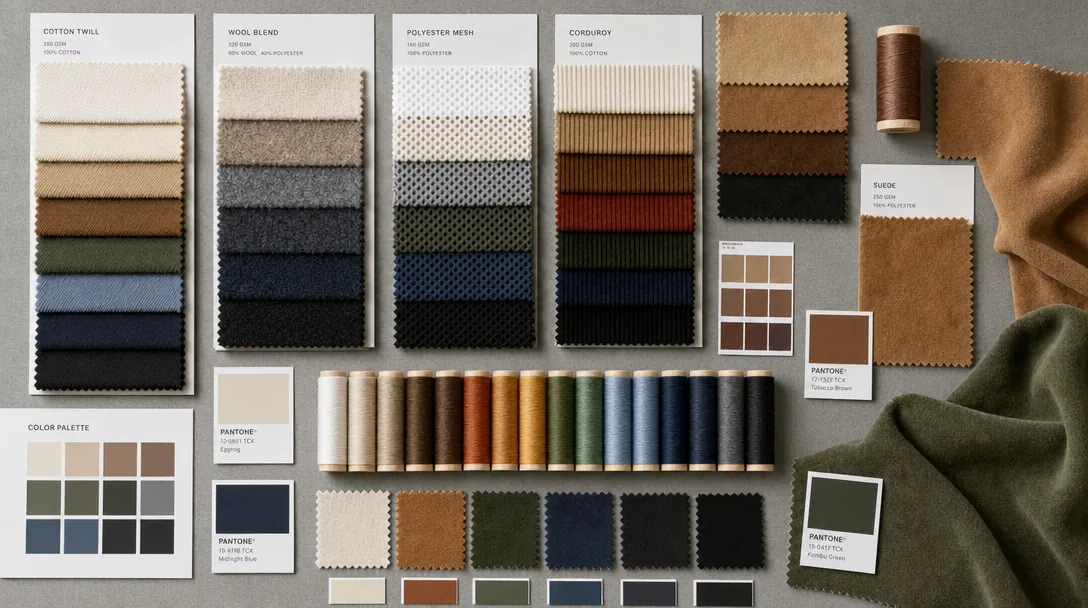
Camouflage Bucket Hat: Properties, Costs and How to Spec It Right - Cost & MOQ Breakdown - Cost & MOQ Breakdown - Cost & MOQ Breakdown
Read article →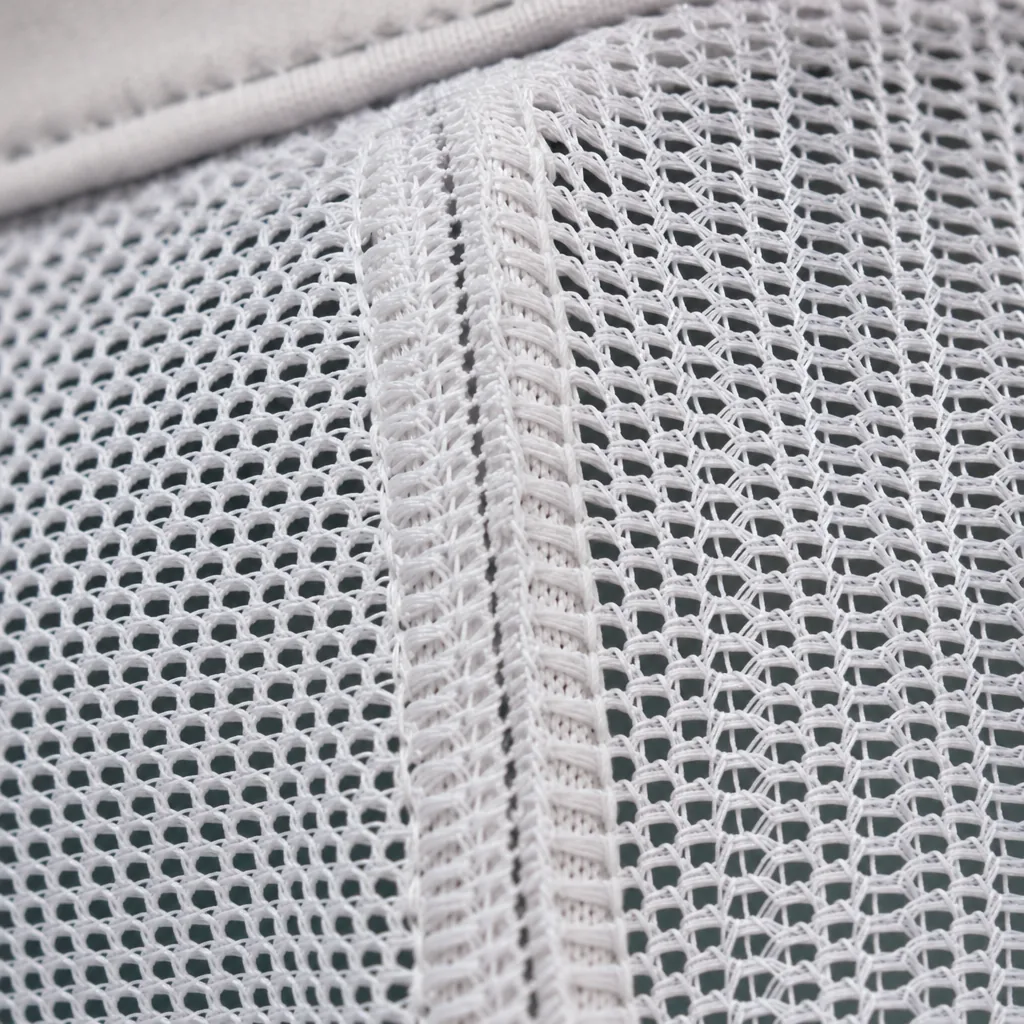
Custom Hat Trucker: The 2026 Sourcing & Manufacturing Playbook - Cost & MOQ Breakdown
Read article →
Cap Sweatband Material Selection for Custom Headwear Buyers
Read article →We hope this guide demystifies patch hats decoration qc checklist for custom hat buyers - cost & moq breakdown - cost & moq breakdown (2026 update) - 2026 buyer's guide and helps you move forward with confidence. If you have questions specific to your project, our English-speaking sales engineers are one message away.