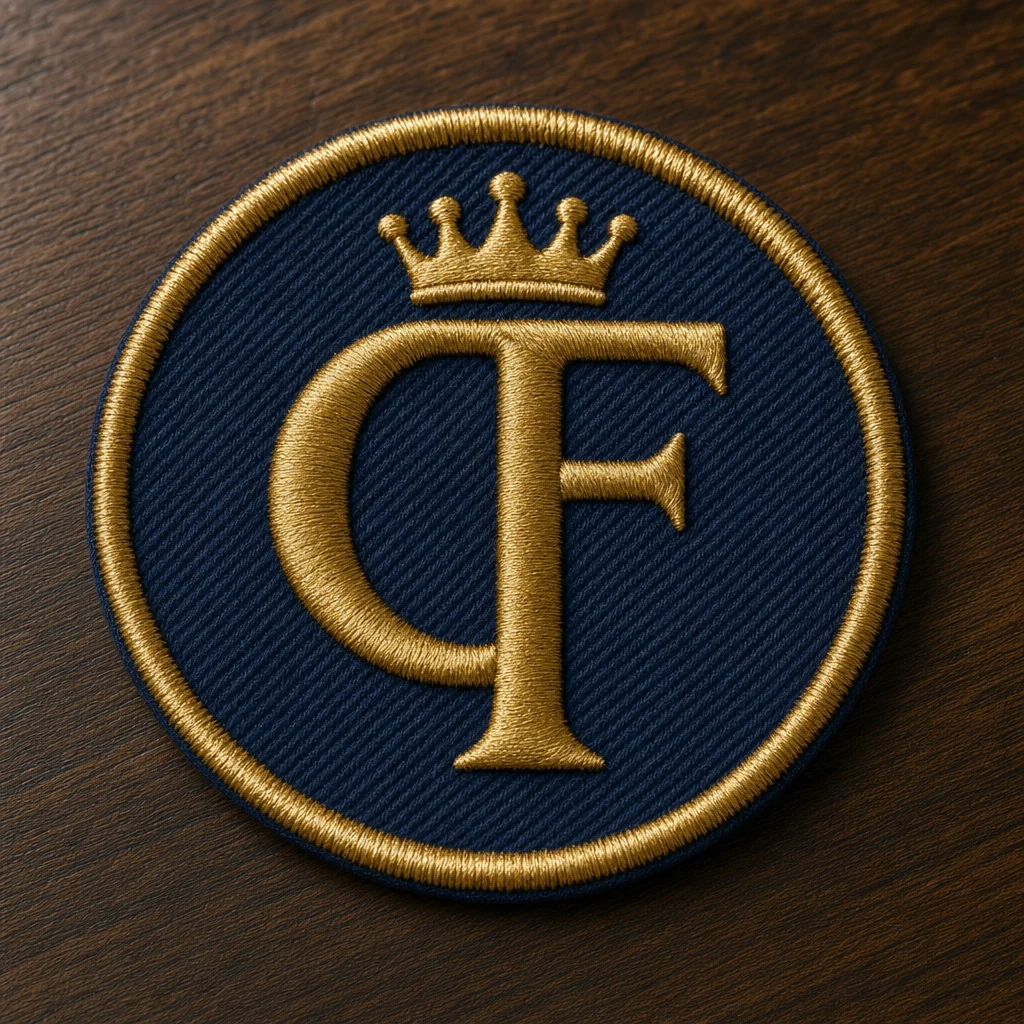
Patch Hats Decoration QC Checklist for Custom Hat Buyers - 2026 Buyer's Guide
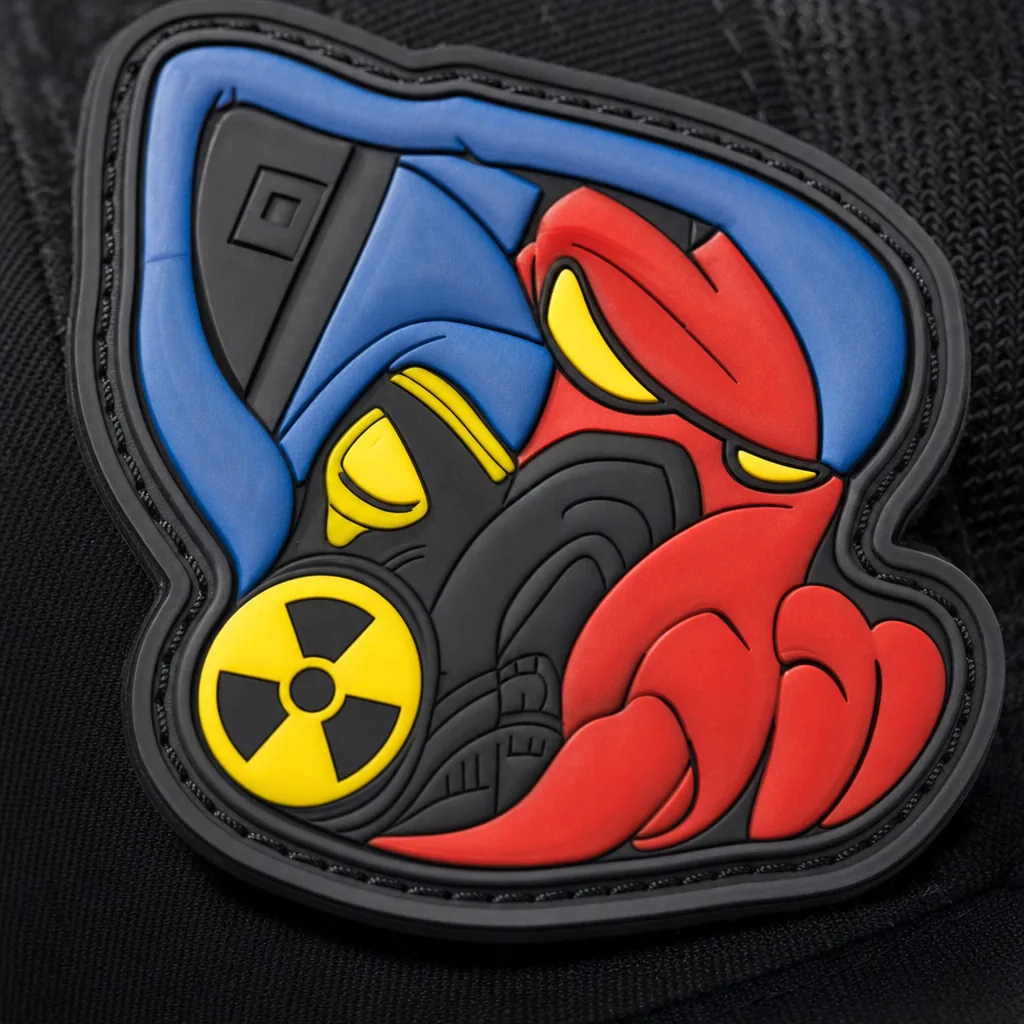
For brand owners, wholesalers and procurement teams entering the custom headwear category, patch hats decoration qc checklist for custom hat buyers - 2026 buyer's guide is one of the highest-leverage decisions you will make. Get it right and your unit economics, retail story and reorder cycle all improve. Get it wrong and you carry the cost for years.
Why patch hats decoration qc checklist needs a separate sourcing plan
A separate sourcing plan is mandatory because a patch cap is not one SKU; it is three manufacturing controls tied together: the cap shell, the patch component, and the attachment method. Standard cap inspection catches crown symmetry, visor curvature, seam puckering, and sweatband join, but it will not prevent the failures that generate real claims on patch programs: merrow edge fray after rub testing, woven patch placement drifting more than 2 mm off centerline, TPU yellowing after heat press exposure above 140°C, fill embroidery collapsing on text under roughly 1.2 mm stroke width, or heat-seal glue letting go after master-carton compression in transit. A usable patch hats decoration qc checklist therefore starts at sourcing and pre-production, not at final AQL 2.5. If the art includes 8 pt copy, metallic yarn, simulated gradients converted to woven construction, or a badge mounted on brushed cotton, 600D polyester, corduroy, or foam-backed trucker mesh, the decoration has to be engineered around the cap fabric, panel structure, and press conditions.
Patch type changes the entire risk profile, so buyers should source it as a separate workstream with its own lead time, approval gate, and test method. Embroidered, woven, printed twill, chenille, sublimated, PVC, silicone, TPU, and leather patches all carry different MOQs, tooling costs, and attachment windows. A woven patch usually resolves small lettering better than satin-stitch embroidery, but it is more prone to edge curl on unstructured 100% cotton fronts unless backing weight, stitch density, and needle tension are tuned first. Molded PVC often adds 5 to 7 days for mold opening and sample sign-off, while a stock snapback body may be ready in 12 to 18 days; if the patch size shifts even 5 mm after approval, you usually need a new placement jig and sometimes a different sewing sequence to stop front-panel distortion. Cost moves quickly too: at 1,000 pieces, basic embroidered patches commonly run $0.18 to $0.45, woven $0.28 to $0.60, PVC $0.65 to $1.20, and genuine leather $0.90 to $2.50 before attachment. For EU and major retail accounts, the patch should also carry its own compliance file: REACH screening, azo dye confirmation, Proposition 65 review, phthalate limits for PVC or silicone, and color approval to Pantone TCX with an agreed Delta-E tolerance, typically 1.5 for premium programs.
Factory capability checks before quoting
A quote is only worth anything if the factory can prove the patch process is controlled, not pieced out to three subcontractors after deposit. For patch hats, the first capability check is whether digitizing, patch making, cap sewing, and attachment sit under one management system or get handed off. Every external handoff usually adds 3 to 7 calendar days and another defect point: wrong Pantone callout, inconsistent merrow width, mismatched edge cutting, or attachment misalignment on the cap body. A factory running Tajima, Barudan, or ZSK embroidery heads should quote from actual stitch count, underlay, pull compensation, backing weight, and machine time, not from a generic “embroidery patch surcharge.” The same standard applies to woven, chenille, TPU, PVC, and PU leather patches. Ask what constructions they really run in bulk: merrowed embroidery, laser-cut woven labels in 50D to 75D yarn, printed twill with heat-cut edge, 3 mm chenille on felt, or molded PVC in 0.8 to 1.2 mm thickness. A practical patch hats decoration qc checklist starts here because most failures come from choosing the wrong patch type for the cap style, not from missing defects at final inspection. Attachment capability exposes weak suppliers fast. A serious factory should explain when to use direct stitch, satin tack-down, heat press plus perimeter stitch, or hook-and-loop, and what the limits are on each method. On a structured 6-panel cap with heavy buckram, a front patch wider than about 85 to 90 mm can bridge the center seam and lift at the edges; on unstructured dad hats in 180 to 220 gsm chino or washed twill, heat-applied patches can telegraph through the shell unless a backing reinforcement is added. Ask for their maximum patch size by style, acceptable placement tolerance, and whether they reject artwork that crosses eyelets, topstitch rows, or seam bulk. They should also specify required files—AI, EPS, or press-ready PDF—and confirm whether they issue woven strike-offs, embroidery sew-outs, or molded patch samples before bulk. If those answers are vague, the quote is not a production quote; it is a placeholder with QC risk built in.
Cap construction needs to be quoted with the same discipline as the patch itself. “Premium cotton cap” tells you nothing. A capable supplier should quote from exact shell and trim specs: 10x10 cotton twill at 270 gsm, brushed chino at 240 gsm, recycled polyester ripstop in 150D, trucker mesh by gsm and hole count, buckram hardness, visor board thickness, sweatband composition, and closure type. Those details matter because crown geometry controls patch performance. A 5-panel camper gives a clean front for woven or PVC patches; a 6-panel baseball cap introduces a center seam that can skew alignment or cause edge lift. Ask for the panel map, seam allowance, visor curve, and surcharge matrix for snapback, tuck strap, brass buckle, nylon clip, fitted, or Flexfit-style finishes. Different closures change MOQ, labor minutes, and freight cube. Before asking for a formal quote, confirm the sample room can reproduce bulk conditions instead of building one showroom-perfect piece. A disciplined room should have Pantone TCX references, Madeira or Gunold thread charts, patch strike-off records, D65 light-box approvals, and size-graded patterns that match production markers. For branded programs, ask how they control color between patch and shell fabric; competent teams will talk about Delta-E tolerance, typically 1.0 to 1.5 for critical logo colors and up to 2.0 for secondary areas. Then verify operating controls behind the number: sedex-audit-cap-supplier-guide.html">BSCI 2.0 or Sedex SMETA 4-Pillar status, needle logs, inline checkpoints, peel-strength testing for heat-applied patches, and final inspection at AQL 2.5. At CrownsForge, we do not treat artwork format, BOM, packing spec, carton size, and Incoterm as post-quote details. If those items are not locked before sampling, cost drift and preventable QC disputes are almost guaranteed.
MOQ, pricing and sample approval
MOQ on patch caps is driven by the decoration setup, not the hat body. In actual factory costing, the clean breakpoints are usually 144, 300, 500, and 1,000 pieces per colorway because the front-end work stays almost the same whether you make 72 caps or 720: embroidery digitizing for Tajima or Barudan heads, woven patch programming, laser die setup, PVC mold opening, and pre-production sample approval. For sewn embroidered or woven patches, setup is commonly $35 to $80 per design; molded PVC is more often $90 to $180 once cavity development and texture proofing are included. On a standard 6-panel cotton twill cap in 270 to 320 gsm fabric, realistic FOB China pricing at 300 pieces is about $3.20 to $4.80 with a sewn patch, dropping to roughly $2.35 to $3.60 at 1,000 pieces. Change the shell to brushed chino, add a plastic snap, woven flag label, printed seam tape, hangtag, size sticker, and individual polybag, and you can quietly add $0.28 to $0.65 per unit. A usable patch hats decoration qc checklist should freeze those inputs before sampling, or the quote will drift later.
PPS approval is where avoidable claims either get prevented or guaranteed. A proper pre-production sample should document patch size tolerance, placement from crown centerline or visor seam, attachment method, edge finish, cap profile, fabric code, closure spec, and approved color reference; a chat screenshot saying “OK” is not a specification. For color control, use Pantone TCX or TPX for dyed fabric and patch ground cloth, then confirm achievable tolerance. Delta-E under 2.0 is a solid target for dyed components, but embroidery thread is usually approved visually in a D65 light box because rayon and polyester reflect differently. On embroidered patches, fill density around 0.40 to 0.45 mm spacing gives clean coverage, while outlines below 0.8 mm and small serif text should be simplified before digitizing or they will close up, fray, or lose edge definition after laser cutting or merrow finishing. Lead time belongs on the same approval sheet: 7 to 10 days for strike-off and PPS after artwork sign-off, then 20 to 30 days for bulk production under 3,000 pieces is realistic. If the order also requires AQL 2.5 final inspection, barcode assortment, needle detection, or shape-retaining carton packing, lock that into the calendar before deposit, not after sewing starts.
Quality inspection and shipping risk
Start the patch hats decoration qc checklist with pass-fail standards an inspector can enforce on the factory floor, not vague language like “good workmanship.” For bulk orders, ANSI/ASQ Z1.4, General Inspection Level II, with AQL 2.5 for major defects and 4.0 for minor is still the practical baseline. On patch hats, major defects are usually objective: patch placement more than 3 mm off approved centerline, front seam leaning because of crown panel torque, skipped embroidery on the badge edge, broken merrow, visible adhesive bleed, or brim curvature outside the sealed counter sample. Put dimensional tolerances directly in the PO before cutting starts: crown height ±6 mm, visor length ±3 mm, and finished head circumference typically ±10 to 12 mm depending on fitted, snapback, or hook-and-loop construction. If the order has multiple colorways, lock the standard against Pantone TCX for textiles or Pantone Coated for printed badges, then define shade tolerance in numbers. For visible patch grounds and front panel fabrics, Delta-E below 1.5 is realistic on premium programs; once you drift past 2.0, approval arguments start and rework gets expensive.
Most claims after delivery come from decoration failure or packing damage, not from hidden sewing defects. Test patch fabric, merrow yarn, and any adjacent light-color panels for dry crocking grade 4 minimum, wet crocking 3-4, and perspiration colorfastness grade 4 under AATCC or ISO methods, especially on black, navy, forest, and red patches that tend to bleed. On Tajima, Barudan, or ZSK embroidery lines, check border-to-fill registration, bird nesting on the backing, loose thread tails, puckering around satin columns, and edge lift after heat press or stitch-down. TPU, chenille, felt, woven, and sublimated badges need attachment testing as well; on a structured 6-panel cap, a 3 mm lean from the center-front seam is obvious on shelf and should be rejected. Shipping control needs the same discipline: carton marks should show PO, style, color, quantity, carton number, GW/NW, carton size in cm, COO, and destination code, with the master packing list matching the commercial invoice line for line. Our standard practice is to cap premium flat-bill cartons at about 60 to 72 pieces with crown inserts or tissue interleaving, because once you overpack beyond that, crown crush and visor deformation claims rise quickly.
Buyer checklist for the next RFQ
The fastest way to get a firm RFQ is to remove factory guesswork. Send six hard specs upfront: cap style, patch construction, artwork file, order quantity, trade term, and packing standard. Be exact on the hat body—5-panel foam trucker, 6-panel 10x10 brushed cotton twill, washed chino, 80/20 acrylic-wool snapback, or 210D polyester performance cap—because substrate thickness and surface texture change both attachment yield and unit cost. Then lock the patch method: merrowed embroidery, laser-cut satin-stitch patch, woven patch, TPU badge, felt applique, or PU leather patch. Include finished size in mm, placement tolerance, and attachment method such as stitch-down, heat press, or hook-and-loop. A usable patch hats decoration qc checklist should also state Pantone TCX or Pantone Solid Coated references, logo dimensions, and acceptable color variance; for color-critical programs, Delta-E under 2.0 is a realistic approval threshold on dyed fabric or printed badges. Artwork quality decides whether the supplier gives a real price or a padded estimate. Supply vector files in AI, EPS, or editable PDF, and if embroidery is involved, note whether digitizing is required and the expected stitch count band; a 6,000-stitch patch and a 14,000-stitch patch do not land at the same cost. If fine detail drops below 1.0-1.2 mm line width, say it early, because that is usually the breakpoint between embroidery, woven patch, and print-transfer construction. Your tech pack should also define crown height, visor profile, closure type, sweatband material, seam tape artwork, eyelet style, and fabric weight in gsm or oz. Do not skip pack-out: 25 or 50 pcs per inner carton, polybag requirement, silica gel, barcode label position, and master carton weight limits all affect FOB and DDP math before production even starts.
Before asking for final pricing, write the QC standard into the RFQ instead of arguing after bulk is made. Specify AQL clearly—most professional buyers use AQL 2.5 for major defects and 4.0 for minor defects—and list the failure points that matter on patched caps: patch skew above 3 mm, edge lift after heat application, loose threads longer than 5 mm, merrow gaps, bubbling, wrong visor curve, off-center top button, or closure mismatch. If the patch is heat-applied, require a peel and wash-resistance check on the pilot sample; if it is sewn, call out stitch density, back-tack security, and needle-hole damage on light fabrics. Ask for three approvals before mass production: raw patch sample, blank cap body, and assembled pre-production sample photographed under 5000K neutral light. Compliance belongs on the same checklist, not in a separate email thread. If your market requires it, request azo-free dyestuff confirmation, REACH compliance for trims, CPSIA tracking for children’s products, and needle detection after final packing. Social compliance should be verified by current audit reports such as BSCI 2.0 or Sedex SMETA 4-Pillar, not verbal claims. CrownsForge typically prices more accurately when buyers submit one front view, one side view, one inside view, one macro patch close-up, and one written spec sheet per SKU. That package is enough to quote patch type, labor route, rejection risk, and carton plan without hiding contingency in the unit price.
Working with CrownsForge
A reliable patch hats decoration qc checklist is won or lost at sample stage; by final inspection, most patch failures are already baked into the build. Start by freezing the patch construction, because a 3 mm merrowed twill patch behaves nothing like 1.2-1.5 mm molded PVC, 1.8 mm felt, chenille, or a woven damask base. Those choices change edge tolerance, needle penetration, stitch density, press temperature, and how the patch sits on buckram, foam-front trucker panels, or an unstructured washed cotton crown. The non-negotiables are a patch strike-off, cap blank approval, and a signed placement map from the tech pack showing centerline, seam clearance, button reference, and visor line. For textile patches, check Pantone TCX under D65 lighting; for PVC or silicone, holding hero colors within Delta-E 2.0 is realistic if the mold and pigment mix are controlled. At CrownsForge, the sealed pre-production sample is approved only after digitizing, mold setup, or die-cut validation, with placement tolerance held to +/-2 mm on front panels and +/-3 mm on side or back locations.
Incoming patch inspection and in-line cap inspection should be split, because a patch can pass on the bench and still fail after application. Incoming checks need measurable points: patch length and width within +/-1 mm, merrow width consistency, clean borders, balanced overlock tension, full adhesive film coverage, and lot-to-lot color continuity. For sewn patches, watch stitch count, thread tension, and skipped-stitch exposure on Tajima or Barudan heads, especially when sewing over foam-backed fronts, brushed cotton twill, or 8 wale corduroy where deflection is common. For heat-applied patches, verify the process with actual readings instead of operator habit: platen temperature typically 150-160 C, dwell 12-18 seconds, and pressure around 3-4 bar depending on backing and shell fabric. Inspect again after full cooling for rotation, bubbling, seam conflict, puckering, and edge lift, then run a 24-hour peel check because weak bonds often look acceptable straight off the press. At final QC, use AQL 2.5 for major defects and 4.0 for minor defects; wrong placement beyond 3 mm, visible bubbling, loose edges, or wrong Pantone count as majors, while minor thread tails or slight carton print variance belong in the minor bucket.
Frequently Asked Questions
What logo decoration techniques do you offer?
3D puff embroidery, flat embroidery, woven patch, leather patch, PVC patch, screen printing, sublimation, applique and laser etching, all in-house with no subcontracting.
Do you support sustainability certifications?
Yes. We work with GOTS organic cotton, GRS-certified recycled polyester, OEKO-TEX Standard 100 fabrics, and are BSCI and Sedex audited. Certification documentation can be provided per order.
What is the minimum order quantity (MOQ) for custom hats?
Our standard MOQ is 100 pieces per design and color, with sampling available from 1 piece. For complex multi-color logos or premium fabric upgrades, the MOQ can be lowered with a small per-piece surcharge.
How long does production take?
Sampling takes 7 to 12 days. Bulk production runs 20 to 30 days depending on quantity, fabric availability and decoration complexity. Inspection and packing adds another 3 to 5 days before shipment.
Can I order a sample before bulk production?
Yes. We strongly recommend approving a pre-production sample before mass production. Samples are charged at 35 to 60 USD each plus express shipping, fully refundable against confirmed bulk orders over 500 pieces.
How does ordering custom hat leather patch work?
When evaluating custom hat leather patch, the key considerations are construction quality, decoration capability, MOQ flexibility and lead time. Explain the buyer intent behind patch hats decoration qc checklist, when it differs from generic hat sourcing, and what decisions affect cost, lead time and compliance. Cover embroidery, patch, fabric, panel construction, closure options, sample room capability, audit readiness and communication checks.
What's the MOQ for custom leather patch hat low minimum?
When evaluating custom leather patch hat low minimum, the key considerations are construction quality, decoration capability, MOQ flexibility and lead time. Explain the buyer intent behind patch hats decoration qc checklist, when it differs from generic hat sourcing, and what decisions affect cost, lead time and compliance. Cover embroidery, patch, fabric, panel construction, closure options, sample room capability, audit readiness and communication checks.
How does ordering custom leather patches for hats work?
When evaluating custom leather patches for hats, the key considerations are construction quality, decoration capability, MOQ flexibility and lead time. Explain the buyer intent behind patch hats decoration qc checklist, when it differs from generic hat sourcing, and what decisions affect cost, lead time and compliance. Describe how CrownsForge manages patch hats decoration qc checklist programs with sampling, decoration, QC and export coordination.
How does ordering custom patch trucker hats work?
When evaluating custom patch trucker hats, the key considerations are construction quality, decoration capability, MOQ flexibility and lead time. Explain the buyer intent behind patch hats decoration qc checklist, when it differs from generic hat sourcing, and what decisions affect cost, lead time and compliance. Describe how CrownsForge manages patch hats decoration qc checklist programs with sampling, decoration, QC and export coordination.
What do I need to put patches on hats?
So what you'll need is a post bed sewing. Machine we use a FAF. Machine i mean it's not cheap it's like $3 $4,000. For the FAF. But really you need a sewing machine that has a raised bed.
Ready to start your custom hat project?
Send us your tech-pack, sketch or even just an inspiration photo. We will respond with a detailed quotation and digital mock-up within 24 hours.
Request a free quoteRelated guides
Acrylic Beanie: Properties, Costs and How to Spec It Right
Read article →
Custom Hat Design: The 2026 Sourcing & Manufacturing Playbook
Read article →
Bucket Hat Corduroy Retail Packaging Guide for Custom Hat Buyers
Read article →We hope this guide demystifies patch hats decoration qc checklist for custom hat buyers - 2026 buyer's guide and helps you move forward with confidence. If you have questions specific to your project, our English-speaking sales engineers are one message away.