
Merino Wool Beanie: Properties, Costs and How to Spec It Right (2026 Update) - Supplier Checklist
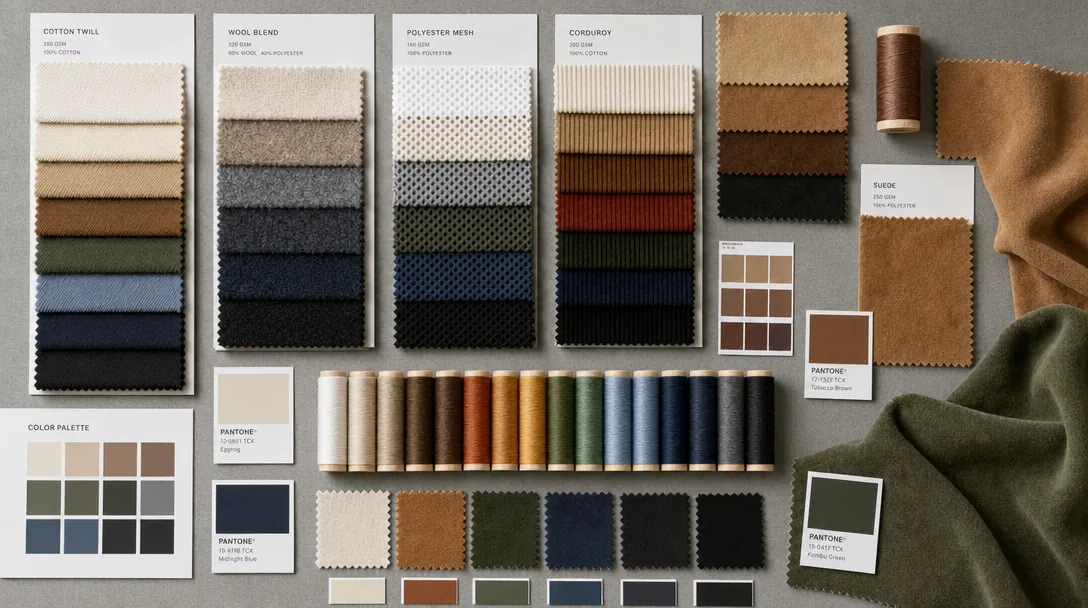
Every week, our sales team answers detailed questions about merino wool beanie: properties, costs and how to spec it right (2026 update) - supplier checklist. We wrote this guide so that wholesalers, streetwear brands, corporate buyers and promotional resellers can compare options with full information, and avoid the traps that show up only after production has started.
Acrylic Beanie
An acrylic beanie is usually built from 100% acrylic or an acrylic blend, knitted on a flat-bed or circular machine at 7G to 12G, then linked, washed, steamed, and often anti-pilling finished. The economics are stable: acrylic yarn typically prices far below wool, dye matching is easier, and mills can hold shade better lot to lot. For a plain 12-gauge rib, China FOB usually sits around $1.20 to $2.20 at 500 to 1,000 pieces, with the spread driven by yarn count, knit density, crown shaping, embroidery, woven labels, and whether the cuff is single or double layer. MOQ is commonly 300 to 500 pieces per color on stock yarn; custom-dyed yarn, jacquard, or special trims pushes that higher. That is why an acrylic beanie is still the usual baseline when a buyer is cost-checking a merino wool beanie program.
When you spec an acrylic beanie, lock down fiber percentage, yarn count, gauge, finished weight in grams, relaxed dimensions after steaming, stretch recovery, and cuff height. A real tech pack should also call out Pantone TCX targets, logo size in millimeters, stitch density, placement tolerance, and the exact handfeel target: brushed, soft-washed, or crisp. For embroidery, specify file format, thread brand or thread-match standard, backing type, and needle count if the logo is dense. If you are comparing it against a merino wool beanie, vague finishing is where the money disappears; acrylic looks cheap fast when rib tension is uneven, the crown seam is open, or the logo distorts after heat setting. Our standard practice is to approve pre-production only after relaxed measurements and decoration placement are within tolerance, usually within +/- 0.5 cm on key dimensions and 2 to 3 mm on logo placement.
The first defects I check are pilling after abrasion, yarn unevenness, shade mismatch, crown seam opening, and distortion after wash or steam. A proper inspection should include dimensional stability, color rub, handfeel consistency, and a wear check for cuff recovery; acrylic is less itchy than low-grade wool blends, but it can still feel dry if the yarn finish is poor. If the beanie sits inside a broader cold-weather line, keep its costed spec beside the merino wool beanie so margin math stays honest. A clean acrylic beanie can cover the same retail role at a fraction of the raw material cost, but only if the finishing is controlled. In practice, the buyer is paying for execution, not fiber alone, and AQL 2.5 is where the expensive mistakes usually get caught before carton packout.
Cotton Beanie
A cotton beanie is defined by yarn spec and knit structure, not the sales copy. For a cuffed style, call out 100% combed cotton or a cotton-rich blend, then write the yarn count on the PO: 32s/2 gives a smoother, denser face; 16s feels heavier and more casual. Most mills will run this on a 12-gauge or 7-gauge circular knitting machine, then link, wash, shape, and steam-finish the cap. If you want a retail-grade hand, specify bio-polishing and pre-shrunk finishing up front. Otherwise, 5% to 8% shrinkage after the first wash is normal, and you should price it in. Lock color to Pantone TCX and hold bulk shade variation to Delta-E 2.0 or better. If you are comparing it to a merino wool beanie, compare the right things: cotton for surface evenness, wash stability, and lower opening cost; merino for warmth-to-weight, odor resistance, and softer drape.
MOQ and pricing change fast once you leave stock yarn. A plain cotton beanie usually starts around 300 to 500 pieces per color if the factory is knitting from existing yarn, but custom-dyed yarn, engineered rib, or tighter gauge often pushes the MOQ to 800 to 1,500 pieces. In 2026, a realistic FOB China price for a blank cotton beanie is about USD 2.10 to 3.80, depending on yarn quality, gauge, linking labor, wash loss, and whether the factory is doing individual polybags, woven labels, or embroidery. That is still cheaper than a merino wool beanie, but the comparison should not stop at unit cost. Merino usually wins on sell-through when the buyer needs a colder-weather story, stronger perceived value, and better odor control. Cotton makes more sense for spring delivery, promo programs, and retailers who need a lower entry price without moving into acrylic.
The failure modes are usually plain and easy to catch if you inspect like a production buyer. Watch for uneven stitch tension, crown distortion, yarn slubs, spirality after wash, and lot-to-lot shade drift. Check cuff recovery, seam flatness, and whether the silhouette still holds after a 24-hour hang test; weak knit will bag out before the carton reaches destination. I would inspect to AQL 2.5 for general defects and add a wash test for shrinkage, torque, and pilling, because that is where most complaints start. The same discipline applies when a buyer is choosing cotton versus acrylic or a merino wool beanie program: fiber content, dye consistency, finishing behavior, and post-wash shape need to be proven before scale-up. Our standard practice is to treat knit accessories as a controlled spec, not a style guess, because low-cost shape drift turns into a bigger claims problem than a premium item priced correctly from the start.
Black Beanie Hat
A black beanie hat is only easy to source if you treat it like a technical spec, not a color decision. For a merino wool beanie, start with fiber content and lock the rest of the stack: 100% merino, a merino/acrylic blend, or straight acrylic; micron count at 16.5 to 19.5 for premium handfeel; yarn count in Nm 2/28, Nm 2/48, or the local equivalent; gauge at 7 to 12; and finished weight around 55 to 110 gsm depending on whether you want a fitted watch cap or a thicker cuffed style. Construction matters just as much: single jersey, 1x1 rib, 2x2 rib, or fully fashioned with a folded cuff. Black exposes every mistake, so specify a Pantone TCX target or Lab tolerance, then require colorfastness to washing and dry rubbing, plus shrinkage after one wash capped at 3% to 5%. Rib recovery, crown shaping, and cuff stability after steam setting are the difference between a clean production run and a weak one.
On the buying side, MOQ usually lands at 300 to 500 pieces per color for a standard black beanie hat, but that moves toward 1,000 pieces once you add custom knit structures, woven labels, branded patches, private packaging, or insert cards. Pricing follows fiber and knitting density more than buyers expect: a basic acrylic version is often $1.20 to $2.00 FOB, a merino/acrylic blend sits around $2.80 to $5.50, and a proper merino wool beanie commonly lands in the $6.00 to $12.00 range before freight. DDP can add another $0.40 to $1.20 per unit once you include carton marks, barcode labels, and retail-ready packout. The expensive part is not the yarn alone; it is shade control, post-wash shrink control, and the labor to keep black consistent across lots.
The defects that matter show up fast in black knitwear. Look for rib tension imbalance, seam twist, pilling after abrasion, oil marks from finishing, skipped stitches, folded-edge waviness, and dye transfer onto light fabric. Set AQL 2.5 for major defects and reject needle holes, broken yarn ends, thick-and-thin slubs, and loose cuff label stitching. Ask for wash testing, dry and wet rub testing, and dimensional tolerance within 1 to 1.5 cm on width and length after laundering. If the beanie uses woven labels, woven patches, or heat-transfer branding, require pull testing at the attachment point, not just a visual check. Our standard practice is to use a black merino wool beanie as a pilot style before scaling a knit program, because the same discipline that holds shade, recovery, and stitch consistency usually controls the rest of the line as well.
Slouchy Beanie
A slouchy beanie is not a separate product class; it is a fit pattern with extra crown height, a softer apex, and enough body length to fall cleanly behind the head instead of standing away from it. In production, that usually means a 7-gauge or 12-gauge flatbed knit, then linking, washing, tumble drying, and a light steam set to lock in drape. For a merino wool beanie in this silhouette, the spec has to be explicit: fiber blend, yarn count in Nm or Ne, stitch density, finished length from crown to hem, cuff depth, and whether the fold-over is single-layer or double-layer. Adult one-size runs commonly land around 110 to 160 g finished weight. The hand changes fast as you move from a 50/50 merino-acrylic blend to 100 percent merino, especially if the yarn is brushed or lightly fulled, and that difference is obvious once the hat is worn rather than just measured on a table.
For factory quoting, the useful ranges are the ones that force a real decision. A basic acrylic beanie can sit around $1.20 to $2.20 FOB at 300 to 500 pcs, while a slouchy merino blend usually starts closer to $3.80 to $7.50 FOB depending on yarn origin, gauge, wash treatment, labeling, and carton spec. Full merino, especially with RWS-certified yarn, moves higher because the yarn cost is higher and the mill has less room to hide sloppy process control. MOQ is often 300 to 500 pcs per color for stock yarn, but if you want custom Pantone TCX-matched yarn, jacquard patterning, or private woven labels with printed carton markings, many suppliers will not sharpen pricing until 800 to 1,000 pcs. The controls that matter are shrinkage, pilling grade, and shade tolerance; if those are not fixed before sampling, you are buying arguments, not beanies.
The defects are predictable: uneven slouch length left to right, crown seam twist after wash, loose linking at the top, pilling from short-staple yarn, and color shift between lab dip and bulk lot. Check hem recovery, softness after a 30 C wash, stitch consistency under stretch, and rib recovery after five minutes on a head form, because a slouch profile exposes knitting errors more clearly than a tight 2x2 rib beanie. For retail and licensed programs, AQL 2.5 on appearance and measurement is the right baseline, with a simple 3-cycle wash test to confirm the crown still falls the same way after handling. Our standard practice is to approve the silhouette only after a fit sample and a washed counter sample are compared side by side; if the drape changes materially, the spec is not finished. The sourcing decision should start with climate, wear duration, and target margin, then ask whether merino is actually justified or whether an acrylic or blended construction will hold the price point better.
Cotton Beanie Men
A cotton beanie men program looks straightforward until the knit and finish are actually locked down. Most mills will run a 1x1 or 2x2 rib on a 3G to 7G circular knitting machine, usually with 100 percent combed cotton for the cleanest handfeel, or 95/5 cotton-spandex when recovery matters. For a winter-weight men’s beanie, 220 to 320 gsm is the practical band; 180 to 220 gsm is better for lighter retail runs. The tech pack should specify yarn count, stitch density, gauge, shrinkage limit after a 30 C wash, stretch recovery, Pantone TCX target, and whether the cuff is single-fold or double-fold. Cotton is not forgiving on vague specs: staple length, combing quality, and twist all change torque, pilling, and shade behavior, so those values need to be written into the file instead of left to the mill’s default settings.
Pricing is mostly driven by yarn grade, finishing, and decoration load. For a basic blank run, 500 to 1,000 pieces is a normal MOQ, with FOB China pricing around $1.20 to $2.80 per piece for standard knit construction; once you add embroidery, woven labels, enzyme softening, custom wash, or branded packaging, $3.50 to $6.50 is a more realistic range. Ask for a pre-production sample and set measurement tolerances at plus or minus 1 cm on crown height and circumference, which is tight enough to catch poor blocking without rejecting normal knit variation. The problems that usually hurt resale are torque twist, loose crown binding, short-staple pilling, and shade drift between dye lots. Under strong light, inspect embroidery backing bulk and needle oil marks before cartons are sealed, because those defects often show up only after packing.
Inspection should be as disciplined as any corduroy hat men's order: AQL 2.5 is standard for major defects, but color and measurement claims deserve tighter internal checks than the purchase order usually states. Require a 30 C wash test, dry-flat drying, and a pilling check after 2,000 Martindale cycles if the fabric is brushed or heavily spun; if the supplier cannot state yarn origin, dyehouse, and needle gauge, treat that as a sourcing risk, not a paperwork gap. Cotton makes sense when you want lower cost, easier decoration, and broader retail acceptance. A merino wool beanie is the better spec when warmth-to-weight, odor resistance, and a higher ticket price justify the fiber premium and the extra traceability burden. In practice, that is the real decision point: cotton wins on economics, merino wins on performance, and the wrong spec usually comes from mixing those two objectives in one purchase order.
100 Acrylic Beanie
A 100% acrylic beanie lives or dies on appearance control, not fiber romance. The usual failures are easy to spot on the line: uneven stitch tension, crown wobble, cuff distortion after steaming, lot-to-lot shade drift, and loose fiber shedding in the first wear cycle. Acrylic also carries static in dry winter air, so a beanie can pass a table inspection and still feel clingy or scratchy in retail conditions. I would spec gauge, yarn count, and finished dimensions up front, then verify hand-feel, wash recovery, seam strength at the linking line, and rebound after stretch testing. For a standard 1x1 rib or 2x2 rib beanie, aim to hold body length within +/-1.0 cm and cuff height within +/-0.5 cm; beyond that, fit starts to look inconsistent across cartons. CrownsForge’s standard practice is to treat those as production controls, not post-shipment complaints.
Acrylic is still a valid value product, but only if you manage it as a controlled-cost item with tighter tolerance on appearance than on fiber performance. That is the clean contrast with a merino wool beanie: merino demands different sourcing discipline, higher raw material cost, lower allowable defect rates, and much tighter control over shrinkage, pilling, and hand-feel drift after wash. On a retail program, I would inspect bulk shade, fit, and labeling at pre-production, then run AQL 2.5 on the finished lot with special attention to seam slippage, seam puckering, and measurement drift after a 30C wash cycle. If the buyer is comparing cost ladders, a basic acrylic beanie might land around USD 0.90 to 1.80 FOB depending on yarn weight, knit density, and branding, while a merino wool beanie usually starts several dollars higher before trimming and packaging. The spec has to be locked early; otherwise the hat may still be cheap, but it will not look intentional.
Working with CrownsForge for merino wool beanie programs
A merino wool beanie is simple on paper and easy to mis-spec in production. The first failure point is usually the yarn: 100% merino at 1/15 NM behaves very differently from a 95/5 merino-nylon blend at 1/7 NM, especially after washing and wear. Lock the spec before decoration is discussed: yarn count, stitch density, rib construction, cuff height, finished weight, gauge, and target shrinkage after a 30 C wash. For a clean program, a proto sample usually takes 7 to 10 days, a salesman sample another 5 to 7 days, and pre-production can start once color, fit, and handfeel are signed off. In factory terms, the premium over acrylic is usually about $2.20 to $5.80 per piece, driven by wool micron, gauge, dyeing method, and order quantity, with heavier 2/2 rib and fully fashioned shaping pushing cost up fast.
MOQ and color control matter more than buyers expect because merino is both cash-intensive and shade-sensitive. A workable first run is often 120 to 200 pieces per color, then 500 pieces or more once the block, handfeel, and shrinkage are stable. Pantone TCX matching rarely lands dead-on from the first strike, so the right workflow is lab dip first, then bulk approval against a Delta-E under 1.5 on core solids; heather and melange shades can sit closer to 2.0 if the buyer accepts a softer visual match. CrownsForge runs decoration on Tajima, Barudan, and ZSK heads, which matters because a dense merino knit will distort if the underlay is too heavy. A 3D puff logo on a merino wool beanie usually needs wider satin columns, lower pull compensation, and reduced stitch density versus the same art on an acrylic cap.
Compliance and order control are where weak suppliers usually slip. A proper merino wool beanie program should include fiber-content verification, azo-free dye confirmation, metal-detector checks, carton count verification, and final AQL 2.5 inspection before shipment. For retail accounts, the file should be built against sedex-audit-cap-supplier-guide.html">BSCI 2.0 or Sedex SMETA 4-Pillar, plus REACH and CPSIA support when the destination market requires it. Lead time is usually 30 to 45 days after sample approval, but only if approvals move in sequence: PO, lab dip, trim card, size spec, and carton marks. That discipline matters because it prevents the usual cross-style contamination when buyers are running a merino wool beanie alongside other winter headwear and trying to approve artwork, labeling, and packaging all at once.
Frequently Asked Questions
How long does production take?
Sampling takes 7 to 12 days. Bulk production runs 20 to 30 days depending on quantity, fabric availability and decoration complexity. Inspection and packing adds another 3 to 5 days before shipment.
What is the minimum order quantity (MOQ) for custom hats?
Our standard MOQ is 100 pieces per design and color, with sampling available from 1 piece. For complex multi-color logos or premium fabric upgrades, the MOQ can be lowered with a small per-piece surcharge.
Can I order a sample before bulk production?
Yes. We strongly recommend approving a pre-production sample before mass production. Samples are charged at 35 to 60 USD each plus express shipping, fully refundable against confirmed bulk orders over 500 pieces.
Which shipping methods do you support?
We support FOB, CIF and DDP shipping. Air express for samples and small orders, sea LCL for 100 to 500 pieces, sea FCL for 5,000+ pieces. Door-to-door DDP available for US, EU, UK, Canada and Australia.
Do you support sustainability certifications?
Yes. We work with GOTS organic cotton, GRS-certified recycled polyester, OEKO-TEX Standard 100 fabrics, and are BSCI and Sedex audited. Certification documentation can be provided per order.
What should buyers know about black bucket hat men?
When evaluating black bucket hat men, the key considerations are construction quality, decoration capability, MOQ flexibility and lead time. Cover everything buyers ask about black beanie hat: how it's manufactured, what specs to request from a factory, typical MOQ and pricing, common quality issues to inspect for, and how this ties back to the broader merino wool beanie sourcing decision. Cover everything buyers ask about cotton beanie men: how it's manufactured, what specs to request from a factory, typical…
What should buyers know about kangol bucket hat mens?
When evaluating kangol bucket hat mens, the key considerations are construction quality, decoration capability, MOQ flexibility and lead time. Cover everything buyers ask about black beanie hat: how it's manufactured, what specs to request from a factory, typical MOQ and pricing, common quality issues to inspect for, and how this ties back to the broader merino wool beanie sourcing decision. Cover everything buyers ask about acrylic beanie: how it's manufactured, what specs to request from a factory, typical MOQ…
What should buyers know about corduroy hat womens?
When evaluating corduroy hat womens, the key considerations are construction quality, decoration capability, MOQ flexibility and lead time. Cover everything buyers ask about black beanie hat: how it's manufactured, what specs to request from a factory, typical MOQ and pricing, common quality issues to inspect for, and how this ties back to the broader merino wool beanie sourcing decision. Cover everything buyers ask about acrylic beanie: how it's manufactured, what specs to request from a factory, typical MOQ…
What should buyers know about acrylic beanie hat?
When evaluating acrylic beanie hat, the key considerations are construction quality, decoration capability, MOQ flexibility and lead time. Cover everything buyers ask about acrylic beanie: how it's manufactured, what specs to request from a factory, typical MOQ and pricing, common quality issues to inspect for, and how this ties back to the broader merino wool beanie sourcing decision. Cover everything buyers ask about black beanie hat: how it's manufactured, what specs to request from a factory, typical MOQ…
Are merino beanies worth it?
If you value sustainability, comfort, durability, and superior thermal performance, a merino wool beanie is a smart and stylish investment. Despite the higher upfront cost, the long-term benefits—including shape retention, moisture management, and odour resistance—make it a practical addition to your wardrobe.
Is merino good for a beanie?
Made for all your outdoor adventures, merino is soft on skin, easy to layer and naturally temperature regulating and odour resistant. A fitted beanie, it's perfect for wearing under hoods or helmets while out hiking, climbing, skiing or mountain biking.
Are merino wool beanies worth it?
A: Yes, Merino wool is excellent for hats because it is breathable, quick drying, and temperature-regulating, providing comfort in various weather conditions.
Is merino yarn good for beanies?
Additionally, wool has a certain level of stretch to it, making it great for beanies. However, there are different types of wool you can choose from: - Merino wool comes from merino sheep and is known to be very fine and soft. It can be used for anything from socks to hats.
Is a merino wool beanie itchy?
Merino wool is finer and softer than other kinds of wool, which makes it less itchy. Its fibers are very short in length and smaller in diameter, which makes it a whole lot softer and gentler on the skin.
Ready to start your custom hat project?
Send us your tech-pack, sketch or even just an inspiration photo. We will respond with a detailed quotation and digital mock-up within 24 hours.
Request a free quoteRelated guides
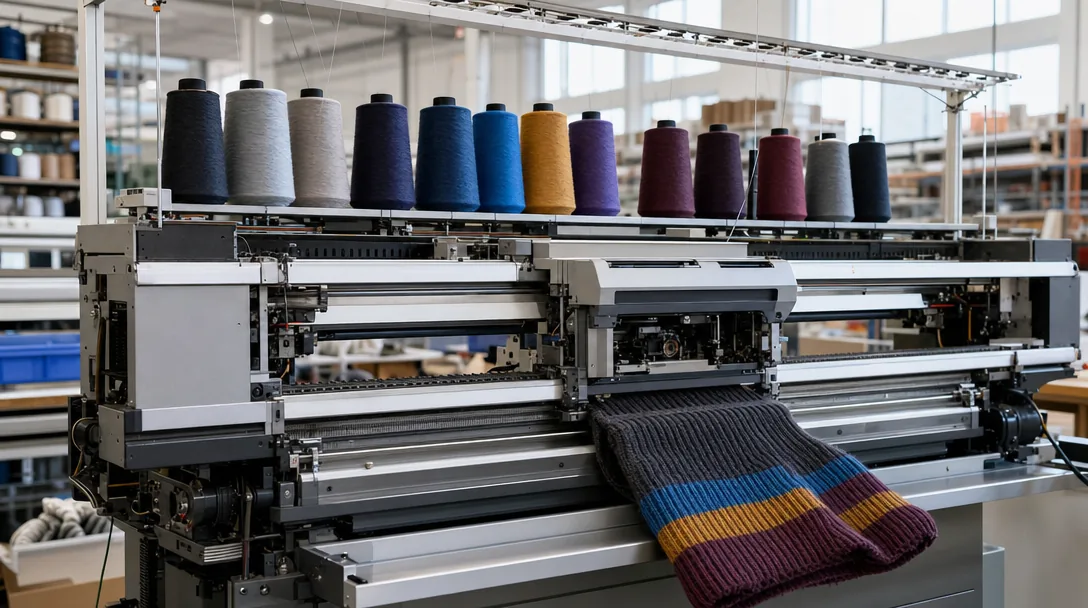
Winter Beanie & Knit Cap Manufacturing: The Complete Wholesale Guide - Cost & MOQ Breakdown
Read article →Bucket Hat Corduroy Reorder Planning Guide for Custom Hat Buyers
Read article →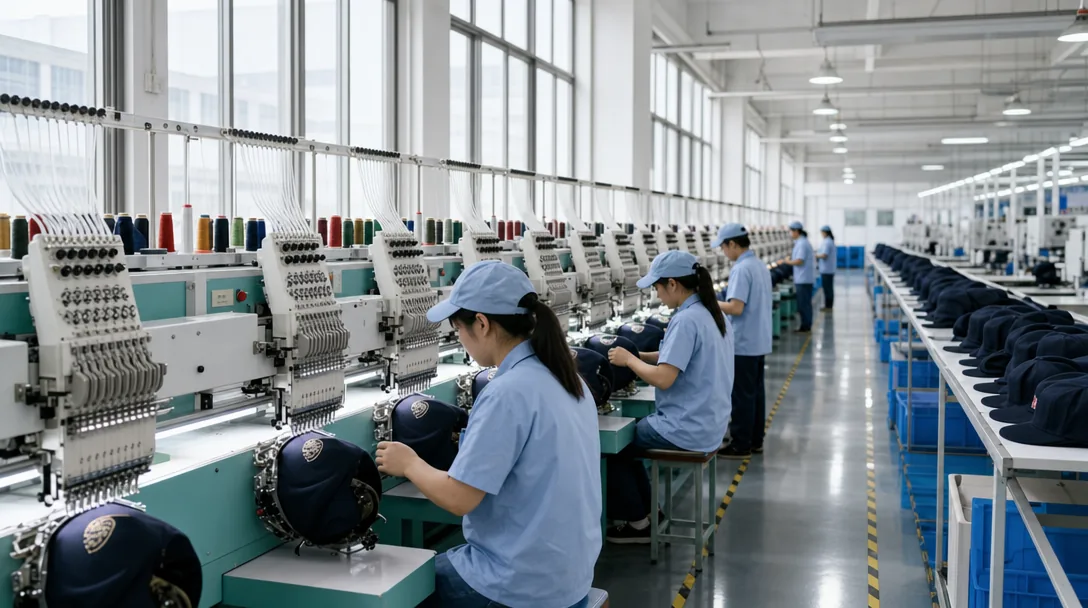
Ball Caps for Women: A 2026 Sourcing Playbook for International Buyers - Cost & MOQ Breakdown
Read article →If you are ready to take the next step on merino wool beanie: properties, costs and how to spec it right (2026 update) - supplier checklist, our team can put a tailored quotation and digital mock-up in your inbox within 24 hours. Send the inquiry form on our contact page or message us directly on WhatsApp.