
Headwear Reorder Forecasting Guide for Private Label Programs
Headwear Reorder Forecasting Guide for Private Label Programs is one of the most-asked questions we receive from international buyers, and for good reason. With dozens of factories competing for your order and an alphabet soup of technical terms in every supplier quote, even experienced importers can feel lost. This guide consolidates what we have learned producing custom hats for clients in 40+ countries.
What headwear reorder forecasting means in real production
In real production, headwear reorder forecasting is not a finance exercise; it is a capacity and materials exercise. If a buyer sends an RFQ for 12,000 caps today and expects a 60-day replenishment later, the factory needs to know whether the same shell fabric, closure, sweatband, and embroidery file will be reused, or whether the second order is likely to drift. A custom hat manufacturer should confirm the exact crown shape, panel count, visor board, stitching density, and decoration method before sampling, because those variables drive both lead time and repeatability. On a 6-panel cotton twill cap, for example, a shift from 260 gsm to 300 gsm fabric changes hand feel, shrink behavior, and seam tension, which matters when you are trying to forecast the next PO against the first approved sample. The buyer should also verify the production lock points that a private label hat supplier will actually use after approval. That means confirming Pantone TCX targets for crown fabric and embroidery thread, logo size in millimeters, tape and sweatband specs, buckle or Velcro closure type, and whether the seam construction is single-row or double-row. On a proper RFQ, I want to see the sample reference code, pre-production sample status, and tolerance bands for color Delta-E, stitch density, and bill curvature. At a custom cap factory, those details are what separate a reorder that drops cleanly into line from one that gets rebuilt by the merchandiser two months later. For a headwear factory China buyer, forecasting also means asking how the factory will reserve raw materials and document substitutions. If the order depends on 100% cotton twill, brushed chino, or polyester mesh from a named mill, the supplier should state whether they will hold greige stock or buy-to-order. A custom hat manufacturer China with disciplined planning will also confirm MOQ per colorway, carton pack-out, and whether the repeat run can match the first lot under the same AQL 2.5 inspection standard. Our standard practice is to freeze the BOM before sampling, because once the first approval is signed, any change in fabric lot, thread brand, or embroidery backing can turn a simple reorder into a new development job.
Specs to request before a quote
For headwear reorder forecasting, the quote is only useful if the spec sheet is tight enough that the next production run matches the first run without argument. Start with dimensions that actually affect fit and packing: crown height in mm, visor length and curvature, front panel width, back opening size, and finished weight by size if you’re doing structured or performance caps. If you want repeatability from a custom hat manufacturer or custom hat manufacturer china, give the exact fabric construction too: cotton twill 240 gsm, recycled polyester ripstop 130 gsm, wool blend, mesh denier, lining type, sweatband material, and any wash or hand-feel requirement. I always push buyers to state tolerances up front, not after approval — for example, ±3 mm on crown panels, ±2 mm on visor length, ±0.5 cm on circumference, and color tolerance by Pantone TCX with target Delta-E under 2.0 on critical panels. A good private label hat supplier will not hide behind “industry standard”; they should confirm what standard they are actually quoting to, because that becomes the baseline when you reorder 6 months later.
Decoration files need the same discipline as the physical spec. For embroidery, ask for DST or EMB files, stitch count estimate, thread brand, backing type, and whether the factory is digitizing for Tajima, Barudan, or ZSK heads; if the cap has 3D puff, the file should show foam placement and stitch density. For printing, request vector artwork in AI or PDF, Pantone callouts, and a print method note: heat transfer, silicone patch, woven patch, sublimation, or screen print. A capable custom cap factory should send a pre-production sample photo set, a dimension sheet, and material swatch confirmation before bulk cutting. Carton requirements matter more than most buyers think: specify inner polybag size, 25 or 50 pcs per master carton, carton dimensions, gross/net weight, moisture protection, and any carton markings for retail or Amazon prep. If you’re planning headwear reorder forecasting across multiple SKUs, inconsistent carton packing will distort landed cost and warehouse intake.
Finally, require the inspection standard and proof, not just a price. Put AQL 2.5 for major defects and AQL 4.0 for minor defects in writing, then ask the headwear factory china or custom hat manufacturer to confirm the inspection scope: appearance, measurement, stitching, embroidery registration, color consistency, and packaging count. A serious factory should be able to show fabric test reports, color lab dips, needle detection records if relevant, and a compliant audit file such as sedex-audit-cap-supplier-guide.html">BSCI 2.0 or Sedex SMETA 4-Pillar if your program needs it. For reorder planning, the best evidence is boring: approved PPS photos, measured samples, production risk notes, and a repeatability statement that identifies what can drift over time — dye lot variation, foam density, sweatband substitution, or carton supplier changes. If a supplier cannot give that evidence, they are selling a one-off sample, not a reliable private label program.
Factory risks and quality checks
The fastest way to blow up headwear reorder forecasting is to ignore factory defects that look small in samples and become expensive in bulk. The usual trouble spots are crooked front panels, off-center embroidery, puckering around a 3D puff logo, bad sweatband stitching, inconsistent crown height, loose snapback tabs, and color drift beyond Delta-E 2.0 from the approved Pantone TCX. On structured caps, I check whether the buckram is cut cleanly and whether the seam tape is sealing flat; on dad hats, I look for brim symmetry and unforced wrinkles in washed cotton twill. A serious custom hat manufacturer should also control needle penetration, thread tension, and logo placement within ±2 mm, because those are the defects buyers notice first when cartons are opened at retail or in the warehouse.
Inspection has to happen in layers, not just at the end. Our standard practice is a PPS before bulk, a pre-production trim card approval, then in-line checks at 20% to catch machine setup drift on Tajima, Barudan, or ZSK embroidery heads before it spreads across the run. For a private label hat supplier, the real risk is approving a clean sample and assuming bulk will match; fabric lots, crown molds, and thread dye lots can all shift. I want signed approvals for artwork scale, stitch count, visor curve, back closure spec, and packing method, with a sealed reference sample on file. If the buyer changes anything after PPS, that needs a revised confirmation sheet, or you end up arguing over what was actually approved. On a crowded headwear factory China floor, that paperwork is what keeps rework from becoming a late shipment.
The last control point is shipment inspection, and this is where a custom cap factory either protects the order or exposes weak process control. AQL 2.5 is fine for general cosmetic defects, but for licensed or launch-critical programs I push tighter internal checks on critical defects like wrong logo color, incorrect size label, and broken closure hardware. Carton count, polybag spec, desiccant use, outer marks, and master carton drop resistance all matter because damage after packing is still a factory problem, not a freight problem. The easiest way to prevent late shipment is to lock the bill of materials early, freeze the sewing sequence, and keep 5% buffer capacity for rework on embroidery trims, label swaps, and visor inserts. If headwear reorder forecasting is based on realistic defect loss and inspection yield, the buyer orders the right quantity instead of discovering they are short 800 usable units after QC.
MOQ, lead time, and cost drivers
MOQ is the first thing that changes unit economics, and buyers who ignore it usually misread their headwear reorder forecasting. A custom hat manufacturer will price very differently at 300 pieces versus 3,000 because setup cost is fixed: pattern making, embroidery digitizing, color matching to Pantone TCX, cutting markers, sewing line changeover, and first-article approval all have to be paid once. On a 300-unit run, that overhead can add $1.50 to $3.50 per hat; on 3,000 units, it may fall below $0.40. A private label hat supplier in a headwear factory china environment also has to hold fabric lots, thread cones, and trims in reserve, so low-MOQ programs usually carry tighter fabric availability and less flexibility on shade tolerance, especially when buyers request Delta-E under 2.0 across repeat orders.
Trim choices and labor steps drive cost more than most brand teams expect. A 6-panel structured cap with woven label, sandwich visor, back buckle, and high-density front embroidery can run $0.80 to $2.20 more than a basic 5-panel dad cap with one flat embroidery hit, depending on stitch count and closure type. Embroidery on Tajima, Barudan, or ZSK heads is efficient, but each added placement means more hooping, thread trims, and QC touch time; 12,000 stitches can add 2 to 4 minutes per cap on the line. If you add patch applique, flat seam taping, tonal underbrim print, or washed twill finishing, the labor stack gets heavier fast. At a custom cap factory, that is where lead time stretches from 18–25 days to 30–45 days even before carton packing, because every extra process creates another inspection point and another chance for rework.
Packaging, testing, and shipping are the quiet margin killers in headwear reorder forecasting. A polybag with barcode sticker and size insert may add only $0.06 to $0.15 per unit, but retail-ready hangtags, silica gel, desiccant cartons, master carton labeling, and export marks can push packaging cost above $0.30 per cap. Testing is not free either: fabric colorfastness, azo, formaldehyde, nickel-free trims, and sometimes REACH or CPSIA-related checks can add $120 to $350 per lot, which matters a lot on smaller reorders. Shipping then swings everything again; a 1,000-piece air shipment can cost more per unit than the hat itself, while sea freight from a custom hat manufacturer china setup may be under $0.40 per cap in a full container but much higher in LCL due to origin charges and destination fees. Good forecasting is not just about demand — it is about batching the right trims, locking the freight mode early, and not letting a cheap sample spec turn into an expensive production order.
How CrownsForge manages this order type
For reorder programs, the first job is not production — it is locking down the spec so the next run matches the approved master sample. As a custom hat manufacturer and private label hat supplier, our standard practice is to archive the full technical pack: crown profile, bill curve, stitch count, panel layout, sweatband spec, closure type, thread chart, PMS or Pantone TCX references, and trim placement measured in millimeters. If a buyer approved a 5-panel unstructured cap in 280 gsm brushed cotton twill with a 7 cm pre-curved visor and a low-density foam front, that exact data gets carried forward. We also keep the embroidery files, usually digitized for Tajima, Barudan, or ZSK heads, so a reorder does not depend on a designer re-drawing artwork from scratch. That is the only way headwear reorder forecasting stays usable when the program scales from 500 pieces to 5,000. Sampling is handled like a control process, not a sales exercise. For first orders, we usually build a proto sample, then a pre-production sample after embroidery strike-offs, wash testing, and trim confirmation; for repeat business, the buyer may only need a confirmation sample if the factory has not changed materials or construction. A proper headwear factory China should also document the color tolerance against a master standard, because a Delta-E shift that looks minor under warehouse light can read badly under retail lighting. Our reorder files include needle counts, machine settings, thread lot numbers, and packing details, which matters when a buyer wants the same cap to land in different seasons without re-approving the entire design. That documentation is what separates a custom cap factory with real process control from one that is guessing off old photos.
Quality control on reorders should be tighter, not looser, because buyers often assume the prior approval covers the new lot. It does not. Fabric lots change, sweatband suppliers change, cardboard in the visor changes, and even a small closure swap can alter fit enough to trigger complaints. We inspect to the buyer’s AQL target, usually AQL 2.5 for major defects and 4.0 for minor defects on production lots, with extra checks on embroidery registration, panel symmetry, and top button placement. For licensed or retail programs, I also insist on carton-drop checks, barcode verification, and label consistency, because one wrong hangtag can turn a clean shipment into a chargeback. A serious custom hat manufacturer china operation should be able to show lot traceability from cutting table to final carton, not just send a generic inspection report. Communication is where most reorder programs fail. Buyers need a clear answer on what is repeatable, what is at risk, and what changed since the last run. We flag any substitution before cutting begins: fabric mill, backing adhesive, thread dye lot, sticker paper, even carton dimensions if it affects freight cube. For headwear reorder forecasting, that means telling the client whether the next 3,000 units can ship in 28 days using in-stock raw materials or whether a 12-day fabric lead time pushes the PO into the next vessel. If the buyer is moving into new colors or adding regions, we map MOQ by colorway and size breakdown so they are not overbuying slow stock. That kind of reorder support is what a disciplined custom hat manufacturer should provide — not just price updates, but production continuity, risk notes, and realistic inventory guidance based on actual factory capacity in China.
Frequently Asked Questions
What file format should I send for my logo?
Vector files (AI, EPS, PDF) are ideal. High-resolution PNG or JPG at 300 dpi on transparent background works as a fallback. Provide Pantone color references for accurate reproduction.
How long does production take?
Sampling takes 7 to 12 days. Bulk production runs 20 to 30 days depending on quantity, fabric availability and decoration complexity. Inspection and packing adds another 3 to 5 days before shipment.
Can I order a sample before bulk production?
Yes. We strongly recommend approving a pre-production sample before mass production. Samples are charged at 35 to 60 USD each plus express shipping, fully refundable against confirmed bulk orders over 500 pieces.
What is the minimum order quantity (MOQ) for custom hats?
Our standard MOQ is 100 pieces per design and color, with sampling available from 1 piece. For complex multi-color logos or premium fabric upgrades, the MOQ can be lowered with a small per-piece surcharge.
Which shipping methods do you support?
We support FOB, CIF and DDP shipping. Air express for samples and small orders, sea LCL for 100 to 500 pieces, sea FCL for 5,000+ pieces. Door-to-door DDP available for US, EU, UK, Canada and Australia.
How do I find a reliable custom waterproof cap manufacturer?
When evaluating custom waterproof cap manufacturer, the key considerations are construction quality, decoration capability, MOQ flexibility and lead time. Explain headwear reorder forecasting in the context of a custom headwear RFQ, with the production details a buyer should verify before sampling. Cover dimensions, materials, tolerances, decoration files, carton requirements, AQL level, and the evidence a capable factory should provide.
How do I find a reliable custom hat manufacturer usa?
When evaluating custom hat manufacturer usa, the key considerations are construction quality, decoration capability, MOQ flexibility and lead time. Explain headwear reorder forecasting in the context of a custom headwear RFQ, with the production details a buyer should verify before sampling. Cover dimensions, materials, tolerances, decoration files, carton requirements, AQL level, and the evidence a capable factory should provide.
How does ordering custom made trucker hat work?
When evaluating custom made trucker hat, the key considerations are construction quality, decoration capability, MOQ flexibility and lead time. Explain headwear reorder forecasting in the context of a custom headwear RFQ, with the production details a buyer should verify before sampling. Cover dimensions, materials, tolerances, decoration files, carton requirements, AQL level, and the evidence a capable factory should provide.
What should buyers know about china cap?
When evaluating china cap, the key considerations are construction quality, decoration capability, MOQ flexibility and lead time. Explain headwear reorder forecasting in the context of a custom headwear RFQ, with the production details a buyer should verify before sampling. Cover dimensions, materials, tolerances, decoration files, carton requirements, AQL level, and the evidence a capable factory should provide.
Ready to start your custom hat project?
Send us your tech-pack, sketch or even just an inspiration photo. We will respond with a detailed quotation and digital mock-up within 24 hours.
Request a free quoteRelated guides
Structured vs Unstructured Cap Cost: What Changes in Production
Read article →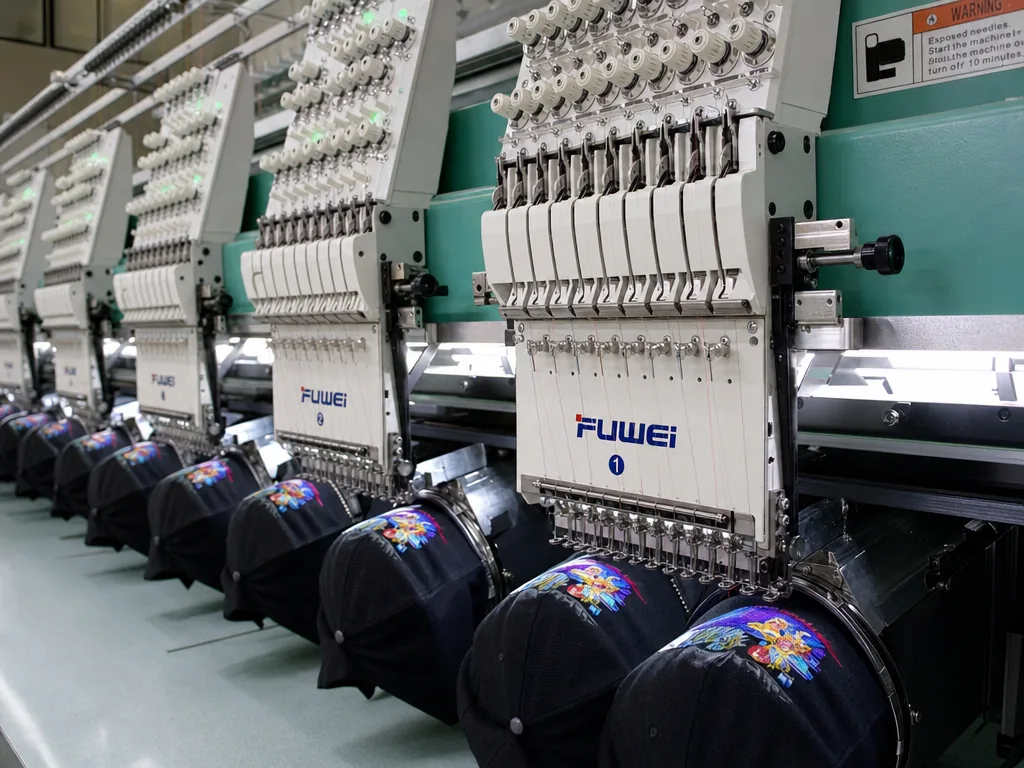
Embroidery Stitch Count & Thread Density: A Cost-and-Quality Reference
Read article →
Hat Sizing & Fit for International Markets: US, EU, UK, JP Standards
Read article →If you are ready to take the next step on headwear reorder forecasting guide for private label programs, our team can put a tailored quotation and digital mock-up in your inbox within 24 hours. Send the inquiry form on our contact page or message us directly on WhatsApp.