
Custom Snapback Hats: The Streetwear Brand's Guide to Premium Production
Every week, our sales team answers detailed questions about custom snapback hats: the streetwear brand's guide to premium production. We wrote this guide so that wholesalers, streetwear brands, corporate buyers and promotional resellers can compare options with full information, and avoid the traps that show up only after production has started.
Why snapbacks define streetwear silhouettes
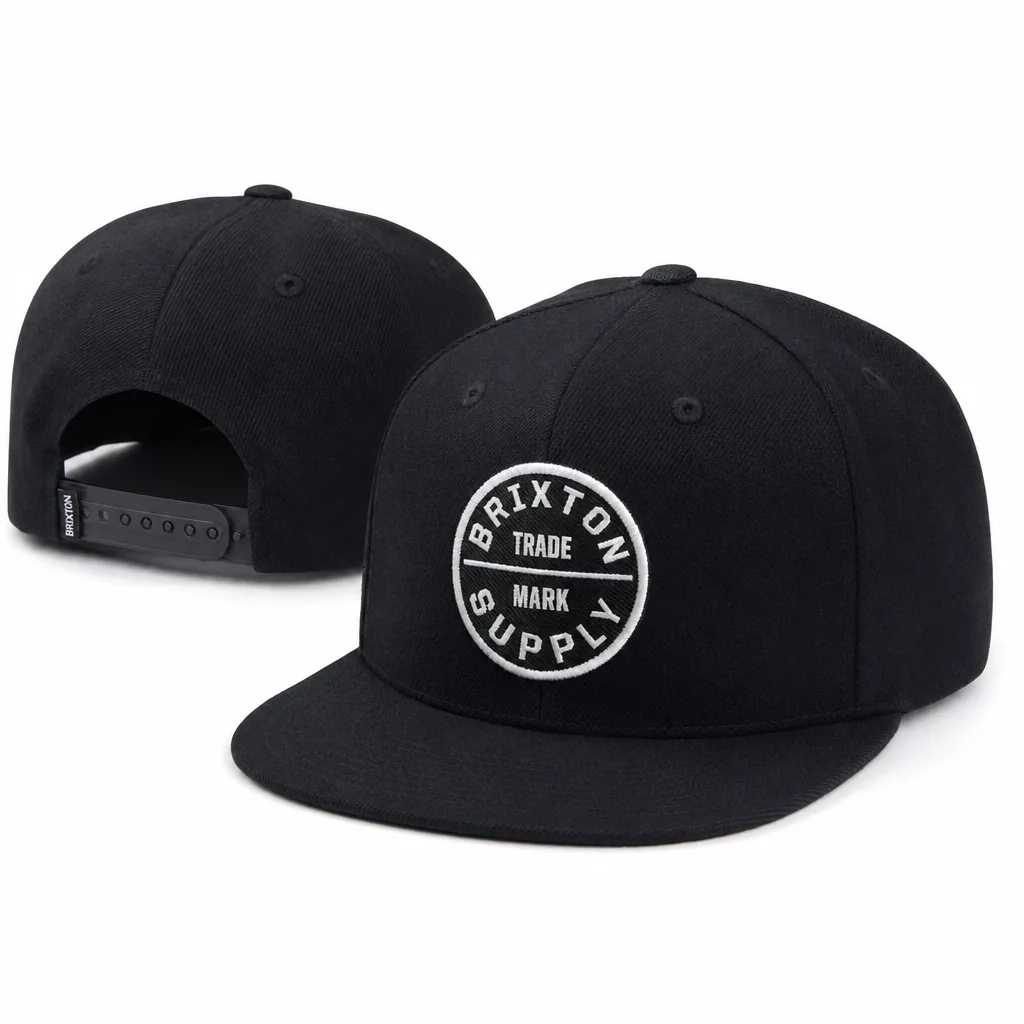
The reason custom snapback hats keep showing up in streetwear is simple: the shape does the branding before the logo does. A tall structured crown, usually built from 6 panels with buckram-backed front panels, creates a hard edge that reads clean in photos and from across a room. The flat 90 degree brim matters just as much. It gives the cap a deliberate, almost architectural line, which is why flat brim cap supplier specs usually focus on brim board stiffness, not just fabric. When the profile is right, the hat carries more attitude than a curved dad cap ever will. In practice, that means a crown height around 4.5 to 5 inches, a front panel that holds its shape after packing, and a snap closure that allows sizing without changing the silhouette. That combination is the baseline for custom snapback hats in the streetwear market, whether the buyer is a label, a team, or a promo program.
The construction details are where a premium snapback factory separates a retail-ready cap from something that looks generic. Fabric choice is usually 100% cotton twill, washed chino, acrylic wool blend, or recycled polyester, depending on the hand feel and price target; 280 to 380 gsm is common for a firm crown. The sweatband needs to sit flat and resist twisting, and the visor insert has to be stiff enough to keep a true flat line after heat pressing and transit. On the production side, a streetwear snapback manufacturer will check panel symmetry, top button placement, and eyelet spacing because small errors show immediately on a flat brim cap. At CrownsForge, we also treat color control seriously, especially for Pantone TCX matching on core body colors and thread shades, because a Delta-E over 2.0 is visible once the cap is photographed under daylight. That level of control is what makes custom flat brim hats look intentional instead of mass-market.
Snapback embroidery is usually the first decoration decision, but it works best when the silhouette is already engineered to hold it. Dense front-panel stitching, 12 to 16 stitches per inch, and proper backing keep logos from warping when a design is too wide or too tall. Tajima, Barudan, and ZSK heads all handle the work, but the digitizing is the real constraint: a thick satin stitch on a stiff crown can distort the panel if the pull compensation is wrong. That is why premium production often limits oversized logos to a measured area instead of filling the entire front. For custom snapback hats, the best results usually come from combining a strong crown block, a clean flat visor, and moderate embroidery density, not from overbuilding every detail. The style survives because the shape is readable, the closure is practical, and the cap still looks like a piece of streetwear instead of a novelty item.
Premium snapback materials
For premium retail drops, the safest baseline for custom snapback hats is still an acrylic 80/wool 20 blend. It holds a cleaner crown shape than cheap acrylic and takes embroidery well on structured fronts, especially when the panel board is 4 mm buckram or a comparable fused support. A good streetwear snapback manufacturer will usually spec this fabric at around 300-340 gsm, with color control tied to Pantone TCX and a delta-E target under 2.0 on repeat orders. Wool blend also hides handling marks better than plain cotton, which matters when hats are boxed and shipped globally. The tradeoff is heat sensitivity in finishing, so sweatband attachment and visor steaming need tighter control than on simpler builds. If you want custom flat brim hats that retail above $35, this is the fabric that usually justifies the price point because the handfeel and crown recovery are visibly better.
For casual lines, 100% cotton twill is the more practical option. It is easier to wash, easier to source in consistent 280-320 gsm weights, and less expensive than wool blend by roughly $0.40 to $1.10 per cap depending on MOQ and dye method. Cotton twill also gives a softer break-in, which works for brands that want a worn-in streetwear look instead of a stiff sports silhouette. The downside is that it can wrinkle and lose shape if the crown board is too light, so a flat brim cap supplier should still use proper fusible backing and a stable mid-weight sweatband. CrownsForge’s standard practice on this build is to test panel shrinkage after steam pressing, because cotton can move more than buyers expect once the embroidery and visor shaping are done.
For athletic drops, performance polyester is the correct call, not because it looks premium on the rack, but because it survives sweat, UV, and repeated wear better than wool or cotton. A 100% polyester twill or mesh-backed hybrid usually runs 180-240 gsm, dries faster, and keeps snapback embroidery cleaner when the thread density is high. That matters on logos with dense satin stitches, where poor fabric recovery can distort the fill and push the stitch count past 12,000 without any visual gain. On functional runs, I would also watch the brim substrate and sweatband spec: EVA or plastic insert, moisture-wicking tape, and colorfastness tested to at least Grade 4 under standard crocking checks. If a premium snapback factory is building for teamwear or active streetwear, polyester is the material that keeps the cap consistent through heat, humidity, and transit stress.
Decoration placement options
Front 3D embroidery is still the default choice for custom snapback hats because it gives the crown real structure instead of looking like a transfer slapped onto foam. A clean puff logo usually needs 4 to 6 mm of lift, tight satin borders, and enough stitch density to hold the edges without collapsing on a mid-weight 100% acrylic or wool-blend crown. For a streetwear snapback manufacturer, the real constraint is not the machine but the seam map: if the logo crosses the center seam or sits too low near the bill, the digitizing has to be adjusted or the panel will pucker. On premium runs, I would keep the front logo within the flat area above the eyelets and avoid overcrowding the design with too many color changes, because that slows production and raises trim risk.
Side embroidery, a woven label on the back, sticker on the flat brim, and undervisor print are the placements that separate a standard cap from custom flat brim hats with retail value. Side hit embroidery is best kept small, usually under 45 mm wide, because the curved side panels distort dense fills. The back woven label works better than printed wash tags for streetwear if you want a cleaner finish and better wash durability. Flat brim stickers are not decoration in the garment sense, but they matter for sell-through; the adhesive and finish need to match the cap grade so the sticker does not curl in transit. Undervisor print is a good place for hidden branding, but it has to be planned around sweatband stitching and crown assembly, which is why a premium snapback factory will sample placement before bulk cutting. That is the part many buyers miss when sourcing custom snapback hats: the best placement is the one that survives sewing, packing, and retail handling, not just the one that looks strongest on a mockup.
The brim sticker debate — keep or remove?
The brim sticker is not a random piece of packaging. In streetwear, it signals that the cap is new, untouched, and still in the same condition it left the carton. That matters for custom snapback hats sold through boutiques, pop-ups, and DTC drops, where buyers often judge value in the first three seconds. A flat brim cap supplier that works with streetwear brands needs to treat the sticker as part of merchandising, not an afterthought. Leave it on and you preserve the retail cue that the piece is fresh stock; remove it and you get a cleaner, more wearable hat for customers who see stickers as noise. The decision should track the brand position. If you are selling custom flat brim hats as collectible product, the sticker can support perceived authenticity. If the cap is meant to look broken-in on arrival, it usually reads better without it. The wrong choice is copying whatever the last brand did without thinking about audience behavior.
There is also a real cost angle. Custom branded stickers are an upcharge because they are a separate print item with die-cut tooling, adhesive selection, and minimums that do not behave like embroidery or woven labels. On a premium snapback factory order, a generic gold sticker may be included, while a fully custom logo sticker can add roughly $0.08 to $0.25 per piece depending on size, finish, and run volume. That is small on paper, but it matters when you are pricing a six-panel drop against freight, duty, and packaging. As a streetwear snapback manufacturer, our standard practice is to ask whether the sticker is meant to help sell the cap or to stay aligned with the final wearing experience. For limited releases, custom branded stickers can lift shelf appeal. For everyday retail, many buyers prefer snapback embroidery and construction quality to do the talking, with the sticker removed before packing if the brand wants a cleaner presentation.
Pricing model and MOQ for retail-grade snapbacks
For retail-grade custom snapback hats, the pricing curve is not linear. At 200 pieces, a streetwear snapback manufacturer is usually pricing around $5.80 to $8.50 FOB per unit for a standard acrylic-wool blend crown, hard buckram front, plastic snap, and 3D puff or flat snapback embroidery on one location. That range assumes a clean spec and does not include expensive extras like woven side labels, custom taping, or printed undervisor work. At this quantity, the real cost driver is setup: digitizing, panel cutting, stitch programming, and color matching to Pantone TCX, which can add $40 to $120 per design before production even starts. If the artwork is poorly prepared, that cost climbs fast because the sample rounds take longer and embroidery density has to be corrected on machine.
At 500 pieces, the same custom flat brim hats typically land in the $4.20 to $6.10 FOB range if the spec stays disciplined. This is where a flat brim cap supplier can start giving better fabric buying power and spread the setup cost across more units, but only if you keep the build simple: one main embroidery position, one back closure style, and no more than 3 to 4 thread colors. CrownsForge’s standard practice is to quote a separate sampling fee of about $35 to $75 and then deduct it from bulk if the order proceeds, which is normal for retail programs. At this level, most brands should also budget for AQL 2.5 inspection, carton labeling, and basic polybagging, since those details affect sell-through and chargeback risk more than people expect.
At 1,000 pieces, premium snapback factory pricing can tighten to roughly $3.50 to $4.90 FOB, depending on fabric weight, decoration complexity, and whether you want a private-label finish that can survive wholesale scrutiny. This is the volume where custom snapback hats stop behaving like a sample job and start behaving like a production run: machine time becomes predictable, thread waste drops, and color approval is locked before cutting. If you want serious snapback embroidery with multiple placements, expect the quote to move back toward the higher end, especially on dense puff logos or mixed-appliqué builds. The sensible MOQ for a streetwear brand is usually 200 for testing, 500 for a first real drop, and 1,000 once size demand and repeat colorways are known. Below 200, the unit economics usually break unless the customer accepts a higher price and slower lead time.
Case study: launching a 300-piece capsule drop
A 300-piece capsule is small enough to move fast and large enough to expose every weakness in the workflow. For custom snapback hats, the lead time starts with the sample, not the bulk order. A clean first fit sample usually takes 7 to 10 days if the crown block, brim board, and closure spec are already defined; if the brand is still deciding between 6-panel and 5-panel construction, add another week. In a streetwear snapback manufacturer setup, the fastest path is to lock Pantone TCX colors, embroidery placement, and stitch density before we cut fabric. CrownsForge’s standard sequence is pattern approval, thread chart confirmation, then a pre-production sample with the exact buckram stiffness and visor curve that will run in bulk. That matters because custom flat brim hats look fine in photos only when the brim stays flat, the front panels hold structure, and the crown height matches the sample exactly.
Bulk production on a 300-piece run is usually 18 to 25 working days after sample approval, assuming the order uses one shell fabric, one closure type, and no complicated wash treatment. A premium snapback factory will split the run into sewing, reinforcement, embroidery, and final shaping, with snapback embroidery checked before the panels go to topstitching. If the design uses 3D puff, keep the logo under about 5,000 stitches per location and avoid hairline text below 2.5 mm, because it will distort on a structured front panel. As a flat brim cap supplier, the real control point is not the sewing line; it is the consistency of the visor board and the sweatband attachment. On a small capsule, a 1 to 2 mm tolerance shift in brim angle is enough to make the whole drop feel off when the hats are photographed side by side.
Photo-shoot ready packaging is where many custom snapback hats fall apart. If the goal is content, not just carton delivery, ask for individual polybags with desiccant, tissue stuffed under the crown, and a cardboard insert to protect the front panel during transit. For premium streetwear drops, I prefer a matte dust bag or a printed belly band over generic OPP because it looks intentional on set and reduces creasing when the hats are unpacked for styling. A decent packaging spec for 300 pieces adds about $0.18 to $0.45 per unit, depending on print complexity and whether the carton includes barcode labels, size stickers, and color-coded QC tags. With a proper pre-shipment check at AQL 2.5, the finished cartons arrive ready for photography instead of needing a steam-and-reshape session in the studio, which is where a lot of supposedly premium custom snapback hats quietly lose margin.
Frequently Asked Questions
What is the minimum order quantity (MOQ) for custom hats?
Our standard MOQ is 100 pieces per design and color, with sampling available from 1 piece. For complex multi-color logos or premium fabric upgrades, the MOQ can be lowered with a small per-piece surcharge.
Which shipping methods do you support?
We support FOB, CIF and DDP shipping. Air express for samples and small orders, sea LCL for 100 to 500 pieces, sea FCL for 5,000+ pieces. Door-to-door DDP available for US, EU, UK, Canada and Australia.
Do you support sustainability certifications?
Yes. We work with GOTS organic cotton, GRS-certified recycled polyester, OEKO-TEX Standard 100 fabrics, and are BSCI and Sedex audited. Certification documentation can be provided per order.
Can I order a sample before bulk production?
Yes. We strongly recommend approving a pre-production sample before mass production. Samples are charged at 35 to 60 USD each plus express shipping, fully refundable against confirmed bulk orders over 500 pieces.
What file format should I send for my logo?
Vector files (AI, EPS, PDF) are ideal. High-resolution PNG or JPG at 300 dpi on transparent background works as a fallback. Provide Pantone color references for accurate reproduction.
What should buyers know about snapback flat bill hats for men?
When evaluating snapback flat bill hats for men, the key considerations are construction quality, decoration capability, MOQ flexibility and lead time. Tall structured crown, flat 90° brim, adjustable plastic snap closure — the iconic profile. Front 3D embroidery, side embroidery, sticker on flat brim, woven label on back, undervisor print.
How does ordering baseball cap custom logo work?
When evaluating baseball cap custom logo, the key considerations are construction quality, decoration capability, MOQ flexibility and lead time. Cultural significance, retail merchandising, custom branded stickers as upcharge. Tall structured crown, flat 90° brim, adjustable plastic snap closure — the iconic profile.
What's the MOQ for custom logo hats no minimum?
When evaluating custom logo hats no minimum, the key considerations are construction quality, decoration capability, MOQ flexibility and lead time. Cultural significance, retail merchandising, custom branded stickers as upcharge. Tall structured crown, flat 90° brim, adjustable plastic snap closure — the iconic profile.
How does ordering custom baseball hats for men work?
When evaluating custom baseball hats for men, the key considerations are construction quality, decoration capability, MOQ flexibility and lead time. Cultural significance, retail merchandising, custom branded stickers as upcharge. Tall structured crown, flat 90° brim, adjustable plastic snap closure — the iconic profile.
Need a low-MOQ test order?
We help emerging brands launch with as few as 100 pieces. Premium fabric, in-house embroidery, retail-ready packaging.
Start a small orderRelated guides
Sustainable Cap Packaging: Options, Costs and Retail-Buyer Demands
Read article →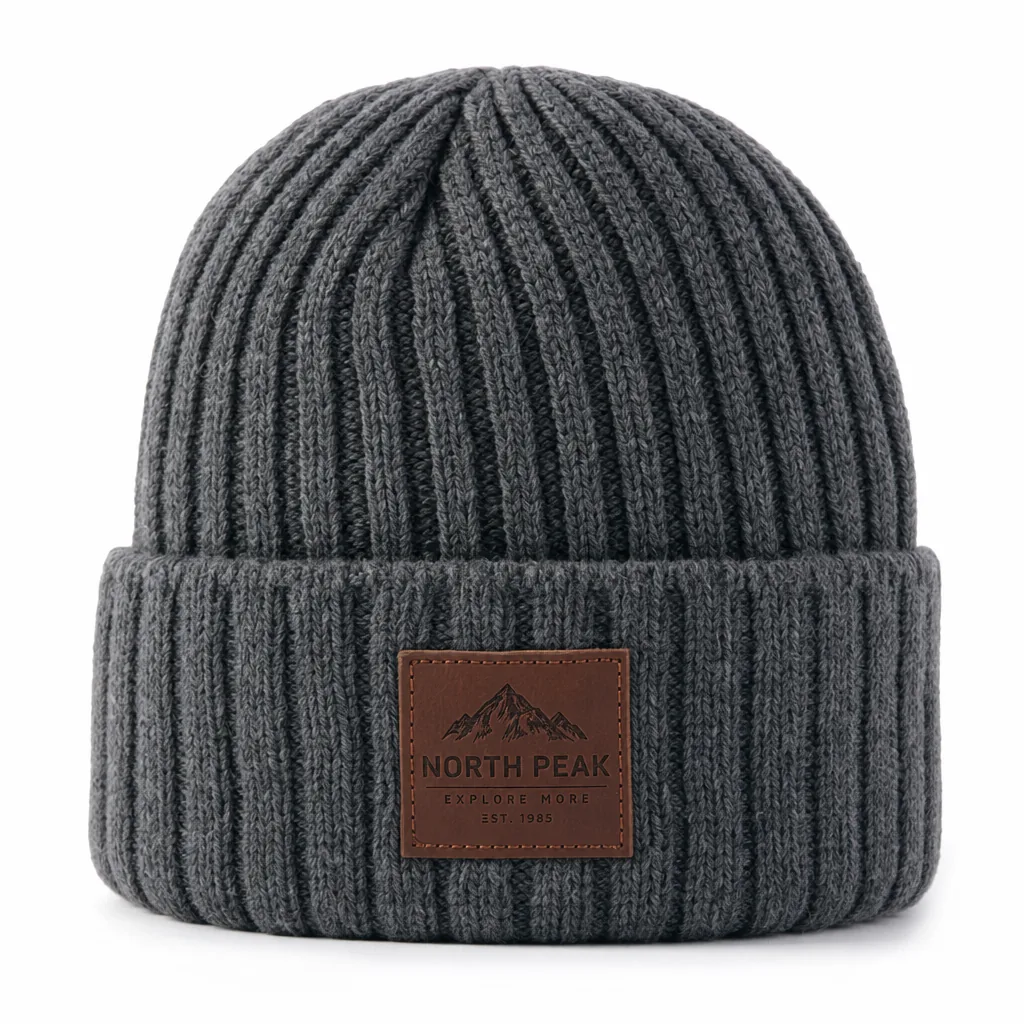
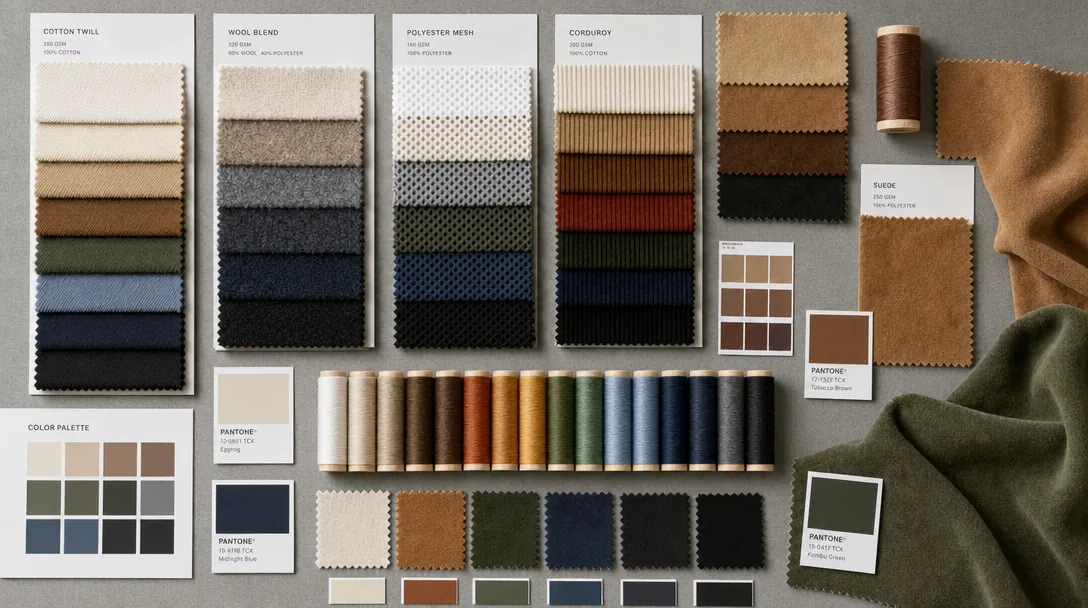
Cap Fabric Guide: Cotton Twill, Wool Blend, Polyester & Performance Materials
Read article →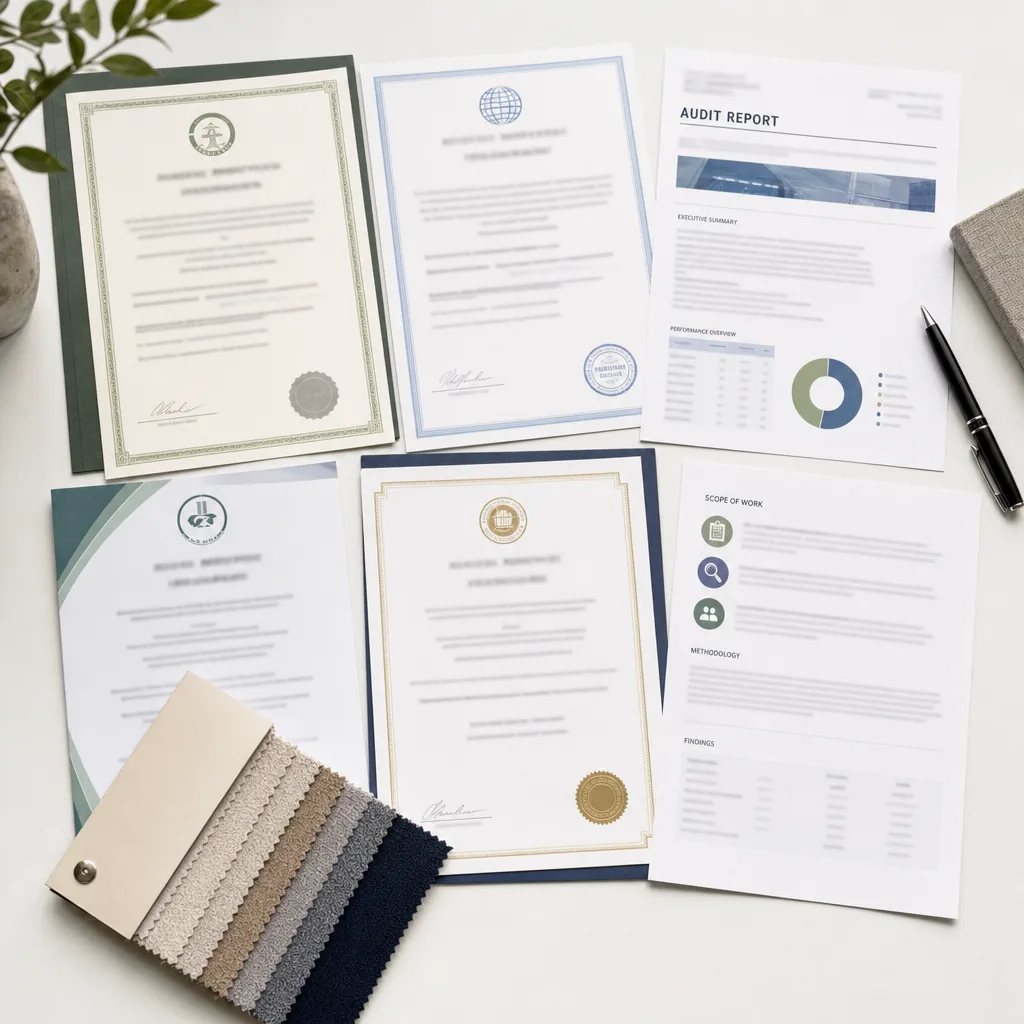
Compliance Documentation Checklist for First Hat Import to US/EU
Read article →We hope this guide demystifies custom snapback hats: the streetwear brand's guide to premium production and helps you move forward with confidence. If you have questions specific to your project, our English-speaking sales engineers are one message away.