Custom Made Trucker Hat: The 2026 Sourcing & Manufacturing Playbook - 2026 Buyer's Guide - 2026 Buyer's Guide
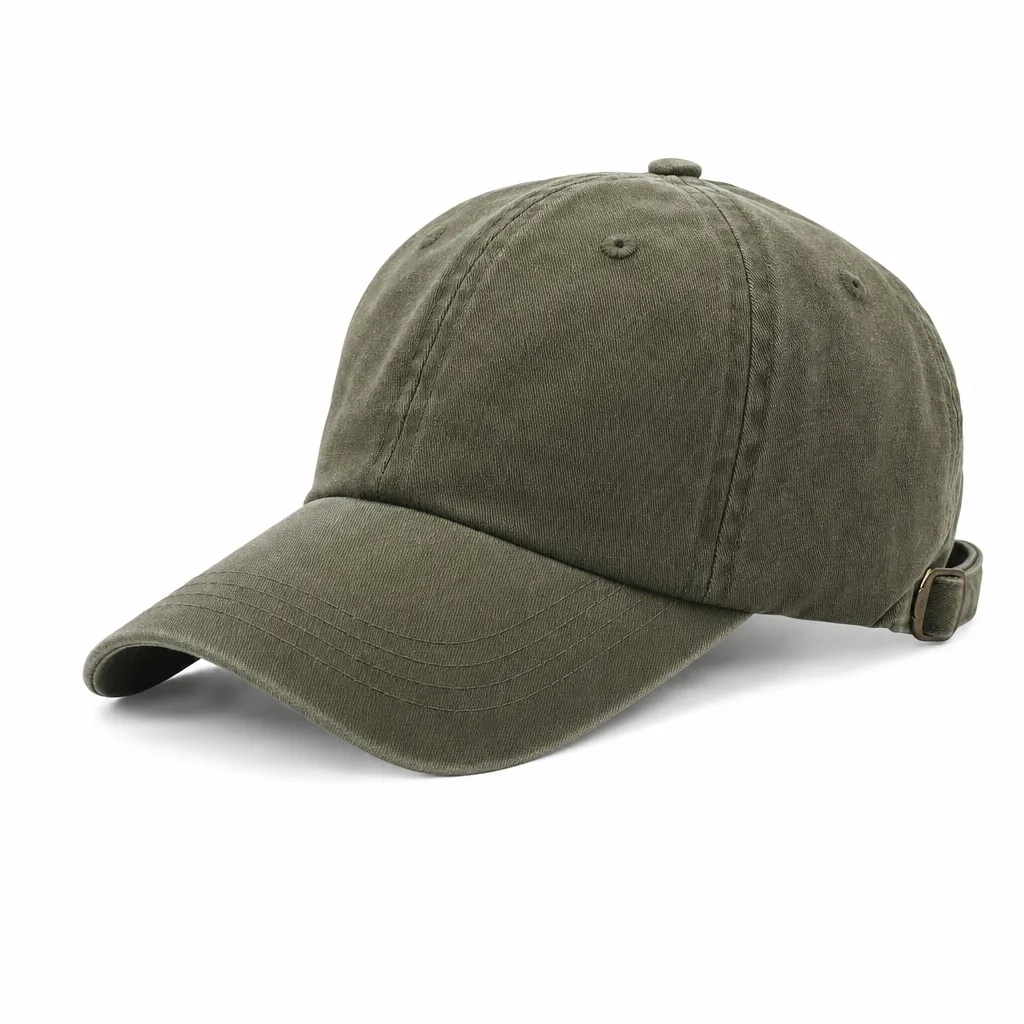
Every week, our sales team answers detailed questions about custom made trucker hat: the 2026 sourcing & manufacturing playbook - 2026 buyer's guide - 2026 buyer's guide. We wrote this guide so that wholesalers, streetwear brands, corporate buyers and promotional resellers can compare options with full information, and avoid the traps that show up only after production has started.
Custom Embroidered Hats
Embroidery is where a custom made trucker hat gains or leaks margin, and the deciding variable is usually front-panel construction, not whether the buyer asks for flat or 3D puff. A 5 mm EVA foam front, 3 mm foam front, buckram-backed cotton twill, and a soft unstructured front each react differently under Tajima, Barudan, and ZSK heads. Foam crowns need lower stitch density, wider edge-run underlay, and conservative pull compensation or you get tunneling, foam show-through, and a crown that twists off center after blocking. Buckram-backed twill holds sharper satin edges and cleaner tatami fills, but aggressive digitizing leaves visible needle cuts and a harsh hand feel on the forehead side. On trucker fronts, I treat 0.8 mm as the minimum clean line weight, 5 to 6 mm as the minimum finished letter height, and roughly 3 mm as the minimum reliable satin column for repeat bulk production. Anything finer should be simplified or converted to a woven patch, twill applique, or merrowed badge before sampling starts. Color control also needs realistic tolerance language. Most factories are matching Madeira or Gunold polyester thread cards, not custom-spinning exact shades for a 300-piece run, so the practical target is Pantone-adjacent matching with Delta-E under 2.0 against approved artwork under D65 lighting. That works for standard reds, navies, and blacks, but fluorescent tones, heathers, and low-chroma fashion colors often drift because the nearest thread-card equivalent is still visibly off on a foam-front cap. If the artwork depends on ultra-fine serif detail, tonal gradients, or exact retail color parity, embroidery may be the wrong decoration method for that logo on a trucker silhouette. The cleanest sourcing decision is to lock the decoration method early, then build the cap spec around it rather than trying to force one digitized file across every crown shape and substrate.
A workable embroidery spec sheet should read like a production ticket, not a mood board. For a custom made trucker hat quote, I want stitch type by logo area, estimated stitch count, puff foam thickness, front-panel material, mesh type, visor stitch rows, sweatband composition, closure grade, and packing method listed before pricing is accepted. The cap build matters just as much as the artwork: 5-panel and 6-panel fronts take placement differently, polyester mesh and nylon mesh recover differently after hooping, and a 120 to 160 gsm equivalent mesh can behave very differently depending on yarn denier and hole geometry. MOQ usually stays around 144 to 300 pieces per colorway when you use stock twill, stock mesh, and standard snapbacks; once you add Pantone-dyed sweatbands, custom inner tape, molded rubber labels, or dyed-to-match mesh, many factories will push the practical MOQ to 500 or 1,000 because trims need separate dye lots or tooling. Most embroidery failures start in digitizing and panel prep, then become obvious only at inline inspection. The checkpoints that actually matter are centerline registration, thread tension consistency, jump-stitch trimming, puff height uniformity, mesh needle cuts, bill-to-crown symmetry, and whether the inside backing scratches the wearer’s forehead. AQL 2.5 is a sensible final standard if defect language is written tightly: wrong logo, wrong color, missing legal label, or incorrect country-of-origin marking should be critical; severe puckering, crooked placement, crown distortion, or obvious off-center embroidery should be major. FOB China pricing in the current market is typically about $2.20 to $4.20 for a basic trucker with flat front embroidery, then $3.80 to $6.50 once you add 3D puff, side and back hits, applique, or individual polybag-and-sticker retail packing. At CrownsForge, we do not release bulk until the sew-out and pre-production sample prove the file runs clean on the actual crown material, because a digitized logo that looks perfect on cotton twill can fail badly on foam once density and pull are not rebuilt.
Custom Hat Embroidery
Embroidery is the fastest way to tell whether a custom made trucker hat was engineered properly or just assembled cheaply. A clean logo depends on three variables that buyers often under-specify: front-panel construction, digitizing logic, and machine setup on the actual cap body. A factory should test on the production substrate, not flat scrap backing, because 100% polyester foam fronts, 12 to 14 oz cotton twill laminated to buckram, and brushed canvas all react differently to pull compensation, underlay, and stitch sink. Send vector art, finished logo size in millimeters, Pantone Solid Coated references, and the intended technique—flat fill, satin, 3D puff, chain stitch, or appliqué—before sampling starts. For 3D puff, technical limits override aesthetics: satin columns should generally stay above 2.5 to 3.0 mm, foam is usually 2 mm or 3 mm EVA, and small script or tight counters tend to split, cap, or expose foam on a curved crown. Ask for a strike-off sewn on the actual trucker front and reviewed under D65 light, not a phone photo under mixed factory lighting. The sample sheet should state thread brand, thread weight, backing specification, needle size, machine type, and whether the logo is embroidered pre-assembly or on finished caps. That process choice affects centering, crown distortion, and repeatability more than most buyers realize. On a cap run using Tajima, Barudan, or ZSK heads, a well-run factory will also control head speed to match the design rather than chasing output; dense fills on foam fronts often run more reliably around 650 to 800 rpm than at maximum speed. Our standard practice is to treat embroidery approval as a technical sign-off, because once the digitizing is wrong, no in-line QC team can rescue consistency across 1,000 pieces.
MOQ and cost are driven less by the trucker shell than by stitch count, machine minutes, and reject risk. In Zhejiang, a simple center-front logo on a custom made trucker hat is often workable at 100 to 144 pieces per colorway, but practical MOQ usually climbs to 288 or 300 pieces when you add 3D puff, side embroidery, back arch text, metallic thread, or multiple color stops. One-time digitizing typically runs $25 to $60 for standard artwork and can exceed $80 for layered puff or appliqué files. Front embroidery commonly adds about $0.35 to $0.90 per location for flat work and $0.60 to $1.50 for 3D puff, but that range changes quickly when a logo jumps from 5,000 stitches to 14,000 stitches. That difference means longer run time, more thread breaks, heavier backing, and a higher chance of puckering or panel deformation. Most embroidery failures are visible before final packing if the factory knows what to watch: color registration drift, exposed foam at puff edges, needle cuts on low-density foam, loose reverse trims, and torque in the crown caused by poor stabilization after sewing to mesh. Buyers should lock center-front placement tolerance at plus or minus 2 mm, approve thread shades against Pantone under D65 lighting, and require final inspection to AQL 2.5 with checkpoints for skipped stitches, thread breaks, soiling, visor-to-center-front symmetry, and crown shape retention after packing. If embroidery is central to the brand look, do not select a supplier on FOB alone. Plenty of factories can build a decent cap body; far fewer can maintain stable digitizing, hooping discipline, and embroidery QC across 1,000 to 5,000 hats without shade variation or placement drift.
Custom Trucker Hat
A dependable custom made trucker hat is decided on the build sheet long before the logo hits a cap frame. Lock the architecture first: 5-panel foam front or 6-panel buckram-supported crown, crown height in millimeters, brim shape, mesh composition, closure type, sweatband spec, seam tape width, and decoration method. On a standard line, the order is front-panel cutting, foam or buckram lamination, crown sewing, mesh joining, visor attaching, sweatband setting, closure installation, shaping, decoration, trimming, and packing. The front panel is usually either 3 to 5 mm polyester foam with a tricot face for classic promo styling, or 180 to 240 gsm cotton/poly twill when you want a cleaner hand and better embroidery control. Mesh choice is not cosmetic: polyester or nylon mesh in the 120 to 180 gsm range changes airflow, rebound, and carton-compression recovery, and low-denier mesh loses shape fast after ocean transit. On foam fronts, machine brand is secondary to cap setup; a Tajima or Barudan head can both run clean if the digitizing uses proper underlay, pull compensation, center-front hooping, and stitch density around 0.35 to 0.40 mm so the logo sits on the foam instead of tunneling into it.
Most buyer claims come from parts that never make it onto the mood board: PE visor board grade, visor stitch count, snap resin quality, sweatband fiber blend, seam tape width, backing material, and color tolerance written against an actual Pantone reference. If the shell fabric is matched to Pantone TCX but the patch or print is matched to coated stock, specify an allowable Delta-E in the PO; for production caps, keeping visible shade variance under Delta-E 1.5 to 2.0 under D65 lighting is a realistic commercial standard. Your measurement chart should also be numeric, not vague: crown height ±3 mm, brim length ±2 mm, and head opening ±5 mm are achievable tolerances in bulk sewing. For China FOB buying, a standard custom made trucker hat with stock mesh, stock snap, and 5,000 to 8,000 embroidery stitches typically lands around $2.10 to $3.40 at 144 to 300 pieces per colorway; custom-dyed mesh, woven labels, molded patches, or printed seam tape usually push MOQ above 500 and pricing closer to $4.20 to $6.80 before duty and freight.
The failure points on trucker caps are predictable: twisted fronts, wavy foam-to-mesh joins, uneven visor curvature, brittle snapbacks, embroidery puckering, and obvious shade mismatch between twill, mesh, and patch materials. Final inspection should be run on packed goods at AQL 2.5, but that baseline is not enough on its own. Add targeted checks for logo position tolerance, stitch-count consistency, thread trimming, carton assortment accuracy, sweat staining from shaping, and mesh recovery after compression. If the design uses heat-transfer patches or silicone badges, ask for rub testing, heat aging, and adhesive performance data; container temperatures can exceed 50°C on summer lanes, and weak glue systems often start lifting before the cartons even reach domestic warehousing. Our standard practice is to approve the pre-production sample in daylight and under a D65 lightbox, then hold bulk against that sealed sample rather than a phone photo. The cheapest quote usually hides a structural downgrade such as low-density visor board, brittle acetal snap resin, weak mesh memory, or outsourced embroidery with inconsistent cap framing.
Custom Trucker Hats
A custom made trucker hat goes off-spec for boring, preventable reasons: the crown architecture is vague, the mesh cannot survive sewing tension, or the back closure is sourced as a cheap afterthought. The fix is to lock the build at RFQ, not after the second sample. A 5-panel foam-front trucker should be called out as 2.5 to 3.0 mm PE foam laminated to tricot, while a 6-panel structured crown needs 0.35 to 0.45 mm buckram; those are not interchangeable because they change crown memory, seam behavior, and the way the front panel carries embroidery. I would freeze crown height at 11.5 to 12.5 cm, visor length at 7.0 cm, brim curvature, shell fabric content, mesh denier, visor board thickness, sweatband blend, top button finish, and logo size in millimeters before sampling starts. For shells, 240 to 280 gsm cotton twill, 180 to 220 gsm polyester twill, or 200 to 230 gsm cotton/poly blends are common; for mesh, 120 to 140D polyester is a safe baseline if you want stable stitch holding without brittle hand feel. Decoration is where rejection rates actually move. Flat embroidery on Tajima, Barudan, or ZSK heads is forgiving if the digitizing is competent, but 3D puff, woven patches, silicone heat transfers, and sublimated fronts each stress the crown differently. On foam fronts, high-fill logos usually need stitch density around 0.35 to 0.40 mm, backing in the 70 to 100 gsm range, and clean underlay, or the center seam starts drifting and the panel puckers before shaping. The best approvals come from sealed samples with Pantone TCX for textiles, Pantone Solid Coated for printed details, and an agreed Delta-E target under 1.5 on visible trims. Ask for logo placement tolerance from center seam to artwork edge, thread brand, needle count, backing spec, and seam alignment tolerance; if the front logo leans 2 mm on a trucker crown, the cap reads low-grade immediately and rework is rarely worth the labor.
MOQ and FOB cost are driven by material complexity, trim customization, and decoration count, not by whether the PO says premium. A basic custom made trucker hat with stock poly mesh, a standard PP snapback, and one-location flat embroidery is usually realistic at 144 to 288 pieces per colorway. Once you add dyed-to-match shell fabric, custom seam tape, woven labels, contrast undervisor, metal trims from a private mold, or a second logo location, most factories need 500 to 1,000 pieces per style to keep fabric loss, trim overage, and setup time under control. In the Yiwu cap market, 2026 FOB is commonly $2.20 to $3.40 for entry builds, $3.60 to $5.20 for mid-spec branded programs, and $5.80 to $8.50 for higher-end executions with applique, specialty mesh, retail inserts, or licensed finishing. Quotes far below that usually hide downgraded visor board, lighter shell gsm, lower resin snap quality, or excluded sampling and carton-mark costs. Inspection should focus on the defects that create claims after arrival, not cosmetic trivia on the line: off-center logos, uneven brim stitch count, exposed foam at the front edge, snap misalignment, mesh torque, oil contamination on pale sweatbands, and crown twist after packing. Good cap factories run in-line QC and final inspection at AQL 2.5 because trucker hats often pass sewing but fail after compression in carton. Lock the pack ratio early, typically 25 pieces per inner and 100 or 144 per master, then adjust with crown supports if the front panel is tall or heavily embroidered. Keep master cartons under 15 kg, specify nested versus supported packing, and write barcode position, size assortments, and carton marking into the PO for retail or e-commerce programs. Suppliers that understand truckers can explain why a visor insert 0.3 mm thicker improves compression recovery, and they should already have current sedex-audit-cap-supplier-guide.html">BSCI 2.0 or Sedex SMETA 4-Pillar audit records ready for review.
Hat Trucker Custom
A custom made trucker hat usually fails for predictable reasons: the front crown collapses, the mesh feels cheap, or the visor comes out warped. Those problems start long before final sewing. On a standard 5-panel build, the front panel is normally cut from 180-220 gsm cotton twill or 150-180 gsm polyester twill, then backed with 2.5-4.0 mm EVA foam or buckram depending on whether the buyer wants a soft crushable hand or a high-profile structured face. Rear panels are typically polyester or nylon mesh at 90-140 gsm, often specified at 75D to 150D when airflow and stiffness both matter. The visor is built separately around a PE insert, usually 1.6-1.8 mm thick, then edge-stitched before crown assembly, sweatband setting, top button wrapping, snap installation, steaming, shaping, trimming, and needle detection. Decoration has to be engineered to the front panel construction, not dropped in after the fact. If the logo is direct embroidery on foam-backed fronts, I want foam thickness, buckram hardness, underlay type, pull compensation, and stitch density locked before the first salesman sample is approved. Text below 4 mm cap height or satin columns under 0.8 mm are where bulk risk shows up fast, especially when sampling was run on a well-tuned Tajima and production is split across Barudan or ZSK heads with different tension behavior. A clean sample means very little unless the factory has already proven the same file on the actual cap program, front panel material, and machine set that will run mass production.
Margin usually leaks from an incomplete tech pack, not from the sewing operators. For a custom made trucker hat, the spec sheet should call out panel count, finished crown height, visor length and curve, sweatband composition, seam tape artwork, shell fabric content, mesh denier, closure resin type, logo method, logo size, packing ratio, carton dimensions, and inspection standard. Adjectives like “high profile” or “premium mesh” are useless without numbers. Good working tolerances are head circumference within plus or minus 0.5 cm, brim length at 7.0 cm plus or minus 0.2 cm, embroidery placement within 2 mm, and crown height within 3 mm from the approved sealed sample. If the brand cares about color, critical panels and trims should be held to Delta-E 1.5 or tighter against the approved Pantone TCX or solid coated reference under D65 light. Cost moves more on decoration and material control than on the word custom. In Zhejiang and Guangdong, a 5-panel custom made trucker hat at 300-500 pieces usually lands around $2.10-$3.40 FOB China with stock mesh, stock PP snap, and one front embroidery up to 8,000 stitches; add a woven patch, visor rope, printed seam tape, back hit embroidery, or dyed-to-match closure, and the workable range is closer to $3.60-$5.20. Once buyers ask for GRS-certified recycled polyester with transaction certificates, custom-molded trims, or mill-dyed colors, MOQ often jumps to 500-1,000 pieces per color because fabric mills and trim vendors stop supporting small runs efficiently. The defects worth catching in-line and again at AQL 2.5 final are visor asymmetry, tunneling on foam fronts, mesh cracking at seam joins, wavy sweatband stitching, peg fracture after 300 open-close cycles, and shade mismatch between crown, undervisor, and closure. Our standard practice is to tie those checkpoints to in-line QC rather than wait for final inspection, because that is where landed margin is actually protected.
Trucker Custom Hat
The make-or-break variable on a custom made trucker hat is not the logo; it is how the front panel, mesh, and decoration method behave as one assembly. A 5-panel trucker still dominates retail because the uninterrupted front face gives cleaner logo registration, but a 6-panel crown usually wears better on broader head shapes and reduces visible torque near the side seams. For structured fronts, 3 to 4 mm laminated polyester foam is the practical range. Below 3 mm, embroidery on Tajima or Barudan heads tends to sink, expose backing, and lose edge definition; above 5 mm, the crown looks bloated and traps heat. Mesh quality is where cheap programs fail fastest. Standard polyester mesh at 75 to 90 gsm and roughly 18 x 14 holes per inch holds seam strength and recovers shape better than 55 to 60 gsm bargain mesh, while lightweight recycled mesh under 70 gsm is where snap-post tearing and seam cracking start showing up in wear tests. Before sampling, lock crown height, brim length, visor curl, panel count, sweatband composition, snap spec, seam tape color, and artwork size in millimeters, then tie fabric and thread to Pantone TCX standards with Delta-E kept at 1.5 or tighter under D65 lighting.
A useful trucker tech pack should read like a production control sheet. Call out stitch-count limits, underlay type for 3D puff, visor sandwich construction, stitch density, and tolerances such as crown height within plus or minus 3 mm and visor width within plus or minus 2 mm. Decoration sequencing matters more on a custom made trucker hat than on a brushed-cotton baseball cap because the foam front and mesh back react differently to hooping, heat, and handling. Flat embroidery is usually cleanest before assembly; woven, PVC, TPU, or silicone patches need 24-hour peel checks because marginal heat-press settings often pass inline QC and then lift after container transit. At CrownsForge, we do not approve against digital mockups alone; we match the sample to a signed swatch card, thread card, and physical crown block because even a small block change can widen or compress the same logo by around 5% on the finished cap.
Factory pricing on a custom made trucker hat moves mainly with material spec, stitch count, and MOQ. In China, a straightforward FOB order at 300 to 500 pieces per colorway usually sits around $2.10 to $3.40 for a polyester foam front, standard mesh, PE snapback, one-location flat embroidery, and individual polybag packing. Upgrade to cotton chino front panels, recycled mesh, printed seam tape, woven loop labels, or 3D puff in the 8,000 to 12,000 stitch range, and the same cap typically lands at $3.80 to $5.80 FOB. Below 100 pieces, unit cost often jumps 30% to 60% because line efficiency drops and trim waste rises. Inspection should prioritize shape control, not just logo cosmetics: crown lean over 3 mm, visor curve drift, foam cutting inconsistency, mesh cracking at seam joins, and brittle snap failure are the repeat defects. Write AQL 2.5 major and 4.0 minor into the PO, require shade checks under D65, test snaps through at least 10 open-close cycles, and confirm whether the factory holds BSCI 2.0 or Sedex SMETA 4-Pillar coverage and keeps embroidery in-house rather than farming it out to local cap shops or ZSK subcontractors.
Working with CrownsForge for custom made trucker hat programs
The biggest failure point in a custom made trucker hat program is still development discipline, not a $0.20 unit-cost argument. Delays usually start upstream: incomplete tech packs, artwork sized for flat panels instead of a curved 5-panel or 6-panel crown, or buyers waiving a physical sample on a new block. The process works best with three non-negotiable gates: file and BOM review, digital artwork approval, and pre-production sample sign-off against an approved golden sample. A clean review cycle is typically 24 to 48 hours. A sample built from stock 100% polyester mesh, standard PE snap closure, and existing crown blocks usually ships in 5 to 7 business days. Once you add custom-dyed 12 oz cotton twill, branded seam tape, molded TPU patches, woven labels, or a new visor shape, 10 to 14 business days is the realistic window. MOQ should track manufacturing complexity, not optimism: 144 pieces per colorway is standard for a straightforward program, while 48 to 72 pieces per SKU only works when shell fabric, mesh, visor board, and closure platform all stay fixed. Paying for one extra sample round is cheaper than remaking a bulk lot with the wrong crown profile or decoration scale.
Repeatability is what separates a reliable factory from a sample room that got lucky once. When a buyer reorders the same custom made trucker hat six months later, the real controls are front-panel backing, foam density, visor board stiffness, stitch count, embroidery pull compensation, and color tolerance by component. Under D65 lighting, Delta-E below 1.5 is realistic on dyed trims, woven labels, and cotton twill, but white polyester mesh in 75D to 150D, foam fronts, and coated synthetics usually need looser tolerance because yarn lots and heat-setting shift the visual read. Embroidery should run on Tajima, Barudan, or ZSK cap frames with digitizing built for crown curvature. If copy drops under roughly 2.0 mm cap height, flat embroidery is the wrong decoration method; woven patch, high-density heat transfer, or fine-detail screen print will hold edges better and cut reject rates at final QC.
Execution after sample approval is where margin is protected or lost. A serious workflow freezes the BOM before cutting, then ties quality to actual gates: incoming material inspection, inline sewing checks, finishing audit, needle control or metal detection where the retail program requires it, and carton verification before booking. For retail, licensed sports, or promotional distribution, an expired audit report is useless; current BSCI 2.0 or Sedex SMETA 4-Pillar status should sit alongside component-level paperwork for CPSIA, REACH, or California Proposition 65 where applicable, especially for PE snaps, inks, metallic trims, sweatbands, and foam laminations. Our standard practice is 18 to 30 days for bulk production after sample approval and deposit on standard programs, plus another 3 to 7 days for AQL 2.5 inspection, carton marking, and export booking under FOB or DDP. In reality, visual standards on bill symmetry, embroidery registration, patch placement, and top-button centering should be tighter than the generic AQL threshold, because those are the defects buyers and end customers spot first.
Frequently Asked Questions
Which shipping methods do you support?
We support FOB, CIF and DDP shipping. Air express for samples and small orders, sea LCL for 100 to 500 pieces, sea FCL for 5,000+ pieces. Door-to-door DDP available for US, EU, UK, Canada and Australia.
What logo decoration techniques do you offer?
3D puff embroidery, flat embroidery, woven patch, leather patch, PVC patch, screen printing, sublimation, applique and laser etching, all in-house with no subcontracting.
Do you support sustainability certifications?
Yes. We work with GOTS organic cotton, GRS-certified recycled polyester, OEKO-TEX Standard 100 fabrics, and are BSCI and Sedex audited. Certification documentation can be provided per order.
Can I order a sample before bulk production?
Yes. We strongly recommend approving a pre-production sample before mass production. Samples are charged at 35 to 60 USD each plus express shipping, fully refundable against confirmed bulk orders over 500 pieces.
What file format should I send for my logo?
Vector files (AI, EPS, PDF) are ideal. High-resolution PNG or JPG at 300 dpi on transparent background works as a fallback. Provide Pantone color references for accurate reproduction.
How does ordering custom hat trucker work?
When evaluating custom hat trucker, the key considerations are construction quality, decoration capability, MOQ flexibility and lead time. Cover everything buyers ask about custom embroidered hats: how it's manufactured, what specs to request from a factory, typical MOQ and pricing, common quality issues to inspect for, and how this ties back to the broader custom made trucker hat sourcing decision. Cover everything buyers ask about custom hat embroidery: how it's manufactured, what specs to request from a…
How does ordering custom embroidered trucker hats work?
When evaluating custom embroidered trucker hats, the key considerations are construction quality, decoration capability, MOQ flexibility and lead time. Cover everything buyers ask about custom embroidered hats: how it's manufactured, what specs to request from a factory, typical MOQ and pricing, common quality issues to inspect for, and how this ties back to the broader custom made trucker hat sourcing decision. Cover everything buyers ask about custom trucker hats: how it's manufactured, what specs to request from a…
How does ordering custom made hats for men work?
When evaluating custom made hats for men, the key considerations are construction quality, decoration capability, MOQ flexibility and lead time. Cover everything buyers ask about custom embroidered hats: how it's manufactured, what specs to request from a factory, typical MOQ and pricing, common quality issues to inspect for, and how this ties back to the broader custom made trucker hat sourcing decision. Cover everything buyers ask about custom trucker hats: how it's manufactured, what specs to request from a…
How does ordering high quality custom trucker hats work?
When evaluating high quality custom trucker hats, the key considerations are construction quality, decoration capability, MOQ flexibility and lead time. Cover everything buyers ask about custom embroidered hats: how it's manufactured, what specs to request from a factory, typical MOQ and pricing, common quality issues to inspect for, and how this ties back to the broader custom made trucker hat sourcing decision. Cover everything buyers ask about custom trucker hats: how it's manufactured, what specs to request from a…
Looking for a reliable hat manufacturer in China?
CrownsForge has produced custom hats for 800+ brands across 40 countries. From 100-piece launches to 100,000-piece retail programs, we deliver on time and on spec.
Get in touchRelated guides
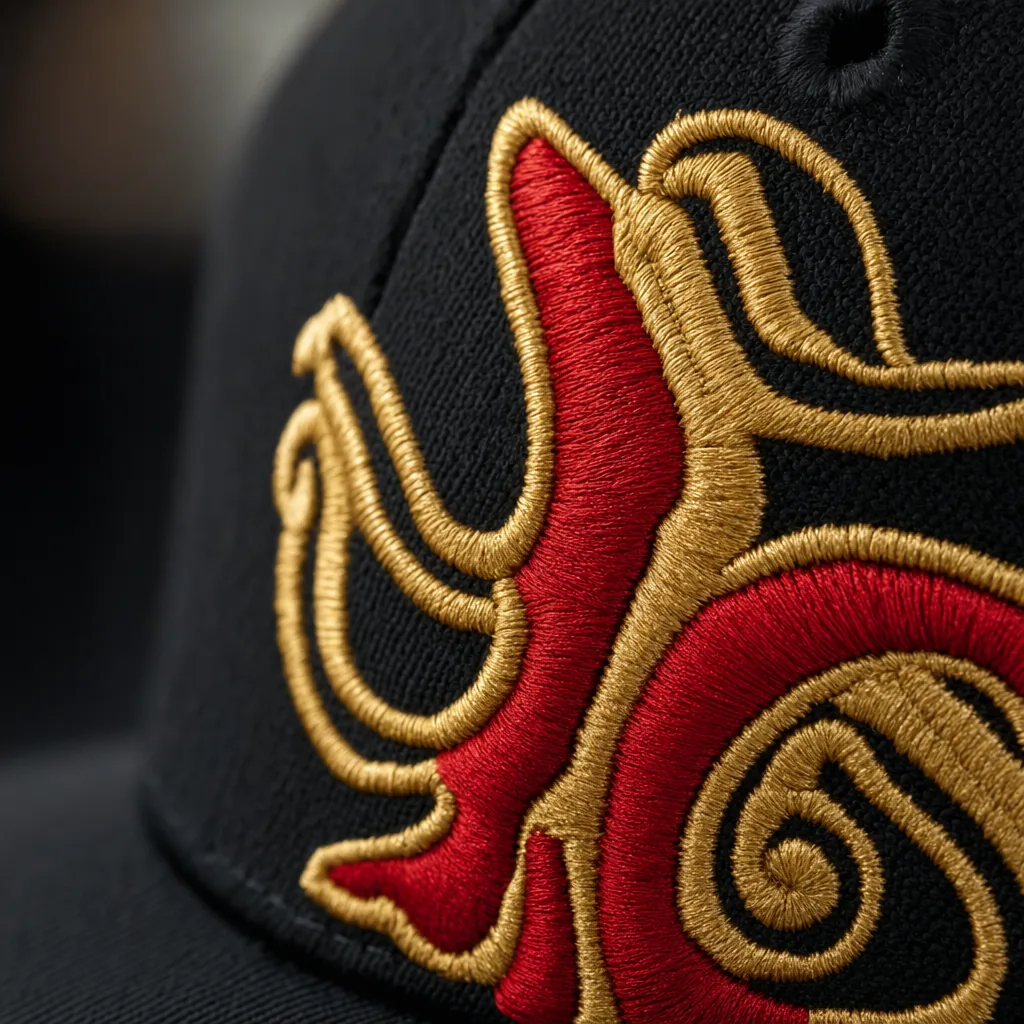
Hat With Patch Supplier Audit Checklist for Custom Hat Buyers
Read article →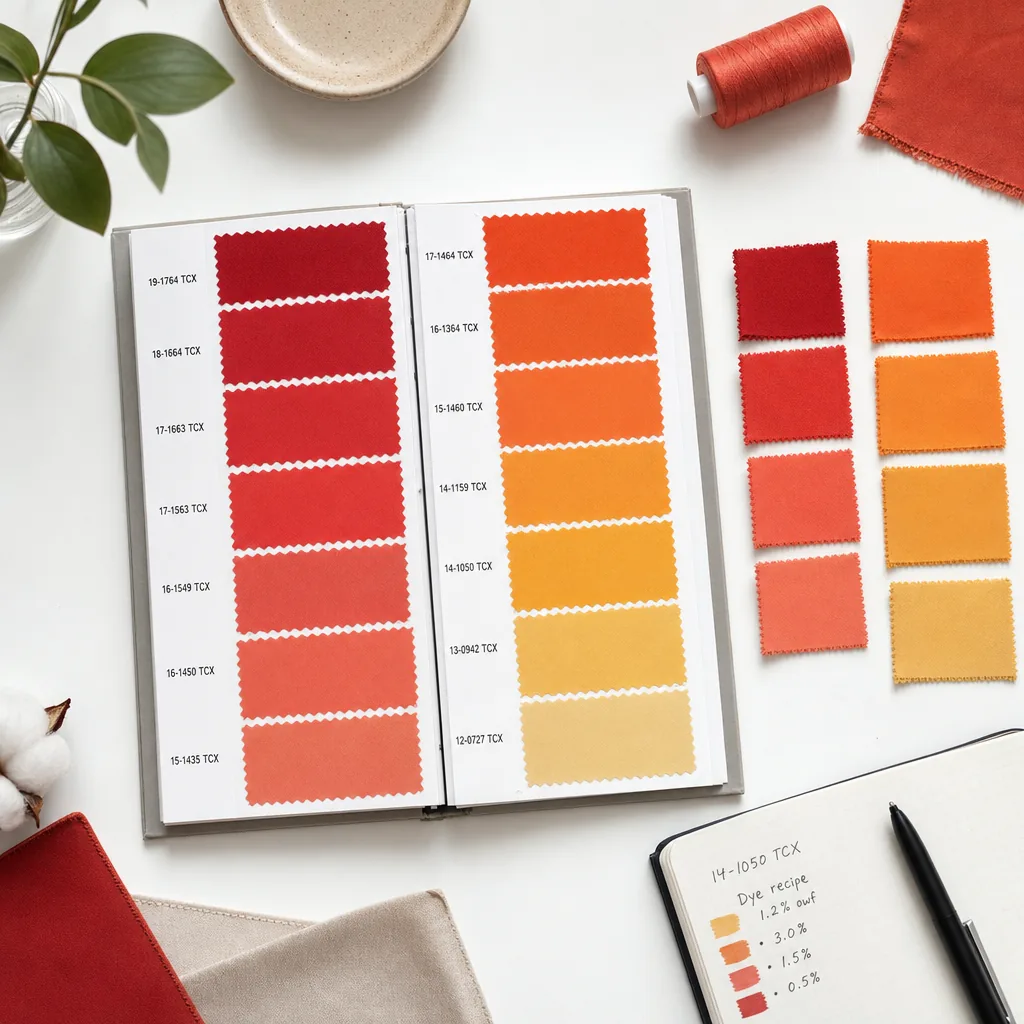
Pantone Color Matching for Custom Caps: A Manufacturer's Reference - 2026 Buyer's Guide
Read article →
Custom Hats for Corporate, Business and Branded Merchandise Programs
Read article →If you are ready to take the next step on custom made trucker hat: the 2026 sourcing & manufacturing playbook - 2026 buyer's guide - 2026 buyer's guide, our team can put a tailored quotation and digital mock-up in your inbox within 24 hours. Send the inquiry form on our contact page or message us directly on WhatsApp.