
Custom Logo Hats: When to Use It, Costs, and What to Ask Your Factory - Supplier Checklist (2026 Update) - 2026 Buyer's Guide (2026 Update)
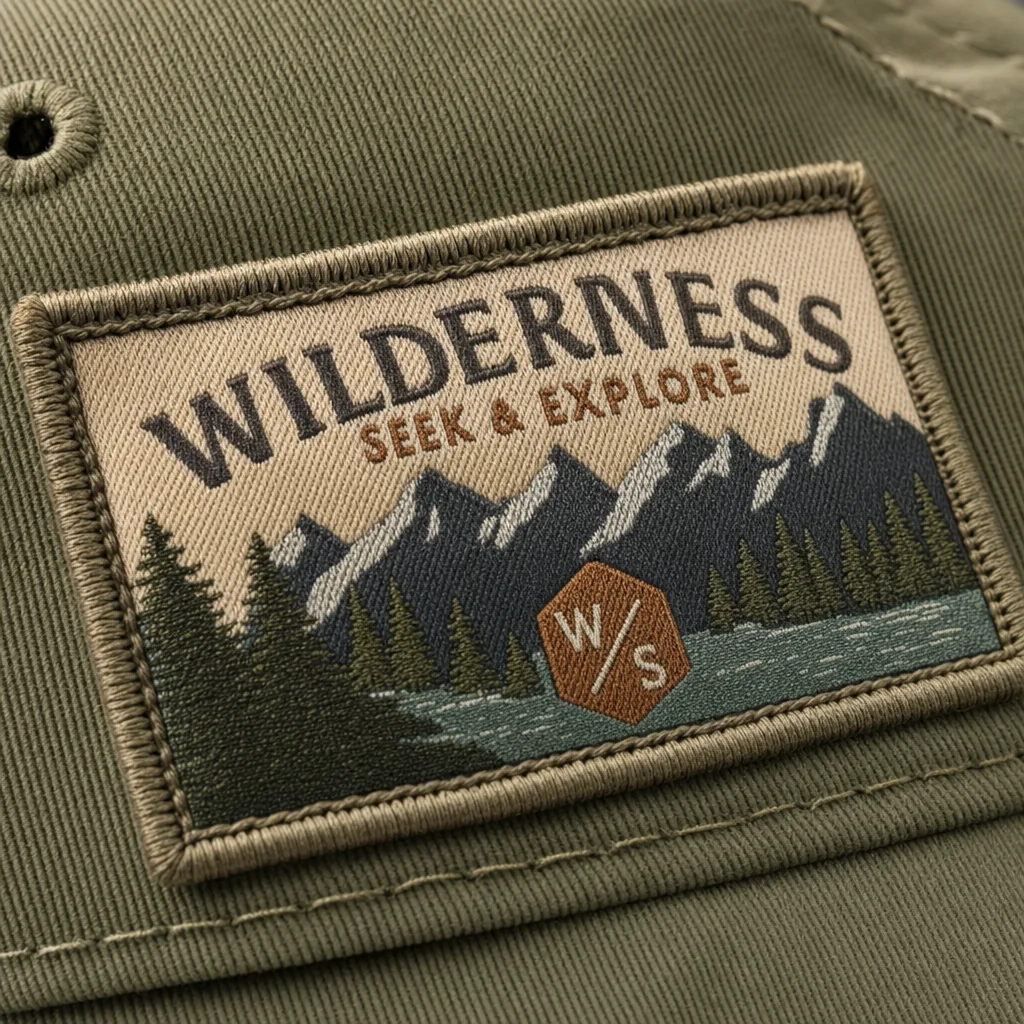
Every week, our sales team answers detailed questions about custom logo hats: when to use it, costs, and what to ask your factory - supplier checklist (2026 update) - 2026 buyer's guide (2026 update). We wrote this guide so that wholesalers, streetwear brands, corporate buyers and promotional resellers can compare options with full information, and avoid the traps that show up only after production has started.
Custom Embroidered Patches
Embroidered patches make sense on custom logo hats when the cap body cannot hold clean direct embroidery. Washed cotton twill, 21-wale corduroy, brushed canvas, foam trucker fronts, and unstructured 5-panel nylon all tend to tunnel, pucker, or show poor edge definition once stitch density climbs. A separate patch solves that by moving the logo onto a stable substrate: usually 100% polyester twill at 180-220 gsm, or acrylic/wool felt at 1.5-2.0 mm for a softer hand. Most factories run patches on Tajima, Barudan, or ZSK heads with 120D/2 polyester thread because colorfastness is better than rayon in wash and sweat testing. If your artwork is above roughly 8,000-10,000 stitches, includes multiple color stops, or uses short satin columns under 1.2 mm, patching is often cleaner and faster than fighting distortion on the actual cap front. Border construction affects readability and yield more than most buyers expect. Merrowed edges are durable and forgiving, but they add about 2.5-3.5 mm of visible border, so fine shapes get visually heavier. Laser-cut or heat-cut edges preserve tight contours and small negative spaces, but poor settings can leave fused edges, yellowing on light twill, or weak sealing that starts fuzzing after abrasion. For raised looks, ask whether the factory is using standard fill, satin, or a 2-3 mm EVA underlay; too much foam under a patch can create a cheap badge effect on low-profile caps. In production, patch consistency is usually easier to control than front-panel embroidery because the patch can be inspected flat before attachment, which catches edge fray, registration drift, and thread breaks before the cap ever reaches sewing.
The common failure is ordering an “embroidered patch” without writing a real spec. Lock the finished size in millimeters, ground fabric, border type, backing, attachment method, coverage target, Pantone TCX or solid coated reference, and acceptable color tolerance before sampling. On small artwork, set minimum readable detail in hard numbers: lines below 0.8 mm, gaps below 0.7 mm, and text under 4 mm cap height usually need redraw work or they will close up once fill spacing gets down near 0.40 mm. If color matters, approve under D65 lighting and set a Delta-E tolerance, because cell phone images hide thread shift badly, especially on navy, charcoal, and athletic red. For custom logo hats sold at retail, I’d also require a strike-off photo next to the approved swatch card, not just a digital mockup. Costs are straightforward if the spec is complete. A basic 60 x 30 mm twill patch with 70-85% stitch coverage usually runs about $0.22-$0.45 at 500 pieces in China; a 90 x 50 mm patch with dense fill, laser-cut edge, and multiple color changes is more realistically $0.45-$0.95. Attachment adds another $0.08-$0.18 per cap for sew-on, a bit less for heat-press, though I only trust heat-press on promotional runs or styles that will not be washed hard. QC should be run separately for patch making and patch application, typically at AQL 2.5, with placement tolerance called out on the cap tech pack. On adult caps, ±2 mm left-right and ±2.5 mm vertical from the approved sample is realistic; tighter than that is possible, but only if the sewing guide and crown shape are controlled well. Our standard practice at CrownsForge is to treat the patch as its own BOM line item because edge sealing, threadfastness, and off-center placement cause more claims than obvious embroidery defects.
Custom Hat with Patch
Patch construction should be driven by artwork limits, not by what the sewing line prefers. For custom logo hats, patches outperform direct embroidery when the design has distressed texture, tonal gradients, or copy below roughly 3 mm letter height. In production, the real choice is usually embroidered twill, woven damask, or printed patch on twill, microfiber, TPU, or PU leather. Embroidered patches hold up well but lose clarity on tight counters and thin serifs; woven patches keep sharper edges because the detail comes from denier and pick density rather than stitch penetration. Printed patches solve camouflage, photographic fades, and low-contrast vintage graphics that would otherwise push stitch count too high and make the front panel stiff. Attachment method is where many factories cut corners. A merrow edge is durable, but the 2.5-3.0 mm border adds bulk and can look heavy on low-profile 6-panels. Satin-stitch borders sit flatter, but if the density is too aggressive they will pucker washed chino or deform soft brushed cotton fronts. On structured caps and foam truckers, the cleanest process is sewing the patch to the front panel before crown assembly, which keeps placement within ±2 mm from center crease. On unstructured dad hats, many lines attach after assembly for speed, but that is where you see skew, tunneling, and needle drag on curved crowns. If the patch is heat-sealed only, expect more corner lift after carton compression and hot-season container transit; stitched attachment is safer for retail-grade goods.
Your tech pack needs to lock down more than logo art. Specify patch type, finished size in mm, edge finish, backing, base fabric, attachment method, and placement tolerance from crown center. For embroidered patches, I would call out 100% polyester twill at 210-240 gsm, polyester thread matched to Pantone TPG or TCX reference, and border width if merrow is used. For woven patches, ask for denier, pick count, and edge treatment, because those three points determine whether small text stays readable after sewing and laundering. If brand color matters, require a physical strike-off and set Delta-E at 1.5 max against the approved standard; reds, bright oranges, and near-black navies are the shades that drift most between dye lots. Cost is usually driven more by patch complexity than by the cap shell. At 300-500 pieces, a brushed cotton dad cap with a basic embroidered twill patch is commonly $2.20-$3.40 FOB China, while a structured trucker with a woven patch is more often $2.80-$4.20 FOB. TPU, reflective print, faux leather, or hook-and-loop removable patches typically add $0.35-$1.20 per cap, plus $30-$120 for tooling or setup if a mold or custom die is needed. Inspect patch caps at AQL 2.5 with specific checkpoints for left-right placement symmetry, loose thread ends, border consistency, bubbling, and corner lift after pressure packing. Our standard practice at CrownsForge is to approve both the loose patch strike-off and the sewn cap sample, because plenty of patches look fine flat and then fail once crown curvature, seam tension, and visor packing come into play.
Custom Patch for Hat
Use a patch when the logo cannot survive direct embroidery on a curved crown. Small text below 3 mm cap height, broken outlines under 0.4 mm, distressed fills, and large negative space almost always read cleaner as a woven patch, flat embroidered patch, sublimated twill badge, or molded TPU/PVC emblem than as satin stitch on the front panel. This matters most on 5-panel foam truckers, dad caps, and other low-profile unstructured styles where stitch tension pulls the crown and causes tunneling, grin-through, or panel distortion. For custom logo hats that need a sharp retail look, I would rather add one controlled process step than force a bad embroidery file onto a weak front panel. Attachment method is where many factories cut corners. Adhesive-only patches are acceptable for short-life promo caps, but not for team issue, resort uniforms, or workwear that sees sweat, UV, and repeated flexing. Sewn attachment, or sew plus heat press for placement control, gives a much better failure rate in wash and wear testing. The patch spec should be written as tightly as the cap spec: finished size in mm, edge finish, base material weight, woven label denier or twill gsm, backing type, stitch coverage, and approved location with ±3 mm placement tolerance. On color, use Pantone TCX for textile patches and Pantone C for PVC; Delta-E under 2.0 is realistic on stable thread lots, while suede and textured woven grounds usually need a wider tolerance.
Cost is driven more by patch construction than by the hat shell itself. At 300 to 500 pieces FOB China, a brushed cotton twill cap with a standard embroidered or woven patch typically lands around $2.40 to $4.80, depending on patch size, stitch count, closure, and whether the patch is sewn before or after cap assembly. PVC, multilayer applique, microfiber suede, or oversized patches above 70 mm wide usually push the finished cap into the $4.20 to $6.90 range, and new PVC molds commonly add $80 to $150 per design. Attached patch programs run most efficiently at 144, 288, or 576 units per colorway because sewing, pressing, trimming, and final inspection need line balance; patch-only MOQs can start at 100 pieces, but that does not mean the finished cap line is efficient at 100. The defects are predictable, so buyers should write inspection around them. The big ones are off-center placement, open merrow joins, glue bleed on light twill, loose jump stitches, needle cuts on lightweight 8 to 10 oz cotton, and patch edges lifting after crown flex. Inspect to AQL 2.5, but do more than a tabletop visual check: pull-test stitched corners, flex the front panel 10 to 15 times, and verify peel strength on heat-applied patches after a 24-hour cure, not straight off the press. Our standard practice is to log embroidery head type—Tajima, Barudan, or ZSK—plus thread brand, backing thickness, needle size, and press temperature on the PPS, because patch failures often appear only after the badge is mounted to a curved crown. That is the real filter for custom logo hats: not whether a patch is fashionable, but whether it improves logo legibility enough to justify an added defect point.
Custom Patch Hat
Use a patch when the logo is too fine or too unstable for direct embroidery. On a Tajima, Barudan, or ZSK cap frame, outlines under 0.6 mm, negative space below about 0.8 mm, gradients, distressed grain, and text under 4.5 mm cap height usually collapse into unreadable thread mass once you factor in pull, push, and cap curvature. For retail-grade custom logo hats, woven patches made in 50D to 75D yarn deliver the sharpest small typography and linework; they routinely outperform direct embroidery on badge-style logos, script marks, and seals. If the brand wants dimension instead of precision, molded PU at 0.8 to 1.2 mm with debossed detail and 1 to 2 spot fills is more reliable than trying to fake depth with dense satin columns. Embroidered patches still make sense, but mostly for texture and a heritage look, not for fine detail.
Attachment method matters as much as patch type. A merrow edge is durable but visually heavy, so it fits truckers, team caps, and athletic silhouettes better than minimalist 6-panel streetwear styles. Laser-cut or heat-cut woven patches with a narrow satin perimeter look cleaner on structured cotton twill crowns, while sew-on PU needs careful needle selection to avoid puckering or edge lift. Placement tolerance should never be left to the sewing line: center-front drift beyond 2 mm or angle deviation over 1.5 degrees is obvious, especially on 5-panel foam truckers where the patch sits on a flat visual field. At CrownsForge, we treat front patch symmetry as a critical appearance point and confirm first-off placement with a jig and a ruler-in-frame approval photo before bulk runs.
Do not sign off a tech pack that says only "front patch." Lock the patch material, finished size in mm, edge finish, backing, attachment method, thread color by Pantone TCX or coated PMS, and exact placement from visor seam and center line. Also call out the crown construction and shell fabric because attachment performance changes by substrate: 210 to 260 gsm cotton twill handles sew-on patches well, but brushed suede, corduroy, laminated foam, and 600D polyester can show needle marks, heat shine, or pressure distortion. If the patch is heat-applied, ask for adhesive type, application temperature, dwell time, and peel-strength target; if sewn, specify SPI, thread spec, and whether the patch is pre-positioned on a fixture. Cost is driven more by patch construction than by the hat body: at 1,000 pcs, woven patches typically add $0.18 to $0.40 per cap, embroidered patches $0.25 to $0.55, and molded PU $0.45 to $1.20 depending on mold amortization and sew method. Typical 2026 FOB China pricing for stock-fabric custom logo hats with a front patch lands around $2.20 to $4.80, and patch placement, edge security, bubbling, adhesive bleed, and color drift above Delta-E 2.0 should all be checked as major points under AQL 2.5.
Custom Patch Hats
Lock the patch construction before approving the cap pattern; it changes crown behavior, not just decoration. On custom logo hats, the four patch formats buyers actually use are merrowed embroidered, laser-cut twill, woven, and molded PVC or TPU, and each one puts different stress on the front panel. Merrowed patches look right on structured 6-panel caps and truckers, but on low-profile unstructured crowns they often bridge at the side seams or lift at the bottom corners unless you keep them around 55-70 mm wide and give the panel real support with buckram or fused backing. Woven patches outperform direct embroidery once copy drops below roughly 4 mm cap height or when line weight falls under 0.8 mm; direct stitching simply fills in. PVC and TPU are better for workwear and outdoor programs because they resist oil, rain, and abrasion, but they add thickness and can make a soft crown collapse awkwardly if the patch is oversized. The attachment method is where good samples separate from problem bulk. A competent factory runs embroidered patches separately on Tajima, Barudan, or ZSK heads, trims them clean, then applies them with a post-bed or cylinder-bed machine so the perimeter follows the curve of the crown without twisting the panel. For woven or sublimated patches, heat press adhesive alone is not retail grade; carton compression and summer-container heat will expose edge lift fast. A sewn perimeter or hidden tack stitch holds far better in transit and after wash tests. Patches also make more sense than direct front embroidery when the artwork is badge-shaped, has multiple color breaks, or needs to stay consistent across custom logo hats, beanies, jackets, and bags without re-digitizing each substrate.
An RFQ that only says "front patch" wastes sampling time. Specify patch type, finished size in mm, edge finish, backing, weave density or stitch coverage, attachment method, placement tolerance, cap shell fabric, and whether the front panel is buckram-backed or lightly fused. A usable callout is: 65 x 45 mm woven patch, merrowed edge, 100 denier face yarn, black nonwoven backing, perimeter sewn with 1.5-2.0 mm margin, centered on wearer axis within +/-2 mm, Pantone TCX match with Delta-E under 2.0 under D65 light. If the shell is lightweight performance polyester at 110-140 gsm, ask how the panel is stabilized; a dense patch on unsupported fabric will pucker, especially below the eyelets and near the lower patch corners. Pricing in 2026 is driven by both cap construction and patch process. For 144-300 pieces per colorway, realistic FOB Yiwu or Ningbo ranges are about $1.60-$2.40 for a brushed cotton twill baseball cap with a standard embroidered patch, $2.20-$3.40 for a trucker with woven or sublimated patch, and $3.20-$5.20 for molded PVC patch hats, assuming normal trims and one-location branding. Costs move quickly if you add heavy enzyme-washed fabrics, snapback upgrades, or oversized patches above 75 mm. The bigger risk is quality drift in bulk, not artwork approval: skewed placement, edge lift, glue bleed, needle cuts at the perimeter, and crown distortion from over-dense sewing are the failures I see most often. Our standard practice is inline approval after the first 20 pieces and final inspection at AQL 2.5, checking symmetry on a head form rather than flat-packed on the table.
Hat Patch Custom
Patch construction is the first cost lever to lock, because it drives both appearance and failure rate on custom logo hats. The practical options are merrowed embroidered patch, laser-cut satin-stitch patch, woven patch, molded PVC patch, and printed twill or sublimation patch. Embroidered patches still dominate sports, workwear, and promotional caps, but they are the wrong tool for fine detail: text under roughly 3 mm cap height or thin inline strokes will close up unless the digitizing is built specifically for patch density, underlay, and border compensation. Woven patches hold cleaner detail for small serif text, map lines, and multicolor crests because the image comes from yarn construction—typically 50D to 75D polyester—rather than thread pile. PVC is the better outdoor choice if the hats will see sweat, abrasion, or UV, but mold charges usually start around $80 to $150 per design and rise quickly for layered 2D or 3D artwork. On typical China production, a simple sewn embroidered patch may add about $0.28 to $0.55 per cap at 500 pieces, while custom PVC often lands closer to $0.60 to $1.20 before any mold amortization.
The cap body matters just as much as the patch. A 2.5 mm to 4.0 mm PVC or leatherette patch can distort an unstructured 6-panel dad cap in 180 to 220 gsm cotton twill, especially if the front panel has no buckram. The same patch usually sits flat on a structured trucker, pro-style snapback, or 5-panel rope cap with firm front support. For small left-front placements, laser-cut satin-stitch patches are usually cleaner than merrow borders because they avoid bulky edge buildup that causes waviness on the crown curve. If the artwork crosses a center seam, I usually steer buyers toward woven patches or direct embroidery; thick patch application over a seam is where you see tunneling, uneven edge tension, and poor shelf presentation. A usable quote needs a real spec sheet: patch size in millimeters, placement tolerance, border style, backing, attachment method, and color standard. Call out Pantone TCX for textile bases and Pantone Solid Coated for thread, ink, or PVC, and write the tolerance into the PO—Delta-E under 2.0 is realistic for visible logo colors. Our standard practice is to inspect patch hats to AQL 2.5, with major defects defined upfront: more than 3 mm tilt from centerline, edge lifting after 24 hours, exposed adhesive, unreadable text against approval, or bubbling on structured fronts after heat application.
Working with CrownsForge for custom logo hats programs
The costly failures in custom logo hats happen upstream, at pre-production, when the buyer signs off the wrong silhouette, underestimates stitch density, or approves a color callout without defining tolerance. On stocked 6-panel baseball caps, truckers, and dad hats, a competent factory should turn a first counter sample in 7 to 10 calendar days; once you add a new crown profile, custom visor curve, enzyme wash, suede brim, or heavy buckram spec, 12 to 18 days is the real number. Artwork for direct embroidery needs to be digitized in Wilcom or Tajima DG16 and run on the actual shell fabric, not a random twill scrap, because a 40 wt polyester thread column that looks clean on 210 gsm poly twill can sink, spread, or pucker on 270 gsm brushed cotton or pigment-dyed chino. If the logo has fine text, test it at production size on a Tajima, Barudan, or ZSK head before approving the strike-off; most detail failures are visible there, long before cutting starts.
Patch development should run in parallel, not sequentially. If the artwork is borderline for direct embroidery, approve the embroidery digitizing within 24 to 48 hours while also sampling a merrowed patch, satin-edge patch, woven patch, and laser-cut heat-seal version. That usually saves 5 to 7 days versus the common factory habit of trying one decoration method, discovering the letters close up below about 4 mm cap height, and then restarting from zero. MOQ flexibility is less important than setup economics: many factories will quote 144 to 300 pieces per colorway on stocked bodies, but FOB pricing usually gets rational at 500 pieces once digitizing, trim sourcing, carton ratios, and line changeover stop distorting the cost. On a standard chino twill cap, a patch generally adds about $0.28 to $0.95 FOB depending on size, edge finish, backing, and attachment method such as flat stitch, zig-zag, or heat press plus security stitch.
The control points worth paying attention to are boring, technical, and absolutely where programs succeed or fail. Lock Pantone references as TCX for textiles or coated/uncoated for print components, and define an acceptable Delta-E tolerance before bulk dyeing; if that is left vague, the argument always starts after sewing. Ask for current sedex-audit-cap-supplier-guide.html">BSCI 2.0 or Sedex SMETA 4-Pillar audit reports, then verify the factory’s final inspection standard is AQL 2.5 with clear major/minor defect criteria for embroidery alignment, panel symmetry, sweatband joins, and visor shape. Our standard practice at CrownsForge is to reconcile carton count, assortment ratio, and overrun before release, while keeping needle logs and arranging metal detection when the customer spec requires it. For custom logo hats shipping under FOB, CIF, or DDP, those controls matter more than a flashy sample, because the real risk is not making one good hat; it is repeating the same hat 5,000 times without shade variation, skewed patches, or inconsistent crown height.
Frequently Asked Questions
What is the minimum order quantity (MOQ) for custom hats?
Our standard MOQ is 100 pieces per design and color, with sampling available from 1 piece. For complex multi-color logos or premium fabric upgrades, the MOQ can be lowered with a small per-piece surcharge.
Do you support sustainability certifications?
Yes. We work with GOTS organic cotton, GRS-certified recycled polyester, OEKO-TEX Standard 100 fabrics, and are BSCI and Sedex audited. Certification documentation can be provided per order.
How long does production take?
Sampling takes 7 to 12 days. Bulk production runs 20 to 30 days depending on quantity, fabric availability and decoration complexity. Inspection and packing adds another 3 to 5 days before shipment.
What logo decoration techniques do you offer?
3D puff embroidery, flat embroidery, woven patch, leather patch, PVC patch, screen printing, sublimation, applique and laser etching, all in-house with no subcontracting.
Can I order a sample before bulk production?
Yes. We strongly recommend approving a pre-production sample before mass production. Samples are charged at 35 to 60 USD each plus express shipping, fully refundable against confirmed bulk orders over 500 pieces.
How does ordering custom embroidered logo hat work?
When evaluating custom embroidered logo hat, the key considerations are construction quality, decoration capability, MOQ flexibility and lead time. Cover everything buyers ask about custom embroidered patches: how it's manufactured, what specs to request from a factory, typical MOQ and pricing, common quality issues to inspect for, and how this ties back to the broader custom logo hats sourcing decision. Cover everything buyers ask about custom hat with patch: how it's manufactured, what specs to request from a…
How does ordering custom hat leather patch work?
When evaluating custom hat leather patch, the key considerations are construction quality, decoration capability, MOQ flexibility and lead time. Cover everything buyers ask about custom hat with patch: how it's manufactured, what specs to request from a factory, typical MOQ and pricing, common quality issues to inspect for, and how this ties back to the broader custom logo hats sourcing decision. Cover everything buyers ask about custom patch for hat: how it's manufactured, what specs to request from a factory,…
How does ordering custom embroidered baseball hats work?
When evaluating custom embroidered baseball hats, the key considerations are construction quality, decoration capability, MOQ flexibility and lead time. Cover everything buyers ask about custom embroidered patches: how it's manufactured, what specs to request from a factory, typical MOQ and pricing, common quality issues to inspect for, and how this ties back to the broader custom logo hats sourcing decision. Cover everything buyers ask about custom hat with patch: how it's manufactured, what specs to request from a…
What's the MOQ for custom embroidered patches no minimum?
When evaluating custom embroidered patches no minimum, the key considerations are construction quality, decoration capability, MOQ flexibility and lead time. Cover everything buyers ask about custom embroidered patches: how it's manufactured, what specs to request from a factory, typical MOQ and pricing, common quality issues to inspect for, and how this ties back to the broader custom logo hats sourcing decision. Cover everything buyers ask about custom hat with patch: how it's manufactured, what specs to request from a…
Ready to start your custom hat project?
Send us your tech-pack, sketch or even just an inspiration photo. We will respond with a detailed quotation and digital mock-up within 24 hours.
Request a free quoteRelated guides
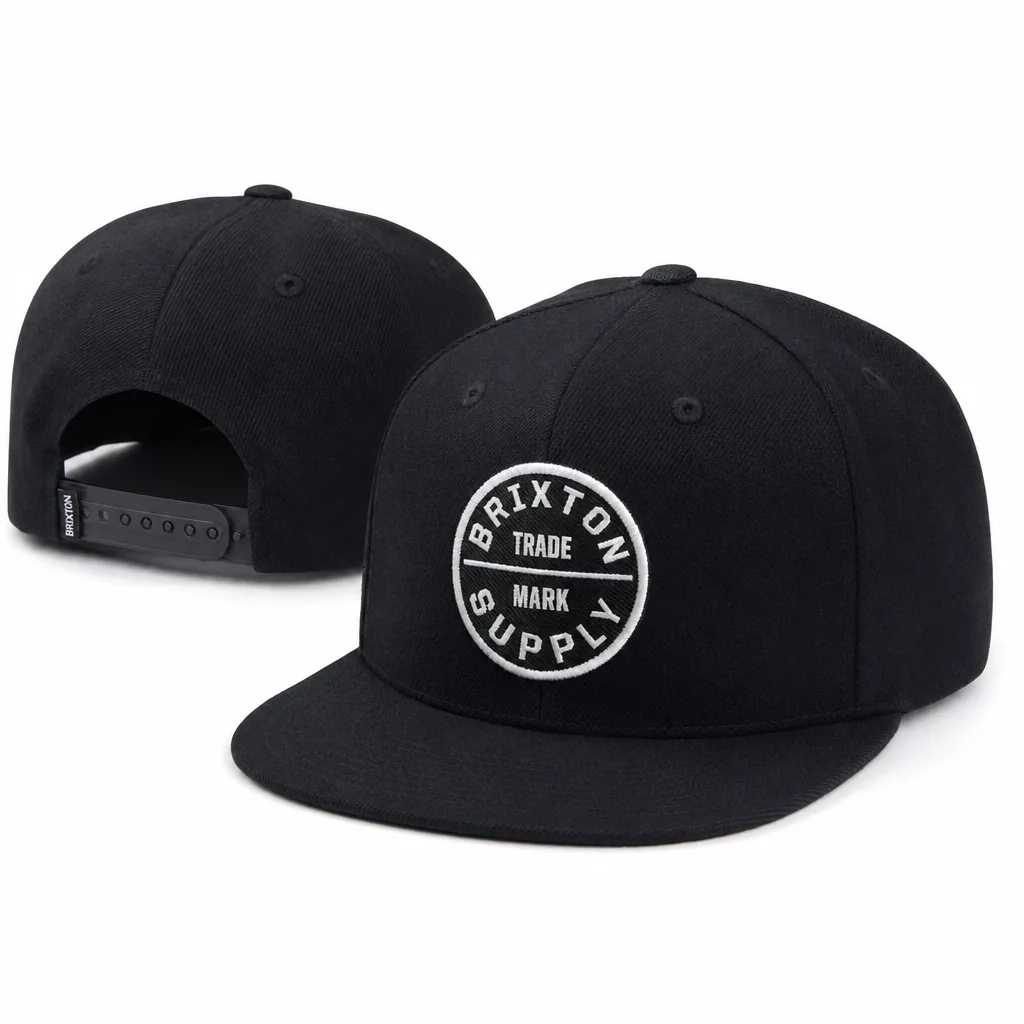
Fitted Hats Custom: A Vertical-Specific Sourcing Guide
Read article →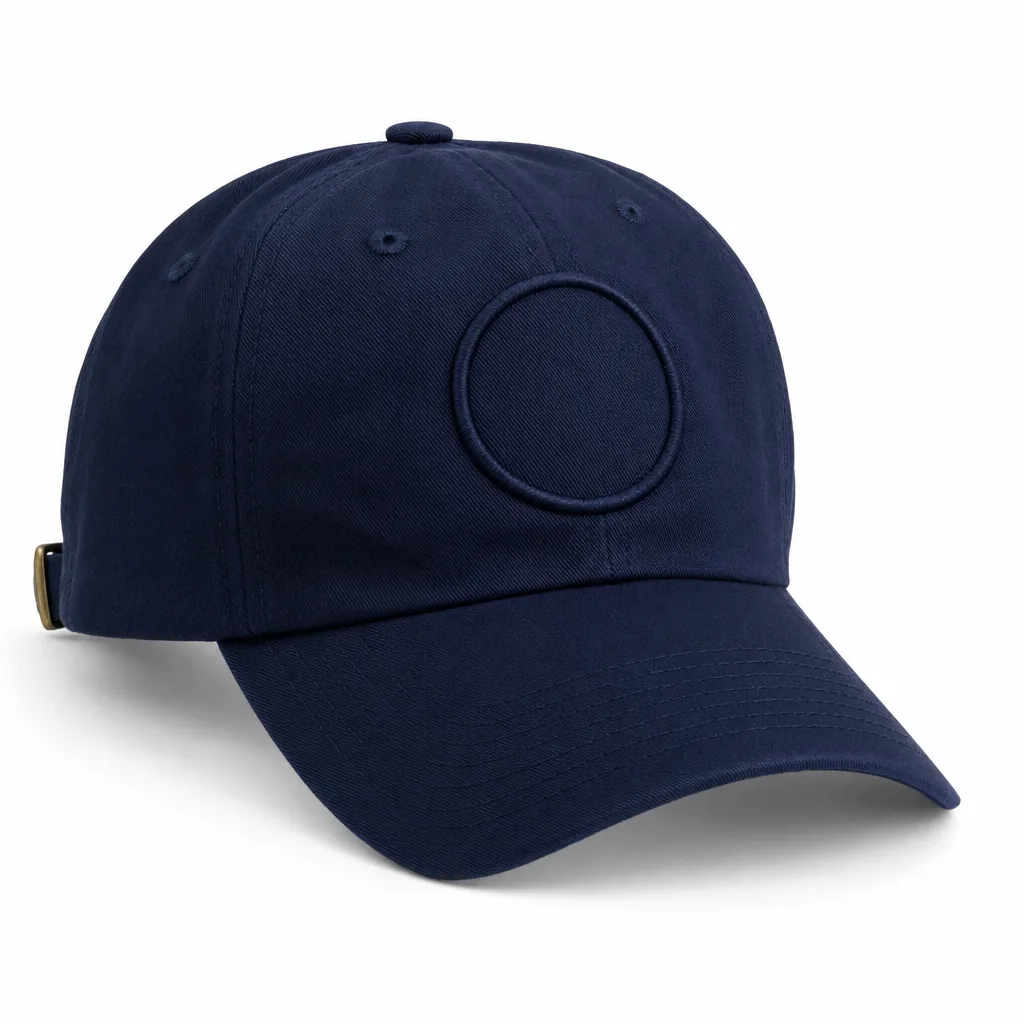
Custom Made Trucker Hat: The 2026 Sourcing & Manufacturing Playbook - 2026 Buyer's Guide - 2026 Buyer's Guide - 2026 Buyer's Guide
Read article →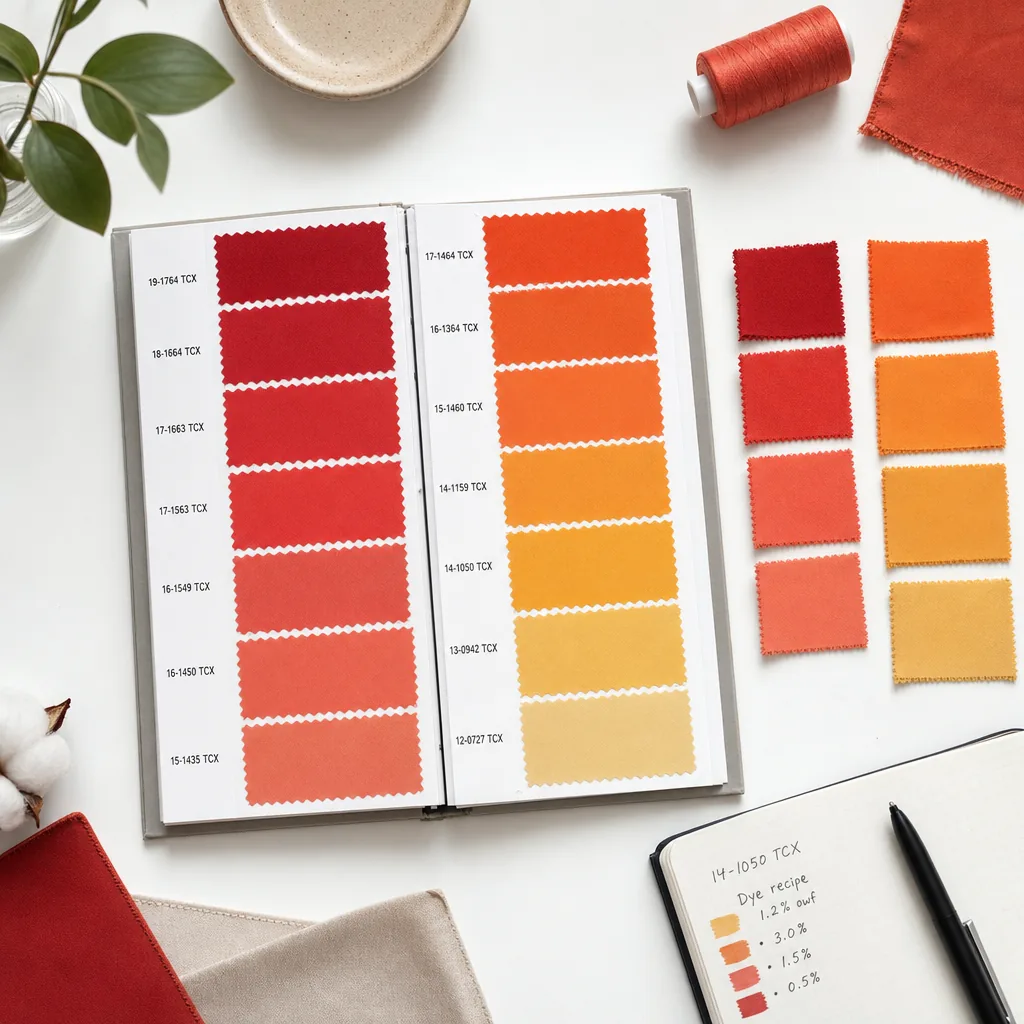
Pantone Color Matching for Custom Caps: A Manufacturer's Reference - 2026 Buyer's Guide
Read article →We hope this guide demystifies custom logo hats: when to use it, costs, and what to ask your factory - supplier checklist (2026 update) - 2026 buyer's guide (2026 update) and helps you move forward with confidence. If you have questions specific to your project, our English-speaking sales engineers are one message away.