
Custom Logo Hats: When to Use It, Costs, and What to Ask Your Factory - Cost & MOQ Breakdown
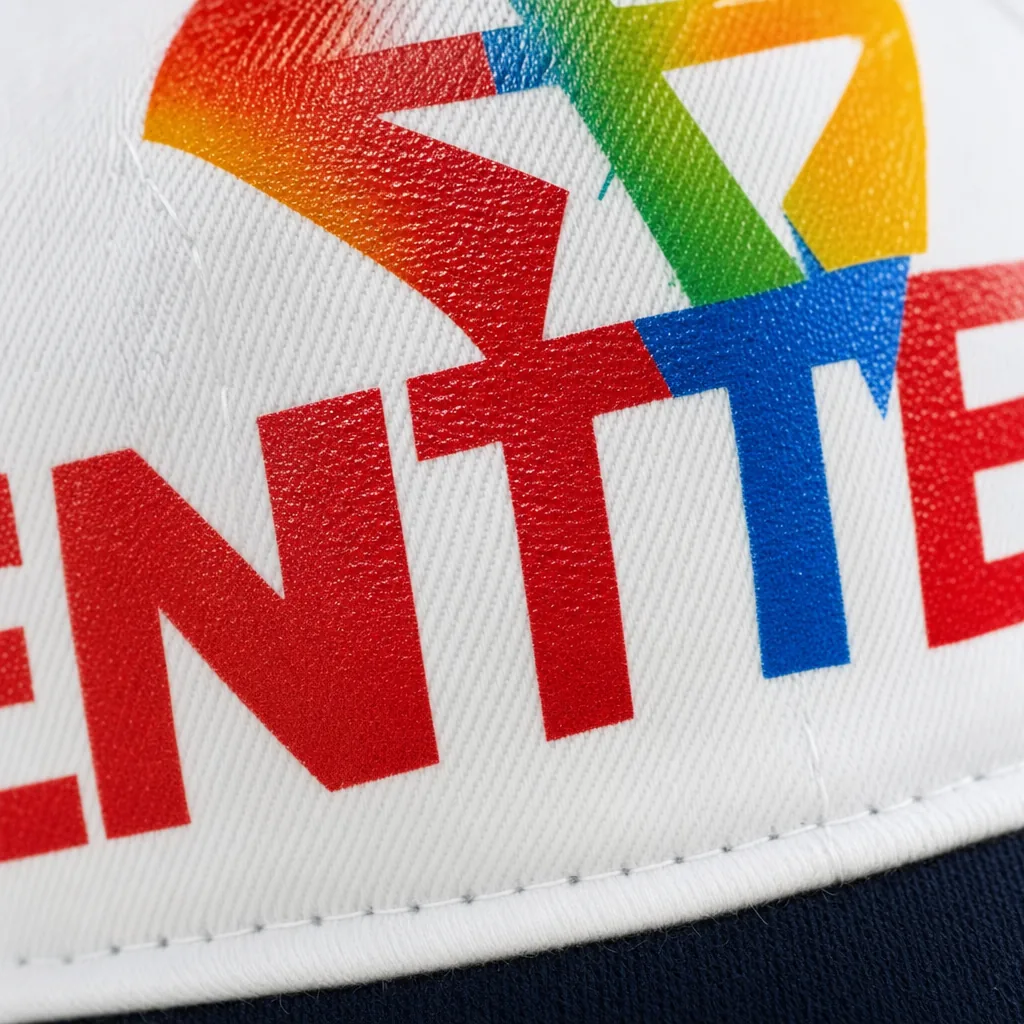
Custom Logo Hats: When to Use It, Costs, and What to Ask Your Factory - Cost & MOQ Breakdown is one of the most-asked questions we receive from international buyers, and for good reason. With dozens of factories competing for your order and an alphabet soup of technical terms in every supplier quote, even experienced importers can feel lost. This guide consolidates what we have learned producing custom hats for clients in 40+ countries.
Custom Embroidered Patches
Embroidered patches earn their place on custom logo hats when direct embroidery would fail: hairline outlines under about 0.8 mm, distressed varsity artwork, or licensed-team crests with too much fill density for a front panel to carry cleanly without puckering. The patch is typically built on 100% polyester twill, wool-blend felt, or 10-12 oz duck canvas, embroidered on Tajima, Barudan, or ZSK multi-head machines, then finished with a merrow edge, satin border, or laser-cut edge for irregular silhouettes. A usable tech pack needs five exact callouts: base fabric, finished size in mm, border type, backing, and estimated stitch coverage. Those specs drive bulk, hand feel, sewability, and unit cost more than the logo artwork itself. For color-controlled programs, submit Pantone Solid Coated or Pantone TCX references and approve a physical thread card or strike-off; polyester thread can visibly drift from the cap shell even when the fabric lab dip is acceptable, so many retail programs hold thread matching around Delta-E 2.0-2.5. Attachment method is where buyers routinely underquote the job. A 57-76 mm embroidered patch may cost only $0.28-$0.90 at 500-3,000 pieces, plus a $15-$40 digitizing fee, but attaching it to the hat adds another $0.18-$0.45 per cap for alignment, handling, and sewing or heat application. Sewn patches are the most reliable for abrasion and wash performance; heat press is faster, but on curved crowns it is less forgiving and can leave edge lift if temperature, dwell time, or pressure is off. On structured 6-panel caps, a combo method—temporary heat tack plus perimeter sewing—usually gives the cleanest placement. Patch MOQ may be 100-300 pieces, but realistic MOQ for finished hats is more often 144 pieces per colorway once cap sewing, patch production, and finishing are scheduled together. Velcro hook backing, layered felt, mixed-media tabs, and custom die-cut shapes can raise cost fast and slow line output by 10%-20%.
Most failures show up at sampling and final inspection, not on the quotation sheet. Merrow borders do not like tight inside curves, laser-cut edges can brown or fray if the heat setting is off, and text below roughly 3 mm cap height often closes up after pull compensation and underlay are added in digitizing. Always approve a pre-production sample at actual size on the real cap body, not an enlarged artwork proof. Check centering tolerance, skipped stitches, border consistency, crown distortion, and attachment security. On softer unstructured caps—especially washed cotton twill under about 220 gsm or lightweight nylon—an overly stiff patch base can print through the front panel or collapse the crown shape. For bulk inspection, AQL 2.5 is the practical standard, with special attention to patch placement, loose thread trimming, and a tape-pull or light hand-stress test on attachment points. Our standard practice is to flag front placement tolerance beyond +/-2 mm on retail programs, because even small drift is obvious on centered logos. If the brief is rugged dimension, vintage character, or cleaner separation between color blocks, patches usually outperform flat embroidery. If the buyer's priority is lowest unit cost, fastest repeats, and minimal setup, direct embroidery is normally the better choice.
Custom Hat with Patch
Patch hats get misquoted because they are not one process; they are a cap plus a separate badge program with its own MOQ, lead time, and failure points. A merrowed embroidered patch, laser-cut twill applique, woven label patch, debossed leatherette, and molded PVC badge all behave differently once they are sewn onto a curved crown. On soft unstructured custom logo hats in 220-260 gsm cotton chino twill, a thin woven patch around 0.6-0.8 mm usually sits flat and keeps fine detail clean. A PVC badge at 2.0-2.5 mm looks strong on a structured trucker or snapback with buckram, but it can telegraph ripples on a dad cap front. If the logo includes text below roughly 4 mm cap height, woven patches or direct embroidery will normally read better than a merrowed embroidered badge, because satin columns start to crowd and the edge border eats usable area. The practical reason to choose a patch is material contrast and edge definition, not because it is automatically more premium. Patches work when you want a sharp silhouette, mixed materials, or a higher-relief look that direct embroidery cannot deliver on its own. They are also useful when the art needs a clean cutline or a separate substrate such as felt, suede microfiber, or reflective twill. But buyers should understand the tradeoff: every extra process adds cost and QC risk. In Zhejiang, a stock 6-panel cotton twill cap with a standard embroidered or woven patch is typically about $2.40-$3.90 FOB at 144-300 pieces per color, assuming normal inside tape and swing tag. Move to custom shell fabric, printed seam tape, private label set, or PVC and leatherette badges, and the workable MOQ usually shifts to 300-500 pieces with FOB pricing closer to $4.80-$7.50.
A factory should quote patch caps from a real tech pack, not a low-resolution logo pulled from WhatsApp. The minimum spec should include cap profile, crown height, visor shape, closure type, shell fabric composition, fabric weight, sweatband material, patch size in millimeters, border construction, backing, attachment method, and Pantone TCX references for all visible components. If there are dyed trims or matching fabric tabs, set a color tolerance target up front; Delta-E 2.0-2.5 is a practical approval range for most programs. Ask what equipment is being used for the badge and attachment process as well. Tajima, Barudan, and ZSK heads can all produce solid embroidery, but the result still depends on digitizing, stitch density, underlay, and whether the patch is sew-down or heat-applied. QC is where patch-based custom logo hats either hold value or start looking cheap in one shipment. The defects I watch first are patch placement drifting more than 2-3 mm off center, puckering along the stitch line, corner lift after pressing, merrow edge fray, and visible thread mismatch under a D65 light box. I would inspect these orders at AQL 2.5 and confirm whether badges are attached pre-assembly or post-assembly. Pre-assembly application usually gives better alignment and cleaner sewing on structured fronts, while post-assembly is faster for small runs but variation is higher because the operator is sewing onto a formed crown. The safest approval flow is loose patch sample first, then a finished wear sample, because a badge that looks perfect flat can distort once wrapped over a curved buckram panel.
Custom Patch for Hat
A patch is the right answer when custom logo hats need fine detail, mixed materials, or a logo that would stitch poorly straight into the crown. My rule on the floor is simple: if copy drops under roughly 4 mm letter height, or the artwork has thin knockouts and tight negative space, a woven patch will usually reproduce it better than direct embroidery. Embroidered patches work when the logo is bold and needs raised texture; merrowed borders suit sport and promo caps, while satin-edge patches look cleaner on retail programs. The patch category matters: woven damask gives the sharpest definition, laser-cut twill suits block graphics, molded TPU or PVC handles wet-use and outdoor accounts, and PU leatherette gives a matte lifestyle look without thread bulk. Application also has to match the cap body. A structured 6-panel in 260 gsm brushed cotton twill or 300D poly can take a 90 x 50 mm front patch cleanly, but the same patch on an unstructured dad cap often tunnels or wrinkles unless panel tension and stitch path are adjusted during sampling.
Most tech packs for patch caps are too vague. Write the patch spec in millimeters, not inches; define border type, backing, attachment method, placement from crown seam, and tolerance. For premium custom logo hats, front-center placement should stay within +/-2 mm, because 3 mm drift is visible at first glance on a structured crown. Color control should be just as clear: thread, yarn, or molded badge color should reference Pantone TCX or coated Pantone as appropriate, and if the patch ground must match cap fabric, ask for bulk approval within Delta-E 1.5-2.0 against the signed swatch. Cost and risk move together. In China, practical MOQ is usually 144-300 pcs per colorway on standard cap bodies, with better FOB pricing at 500 pcs when patch production and cap sewing are scheduled together. A basic cotton twill cap with a sewn embroidered patch typically runs about $2.20-$3.80 FOB China at 300-500 pcs; woven, TPU, or PU patches usually push that to $3.20-$5.50, and custom molds can add $80-$250 in tooling. Inspect to AQL 2.5 minimum, and watch the usual failures: off-center placement, rotation, loose merrow, lifted heat-press corners, and crown puckering under thick badges.
Custom Patch Hat
Patch hats go wrong when buyers treat the badge and the cap as one operation. They are separate workflows with separate failure points. The patch is developed first—embroidered twill, woven damask, molded PVC, vegetable-tanned leather, PU leather, or sublimated poly—then attached to the finished crown by merrow stitch, satin stitch, lockstitch, or heat press. For custom logo hats, the tech pack needs factory-usable coordinates: patch size in mm, border type, backing, attachment method, and placement measured from the center front seam or visor stitch line. “Center chest” language from apparel specs does not translate to caps. On embroidered patches, ask which file format is being digitized for Tajima, Barudan, or ZSK heads, the estimated stitch count, and how fine elements will be simplified. In practice, text under 3 mm cap height starts filling in, and strokes below roughly 1.0 mm rarely stay clean on a standard embroidered patch; at that point, a woven label patch or high-density fill is usually the safer choice.
Most of the price movement comes from the patch method, not the base hat alone. At 300 pcs, a stock 6-panel cotton twill cap in the 240-280 gsm range with a front embroidered patch usually lands around $2.20-$3.40 FOB China. A woven patch version is more often $2.40-$3.80, genuine leather patch caps $3.20-$5.20, and molded PVC patch caps $3.80-$6.50 once mold charge, slower sewing, and extra handling are factored in. MOQ is typically 100-144 pcs per colorway on stock bodies, but that assumes one patch design, one placement, and one fabric program. Split the same logo across cotton twill, trucker mesh, and 70D nylon taslon, or move the patch from front crown to side panel, and efficiency drops fast because sewing setup, positioning, and rejection risk all change.
Inspection should start with the patch before the cap is judged. The common defects are edge fray on woven patches, uneven merrow density, glue bleed from heat-press backing, crooked placement, puckering on unstructured crowns, and edge lift when a flat badge is forced onto a curved front panel. A patch can look clean on the table and still tunnel or distort once sewn onto a low-profile dad cap or foam trucker. Our standard practice is to lock placement tolerance at +/-3 mm, review approval photos on the actual cap profile, and define a Pantone match target with a Delta-E limit when brand color matters. Patch application makes sense when direct embroidery cannot hold the art cleanly—small type, tonal layers, badge logos, or mixed-material branding—but the patch weight still has to match the hat structure. Use AQL 2.5 for final inspection and require a 24-hour post-application check for stitch security, adhesion, lifting, and pressure marks; that wait catches failures buyers otherwise find only after goods reach the warehouse.
Custom Patch Hats
Patch hats get misquoted when the factory prices the badge and the cap as if they were one process. They are not. A woven patch with a merrow edge, a satin-border embroidered patch, laser-cut twill, molded TPU, PU leatherette, and full-grain leather all carry different setup, yield loss, and attachment risk, so “patch cap” is not a usable RFQ term. For most custom logo hats in the mid-market, the lowest-risk construction is a woven or embroidered patch that is heat-positioned and then perimeter stitched with a lockstitch; adhesive-only application may pass packing but often starts lifting after 30 to 45 days if the cartons sit in a 45 to 60°C container. If you want dimension, specify patch face material, border finish, backing, and placement tolerance at center front, ideally within +/-2 mm. Also call out whether the artwork crosses the front seam, because a buckram-backed 6-panel crown behaves very differently from a soft 5-panel foam trucker, and patch tunneling or puckering usually shows up there first.
A usable spec sheet for custom logo hats needs the patch and cap on the same page. Give patch size in millimeters, base cloth, border type, backing, Pantone TCX references, embroidery stitch count or coverage target, woven label density, and whether the patch is die-cut or laser-cut. Then add cap fabric composition and weight, such as 108 x 56 chino twill at 260 to 280 gsm or acrylic-wool serge around 300 gsm, plus crown profile, visor shape, closure, sweatband, and color tolerance. On disciplined programs, patch thread and shell fabric are held to Delta-E 1.5 to 2.0 against approved standards under D65 lighting. MOQ usually lands at 144 to 300 pieces per colorway for standard woven or embroidered patches; genuine leather, molded TPU, or mixed patch sizes usually push workable MOQ to 300 to 500 because die charges and setup waste are real. As a practical China FOB range, a chino twill cap with a stitched woven patch is typically $2.20 to $3.40, while a structured snapback with a high-density embroidered patch is more often $3.10 to $4.80. Leather, TPU, or custom molds usually add $0.25 to $1.20 per cap plus a one-time die or mold fee of about $40 to $120.
Inspection is where patch programs either hold margin or quietly bleed it out. The repeat failures are predictable: off-center placement, edge fray, puckering from excessive sewing tension, adhesive bleed, weak heat bonding, and crown distortion on soft unstructured bodies. On lightweight nylon taslon or thin polyester, I also watch for needle marks around the stitch line and visible color shift between patch and shell under D65 light. AQL 2.5 is normal for final inspection, but front-logo placement should be controlled tighter in-line because a 3 mm drift is easy to spot at retail. Ask whether the factory is running Tajima, Barudan, or ZSK heads for the embroidery, whether patches are laser-cut or die-cut, and whether the site holds current sedex-audit-cap-supplier-guide.html">BSCI 2.0 or Sedex SMETA 4-Pillar records. That is the real call on custom logo hats: patches are the right tool when you need texture, modular branding, or fine detail that would sew poorly direct to cap, but direct embroidery still wins when the logo is simple and the FOB target is tight.
Hat Patch Custom
Patch choice is where patch-based custom logo hats either hold margin or create avoidable rejects, so decide the construction before you start arguing over FOB. In real cap production, the only patch routes that consistently matter are embroidered, woven, and molded soft PVC or TPU. Embroidered patches are usually run in polyester thread on twill or felt, then finished with merrow, satin stitch, laser-cut, or die-cut edges; they read well on heritage, sports, and workwear styles, but small copy fills in fast once letter height drops under roughly 3.5 mm. Woven patches in polyester damask or taffeta keep cleaner outlines and color separation, especially when the logo has thin keylines, stacked text, or multiple Pantone breaks. PVC and TPU patches are the harder-wearing option for moto, outdoor, and streetwear programs because they handle sweat, abrasion, and wipe-clean use better than thread trims, but they add mold charges, hardness approvals, and another failure point if the backing or stitch path is wrong.
Attachment method decides whether the patch looks premium after packing and wear. A flat woven patch on a 5-panel foam trucker can hold fine with heat-seal plus edge tack, but that same construction on a low-profile 380 gsm brushed cotton twill dad hat often tunnels, lifts, or prints glue at the edge unless the patch shape is softened and lockstitched. The RFQ should specify patch size in millimeters, finished thickness, border type, backing, placement tolerance, and cap fabric; without that, the sample often comes back technically on-brief but commercially unusable. For branded programs, I’d also call out vector art, Pantone TCX references, allowable Delta-E of 1.5 to 2.0 for woven or printed elements, and whether inside stitch push-through is acceptable. Typical China pricing for a cotton twill cap with a sewn patch lands around $2.20 to $4.80 FOB at 144 to 300 pcs per colorway; woven patches usually add $0.18 to $0.45, while PVC or TPU adds about $0.35 to $0.90 plus an $80 to $150 mold. At inspection, hold centering to ±2 to 3 mm and check edge lift after 24 hours, skipped lockstitches, glue bleed, frayed borders, and puckering to AQL 2.5.
Working with CrownsForge for custom logo hats programs
Sampling speed is where custom logo hats programs usually gain or lose margin. A supplier that looks $0.20 cheaper on paper but adds 10 days before bulk often costs more once a launch date slips and freight shifts from FOB sea to air. For a standard 6-panel baseball cap or trucker using stock 108x56 cotton twill, 16x12 brushed cotton, or 100% polyester mesh, a realistic sample lead time is 5 to 7 working days after artwork, Pantone TCX references, closure type, visor profile, and labeling are fully approved. Patch-led developments take longer—normally 7 to 10 working days—because woven patches, merrowed embroidery patches, TPU badges, or debossed PU tabs each need separate strike-offs and placement approval. MOQ should follow construction, not sales language: 48 to 100 pieces per colorway is workable for stock fabric and standard trims, while custom-dyed fabric, special crown heights, molded appliqué, or metal hardware usually need 300 pieces or more to keep unit cost rational.
Price only means something after material and decoration are locked. A basic cotton twill cap with 8,000 to 12,000 stitches of flat embroidery typically lands around $3.20 to $4.80 ex-factory at 300 pieces; move into 14 wale corduroy, brushed suede, contrast sandwich visor, custom seam tape, woven loop labels, and patch application, and the real range is closer to $5.50 to $8.50. The factories worth keeping for repeat custom logo hats work control the technical steps in-house: Tajima or Barudan embroidery heads for stable registration on curved fronts, digitizing that compensates for foam or buckram tension, and patch jigs that hold placement within about ±2 mm. The minimum process should be fixed: PO review, BOM confirmation, raw material approval, sealed pre-production sample, inline inspection, and final AQL 2.5 audit. That sequence prevents the failures buyers actually pay for—crooked logos, puckering on buckram fronts, scorched nylon taslon, mixed carton ratios, and off-center patches sitting too close to the sweatband seam.
Once volume moves beyond a few hundred units, process control matters more than a low quote. Buyers should ask for current BSCI 2.0 or Sedex SMETA 4-Pillar audit status, then confirm whether the factory can support REACH, CPSIA, azo dye, lead, and cadmium testing for EU or U.S. retail. Color consistency is another place importers get burned on reorders: cap fabric should be checked to Pantone TCX under D65 lighting with an agreed Delta-E tolerance—typically under 1.5 for visible panels—so navy does not drift greener from lot to lot. Our standard practice is to lock the BOM, fabric code, closure finish, thread card, care label, and packaging spec before raw materials are released. That sounds procedural, but it is what stops second-order claims, compliance chargebacks, and expensive remakes that erase any savings from shaving $0.12 off the initial cap price.
Frequently Asked Questions
What is the minimum order quantity (MOQ) for custom hats?
Our standard MOQ is 100 pieces per design and color, with sampling available from 1 piece. For complex multi-color logos or premium fabric upgrades, the MOQ can be lowered with a small per-piece surcharge.
Do you support sustainability certifications?
Yes. We work with GOTS organic cotton, GRS-certified recycled polyester, OEKO-TEX Standard 100 fabrics, and are BSCI and Sedex audited. Certification documentation can be provided per order.
Which shipping methods do you support?
We support FOB, CIF and DDP shipping. Air express for samples and small orders, sea LCL for 100 to 500 pieces, sea FCL for 5,000+ pieces. Door-to-door DDP available for US, EU, UK, Canada and Australia.
What file format should I send for my logo?
Vector files (AI, EPS, PDF) are ideal. High-resolution PNG or JPG at 300 dpi on transparent background works as a fallback. Provide Pantone color references for accurate reproduction.
How long does production take?
Sampling takes 7 to 12 days. Bulk production runs 20 to 30 days depending on quantity, fabric availability and decoration complexity. Inspection and packing adds another 3 to 5 days before shipment.
How does ordering custom embroidered logo hat work?
When evaluating custom embroidered logo hat, the key considerations are construction quality, decoration capability, MOQ flexibility and lead time. Cover everything buyers ask about custom embroidered patches: how it's manufactured, what specs to request from a factory, typical MOQ and pricing, common quality issues to inspect for, and how this ties back to the broader custom logo hats sourcing decision. Cover everything buyers ask about custom hat with patch: how it's manufactured, what specs to request from a…
How does ordering custom hat leather patch work?
When evaluating custom hat leather patch, the key considerations are construction quality, decoration capability, MOQ flexibility and lead time. Cover everything buyers ask about custom hat with patch: how it's manufactured, what specs to request from a factory, typical MOQ and pricing, common quality issues to inspect for, and how this ties back to the broader custom logo hats sourcing decision. Cover everything buyers ask about custom patch for hat: how it's manufactured, what specs to request from a factory,…
How does ordering custom embroidered baseball hats work?
When evaluating custom embroidered baseball hats, the key considerations are construction quality, decoration capability, MOQ flexibility and lead time. Cover everything buyers ask about custom embroidered patches: how it's manufactured, what specs to request from a factory, typical MOQ and pricing, common quality issues to inspect for, and how this ties back to the broader custom logo hats sourcing decision. Cover everything buyers ask about custom hat with patch: how it's manufactured, what specs to request from a…
What's the MOQ for custom embroidered patches no minimum?
When evaluating custom embroidered patches no minimum, the key considerations are construction quality, decoration capability, MOQ flexibility and lead time. Cover everything buyers ask about custom embroidered patches: how it's manufactured, what specs to request from a factory, typical MOQ and pricing, common quality issues to inspect for, and how this ties back to the broader custom logo hats sourcing decision. Cover everything buyers ask about custom hat with patch: how it's manufactured, what specs to request from a…
Looking for a reliable hat manufacturer in China?
CrownsForge has produced custom hats for 800+ brands across 40 countries. From 100-piece launches to 100,000-piece retail programs, we deliver on time and on spec.
Get in touchRelated guides
Reflective Trim Running Cap Bulk: A 2026 B2B Sourcing Guide
Read article →
5-panel Hat Men: A 2026 B2B Sourcing Guide
Read article →
Festival Hat Women's: A Vertical-Specific Sourcing Guide
Read article →Sourcing custom hats does not have to be complicated. With the right manufacturing partner, clear specifications and a small upfront investment in sampling, you can launch a retail-quality product in 30 to 45 days.