
Custom Knit Beanie No Minimum: A 2026 B2B Sourcing Guide
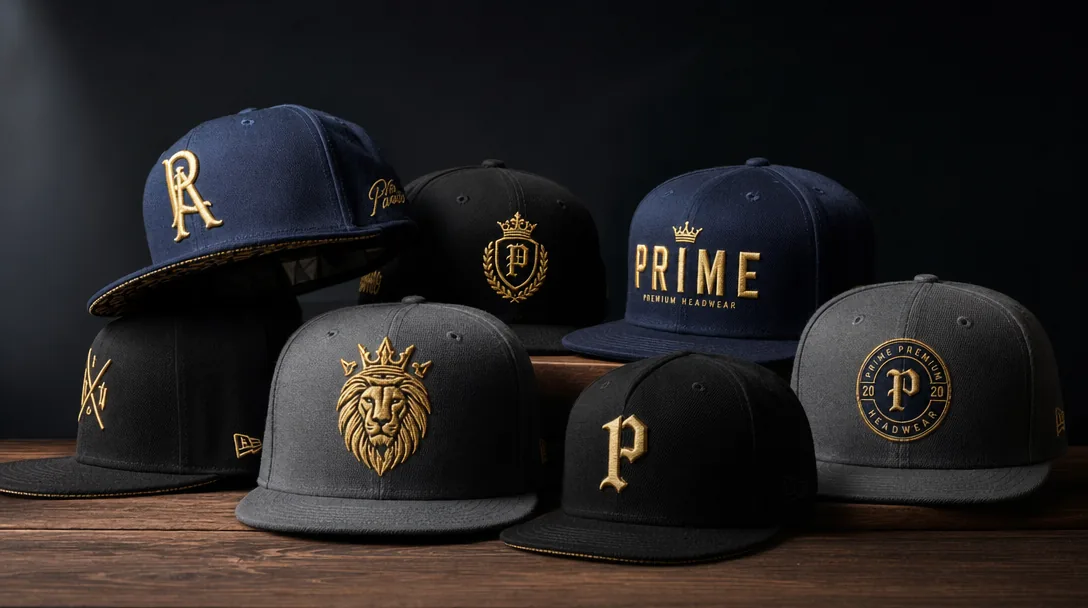
For brand owners, wholesalers and procurement teams entering the custom headwear category, custom knit beanie no minimum: a 2026 b2b sourcing guide is one of the highest-leverage decisions you will make. Get it right and your unit economics, retail story and reorder cycle all improve. Get it wrong and you carry the cost for years.
Custom Cuffed Beanie Bulk Wholesale
A custom cuffed beanie bulk wholesale order usually starts with yarn choice, gauge, and knitting structure, not logo placement. On the factory floor, most beanies are made on 5-gauge or 7-gauge flat knitting machines using acrylic, recycled polyester, or wool-acrylic blends in the 7s/1 or 10s/1 yarn range, then linked, washed, blocked, and sewn with a folded cuff. If you want a clean retail result, ask the factory for yarn composition by percentage, knit density, cuff height in centimeters, crown depth, and whether the logo will be jacquard-knitted, embroidered, or applied as a woven label or leather patch. For a custom knit beanie no minimum program, the real cost driver is not the hat body alone; it’s yarn dyed to Pantone, setup for digital knit programming, and the finishing labor. The standard practice at CrownsForge is to lock the knit swatch before bulk, because once the cuff shape is wrong, embroidery placement also shifts and the whole production run looks cheap.
Typical MOQ for custom cuffed beanie bulk wholesale is 100 to 300 pieces per colorway if you are using stock yarn and simple decoration, but factories often push 500 pieces if the design needs fully custom yarn-dyed stripes or jacquard artwork. Realistic FOB China pricing is usually around $2.10 to $4.80 per piece for basic acrylic cuffed beanies, $4.50 to $7.50 for wool-blend styles, and higher if you add woven labels, raised embroidery, or a custom patch. Buyers comparing fisherman beanie wholesale custom, slouch beanie custom low minimum, or custom dad hat low minimum programs should remember that beanies tolerate lower MOQs better than structured caps because there is no visor mold or buckram cost, but color matching still matters. Ask for Pantone TCX targets, yarn lot control, and a pre-production sample with measured stretch recovery, because poor elasticity shows up fast in the cuff after packing and shipping.
The biggest quality failures are easy to miss on a sales photo: twisting seams at the crown, loose link stitches at the top closure, cuff length variation, pilling after one wash, and embroidery tension that distorts the knit ribs. A proper inspection should check AQL 2.5 for visual defects, measurement tolerances within about 0.5 cm on cuff height and body length, and color difference under Delta-E 2.0 for critical brand colors. If the beanie includes a patch, verify adhesive strength or stitch density, because a custom leather patch hat low minimum order often hides weak attachment until the first wear test. Buyers building a broader knit program should treat custom cuffed beanie bulk wholesale as the stable volume product, then use custom knit beanie no minimum, fisherman beanie wholesale custom, or slouch beanie custom low minimum for testing new colors and silhouettes before committing to larger inventory.
Custom Knit Headband Bulk Wholesale
Custom knit headbands are usually built on the same circular knitting lines used for beanies, just shorter in body length and tighter on gauge control. For a real bulk order, ask the factory what machine type they are using — fully automatic computerized flat knitting machines or circular knitting machines — and what yarn count is being run, because that determines stretch, handfeel, and edge recovery. A solid spec sheet should include yarn composition, usually 100% acrylic 2/28 or 50/50 acrylic-wool blends for colder markets, finished width in centimeters, weight in grams, stitch gauge, color matching to Pantone TCX, and whether the logo is jacquard-knit, embroidered, or finished with a sewn patch. If you are comparing this to a custom knit beanie no minimum program, the headband is often the more economical test style because it uses less yarn and fewer labor minutes, so factories can quote it aggressively without changing the core knitting setup.
For bulk buying, typical MOQs sit around 100 to 300 pcs per color for standard acrylic headbands, with better pricing at 500 pcs plus. In Yiwu and similar export hubs, you may see ex-factory pricing around USD 1.10 to 2.40 per piece for plain jacquard headbands, while more complex constructions with fleece lining, woven labels, or custom packaging can push landed cost higher. Expect sample fees to be waived only if the order is real and the artwork is final; otherwise a strike-off or proto sample usually runs USD 20 to 50. Buyers who already source fisherman beanie wholesale custom, slouch beanie custom low minimum, or custom cuffed beanie bulk wholesale should treat the headband as part of the same knit program, because the yarn shades, shrinkage behavior, and logo registration issues are nearly identical, just with less tolerance for sloppy finishing due to the narrower shape.
The common failures are obvious if you know where to look: uneven tension at the side seams, twisting after wash, loose yarn tails at the join, weak elasticity at the ear coverage points, and color drift between dye lots. I always ask for a wash test, a stretch-recovery check, and a simple AQL 2.5 inspection on size, color, and workmanship before shipment; for export buyers, that is more useful than obsessing over a perfect pre-production photo. If the headband is being sold alongside a custom leather patch hat low minimum or custom dad hat low minimum, keep the QC logic consistent: same approval language for artwork, same tolerance on thread color, same carton drop-test standard. The broader sourcing decision is straightforward — if you want a custom knit beanie no minimum for market testing, start with one knit headband run first, confirm handfeel and logo accuracy, then scale into full beanies once the factory has locked the yarn and gauge settings.
Custom Pom Pom Beanie Bulk
Custom pom pom beanie bulk starts with yarn choice, not decoration. Most factories knit these on 3-gauge or 5-gauge flat knitting machines using acrylic, recycled polyester, acrylic-wool blends, or 100% wool if the buyer can tolerate a higher shrink-risk and a higher price. For a clean hand feel and decent color consistency, I usually push 12/3 or 15/3 acrylic yarn in 160–220 gsm finished weight, with a double-layer cuff if the logo needs stability. If you want a real pom, specify whether it is yarn pom, faux fur pom, or detachable snap pom, because the tooling, labor time, and failure points are very different. A well-run factory will ask for Pantone TCX yarn matching, stitch density, cuff height, pom diameter, and whether the logo is jacquard-knit, embroidery, or a sewn-on patch. Once buyers start comparing custom knit beanie no minimum programs, they realize pom pom styles are usually the first to jump in cost because of extra assembly and higher defect rates.
Typical bulk MOQ is 300–500 pieces per colorway for a standard custom pom pom beanie bulk order, though smaller factories may quote 100–200 pieces if you accept a surcharge. In 2026, FOB China pricing for a basic acrylic pom beanie is usually around USD 2.20–3.80 per piece at 500 pcs, rising to USD 4.50–6.50 if you add jacquard branding, faux fur pom, woven labels, and individual polybag + size sticker packaging. Buyers asking for fisherman beanie wholesale custom or slouch beanie custom low minimum should know those styles often need different knitting patterns but less trim labor, so the unit price can actually be lower than a pom pom version. The cleanest way to control cost is to lock the sample against a spec sheet: yarn count, gauge, cuff height, pom attachment method, label type, and packing standard. If you are also buying a custom dad hat low minimum or custom leather patch hat low minimum, keep the beanie program separate; hats and knits have very different yield loss and QC rules.
The usual quality failures are obvious if you inspect the right points. Watch for pom shedding, loose stitching at the crown seam, cuff waviness, wrong yarn tension that causes a twisted body, and color drift beyond Delta-E 2.0 when matching brand colors. For bulk inspections, I’d use AQL 2.5 on major defects and insist on a 10–15 piece pre-production swatch approval before knitting the full lot. Ask the factory for wash testing, pilling test, and stretch recovery results, especially if the beanie uses wool or recycled polyester blends. If the beanie carries a woven label, rubber patch, or embroidery, check needle holes, puckering, and edge sealing; bad trim work is what usually turns a cheap beanie into a reject. The broader sourcing decision is simple: custom knit beanie no minimum is useful for testing graphics and colorways, but once a style sells, move it into custom cuffed beanie bulk wholesale pricing so you can control yarn lots, reduce per-unit labor, and avoid the margin erosion that comes with short-run production.
Fisherman Beanie Wholesale Custom
A fisherman beanie is usually a short, tight rib-knit cap built on a 1x1 or 2x2 rib structure, not a loose slouch style. If you are sourcing fisherman beanie wholesale custom, ask the factory what yarn count, stitch density, and cuff height they are running, because that determines whether the hat sits at 20–22 cm tall or closer to a true shallow 16–18 cm fisherman fit. Most production uses acrylic, recycled polyester, or acrylic/wool blends in 5G or 7G flat knitting, then linked, washed, blocked, and trimmed before decoration. For a clean hand feel, I usually prefer 3/8 to 1/2 gauge seam linking on the crown and a yarn with consistent twist; cheap yarn will pill early and make the rib look uneven after one wash.
The specs you request should be boringly exact: yarn composition, yarn count in Nm or denier, stretch recovery target, finished measurements, Pantone TCX for yarn-dyed color matching, and decoration method. A factory should confirm whether the decoration is embroidery, woven label, faux leather patch, or heat transfer, because a custom leather patch hat low minimum behaves very differently from a knit beanie with a stitched patch. For low-volume buyers, a custom knit beanie no minimum usually still means some setup cost, and realistic pricing is often USD 2.80–5.50 FOB for plain beanies at 100–300 pcs, then another USD 0.35–1.20 for simple labels or patches; fully custom jacquard or intarsia can push higher. If someone quotes under USD 2.00 all-in, they are usually cutting yarn weight or skipping proper finishing.
The common failures are easy to spot if you know where to look: loose crown seam, twisted ribs, inconsistent cuff depth, dye lot variation, and yarn contamination from mixed shade lots. Check dimensions after 24 hours of relaxation, not straight off the blocking board, and inspect for pilling, skipped needles, and torque at the side seam. I would still hold these to AQL 2.5 for major defects and 4.0 for minor defects, especially if the order is paired with custom cuffed beanie bulk wholesale for teams or retailers. The decision point is simple: if you need only 50 to 200 pcs, a fisherman beanie can be a smarter entry than a custom dad hat low minimum because knitwear tolerates small runs better than cut-and-sew panels; if your brand needs broader silhouette options, you may split the order between fisherman styles and slouch beanie custom low minimum to balance sell-through and sampling risk.
Slouch Beanie Custom Low Minimum
A slouch beanie custom low minimum usually starts as a circular-knit tube on a 3-gauge or 5-gauge flat knitting machine, then gets cut, linked, washed, blocked, and finished with a folded or single-layer cuff depending on the handfeel you want. For buyers, the first spec to lock is yarn: 100% acrylic is the cheapest and easiest to color-match, but a 70/30 acrylic-wool blend or recycled polyester mix will give better drape and less pilling. Ask for yarn count, stitch density, finished weight in grams, body length, cuff height, and whether the crown is fully linked or simply cut-and-sewn. If you want a softer slouch, insist on looser gauge and a longer body; if you want a cleaner retail shape, keep the knit tighter and define the steam-block dimensions in the tech pack. The standard practice at CrownsForge is to quote based on sample yardage, machine setup time, and embellishment method, because slouch silhouette changes a lot with small spec shifts.
For pricing, slouch beanie custom low minimum orders are usually more realistic than people expect: 100 to 300 pieces per color is common for factory-direct, while true no-MOQ programs usually mean pre-stocked blank bodies with decoration added later. In 2026, a plain knit slouch body may land around USD 2.20 to 4.80 FOB depending on yarn and weight, with embroidery or woven label add-ons pushing it to USD 3.10 to 6.50; if you want a custom leather patch hat low minimum-style application on knitwear, plan on an extra USD 0.40 to 1.20 for patching plus setup. Buyers comparing a custom dad hat low minimum program to knitwear should remember that knit has more variable labor and slower lead times, especially when matching Pantone TCX against dyed yarn rather than printing on cotton twill. If you are also sourcing fisherman beanie wholesale custom programs, note that fisherman fits are shorter and can reuse more stock yarn setups, which often reduces risk on first runs.
The quality issues that actually matter are not abstract: check crown symmetry, seam bulk at the back link, yarn twist consistency, pilling after a 5-cycle rub test, and color delta against the approved lab dip, ideally under Delta-E 2.0 if the brand is picky. Slouch beanies fail most often at the cuff recovery and at the top decreases, where sloppy shaping creates a flat spot or a pointy crown. Ask for AQL 2.5 inspection on finished goods, 3% carton drop-test checks if you are shipping wholesale, and shrinkage data after wash because some acrylic-wool blends will tighten 2% to 4% on the first cycle. For a broader custom knit beanie no minimum strategy, the smart move is to compare a slouch style against a custom cuffed beanie bulk wholesale option: the cuffed version is easier to standardize and cheaper to decorate, while the slouch version sells better in streetwear and lifestyle channels when the drape is right. If you need one development path that can flex across low-MOQ knitwear, decide early whether the factory is building around blank-body inventory or true made-to-order knitting, because that choice drives both cost and consistency.
Working with CrownsForge for custom knit beanie no minimum programs
For a custom knit beanie no minimum program, the real risk is not the knit itself; it’s whether the supplier can keep samples, decoration, and repeat orders aligned without turning a small test into a mess. Our standard practice is to start with a 1-piece sales sample or a 3-piece pre-production set, then lock yarn gauge, cuff height, and label placement before bulk. For first-time buyers, that usually means 7–10 days for sample knitting and decoration, assuming the artwork is clean and the yarn is already in stock. If you are comparing fisherman beanie wholesale custom options against a slouch beanie custom low minimum request, the construction differences matter: rib depth, crown reduction, and steaming shape all change the final fit more than most buyers expect. We also keep MOQ flexible by decoration method, because a woven label or PU patch can make a small run viable where full jacquard knitting would not.
On the decoration side, I would not push embroidery onto every knit beanie just because it is familiar. A flat patch, faux leather badge, or woven label is often safer for low-volume programs, especially when the logo has tight small text or thin stroke weights. For a custom leather patch hat low minimum order, the same logic applies: clean artwork and a simple placement reduce rework. On beanies, we handle direct embroidery, woven labels, faux leather patches, silicone patches, and simple heat-transfer applications depending on yarn texture and stretch recovery. If a buyer also needs a custom dad hat low minimum in the same project, we usually group the artwork review and color approval so the Pantone TCX matching stays consistent across SKUs. That matters when you are building a retail test assortment and need one visual system across a custom cuffed beanie bulk wholesale run and matching headwear.
Compliance and order control are where small programs either scale or collapse. CrownsForge works to sedex-audit-cap-supplier-guide.html">BSCI 2.0 and Sedex SMETA 4-Pillar requirements, and we keep material traceability on file for yarn content, dye lots, and trim sourcing so buyers are not stuck chasing paperwork later. For wool-acrylic blends, recycled polyester, or cotton-acrylic mixes, we track lot separation and color tolerance with an internal Delta-E target of under 2.0 for repeat dye matching, which is strict enough for most retail accounts. Every order gets one owner in the system from artwork approval through final packing, with photo checks at knitting, decoration, trimming, and carton stage. That workflow is what makes a custom knit beanie no minimum order usable beyond sampling; once the spec is frozen, the same file can scale into 300, 3,000, or 30,000 units without rebuilding the job from scratch.
Frequently Asked Questions
What file format should I send for my logo?
Vector files (AI, EPS, PDF) are ideal. High-resolution PNG or JPG at 300 dpi on transparent background works as a fallback. Provide Pantone color references for accurate reproduction.
What logo decoration techniques do you offer?
3D puff embroidery, flat embroidery, woven patch, leather patch, PVC patch, screen printing, sublimation, applique and laser etching, all in-house with no subcontracting.
Which shipping methods do you support?
We support FOB, CIF and DDP shipping. Air express for samples and small orders, sea LCL for 100 to 500 pieces, sea FCL for 5,000+ pieces. Door-to-door DDP available for US, EU, UK, Canada and Australia.
How long does production take?
Sampling takes 7 to 12 days. Bulk production runs 20 to 30 days depending on quantity, fabric availability and decoration complexity. Inspection and packing adds another 3 to 5 days before shipment.
Do you support sustainability certifications?
Yes. We work with GOTS organic cotton, GRS-certified recycled polyester, OEKO-TEX Standard 100 fabrics, and are BSCI and Sedex audited. Certification documentation can be provided per order.
What's the MOQ for custom leather patch hat low minimum?
When evaluating custom leather patch hat low minimum, the key considerations are construction quality, decoration capability, MOQ flexibility and lead time. Cover everything buyers ask about slouch beanie custom low minimum: how it's manufactured, what specs to request from a factory, typical MOQ and pricing, common quality issues to inspect for, and how this ties back to the broader custom knit beanie no minimum sourcing decision. Cover everything buyers ask about custom cuffed beanie bulk wholesale: how it's manufactured,…
What should I know about custom cuffed beanie bulk wholesale?
When evaluating custom cuffed beanie bulk wholesale, the key considerations are construction quality, decoration capability, MOQ flexibility and lead time. Cover everything buyers ask about custom cuffed beanie bulk wholesale: how it's manufactured, what specs to request from a factory, typical MOQ and pricing, common quality issues to inspect for, and how this ties back to the broader custom knit beanie no minimum sourcing decision. Cover everything buyers ask about custom knit headband bulk wholesale: how it's manufactured,…
What should I know about custom knit headband bulk wholesale?
When evaluating custom knit headband bulk wholesale, the key considerations are construction quality, decoration capability, MOQ flexibility and lead time. Cover everything buyers ask about custom knit headband bulk wholesale: how it's manufactured, what specs to request from a factory, typical MOQ and pricing, common quality issues to inspect for, and how this ties back to the broader custom knit beanie no minimum sourcing decision. Cover everything buyers ask about custom cuffed beanie bulk wholesale: how it's manufactured,…
What's the MOQ for wholesale custom hats no minimum?
When evaluating wholesale custom hats no minimum, the key considerations are construction quality, decoration capability, MOQ flexibility and lead time. Cover everything buyers ask about custom cuffed beanie bulk wholesale: how it's manufactured, what specs to request from a factory, typical MOQ and pricing, common quality issues to inspect for, and how this ties back to the broader custom knit beanie no minimum sourcing decision. Cover everything buyers ask about custom knit headband bulk wholesale: how it's manufactured,…
Need a low-MOQ test order?
We help emerging brands launch with as few as 100 pieces. Premium fabric, in-house embroidery, retail-ready packaging.
Start a small orderRelated guides
Ball Caps for Women: A 2026 Sourcing Playbook for International Buyers
Read article →
Mens Beanies: Properties, Costs and How to Spec It Right
Read article →
Baseball Hats Vintage: A Vertical-Specific Sourcing Guide
Read article →We hope this guide demystifies custom knit beanie no minimum: a 2026 b2b sourcing guide and helps you move forward with confidence. If you have questions specific to your project, our English-speaking sales engineers are one message away.