
Best Custom Hat with Patch Options for Bulk Hat Programs
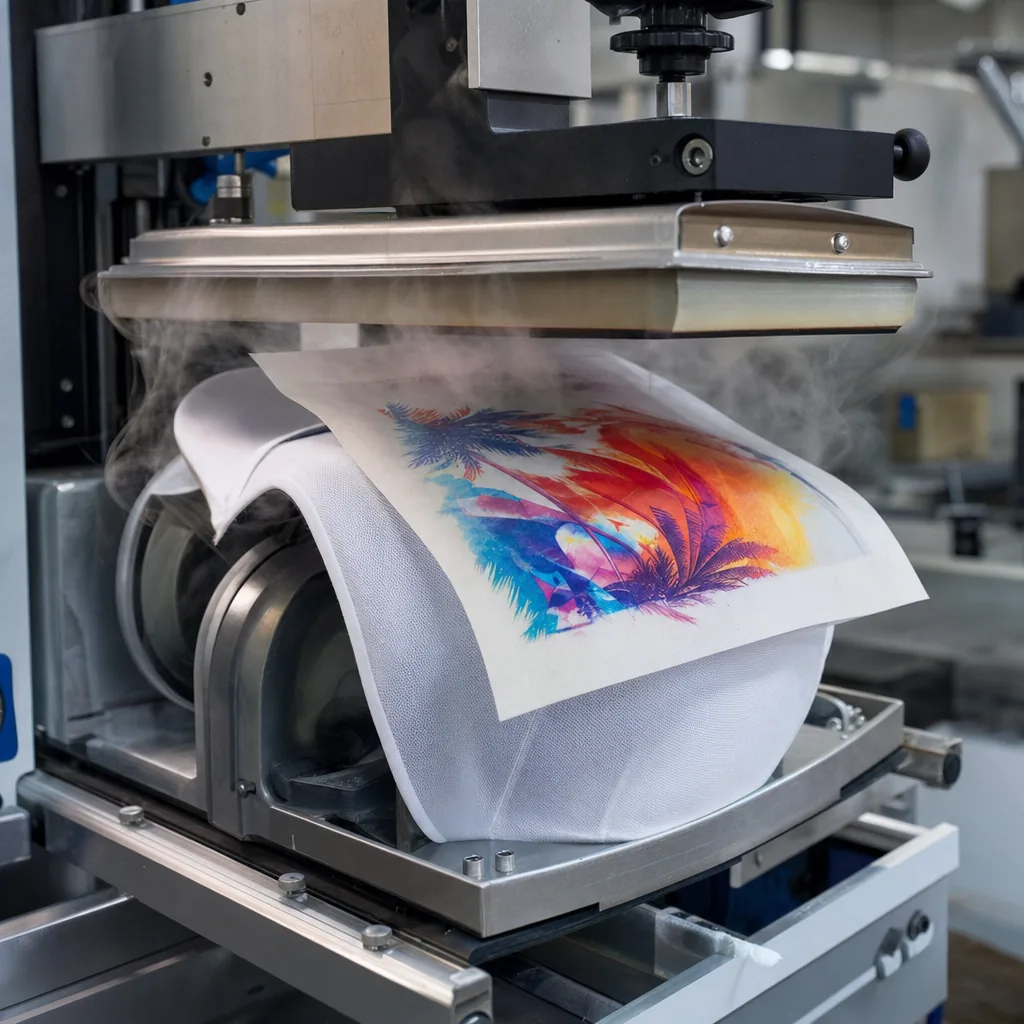
For brand owners, wholesalers and procurement teams entering the custom headwear category, best custom hat with patch options for bulk hat programs is one of the highest-leverage decisions you will make. Get it right and your unit economics, retail story and reorder cycle all improve. Get it wrong and you carry the cost for years.
A step-by-step custom hat with patch sourcing process
Lock the RFQ before chasing quotes, because a custom hat with patch can move $2.00-$3.50 per unit when the cap body, patch build, and freight term are vague. A usable spec names the silhouette, construction, and fabric: structured 6-panel snapback with buckram, unstructured dad cap, 5-panel camper, foam-front trucker, bucket hat, or polyester performance cap; then 280 gsm brushed cotton twill, 320 gsm enzyme-washed canvas, 150D polyester ripstop, 110 gsm recycled poly mesh, or 50/50 wool-blend melton. Patch details need the same discipline: woven label, embroidered patch, PVC rubber, debossed leather, microfiber suede, chenille, sublimated twill, or heat-transfer patch; size in millimeters, border type, backing, stitch or weave density, attachment method, and Pantone TCX/TPX references with a Delta-E target of 1.5 for brand colors. Put sedex-audit-cap-supplier-guide.html">BSCI 2.0 or Sedex SMETA 4-Pillar requirements, barcode rules, carton marks, and Incoterm in the RFQ. FOB Ningbo versus DDP Los Angeles can change landed cost by $0.70-$1.40 per cap before duty.
Approve the patch strike-off before the full PP sample, because most rejected hats fail at the logo, not the crown. Woven patch strike-offs usually take 5-7 days, PVC molds 7-10 days after vector approval, and leather debossing dies 4-6 days. Check merrow versus laser-cut borders, edge fray, D65 light-box color, heat-tack adhesive coverage, and whether the patch bends cleanly across a curved front panel without corner lift. For embroidered patches, Tajima, Barudan, and ZSK heads can all produce clean work, but digitizing decides the result: serif letters below 4 mm, satin borders under 1 mm, and dense fills above about 12,000 stitches on a 70 mm patch tend to cause fuzzing, trimming issues, or puckering. After patch approval, the PP sample confirms crown height, brim curve, sweatband, closure hardware, seam alignment, and placement. Our standard practice at CrownsForge is +/-2 mm front-placement tolerance, signed PP sample, and dated photo record before bulk cutting.
Start bulk only after the BOM, size or color breakdown, packaging method, and inspection checklist are frozen. A typical custom hat with patch order moves through incoming fabric inspection, panel cutting, patch production, crown sewing, brim setting, patch attachment, blocking, thread trimming, needle detection when required, and final packing. For 1,000-3,000 pieces, 25-35 days after PP approval is realistic; add 5-10 days for custom PVC molds, imported YKK or Fidlock closures, recycled-fabric certificates, or licensed-team color approvals. Fix patch cost early because it can erase margin faster than the cap body: woven patches usually add $0.18-$0.45, embroidered patches $0.35-$0.90, PVC $0.50-$1.20 plus a $60-$150 mold charge, and genuine leather $0.70-$1.80 depending on thickness, tanning, and edge finish. Final inspection should use AQL 2.5 for major defects and AQL 4.0 for minor defects, with explicit checks for loose patch corners, crooked placement, crown puckering, shade bands, thread tails, metal contamination, carton count, and scan-readable barcodes.
Custom Patch for Hat
Lock patch construction before approving the cap body, because patch stiffness, backing, and sew-down tension can change the front crown shape. A custom hat with patch should be sampled on the exact build: 260-320 gsm cotton twill or 160-180 gsm performance polyester, matching buckram hardness, same 5-panel or 6-panel crown, visor curve, sweatband, and closure. The spec should not say “logo patch on front.” A production-ready line reads: “70 x 45 mm woven patch, 75D polyester yarn, merrowed edge, heat-cut border, black felt backing, sewn application, centered on front panel, placement tolerance +/-2 mm horizontal and +/-3 mm vertical.” Woven patches can hold 1.5-2.0 mm lettering if the artwork is clean; embroidered twill gives texture but needs simplified fills; PVC works for 2D or 3D molded logos; leatherette suits debossed retail programs; sublimated polyester is the better choice for gradients and photo detail. Approve both the loose patch and the fully sewn cap sample, because color approval alone will not reveal puckering, crown curvature, or real logo scale.
Patch pricing is driven by process, tooling, and color separation more than by the cap itself. Woven and embroidered patches are practical at 100-300 pieces per design, while PVC usually makes better sense above 300-500 pieces because mold charges commonly run $45-$120 depending on size, raised layers, and color count. As a realistic FOB China add-on, woven patches run about $0.35-$0.80 per cap, embroidered twill $0.50-$1.20, PVC $0.75-$1.80, leatherette $0.60-$1.50, and genuine leather $1.20-$2.80 before the base cap cost. Keep the cap SKU and patch SKU separate on the PO: fabric gsm, crown profile, panel count, visor type, closure, artwork file, Pantone TCX or Pantone Coated references, approved sample date, attachment method, placement diagram, and carton ratio. At CrownsForge, our standard PO attachment includes an approved patch photo, measurement sheet, and placement ruler shot because “custom hat with patch logo” is not enforceable once operators are feeding caps through the sewing line.
QC should start with the loose patch, because a bad patch becomes a costlier defect after it is sewn onto the crown. Check color in a D65 light box; I hold Delta-E under 2.0 for corporate programs and under 1.5 for licensed sports work. For woven patches, inspect yarn density, fuzzy borders, broken threads, and distorted micro text. For embroidered patches, Tajima, Barudan, and ZSK heads can all produce clean output, but poor digitizing with too many short stitches will pull dense borders out of square. For PVC, reject cracked raised lines, trapped air bubbles, oily surfaces, weak hook-and-loop backing, and poor felt lamination. On finished caps, inspect skipped stitches, needle scarring, loose tails, glue bleed, lifted corners, and whether the patch follows the crown curve. Bulk inspection should use AQL 2.5 for major defects and AQL 4.0 for minor defects, with placement measured from the center seam or panel centerline. Reject patches off-center by more than 3 mm, outside approved color tolerance, delaminated, cracked, or visibly mismatched in thread color.
Custom Patch Hat
A custom hat with patch should be engineered from the cap body outward, because the patch changes how the front panel behaves under tension. A 75 x 55 mm embroidered patch with heat-seal backing can flatten a mid-profile 6-panel cap with medium buckram, while a thin woven patch may sit cleanly on 280 gsm brushed cotton twill, nylon taslan, 10 oz canvas, 14-wale corduroy, or a foam-front trucker. The RFQ needs to freeze panel count, crown height, buckram grade, visor construction, closure, fabric weight, patch size in millimeters, border type, backing, attachment method, and placement measured from the center seam and visor edge. I do not approve loose patch swatches for bulk orders; the patch must be sampled on the real front panel because seam allowance, coating, corduroy wale direction, and crown curvature all affect puckering, edge lift, and stitch tension.
Artwork has to be priced against the right patch process, not forced into whatever looks cheapest on a line sheet. Woven patches are best for small lettering and can usually hold 1.0-1.2 mm strokes if the logo is simplified and thread density is controlled. Embroidered patches need wider satin columns, proper pull compensation, and either a merrowed or laser-cut border; even on Tajima, Barudan, or ZSK heads, heavy fill areas will distort if the digitizing treats the patch like flat fabric. PVC and silicone badges cost more but make sense for fishing, workwear, tactical, and outdoor retail programs because they resist moisture, abrasion, and repeated washing better than felt, chenille, or PU leather. Typical MOQ is 100-300 pieces per colorway for woven or embroidered patch hats. PVC tooling becomes practical around 300 pieces, with mold charges usually $60-$180 depending on size, layer count, and color fills. Realistic FOB Ningbo pricing runs $2.80-$5.20 for cotton twill caps with woven or embroidered patches, and $4.50-$7.80 for silicone, leather, or multi-color PVC badges.
The purchase order must define tolerances before bulk cutting starts, because patch defects are visible from three feet away. Use Pantone TCX for dyed fabric, Pantone Coated for printed or molded patch colors, Delta-E under 1.5 for fabric lots, and Delta-E under 2.0 for PVC or silicone. Patch size tolerance should be +/-1.5 mm, placement tolerance +/-2 mm from the approved centerline, and rotation no more than 2 degrees on front-panel applications. QC should check more than the logo outline: pull-test patch corners, inspect skipped stitches and loose bobbin thread, look for adhesive bleed on heat-applied patches, and reject crowns that pucker after sewing. Our standard practice at CrownsForge is inline inspection at 20% production, final inspection to AQL 2.5 major / 4.0 minor, and carton verification against the signed PP sample before FOB or DDP booking. Crooked patch placement is not a minor cosmetic issue on a custom hat with patch; it is the first defect a buyer sees when the carton opens.
Custom Patch Hats
A custom hat with patch should be engineered as one BOM, not treated as a blank cap with decoration added later. The patch affects crown tension, needle clearance, panel distortion, packing height, and sometimes trademark labeling, so lock the specification before bulk fabric is cut. Put the cap style, fabric weight, patch substrate, backing, border, placement, and attachment method directly on the PO. Woven polyester is the cleanest option for small lettering and tight sponsor marks; embroidered twill gives the raised team-cap look; PU, split leather, corrected-grain, or full-grain leather fits lifestyle programs; PVC works for outdoor, golf, and workwear; sublimated polyester is the fallback when gradients or photo artwork cannot be simplified. Specify patch size in mm, offset from the center seam or visor edge, Pantone TCX or TPX references, Delta-E tolerance under D65 light, backing color, thread color, and whether the patch is flat-sewn, satin-stitched, heat-pressed, or combined with direct embroidery.
Sampling has to prove the patch and cap body behave together, not just that the logo looks good on a table. For text under 2 mm, metallic thread, debossed leather, or multi-color PVC, approve a strike-off patch before ordering a full cap sample. Woven patches usually hold 0.8-1.0 mm line detail better than embroidery; embroidered patches have more texture but rounded corners start to appear below about 1.5 mm. On structured caps, attaching woven or embroidered patches after crown blocking on Tajima, Barudan, or ZSK heads gives steadier placement than sewing onto loose front panels. For leather, confirm thickness, edge burn, deboss depth, finish type, and acceptable color variation across hides. Our standard practice is to keep the patch artwork, stitch file, placement photo, and signed pre-production sample in one approval pack before bulk release.
MOQ and unit cost are usually driven more by the patch than by the cap. For a practical bulk custom hat with patch program, expect 144 pieces per colorway for woven or embroidered patches, 300-500 pieces for PVC because of mold cost, and 100-200 pieces for leather when stock hide colors are used. A sewn woven patch normally adds US$0.35-0.80 per cap, embroidered twill adds US$0.55-1.20, PVC adds US$0.90-1.80 plus a US$60-120 mold, and leather ranges from US$0.70-2.50 depending on thickness, debossing, and edge finishing. Write QC terms into the PO: AQL 2.5 for major defects, patch position tolerance within +/-2 mm, no skipped stitches over 3 mm, no glue bleed, no frayed merrow border, and color within the approved Delta-E. For repeat programs, keep a sealed gold sample and require pre-shipment photos from the same angle every run.
Hat Patch Custom
Lock the patch specification before the fit sample is approved, because a custom hat with patch changes more than the front-panel artwork. Patch weight affects crown stiffness, seam clearance, press marks, and how the operator feeds the cap through the sewing jig. Quote the cap and patch as separate RFQ lines: patch type, finished size, edge construction, backing thickness, attachment method, placement tolerance, and packing method. A reliable woven patch spec is 75D polyester yarn, merrowed or laser-cut edge, +/-1 mm finished-size tolerance, Pantone TCX references, and lab-dip approval at Delta-E under 2.0. For embroidered patches, define twill base fabric, stitch count, border width, Madeira or Gunold thread, and DST file approval. Tajima, Barudan, and ZSK heads can all make clean patches, but poor digitizing will pucker a 6-panel front faster than cheap thread will. If the cap uses buckram, foam lamination, or soft unstructured cotton twill under 260 gsm, confirm patch weight and backing before bulk panel cutting.
Sampling must include both a loose patch and a finished cap, because a flat patch-room photo does not prove comfort, curvature, or retail appearance. A 55 mm woven patch can look sharp on the bench but feel board-like on a low-profile dad cap unless the backing drops from 0.35 mm to about 0.25 mm. PVC and rubber patches usually carry mold fees of $80 to $180, driven by color count, relief depth, and mold size; woven and embroidered patches avoid tooling but still need $25 to $60 for digitizing or artwork setup. Practical MOQs are 100 to 300 pieces for woven or embroidered patches, 300 to 500 for PVC, and 500+ for genuine leather because hide yield, thickness, and shade consistency vary by lot. Bulk add-on cost normally runs $0.35 to $0.90 for woven, $0.55 to $1.40 for embroidered, $0.80 to $2.20 for PVC, and $1.20 to $3.50 for leather, excluding cap cost, duty, and freight.
Put every custom hat with patch detail on the PO: artwork version, finished size, Pantone colors, weave or stitch direction, edge type, backing material, sewing thread color, attachment method, and location measured from the crown seam, center front, or visor edge. Front-panel placement tolerance should usually be +/-2 mm; tighter tolerances slow sewing and raise rejection risk without improving shelf appearance. For QC, inspect patch alignment under AQL 2.5 final inspection, pull-test sewn patch corners, and rub-test printed, debossed, or coated surfaces for color loss. Heat-pressed patches need a 24-hour rest after pressing, 60 seconds of bend-flex, and a wash or perspiration test for sports, workwear, or humid-market programs. CrownsForge keeps one approved golden sample at the sewing line and one with QC, because most patch-hat failures come from placement drift, panel distortion, or wrong backing, not from the patch maker itself.
Hat Patches Custom
Lock the patch spec before approving the cap body, because patch weight and attachment method change crown tension, buckram stiffness, needle path, and even carton compression. A custom hat with patch should be developed as one assembled product: silhouette, shell fabric, patch construction, artwork strike-off, pre-production sample, and PO all tied to the same spec sheet. Do not buy loose patches first unless the factory has tested placement on the actual crown block. A 60 mm woven patch on 280 gsm cotton twill is low-risk; a 75 mm debossed PU leatherette patch on a 5-panel foam trucker can flatten the front panel or pull the centerline off by 3-5 mm if the backing is too stiff. Specify finished size in millimeters, border type, Pantone TCX or Pantone C reference, backing, attachment method, and placement tolerance. For front patches, I normally set placement tolerance at +/-2 mm, controlled brand color at Delta-E below 1.5, and require a physical strike-off before the full cap sample.
The practical patch menu is woven, embroidered, PVC, genuine leather, PU leatherette, chenille, sublimated twill, and rubberized heat-transfer. Woven patches are strongest for small lettering under 4 mm because fine-denier yarn holds cleaner edges than 75D or 120D embroidery thread. Embroidered patches look heavier and more premium, but once stitch coverage passes about 70%, the patch can curl or make the front panel wave after sewing. PVC is good for fishing, outdoor, and team programs, but the buyer must define thickness, usually 1.8 mm, 2.0 mm, or 2.5 mm, plus matte, gloss, recessed, or raised 3D areas. PU leatherette is common on promo and western caps because laser engraving is clean and cheaper than deboss plus foil; genuine leather has better handfeel but brings shade variation and higher reject risk. Realistic MOQs are 100-300 pieces per patch design and 144-300 pieces per cap colorway. Add-on costs usually run $0.35-$1.20 for woven or embroidered, $0.70-$1.80 for PVC, and $0.50-$1.50 for PU, with PVC mold charges around $40-$120.
Put patch construction on the PO, not in a WeChat thread or buyer comment field. The PO should list cap style, fabric weight in gsm, artwork file name, finished dimensions, backing, edge finish, thread color, placement from visor seam or crown centerline, and whether the patch is sewn, heat-pressed, riveted, or combined. For sewn patches, I prefer a lockstitch perimeter at 8-10 SPI using thread close to the patch border; Barudan, Tajima, and ZSK embroidery heads all produce clean work when the operator uses the right frame, needle size, and stabilizer. For heat application, record temperature, dwell time, and pressure, because polyester mesh, EVA foam fronts, and brushed cotton react differently under a press. QC must check patch color, edge fray, adhesive bleed, skew, stitch breaks, and panel puckering after attachment. CrownsForge standard practice is incoming patch inspection before sewing, then final inspection to AQL 2.5 for major defects and AQL 4.0 for minor defects, with pull testing on adhesive-backed applications.
Hat with Custom Patch
A custom hat with patch has to be engineered as one BOM, not treated as a blank cap with decoration added later. The patch changes front-panel tension, buckram stiffness, needle selection, seam allowance, pressing temperature, and even how much compression the cap can take in a 24-piece inner carton. Lock the cap body first: a 5-panel camper, high-profile trucker with 100% polyester mesh, unstructured dad cap in 260-300 gsm cotton twill, or performance cap in 150D/300D polyester ripstop. Then define the patch in millimeters: width, height, shape, edge finish, backing, attachment method, and placement reference from the center seam, crown seam, or visor edge. Real production options include damask woven labels, merrowed embroidered patches, flat PVC, molded silicone, debossed PU leather, genuine leather, sublimated twill, and chenille. Typical MOQs run 100-300 pcs per design for woven or embroidered patches, 300-500 pcs for PVC, and 500 pcs for silicone unless the buyer pays a separate mold charge, usually US$80-$180.
Sampling is where patch programs usually lose 7-14 days, because a flat strike-off does not prove the patch will behave on a curved crown. I want a patch strike-off before the full hat sample when text is under 3 mm, metallic yarn is used, gradient shading is requested, or key brand colors need Pantone TCX matching within Delta-E 2.0. For woven patches, specify 50D or 75D yarn, damask versus satin weave, heat-cut versus merrowed edge, and whether the back is plain, heat-seal, or non-woven reinforced. Embroidered patch borders on Tajima or Barudan heads need enough stitch density to hold the edge without becoming a hard ridge that dents the crown. Chenille on ZSK machines is poor for small counters and sharp internal corners; those details close up fast. As a working cost guide, a sewn woven patch adds US$0.35-$0.90 per cap, PVC adds US$0.80-$1.80, and debossed genuine leather adds US$1.20-$2.80 depending on thickness, backing, and plate charge.
The purchase order must name every variable, because “custom hat with patch” is only a buying phrase, not a factory specification. Put the artwork code, approved sample date, patch dimensions, substrate, backing, thread colors, Pantone references, placement tolerance, and attachment method directly into the tech pack and PO. Our standard practice at CrownsForge is to hold patch placement within +/-2 mm horizontally and +/-3 mm vertically on structured caps, then inspect finished goods under AQL 2.5 for major defects and AQL 4.0 for minor cosmetic issues unless the buyer requires a tighter plan. QC should check crooked placement, lifted corners, glue bleed, loose merrow threads, color drift, broken stitches, crown puckering, and carton mix-ups between similar SKUs. For FOB Ningbo or Shanghai, 500-1,000 pcs is the practical starting range for bulk production. DDP orders under 500 pcs can work for retail testing, but freight, duty, and clearance fees often make the landed cost look very different from the quoted factory price.
Working with CrownsForge for custom hat with patch programs
Treat a custom hat with patch sample as a small production run, because most failures show up only when the patch, crown curve, backing, and heat process meet each other. At CrownsForge, our first sample uses the planned bulk crown fabric, buckram grade, patch substrate, adhesive film, stitch file, border construction, and placement jig. A 2.2 mm molded PVC patch may look flat on the bench but distort a structured 5-panel front if the crown radius is tight, the edge stitch pulls too hard, or the heat press curve is too aggressive. Normal sampling is 7 to 10 days for woven labels, sublimated twill, felt, faux suede, and leatherette; molded PVC, chenille, and embroidered patches usually need 10 to 14 days because of mold work, Tajima or Barudan digitizing, stitch-density trials, and border testing. Use Pantone TCX for textile patches and Pantone Coated for PVC or printed patches. Delta-E 1.5 to 2.0 is realistic on stable synthetics, while pigment-dyed cotton, washed canvas, and vegetable-tanned leather need an approved tolerance range.
MOQ is usually driven by the patch, not the cap body. A basic custom hat with patch using woven label, printed twill, faux suede, or laser-etched leatherette can often start at 100 to 144 pieces per color if the cap fabric is stock. PVC, rubber, metal badges, and genuine leather patches usually become sensible at 300 pieces and up because mold, die, or cutting charges commonly run USD 80 to 180 per design, and small runs push the landed unit cost too high for most promo and streetwear programs. Decoration control should be measured, not guessed: embroidered borders should run on Tajima, Barudan, or ZSK heads with density checked before bulk; heat bonding should record temperature, dwell time, and pressure, commonly 150 to 165 C for 12 to 18 seconds depending on film type. Center-front placement should hold within +/-2 mm, and patch-edge lift should be checked after crown flexing. Reliable base fabrics include 280 gsm cotton canvas, cotton chino twill, nylon taslan, polyester performance fabric, corduroy, foam trucker fronts, and recycled polyester.
Lock the approval chain before fabric cutting: tech pack, artwork proof, patch strike-off, full cap sample, pre-production sample, then bulk release against a sealed reference sample kept at the sewing line. For a custom hat with patch program, incoming fabric should be checked roll by roll for shade banding, panel lots should stay tied to dye batches, and final inspection should use AQL 2.5 for major defects and AQL 4.0 for minor defects. The defect list must name patch skew, loose satin-border stitches, glue bleed, heat marks, crown asymmetry, weak snapback tabs, off-center eyelets, and carton mix errors; “poor workmanship” is not enforceable in an inspection room. Retail, team, and licensed orders may also require BSCI 2.0 or Sedex SMETA 4-Pillar files covering needle control, metal detection, wage records, chemical storage, and subcontractor disclosure. FOB Ningbo or Shanghai is cleanest for experienced importers. DDP U.S. or EU pricing should wait until carton dimensions, HS code, patch material, and duty treatment are confirmed, because leather, PVC, and embroidered patches do not carry the same customs risk.
Frequently Asked Questions
How long does production take?
Sampling takes 7 to 12 days. Bulk production runs 20 to 30 days depending on quantity, fabric availability and decoration complexity. Inspection and packing adds another 3 to 5 days before shipment.
What is the minimum order quantity (MOQ) for custom hats?
Our standard MOQ is 100 pieces per design and color, with sampling available from 1 piece. For complex multi-color logos or premium fabric upgrades, the MOQ can be lowered with a small per-piece surcharge.
Do you support sustainability certifications?
Yes. We work with GOTS organic cotton, GRS-certified recycled polyester, OEKO-TEX Standard 100 fabrics, and are BSCI and Sedex audited. Certification documentation can be provided per order.
What logo decoration techniques do you offer?
3D puff embroidery, flat embroidery, woven patch, leather patch, PVC patch, screen printing, sublimation, applique and laser etching, all in-house with no subcontracting.
What file format should I send for my logo?
Vector files (AI, EPS, PDF) are ideal. High-resolution PNG or JPG at 300 dpi on transparent background works as a fallback. Provide Pantone color references for accurate reproduction.
How does ordering custom hat patch work?
When evaluating custom hat patch, the key considerations are construction quality, decoration capability, MOQ flexibility and lead time. Show where this fits in the sourcing sequence -- what to ask, sample, and put on the PO at that step. Specifically for the angle of custom patch for hat: where relevant cover how it's made, the specs to request, typical MOQ and pricing, and QC checks, tying back to custom hat with patch. Show where this fits in the sourcing sequence -- what to ask, sample, and put on the PO…
How does ordering custom leather patch hats work?
When evaluating custom leather patch hats, the key considerations are construction quality, decoration capability, MOQ flexibility and lead time. Show where this fits in the sourcing sequence -- what to ask, sample, and put on the PO at that step. Specifically for the angle of custom patch hats: where relevant cover how it's made, the specs to request, typical MOQ and pricing, and QC checks, tying back to custom hat with patch. Show where this fits in the sourcing sequence -- what to ask, sample, and put on the PO at…
What's the MOQ for custom leather patch hat low minimum?
When evaluating custom leather patch hat low minimum, the key considerations are construction quality, decoration capability, MOQ flexibility and lead time. Show where this fits in the sourcing sequence -- what to ask, sample, and put on the PO at that step. Specifically for the angle of custom patch for hat: where relevant cover how it's made, the specs to request, typical MOQ and pricing, and QC checks, tying back to custom hat with patch. Show where this fits in the sourcing sequence -- what to ask, sample, and put on the PO…
How does ordering custom trucker hat patches work?
When evaluating custom trucker hat patches, the key considerations are construction quality, decoration capability, MOQ flexibility and lead time. Show where this fits in the sourcing sequence -- what to ask, sample, and put on the PO at that step. Specifically for the angle of hat patches custom: where relevant cover how it's made, the specs to request, typical MOQ and pricing, and QC checks, tying back to custom hat with patch. Show where this fits in the sourcing sequence -- what to ask, sample, and put on the PO…
Ready to start your custom hat project?
Send us your tech-pack, sketch or even just an inspiration photo. We will respond with a detailed quotation and digital mock-up within 24 hours.
Request a free quoteRelated guides
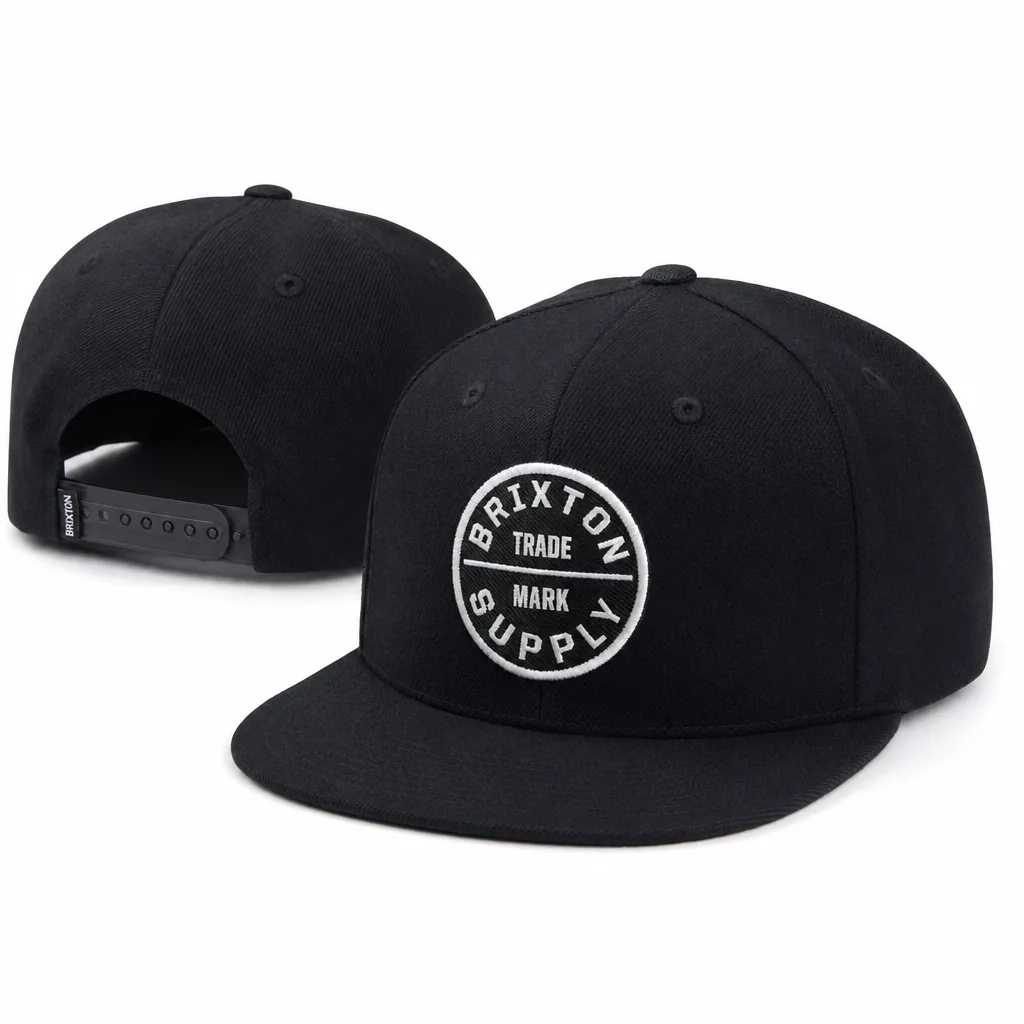
Festival Bucket Hats Fabric And Trim Spec Guide for Custom Hat Buyers
Read article →
How to Vet a China Hat Manufacturer Before You Wire the Deposit - Supplier Checklist
Read article →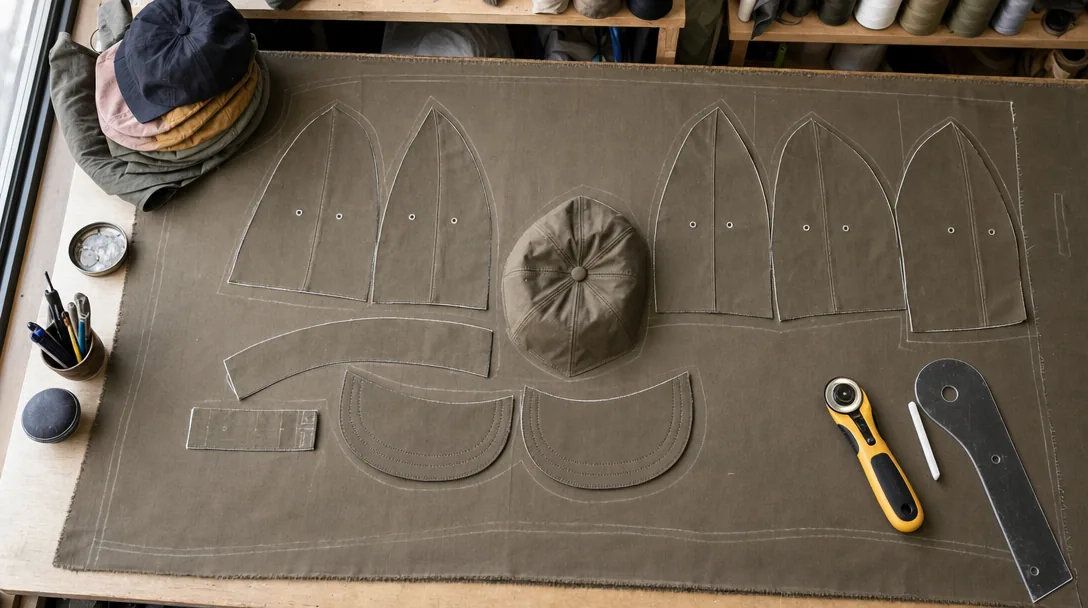
What's in a Cap Tech-Pack: A Specification Template for Buyers - Cost & MOQ Breakdown - 2026 Buyer's Guide - Cost & MOQ Breakdown
Read article →If you are ready to take the next step on best custom hat with patch options for bulk hat programs, our team can put a tailored quotation and digital mock-up in your inbox within 24 hours. Send the inquiry form on our contact page or message us directly on WhatsApp.