
Custom Hat Patch: When to Use It, Costs, and What to Ask Your Factory - Supplier Checklist
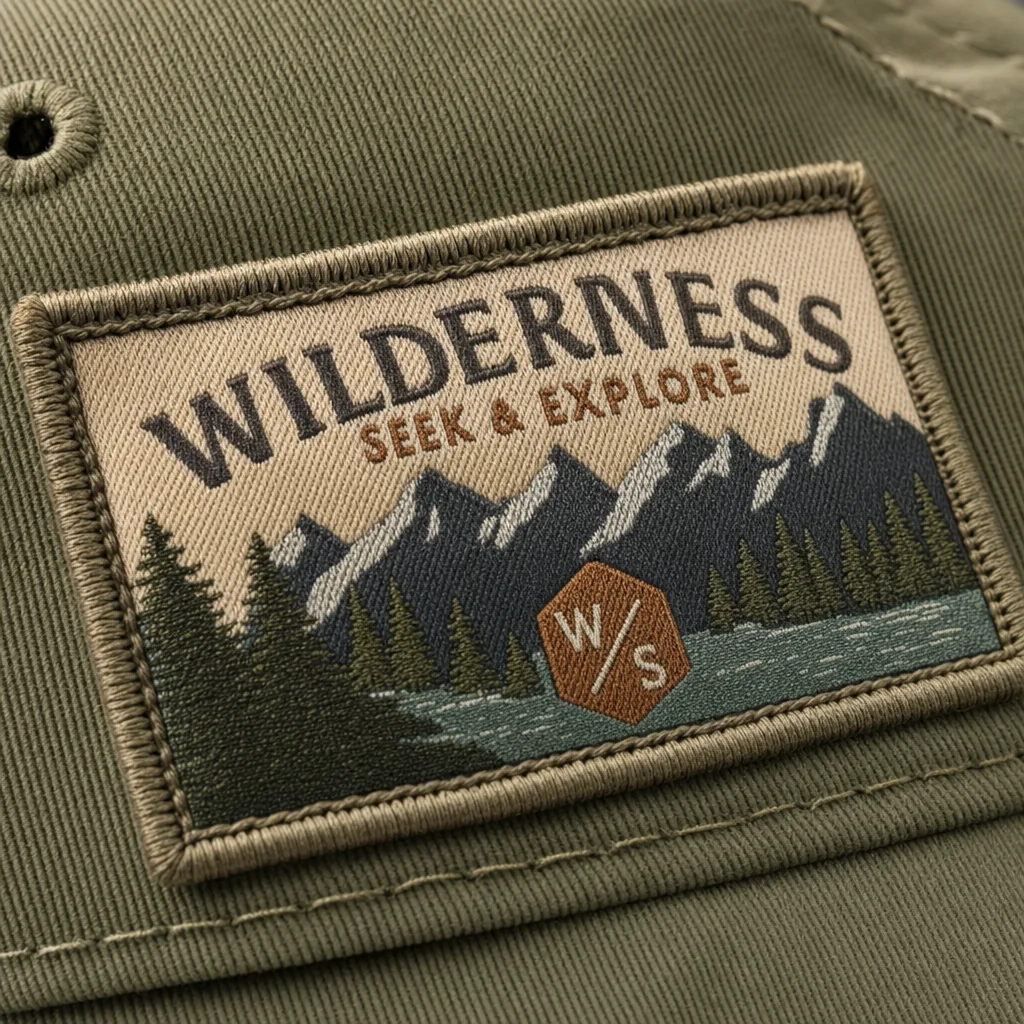
Custom Hat Patch: When to Use It, Costs, and What to Ask Your Factory - Supplier Checklist is one of the most-asked questions we receive from international buyers, and for good reason. With dozens of factories competing for your order and an alphabet soup of technical terms in every supplier quote, even experienced importers can feel lost. This guide consolidates what we have learned producing custom hats for clients in 40+ countries.
Custom Logo Hats
The patch construction matters more than the cap silhouette because it controls detail, attachment risk, and unit cost. Buyers lump everything under custom hat patch, but a woven damask label, merrow-edge embroidered patch, molded PVC badge, debossed PU tab, and dye-sublimated twill applique behave very differently in production. A direct 3D puff logo on the crown is not a substitute; it skips the extra variables that make patches fail, including edge sealing, backing stiffness, adhesive selection, and an additional QC gate before attachment. On most factory lines, patches are made and approved as strike-offs first, then attached either pre-assembly or post-sewing depending on crown structure. Structured 6-panel snapbacks usually sew cleaner before the sweatband is closed because the front panels sit flatter in the guide; unstructured dad hats, bucket hats, and camp caps are often patched after sewing because soft crowns distort under the presser foot and make center-front drift obvious.
If you want a custom hat patch to run cleanly at 3,000 to 10,000 pieces, the tech pack has to lock down more than artwork and size. Call out material, finished dimensions in mm, edge finish, backing, attachment method, and placement tolerance; “2-inch front patch” is how you get off-center retail rejects. For color-critical programs, specify Pantone C or TCX and require Delta-E under 2.0 between patch ground and cap body, because two navies that look close in the lab will split under 4000K store lighting. Also define the cap shell fabric: 260 gsm brushed cotton twill, 300 gsm canvas, 600D polyester, and 85/15 acrylic-wool blends all react differently to topstitch tension and heat press dwell. On retail-grade goods, center-front placement should hold within plus or minus 2 mm; at 3 mm, the lean reads immediately on shelf. Typical FOB add-on is $0.22 to $0.45 for woven, $0.30 to $0.65 for embroidered, $0.35 to $0.80 for debossed PU, and $0.70 to $1.50 for PVC once mold amortization, backing, and extra labor are included.
The right factory questions are about process control, not who quotes the cheapest patch. Ask whether the custom hat patch is produced in-house or subcontracted, how incoming trims are inspected, and whether the factory checks attachment on curved crowns instead of flat sample boards. Embroidered patches should run on Tajima, Barudan, or ZSK heads with stitch density matched to the twill or felt base; otherwise you get puckering, wavy satin borders, and text that closes up below 4 mm letter height. Woven patches hold finer detail, often down to 0.6 mm line width, but they look flatter at two meters and can fray if the laser cut is overburned. Our standard practice is to approve a patch strike-off first, then a full PP cap sample, because failures often appear only after sewing or heat application. For chain retail, the supplier should commit to finished-goods AQL 2.5 and show current sedex-audit-cap-supplier-guide.html">BSCI 2.0 or Sedex SMETA 4-Pillar status. The bulk defects I see most are placement drift, adhesive bleed on light fabrics, PU lifting after carton heat above 50 C, and PVC cavities filling in when the mold venting is poor.
Custom Embroidered Patches
An embroidered custom hat patch makes sense when direct embroidery will sink into the fabric or distort the logo. Washed chino twill, brushed cotton, 8-11 wale corduroy, foam-front truckers, and soft unstructured 5-panels are the usual problem cases; the patch gives you a stable ground and a cleaner edge. In practice, the base is normally polyester twill, acrylic felt, or canvas, embroidered on Tajima, Barudan, or ZSK heads, then finished with a merrow border, satin border, laser cut, or hot-knife cut depending on shape. The technical limits are straightforward: text under 3 mm cap height, strokes below 0.8 mm, gradients, and heavy tonal shading will start to plug once stitch density gets into the 0.40-0.45 mm range. When a buyer insists on photographic detail or more than 8 thread colors, a woven or printed patch is usually the more accurate option and often cheaper after you factor in fewer rejects and less digitizing revision.
Do not let a factory stay vague on the patch spec. You need finished size in millimeters, stitch count, thread type, backing, border construction, and attachment method before anyone quotes realistic lead time or price. A competent supplier should tell you whether they are using 75D rayon for luster or 120D polyester for abrasion resistance and wash performance, and they should lock Pantone references at PO stage rather than “matching by eye.” For color-critical programs, I would set an acceptable Delta-E tolerance and ask whether thread brand and dye lot are recorded in bulk production, because substitutions between lots are one of the most common causes of shade drift on repeat orders. Cost is driven less by the patch itself than by how it is fixed to the cap: a 2.25-2.75 inch embroidered patch typically runs about $0.18-$0.55 FOB per piece, while sew-on attachment adds roughly $0.12-$0.35 per cap in Yiwu and is still the safest method for curved front panels, pigment-dyed hats, and washed styles where heat seal tends to lift at the corners.
Inspection is where patch programs either stay profitable or turn into rework. The recurring failures are puckering from excessive density, laser-cut edges that fuzz after handling, crooked placement against center front or visor seam, loose thread tails, and needle damage on lightweight foam or laminated fronts. For a custom hat patch that is the main decoration, bulk should be checked at AQL 2.5 with placement tolerance called out clearly; on hats, I normally hold patch position to +/- 2 mm from approved center line and patch size to about +/- 1.5 mm, because anything looser is visible on the shelf. If the cap is garment-washed or enzyme-washed after assembly, add wash and rub testing to catch shrinkage mismatch between the patch base and crown fabric, which shows up as rippling around the sew line. Our standard practice is to keep patch production and cap assembly under one QC plan, because split vendors are where color drift, inconsistent edge finish, and lot-to-lot placement variation start costing real money.
Custom Hat with Patch
A custom hat patch is a construction decision, not a decoration add-on. A 55 x 35 mm damask woven patch at 0.6-0.8 mm thick behaves nothing like a 2.0-2.5 mm soft PVC badge, a merrow-border embroidery emblem, or a 1.2 mm debossed microfiber leather patch once it is mounted on a structured 6-panel, foam trucker, or unstructured dad hat. The failure point is usually the crown, not the patch: thick badges can telegraph through light buckram, distort shallow front panels, or sit across the center seam and create edge lift after sewing. The right approval flow is patch strike-off first, then cap-mounted pre-production sample on the actual silhouette. Hold finished patch size to +/- 1 mm on woven and +/- 2 mm on PVC or embroidery, then check seam interference, stitch bite, crown recovery, and whether the attachment method changes the panel shape after 24 hours. The spec sheet needs to be far tighter than most buyers send. Lock material, thickness, backing, edge finish, attachment method, exact size in mm, and placement measured from center front and visor seam; “front center” is not a usable instruction on a factory floor. If color accuracy matters, specify Pantone TCX or Pantone C and call out a tolerance such as Delta-E under 2.0 under D65 lighting, especially for dyed woven grounds, printed twill, and faux leather with topcoat variation. For embroidered patches, ask for thread brand and coverage so the supplier does not substitute lower-sheen rayon for polyester; for woven, specify damask versus taffeta and edge type; for leather-look styles, confirm genuine leather, PU, or microfiber because unit cost, crease memory, and needle-mark risk are completely different.
MOQ and price are driven more by patch process and attachment labor than by logo size alone. A basic brushed cotton twill cap with one sewn woven or embroidered custom hat patch usually starts around 144 pieces per colorway, while molded PVC, embossed leather, sublimated badges, or patches requiring custom molds, brass dies, or laser cutting often move the workable MOQ to 300-500 pieces. Real FOB pricing in China for a standard 6-panel cap with one woven or embroidery patch is typically US$2.20-US$4.20 at 144-500 pieces. Move to wool blend shell fabric, genuine leather patch, rope detail, metal buckle, or multi-step hand placement and it climbs fast into the US$5.80-US$7.50 range. When a quote comes in well below that, check whether mold fees, die charges, manual attachment, and rejection allowance on difficult materials were excluded. Inspection should focus on attachment risk, because that is where patch claims usually start. AQL 2.5 is the normal final standard, and the recurring defects are crooked placement beyond 2-3 mm, bubbling after heat press, skipped stitches on edge tack-down, puckering around sew lines, trapped thread ends under the badge, and needle scarring on suede-touch PU or nubuck. Good factories set control points before final inspection: first-off approval from bulk, placement jigs, heat-press dwell time, and needle/thread matching for thick badges. Our standard practice is to rub-test printed or coated patch surfaces, check peel stability on heat-activated backings, and confirm that the front panel still holds shape after packing pressure, because many patch failures only show up after the cap leaves the sewing line.
Custom Patch for Hat
A custom hat patch makes sense when the crown geometry or artwork detail will fight direct embroidery. On a curved 6-panel front, thread spread and push-pull distortion start destroying clarity fast once line weight drops below about 0.8 mm or copy falls under 4 mm capital height. Small negative space, thin outlines, halftones, and gradient-heavy logos are the usual casualties, especially on brushed cotton twill, garment-washed chino, or 5 mm foam trucker fronts. Even a well-set Tajima, Barudan, or ZSK head cannot cheat physics: dense satin columns on a curved panel will close up, and color blending in thread is never as controlled as a flat-built patch. That is why licensed sports and streetwear programs often move fine logos to woven, printed twill, or TPU patch construction instead of forcing embroidery to do a job it is bad at. The patch type should follow the artwork, not the buyer’s habit. Woven patches hold cleaner edges and smaller text than embroidered patches because the detail comes from the weave count rather than top thread coverage. Printed twill and dye-sublimated patches are better for gradients and multi-color illustrations; TPU/PVC works when you need washable, weather-resistant branding with a molded edge; chenille is still the right answer for varsity-style fills but weak on fine outlines. Typical front placements are 50 x 25 mm on rope hats, 60 x 40 mm on unstructured 5-panels, 65 x 65 mm on standard baseball caps, and up to 90 x 50 mm on high-crown truckers. Once width goes past roughly 70 mm on a low-profile crown, the curvature starts lifting corners or distorting rectangles unless you switch from heat press only to stitch-down or a hybrid attachment.
Most patch failures come from weak specifications, not weak sewing. A usable tech pack for a custom hat patch should lock six things before sampling: face material, finished size in millimeters, backing type, edge finish, attachment method, and color standard. For fabric colors, Pantone TCX is the practical reference; for print inks, TPU, and PVC, use Pantone Coated and define an acceptable Delta-E before strike-off approval. In real production, Delta-E under 2.0 is achievable on dyed textile patches with controlled lots, while under 3.0 is a more honest target for molded PVC or screen print. Edge construction matters more than buyers expect: merrow is durable but visually bulky, satin-stitch borders look cleaner on premium caps, and laser-cut or hot-cut edges only work if the base cloth and adhesive are matched well enough to avoid fray, curl, or edge glazing. China pricing is usually split into patch cost plus application cost, and the break point changes sharply below 500 pieces because tooling, die cutting, and setup are spread over fewer hats. At 300 units, embroidered patches usually add about $0.28-$0.65 each, woven $0.22-$0.55, printed twill $0.18-$0.40, TPU/PVC $0.45-$0.95, and genuine leather $0.60-$1.50, with application adding another $0.10-$0.35 depending on heat press, stitch-down, or both. The factory should also define inspection standards in writing: placement tolerance within ±2 mm, no exposed glue bleed visible at 30 cm, no lifting corners after 24-48 hours recovery, and wash or rub testing where relevant. Our standard practice is to hold patch caps to AQL 2.5, because one clean pre-production sample tells you almost nothing about consistency across a 3,000-piece run.
Custom Patch Hat
A custom hat patch earns its keep when the art will collapse in direct embroidery on a curved crown: serif copy under 4 mm high, negative gaps below 0.6-0.7 mm, stacked borders, or badge shapes that need a crisp perimeter. On the line, we treat patch programs as four distinct constructions, not one generic add-on: embroidered twill, woven damask, molded PVC, and debossed leather or PU. Embroidered and woven patches are built flat first, typically on 210-260 gsm polyester twill or 50D/75D damask, then laser cut, die cut, or merrowed before they ever touch the cap. That flat-first workflow gives cleaner geometry than forcing dense stitches into a buckram-backed front panel, where push-pull distortion and needle deflection will soften edges fast. If the logo needs fine linework or a pseudo-gradient at 45-70 mm wide, woven usually holds detail better than embroidery at the same footprint. PVC and leather change the assembly process more than buyers expect. Soft PVC is commonly molded at 0.8-1.2 mm relief and color-matched against Pantone Solid Coated chips; if the factory is serious, they should also define an acceptable Delta-E tolerance under D65 lighting before mold sampling. Glue-only attachment may shave a few cents, but it is the first thing to fail after sweat, UV exposure, and 30-40 days of carton compression in ocean transit. Our standard practice is glue positioning plus perimeter sewing on truckers, 5-panels, and washed cotton caps because heat press alone can leave gloss marks, crown warping, or edge lift. Leather is less forgiving still: hide thickness, backing stiffness, dwell time, and deboss pressure all change legibility, especially on small text. A custom hat patch should fix decoration limits, not create a returns problem six weeks after delivery.
If you are RFQing a custom hat patch, artwork and quantity are nowhere near enough. The factory needs a spec pack that locks patch size in millimeters with a realistic tolerance of +/-1 mm, border finish, attachment method, stitch type, and placement measured from center front and visor seam. Color standards should be explicit: Pantone TCX for textile surfaces, Pantone Solid Coated for PVC or coated PU, and an agreed Delta-E target if color-critical branding is involved. Material callouts should be equally tight: twill composition, woven yarn denier, PVC Shore A hardness, leather grade, and cap-body construction. The same patch behaves differently on a structured 6-panel cotton twill cap with 1.6-1.8 mm buckram than on an unstructured chino dad hat, so front-panel build has to be part of the decoration spec. Cost mostly comes from patch construction, attachment labor, and whether the patch vendor sits inside the same production chain as the cap factory. In China, workable MOQ usually starts at 144-300 pcs per colorway. As a realistic FOB range, embroidered patch caps often land around $2.20-$4.80, woven patch caps $2.40-$5.20, and PVC patch caps $3.20-$6.50 after mold amortization; a new PVC mold typically adds $80-$200 depending on size, depth, and cavity count. Do not approve from a loose patch strike-off alone. Sign off both the standalone patch and a sewn pre-production sample, then inspect bulk to AQL 2.5. The chargeback defects are predictable: rotation over 3 degrees, placement drift beyond 2 mm, edge lift after a 24-hour cure, puckering from over-compression, and color drift between PPS and production lot. If the factory runs Tajima or Barudan cap frames for attachment stitching, ask for the SPI and seam path up front; it affects both appearance and failure rate.
Custom Patch Hats
The main decision with custom patch hats is not the patch artwork; it is the attachment method and substrate match. A patch can be embroidered, woven, printed twill, PVC, suede, leather, or faux leather, then fixed to the cap by sew-on, heat press, ultrasonic weld, or Velcro depending on end use. For a structured 6-panel trucker, a merrow-border embroidered patch sewn through the front panel is the most forgiving option because it hides small panel curvature and stays stable after 30 to 50 wash cycles. For lightweight nylon runners or unstructured dad caps, a thin woven label patch with heat-seal backing often sits flatter and avoids needle marks on coated 70D to 210D fabrics. A good factory should tell you early if your patch size is too large for the crown break; once a front patch exceeds roughly 75 mm high on a low-profile cap, edge lifting and wrinkling become common. When buyers request a custom hat with patch, I tell them to specify the patch independently from the cap body: finished patch size in millimeters, border type, backing type, stitch count or weave density, material thickness, placement tolerance, and attachment method. If color accuracy matters, provide Pantone TCX or Pantone C references and set an acceptable Delta-E, usually under 1.5 for printed patches and under 2.0 for thread-based embroidery where sheen shifts are normal. You should also ask for crown fabric gsm, buckram stiffness, visor board type, and whether the patch is applied before or after cap assembly. Our standard practice is to apply sewn patches after panel construction but before final sweatband closing, because it keeps the inside cleaner and reduces puckering around the needle path.
MOQ and pricing vary more by patch process than by the hat itself. A basic embroidered custom patch for hat on a cotton twill baseball cap usually starts around 100 to 144 pieces per colorway, because patch setup, thread matching, and sewing jigs need to be amortized. In Yiwu and Dongguan, a simple 2.5 inch embroidered patch on a mid-profile cap often adds about US$0.35 to US$0.80 per piece at 300 units, while woven patches run roughly US$0.28 to US$0.60, depending on yarn fineness and edge finish. Printed faux leather or microfiber patches can land between US$0.45 and US$1.10 because of mold, laser cutting, or deboss tooling. If you want PVC patches, expect higher initial mold cost—often US$80 to US$150 one time—but stable unit pricing after 500 pieces. Below 100 units, most factories either surcharge heavily or switch to stock patch blanks to keep labor sensible. The specs you send should read like a mini tech pack, not a mood board. At minimum, request cap profile, closure type, shell fabric content, patch dimensions, patch location from crown seam, edge style, backing, and attachment stitch color. If the project is for resale, also ask for needle count limits, embroidery run test photos from Tajima or Barudan heads, and confirmation that patch edges will not interfere with eyelets or topstitch rows. For a custom patch hat with licensed logos, include artwork in vector format plus minimum line width; woven and printed patches can hold finer detail than satin-stitch embroidery, which starts to struggle below about 0.8 mm line thickness. If you are importing under FOB Ningbo or Shanghai, confirm carton pack-out and patch pressure resistance, because crushed front panels can deform thick leather or PVC patches in transit.
The quality failures on custom patch hats are easy to spot if you know where to look. The common ones are off-center placement beyond a 3 mm tolerance, skewed patches relative to the button and visor centerline, edge lifting on heat-applied patches, stitch tunneling on curved front panels, and glue seepage that creates a dark halo on light fabrics. On mesh-back truckers, another issue is patch bite-through: if the sewing path catches the foam or mesh transition badly, the patch face looks flat but the inside feels rough and the crown loses shape. During inline inspection I check patch alignment with a center jig, then do peel and rub testing on heat-applied styles, plus a simple flex test to see whether the patch corners start separating after repeated bending. Final inspection should still follow a formal plan such as AQL 2.5, especially if the patch is the primary branding element. This is why the broader custom hat patch sourcing decision matters: the cheapest patch process is not always the cheapest landed result. A woven patch may save US$0.20 compared with direct embroidery, but if the patch needs hand trimming, secondary sewing, and extra rework for alignment, your defect rate can erase the savings. Ask the factory whether they make the patch in-house or outsource it, because outsourced patches often introduce color drift, longer lead times, and accountability gaps when claims happen. A factory audited to BSCI 2.0 or Sedex SMETA 4-Pillar is not automatically better at patch work, but it usually has stronger traceability on incoming trims and clearer corrective-action records. For any hat patch custom program, I would ask for a pre-production sample, a bulk swatch of both cap fabric and patch material, and one destructive test piece before approving mass production.
Working with CrownsForge for custom hat patch programs
Most custom hat patch programs fail at the interface between patch and cap, not at patch production. A clean strike-off can still distort an unstructured 5-panel, sit high over a center-front seam, or show heat-seal read-through on 10 oz brushed cotton twill. At CrownsForge, a realistic development cycle is 5 to 7 working days for artwork cleanup, one strike-off, and one wearable sample when the buyer supplies vector art and Pantone references; woven, TPU, PVC, and chenille patches usually need 2 to 4 extra days for loom carding, mold setup, or yarn lab-dip approval. For an existing cap body, 48 to 144 pcs per colorway is enough to validate patch size, stiffness, and placement. If the brief includes a new crown profile, nonstandard buckram, or shell fabric below MOQ, cost only starts to settle around 300 to 500 pcs per style. The practical test is whether the patch works with the cap after attachment, not whether it looks good on the table. We check patch stiffness against front-panel structure, brim curve, seam layout, and closure tension so the finished cap still wears correctly and does not torque after packing. Placement tolerance should be held to ±2 mm, especially on mid-profile 6-panels where a patch drifting even 3 mm off center is visible at retail. If the patch crosses a seam, stitch path and backing choice matter more than artwork detail; too much density on an embroidered patch can create puckering, while a rigid molded patch can bridge and lift at the edges during transit. That is why a custom hat patch program needs approval on the actual cap body, not just on a loose patch card.
Cost is driven more by construction and attachment method than by shaving a few cents in negotiation. Embroidered patches typically run $0.28 to $0.75 each depending on stitch count, twill base, merrow versus laser edge, and backing type. Woven patches usually land at $0.22 to $0.60 because detail comes from denier, loom density, and edge finish rather than thread volume. Molded PVC or silicone patches are commonly $0.65 to $1.20 once tooling, cavity count, and color-layer complexity are included; TPU badges can sit in a similar range if the mold has fine linework or multiple gloss levels. Heat press is fast, but on nylon taslon, washed twill, or foam-front truckers, adhesive failure often appears after cooling, compression packing, or container transit if activation temperature and dwell time are not matched to the shell fabric. Repeatability becomes the real issue once a custom hat patch order moves from sampling to retail or licensed volume. Buyers should ask for AQL 2.5 final inspection, needle-control logs, incoming fabric inspection records, and current BSCI 2.0 or Sedex SMETA 4-Pillar audit status. For Europe-bound goods, REACH, azo-free dye compliance, and phthalate limits are routine checkpoints, especially for PVC, silicone, and TPU patches. Color should be approved against Pantone TCX or coated references and verified under D65 lighting; a patch that passes under office LEDs can still drift above Delta-E 1.5 when checked properly. The safest workflow is to freeze the full tech pack before bulk: BOM, shell fabric gsm, buckram spec, sweatband construction, stitch density, patch placement map, and pack-out standard. In practice, holding the same yarn lot, TPU formula, and fabric shade band is what keeps reorders from arriving 95 percent right and still failing side-by-side with the first shipment.
Frequently Asked Questions
What logo decoration techniques do you offer?
3D puff embroidery, flat embroidery, woven patch, leather patch, PVC patch, screen printing, sublimation, applique and laser etching, all in-house with no subcontracting.
What file format should I send for my logo?
Vector files (AI, EPS, PDF) are ideal. High-resolution PNG or JPG at 300 dpi on transparent background works as a fallback. Provide Pantone color references for accurate reproduction.
Can I order a sample before bulk production?
Yes. We strongly recommend approving a pre-production sample before mass production. Samples are charged at 35 to 60 USD each plus express shipping, fully refundable against confirmed bulk orders over 500 pieces.
How long does production take?
Sampling takes 7 to 12 days. Bulk production runs 20 to 30 days depending on quantity, fabric availability and decoration complexity. Inspection and packing adds another 3 to 5 days before shipment.
Do you support sustainability certifications?
Yes. We work with GOTS organic cotton, GRS-certified recycled polyester, OEKO-TEX Standard 100 fabrics, and are BSCI and Sedex audited. Certification documentation can be provided per order.
How does ordering custom leather patch trucker hat work?
When evaluating custom leather patch trucker hat, the key considerations are construction quality, decoration capability, MOQ flexibility and lead time. Cover everything buyers ask about custom logo hats: how it's manufactured, what specs to request from a factory, typical MOQ and pricing, common quality issues to inspect for, and how this ties back to the broader custom hat patch sourcing decision. Cover everything buyers ask about custom embroidered patches: how it's manufactured, what specs to request from a factory,…
What's the MOQ for custom leather patch hats no minimum?
When evaluating custom leather patch hats no minimum, the key considerations are construction quality, decoration capability, MOQ flexibility and lead time. Cover everything buyers ask about custom logo hats: how it's manufactured, what specs to request from a factory, typical MOQ and pricing, common quality issues to inspect for, and how this ties back to the broader custom hat patch sourcing decision. Cover everything buyers ask about custom patch hats: how it's manufactured, what specs to request from a factory, typical MOQ…
How does ordering custom embroidered trucker hats work?
When evaluating custom embroidered trucker hats, the key considerations are construction quality, decoration capability, MOQ flexibility and lead time. Cover everything buyers ask about custom logo hats: how it's manufactured, what specs to request from a factory, typical MOQ and pricing, common quality issues to inspect for, and how this ties back to the broader custom hat patch sourcing decision. Cover everything buyers ask about custom embroidered patches: how it's manufactured, what specs to request from a factory,…
How does ordering custom baseball hats with logo work?
When evaluating custom baseball hats with logo, the key considerations are construction quality, decoration capability, MOQ flexibility and lead time. Cover everything buyers ask about custom logo hats: how it's manufactured, what specs to request from a factory, typical MOQ and pricing, common quality issues to inspect for, and how this ties back to the broader custom hat patch sourcing decision. Cover everything buyers ask about custom patch hats: how it's manufactured, what specs to request from a factory, typical MOQ…
Ready to start your custom hat project?
Send us your tech-pack, sketch or even just an inspiration photo. We will respond with a detailed quotation and digital mock-up within 24 hours.
Request a free quoteRelated guides
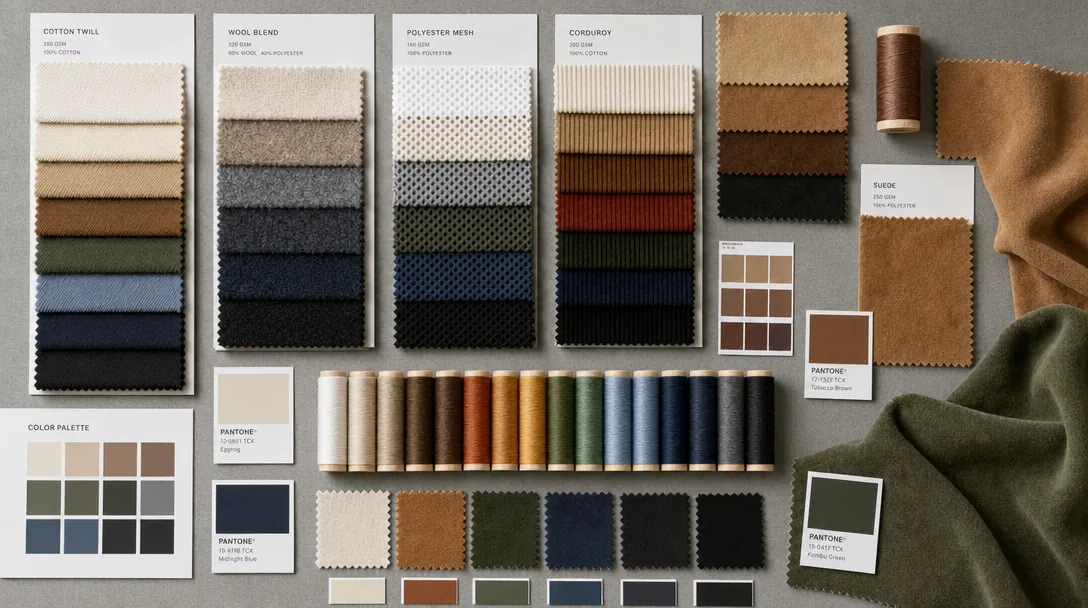
Corduroy Hat Vintage Sample Approval Process for Custom Hat Buyers
Read article →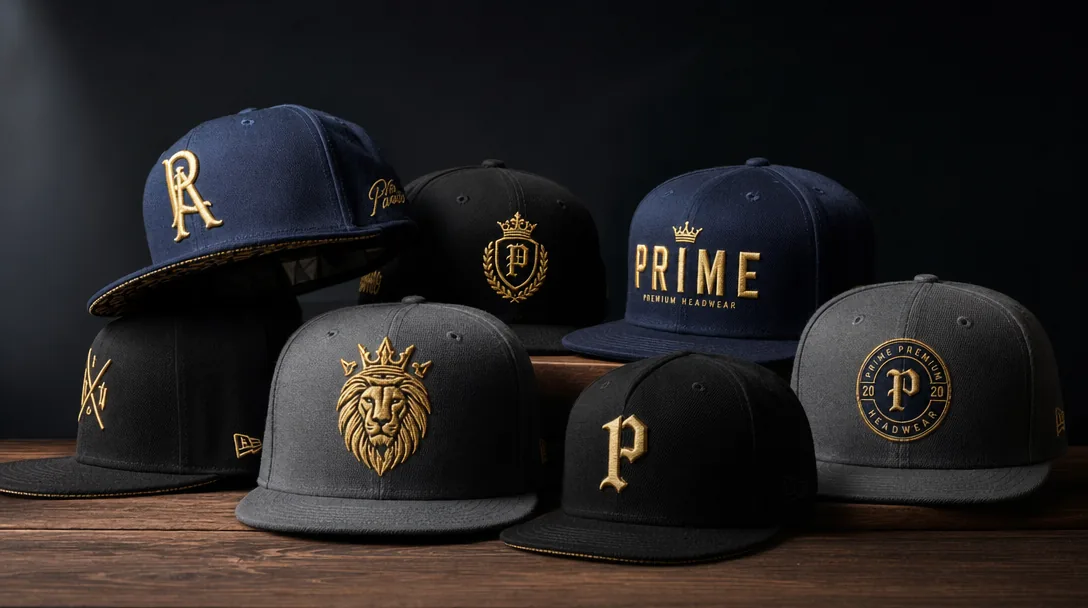
5 Panel Camp Cap Wholesale: A 2026 B2B Sourcing Guide
Read article →
How to Vet a China Hat Manufacturer Before You Wire the Deposit
Read article →Sourcing custom hats does not have to be complicated. With the right manufacturing partner, clear specifications and a small upfront investment in sampling, you can launch a retail-quality product in 30 to 45 days.