
Custom Hat Patch: When to Use It, Costs, and What to Ask Your Factory - Cost & MOQ Breakdown
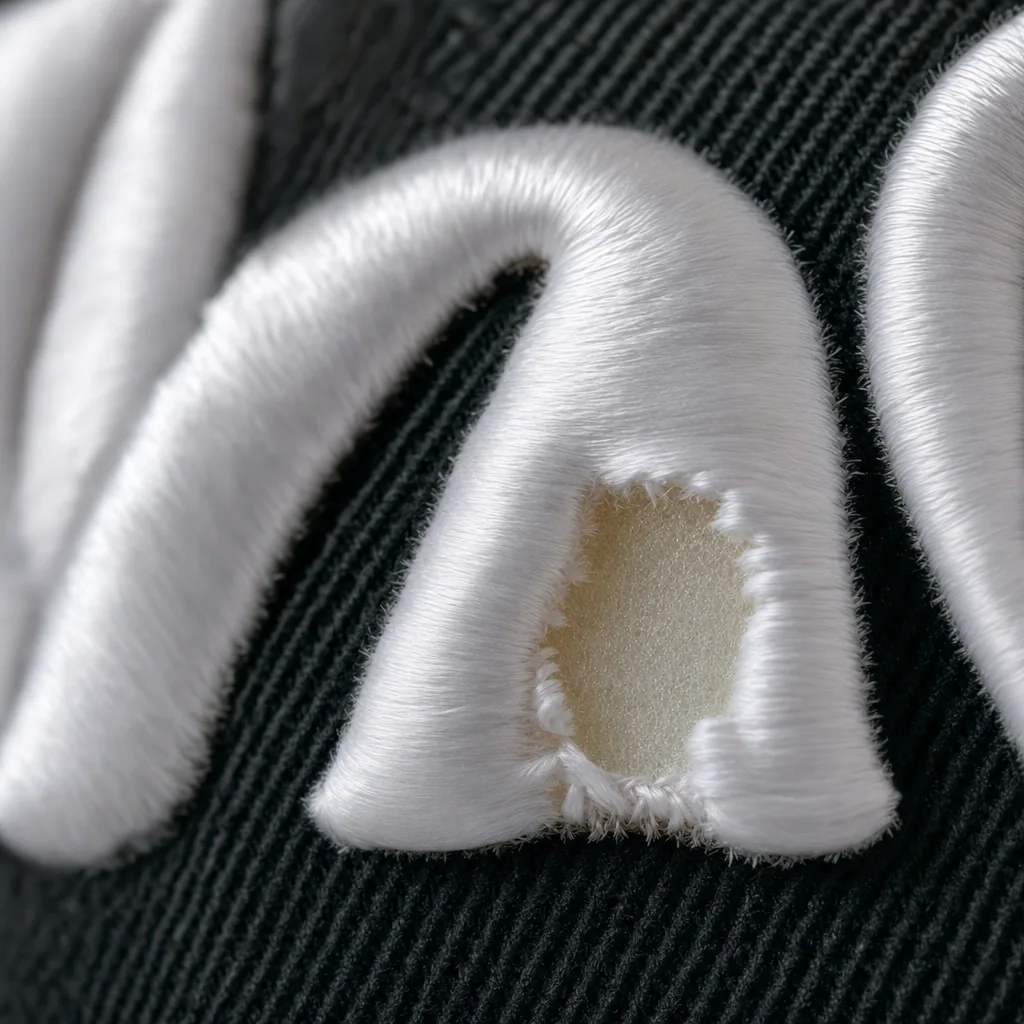
Custom Hat Patch: When to Use It, Costs, and What to Ask Your Factory - Cost & MOQ Breakdown is one of the most-asked questions we receive from international buyers, and for good reason. With dozens of factories competing for your order and an alphabet soup of technical terms in every supplier quote, even experienced importers can feel lost. This guide consolidates what we have learned producing custom hats for clients in 40+ countries.
Custom Logo Hats
Attachment method is where a custom hat patch program usually succeeds or fails. On a structured 6-panel snapback made in 260-300 gsm cotton twill or an 80/20 acrylic-wool blend, a merrowed embroidered patch or high-density damask woven patch keeps its edge best when stitch-down applied after crown assembly; the front panel has enough buckram support to carry the patch without collapsing. Put that same patch on an unstructured dad cap in 180-220 gsm chino twill, washed cotton, or brushed canvas and you will often get tunneling, front-panel rippling, or a visible "tent" effect across the seam. For softer crowns, thinner woven labels, printed twill patches, or 0.8-1.2 mm faux leather patches usually sit cleaner, especially if the patch stays under roughly 55-65 mm wide on the front.
A clean RFQ needs technical limits, not just artwork. Lock the custom hat patch size in millimeters, border type, backing, attachment method, Pantone TCX references, minimum stroke width, and color tolerance; for retail programs, I would keep Delta-E at 1.5 or tighter against the approved standard under D65 lighting. Cap construction has to be frozen at sampling as well, because buckram stiffness, visor curve, seam position, sweatband material, and closure type all change how the patch reads once the cap is worn. Price is driven more by patch process than buyers expect: at 300 pieces FOB China, a chino twill dad cap with a stitched woven patch is commonly $3.20-$4.80, while a structured snapback with a stitched faux leather patch is more like $4.50-$6.50. Molded PVC, embossed genuine leather, and die-cut TPU usually push MOQ to 200-300 pieces because the patch factory has separate mold or die charges; simple woven or embroidered patch runs can often start around 100-144 pieces per colorway.
Inspection should focus on the failure points that show up in bulk, not the nice-looking pre-production sample. The usual misses are crooked placement, edge lifting on heat-applied patches, loose merrow yarns, needle cuts around dense stitch-down borders, and shade drift between the approved patch card and the production lot. I would inspect to AQL 2.5, hold placement tolerance to +/-2 mm, compare sealed sample to bulk under D65 light, and run peel checks on any bonded application rather than accepting glue performance on trust. If a factory quote is suspiciously cheap, it often means one of three things: lower weave density, glue-only bonding instead of stitched attachment, or weaker color control at the patch supplier. For leather, PU, coated fabrics, or ink-heavy prints, ask for REACH or California Prop 65 screening, and if the order is for licensed retail or a large promotional account, confirm current sedex-audit-cap-supplier-guide.html">BSCI 2.0 or Sedex SMETA 4-Pillar audit coverage before release.
Custom Embroidered Patches
An embroidered custom hat patch is the lowest-risk way to get texture and edge definition without punching 20,000 to 35,000 stitches directly into a cap front and warping the crown. Good factories run these patches on Tajima, Barudan, or ZSK multi-head machines using 120D or 150D polyester thread over 210-250 gsm twill, acrylic felt, or polyester felt, then finish them with either a merrow border or a laser-cut satin edge. The spec needs to be locked before sampling, not after: exact patch size in mm, base fabric, stitch coverage percentage, border construction, backing, and whether the patch is applied pre-assembly or onto a finished cap. Those details decide whether the patch sits cleanly or fights the silhouette. A 2.0-2.5 mm patch usually behaves well on a structured 6-panel, but that same build can telegraph through an unstructured dad cap or bridge awkwardly over the front seam on a foam trucker.
Color and cost are where buyers usually get sloppy. For the ground fabric, use Pantone TCX and approve an actual dyed lab dip; for thread, approve a physical strike-off because embroidery thread rarely matches coated Pantone with lab-grade precision. On patch fabric, a Delta-E below 2.0 is achievable with competent dyeing, but thread approval is still largely visual against the signed sample. Pricing moves on stitch count, edge finish, and attachment method, not on the label "embroidered patch." In China, digitizing is typically $20-$60 per design, patch-only MOQ is commonly 200-500 pieces, and a custom hat patch applied to caps usually starts around 100-300 hats per colorway. A 65 x 45 mm patch with 35-50% coverage and merrow edge may cost $0.18-$0.40, while a denser 90 x 50 mm satin-edge patch can reach $0.55-$0.80 before application. Sewing or heat-press application typically adds $0.25-$0.70 per cap. The failure points are predictable: merrow width drift, laser-cut edge fuzz, placement more than 3 mm off center, skipped attachment stitches, and crown distortion from over-dense digitizing. At CrownsForge, bulk inspection on these styles is typically held to AQL 2.5.
Custom Hat with Patch
A custom hat patch is a two-part build: the cap shell and the badge have to be engineered together, or the front panel starts fighting the artwork. Patch type should be selected by detail level and crown geometry, not by whatever is trending. If your copy is under 4 mm tall, line weight drops below 0.4 mm, or the logo has fine serif detail, an embroidered patch usually loses definition on a curved structured 6-panel crown. Satin stitches spread, fill stitches crowd together, and the patch reads muddy once it is sewn onto buckram. In that situation, woven damask, screen-printed twill, or molded TPU gives cleaner edges. Before sampling, lock the full spec: patch size in millimeters, corner radius, border style, merrow versus laser-cut edge, stitch margin, backing, attachment method, placement tolerance, and color standard in Pantone Solid Coated or Pantone TCX. On the factory floor, missing any one of those points is how you end up approving a patch that looks fine loose on the table but wrong once mounted on the cap.
Attachment method is where many custom hat patch programs fail. A patch can sit flat on a proof card and still tunnel on a high-profile buckram front, especially if the cap fabric is lightweight 8 oz chino twill or the sew path runs too close to the edge. Sew-on remains the safest choice for retail durability on cotton twill, acrylic-wool blends, and brushed canvas. Heat-applied TPU, PU, and printed badges can work, but only with a defined process window—typically 145 to 160 C depending on the adhesive film—plus pull testing after cooling. Common failures are scorch marks, glue bleed, edge lift, skipped stitches, and panel distortion around the badge perimeter. Cost is driven more by the patch than the hat body: 100 to 144 pieces per color is realistic for embroidered or woven patches with no custom mold, while genuine leather, molded TPU, and rubber badges usually need 300 pieces or more to absorb setup loss and rejection. A stock cotton twill cap with a sewn patch typically lands around $2.20 to $3.80 FOB China at 144 units; real leather often pushes that to $3.80 to $6.50, while molded TPU or PVC usually adds a one-time mold charge of $80 to $200. Inspect the finished cap under AQL 2.5, hold patch placement to ±2 mm, and check color variance, ideally within commercially acceptable Delta-E tolerance, on the completed assembly rather than on loose patches.
Custom Patch for Hat
A custom hat patch should be treated as a separate manufactured component, not just a decoration choice, because it introduces its own tooling, yield loss, and sewing risk before the cap ever reaches final inspection. The biggest mistake I see is buyers approving artwork without matching the patch build to the crown structure. On structured 6-panel baseball caps and most truckers, a practical patch thickness is about 0.8 to 1.8 mm including face, backing, and edge finish. Once you push past 2.0 mm, the front panel starts fighting back: needle deflection increases, stitch lines tunnel, and the crown can dish or ripple after attachment. That problem shows up fastest on 5-panel foam truckers, shallow-profile caps, and unstructured 10 oz to 12 oz cotton twill where the panel has less support than heavy buckram builds. Material choice matters more than many factories admit. If your logo has text under 2.0 mm cap height or strokes below 1.0 mm, a woven patch in 50D to 75D polyester will usually hold detail far better than standard embroidery run on Tajima or Barudan heads. Embroidery can still work, but the file often needs simplification, pull compensation, and underlay changes that alter the art. Merrowed borders have a classic look, yet they typically consume 2 to 3 mm of visible face area and add edge bulk that feels oversized on youth hats or low crowns. For cleaner margins, laser-cut woven, satin-stitch edge, or die-cut TPU patches usually give a more controlled result for modern streetwear programs.
If you want a reliable custom hat patch, do not send only an AI or PSD logo and ask the factory to “make it look right.” The spec pack should call out patch size in millimeters, Pantone TCX or coated references, acceptable Delta-E tolerance, edge construction, backing, attachment method, placement, and minimum readable text. Attachment method changes both durability and reject rate. Direct stitch-on is still the safest for repeated wear, sweat exposure, and ocean freight; heat seal is quicker on the line but can soften when containers hit 60°C or higher; hook-and-loop needs a stiffer front with solid buckram support or the crown can collapse around the stitch path. At CrownsForge, we normally lock center-front placement at ±2 mm on PPS approval and inspect bulk to AQL 2.5 for skipped stitches, puckering, edge fray, adhesive bleed, and panel deformation. MOQ and cost are driven more by the patch process than by the cap shell. In Zhejiang, a stock-fabric patch program usually starts around 144 to 300 pcs per colorway, but practical MOQ often moves to 500 pcs once you add a PVC mold, emboss plate, custom dye lot, or painted edge process. A standard 6-panel cotton twill cap with a woven or embroidered patch usually lands around FOB $2.20 to $3.60 at 300 to 1,000 pcs. PVC often runs $2.80 to $4.50, while genuine leather or suede is more often $3.20 to $5.50 depending on hide grade, deboss depth, laser marking, and edge treatment. Setup is rarely free: digitizing, loom programming, or tooling usually costs $30 to $120. Samples also cost more than buyers expect because both the patch and the hat are being proven at once; one pre-production sample commonly runs 1.5 to 2.5 times the bulk unit price before freight.
Custom Patch Hat
The biggest mistake with a custom hat patch is treating it like trim instead of a separate production process with its own failure points. Patch quality is decided before the cap ever reaches sewing: artwork has to be simplified for the patch method, the strike-off approved, and the attachment method matched to the crown fabric. For most U.S. programs, embroidered and woven patches are still the lowest-risk options. Woven patches hold finer detail and cleaner copy, with legibility down around 1.0-1.5 mm letter height, while embroidered patches need bolder art, satin columns over roughly 1.2 mm, and enough open area to keep thread breaks and fill collapse under control. On Tajima, Barudan, or ZSK heads, I would not release bulk without checking thread coverage, border consistency, and post-run shrinkage on the actual patch base cloth. Where runs go sideways is patch-to-cap integration. Front placement tolerance should stay within +/-2 mm from center; on a structured 6-panel with buckram, anything beyond that reads crooked immediately at retail. Unstructured 5-panel nylon and washed cotton are less forgiving because crown curvature, fabric memory, and backing weight interact; over-dense stitching or the wrong fusible backing will telegraph puckering across the front panel. Buyers should lock the full spec in millimeters: patch size, base material, merrow or laser-cut edge, backing type, stitch color, and placement from center seam or visor stitch line. If the custom hat patch is faux leather, TPU, or PVC, ask for heat-test and needle-mark approval first. Those materials can craze, show platen gloss, or distort under repeated press cycles long before final AQL 2.5 inspection catches the damage.
MOQ and cost on a custom hat patch are usually driven more by patch construction than by the cap body. A standard brushed cotton twill cap with an embroidered or woven patch is often workable at 100-144 pcs per colorway, but molded PVC, debossed PU, or genuine leather patches typically need 300-500 pcs to spread mold charges, color batching loss, and setup time. In current FOB China ranges at 300-1,000 pcs, you are usually looking at about $2.20-$4.20 for embroidered patch caps, $2.40-$4.50 for woven patch caps, $2.80-$5.20 for PVC patch caps, and $4.80 and up for real leather depending on hide grade, REACH-compliant chemistry, liner spec, and individual packing requirements. If a factory quotes leather patch pricing close to embroidery, they are either using very low-grade split leather or leaving risk out of the math. Good tech packs reduce rejects fast. Specify the cap fabric first—10 oz cotton twill, 150-180 gsm polyester interlock, or 70D-210D nylon—because heat tolerance and stretch determine whether the patch should be sewn, heat-applied, or both. Then call out Pantone TCX for textile components, coated Pantone references for printed patch surfaces, and a realistic Delta-E target, typically under 2.0 on critical brand colors where the substrate allows it. Inspection should focus on off-center placement, patch rotation, uneven merrow width, skipped stitches, border fray, tape-pull lift after 60 seconds, and crown distortion caused by attaching the patch too late in sewing. At CrownsForge, we freeze patch approval before bulk cutting, because changing a patch after crown assembly can burn through the normal 2% rework allowance and turn perfectly good shells into scrap.
Custom Patch Hats
Treat a custom hat patch as a trim specification first, because the patch construction decides whether the logo will survive crown curvature, heat pre-tack, and needle penetration without lifting or distorting. The workable options are embroidered patch with merrow edge, laser-cut twill patch with satin border, woven patch, molded PVC, and debossed PU leather, and each fails differently in production. Embroidered patches deliver the raised varsity look, but fine strokes under about 0.8 mm usually close up once you run 75D or 120D rayon on a Tajima or Barudan head. Woven patches hold cleaner micro text, ® marks, and sharp corners because detail comes from loom density, not top-thread coverage. For approval, send vector art, finished size in mm, Pantone C or TCX references, border width, backing, and the exact cap shell fabric. A 55 x 35 mm patch sews cleanly on 10 oz cotton twill, but the same patch on corduroy, brushed chino, or a foam trucker front can telegraph the edge or collapse the panel.
Most failures start in the spec sheet, not at the sewing machine. A factory-ready custom hat patch callout should include base material, merrow width or satin stitch width, stitch count or woven denier, backing type, attachment method, finished size tolerance, and placement measured from center front and visor seam, with a realistic placement tolerance of plus or minus 2 mm. If color match matters, specify Pantone and a Delta-E tolerance of 1.5 to 2.0; otherwise dark navy, forest green, and black often drift between the patch batch and the cap fabric lot. MOQ usually splits into two thresholds: patch MOQ and cap MOQ. In Yiwu, embroidered or woven patches commonly start at 100 to 300 pieces per design, while finished patch caps are more often 144 to 300 pieces per colorway unless the factory is using stock bodies.
Cost is usually modest until you choose thicker materials or oversized artwork. A basic 50 mm embroidered patch sewn onto a 6-panel cotton twill cap typically adds about $0.18 to $0.45 FOB per hat; woven patches usually run $0.22 to $0.50; molded PVC is closer to $0.45 to $0.90 plus a one-time mold charge of roughly $80 to $150. QC should focus on attachment integrity and crown shape, because that is where orders fail under AQL 2.5: skewed placement, loose jump threads, border lifting, adhesive bleed from pre-tack, tunneling around the stitch line, and puckering on low-gsm or unstructured fronts. Oversized patches are especially risky on 5-panel campers and foam truckers; once the patch spans too close to the side breaks, the crown loses shape and the seam tape fights the stitch path. Ask the factory whether attachment is done with manual jigs, sewing guides, or heat pre-tack, and whether final sewing is on single-needle or post-bed machines after crown assembly.
Working with CrownsForge for custom hat patch programs
Lock the custom hat patch method before you approve the cap sample, because the patch dictates both construction and failure risk. A merrowed embroidery patch, woven damask patch, high-frequency molded PVC badge, suede appliqué, and debossed PU patch do not behave the same on a 70D nylon camper, a 260 gsm brushed cotton dad cap, or a foam-front trucker. On the floor, the trouble usually shows up after sampling: thick PVC can tunnel on low-profile unstructured fronts, merrow borders can ripple on lightweight nylon, and heat-activated backings can glaze light-colored twill if press temperature is even 10-15°C too high. A realistic sample lead time is 5-7 business days when the factory is using stock shells and a standard sew-down patch, but 10-14 business days is more typical once you add custom-dyed fabric, laser-cut shapes, molded tooling, or placement jigs. For a first run, 144 pieces per colorway is workable if the program uses in-stock closures and one straightforward patch technique; once you add custom seam tape, printed lining, or mixed patch methods, the real commercial MOQ is usually 300-500 pieces per style.
Most custom hat patch cost sits in setup and attachment, not the crown itself. In bulk, a basic embroidered patch sewn onto a chino twill cap typically adds $0.45-$0.90 per unit; molded PVC is more often $0.80-$1.50 because of mold cost, reject risk, and slower placement; real leather or washable PU usually lands around $0.70-$1.20 depending on thickness, skive, backing, and edge finish. Sample charges should be quoted separately. A clean sew-down strike-off may cost $35-$60, while a molded PVC or multi-process sample can run $80-$120 before bulk, often credited against a confirmed PO. The right workflow is artwork check, Pantone TCX confirmation, patch strike-off approval, cap sample, pre-production sample, then inline QC and final AQL 2.5 inspection. That sequence catches the defects buyers actually get charged for: patch placement drifting past a 2-3 mm tolerance, adhesive bleed on pale fabrics, border distortion after sewing, or color variance above Delta-E 1.5-2.0 from the approved standard. On our standard practice, sew-down patches go through programmable pattern stitch machines, embroidery details run on Tajima or Barudan heads, and heat-applied badges only move forward after peel, wash, and surface-marking checks are passed.
Frequently Asked Questions
What logo decoration techniques do you offer?
3D puff embroidery, flat embroidery, woven patch, leather patch, PVC patch, screen printing, sublimation, applique and laser etching, all in-house with no subcontracting.
What file format should I send for my logo?
Vector files (AI, EPS, PDF) are ideal. High-resolution PNG or JPG at 300 dpi on transparent background works as a fallback. Provide Pantone color references for accurate reproduction.
Can I order a sample before bulk production?
Yes. We strongly recommend approving a pre-production sample before mass production. Samples are charged at 35 to 60 USD each plus express shipping, fully refundable against confirmed bulk orders over 500 pieces.
How long does production take?
Sampling takes 7 to 12 days. Bulk production runs 20 to 30 days depending on quantity, fabric availability and decoration complexity. Inspection and packing adds another 3 to 5 days before shipment.
Do you support sustainability certifications?
Yes. We work with GOTS organic cotton, GRS-certified recycled polyester, OEKO-TEX Standard 100 fabrics, and are BSCI and Sedex audited. Certification documentation can be provided per order.
How does ordering custom leather patch trucker hat work?
When evaluating custom leather patch trucker hat, the key considerations are construction quality, decoration capability, MOQ flexibility and lead time. Cover everything buyers ask about custom logo hats: how it's manufactured, what specs to request from a factory, typical MOQ and pricing, common quality issues to inspect for, and how this ties back to the broader custom hat patch sourcing decision. Cover everything buyers ask about custom embroidered patches: how it's manufactured, what specs to request from a factory,…
What's the MOQ for custom leather patch hats no minimum?
When evaluating custom leather patch hats no minimum, the key considerations are construction quality, decoration capability, MOQ flexibility and lead time. Cover everything buyers ask about custom logo hats: how it's manufactured, what specs to request from a factory, typical MOQ and pricing, common quality issues to inspect for, and how this ties back to the broader custom hat patch sourcing decision. Cover everything buyers ask about custom patch hats: how it's manufactured, what specs to request from a factory, typical MOQ…
How does ordering custom embroidered trucker hats work?
When evaluating custom embroidered trucker hats, the key considerations are construction quality, decoration capability, MOQ flexibility and lead time. Cover everything buyers ask about custom logo hats: how it's manufactured, what specs to request from a factory, typical MOQ and pricing, common quality issues to inspect for, and how this ties back to the broader custom hat patch sourcing decision. Cover everything buyers ask about custom embroidered patches: how it's manufactured, what specs to request from a factory,…
How does ordering custom baseball hats with logo work?
When evaluating custom baseball hats with logo, the key considerations are construction quality, decoration capability, MOQ flexibility and lead time. Cover everything buyers ask about custom logo hats: how it's manufactured, what specs to request from a factory, typical MOQ and pricing, common quality issues to inspect for, and how this ties back to the broader custom hat patch sourcing decision. Cover everything buyers ask about custom patch hats: how it's manufactured, what specs to request from a factory, typical MOQ…
Ready to start your custom hat project?
Send us your tech-pack, sketch or even just an inspiration photo. We will respond with a detailed quotation and digital mock-up within 24 hours.
Request a free quoteRelated guides
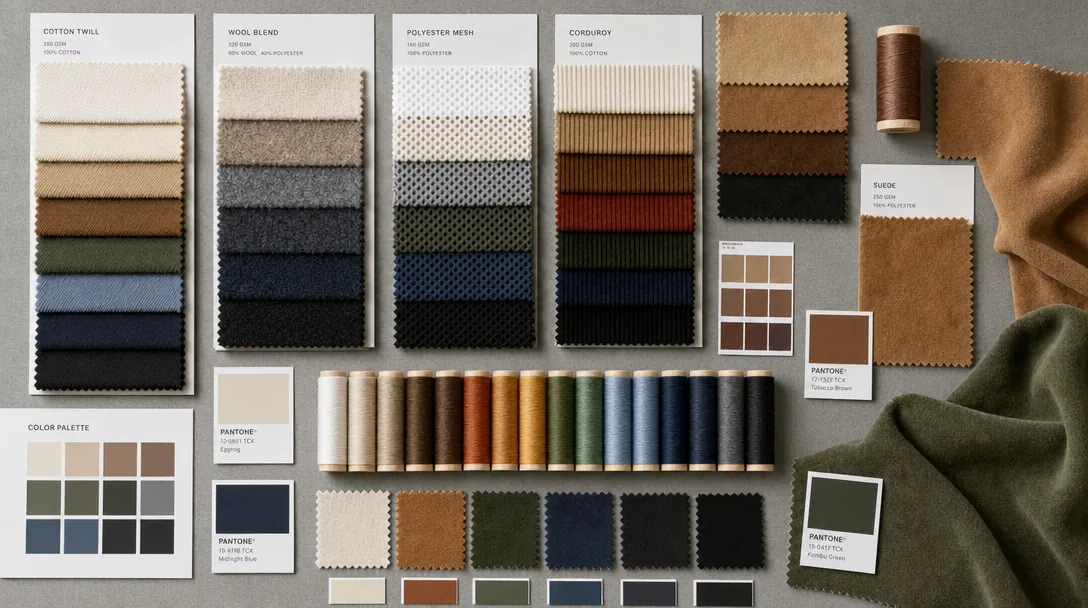
Corduroy Hat Vintage Sample Approval Process for Custom Hat Buyers
Read article →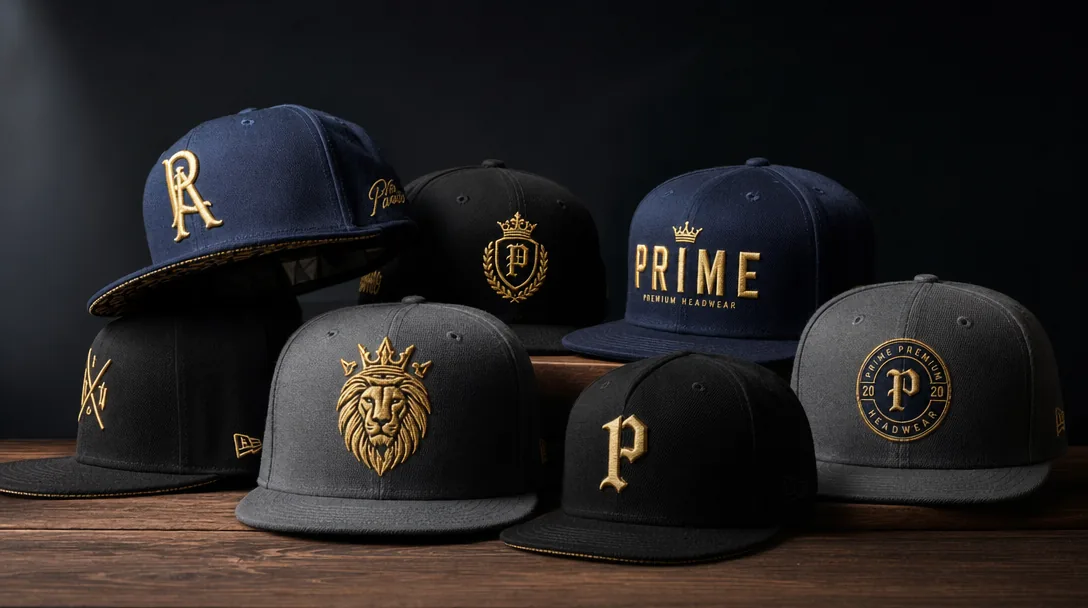
5 Panel Camp Cap Wholesale: A 2026 B2B Sourcing Guide
Read article →
How to Vet a China Hat Manufacturer Before You Wire the Deposit
Read article →Sourcing custom hats does not have to be complicated. With the right manufacturing partner, clear specifications and a small upfront investment in sampling, you can launch a retail-quality product in 30 to 45 days.