
Custom Hat Patch: When to Use It, Costs, and What to Ask Your Factory (2026 Update) - 2026 Buyer's Guide
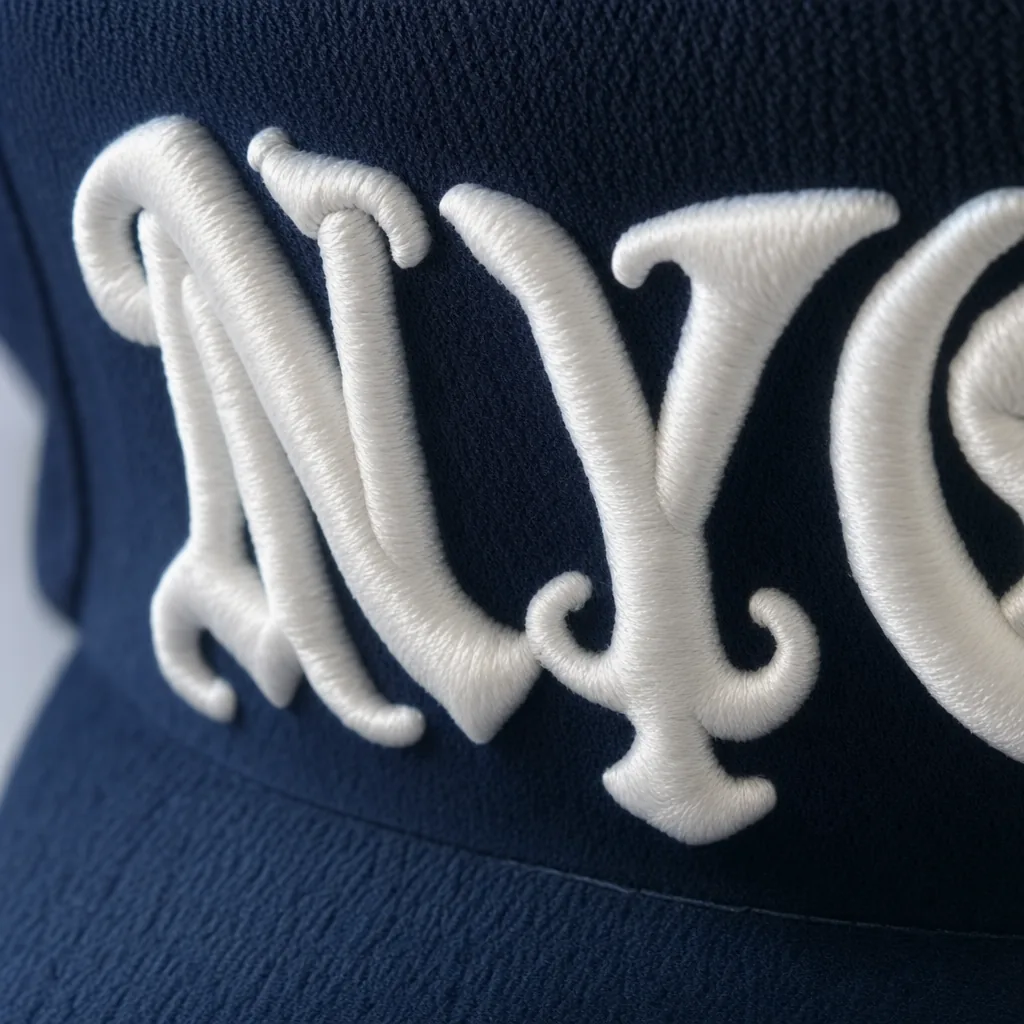
Every week, our sales team answers detailed questions about custom hat patch: when to use it, costs, and what to ask your factory (2026 update) - 2026 buyer's guide. We wrote this guide so that wholesalers, streetwear brands, corporate buyers and promotional resellers can compare options with full information, and avoid the traps that show up only after production has started.
Custom Logo Hats
The failure point on custom logo hats is usually the interface between the custom hat patch and the front panel, not the artwork. A patch that sits flat on a structured 5-panel trucker with 1.5-2.0 mm PE foam, hard buckram, and a 100% polyester foam front can ripple on an unstructured washed chino cap at 220-260 gsm because the shell has too much drape. As a rule, woven patches beat direct embroidery once text drops below about 3.5 mm cap height; satin columns start closing counters, and small serif details turn muddy even on a well-tuned Tajima or Barudan head. PVC gives the cleanest edge definition and the best rain resistance, but the added mass and lower flex recovery mean it should be perimeter-stitched, or at minimum heat-laminated with a secondary tack stitch, if the hat will see repeated packing, flexing, or machine handling. Your RFQ should lock five variables before anyone quotes: cap style and panel structure, patch material, exact finished size in mm, attachment method, and color standard. If you do not specify Pantone TCX for textile components and Pantone Coated for print or PVC, plus an acceptable Delta-E tolerance of 1.5-2.0 under D65 lighting, approvals drift to operator judgment. Border finish matters too: merrow looks right on vintage or promo styles but adds thickness; heat-cut or satin edge is cleaner for streetwear logos and low-profile profiles. Most patch work is produced separately, then applied after crown assembly, so placement tolerance needs to be written down. For front-center application, ±2 mm from crown centerline is realistic; anything tighter starts increasing rework and rejection cost fast.
Cost is driven less by the cap shell than by the setup behind the custom hat patch. In China, practical MOQ for stock-body caps is usually 144-300 pcs per colorway, but woven patches often need 500 pcs to hit efficient loom pricing, while molded PVC typically carries a one-time mold charge of $120-$250 depending on cavity count, depth, and edge detail. At 300-500 units, a brushed cotton twill dad cap with a sewn embroidered twill patch commonly lands around $2.20-$3.60 FOB Ningbo; a foam trucker with a merrowed patch is more like $2.80-$4.20; genuine leather patch caps usually run $3.80-$6.50 depending on hide grade, deboss depth, and whether the patch is laser-cut or steel-rule die-cut. If a quote comes in far below those bands, the savings usually come from lighter fabric, PU substituted for leather, lower stitch density, or no real final inspection. Inspection is where sellable goods get separated from returns. The recurring defects are crooked placement, edge lift after heat application, merrow joins opening, fill embroidery exposing base twill, laser scorch on microfiber suede, and front-panel distortion from center-seam bulk. I would run finished caps to AQL 2.5 and add specific checkpoints for logo orientation, visual centering, visor symmetry, patch adhesion after 24-hour conditioning, and colorfastness on dark shells. On nylon and performance polyester, add a peel test because adhesive strike-through and edge memory are common. Our standard practice is to flag any front patch wider than 90 mm on a center-seam crown; once seam allowance, top-button tension, and buckram stiffness stack up, the patch face starts telegraphing the structure underneath. If you need repeatability and low reorder risk, woven and embroidery-backed twill patches are still the safest formats.
Custom Embroidered Patches
Embroidered is the safest custom hat patch when the artwork has a hard outer shape, 2-8 thread colors, and enough line weight to survive stitching without turning muddy. In real production, strokes under about 0.8 mm start filling in, and text below 4 mm cap height is where buyers wrongly call a digitizing limit a factory defect. A patch like this should be digitized in Wilcom or Pulse, sampled on Tajima, Barudan, or ZSK heads, and built with 75D or 108D polyester thread on a stable ground such as 180-220 gsm poly-cotton twill or 1.5-2.0 mm wool-blend felt. For structured 6-panel caps, twill usually outperforms softer badge fabrics because it stays flatter during sew-down and is less likely to ripple over buckram. If the design needs tonal shading, thin outlines, or micro text, woven or printed is the correct answer; forcing embroidery to hold detail it cannot physically resolve is how you create rejects before bulk even starts.
Most failures on a custom hat patch program come from incomplete specs, not bad sewing. Buyers should send vector art, Pantone references, finished patch size in millimeters, border type, backing, placement, and crown construction before sampling starts. Merrow edges are durable but too bulky for sharp corners, narrow banners, or modern shield shapes; laser-cut edges look cleaner, but the cut edge has to be heat sealed properly or it will fuzz after abrasion testing. Direct sew-down remains the most reliable attachment on hats. Heat press alone is inconsistent on curved fronts, especially over buckram-backed crowns, and hook-and-loop adds stiffness plus roughly $0.35-$0.60 per cap. In South China, a basic 2.5 inch embroidered patch typically costs $0.18-$0.45 each at volume, with cap application adding another $0.12-$0.30 depending on panel access and sewing position.
The questions that actually reduce claims are operational. Ask whether patches are made in-house or outsourced; outsourced supply usually adds 3-5 days and raises the risk of thread shade mismatch against the cap shell. Lock down stitch coverage, thread brand, edge construction, backing spec, attachment method, and tolerance in writing. For embroidered badges, 65-85% stitch coverage and +/-1.0 mm finished-size tolerance are realistic; push density much higher and you invite puckering, boardy hand feel, and distorted edges. Inspection should target the failure points that matter: jump threads, uneven merrow, frayed laser edges, skipped stitches at corners, backing delamination, and placement on the finished cap. AQL 2.5 is workable for most retail programs, but front logo placement should be judged more tightly on fashion or licensed runs because one visibly crooked custom hat patch can devalue the entire shipment. Our standard practice is to approve both loose-patch samples and sewn-cap samples, since a patch that looks flat on the table can still twist once sewn onto corduroy, nylon taslon, brushed cotton, or a heavily structured front panel.
Custom Hat with Patch
The make-or-break decision in a custom hat patch order is not the artwork itself; it is whether the patch construction matches the crown shape, fabric weight, and front-panel support. Embroidered patches are durable, but they stop reading cleanly once text drops below roughly 4 mm or linework falls under 0.6 mm. For sponsor logos, small serif copy, or tonal gradients, woven, sublimated twill, or heat-transfer patches hold detail that a Tajima or Barudan embroidery head cannot resolve without fill distortion. PVC is the opposite case: excellent for outdoor use, salt spray, and wipe-clean performance, but a 2.5-3.0 mm molded patch can torque a 120-160 gsm nylon 5-panel if the factory uses the same sew sequence it would use on a buckram-backed acrylic snapback. On lightweight caps, the backing, needle gauge, stitch density, and attachment path have to be engineered together.
Size and placement need to be specified in millimeters before quoting, especially when the patch crosses a center seam or sits on a shallow crown. A 70 x 50 mm patch is proportionate on a high-profile 6-panel, but it can dominate a low-profile rope cap where the usable front panel is closer to 58-62 mm high after seam allowance and curvature. Ask the factory to confirm panel dimensions, edge finish, backing type, and attachment method: merrow border, satin stitch, laser-cut heat seal, hook-and-loop, direct sew, or heat press. Cost follows the patch process more than the hat shell. A 65 x 45 mm 2D embroidered custom hat patch sewn onto a stock brushed cotton twill cap usually lands around $2.20-$4.20 FOB China at 300 pieces, while molded PVC often adds an $80-$180 mold charge and pushes unit cost to about $2.80-$5.50 depending on color count and whether the patch is stitched or heat-applied. Printed patches can hit Delta-E under 2.0 against approved Pantone references; dyed leather cannot, and buyers who expect lot-perfect shade on genuine leather usually end up in claims disputes.
Patch QC should be written as measurable criteria, not “appearance OK.” The most common failures are patch skew beyond 2-3 mm from approved centerline, edge puckering on curved crowns, exposed bobbin thread on satin-edge borders, poor stitch bite on post-bed attachment, and heat-bond failure after sweat, humidity, or wash exposure. On structured caps, tunneling over the front seam is a frequent reject when the patch is too stiff or the operator does not sequence the sew path correctly. Our standard practice is to inspect patch alignment, edge security, and color match separately from standard cap defects, then hold subcontracted patch work to AQL 2.5 major because that is where inconsistency usually enters the line.
If the patch is heat-applied, insist on peel testing after defined dwell time, platen temperature, and pressure rather than relying on a finger rub. For sewn patches, check edge security after packing simulation because compression in export cartons can expose weak corners that looked fine in-line. Ask whether the patch is made in-house or by a nominated subcontractor, what machine set is used—Tajima, Barudan, ZSK, post-bed single-needle, or flat heat press—and whether color approval is based on a physical strike-off or only a digital mockup. Those details sound small, but they determine whether your custom hat patch arrives looking like a retail product or a trading-company compromise.
Custom Patch for Hat
A custom hat patch makes sense when the logo is too fine, too layered, or too material-specific for direct decoration on the cap body. Once line weight drops below roughly 1.0 mm, counters tighten, or you introduce gradients, direct embroidery on buckram, brushed cotton, or foam starts to lose shape because of thread spread, pull compensation, and crown curvature. In those cases, a separate patch gives you a flatter, more controlled surface first, then you attach it by merrow sew-on, satin stitch, heat press, or molded appliqué. For small type and clean outlines, woven damask usually outperforms embroidery; for bold athletic marks, an embroidered twill patch with 75D or 120D polyester thread still reads richer and has more relief than a flat woven label. Material choice should follow the cap. Embroidered twill and woven labels are forgiving on structured 6-panels, truckers, and brushed chino. PVC and printed TPU work better when you want weather resistance or a modern molded look, but they add thickness and can fight the curve of a low-profile crown. Leather and felt can look right on washed cotton, corduroy, or wool blends, but leather especially has a narrow process window: too much heat or dwell time can darken the face, print the buckram edge underneath, or fail early on a curved front. On low-profile hats, stitched leather is usually safer than adhesive-only application.
Patch cost is driven by construction, edge finish, and attachment method more than by the hat itself. At 500 pieces, a 57 x 57 mm embroidered twill patch with merrow border typically adds about $0.28-$0.55 per cap, while a woven patch with laser-cut edge and stitch-down is usually $0.35-$0.68. PVC is higher because of tooling: an initial mold charge of $80-$180 is standard, then about $0.45-$0.90 per piece depending on thickness, color breaks, and cavity size. The expensive mistakes come from vague RFQs, not from the patch category. Send patch size in millimeters, vector artwork, border type, backing, attachment method, target crown fabric, and placement tolerance. If embroidery is involved, ask for stitch count, thread denier, twill base, and machine platform if repeat consistency matters across Tajima, Barudan, or ZSK heads. For color-critical retail programs, provide Pantone references and specify Delta-E tolerance; under 2.0 is realistic for premium programs, while 3.0-3.5 is common for promo work. MOQ is often lower for the patch than for the hat, so confirm both. Quality control should inspect the loose patch and the finished cap to AQL 2.5, with special attention to off-center placement beyond ±2 mm, laser-edge fray, merrow corner skips, bubbling over crown curvature, and peel adhesion after a 24-hour cure.
Custom Patch Hat
Use a custom hat patch when the artwork is too fine, tonal, or badge-driven for clean direct embroidery on a curved crown. The failure points are predictable on the factory floor: strokes under 1.0 mm, serif text below about 4 mm cap height, gradients, distressed textures, or logos that need a crisp perimeter instead of satin-column interpretation. Treat the patch as its own component with a separate spec sheet. That means finished size in mm, border construction (merrow, satin edge, folded edge, laser cut), face material and weight, backing, relief height for molded PVC, and the exact attachment method. A 65 x 45 mm embroidered twill patch sewn onto a brushed cotton dad hat behaves nothing like a 70 x 50 mm PVC badge with 0.8 mm raised relief on a structured 5-panel foam trucker with heavy buckram. Most delays come from vague patch specs, not from cap sewing. If the custom hat patch crosses the center seam, call it out in the tech pack because seam bulk, crown height, and front-panel stiffness will change how the badge sits and whether the border ripples. Placement tolerance should be written, not assumed: ±1.5 mm is realistic on structured fronts, while washed unstructured caps usually need ±2.0 mm. Ask for vector AI or PDF artwork, minimum line thickness, and a fixed stitch window such as 2.5-3.5 mm from patch edge so operators are not guessing at the sewing station. For color, use Pantone TCX for textile references, coated Pantone only when the master artwork is print-based, and set an acceptance standard such as Delta-E under 1.5 for dyed patch grounds and nearest-thread-card approval for embroidery.
MOQ and cost usually follow the patch process more than the hat body. For stock 6-panel cotton twill, chino, canvas, or poly-mesh trucker shells, many factories will take 144-300 pcs per colorway, but scheduling gets materially better at 500 pcs because patch production and cap assembly can be locked together. In 2026, a stock cap with a sewn embroidered custom hat patch typically lands around $2.20-$3.60 FOB China at 300-500 pcs, assuming standard closure and no special trim. High-density woven patches usually add $0.08-$0.18 because they hold finer detail than embroidery. Molded PVC pushes closer to $3.10-$4.80 FOB due to tooling, cooling time, and slower attachment. Genuine leather often adds $0.40-$1.20 depending on hide grade, deboss depth, and whether REACH or California Prop 65 documentation is required. The hidden cost is setup; the hidden risk is drift between patch output and cap assembly. Typical charges are $15-$40 for embroidery digitizing, $25-$60 for woven setup, and $80-$180 for a simple PVC mold. If patch and cap are quoted separately, replenishment pricing can move a lot once wastage, inbound patch freight, and extra QC are added back in. Inspect to AQL 2.5 and focus on defects that actually survive into packed goods: patch skew over 2-3 mm, stitch-line puckering, adhesive bubbling after heat press, open merrow corners, exposed thread trims, and color mismatch against approved thread card or lab dip. On Tajima, Barudan, or ZSK heads, weak underlay and poor pull compensation can distort circles before the patch ever reaches the cap line. At CrownsForge, we also check stitch count or peel strength for uniform and resort programs, because appearance approval alone does not make a repeatable order.
Custom Patch Hats
Treat a custom hat patch as a separate trim program with its own engineering, tolerances, and failure modes; if the factory treats it like an afterthought, you usually pay for it in crooked placement, poor edge finish, or returns. Artwork complexity should drive the patch type. Embroidered patches are the most forgiving for bold marks, but serif text below about 4 mm cap height will close up unless the digitizer adjusts stitch density, underlay, and pull compensation correctly on Tajima, Barudan, or ZSK heads. Woven patches hold finer detail, especially with 50D to 75D yarns, and printed twill is the practical choice for gradients, distressed textures, or photo-style art that embroidery cannot reproduce. For outdoor, fishing, and industrial use, molded PVC or silicone generally beats PU leather in sweat, UV, and abrasion; low-grade PU often starts cracking after a few hundred flex cycles, while PVC keeps edge definition longer. Attachment and panel construction matter as much as the patch material. A heavy PVC, leather, or multi-layer custom hat patch can distort a soft front panel if the cap uses light brushed twill or low-density foam, so confirm buckram weight, front fabric gsm, and whether the crown is structured before approving production. On 5-panel and trucker styles, front placement should stay within +/-1.5 to 2.0 mm from center front, referenced from the crown seam and visor seam; anything sloppier is obvious on shelf. The cleanest approval flow is a patch strike-off first, then a sewn cap sample, because wrinkles, skipped stitches, and shape distortion often appear only after the patch is attached to a curved crown.
Price the custom hat patch as its own process, because mold charges, stitch time, trimming loss, and attachment labor sit in different workshops from the cap shell. At 100 pieces, a standard 5-panel brushed cotton twill cap with a 60 to 70 mm merrow-border embroidered patch usually lands around $3.20 to $5.80 FOB China, depending on fabric, closure, and stitch count. Above roughly 300 pieces, woven patches are often $0.12 to $0.35 cheaper per cap than embroidered because machine time drops and thread consumption is lower. PVC usually adds $0.40 to $1.20 per cap once you include mold amortization and slower sewing or heat-attach handling. MOQ is normally set by the patch supplier, not the hat line: 50 to 100 for basic embroidered or woven, 100 to 300 for PVC, embossed leather, or specialty microfiber, and higher if you need custom-dyed backing or tight Pantone matching. The spec pack should be trim-level, not just a logo file. Send patch size in millimeters, border type, backing, stitch or weave direction if critical, Pantone TCX or Solid Coated references, placement tolerance, and attachment method. For branded programs, ask for Delta-E under 1.5 on critical colors, inline placement checks, needle-control records, and AQL 2.5 final inspection. CrownsForge typically flags the same repeat defects on patch caps: off-center placement, tunneling or wrinkles under the patch, adhesive bleed on heat-applied trims, skipped stitches on curved fronts, and scorching on light-color cotton or nylon. If the retail target is under about $24, keep the patch around 65 mm wide or less and avoid layered materials unless they add clear shelf value; every extra trim layer raises labor, defect risk, and carton pressure marks in transit.
Working with CrownsForge for custom hat patch programs
The biggest risk in a custom hat patch program is not patch quality by itself; it is ownership of fit on the finished crown. When the patch supplier, cap maker, and applicator are split, nobody is accountable for how a 90 x 50 mm badge behaves over buckram, center seam bulk, or a 5 mm top-button radius. Edge curl, adhesive bleed, and crown distortion only show up when the actual cap body, patch substrate, and attachment method are tested together. At CrownsForge, we treat patch development, cap sampling, and application as one engineering file, because a patch that looks flat on a swatch can torque a low-profile dad cap once it hits washed chino with soft front panels. For stocked 260-300 gsm cotton twill, chino, or poly trucker mesh, first proto lead time is usually 5-7 working days for embroidered, woven, or printed twill patches. If you add molded PVC, debossed PU, genuine leather, sublimated merrow patches, or shells like 14-wale corduroy, wool melton, or 600D recycled polyester, sampling is more realistically 10-14 working days, especially if laser cutting, mold approval, or edge-paint testing is involved.
MOQ should be driven by how much of the cap is truly custom. A fully custom body with new pattern, fabric booking, and branded trims usually starts at 144 pieces per colorway to keep cutting loss and line balancing under control. If the shell, closure, and fit stay fixed and only the custom hat patch changes, 48-96 pieces per design is workable, but the unit cost normally rises by $0.60-$1.80 because of smaller cutting spreads, extra setup loss, and slower hand placement at sewing or heat-bond stations. Patch selection also has to match structure: a 2.2-3.0 mm PVC patch sits well on a structured 5-panel trucker or high-profile snapback with firm buckram, but it often collapses or twists an unstructured camp cap. Fine detail is where buyers mis-spec most often. Embroidery usually struggles below about 1.2 mm stroke width, while woven damask, TPU, or heat-transfer film can hold cleaner micro text. On the floor, we often test direct embroidery first on Tajima or Barudan heads before forcing a patch solution. Lock color standards before sampling with Pantone TCX for fabric, Pantone Solid Coated for inks, and a written Delta-E tolerance under 1.5 for key brand colors.
Programs scale cleanly only when the paperwork is tight enough to survive operator change and reorders six months later. A serious custom hat patch PO should be backed by signed vector artwork, tech pack, BOM, patch construction sheet, placement map, approved Pantone callouts, and a sealed pre-production sample. The bulk checkpoints that actually prevent claims are patch placement tolerance within +/-2 mm, stitch density and thread tension, heat-bond peel strength, seam pucker, edge fray, needle cuts on nylon, and carton ratio accuracy. Final inspection at AQL 2.5 is standard, but inline inspection catches the expensive problems: a crooked patch found after finishing usually means panel damage, steam marks, or full scrap because rework on washed cotton and coated nylon is messy and inconsistent. If the order is retail-bound, ask for current sedex-audit-cap-supplier-guide.html">BSCI 2.0 or Sedex SMETA 4-Pillar audit reports plus basic chemical compliance files for adhesives, PVC, faux leather, inks, and plating. For shipping, FOB Ningbo or Shanghai still makes the most sense on volume orders, while DDP is usually smarter for replenishment runs under roughly 20 cartons, where customs delay can cost more than the freight premium.
Frequently Asked Questions
What is the minimum order quantity (MOQ) for custom hats?
Our standard MOQ is 100 pieces per design and color, with sampling available from 1 piece. For complex multi-color logos or premium fabric upgrades, the MOQ can be lowered with a small per-piece surcharge.
Do you support sustainability certifications?
Yes. We work with GOTS organic cotton, GRS-certified recycled polyester, OEKO-TEX Standard 100 fabrics, and are BSCI and Sedex audited. Certification documentation can be provided per order.
How long does production take?
Sampling takes 7 to 12 days. Bulk production runs 20 to 30 days depending on quantity, fabric availability and decoration complexity. Inspection and packing adds another 3 to 5 days before shipment.
What logo decoration techniques do you offer?
3D puff embroidery, flat embroidery, woven patch, leather patch, PVC patch, screen printing, sublimation, applique and laser etching, all in-house with no subcontracting.
Can I order a sample before bulk production?
Yes. We strongly recommend approving a pre-production sample before mass production. Samples are charged at 35 to 60 USD each plus express shipping, fully refundable against confirmed bulk orders over 500 pieces.
How does ordering custom leather patch trucker hat work?
When evaluating custom leather patch trucker hat, the key considerations are construction quality, decoration capability, MOQ flexibility and lead time. Cover everything buyers ask about custom logo hats: how it's manufactured, what specs to request from a factory, typical MOQ and pricing, common quality issues to inspect for, and how this ties back to the broader custom hat patch sourcing decision. Cover everything buyers ask about custom embroidered patches: how it's manufactured, what specs to request from a factory,…
What's the MOQ for custom leather patch hats no minimum?
When evaluating custom leather patch hats no minimum, the key considerations are construction quality, decoration capability, MOQ flexibility and lead time. Cover everything buyers ask about custom logo hats: how it's manufactured, what specs to request from a factory, typical MOQ and pricing, common quality issues to inspect for, and how this ties back to the broader custom hat patch sourcing decision. Cover everything buyers ask about custom patch hats: how it's manufactured, what specs to request from a factory, typical MOQ…
How does ordering custom embroidered trucker hats work?
When evaluating custom embroidered trucker hats, the key considerations are construction quality, decoration capability, MOQ flexibility and lead time. Cover everything buyers ask about custom logo hats: how it's manufactured, what specs to request from a factory, typical MOQ and pricing, common quality issues to inspect for, and how this ties back to the broader custom hat patch sourcing decision. Cover everything buyers ask about custom embroidered patches: how it's manufactured, what specs to request from a factory,…
How does ordering custom baseball hats with logo work?
When evaluating custom baseball hats with logo, the key considerations are construction quality, decoration capability, MOQ flexibility and lead time. Cover everything buyers ask about custom logo hats: how it's manufactured, what specs to request from a factory, typical MOQ and pricing, common quality issues to inspect for, and how this ties back to the broader custom hat patch sourcing decision. Cover everything buyers ask about custom patch hats: how it's manufactured, what specs to request from a factory, typical MOQ…
Ready to start your custom hat project?
Send us your tech-pack, sketch or even just an inspiration photo. We will respond with a detailed quotation and digital mock-up within 24 hours.
Request a free quoteRelated guides
Fitted Hats Custom: A Vertical-Specific Sourcing Guide
Read article →
Custom Made Trucker Hat: The 2026 Sourcing & Manufacturing Playbook - 2026 Buyer's Guide - 2026 Buyer's Guide - 2026 Buyer's Guide
Read article →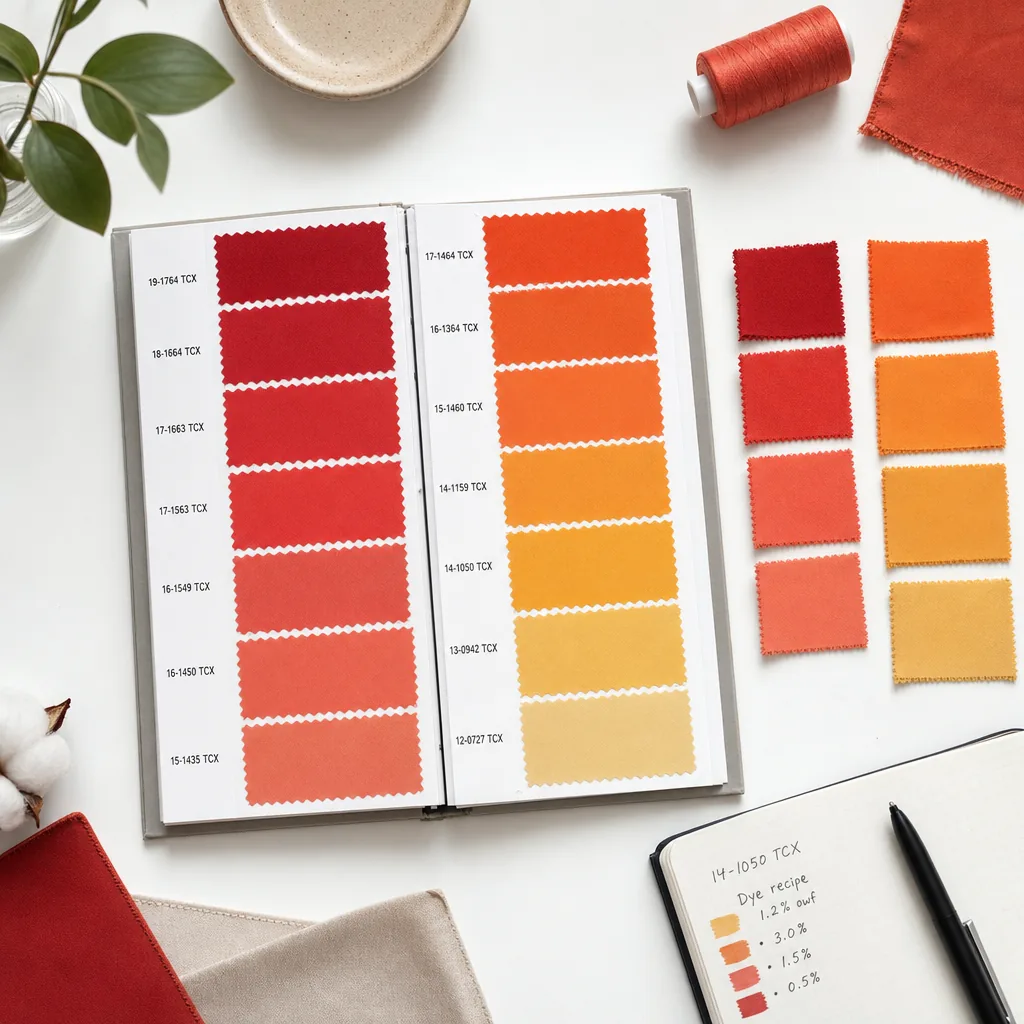
Pantone Color Matching for Custom Caps: A Manufacturer's Reference - 2026 Buyer's Guide
Read article →We hope this guide demystifies custom hat patch: when to use it, costs, and what to ask your factory (2026 update) - 2026 buyer's guide and helps you move forward with confidence. If you have questions specific to your project, our English-speaking sales engineers are one message away.