
Custom Cap Closure Options and Cost: Snapback, Strap, Buckle
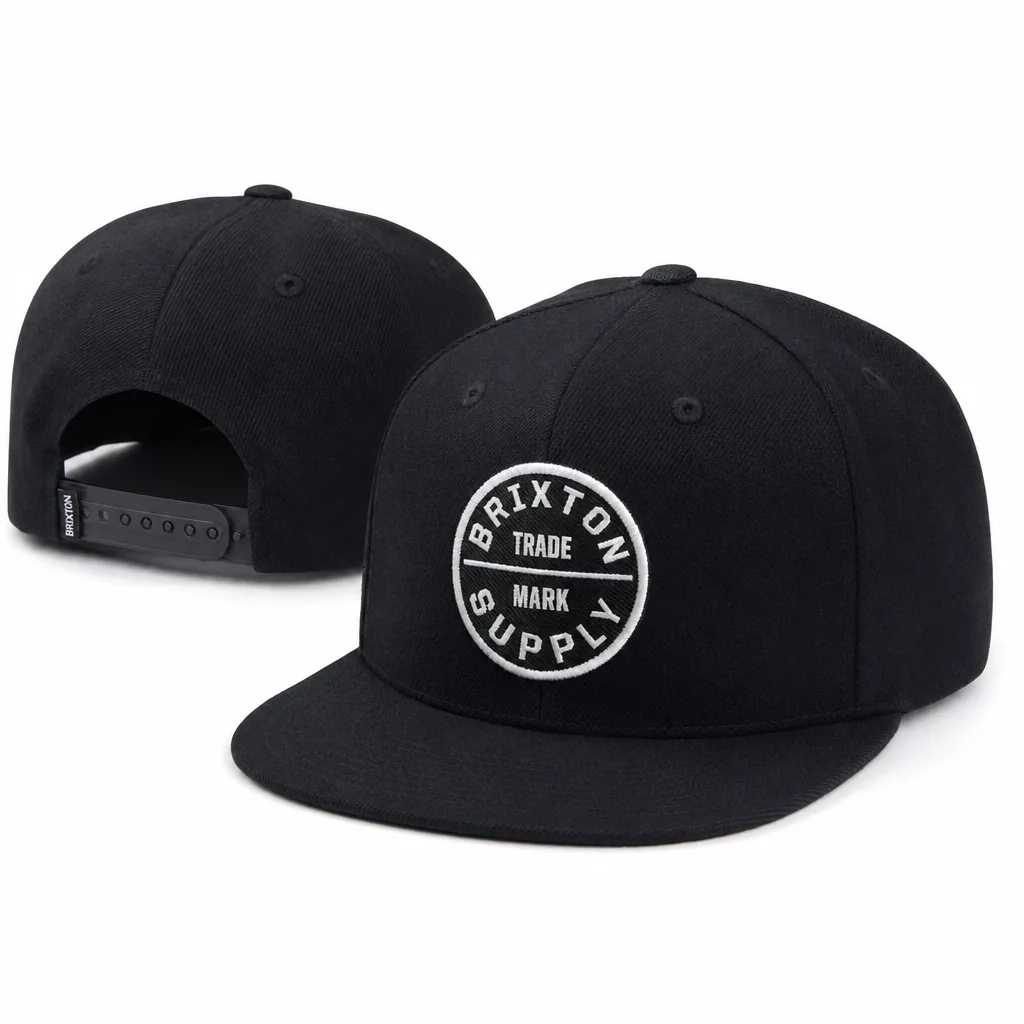
Every week, our sales team answers detailed questions about custom cap closure options and cost: snapback, strap, buckle. We wrote this guide so that wholesalers, streetwear brands, corporate buyers and promotional resellers can compare options with full information, and avoid the traps that show up only after production has started.
What custom cap closure options cost means in real production
In a real RFQ, custom cap closure options cost is not a single line item for “snapback” or “strap.” It is the total effect of closure type, material, tooling, labor, and QC on the unit price. A plastic snap closure in standard PP usually adds less than a metal buckle, but if the buyer wants a branded emboss, matte finish, or color match to Pantone TCX, the price changes fast because the supplier may need a separate mold or a minimum color run. A custom hat manufacturer should quote closure cost by version: plastic snap, self-fabric strap with tri-glide, webbing strap with metal buckle, leather strap, or Velcro, because each one has different cutting, sewing, and packing steps. If you only ask for “cap closure options cost,” you often get an incomplete number that ignores the labor difference between a 6-panel structured snapback and an unstructured dad cap with a buckle.
Before sampling, verify the closure construction the same way you would verify crown fabric or visor curve. Ask for the exact hardware material, plating, stitching method, and whether the closure is sourced locally or imported. In a headwear factory China, a zinc alloy buckle with nickel-free plating can add more than a basic plastic snap, and a thicker 25 mm webbing strap takes longer to sew cleanly than 20 mm tape. The private label hat supplier should also confirm whether the back opening affects the cap block, because some closures require a different back seam allowance or extra bar-tack positions. Our standard practice at CrownsForge is to include closure photos, component specs, and a pre-production sample card before bulk approval, so the buyer can compare the actual custom cap closure options cost against the target FOB without guessing.
The buyer should also confirm what is included in the quoted price and what is treated as an add-on. Some factories quote the closure itself but exclude logo debossing, extra embroidery near the back opening, custom woven labels on the strap, or individual polybagging with size stickers. For a streetwear program, those extras can move the cap closure options cost by $0.15 to $0.60 per piece, which matters if the order is only 1,000 to 3,000 units. If the order needs AQL 2.5 inspection, ask whether the factory checks buckle break strength, snap engagement force, and color consistency under daylight D65. A serious custom cap factory should be able to tell you the exact MOQ, sampling lead time, and whether the closure choice changes the sewing line balance, because that is usually where the hidden cost shows up.
Specs to request before a quote
If you want a quote that means anything, start with the closure spec, not the logo. For snapbacks, request the exact number of snaps, the strap width, the stud material, and the back opening size in millimeters. For straps, specify cotton twill, polyester webbing, PU leather, or genuine leather, plus buckle type: matte nickel, antique brass, painted black, or alloy. For a buckle closure, ask for the buckle throat width, bar thickness, hole spacing, and stitching density at the tail. These details move the custom cap closure options cost more than most buyers expect, because a 5-row plastic snap and a stitched PU strap are not interchangeable in labor or hardware cost. A serious custom cap factory should also tell you whether the closure is sewn after crown assembly or integrated during back panel closing, because that affects cycle time and defect risk.
Materials should be written in factory language, not marketing language. Ask for GSM on the sweatband, denier or yarn count on the webbing, coating type on PU leather, and whether metal parts are zinc alloy, brass, or plated steel. If you are working with a private label hat supplier or headwear factory China side, add tolerances: crown circumference within ±0.5 cm, visor curve within a defined template, closure placement within ±2 mm, and stitch pitch in SPI or stitches per inch. For decoration, demand embroidery files in DST or PES for machine stitching, vector artwork in AI or PDF, and Pantone TCX references for thread matching; good factories will also state expected Delta-E, usually under 2.0 for repeat programs. Without those specs, cap closure options cost becomes guesswork instead of sourcing.
Do not accept a quote until the carton and inspection terms are fixed. State the inner polybag size, master carton dimensions, carton strength, pack ratio, and whether caps are packed with tissue, inserts, or crown shapers; 50 pieces per carton is common, but shipping density changes fast when you switch from snapback to structured buckle styles. Require the AQL level up front: AQL 2.5 for major defects and 4.0 for minor defects is a normal baseline for promotional orders, while stricter streetwear programs may ask for 1.5/2.5. A capable factory should provide a pre-production sample, closure material swatches, metal plating photos, test reports for color fastness or salt spray if metal is used, and a production QC sheet. CrownsForge’s standard practice is to attach these proofs before confirming pricing, because that is how you separate a real custom hat manufacturer from a broker who is just guessing at the final custom cap closure options cost.
Factory risks and quality checks
Factory risk starts at the closure station, not the embroidery table. I have seen good caps get downgraded because the snap band was off-center by 3 mm, the metal buckle plated in the wrong tone, or the plastic strap cracked in cold weather testing after 50 open-close cycles. On a custom cap factory line, the usual defects are crooked attachment stitching, loose bartacks at the back opening, uneven stitch density on the sweatband join, and color mismatch between closure hardware and the main fabric. If you are comparing custom cap closure options cost, those defects matter because rework on closures is slow: a mis-sewn snapback can take 4 to 6 minutes to unpick and reset, while a bad buckle assembly can eat more labor than the original sewing. For a private label hat supplier, the cheapest closure is not always the lowest landed cost once rejects, rework, and late shipment penalties are counted.
The inspection points are straightforward, but they need to be enforced on every lot, not just the first sample. We check closure alignment against the center back seam, stitch count at the anchor points, hardware finish for scratches and plating voids, and functional testing for opening force and repeated closure cycles. For plastic snaps, I want uniform tooth engagement and no whitening stress marks; for fabric straps, I look for edge fray, inconsistent width, and thread tension that pulls the strap out of shape. Our standard practice at CrownsForge is to approve a pre-production sample, then a sealed golden sample, then a size-and-color run sample before bulk cutting. If you skip that sequence, you usually pay later in cap closure options cost through sorting and rework. A headwear factory China side will often quote fast, but the real test is whether they can hold AQL 2.5 on the closure components, not just on the crown embroidery.
To avoid late shipment, the factory needs a tighter control plan than most buyers request. Closure hardware should be ordered with 10 to 15 percent overage because plating rejects, broken snaps, and bent buckles are common, especially when sourcing from multiple subcontractors. I also insist on a signed component spec sheet with exact material callouts, like POM snap plastic, zinc-alloy buckle, or polyester webbing width, plus Pantone TCX references for visible parts. If the buyer changes the closure style after sample approval, the schedule slips immediately because sewing patterns, carton packing counts, and QC checkpoints all change. A good custom hat manufacturer will lock the BOM before bulk production and run inline checks every 500 to 800 pieces, then final random inspection under AQL 2.5 before packing. That is the difference between an on-time shipment and a pallet of half-finished caps waiting for handwork at the end of the line.
MOQ, lead time, and cost drivers
MOQ changes the whole math on closure pricing because the fixed costs do not spread evenly. At a 500-piece run, a snapback, strapback, or metal buckle cap often carries the same pattern setup, label program, and inspection cost whether you make 500 or 5,000 units, so the per-piece premium is much higher on small orders. In a real headwear factory China setup, a plastic snap closure usually adds very little material cost, while a fabric strap with tri-glide, PU strap, or embossed leather tab adds more labor and trimming steps. A metal buckle is usually the most expensive of the three because it needs tighter sewing tolerance, more handwork, and more QC checks for alignment and scratch risk. For a custom hat manufacturer, the real custom cap closure options cost is less about the raw closure itself and more about how many manual operations it triggers.
Lead time is driven by trim sourcing and labor sequencing, not just sewing capacity. If your closure uses Pantone-matched webbing, custom-engraved buckles, woven labels, or dyed-to-match thread, you may add 7 to 14 days because the mill or trim vendor has to hit color targets, usually within Delta-E 2.0 to 3.0 against the approved master. A private label hat supplier also has to schedule embroidery digitizing, cap blocking, sewing, and final trimming in the right order; a strapback with a metal slider can take longer than a standard snap because workers must hand-finish the tail end and verify symmetry. On the production floor, that extra minute or two per cap becomes real money when you are running AQL 2.5 inspections and rechecking every closure lot for function, stitch tension, and pull strength.
Packaging, testing, and shipping can move unit economics more than buyers expect. Individual polybags, barcode stickers, silica gel, carton dividers, and insert cards add both material cost and labor; a fully stickered retail pack can add $0.08 to $0.25 per cap before freight. If the order needs formal testing for colorfastness, nickel release on metal parts, or needle detection on sewn-in accessories, budget another $150 to $500 per style depending on lab scope. Shipping is the final swing factor: a light foam-front snapback ships very differently from a heavier structured cap with metal hardware and branded retail boxes, especially on air freight where volumetric weight punishes bulky packaging. When people ask about cap closure options cost, I tell them to price the closure, the trim stack, the sewing minutes, and the carton plan together, not as separate line items.
How CrownsForge manages this order type
For this order type, the first thing we lock down is the spec sheet, not the artwork. A proper sample package from a custom hat factory should show the exact closure type, panel structure, sweatband width, stitching density, and any labels or hangtags, because that is where most quote errors start. Our standard practice is to issue a written sampling confirmation with closure code, bill of materials, Pantone TCX references, and target tolerances before we cut the first crown. That keeps custom cap closure options cost from drifting after approval, especially when buyers compare snapback, strap, and metal buckle builds across the same style. For B2B buyers, documentation matters as much as the cap itself. A serious private label hat supplier should be able to provide sample photos, trim cards, carton marks, and an approval record that matches the production run. We also keep communication tight on what changes are free and what triggers a new sample charge; moving from plastic snap to genuine leather strap or antique-brass buckle changes both component cost and sewing time. On the factory floor, that means different machines, different labor steps, and different inspection points, so the cap closure options cost needs to be tied to the actual process, not just the part price.
Quality control starts at incoming material inspection and ends with packed cartons, not at final inspection. For closure components, we check color against approved reference, buckle plating for rub-off, snap engagement force, and strap hole spacing, then run AQL 2.5 sampling on finished goods with extra attention on closure symmetry and seam skip at the back opening. In a headwear factory China buyers often underestimate how much a closure affects production stability: a cheap plastic snap can still fail if the back seam allowance is inconsistent, and a leather strap can warp if the substrate is too wet or too thin. For sports and promo programs, we also test repeated open-close cycles on a small batch before we release bulk. Reorder support is where a custom cap factory should save the buyer money. Once the first run is approved, we archive the BOM, thread codes, stitch counts, and closure vendor so repeat orders do not restart from zero. That matters when a procurement team needs the same profile six months later, because even small differences in buckle finish or strap thickness can trigger a new approval round and push up cap closure options cost. CrownsForge keeps reorder files by style number and closure variant, which reduces lead time on repeat programs and makes it easier to quote FOB or DDP consistently. If the buyer wants a lower unit price on the next PO, the fastest path is usually to standardize the closure finish, carton count, and label set rather than cutting corners on the cap body itself.
For communication, I prefer one contact person on the buyer side and one production owner on our side, because closure orders get messy when sales, design, and logistics all edit the spec independently. We send sample-stage photos showing the back opening, closure alignment, and any logo placement that interacts with the strap or buckle, then confirm approval in writing before bulk cutting. If the buyer is comparing custom hat manufacturer options, the important question is not only who is cheapest, but who can explain why a metal slide buckle, fabric strap, or plastic snap changes labor, packing, and defect risk. That is the difference between a clean landing and a chargeback.
On reorder programs, the practical advantage is consistency. A private label hat supplier should preserve the approved closure supplier, color standard, and trim sequence so the second or third order matches the first without a lot of rework. We also track which closure types create more customer complaints after delivery; in my experience, oversized plastic snaps and poorly plated buckles are the two biggest sources of returns on low-margin promo caps. When a buyer asks about custom cap closure options cost, I usually advise them to compare not just the piece-price delta, but the full landed cost: sample approval time, defect risk, inspection labor, and whether the closure choice will stay stable across multiple replenishment cycles.
Frequently Asked Questions
What file format should I send for my logo?
Vector files (AI, EPS, PDF) are ideal. High-resolution PNG or JPG at 300 dpi on transparent background works as a fallback. Provide Pantone color references for accurate reproduction.
How long does production take?
Sampling takes 7 to 12 days. Bulk production runs 20 to 30 days depending on quantity, fabric availability and decoration complexity. Inspection and packing adds another 3 to 5 days before shipment.
Can I order a sample before bulk production?
Yes. We strongly recommend approving a pre-production sample before mass production. Samples are charged at 35 to 60 USD each plus express shipping, fully refundable against confirmed bulk orders over 500 pieces.
Which shipping methods do you support?
We support FOB, CIF and DDP shipping. Air express for samples and small orders, sea LCL for 100 to 500 pieces, sea FCL for 5,000+ pieces. Door-to-door DDP available for US, EU, UK, Canada and Australia.
What logo decoration techniques do you offer?
3D puff embroidery, flat embroidery, woven patch, leather patch, PVC patch, screen printing, sublimation, applique and laser etching, all in-house with no subcontracting.
How do I find a reliable custom waterproof cap manufacturer?
When evaluating custom waterproof cap manufacturer, the key considerations are construction quality, decoration capability, MOQ flexibility and lead time. Explain custom cap closure options cost in the context of a custom headwear RFQ, with the production details a buyer should verify before sampling. Cover dimensions, materials, tolerances, decoration files, carton requirements, AQL level, and the evidence a capable factory should provide.
How much does branded bills custom hat cost typically cost?
When evaluating branded bills custom hat cost, the key considerations are construction quality, decoration capability, MOQ flexibility and lead time. Explain custom cap closure options cost in the context of a custom headwear RFQ, with the production details a buyer should verify before sampling. Cover dimensions, materials, tolerances, decoration files, carton requirements, AQL level, and the evidence a capable factory should provide.
How do I find a reliable custom hat manufacturer usa?
When evaluating custom hat manufacturer usa, the key considerations are construction quality, decoration capability, MOQ flexibility and lead time. Explain custom cap closure options cost in the context of a custom headwear RFQ, with the production details a buyer should verify before sampling. Cover dimensions, materials, tolerances, decoration files, carton requirements, AQL level, and the evidence a capable factory should provide.
How does ordering custom embroidered snapback hat work?
When evaluating custom embroidered snapback hat, the key considerations are construction quality, decoration capability, MOQ flexibility and lead time. Explain custom cap closure options cost in the context of a custom headwear RFQ, with the production details a buyer should verify before sampling. Cover dimensions, materials, tolerances, decoration files, carton requirements, AQL level, and the evidence a capable factory should provide.
Need a low-MOQ test order?
We help emerging brands launch with as few as 100 pieces. Premium fabric, in-house embroidery, retail-ready packaging.
Start a small orderRelated guides
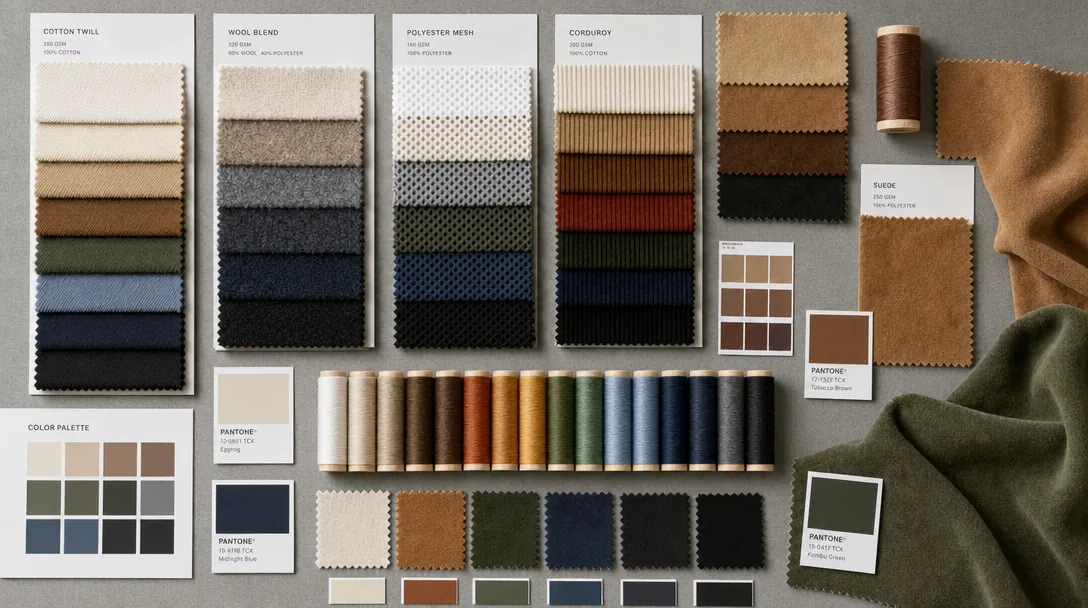
Cotton Twill Baseball Cap: Properties, Costs and How to Spec It Right
Read article →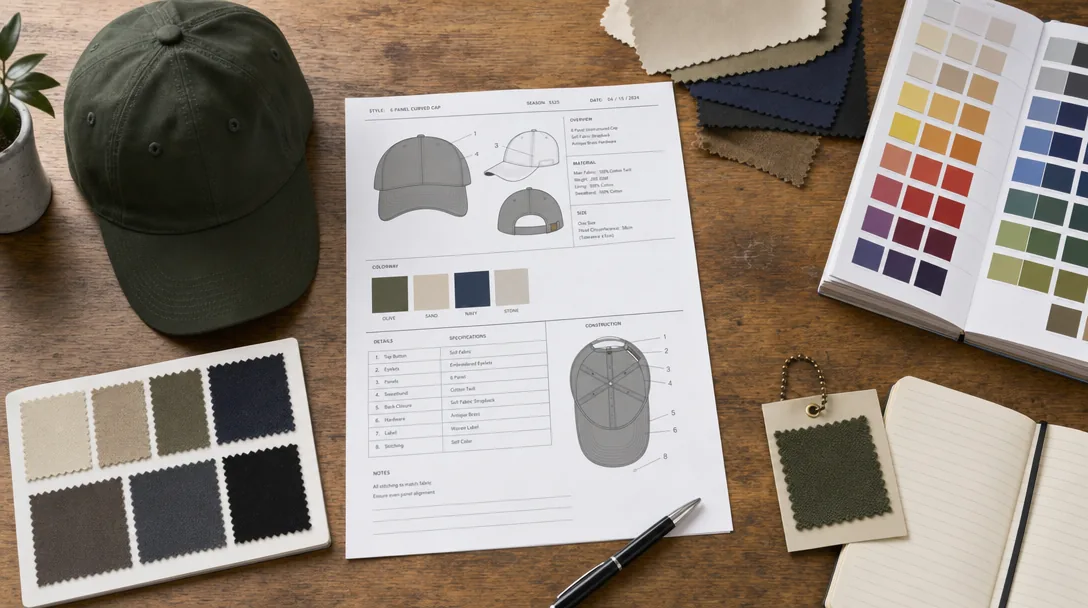
Switching Hat Manufacturers Mid-Program Without Losing Quality
Read article →
Custom Waterproof Cap Manufacturer: A 2026 B2B Sourcing Guide
Read article →We hope this guide demystifies custom cap closure options and cost: snapback, strap, buckle and helps you move forward with confidence. If you have questions specific to your project, our English-speaking sales engineers are one message away.