
Custom Cap Closure Options and Cost: Snapback, Strap, Buckle - Supplier Checklist
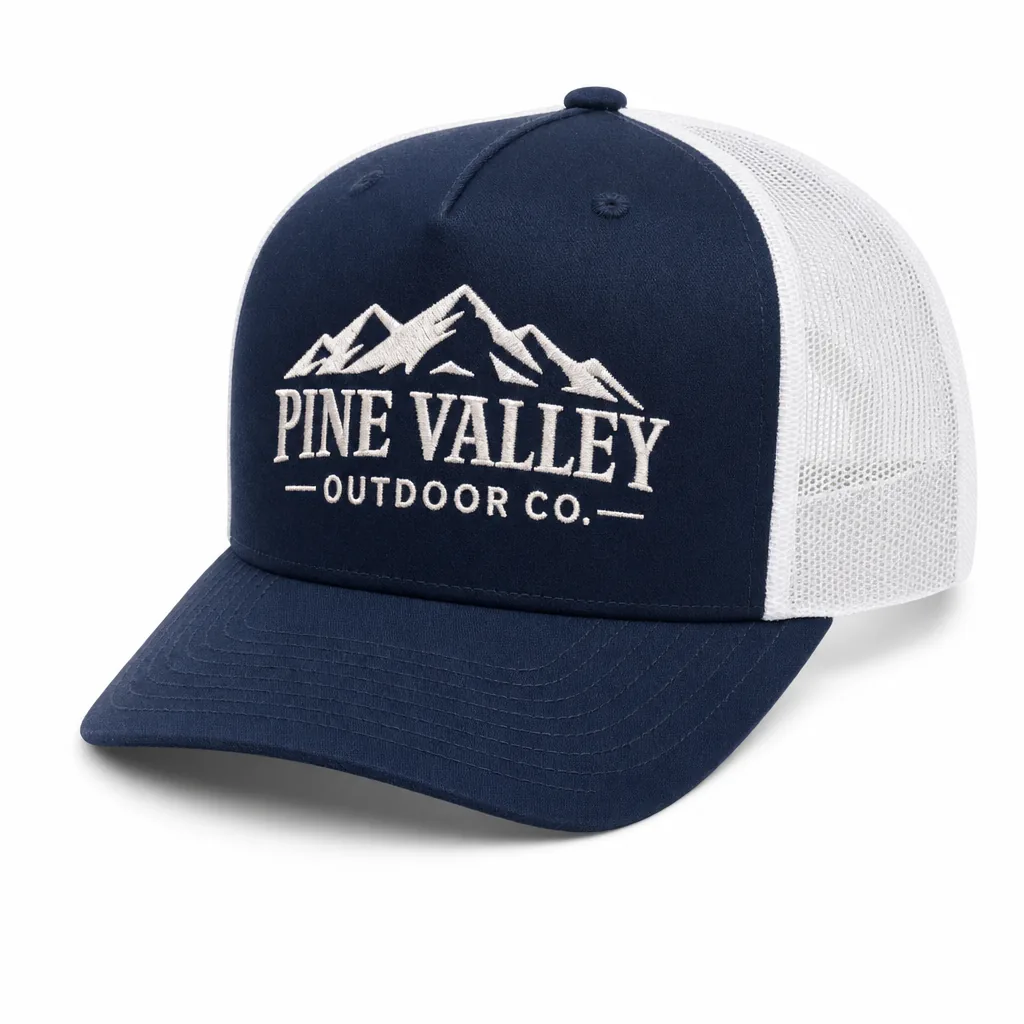
Custom Cap Closure Options and Cost: Snapback, Strap, Buckle - Supplier Checklist is one of the most-asked questions we receive from international buyers, and for good reason. With dozens of factories competing for your order and an alphabet soup of technical terms in every supplier quote, even experienced importers can feel lost. This guide consolidates what we have learned producing custom hats for clients in 40+ countries.
What custom cap closure options cost means in real production
Most buyers underquote the back closure because they treat it like decoration, not a production operation. In real sewing lines, custom cap closure options cost comes from three places: trim BOM, added SMV, and the way the closure changes the rear opening pattern. At around 3,000 pcs, a standard 7-hole virgin PP snapback on a 6-panel 80/20 acrylic-wool cap typically adds $0.12 to $0.20 per cap; a nylon hook-and-loop strap runs about $0.16 to $0.28; a self-fabric strap with D-ring or tri-glide lands around $0.22 to $0.38; and a genuine leather strap with brass buckle and tuck-in loop usually reaches $0.55 to $1.10. Those numbers are not interchangeable across shells. A brushed cotton twill crown feeds differently from washed chino or 600D polyester, and heavier fabrics increase handling time at the rear opening, especially when operators need extra bartacks or edge-turning to keep the closure centered. Lock the closure by component spec, not by nickname. “Buckle back” is useless if nobody defines whether the hardware is brass, zinc alloy, or iron, whether plating is bright nickel, antique brass, or nickel-free, and whether the strap is self-fabric, cotton twill tape, PU, split leather, or full-grain leather. For dyed tape or self-fabric straps, specify Pantone TCX and a realistic color standard; shell fabric within Delta-E 1.5 still does not guarantee the webbing or PU tab will match under D65 light. On the factory floor, low-grade press studs crack during cold-weather packing, and poor plating starts chipping after garment wash or a 24-hour salt-spray check. The practical control point is a frozen closure sheet with strap width in mm, hole count, rear opening width, stitch density, bartack position, and approved hardware finish photos.
MOQ and sourcing constraints often move the number more than buyers expect. Stock snaps, hook-and-loop, and generic metal adjusters are usually available ex-inventory, but custom-molded snaps, debossed leather tabs, engraved buckles, logo-stamped metalwork, or woven brand flags add tooling cost, extra lead time, and more rejection risk. A buckle closure that looks only $0.18 above hook-and-loop on a rough quote at 500 pcs can become $0.30 to $0.45 higher after engraving, nickel-free plating, extra handwork, and separate polybag protection to avoid scratching. If the supplier is buying hardware below MOQ from a trader instead of directly from the trim mill, expect another few cents per unit and less plating consistency between lots. Assembly sequence matters too. If rear embroidery sits close to the opening, especially raised 3D embroidery or dense satin columns, the closure may need to be installed after embroidery to avoid distortion, which adds handling and raises reject exposure under AQL 2.5. Metal hardware also changes needle-risk control, rework rate, and spare trim allowance; most factories will hold 1.5% to 3% extra closure components to cover line loss and final inspection replacements. The clean way to evaluate custom cap closure options cost is as a landed production line item: trim price, added SMV, wastage, test requirements, spare hardware, and carton efficiency by 24 pcs or 48 pcs per case. That is where cheap-looking closures quietly become expensive.
Specs to request before a quote
Vague closure language is where bad quotes start. “Metal buckle” or “plastic snap” is not a spec; it is an invitation for the factory to substitute whatever trim is cheapest and available that week. To get a usable quote, define the closure by measurement and fit class: back opening width, finished strap width, total strap cut length, hole pitch, snap row count, overlap at the center setting, and whether the cap is graded for youth, women’s, or standard adult sizing. On most adult programs, a PE or POM snapback uses 7 or 8 posts, an 18-22 mm strap, and a finished back opening around 75-90 mm, depending on the crown pattern and sweatband bulk. Self-fabric tuck straps and nylon webbing straps usually sit in the 20-25 mm range, while PU straps are commonly 1.0-1.4 mm thick. If you want clean visibility on custom cap closure options cost, write tolerances into the RFQ: ±2 mm on strap width is manageable, but hole-to-hole pitch should hold within ±1 mm or the closure will sit visibly off-center at the middle notch. Material specs also need to be sourceable, not subjective. For snaps, call out resin type, surface finish, and a color standard such as Pantone TCX or TPX with an acceptable Delta-E; under 1.5 is realistic for premium retail, while promo orders often accept under 2.0. For buckles, specify zinc alloy, iron, or 304 stainless, plus plating color, coating method, and salt-spray performance—24-48 hours is common for entry trims, 72 hours or more for better retail programs. If you sell into the EU, state nickel-release compliance before sampling, not after. Hook-and-loop should include tape width, hook/pile grade, cycle-life target, and sewing method, whether box-X or a 28-32 SPI bar-tack setup. If the closure carries a deboss, woven label, TPU patch, or laser mark, send vector AI or editable PDF artwork with final logo dimensions to 0.5 mm accuracy; otherwise tooling, trim wastage, and unit pricing will be guessed rather than quoted.
Do not compare supplier pricing until packaging and inspection requirements are attached to the closure spec. A strap-back packed fully extended does not behave like a snapback packed closed, and that difference shows up in both carton efficiency and damage rates. State inner-pack quantity, carton dimensions, gross-weight limit, and whether tissue, backer cards, brim clips, or polybag separation are required to prevent buckle abrasion, strap creasing, or plating scratches in transit. On structured caps with heavier trims, cartons above roughly 12-14 kg tend to stack poorly and can distort the rear opening during export. You should also note whether the closure has to clear bulky sweatband joins or seam tape, because a 420 gsm brushed cotton twill shell, a 180 gsm recycled polyester shell, and a multilayer PU strap feed very differently through back-opening sewing operations. Inspection language belongs in the quote from day one. AQL 2.5 for major defects and 4.0 for minor defects is a practical baseline, but the checkpoints must be closure-specific: alignment at the center setting, pull strength, burrs on snaps and buckles, plating scratches, color migration, hook-and-loop adhesion, and stitch security around the back opening. Our standard practice is to lock the proof package before bulk approval: closure swatch, trim card, pre-production spec sheet, branded-trim strike-off, inline QC photos, packing test photos, and final inspection report with defect counts by category. That is what makes custom cap closure options cost comparable across suppliers. Without that documentation, you are not comparing the same hat, only different assumptions.
Factory risks and quality checks
The biggest closure failure is geometry, not hardware durability. If the back opening, center-back seam, sweatband break, and closure positions drift out of alignment, the cap twists on head and looks wrong immediately at retail distance. On a structured 6-panel, I would hold the back arch center within +/-2.0 mm of the center-back seam, left/right snap or strap symmetry within 1.5 mm, and finished opening width within 3.0 mm of spec. Most factory rework comes from crooked snap rows, hook-and-loop stitched off grain, or buckle straps cut 5-8 mm short; actual snap breakage is rare on standard PE closures. For buyers analyzing custom cap closure options cost, the trim price is usually the small number: roughly $0.06-$0.10 for standard plastic snap sets, $0.12-$0.18 for woven strap-and-ring, and $0.18-$0.28 for basic metal buckle assemblies. The expensive part is line loss, rework, and downgrade risk when closure geometry is not controlled at pattern stage and first-off sewing.
Material control has to be technical, not visual-only. Plastic snapbacks should be checked for post engagement force, socket cracking, flash, burrs, and resin color consistency against the approved Pantone TCX reference; on black, navy, and red programs, a resin lot drifting past Delta-E 1.5 is easy to spot. Metal buckle sets need plating adhesion, smooth edges, prong function, and 24-hour salt-spray screening before bulk issue, and EU shipments should also review nickel-release compliance to avoid preventable claims. If the closure carries embroidery, print, or debossing, orientation must be checked against the center-back seam; a branded back tab rotated even 3-4 degrees will fail visual inspection despite clean stitching. On Tajima or Barudan lines, operators can sew accurately onto the wrong location all shift if the back opening and closure point are not clearly notched on the pattern.
Inspection should begin before bulk sewing and stay separate from normal appearance checks. The factory should lock three approvals before cutting quantity: the actual trim card, a sealed pre-production sample, and a spec sheet listing strap length, fold allowance, hole count, stitch construction, and finished head-size range. A 20 mm cotton twill tri-glide strap does not behave like a 25 mm PU strap with edge paint or a self-fabric tuck strap, so back-opening patterns cannot be copied across styles. First-article inspection after the first 20-30 pieces is standard, followed by inline checks at roughly 10% and 50% of output. At final inspection, AQL 2.5 works for appearance, but closures need their own functional audit: bartack security, snap engagement, buckle slip under pull, and hook-and-loop peel strength. The shipment risk is usually change control; if the buyer approves the cap body but not the exact closure construction, then swaps trim after webbing, buckles, or resin snaps are booked, extra cost rises fast. Replacement hardware, rework, and mixed-carton repacking can add $0.18-$0.60 per cap, far more than the original trim delta.
MOQ, lead time, and cost drivers
MOQ is where custom cap closure options cost stops being theoretical and starts getting expensive. Closures are separate trims, and each trim has its own purchasing floor, color lot, and defect exposure. For a 1,000-piece order, a custom zinc-alloy buckle, woven back flag, and branded strap tab are usually workable. At 144 or 300 pieces, those same details often distort the FOB badly because you are absorbing mold cost, trim overbuy, and setup scrap into too few caps. In practical factory pricing, a standard PP snap set usually adds about $0.08 to $0.14 per cap at volume; a stock metal buckle with cotton webbing or PU strap is more like $0.18 to $0.32. A custom-logo plated zinc buckle typically lands around $0.38 to $0.85 per set, plus a mold charge of roughly $120 to $250. In Zhejiang, buckle suppliers commonly ask for 500 to 1,000 sets per finish, and that is before you add separate MOQs for debossed PU tabs, microfiber patches, or vegetable-tanned leather straps. The mistake buyers make is comparing closures by appearance instead of by trim architecture.
Lead time is usually constrained by trim readiness and hand assembly, not the sewing line itself. A stock snapback, elastic loop, or hook-and-loop closure can often ship in a 15 to 25 day bulk cycle after sample approval if the crown fabric, sweatband, and labels are already booked. Once you move into genuine leather straps, edge-painted tabs, antique-brass plating, or Pantone TCX-matched woven labels, add 5 to 10 days because those components rarely come from one vendor and plating queues are unpredictable. On the factory floor, hole punching, buckle threading, bartacking, rivet setting, strap turning, and symmetry inspection all add labor minutes and raise failure risk at final QC. That is how two similar caps can separate from about $2.60 FOB to $3.40 FOB purely on closure construction. Buyers reviewing custom cap closure options cost should ask whether protective packing for metal trims, hand assembly, and compliance are included. Individual polybags, tissue wrap, or cardboard interleave for buckle protection typically add $0.03 to $0.10 per piece, while REACH or nickel-release testing on metal parts often costs $80 to $200 per component set. Decorative straps also reduce packing density, which quietly pushes up DDP cost per unit.
How CrownsForge manages this order type
The costliest failures on closure-heavy cap orders start in sampling, not on the sewing line. If the back closure is approved from a loose email note instead of a physical sample and signed tech pack, the same PO can turn into three different builds: 20 mm webbing instead of 22 mm, a 7-hole tuck strap instead of 6-hole, or a low-grade plated buckle that passes day one and oxidizes by week six. For clean control, the closure spec should lock strap material, back opening width, stitch count, hole pitch, hardware finish, and point-of-measure tolerance; on most programs, ±2 mm on opening width and ±3 mm on strap length is realistic. When buyers compare custom cap closure options cost, the meaningful variables are not just trim price, but resin grade for PP or acetal snap sets, zinc-alloy buckle weight in grams, plating type, webbing width, added operator time, and packing method. A standard plastic snapback may add only $0.18-$0.35 per cap, while a genuine leather strap with plated metal buckle can add $0.60-$1.20 before branded hardware tooling.
Paperwork only matters if the sewing floor can run from it. The pre-production sheet should show cap profile, fabric spec, sweatband construction, closure assembly method, logo process, carton ratio, and trim placement, then tie closure approval to the final decorated sample rather than a blank shell. That matters because heavy 3D puff embroidery on Tajima, Barudan, or ZSK heads changes crown tension and can shift how a snapback arc sits or how a buckle strap feeds through the rear opening. On color-sensitive programs, body fabric and closure components should be matched to Pantone TCX where the substrate allows, with dyed trim variation typically held under Delta-E 1.5; if the strap is even half a shade off, retailer QC photos will catch it immediately. In bulk, the control points should include trim close-ups, measurement tables, and packing visuals before launch, followed by in-line and final inspection at AQL 2.5 unless the retailer requires 1.5. At CrownsForge, reorder stability comes from archiving component-level data such as snap mold number, buckle supplier code, plating standard, strap cut length, thread ticket, and label position; that discipline usually saves more money than pushing for a cosmetic $0.03 trim cut.
Frequently Asked Questions
How long does production take?
Sampling takes 7 to 12 days. Bulk production runs 20 to 30 days depending on quantity, fabric availability and decoration complexity. Inspection and packing adds another 3 to 5 days before shipment.
Do you support sustainability certifications?
Yes. We work with GOTS organic cotton, GRS-certified recycled polyester, OEKO-TEX Standard 100 fabrics, and are BSCI and Sedex audited. Certification documentation can be provided per order.
What logo decoration techniques do you offer?
3D puff embroidery, flat embroidery, woven patch, leather patch, PVC patch, screen printing, sublimation, applique and laser etching, all in-house with no subcontracting.
Can I order a sample before bulk production?
Yes. We strongly recommend approving a pre-production sample before mass production. Samples are charged at 35 to 60 USD each plus express shipping, fully refundable against confirmed bulk orders over 500 pieces.
Which shipping methods do you support?
We support FOB, CIF and DDP shipping. Air express for samples and small orders, sea LCL for 100 to 500 pieces, sea FCL for 5,000+ pieces. Door-to-door DDP available for US, EU, UK, Canada and Australia.
How do I find a reliable custom waterproof cap manufacturer?
When evaluating custom waterproof cap manufacturer, the key considerations are construction quality, decoration capability, MOQ flexibility and lead time. Explain custom cap closure options cost in the context of a custom headwear RFQ, with the production details a buyer should verify before sampling. Cover dimensions, materials, tolerances, decoration files, carton requirements, AQL level, and the evidence a capable factory should provide.
How much does branded bills custom hat cost typically cost?
When evaluating branded bills custom hat cost, the key considerations are construction quality, decoration capability, MOQ flexibility and lead time. Explain custom cap closure options cost in the context of a custom headwear RFQ, with the production details a buyer should verify before sampling. Cover dimensions, materials, tolerances, decoration files, carton requirements, AQL level, and the evidence a capable factory should provide.
How do I find a reliable custom hat manufacturer usa?
When evaluating custom hat manufacturer usa, the key considerations are construction quality, decoration capability, MOQ flexibility and lead time. Explain custom cap closure options cost in the context of a custom headwear RFQ, with the production details a buyer should verify before sampling. Cover dimensions, materials, tolerances, decoration files, carton requirements, AQL level, and the evidence a capable factory should provide.
How does ordering custom embroidered snapback hat work?
When evaluating custom embroidered snapback hat, the key considerations are construction quality, decoration capability, MOQ flexibility and lead time. Explain custom cap closure options cost in the context of a custom headwear RFQ, with the production details a buyer should verify before sampling. Cover dimensions, materials, tolerances, decoration files, carton requirements, AQL level, and the evidence a capable factory should provide.
Looking for a reliable hat manufacturer in China?
CrownsForge has produced custom hats for 800+ brands across 40 countries. From 100-piece launches to 100,000-piece retail programs, we deliver on time and on spec.
Get in touchRelated guides
Camouflage Bucket Hat: Properties, Costs and How to Spec It Right - Cost & MOQ Breakdown - Cost & MOQ Breakdown - Cost & MOQ Breakdown
Read article →
Custom Hat Trucker: The 2026 Sourcing & Manufacturing Playbook - Cost & MOQ Breakdown
Read article →
Cap Sweatband Material Selection for Custom Headwear Buyers
Read article →We hope this guide demystifies custom cap closure options and cost: snapback, strap, buckle - supplier checklist and helps you move forward with confidence. If you have questions specific to your project, our English-speaking sales engineers are one message away.