
Custom Cap Closure Options and Cost: Snapback, Strap, Buckle - 2026 Buyer's Guide
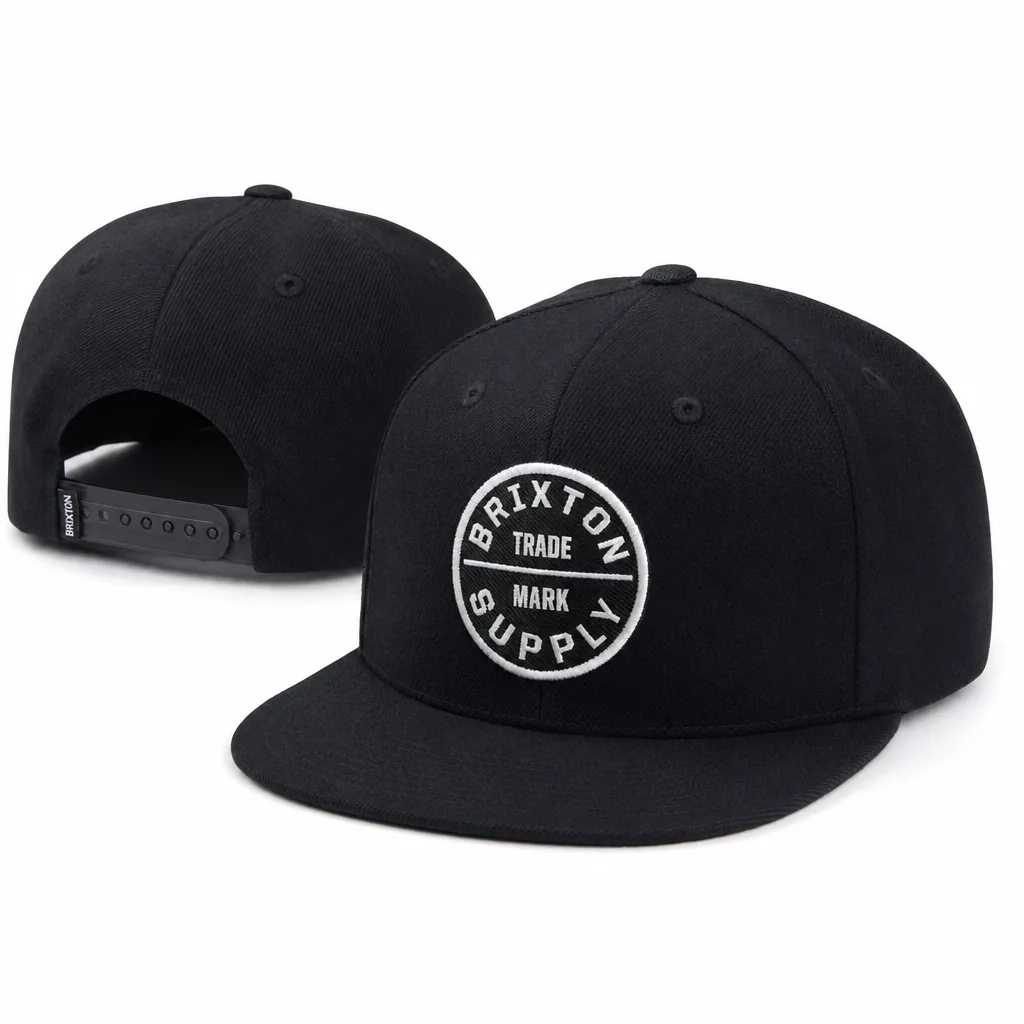
Every week, our sales team answers detailed questions about custom cap closure options and cost: snapback, strap, buckle - 2026 buyer's guide. We wrote this guide so that wholesalers, streetwear brands, corporate buyers and promotional resellers can compare options with full information, and avoid the traps that show up only after production has started.
What custom cap closure options cost means in real production
The real driver of custom cap closure options cost is not the word “snapback” or “strapback”; it is the complete back-opening BOM and the labor it creates. On a standard 6-panel cap, a stock PP snap set typically adds $0.08 to $0.15 per piece, while a hook-and-loop closure runs around $0.12 to $0.22, depending on tape grade and width. A cotton twill strap with brass buckle and keeper is usually $0.35 to $0.70, and genuine leather with a debossed metal clasp can push past $0.90 before freight or duty. Buyers also miss secondary charges: custom snap molds often run $120 to $300, logo-stamped buckle tooling is commonly $150 to $400, and dyed-to-match trims may carry 1,000 to 3,000-set MOQs. Once you ask for Pantone TCX alignment, matte black electrophoresis, brushed nickel, or antique brass plating, the trim quote moves fast because you are no longer buying a commodity part. The closure spec has to be locked before sampling, or the first quotation is half assumption. A 20 mm cotton twill strap at 280 gsm sews differently from a 16 mm PU strap, and both behave differently from nylon webbing, elastic loop, or trucker mesh with a snap tab. Good tech packs call out resin grade for plastic snaps, metal composition for buckles, plating method, tape width, adjustment range, and whether the back arch is self-fabric or separate binding. If color consistency matters, define an acceptable Delta-E, not just “Pantone match,” because closure tapes and coated snaps are often the first components to drift off shade from crown fabric.
Most avoidable cost shows up in sampling and inline QC, not on the initial trim sheet. The common failures are cracked snap posts, uneven hole spacing, twisted straps, weak bartacks, plating rub-off, and misaligned back openings. Each defect adds either repair minutes or claim risk. On strapbacks, the spec should state strap width, keeper size, bartack location, and stitch count at the back arch; on snapbacks, it should define post pull strength, socket fit, hole pitch, and whether the color is molded through the resin or surface-coated. Two factories can quote the same shell fabric within a few cents of each other and still land far apart on closure cost because one has allowed realistic reject rates and one has not. The clean way to control custom cap closure options cost is to treat the closure as a tested component, not a decorative afterthought. In production, we inspect closure function, alignment, plating appearance, and color variance under AQL 2.5, because the closure is one of the highest-touch wear points on the cap. A proper sample should verify adjustment range, smooth opening and closing, color match tolerance, and basic durability before bulk is approved. If the spec sheet only says “snapback” or “strapback,” the supplier fills in the blanks with the cheapest reasonable assumption, and that is exactly how a competitive quote turns into a bulk-price correction two weeks before ex-factory.
Specs to request before a quote
Bad quotes start with loose closure geometry, not labor. Before you ask for pricing, freeze the back-opening spec in millimeters: strap width and cut length, buckle inner width, snap tab hole count, peg pitch, finished opening width, and the distance from sweatband seam to closure stitch line. On adult caps, self-fabric or webbing straps usually run 18-22 mm wide; plastic snapbacks are typically 7-hole or 8-hole layouts at about 7 mm center-to-center; common buckle IDs are 20 mm and 22 mm. If those numbers are missing, one factory may quote a standard PP snap set while another builds in acetal snaps, a wider zinc-alloy buckle, or extra handling for a longer tab. Put tolerances into the RFQ as well: visible hardware and strap parts at ±1 mm, placement at ±2 mm, and left-right centering within 2 mm. In real custom cap closure options cost comparisons, undefined trim dimensions create more quote spread than the sewing line ever will.
Split the spec into shell fabric, closure hardware, decoration, and QC; otherwise the quote will be revised after sampling. Call out the body fabric by composition and weight, for example 100% cotton twill 260 gsm, brushed chino 240 gsm, recycled polyester fleece 280 gsm, or nylon taslon 228T. Then define each closure component separately: matte PP or POM snap, 20 mm zinc-alloy slider with nickel-free plating, brass clasp, TPU strap, or vegetable-tanned leather tab at 1.8-2.0 mm. If color approval matters, give Pantone TCX for textiles and Pantone C for coated or molded parts, with a Delta-E target under 1.5 for main fabric and under 2.0 for trims and hardware coatings. Include all back-arch artwork inputs: AI vector, DST if available, woven label size, deboss depth, and rear embroidery stitch count. Finally, require the quote to state AQL 2.5 criteria for loose closure stitching, sharp edges, plating scratches, and off-center back openings, plus what commercial terms are included—sample fee, replacement trim allowance, FOB or DDP, and any mold charge. That is how you keep custom cap closure options cost stable from RFQ to bulk.
Factory risks and quality checks
The biggest factory risk with cap closures is not sewing failure; it is spec drift between sample approval and bulk production. A snapback can pass the fit sample, then arrive in bulk with a different peg hardness, shorter strap tail, or a color mismatch between the plastic tab and the shell fabric. On strapback programs, the common defects are off-center back arch placement, twisted webbing, raw-edge fray on cotton herringbone tape, and buckle plating scratches that show up after polybag packing. Velcro closures bring their own problems: hook-and-loop misalignment, weak peel strength below about 0.8 kgf, and lint contamination during finishing. When buyers ask about custom cap closure options cost, I tell them the cheapest closure on paper can become the most expensive if it creates rework at final inspection. A 3-cent saving on a plastic snap is meaningless if 8% of the cartons fail because the posts crack under pull test.
Inspection has to start before stitching. For closure components, we check incoming material against the approved tech pack: Pantone TCX reference for webbing or elastic, buckle finish against the sealed sample, tape width tolerance within plus or minus 1 mm, and snap color consistency under D65 light with a practical Delta-E target under 1.5 for branded programs. During inline inspection, the critical points are back seam symmetry, bartack density at strap joins, needle damage on PU or leather tabs, and clean logo orientation on embossed or woven closure labels. AQL 2.5 is standard for final random inspection, but closures deserve a tighter functional check because they are handled first by the end customer. At CrownsForge, our standard practice is a 10-times open-close cycle test on every inspected cap, plus a light pull test on snap rows and buckle anchor stitching before cartons are released.
The cleanest way to prevent rework or late shipment is a three-stage approval path: lab dip or material card, pre-production sample, then a closure-focused TOP sample pulled from the actual line. Too many buyers approve only the silhouette and front logo, then discover at ex-factory stage that the antique brass buckle is too yellow, the strap length is wrong for XL head size, or the HDPE snapback feels brittle in cold weather. A capable custom hat manufacturer or private label hat supplier should freeze the closure BOM by code, finish, and supplier lot before bulk cutting starts, especially when sourcing from a headwear factory China supply chain with mixed subcontracted trims. For any order above 3,000 pieces, I strongly recommend a signed defect board with photos of acceptable and unacceptable closure workmanship. That step costs almost nothing, but it protects delivery dates far better than arguing later about cap closure options cost after the vessel cutoff is already missed.
MOQ, lead time, and cost drivers
MOQ is where closure pricing stops being intuitive. A plastic PP snap set that costs $0.12 to $0.18 per cap at 3,000 units can easily rise to $0.28 to $0.38 at 144 units once dye-lot minimums, carton-break charges, and picking labor are allocated across a small run. Metal trims are even less forgiving: buckle and clasp vendors around Yiwu and Dongguan typically quote 1,000 to 3,000 sets per finish for standard zinc-alloy hardware, while custom-molded snap components usually need 5,000 to 10,000 sets before tooling amortization becomes rational. Tooling for a branded mold can run $180 to $450 for a simple snap and much higher if you change tooth geometry or add a logo cavity. That is the real reason custom cap closure options cost varies so sharply: the closure type matters, but the bigger variable is whether your order quantity fits the trim supplier’s production logic. Lead time is usually dictated by the slowest closure component, not by sewing capacity. Stock black or white PP snaps can arrive in 2 to 5 days, but Pantone-matched snaps, laser-etched buckles, nickel-free plating, washed cotton herringbone straps, or debossed PU tabs often need 12 to 25 days before cutting starts. If plating fails color tolerance or salt-spray requirements, add another week. Labor also separates cheap-looking closures from clean production: bartacking a self-fabric strap, feeding a tuck end, installing a tri-glide, adding a woven flag label, and checking left-right symmetry at final inspection can add $0.08 to $0.30 per cap versus a basic snapback install. On a production floor using Juki lockstitch stations and standard AQL 2.5 final inspection, mixed-material closures consistently create more rework than buyers expect, especially when webbing thickness and buckle gauge are not matched correctly.
Packaging and compliance costs are where closure quotes often get distorted after sample approval. Metal buckles, D-rings, and sliders should be separated with polybags or tissue to prevent abrasion and pressure marks on adjacent crowns; in practice that adds about $0.03 to $0.07 per cap in consumables and packing labor. Retail-ready packing adds faster than most spreadsheets show: barcode labels, size stickers, hangtags, insert cards, and resealable bags typically add another $0.10 to $0.35 depending on pack-out method. If the cap is for EU retail, children’s programs, or a licensed account, plated components may also require REACH SVHC screening, CPSIA review, or nickel release testing under EN 1811. Lab charges of $150 to $400 per style are normal, and one failed metal component can stall an otherwise on-time shipment. Freight also changes the economics more than the closure line item suggests. A cap with a heavy zinc-alloy buckle or double D-ring does not just add trim cost; it increases carton weight and often requires looser carton packing to avoid crown deformation, which reduces shipping efficiency. A 24-piece export carton that works for snapbacks may need to drop to 18 or 20 pieces for structured caps with bulky hardware, especially if the buyer requires insert support. That matters under both FOB and DDP pricing because the apparent savings in ex-factory trim can disappear once protective packing, extra carton volume, and emergency airfreight for delayed hardware are added back in. Our standard practice is to break closure cost into trim, assembly labor, testing, and packing so buyers can see where the custom cap closure options cost is really coming from instead of burying it in one blended unit price.
How CrownsForge manages this order type
Sampling is where closure programs stop being conceptual and start affecting margin. For this order type, CrownsForge locks five rear-end variables before bulk production: closure type, finished strap length tolerance, rear opening width, sweatband join position, and logo offset from the back arch. Change any one of those and the cap fits, sews, and packs differently. A 7-hole PE snap set, a 20 mm antique-brass buckle, and a self-fabric tuck strap do not share the same seam allowance, fold thickness, or carton profile. We freeze the combination with a signed BOM, measured spec sheet, macro photos, and Pantone TCX references for self fabric, webbing, or molded PVC parts. That is where custom cap closure options cost becomes measurable: custom-plated metal sliders typically add $0.28-$0.55 per cap, color-matched PVC snaps $0.12-$0.22, and a woven flag label inserted into a tuck strap another $0.06-$0.10 before packing. If the buyer wants low-MOQ proprietary hardware, the hidden cost is usually tooling amortization and higher trim loss, not sewing time. The tech pack then gets rewritten into factory control points instead of staying as a buyer PDF. Cutting, sewing, embroidery, and finishing each get closure-specific checks: hole pitch on leather straps, rivet pull strength, hook-and-loop stitch count, and needle size matched to fabric weight, typically NM 100/16 for 240 gsm cotton twill and finer setups for 70D nylon taslon. Rear embroidery near the closure always needs test sew-outs on Tajima or Barudan heads because crown curvature, back seam bulk, and opening tension can distort small lettering faster than most buyers expect. For color-critical programs, we verify lab dips or stock webbing under D65 light and hold critical matches to Delta-E below 1.5. After PP approval, any change in buckle plating, snap mold, webbing gsm, or trim supplier code requires written reconfirmation, because one unapproved hardware substitution can erase all planned cap savings on a claim.
QC on adjustable caps has to be back-end heavy, because closure defects usually appear after packing, transit, or repeated wear, not at first glance on the sewing line. Inline inspectors check closure centering, stitch density, burrs on plated metal, snap engagement force, strap feed smoothness, and back opening symmetry against the approved sample. Final inspection is typically run at AQL 2.5, but on closure-sensitive orders we add practical stress tests: rust testing for plated trims, carton drop checks to catch buckle marking, and open-close cycle tests on hook-and-loop, snap, and buckle systems. A snap that feels acceptable on day one can loosen after 200 cycles; a cheap buckle can pass visual inspection and still fail salt-spray or tape-adhesion testing if the plating is unstable. The cleanest orders are the ones with disciplined milestone control. Sample comments, PP approval, inline photos, final inspection report, and packing-list confirmation should all reference the same closure code and trim supplier code; otherwise factories end up mixing old and new hardware in the same shipment. Our standard practice is to archive closure swatches, approved measurements, supplier trim codes, plating standard, and packing method with the order file so a reorder six months later does not get rebuilt from memory. That archive matters directly to custom cap closure options cost: once the closure spec is stable, repeat orders usually save more through lower error rates, less trim waste, and faster line setup than through squeezing another $0.03 off the hardware itself.
Frequently Asked Questions
What logo decoration techniques do you offer?
3D puff embroidery, flat embroidery, woven patch, leather patch, PVC patch, screen printing, sublimation, applique and laser etching, all in-house with no subcontracting.
Can I order a sample before bulk production?
Yes. We strongly recommend approving a pre-production sample before mass production. Samples are charged at 35 to 60 USD each plus express shipping, fully refundable against confirmed bulk orders over 500 pieces.
What is the minimum order quantity (MOQ) for custom hats?
Our standard MOQ is 100 pieces per design and color, with sampling available from 1 piece. For complex multi-color logos or premium fabric upgrades, the MOQ can be lowered with a small per-piece surcharge.
How long does production take?
Sampling takes 7 to 12 days. Bulk production runs 20 to 30 days depending on quantity, fabric availability and decoration complexity. Inspection and packing adds another 3 to 5 days before shipment.
What file format should I send for my logo?
Vector files (AI, EPS, PDF) are ideal. High-resolution PNG or JPG at 300 dpi on transparent background works as a fallback. Provide Pantone color references for accurate reproduction.
How do I find a reliable custom waterproof cap manufacturer?
When evaluating custom waterproof cap manufacturer, the key considerations are construction quality, decoration capability, MOQ flexibility and lead time. Explain custom cap closure options cost in the context of a custom headwear RFQ, with the production details a buyer should verify before sampling. Cover dimensions, materials, tolerances, decoration files, carton requirements, AQL level, and the evidence a capable factory should provide.
How much does branded bills custom hat cost typically cost?
When evaluating branded bills custom hat cost, the key considerations are construction quality, decoration capability, MOQ flexibility and lead time. Explain custom cap closure options cost in the context of a custom headwear RFQ, with the production details a buyer should verify before sampling. Cover dimensions, materials, tolerances, decoration files, carton requirements, AQL level, and the evidence a capable factory should provide.
How do I find a reliable custom hat manufacturer usa?
When evaluating custom hat manufacturer usa, the key considerations are construction quality, decoration capability, MOQ flexibility and lead time. Explain custom cap closure options cost in the context of a custom headwear RFQ, with the production details a buyer should verify before sampling. Cover dimensions, materials, tolerances, decoration files, carton requirements, AQL level, and the evidence a capable factory should provide.
How does ordering custom embroidered snapback hat work?
When evaluating custom embroidered snapback hat, the key considerations are construction quality, decoration capability, MOQ flexibility and lead time. Explain custom cap closure options cost in the context of a custom headwear RFQ, with the production details a buyer should verify before sampling. Cover dimensions, materials, tolerances, decoration files, carton requirements, AQL level, and the evidence a capable factory should provide.
Looking for a reliable hat manufacturer in China?
CrownsForge has produced custom hats for 800+ brands across 40 countries. From 100-piece launches to 100,000-piece retail programs, we deliver on time and on spec.
Get in touchRelated guides
BSCI vs Sedex vs WRAP vs WCA: Compliance Audit Standards Compared (2026 Update) - 2026 Buyer's Guide
Read article →
Sustainable Cap Packaging: Options, Costs and Retail-Buyer Demands - 2026 Buyer's Guide
Read article →Bucket Hat Corduroy Fabric And Trim Spec Guide for Custom Hat Buyers
Read article →Sourcing custom hats does not have to be complicated. With the right manufacturing partner, clear specifications and a small upfront investment in sampling, you can launch a retail-quality product in 30 to 45 days.