
Custom Camo Hats: Hunting, Outdoor and Tactical Cap Manufacturing
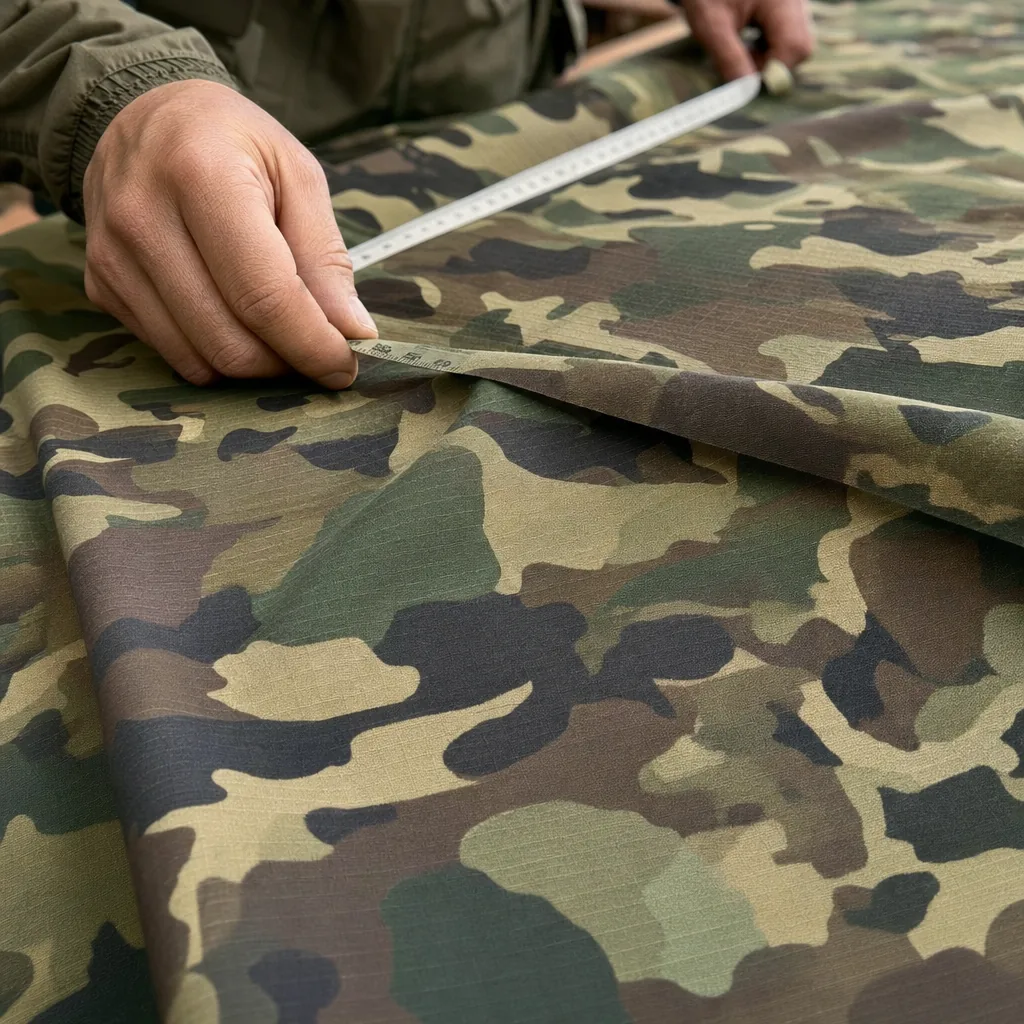
For brand owners, wholesalers and procurement teams entering the custom headwear category, custom camo hats: hunting, outdoor and tactical cap manufacturing is one of the highest-leverage decisions you will make. Get it right and your unit economics, retail story and reorder cycle all improve. Get it wrong and you carry the cost for years.
The four dominant camo families in retail and outdoor markets
The four camo families that actually move in retail are not interchangeable, and a camo hat manufacturer has to treat them that way in production planning and licensing. Realtree-style patterns sell on high-detail forest realism: leaves, bark, limbs, and a dense visual read that works for deer season, duck blinds, and general outdoor use. Mossy Oak-style patterns sit in the same hunting lane but are a separate licensed language, usually with a softer contrast and a different brand identity, so you cannot treat them as a generic substitute on a hunting cap custom order. For wholesale camo hats, that distinction matters because buyers are often purchasing not just a print look, but a licensed retail story tied to shelf recognition and consumer loyalty.
Digital camo is a different animal entirely. The pixelated MARPAT and Multicam-inspired looks were built for visual breakup at distance, and they now sell across tactical, airsoft, law-enforcement-style, and outdoor crossover channels. A tactical hat manufacturer usually sees these as a cleaner, more geometric print category with tighter color control requirements than brush-style hunting patterns. Traditional woodland, especially the US military M81 look, still has a strong legacy appeal because it reads as rugged and familiar, and it often moves well in streetwear and legacy surplus-inspired drops. In practice, the same custom camo hat silhouette can land in four different markets depending on whether the print is licensed, military-leaning, or heritage outdoor.
From a factory standpoint, each camo family changes how we handle color approval, print method, and MOQ risk. High-detail hunting prints usually need better fabric base consistency, because a slight shade shift on 210D nylon or brushed cotton changes the whole visual read; I would expect Delta-E targets under 2.0 against a signed standard. Digital patterns are less forgiving on registration because hard edges show misalignment faster, while woodland can tolerate more variation but still needs clean repeat matching on front panels and visors. When CrownsForge produces custom camo hats, the first question is always licensing and intended channel: retail-branded hunting patterns, unlicensed lookalikes, and military-style patterns all carry different legal and commercial exposure, even if the cap construction is identical.
Licensing reality for branded camo patterns
Realtree and Mossy Oak are not just “popular camo looks”; they are trademarked pattern systems with licensing attached to specific mills, print programs, and end uses. If a buyer asks for custom camo hats with those exact graphics, the first question is not crown shape or bill curve, it is whether the artwork is licensed for that production run. In practice, that means verifying the fabric source, the pattern code, and the territory of sale. A camo hat manufacturer that skips this step is creating liability for the buyer, especially if the hats are going into retail, team stores, or Amazon channels where takedowns happen fast.
For most wholesale camo hats orders, we build equivalent forest patterns that deliver the same visual behavior in the field without copying the protected artwork. That usually means layered olive, bark brown, charcoal, and muted tan in a broken-leaf or timber sequence, printed on 100% cotton twill, brushed polyester, or 600D polyester depending on use. A hunting cap custom program does not need a licensed logo pattern to perform well; what matters is contrast control at 2-3 meters, colorfastness after 20-30 wash cycles, and whether the print registration stays clean on seams and center fronts. For a tactical hat manufacturer, we also pay attention to low-glare finishes, because shiny ink or high-sheen polyester ruins the field look immediately.
If the buyer needs actual licensed Realtree fabric, the cost jumps because the mill is paying royalties and the fabric is usually locked to approved supply chains. On a typical six-panel cap, licensed material can add 25-40% to the piece price versus an equivalent non-licensed pattern, and on smaller runs that premium hurts even more because setup and minimums are spread over fewer units. Our standard practice is to source licensed camo through approved mills, then keep the rest of the build simple: structured cotton twill crown, matching self-fabric strap or hook-and-loop closure, and decoration limited to a small woven label or direct embroidery. That keeps the order compliant and avoids turning a licensed pattern into an overpriced custom camo hat with unnecessary trim.
Cap silhouettes that work with camo patterns
The safest silhouette for custom camo hats is still the pre-curved baseball cap. Hunters know the shape, retailers know the sell-through, and it sits correctly under hearing protection or a hood without fighting the crown. For a hunting cap custom order, I usually push a medium-profile 6-panel with a 58–60 mm front panel height, structured buckram only if the logo is small, and a 7 cm visor that matches the printed or woven camo repeat. A real camo hat manufacturer should check pattern placement across the center seam, because a bad seam break on a six-color woodland print looks cheap immediately. If the buyer wants embroidery, keep it flat and compact; large 3D puff on camo adds visual noise and makes the pattern look muddy instead of tactical.
For outdoor and tactical use, the 5-panel low-profile cap is the better technical choice. The flatter front gives you a cleaner logo zone for patch applications, woven labels, or tone-on-tone embroidery, and it handles ripstop cotton, nylon blend, and brushed poly-twill without collapsing. On wholesale camo hats, I prefer this silhouette when the customer needs a more modern street-outdoor crossover, because it packs well, weighs less, and looks deliberate rather than bulky. CrownsForge’s standard practice is to avoid oversized center-front embroidery on camo because the raised thread breaks the camouflage logic; a small left-panel mark or a low-relief embroidery file usually gives better retail appeal and fewer approvals from buyers.
Trucker and bucket styles have their place, but only if the end use is clear. A trucker hat works for festival, fishing, and casual outdoor programs where ventilation matters, and the mesh back keeps the piece lighter in summer, but it is not the first pick for serious field wear. A bucket hat is strong for fishing and rain protection, especially in 100 percent cotton twill or 230–260 gsm washed canvas, and it gives a broader print surface for larger camo repeats. The main production rule is the same across all four silhouettes: keep decoration understated, use flat embroidery, woven patches, or sublimation carefully, and avoid 3D puff on a custom camo hat unless the logo is tiny. In practice, buyers get a better-looking SKU and fewer returns when the camo pattern remains the hero instead of the logo trying to overpower it.
Decoration on camouflage fabric
Flat embroidery is the safest decoration choice on camouflage because it reads cleanly over a busy background. For custom camo hats, I usually push one- to two-color stitching in high-contrast solids: blaze orange for hunting visibility, black for tactical use, and white or cream when the product is aimed at fashion or lifestyle buyers. A good camo hat manufacturer will also watch thread thickness and stitch density; on structured crowns I stay around 0.35 to 0.45 mm satin column width so the logo doesn’t sink into the camo texture. On a hunting cap custom order, that contrast matters more than fancy stitch effects, because the patch has to stay legible at 10 to 15 feet, not just in product photos.
Woven patches work well when the artwork has small text, thin outlines, or multi-line branding that would get lost in direct embroidery. The key is a clean merrowed or laser-cut border that creates a visual frame against the camo background; without that edge, the patch blends into the fabric and the whole cap looks muddy. For wholesale camo hats, I normally recommend woven patches in the 50 to 65 mm range on front panels, using 100D polyester yarns and a matte backing so the edge stays flat during wash and wear. This is also the safest route for a tactical hat manufacturer because it preserves detail without adding too much bulk under the crown stitching.
Leather patches are still the best premium option for outdoor brands that want a tougher, more heritage look. On custom camo hats, I prefer PU leather or genuine split leather with laser engraving or debossing rather than printed graphics, because the mark holds up better against abrasion, UV, and repeated rain exposure. Avoid screen print and sublimation on camo fabric; both are weak choices because the base pattern already carries too much visual noise, so the print either disappears or looks cheap after laundering. CrownsForge’s standard practice is to test decoration on the actual camo substrate first, since the same logo can read very differently on 3D mossy oak-style prints versus digital woodland or desert camo.
Blaze orange and hunter safety pairings
If the cap is going into U.S. firearm season, camouflage alone is not enough; the safe spec is to treat blaze orange as a compliance feature, not a decoration. Most state rules call for visible orange above the waist, and the minimum area can move from roughly 144 square inches to more than 400 square inches depending on species and season, so a tiny front logo does not solve the problem. For custom camo hats, the combinations that actually work in the field are a camo crown with a full blaze orange visor, orange sandwich piping, or a removable orange cover that can be pulled over the crown when hunters cross into rifle-only zones. A basic orange logo embroidery usually adds only $0.12 to $0.28 per cap, while a fitted pull-over safety cover runs closer to $0.55 to $0.95 depending on fabric and closure. Any camo hat manufacturer selling into hunting channels should ask for destination states early, because packaging a cap as "hunter safe" without that regulatory check is asking for returns or worse, retailer chargebacks.
Thread choice matters more than buyers think because fluorescent orange is where cheap embroidery starts looking dead under cloud cover. We stock blaze orange in Madeira Polyneon and Isacord polyester libraries because both hold saturation better after UV exposure and enzyme washing than low-grade rayon, and they run cleanly on Tajima and Barudan heads at about 700 to 800 stitches per minute without excessive looping. On a custom camo hat, I prefer orange fill areas wider than 4 millimeters and satin columns above 1.2 millimeters; anything thinner gets visually swallowed by woodland or Realtree-style backgrounds at 20 to 30 yards. If the customer wants sewn-on orange patches instead of direct embroidery, 300D oxford with a PU backing is tougher than lightweight twill and keeps edge heat-cutting clean. For wholesale camo hats, we usually control shade by approving against a physical standard under D65 lighting and keeping fabric-to-thread Delta-E around 1.5 to 2.0 where fluorescent chemistry allows it, because computer mockups are unreliable once orange sits next to dark bark, olive, and black branches.
The best hunting cap custom programs build in a second-use logic: the cap should pass safely in the woods but not become dead inventory outside deer season. That is why replaceable orange elements outperform permanent full-orange crowns for many dealers; a reversible crown cover, snap-on panel, or hook-and-loop rear wrap lets the same blank serve turkey, hog, range, and everyday outdoor accounts. At CrownsForge, our standard practice is to spec those covers in 150 to 210 gsm brushed polyester or 100 percent cotton twill, then test seam security to at least 70 newtons on the attachment points so the piece does not blow off on an ATV trail. A tactical hat manufacturer crossing over into hunting should also avoid black hardware and glossy PVC logos on blaze orange zones, because they reflect poorly and can make the product look more militia than legal fieldwear. If the program is going to major retail, add AQL 2.5 inspection on orange placement and visibility panels; one mis-sewn cover in a 24-piece case can turn a compliant cap into a liability.
MOQ, lead time and pricing for camo cap programs
For camo programs, the real bottleneck is usually not sewing; it’s color consistency and fabric procurement. A practical MOQ is 100 pieces per design/color combination, which is enough to keep cutting waste under control without forcing a buyer into dead stock. For custom camo hats, the sample usually takes 10-14 days if the camo base cloth is already in stock, but add 3-4 days when we have to source a specific print or match a licensed pattern. That extra time is normal because camouflage is pattern-sensitive: a slight shift in repeat, face side, or shade can make a batch look mismatched on the rack.
Bulk production is typically 25-30 days after sample approval, assuming trims, woven labels, and sweatband specs are locked. A serious camo hat manufacturer will check print placement before cutting, because one bad nesting layout can waste 5-8% of yardage on irregular repeat fabrics. For wholesale camo hats, I always tell buyers to confirm whether they want a hunting cap custom built on brushed cotton twill, poly-cotton ripstop, or a softer washed canvas; those choices affect not only hand feel but also shrink behavior, colorfastness, and how cleanly embroidery sits on the crown.
FOB pricing usually lands around $3.40-$5.80 per cap, depending on fabric tier and the licensing status of the pattern. A basic equivalent forest print on standard 100% cotton twill sits at the low end, while licensed Realtree or similar branded camo pushes the cost up because of royalty, sourcing controls, and tighter QC. If the program is for a tactical hat manufacturer buyer, expect additional cost for reinforced stitching, structured fronts, and higher-density embroidery thread; those details add cents individually, but they matter when the cap has to survive field use and not just retail shelf display.
Frequently Asked Questions
Which shipping methods do you support?
We support FOB, CIF and DDP shipping. Air express for samples and small orders, sea LCL for 100 to 500 pieces, sea FCL for 5,000+ pieces. Door-to-door DDP available for US, EU, UK, Canada and Australia.
What file format should I send for my logo?
Vector files (AI, EPS, PDF) are ideal. High-resolution PNG or JPG at 300 dpi on transparent background works as a fallback. Provide Pantone color references for accurate reproduction.
What is the minimum order quantity (MOQ) for custom hats?
Our standard MOQ is 100 pieces per design and color, with sampling available from 1 piece. For complex multi-color logos or premium fabric upgrades, the MOQ can be lowered with a small per-piece surcharge.
How long does production take?
Sampling takes 7 to 12 days. Bulk production runs 20 to 30 days depending on quantity, fabric availability and decoration complexity. Inspection and packing adds another 3 to 5 days before shipment.
Do you support sustainability certifications?
Yes. We work with GOTS organic cotton, GRS-certified recycled polyester, OEKO-TEX Standard 100 fabrics, and are BSCI and Sedex audited. Certification documentation can be provided per order.
How does ordering custom embroidered trucker hat work?
When evaluating custom embroidered trucker hat, the key considerations are construction quality, decoration capability, MOQ flexibility and lead time. Pre-curved baseball cap (hunting standard), 5-panel low-profile (outdoor/tactical), trucker hat (festival/casual outdoor crossover), bucket hat (fishing). Avoid 3D puff embroidery on camo — the dimensional logo competes visually with the pattern. Realtree-style (high-detail forest pattern with leaves and branches), Mossy Oak-style (similar but distinct branding/licensing),…
What should I know about custom hats bulk order?
When evaluating custom hats bulk order, the key considerations are construction quality, decoration capability, MOQ flexibility and lead time. 100 pieces per design/color combination. Sample 10-14 days (fabric sourcing adds 3-4 days vs. solid cotton twill). Bulk 25-30 days. FOB pricing $3.40-$5.80 per cap depending on fabric tier (equivalent forest vs. licensed Realtree). Realtree-style (high-detail forest pattern with leaves and branches), Mossy Oak-style (similar but distinct branding/licensing), digital camo…
What's the MOQ for custom embroidered trucker hats no minimum?
When evaluating custom embroidered trucker hats no minimum, the key considerations are construction quality, decoration capability, MOQ flexibility and lead time. Pre-curved baseball cap (hunting standard), 5-panel low-profile (outdoor/tactical), trucker hat (festival/casual outdoor crossover), bucket hat (fishing). Avoid 3D puff embroidery on camo — the dimensional logo competes visually with the pattern. Realtree-style (high-detail forest pattern with leaves and branches), Mossy Oak-style (similar but distinct branding/licensing),…
How do I find a reliable custom hat manufacturer usa?
When evaluating custom hat manufacturer usa, the key considerations are construction quality, decoration capability, MOQ flexibility and lead time. Pre-curved baseball cap (hunting standard), 5-panel low-profile (outdoor/tactical), trucker hat (festival/casual outdoor crossover), bucket hat (fishing). Avoid 3D puff embroidery on camo — the dimensional logo competes visually with the pattern. Realtree-style (high-detail forest pattern with leaves and branches), Mossy Oak-style (similar but distinct branding/licensing),…
Ready to start your custom hat project?
Send us your tech-pack, sketch or even just an inspiration photo. We will respond with a detailed quotation and digital mock-up within 24 hours.
Request a free quoteRelated guides
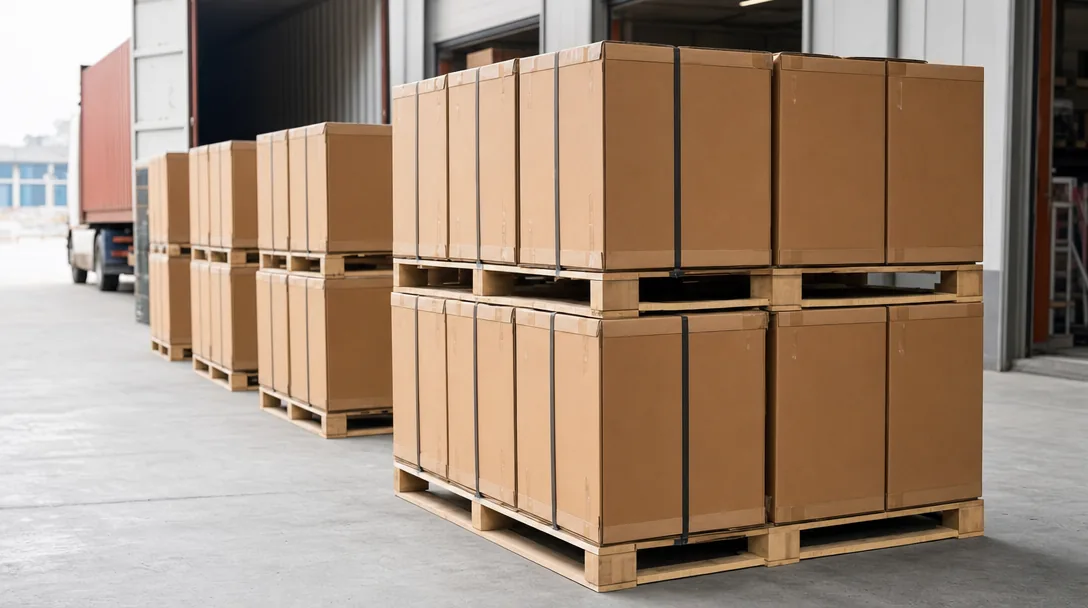
Custom Cap MOQ Explained: How Small Brands Can Order in Bulk Without Wasting Capital
Read article →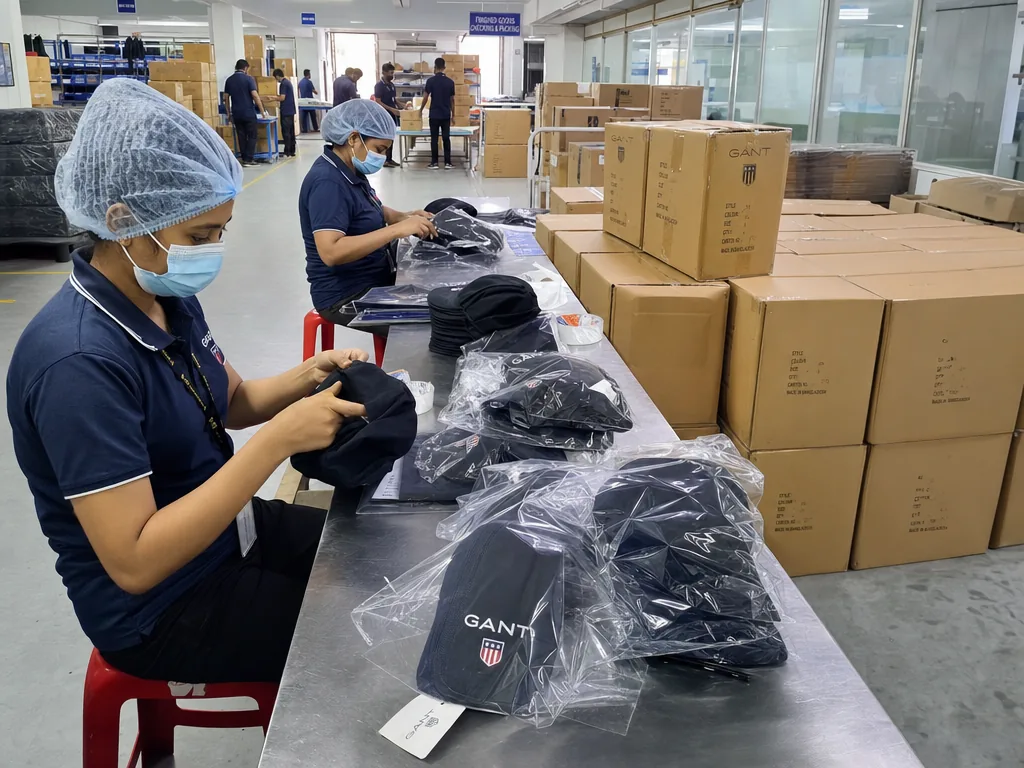
US Tariff Section 301 on Chinese Caps: Import Cost Planning for 2026
Read article →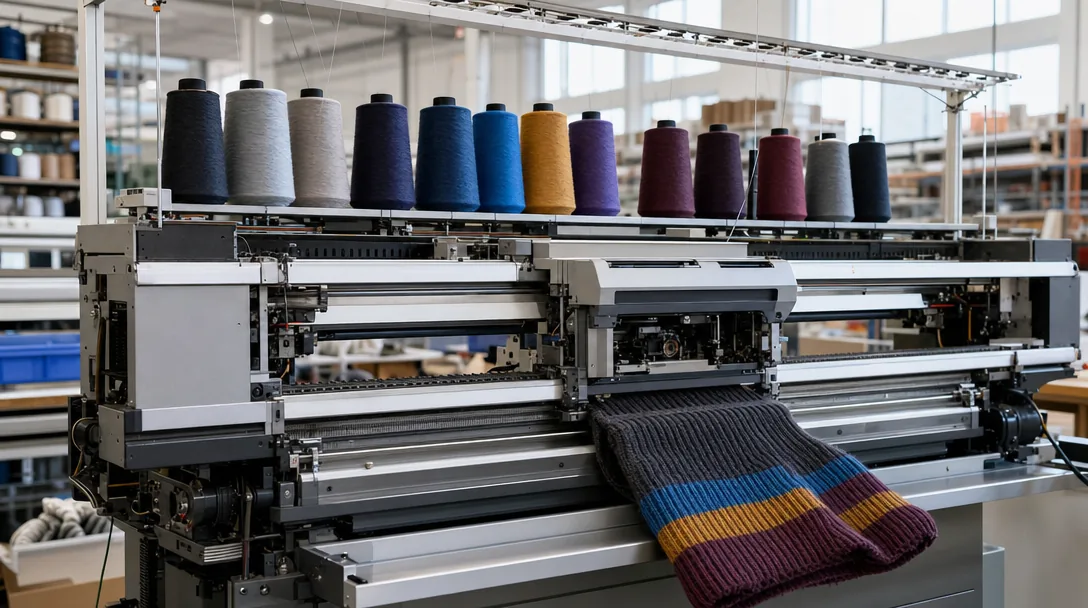
Acrylic Beanie: Properties, Costs and How to Spec It Right
Read article →We hope this guide demystifies custom camo hats: hunting, outdoor and tactical cap manufacturing and helps you move forward with confidence. If you have questions specific to your project, our English-speaking sales engineers are one message away.