
Custom Beanie Yarn Pilling Test: Buyer QC Guide
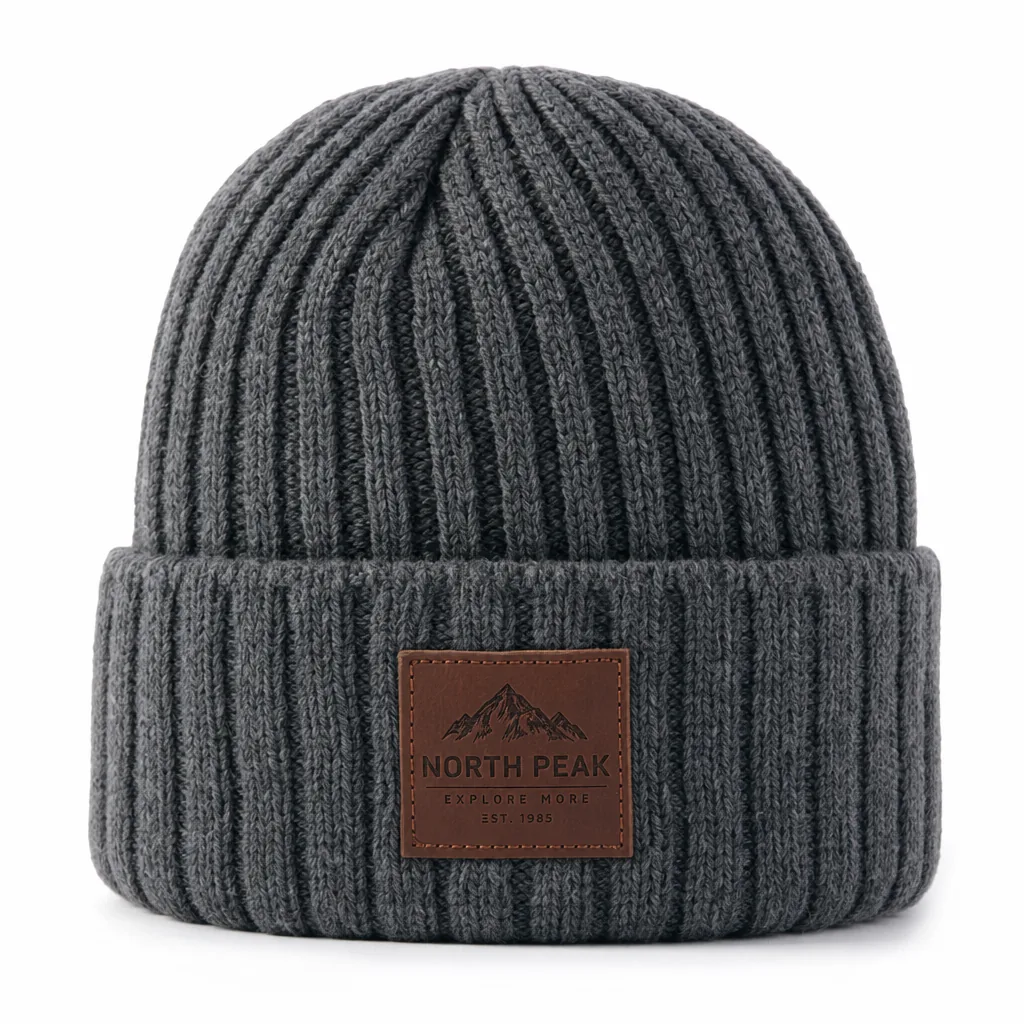
Every week, our sales team answers detailed questions about custom beanie yarn pilling test: buyer qc guide. We wrote this guide so that wholesalers, streetwear brands, corporate buyers and promotional resellers can compare options with full information, and avoid the traps that show up only after production has started.
What custom beanie yarn pilling test means in real production
In a custom beanie yarn pilling test, buyers are really asking one thing: will the knit keep looking clean after abrasion, washing, and normal wear, or will it turn fuzzy and cheap after two weeks? In RFQ terms, that means you should not just ask for “anti-pilling acrylic” and stop there. You need the yarn count, fiber blend, finishing method, and the test standard the factory will use before samples go out. For beanies, common constructions are 100% acrylic 2/28 or 1/15, acrylic/polyester blends, or wool-acrylic mixes, with pilling behavior changing a lot depending on fiber length and twist. A proper beanie yarn pilling test usually references Martindale, ASTM D3512, or a gray-scale evaluation after controlled cycles, because vague claims like “good handfeel” mean nothing in production.
Before sampling, a serious buyer should ask the custom hat manufacturer for the exact yarn mill, lot traceability, and whether the dyeing is solution-dyed or piece-dyed, because dye and finishing chemistry can affect surface fuzzing. If you are working with a private label hat supplier or headwear factory China, request the target pilling grade, such as 3.5 or above after 5,000 Martindale cycles, plus the wash condition used, for example 30°C gentle wash and flat dry. Also verify gauge, knitting tension, and whether the sample will be washed before approval; a loose 5-gauge knit may pill faster than a tighter 12-gauge construction even with the same yarn. On a good RFQ, I expect the buyer to specify acceptable pilling level, shade tolerance under D65 light, and whether a brushed finish is allowed, because brushing can hide defects at first but accelerate wear later.
The mistake I see most often in a custom cap factory order is treating the pilling check like a final inspection item instead of a sample-stage control point. Once the first fit sample is approved, changing yarn supplier or knitting density can shift the result by a full grade, so the buyer should lock the technical pack before bulk. At CrownsForge, our standard practice is to run a small pre-production knit and document fiber composition, GSM-equivalent fabric weight for the beanie body, and the pilling result before cutting bulk yarn lots. If you are buying from a custom headwear RFQ, ask for photos after abrasion, not just a written pass/fail, because real buyer QC depends on seeing surface fuzz, broken fibers, and pill formation under magnification. That is the difference between a beanie that survives retail and one that comes back as a complaint after one season.
Specs to request before a quote
For a real quote, do not start with “warmest beanie” or “good quality.” Give the factory exact dimensions: crown height in cm, cuff depth, finished circumference, and target weight in grams. For a standard acrylic beanie, I’d expect a spec like 22 cm crown, 7 cm cuff, 48-55 cm relaxed opening, and 95-120 g finished weight depending on yarn count and gauge. Materials should be stated by composition and construction, not generic names: 100% acrylic 2/28 Nm, 2-ply; 50/50 acrylic-wool blend; or recycled polyester if you need a lower pilling risk. If you want a custom beanie yarn pilling test to mean anything, specify the test method up front, such as Martindale 2,000 or 5,000 cycles, and the acceptance grade, because “no pilling” is not a measurable requirement. A competent custom hat manufacturer will also ask for Pantone TCX references for the body and trim, plus a target color tolerance of Delta-E ≤ 2.0 for bulk production.
Decoration files matter just as much as fabric specs. If you want embroidery, send vector artwork in AI, EPS, or PDF with stitch count guidance and size limits, usually 60-120 mm wide on a cuff patch or 80-100 mm for direct embroidery. If the logo is woven, specify the loom type and edge finish; if it is a sewn label, give exact folded size, backing, and placement distance from the hem. For carton requirements, define inner polybag gauge, carton dimensions, and master carton limits; I usually see 50-100 pcs per carton, 57x42x35 cm or similar, with gross weight kept under 18 kg for easier hand loading. A capable private label hat supplier should provide a pre-production sample, yarn lot sheet, fabric swatch, color lab dip, and artwork proof before bulk starts.
Ask for the inspection standard in writing, not “factory QC.” For knit headwear, AQL 2.5 is common for major defects, with 4.0 for minor defects if you are not running a tight retail program, but the tolerance should be fixed on the PO. A serious headwear factory china-side should show pilling test results, shade band checks, dimensional measurements after wash or steam conditioning, and photos of the test setup, not just a one-line claim that the yarn passed. In our standard practice, we also expect carton drop-test confirmation, needle detection if there is sewn trim, and a final inspection report with defect counts by category. If a custom cap factory cannot share a sample approval record, yarn traceability, and bulk inspection photos, they are selling promises, not production.
Factory risks and quality checks
The biggest factory risk in a custom beanie yarn pilling test is approving yarn that looks fine in bulk but sheds after a few rub cycles. I have seen cheap acrylic blends and low-twist ring-spun yarns pass visual inspection, then ball up after a Martindale or random crock test because the fiber length and twist were wrong. The usual defects are uneven knitting tension, thin spots at the crown, loose rib edges, shade banding between dye lots, and fuzzy surfaces that hide weak yarn construction. A serious custom hat manufacturer should check yarn count, twist per inch, fiber blend ratio, and dye tolerance before knitting starts, not after the first 500 pieces are finished.
Inspection has to happen at three points: incoming yarn, first-bulk sample, and final packed goods. For a proper beanie yarn pilling test, our standard practice is to approve a PP sample against the exact yarn lot, color standard, and knit gauge, then run a small wear-abrasion check before cutting bulk. If the client wants a private label hat supplier to avoid rework, they should lock in Pantone TCX references, stitch density, and acceptable pilling level using a simple 1–5 scale, plus photo standards for what fails. At a headwear factory China buyer should also ask for shade band control within Delta-E 1.5 to 2.0 and size tolerance within 1 cm, because loose gauge often shows up as both pilling and fit complaints.
Late shipment usually comes from skipping the approval gate and discovering problems after 30–50% of the order is already knitted. The way to prevent that is to freeze the material spec, approve a sealed pre-production sample, and require in-line patrol checks every 200 to 300 pieces on the knitting floor. If a custom cap factory or beanie supplier sees pilling risk early, they can switch to higher-twist acrylic, blend in nylon for abrasion resistance, or change the knit structure from loose plain knit to tighter 1x1 rib, which costs more but saves rework. On bigger orders, I prefer a 4.0 AQL final inspection with carton random pulls and a simple rub test on each color lot, because one bad dye batch can sink the whole shipment.
MOQ, lead time, and cost drivers
MOQ is the first thing that changes the math on a custom beanie yarn pilling test program. At 300–500 pcs, you usually pay more per unit because the mill has to knit, dye, and set up with no scale benefit; at 3,000+ pcs, the same yarn and trim package can drop 15–30 percent. A standard acrylic beanie in 12-gauge rib knit might land around $2.20–$3.40 FOB at lower volume, while a wool/acrylic blend with jacquard patterning and sewn label can move to $3.80–$6.20 depending on yarn count, gauge, and labor. If you add brushed lining, fold-over cuff, woven patch, or a metal clamp label, each item adds a real line item, not just a design choice. That is why a private label hat supplier will quote very differently for the same silhouette once the trim stack changes.
Labor is where many buyers underestimate cost. A simple beanie can be finished in 4 to 6 operations; a custom cap factory handling intarsia patterning, woven labels, side seam tags, and steam shaping may be looking at 10 to 14 operations plus inline inspection. Testing also matters: a beanie yarn pilling test, colorfastness to rubbing, and dimensional stability checks add small direct cost, but the real expense is the rejection risk if the yarn spec is weak. In practice, I see pilling-focused QC add about $0.05–$0.18 per piece when you spread it across lab and inline checks, though the cost of failing a customer’s retail test is much higher. A headwear factory China side usually batches these tests by lot, not by carton, because that is the only way to catch shade drift and yarn inconsistency early.
Packaging and shipping can erase the savings from a good factory quote. Individually polybagged beanies, silica gel, hangtags, barcode stickers, and carton inserts can add $0.15–$0.45 per unit before freight, and DDP air shipment on a 500-piece order can cost more than the goods themselves. Sea freight is cheaper, but if your launch window is tight, you may end up paying for split shipments and extra warehouse handling. At CrownsForge, our standard practice is to quote unit price separately from packaging, testing, and freight so buyers can see where the money actually goes. For a buyer comparing a custom hat manufacturer and a private label hat supplier, the only useful quote is one that breaks out yarn spec, MOQ, trim list, QC plan, and shipping lane; otherwise, the low price is usually just missing the expensive parts.
How CrownsForge manages this order type
For a custom beanie yarn pilling test, our sampling starts before decoration, because pilling is usually a yarn and finishing problem, not a logo problem. We knit a 1-color lab dip swatch first, then run a short wear simulation and a crocking check on the same yarn lot before approving bulk. If the buyer wants acrylic, recycled polyester, or wool blends, we record yarn count, twist, gauge, and any anti-pilling finish in the sample sheet. As a custom hat manufacturer, we also keep photo records of stitch density, cuff height, and trim specs so the approved sample is not just a visual reference but a measurable production standard. That matters when the beanie is going through a beanie yarn pilling test later, because you need traceability to the exact yarn lot and knit program.
Documentation is where a lot of orders fail, especially with overseas buyers who treat a private label hat supplier like a sketchbook instead of a controlled process. Our standard pack includes Pantone TCX references for labels or woven patches, measured spec sheets, fiber composition, carton count, and a QC checklist with AQL 2.5 targets for appearance, measurement, and packaging. On the factory floor, we inspect random pieces for surface fuzzing, seam distortion, and loose fibers after controlled rubbing, then separate any lot that shows early pilling behavior before it reaches packing. A headwear factory China should also answer questions fast and in writing: if a buyer changes yarn from 3/9 NM acrylic to 2/28 wool-blend, that changes hand feel, shrinkage, and pilling risk, so the revision must be documented, not handled by chat messages alone.
For reorder support, we lock the approved yarn supplier, knitting settings, and finishing parameters so the second and third runs match the first one instead of drifting. That is especially important when a custom cap factory is also handling mixed programs, because machine tension and batching can shift if the process is not controlled. Our practice is to keep retained samples and test notes for each colorway, which helps when a buyer needs the same custom beanie yarn pilling test standard six months later for a retail restock. Communication stays practical: one point of contact, weekly production updates, defect photos if anything changes, and pre-shipment confirmation of carton marks, inner polybags, and barcode placement. For larger programs, we can also align with buyer QA teams on third-party inspections or factory audit formats such as sedex-audit-cap-supplier-guide.html">BSCI or Sedex SMETA if the account requires it.
Frequently Asked Questions
What is the minimum order quantity (MOQ) for custom hats?
Our standard MOQ is 100 pieces per design and color, with sampling available from 1 piece. For complex multi-color logos or premium fabric upgrades, the MOQ can be lowered with a small per-piece surcharge.
Which shipping methods do you support?
We support FOB, CIF and DDP shipping. Air express for samples and small orders, sea LCL for 100 to 500 pieces, sea FCL for 5,000+ pieces. Door-to-door DDP available for US, EU, UK, Canada and Australia.
Do you support sustainability certifications?
Yes. We work with GOTS organic cotton, GRS-certified recycled polyester, OEKO-TEX Standard 100 fabrics, and are BSCI and Sedex audited. Certification documentation can be provided per order.
Can I order a sample before bulk production?
Yes. We strongly recommend approving a pre-production sample before mass production. Samples are charged at 35 to 60 USD each plus express shipping, fully refundable against confirmed bulk orders over 500 pieces.
What file format should I send for my logo?
Vector files (AI, EPS, PDF) are ideal. High-resolution PNG or JPG at 300 dpi on transparent background works as a fallback. Provide Pantone color references for accurate reproduction.
How does ordering beanie hat custom work?
When evaluating beanie hat custom, the key considerations are construction quality, decoration capability, MOQ flexibility and lead time. Explain custom beanie yarn pilling test in the context of a custom headwear RFQ, with the production details a buyer should verify before sampling. Cover dimensions, materials, tolerances, decoration files, carton requirements, AQL level, and the evidence a capable factory should provide.
How do I find a reliable custom waterproof cap manufacturer?
When evaluating custom waterproof cap manufacturer, the key considerations are construction quality, decoration capability, MOQ flexibility and lead time. Explain custom beanie yarn pilling test in the context of a custom headwear RFQ, with the production details a buyer should verify before sampling. Cover dimensions, materials, tolerances, decoration files, carton requirements, AQL level, and the evidence a capable factory should provide.
What should I know about woven label beanie custom bulk?
When evaluating woven label beanie custom bulk, the key considerations are construction quality, decoration capability, MOQ flexibility and lead time. Explain custom beanie yarn pilling test in the context of a custom headwear RFQ, with the production details a buyer should verify before sampling. Cover dimensions, materials, tolerances, decoration files, carton requirements, AQL level, and the evidence a capable factory should provide.
How do I find a reliable custom hat manufacturer usa?
When evaluating custom hat manufacturer usa, the key considerations are construction quality, decoration capability, MOQ flexibility and lead time. Explain custom beanie yarn pilling test in the context of a custom headwear RFQ, with the production details a buyer should verify before sampling. Cover dimensions, materials, tolerances, decoration files, carton requirements, AQL level, and the evidence a capable factory should provide.
Need a low-MOQ test order?
We help emerging brands launch with as few as 100 pieces. Premium fabric, in-house embroidery, retail-ready packaging.
Start a small orderRelated guides
Custom Hat Embroidery: The 2026 Sourcing & Manufacturing Playbook
Read article →
Private Label vs White Label Caps: Which Model Fits Your Brand?
Read article →
Custom Corduroy Dad Hat Bulk: A 2026 B2B Sourcing Guide
Read article →We hope this guide demystifies custom beanie yarn pilling test: buyer qc guide and helps you move forward with confidence. If you have questions specific to your project, our English-speaking sales engineers are one message away.