
Top 5 Cotton Beanie Men Specs Buyers Should Compare
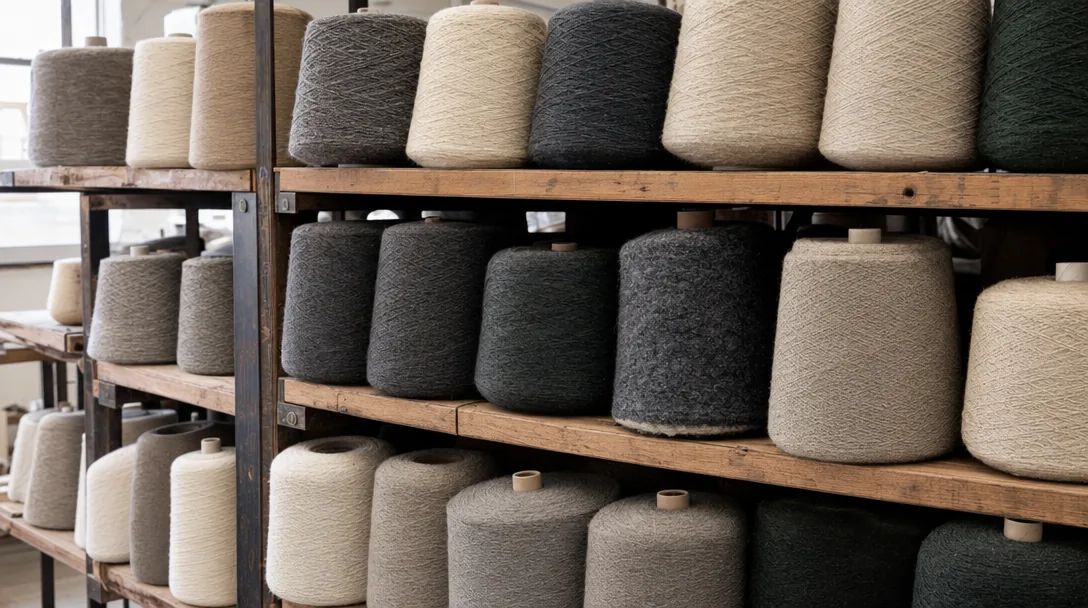
Top 5 Cotton Beanie Men Specs Buyers Should Compare is one of the most-asked questions we receive from international buyers, and for good reason. With dozens of factories competing for your order and an alphabet soup of technical terms in every supplier quote, even experienced importers can feel lost. This guide consolidates what we have learned producing custom hats for clients in 40+ countries.
The cotton beanie men spec sheet, line by line
Fabric weight is the first line I check on a cotton beanie men spec sheet because it tells you more about recovery, drape, and wash stability than any studio photo. For spring retail or indoor uniforms, 220-240 gsm cotton jersey is acceptable; for a real cold-weather beanie, write 260-300 gsm, preferably 30/1 Ne combed cotton, compact cotton, or 95/5 cotton-spandex when the buyer expects snap-back after wear. A 180 gsm open-end cotton sample can look fine on a mannequin, then lose shape after 5-8 wears because the knit has too little body. Shrinkage must be a measured test result: under 5% after machine wash cold and tumble low, tested after pre-shrinking, enzyme washing, or garment dyeing. Cotton has about 8.5% moisture regain versus roughly 1.5% for acrylic, so it feels better against skin during active use, but loose yarn and low stitch density will still sag. Open-end yarn should price lower than combed or compact yarn because it pills faster, has more hairiness, and gives a rougher surface for embroidery, woven patches, or heat-transfer placement.
Rib construction is where many low-cost cotton beanie men programs fail even when the gsm looks respectable. “2x2 rib” is not a spec; it is only a construction name. The sheet should state machine gauge, courses per inch, wales per inch, relaxed opening, stretched opening, and recovery after 30 minutes. For a men’s fit, I normally want 32-36 CPI and 20-22 WPI on a 14-gauge flat knitting machine, with a relaxed opening of 19-20 inches and clean stretch to 23-24 inches without white stress lines. A 12-gauge rib can give a chunkier streetwear hand, but it uses more yarn and makes a thicker cuff that sports teams and promo buyers often reject because it feels bulky under helmets or outerwear hoods. Turn-up height affects cost directly: a 2.5 inch cuff is standard, while moving to 3 inches usually adds 12-15% yarn consumption. For garment-dyed cotton, require a Pantone TCX target and Delta-E under 1.5, because uneven rib tension makes reactive dye absorb inconsistently across the cuff.
Decoration and packing lines need the same precision as the knit spec because most chargebacks start after the blank beanie is already acceptable. A sewn satin label normally adds $0.12-$0.18 per unit; a woven label with merrowed edge and soft backing is closer to $0.25-$0.35. For embroidery, Tajima or Barudan 12-needle heads can run an 8,000-12,000 stitch logo, but cotton rib needs water-soluble topping, cutaway backing, and slower speed around 600-700 RPM to prevent flagging and distorted small letters. Puff embroidery should be approved only when logo strokes exceed 3 mm and the cuff density can hold foam without collapsing. Organic claims must name GOTS, OCS 100, or OCS Blended and include transaction certificates through spinning, knitting, dyeing, and final assembly. Packaging should be itemized instead of buried in the FOB price: self-seal polybag $0.04-$0.06, header card $0.08-$0.12, FSC hang tag plus compostable bag $0.15-$0.22. These details are what decide whether final inspection passes AQL 2.5 or becomes a debit note.
Organic Cotton Hat
Organic cotton only earns the claim when yarn, dyeing, knitting, trims, and garment handling sit inside the same chain of custody. For cotton beanie men programs, write “GOTS-certified combed organic cotton” into the spec, not “eco cotton” or “natural cotton.” I prefer 21s/2 yarn for a dense fisherman or watch cap and 32s/2 for a softer retail hand; a 21s/2 1x1 or 2x2 rib at 300-340 gsm recovers far better than a 180-220 gsm promo knit, but certified yarn usually adds 12-20% to material cost. Ask for the yarn scope certificate, transaction certificate, fiber content test, and Pantone TCX lab dips reviewed under D65 light with Delta-E below 1.5 for black, navy, heather gray, and undyed natural. For small flat embroidery, woven labels, or clamp labels, compact-spun or ring-spun cotton gives fewer lint breaks on Tajima, Barudan, and ZSK heads than open-end yarn.
Approve organic cotton beanies by finished measurements after wash, because rib-knit cutting size tells you very little. A men’s cuff beanie should finish around 20-22 cm half-width, 21-23 cm body height before cuffing, and 6-8 cm cuff depth, with +/-0.8 cm tolerance after one gentle 30 C wash and flat dry. Pure organic cotton will not snap back like acrylic, so a loose stitch density will bag at the crown and cuff after repeated stretch. For stronger recovery, specify 95% organic cotton / 5% spandex or covered elastic thread in the rib; for lighter unisex programs, 260-300 gsm is usually enough, while winter cotton hats for men look and fold better at 320-360 gsm. Pricing depends on certification scope, dye-lot size, and trim complexity: stock certified yarn can support 300-500 pieces per color, while custom-dyed certified yarn is usually 800-1,200 pieces. China FOB runs about USD 2.20-3.80 plain and USD 3.10-5.20 with embroidery, patch, silicone label, or branded polybag.
Do not let the factory blur certified fiber content with a finished GOTS garment claim. A finished claim requires controlled storage, approved auxiliaries, traceable cutting and sewing records, and often extra audit or documentation labor; if the buyer only needs organic fiber content, the compliance burden is lower. Our standard practice at CrownsForge is inline size checking every 50 pieces, lot-by-lot shade banding, stretch recovery testing, optional needle detection, and final inspection to AQL 2.5 major / 4.0 minor. The defects I see most often are torque after washing, cuff-height drift between operators, seed or polypropylene contamination in light colors, and weak recovery after a 20-cycle stretch test. For e-commerce, also lock the folded presentation: a 7 cm cuff on a 22 cm body photographs very differently from an 8 cm cuff on a 21 cm body, even when both technically pass measurement tolerance.
100 Acrylic Beanie
A 100% acrylic beanie should be compared as its own winter knit, not treated as the cheap substitute for a cotton beanie men program. Start with yarn count, gauge, finished weight, and recovery. Most export acrylic beanies use 2/28 Nm or 2/32 Nm anti-pilling acrylic on 7G or 9G flat knitting machines; 12G is cleaner for fine ribs but less bulky. A single-layer cuff beanie usually finishes at 65-85 g, while a double-layer cold-weather style should land around 95-130 g. Put flat width, 50% stretched width, and relaxed width after 30 minutes into the spec sheet. For men’s sizing, recovery should stay within 5-8% of the original measurement after stretch testing. Acrylic traps more air than cotton at the same weight, so it feels warmer, but low-grade staple acrylic pills quickly. Require Martindale pilling grade 3.5 or better after 5,000 rubs; “soft handfeel” is not a measurable standard.
Color is where acrylic orders fail most often. Depending on the yarn supplier, acrylic may be dyed with cationic or disperse systems, and black, navy, charcoal, burgundy, and forest green can shift visibly when bulk yarn lots change mid-order. For branded programs, approve Pantone TCX lab dips before knitting and hold Delta-E under 1.5 for solid yarns, or under 2.0 for heather blends, checked under D65 light with bulk shade banding retained. Acrylic can copy the retail shape of cotton beanie men styles, but it will not drape like 21S/2 combed cotton or 180-220 gsm organic cotton knit. It has stronger rebound, more static, and a slicker embroidery surface. For cuff logos, I prefer 9G 1x1 or 2x2 rib, medium tear-away backing, and Tajima or Barudan heads. Loose 7G ribs distort satin stitches, especially letters under 5 mm or dense fills above 8,000 stitches.
Quote acrylic beanies by construction, gauge, and packing method, not by fiber name alone. In Yiwu, a plain 100% acrylic cuff beanie with no logo normally starts at 300-500 pcs per color and runs about USD 1.10-1.80 FOB, depending on yarn grade, rib structure, and target weight. Flat embroidery usually moves the unit price to USD 1.55-2.60; jacquard artwork, woven labels, hangtags, retail header cards, and barcode polybags often push practical MOQ to 500-1,000 pcs because knitting loss and packing setup become real costs. CrownsForge normally inspects acrylic beanie orders at AQL 2.5 for major defects and AQL 4.0 for minor defects, with finished height tolerance at +/-1 cm and cuff height at +/-0.5 cm. Inspect seam tension, loose yarns, oily odor, shade consistency, carton marks, and cuff twist. A beanie sits against the face, so scratchy yarn and mismatched navy lots get complaints fast.
Cotton Beanie Women
A women’s cotton beanie should be built from its own size spec, not guessed down from a cotton beanie men block. A typical men’s cuff beanie finishes at 21.5-22.5 in relaxed circumference and 8.5-9.25 in body height before cuffing; women’s retail fit is usually cleaner at 20.5-21.5 in circumference and 7.75-8.5 in height, unless the style is sold as oversized. For cotton/spandex rib, require minimum 92% stretch recovery after 30 minutes on a relaxed template, because cotton has weaker rebound than acrylic and a loose cuff shows up after three or four wears. For 100% cotton, specify 1x1 or 2x2 rib at 280-360 gsm, using combed cotton 32S/2 for a standard hand or 40S/2 for a softer premium unit. Organic cotton must be backed by GOTS or OCS transaction certificates tied to the actual dye lot and knitting order. For shared ranges with cotton hats for men, lock black, oatmeal, and navy to Pantone TCX targets with bulk Delta-E under 1.5.
Construction drives the reject rate more than most buyers expect. A shallow-cuff women’s beanie is normally flat-bed knitted, linked, washed, steamed, then measured relaxed after at least 12 hours, not pulled straight off the steam table. Fully fashioned crown shaping adds roughly US$0.18-0.35 per piece but looks cleaner than a basic overlocked top seam, especially on cream, blush, and heather gray where seam bulk is easy to see. Wash testing belongs in pre-production approval: after one 30 C gentle cycle, bulk should remain within -3% length and -5% width, with no visible torque over 8 mm at the side seam. In Yiwu, realistic MOQ is 300-500 pcs per color for stock cotton yarn and 800-1,200 pcs for custom-dyed Pantone TCX yarn. FOB pricing usually runs US$1.45-2.20 for basic cotton rib, US$2.20-3.40 for certified organic cotton with a custom label, and US$0.18-0.45 extra for embroidery depending on stitch count. CrownsForge standard approval includes gauge, yarn count, finished weight, label placement tolerance at +/-2 mm, and cuff height tolerance at +/-5 mm before bulk knitting.
QC should be tougher on women’s fashion colors because light cotton shows barre, oil marks, needle lines, and poor steaming faster than black or charcoal. Inspect under D65 lighting against approved lab dips, record Delta-E before linking, and apply AQL 2.5 for major defects with AQL 4.0 for minor defects. Reject broken yarn, loose crown closure, visible linking knots, label skew over 3 mm, twisted seams over 8 mm, or any relaxed circumference outside tolerance. If embroidery is added, Tajima, Barudan, and ZSK heads need cutaway or soft tearaway backing with lower thread tension than twill caps; dense satin lettering above 6,000 stitches can tunnel on cotton rib and should be tested on the actual gauge. Woven labels and patches should pass a 7 kg pull test for 10 seconds, and cartons should stay below 12% humidity before export to reduce mildew risk. When the same drop includes a navy bucket hat or cotton beanie men SKU, approve shade standards across yarn and fabric lots together, because mismatched navy makes a coordinated collection look cheap.
Cotton Hats for Men
“Cotton” is too vague for a cotton beanie men purchase order; lock yarn count, knit structure, finished weight, shrinkage, and shade tolerance before signing the pre-production sample. For spring retail, 21S or 32S ring-spun combed cotton at 180-240 gsm works; for a winter cuff beanie, use 260-320 gsm in 2x2 rib or 1x1 rib with a tighter gauge. A 2x2 rib gives better recovery than plain jersey, but expect $0.12-$0.25 higher FOB because knitting output drops and yarn consumption rises. If the hand feel must be smoother, specify enzyme wash plus silicone softener, then cap dimensional shrinkage at 5% after one 40 C home wash. Control shade by Pantone TCX or TPX with Delta-E under 1.5 for solids and under 2.0 for heathers. Black, navy, oatmeal, and gray melange are lower-risk stock colors; pigment-look charcoal, washed olive, and faded brown need lab dips before bulk yarn dyeing.
The main tradeoff is breathability versus shape recovery. Acrylic rebounds better after repeated wear, but cotton feels cooler and less scratchy, which is why cotton beanie men styles still make sense for streetwear drops, golf shops, resort merch, and low-profile corporate programs. For a snug cuff, I prefer 95% cotton / 5% spandex; for better abrasion resistance without a harsh synthetic feel, 90% cotton / 10% nylon is more stable. Organic cotton claims need GOTS or OCS transaction certificates tied to the yarn lot, not just a recycled-paper hangtag. Certified yarn usually adds $0.30-$0.70 per piece and pushes MOQ to 500-1,000 pieces per color, while conventional stock-dyed cotton can often start around 300 pieces. Realistic FOB Yiwu pricing is $1.60-$3.20 depending on gsm, cuff height, label method, polybag thickness, and carton ratio. Flat embroidery on rib knit needs backing and controlled stitch density on Tajima or Barudan heads; otherwise the logo tunnels between ribs.
QC should use relaxed, conditioned measurements, not dimensions taken straight off the knitting machine while the fabric is still under tension. CrownsForge conditions cotton beanie samples for 24 hours, then checks width, crown height, cuff depth, piece weight, seam stretch, label position, and shade under D65 light before bulk approval. Practical tolerances are +/-0.5 cm on width, +/-0.8 cm on height, and +/-5% on piece weight; wider limits create visible size drift once mixed cartons hit retail shelves. Final inspection should run AQL 2.5 for major defects and AQL 4.0 for minor defects, with specific checks for broken yarn, oil marks, dropped stitches, uneven rib tension, twisted seams, weak bartacks, shade bands, and wrong carton ratio. Men’s cotton beanies usually need a larger relaxed circumference and deeper crown than women’s styles, especially for North American accounts. If the same program includes woven cotton hats for men, approve separate lab dips because knit cotton and washed twill rarely finish to the same shade.
Organic Cotton Beanie
Organic cotton beanie quality is proven by lot-level paperwork, not by a green hangtag. For cotton beanie men programs, ask for GOTS or OCS transaction certificates tied to the actual yarn lot, dye lot, and the knitting mill’s valid scope certificate; a care-label claim alone will fail many retailer compliance files. Common yarn counts are 21S/2, 32S/2, and 40S/2 combed organic cotton. Use 21S/2 when you want a heavier streetwear hand and a more visible rib; use 32S/2 when the beanie needs a clean fold for belly bands, barcode stickers, or boxed private-label packing. For a double-layer cuff style, a realistic finished weight is 75-105 g, with washed knit density around 220-280 gsm. I prefer 2x2 rib for men’s sizing because it recovers better across 58-62 cm head circumference; 1x1 rib looks neat in samples but bags out faster after repeated wear.
Write the purchase spec around washed dimensions, because shrinkage is where cotton beanies usually fail. A practical men’s flat width is 19-22 cm, body height 20-23 cm, and cuff height 6-8 cm after steam setting or pre-wash. Hold tolerance to +/-1 cm on body height and +/-0.5 cm on cuff height, then test stretch recovery after a 30-minute extension; recovery loss above 8% is a warning sign that the hat will look tired after a few wears. Color control needs the same discipline. Deep black, forest green, and Pantone 19-4013 TCX navy can shift from lab dip to bulk because organic cotton does not always take reactive dye as evenly as conventional combed cotton. Approve lab dips under D65 and TL84, set Delta-E under 1.5 for solid retail colors and under 2.0 for heather yarns, and do not assume one navy will match rib knit, twill caps, and canvas buckets.
MOQ and price are driven first by certified yarn availability, not by sewing time. Stock organic yarn can often support 300-500 pieces per color, while custom Pantone TCX dyeing or special spinning usually pushes MOQ to 1,000-2,000 pieces per color. FOB China pricing is typically USD 2.20-3.80 for a plain cuff beanie and USD 3.20-5.20 with woven label, embroidery, enzyme wash, recycled polybag, and carton barcode labeling. GOTS handling adds cost because certified yarn, WIP bins, trims, labels, and packing areas must stay segregated from conventional cotton. Our standard practice at CrownsForge is inline measurement every 50 pieces and final inspection to AQL 2.5 major / 4.0 minor, checking shade bands, seam torque, loose yarn ends, odor, needle cuts, label placement, and barcode scans. For embroidered cotton beanie men orders, run a pre-production strike-off on Tajima or Barudan heads; rib knit will distort lettering below 5 mm unless the digitizing compensates for stretch.
Acrylic Beanie Hat
Acrylic is the control sample I use before approving any cotton beanie men program because it exposes what cotton must beat: elastic recovery, shade repeatability, and landed cost. A basic men’s 100% acrylic cuff beanie is usually knit from 2/28 Nm or 2/32 Nm yarn on 7-gauge or 9-gauge computerized flat-bed machines, then linked, washed, steam-set, and lightly brushed only if the hand feels dry. The purchase order cannot say only “adult one size.” Lock the tech pack to yarn count, gauge, rib structure, finished garment weight, cuff depth, total height, and relaxed flat width. A workable men’s cuff spec is 21–22 cm flat width, 20–22 cm total height, 7–8 cm cuff depth, and 55–70 g finished weight, with tolerances of ±0.5 cm on width, ±1 cm on height, and ±5% on weight. Otherwise, the supplier can ship an 18 cm fisherman beanie or a 25 cm slouch fit and still claim the style is compliant.
Acrylic wins on price, lead time, and repeatability; cotton wins only when the buyer values natural hand feel enough to pay for it. In Zhejiang or Jiangsu, a plain 100% acrylic cuff beanie using stock yarn normally runs US$0.85–1.45 FOB at 1,000–3,000 pieces per color. Heavier 2x2 rib, jacquard lettering, woven patches, or direct embroidery typically moves it to US$1.60–2.40. Stock-yarn MOQ is commonly 300–500 pieces per color, while custom Pantone TCX dyeing needs about 1,000–2,000 pieces and a 7–10 day lab-dip cycle. Dark navy, fluorescent orange, and gray melange deserve tighter approval because metamerism under D65 versus TL84 is common. A comparable organic cotton beanie men style can cost 25–60% more because combed cotton yarn is higher, moisture regain is greater, and the fabric relaxes after wear unless knit density, enzyme wash, and shrinkage are controlled.
QC for acrylic beanies should measure recovery, shade, seam security, and knit defects before anyone worries about carton artwork. Our standard practice at CrownsForge is to record relaxed flat width, stretched width, and recovered width after 30 minutes; for adult men’s acrylic beanies, I expect 24–26 cm comfortable stretch and recovery within 1 cm of the starting width. Shade approval should be checked in a light box under D65 and TL84, with Delta-E under 1.5 for corporate colors and under 2.0 for fashion shades. Rib knit does not embroider like cotton twill caps: Tajima, Barudan, or ZSK heads need lower top-thread tension, correct tear-away or wash-away backing, and a washed pre-production sample to catch tunneling. Final inspection should follow AQL 2.5 major / 4.0 minor and reject dropped stitches, needle lines, twisted cuffs, oily yarn, loose crown closures, poor linking, and labels drifting more than 3 mm from placement. These numbers decide whether cotton’s higher price is justified.
Working with CrownsForge for cotton beanie men programs
The first control point in a cotton beanie men program is not the logo; it is the yarn lot and post-wash measurement. For a 1x1 or 2x2 rib, I usually sample 7-gauge when the buyer wants a heavier streetwear hand, and 12-gauge when the target is a tighter retail rib that sits cleaner under a hood. Stock cotton samples normally take 5–7 days, or 7–10 days with embroidery, woven labels, or patches. If the cotton yarn must be dyed to Pantone TCX, plan 12–15 days for lab dip, dyeing, cone winding, and re-knitting. Practical MOQ is 300–500 pieces per color for stock yarn, but custom-dyed cotton, BCI cotton, GOTS organic cotton, or cotton-acrylic blends usually start at 1,000–1,200 pieces per color. CrownsForge does not release bulk until relaxed width, cuff height, total length, finished weight, and stretch recovery are checked after washing. Good cotton shrinkage should stay around 3–5%; poorly compacted 12-gauge ribs can move 7% and fail fit approval even when the counter sample looked perfect.
Decoration has to respect rib tension. Direct embroidery on cotton rib can tunnel, pucker, or pull the cuff out of square if the stitch count is too high or the hoop stretches the fabric before sewing. For front marks, I prefer 6,000–9,000 stitches on Tajima, Barudan, or ZSK heads, with cutaway backing and a density adjusted for the actual rib, not copied from a twill cap file. Small premium branding often works better as woven damask labels, merrowed patches, PU patches, debossed leather-look patches, or folded clamp labels because they keep the cuff softer and reduce distortion. Heat-transfer care labels are fine inside the crown, but large PU or silicone transfers on a stretch rib are a bad bet; after 20–30 wear cycles, cracking usually starts on the raised ribs. If the same order includes acrylic watch caps, women’s slouch beanies, or fleece-lined winter hats, do not reuse one spec sheet. Cotton beanie men styles need their own tolerances for stretch recovery, wash shrinkage, colorfastness, and logo placement from the cuff edge.
Bulk control should be locked before knitting starts: approved yarn lot, sealed pre-production sample, signed tolerance table, and a tech pack that names the fiber content, target piece weight or gsm, Pantone TCX shade, Delta-E limit, label position, country-of-origin wording, polybag warning, carton marks, and barcode format. For U.S. and EU programs, I also check CPSIA lead and phthalate limits on youth sizes, REACH/SVHC exposure on trims, azo-free dye declarations, and retailer audit expectations such as sedex-audit-cap-supplier-guide.html">BSCI 2.0 or Sedex SMETA 4-Pillar. Inspection should happen while the goods can still be corrected. An inline check at 20–30% completion catches width drift, shade bands, loose linking, twisted seams, wrong cuff turns, and embroidery puckering before the full lot is packed. Final inspection should normally run AQL 2.5 for major defects and AQL 4.0 for minor defects unless the buyer’s manual is stricter. The expensive failures are predictable: late label approvals, shade drift beyond Delta-E 1.5–2.0, carton cube changes after freight booking, and FOB/DDP timelines that leave no buffer for decoration rework.
Frequently Asked Questions
What file format should I send for my logo?
Vector files (AI, EPS, PDF) are ideal. High-resolution PNG or JPG at 300 dpi on transparent background works as a fallback. Provide Pantone color references for accurate reproduction.
Which shipping methods do you support?
We support FOB, CIF and DDP shipping. Air express for samples and small orders, sea LCL for 100 to 500 pieces, sea FCL for 5,000+ pieces. Door-to-door DDP available for US, EU, UK, Canada and Australia.
How long does production take?
Sampling takes 7 to 12 days. Bulk production runs 20 to 30 days depending on quantity, fabric availability and decoration complexity. Inspection and packing adds another 3 to 5 days before shipment.
Can I order a sample before bulk production?
Yes. We strongly recommend approving a pre-production sample before mass production. Samples are charged at 35 to 60 USD each plus express shipping, fully refundable against confirmed bulk orders over 500 pieces.
What logo decoration techniques do you offer?
3D puff embroidery, flat embroidery, woven patch, leather patch, PVC patch, screen printing, sublimation, applique and laser etching, all in-house with no subcontracting.
What should buyers know about organic cotton bucket hat?
When evaluating organic cotton bucket hat, the key considerations are construction quality, decoration capability, MOQ flexibility and lead time. Go deep on the specs here -- the numbers and tolerances to request and how each choice changes the result. Specifically for the angle of organic cotton hat: where relevant cover how it's made, the specs to request, typical MOQ and pricing, and QC checks, tying back to cotton beanie men. Go deep on the specs here -- the numbers and tolerances to request and how each choice…
What should buyers know about bucket hat men nike?
When evaluating bucket hat men nike, the key considerations are construction quality, decoration capability, MOQ flexibility and lead time. Go deep on the specs here -- the numbers and tolerances to request and how each choice changes the result. Specifically for the angle of organic cotton hat: where relevant cover how it's made, the specs to request, typical MOQ and pricing, and QC checks, tying back to cotton beanie men. Go deep on the specs here -- the numbers and tolerances to request and how each choice…
What should buyers know about acrylic beanie hat?
When evaluating acrylic beanie hat, the key considerations are construction quality, decoration capability, MOQ flexibility and lead time. Go deep on the specs here -- the numbers and tolerances to request and how each choice changes the result. Specifically for the angle of acrylic beanie hat: where relevant cover how it's made, the specs to request, typical MOQ and pricing, and QC checks, tying back to cotton beanie men. Go deep on the specs here -- the numbers and tolerances to request and how each choice…
What should buyers know about 100 percent cotton beanie?
When evaluating 100 percent cotton beanie, the key considerations are construction quality, decoration capability, MOQ flexibility and lead time. Go deep on the specs here -- the numbers and tolerances to request and how each choice changes the result. Specifically for the angle of 100 acrylic beanie: where relevant cover how it's made, the specs to request, typical MOQ and pricing, and QC checks, tying back to cotton beanie men. Go deep on the specs here -- the numbers and tolerances to request and how each choice…
Are there cotton beanies?
Worldwide Cotton Beanie. Made here, worn worldwide. This fine-gauge cotton, jersey stitch beanie is the base of any cold-weather accessory collection. It's soft, pliable, and well-fitted at a universal length to pull over the ears.
Looking for a reliable hat manufacturer in China?
CrownsForge has produced custom hats for 800+ brands across 40 countries. From 100-piece launches to 100,000-piece retail programs, we deliver on time and on spec.
Get in touchRelated guides
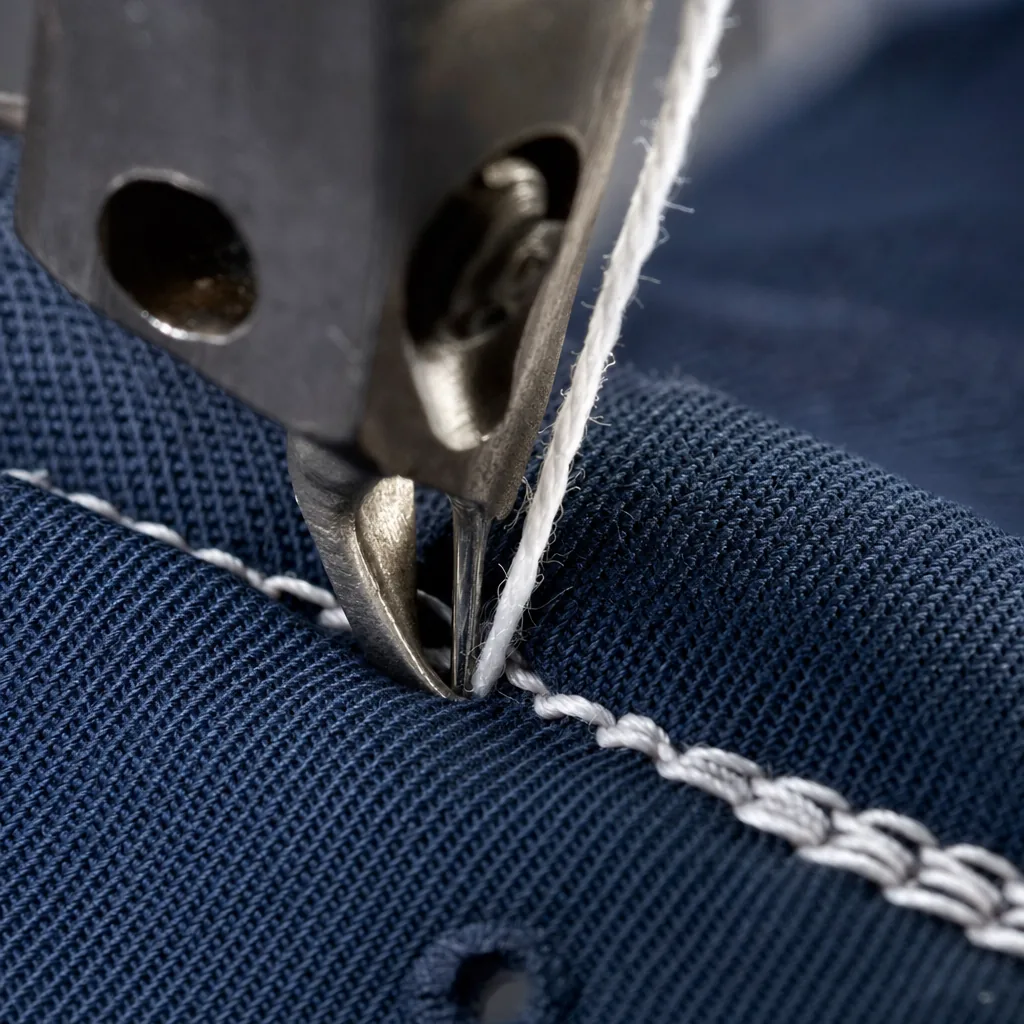
Embroidery Thread Libraries: Madeira, Isacord and What Your Cap Factory Uses
Read article →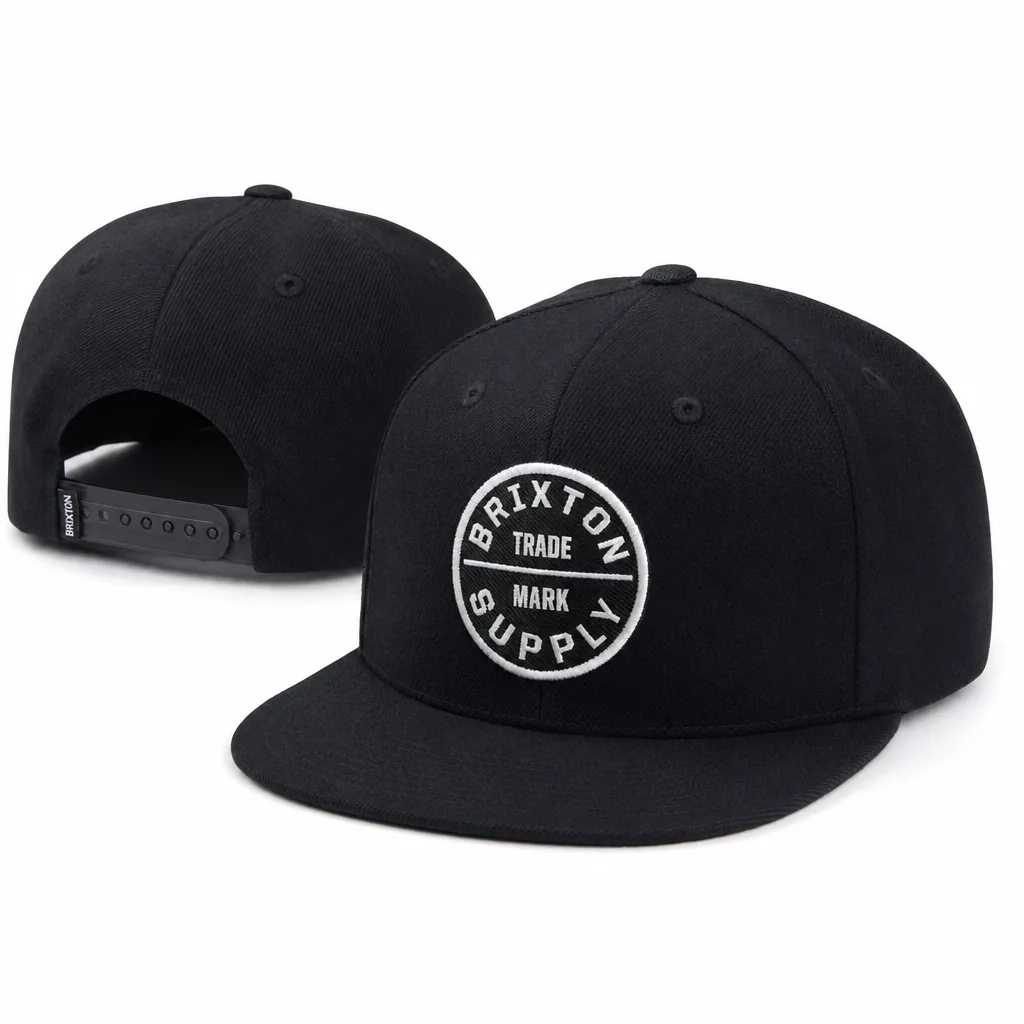
Sports Team Hats: A Vertical-Specific Sourcing Guide
Read article →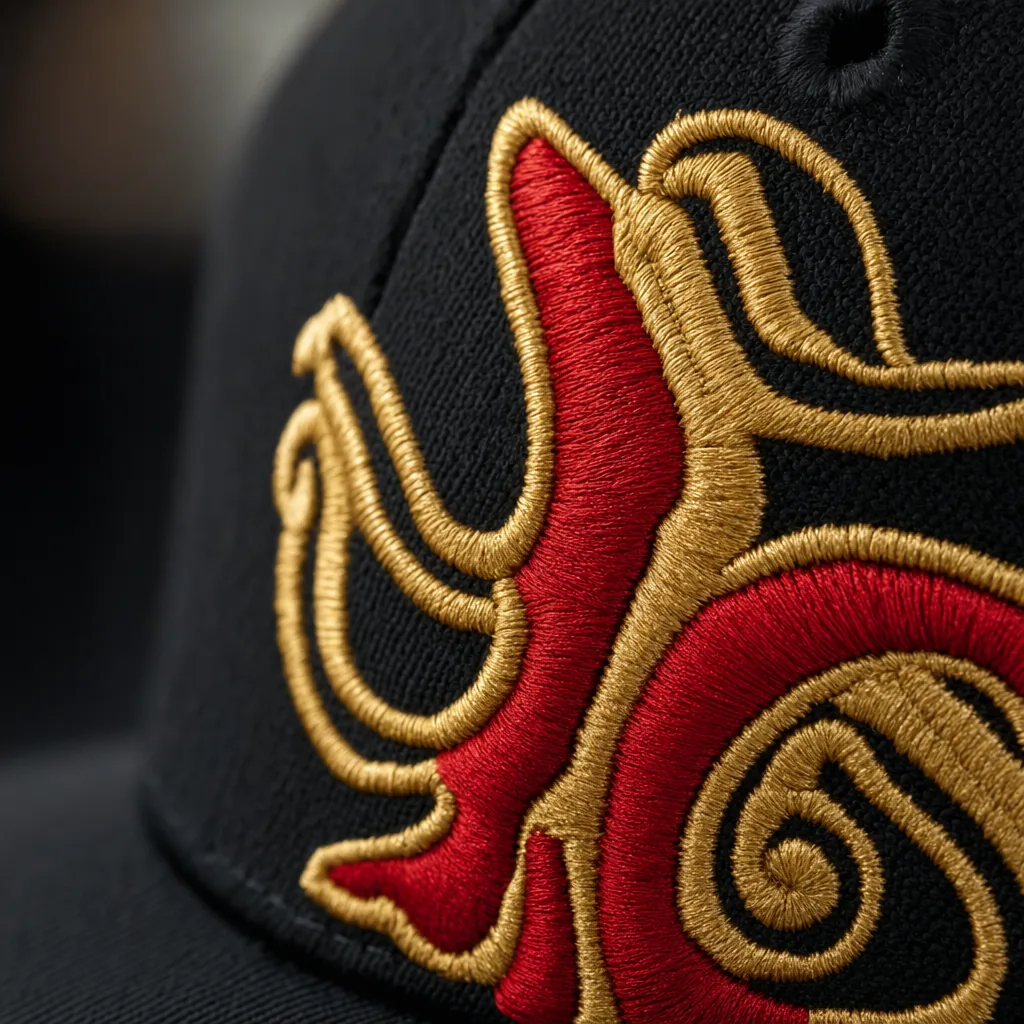
Custom Logo Hats: When to Use It, Costs, and What to Ask Your Factory - Supplier Checklist (2026 Update) - 2026 Buyer's Guide
Read article →If you are ready to take the next step on top 5 cotton beanie men specs buyers should compare, our team can put a tailored quotation and digital mock-up in your inbox within 24 hours. Send the inquiry form on our contact page or message us directly on WhatsApp.