
Corduroy Hat Vintage Export Shipping Checklist for Custom Hat Buyers - Cost & MOQ Breakdown (2026 Update)
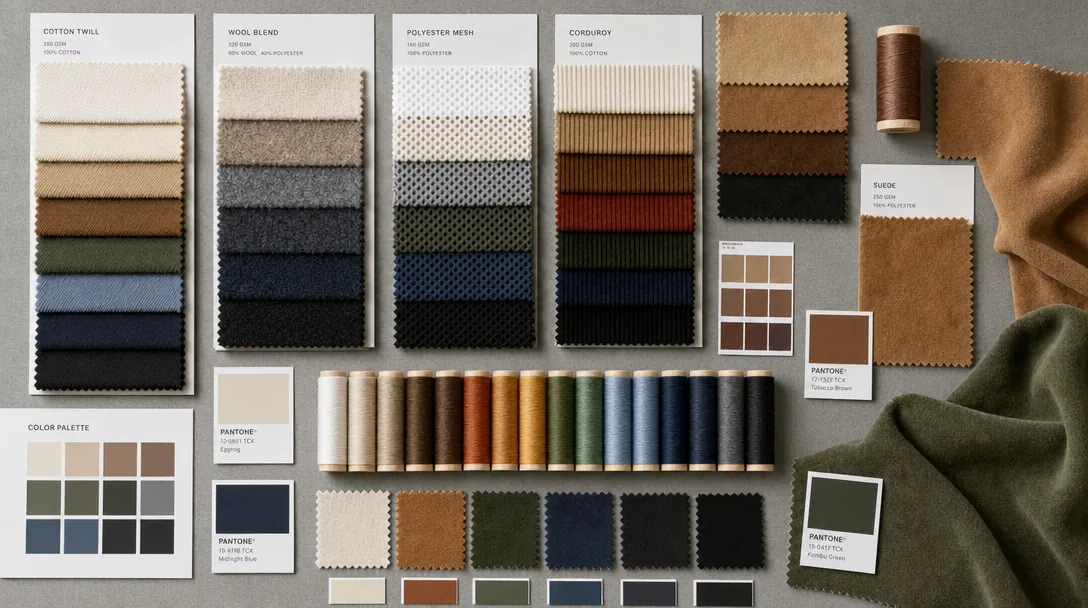
Corduroy Hat Vintage Export Shipping Checklist for Custom Hat Buyers - Cost & MOQ Breakdown (2026 Update) is one of the most-asked questions we receive from international buyers, and for good reason. With dozens of factories competing for your order and an alphabet soup of technical terms in every supplier quote, even experienced importers can feel lost. This guide consolidates what we have learned producing custom hats for clients in 40+ countries.
Why corduroy hat vintage export shipping checklist needs a separate sourcing plan
A usable corduroy hat vintage export shipping checklist starts at fabric reservation, not at final packing, because corduroy changes yield, sewing efficiency, and landed freight math from the first sample. Wale count is the first gate. For most 6-panel vintage caps, 14-wale cotton corduroy at 220-260 gsm is the safest production range: the ribs are tight enough for clean topstitching, and seam bulk usually stays controllable at the front panel, side joins, and sweatband wrap. Move to 8-wale or 11-wale and you get a stronger retro look, but seam buildup typically increases by 0.8-1.5 mm at panel intersections, sewing speed on Juki single-needle lines drops about 10-18% versus 240-260 gsm brushed twill, and carton utilization falls because crowns cannot be pressed as flat without pile marking. Nap direction is the second gate. If the cutting room does not keep every panel running in the same pile direction, one dye lot can read like two shades under 4000K warehouse lighting, and that turns into a preventable shade claim before the goods even reach port.
Corduroy also needs earlier compliance and decoration decisions than a standard twill cap. Embroidery that looks acceptable on chino will often sink between the ribs, so digitizing should be adjusted before the proto: lower fill density, heavier edge-walk underlay, wider satin columns around 3 mm, or a switch to felt applique or chain stitch on Tajima or Barudan heads. Packing specs cannot wait until bulk, either. Corduroy pile takes pressure marks faster than flat cotton, so the PP sample should already lock polybag thickness, crown support, inner carton quantity, and master carton compression standard; otherwise the factory can pass final audit and still ship hats with crushed crowns and bruised wale lines. For sourcing, stock shades may keep MOQ at 144-300 pieces per color, but custom Pantone TCX dyeing usually needs 300-500 meters per shade, adds 7-12 days, and should be controlled to Delta-E 1.0-1.5 for retail programs. A serious corduroy hat vintage export shipping checklist should also verify GOTS or OCS transaction certificates where claims are used, azo-free dye declarations, CPSIA component compliance for the U.S. market, needle control records, and current sedex-audit-cap-supplier-guide.html">BSCI 2.0 or Sedex SMETA 4-Pillar audit status.
Factory capability checks before quoting
Do not start with price. First confirm the factory can run the construction in-house, because corduroy exposes weak cutting, fusing, and sewing control faster than plain cotton twill. For a practical corduroy hat vintage export shipping checklist, verify fabric range first: cap-grade cotton corduroy usually sits at 8-wale to 12-wale, 220-280 gsm, commonly around 40s x 16s yarn count. Above 300 gsm, unstructured low-profile crowns often lose shape unless the factory adjusts seam allowance, front-panel fusing, and crown tape tension; in production, that usually means moving from roughly 35 gsm tricot fusing to 50-55 gsm. Ask what they make every month, in units and style mix, not what they claim they can produce. A line optimized for six-panel baseball caps will often miss side-panel balance on five-panel camp caps and struggle with bucket hat brim binding because the wale ribs resist clean folding. Trim capability matters too: antique brass sliders, self-fabric tuck straps, nylon clip closures, and fitted back arches all change MOQ and sourcing lead time. Custom logo buckles or dyed hardware under 300 pcs per color typically add $0.18-$0.45 per cap in real trim cost, not just sales markup.
Decoration is where weak suppliers hide behind aggressive quotes. Ask what embroidery heads are on the floor, whether Tajima, Barudan, or ZSK, then go deeper into digitizing for pile fabrics. On corduroy, a competent digitizer will compensate for wale direction with heavier edge-walk underlay, reduced fill density, and stitch-angle changes; otherwise satin columns sink into the ribs and text below about 4.5 mm closes up, especially on washed black, tobacco, or vintage brown shades. Patch work should be quoted by process, not bundled: merrowed twill, woven label patches, chenille, felt appliqué, and faux leather each need different needles, backing, and press settings. Faux leather that handles 145-155 C on flat twill can leave crush marks or scorch on corduroy if dwell time is excessive. Before accepting any quote, check sample-room discipline and export control together: first prototype in 7-10 calendar days, a measured spec sheet with crown height, visor arc, and opening width, plus current BSCI 2.0 or Sedex SMETA 4-Pillar records. A factory serious about export should also state AQL 2.5 inspection practice, shade tolerance targets such as Delta-E 1.5-2.0 to approved lab dip, and carton assumptions like 24 or 48 pcs per export carton under FOB or DDP terms.
MOQ, pricing and sample approval
MOQ sets the math on any corduroy hat vintage export shipping checklist because corduroy is usually bought against dye lots, not priced like a generic stock cap shell. For 8-wale or 11-wale cotton corduroy, Zhejiang mills typically need fabric commitments that translate into 144 to 300 caps per color for a 6-panel unstructured style when you use stock shades, standard 210 gsm cotton twill sweatbands, and a self-fabric back strap. Bucket hats normally open at 200 to 500 pieces per color because fabric yield is worse and the sewing line loses efficiency on circular crown assembly, brim topstitching, and wale alignment. In 2026, a vintage-wash corduroy cap with 1 front flat embroidery, woven flag label, and self-fabric strap usually lands at $3.40 to $4.90 FOB Ningbo at 300 pieces. Push into 280 to 320 gsm organic cotton corduroy, enzyme wash, custom seam tape, metal slider, and branded inner labels, and the working range is closer to $5.80 to $7.80 FOB before duty, third-party testing, or final-mile delivery.
Decoration and approval are where buyers usually lose margin. Corduroy ribs swallow detail, so embroidery on Tajima, Barudan, or ZSK heads needs heavier underlay, lower speed, and wider artwork than the same logo on brushed twill. I would not sign off artwork with strokes under 1.0 mm on a front panel, and stitch density usually has to stay around 0.38 to 0.42 mm to avoid crushing the wale and causing puckering after pressing. Digitizing is commonly $25 to $60 per logo, but chain stitch, felt appliqué, center-seam embroidery, or mixed trim programs can add $0.35 to $1.10 per piece and raise reject risk at final inspection. Sample approval should be tied to a PPS cut from bulk-reserved fabric, not a showroom proto made from substitute cloth. Color should be judged against Pantone TCX with a realistic Delta-E tolerance of 1.5 to 2.0, while embroidery position, bill curve, barcode placement, polybag warning text, and carton marks should be locked before bulk. A practical timeline is 5 to 7 days for samples, 2 to 4 days for buyer comments, and 25 to 35 days for production after approval; custom dyeing or split shipments can stretch that to 40 to 50 days.
Quality inspection and shipping risk
The biggest shipping loss on a corduroy order usually happens before the cartons leave China: bad goods get approved, then the buyer argues over credits after arrival. A credible corduroy hat vintage export shipping checklist should lock final random inspection to ANSI/ASQ Z1.4, General Inspection Level II, with AQL 2.5 for major defects and 4.0 for minor defects, using the correct code letter by lot size rather than whatever sample count a merchandiser finds convenient. On 8-wale and 11-wale washed corduroy, the defects that actually trigger claims are mixed-lot panel shading, off-grain cutting that torques the crown, topstitch deviation above 2 mm, visor memory loss after pressing, and weak bartacks at the sweatband, metal buckle, or snapback attachment. Embroidery needs its own defect criteria: registration drift on copy below 4 mm, loose trims on satin columns, underlay exposure on low-profile fronts, and backing strike-through when the wale height is not handled correctly. Paper proofs are close to useless for corduroy embroidery approval. A file that looks clean on flat twill can break down on ribbed cotton corduroy once it runs on Tajima, Barudan, or ZSK heads, especially above 650 to 700 rpm, because pull compensation, stitch density, and needle penetration change as the needle crosses the wale. Bulk-fabric sew-outs are the only approval that counts, and I would still require inline checkpoints after the first 50 pieces and again around 20 percent completion because nap direction, hoop tension, and steam pressing drift over a long run. Measurement tolerances also need to be written into the PO: for adult caps, plus or minus 0.5 cm on crown height, visor length, and opening width is realistic; for bucket styles, a 3 mm brim-width swing is already visible on shelf. Color should be approved under D65 lighting against Pantone TCX with a Delta-E target below 1.5 to 2.0 for shell fabric, while linings and sweatbands can usually sit below 3.0.
Carton failure is the other expensive mistake buyers underestimate. Dense corduroy caps do not behave like light brushed cotton in transit; once stacked in a container, soft crowns and heavier fabric put more load on the sidewalls, so 5-ply cartons are often marginal for sea freight. For most export programs, 7-ply cartons rated around 32 ECT or 200 to 250 psi burst strength hold up better under long-haul compression, especially on FOB shipments that may be handled multiple times before vessel loading. Export marks should be printed clearly on at least two carton sides and include PO number, style, color, size, quantity, carton sequence, net weight, gross weight, carton dimensions, and country of origin. If the inner packing spec is vague, expect crushed visors, distorted front panels, and avoidable chargebacks. Shipping terms also need to be fixed before production closes, because FOB and DDP require different control points and paperwork. FOB mainly depends on clean commercial invoice data, packing list accuracy, carton cube, booking cut-off, and on-time handover to the forwarder. DDP adds more failure points: correct HS code, consignee tax ID, destination labeling compliance, landed-cost calculation, and tight pre-alert timing so cargo does not sit at destination collecting storage or demurrage. Minimum lab testing should cover dry and wet crocking, colorfastness to perspiration, and dimensional stability after light washing if the style is sold as washed vintage corduroy. Our standard practice is to archive fabric lot numbers, bulk sew-out approvals, measurement reports, carton photos, and final inspection records so a reorder six months later can match the approved shipment instead of starting from memory.
Buyer checklist for the next RFQ
A buyer-ready RFQ starts with the build sheet, not reference photos. For a practical corduroy hat vintage export shipping checklist, put the silhouette and fabric construction in line one: 6-panel dad cap, 5-panel rope cap, unstructured snapback, or bucket, then the corduroy spec such as 8W, 11W, or 14W. Wale count changes both handfeel and sewing behavior; 100% cotton 11W at 280-320 gsm runs very differently on a cutting table and Tajima embroidery head than a 65/35 poly-cotton 14W at 220-240 gsm. Add crown height, visor length and width, closure type, sweatband material, buckram requirement, visor board, and target head-size range. If you want a washed look, define the process precisely: enzyme wash, pigment wash, garment wash, sanded peaks, or controlled sun-fade effect. Those are not interchangeable. A true vintage finish usually adds 3-5 sampling days and about $0.20-$0.60 per cap, especially when panel reblocking, seam puckering limits, and shade consistency are controlled.
Quoting speed depends on file quality. Send vector artwork in AI, EPS, or layered PDF, plus a tech mockup showing front, both side panels, back, inside taping, closure, underbrim, and any labels. Mark logo size in millimeters and placement from fixed reference points such as crown centerline, eyelet line, or visor seam. Specify decoration method clearly: flat embroidery, 3D puff, satin-stitch patch, woven patch, or screen print. Color must be called out by Pantone TCX or Pantone Coated number, not vague names like brown, tan, or beige. On corduroy, pile direction can shift visual shade enough that buyers with premium retail programs should state an acceptable tolerance up front; Delta-E under 2.0 is realistic, but only if the bulk fabric lot is controlled. If certified content matters, state whether you need GOTS, OCS, or transaction certificates before the quote, because that changes sourcing, mill options, and MOQ immediately.
Most avoidable cost overruns sit in the logistics block, not the cap spec. State quantity by color, requested ex-factory date, Incoterm, final destination port or ZIP code, and whether pricing should be EXW, FOB Ningbo, or DDP delivered. A stock-fabric corduroy cap program often starts around 144-300 pieces per color, while custom-dyed corduroy, branded metal trims, printed seam tape, or custom lining can push upstream minimums to 500-1,000 meters of fabric. Also lock carton dimensions, pack-out ratio, inner pack quantity, barcode format, hangtag spec, country-of-origin label, and retailer compliance requirements such as CPSIA tracking labels, REACH SVHC screening, or azo-free dye testing. Our standard practice is to ask buyers to define audit and inspection terms in the RFQ itself, including BSCI 2.0, Sedex SMETA 4-Pillar status, and final inspection level such as AQL 2.5. Without that, the supplier is giving you a budget number, not a production-safe quote.
Working with CrownsForge
Most misses on a corduroy hat vintage export shipping checklist start before bulk cutting, when the buyer signs off the silhouette but not the fabric behavior. Corduroy is unforgiving under warehouse light and retail light: 8-wale, 11-wale, and micro-cord throw color differently because pile direction changes reflectance, so a cap can pass lab dip tolerance and still look off on the shelf. Lock the approval standard at the sample stage: wale count, nap direction, panel matching, seam grin on curved front panels, and shade checked under D65 lightbox conditions. For shell panels, I would not accept more than Delta-E 1.5 to the approved Pantone TCX reference on the face fabric, and I want mill test data showing shrinkage below 3% after steam pressing or garment wash. For vintage 6-panel and soft-structure snapbacks, 260-320 gsm cotton corduroy is the safe range; below that, crowns collapse after enzyme wash, and above roughly 340 gsm, the crown starts fighting the shape. Sampling should be budgeted honestly: $35-60 for a fit proto, $80-150 once embroidery digitizing, woven labels, pigment wash, or metal trims are involved, with 7-12 calendar days only if fabric and trims are already in-house.
Decoration and MOQ have to be engineered around the pile, not forced onto it. On Tajima or Barudan heads, front embroidery on corduroy runs cleaner when stitch density is backed off, edge underlay is controlled, and pull compensation follows the wale instead of burying the logo into the rib. Flat embroidery is usually the right answer for vintage programs with small serif text or fine outlines; 3D puff looks attractive on paper but it crushes pile, widens edges, and creates visible lot-to-lot inconsistency. Real MOQ is also less flexible than buyers expect: 144 pcs per colorway works for standard 6-panel caps in stock shell fabric, but washed corduroy, custom lining, or bucket hats with size splits usually need 300 pcs or more to keep unit cost and shade variation under control. Freight belongs in the same checklist because corduroy is easy to bruise after sewing. Our standard practice is inline and final inspection to AQL 2.5, checking logo placement within +/-2 mm, nap consistency, needle damage, visor shape, and carton pressure risk. For export, unstructured caps need support inserts, conservative nesting, and 5-ply K=K cartons; otherwise pile marks show up before the shipment clears Ningbo. Ocean freight on volume orders typically lands around $0.18-0.45 per hat, while air can add $1.20-2.80 per piece depending on chargeable weight and lane.
Frequently Asked Questions
What file format should I send for my logo?
Vector files (AI, EPS, PDF) are ideal. High-resolution PNG or JPG at 300 dpi on transparent background works as a fallback. Provide Pantone color references for accurate reproduction.
How long does production take?
Sampling takes 7 to 12 days. Bulk production runs 20 to 30 days depending on quantity, fabric availability and decoration complexity. Inspection and packing adds another 3 to 5 days before shipment.
Can I order a sample before bulk production?
Yes. We strongly recommend approving a pre-production sample before mass production. Samples are charged at 35 to 60 USD each plus express shipping, fully refundable against confirmed bulk orders over 500 pieces.
What is the minimum order quantity (MOQ) for custom hats?
Our standard MOQ is 100 pieces per design and color, with sampling available from 1 piece. For complex multi-color logos or premium fabric upgrades, the MOQ can be lowered with a small per-piece surcharge.
Which shipping methods do you support?
We support FOB, CIF and DDP shipping. Air express for samples and small orders, sea LCL for 100 to 500 pieces, sea FCL for 5,000+ pieces. Door-to-door DDP available for US, EU, UK, Canada and Australia.
What should buyers know about organic cotton bucket hat?
When evaluating organic cotton bucket hat, the key considerations are construction quality, decoration capability, MOQ flexibility and lead time. Explain the buyer intent behind corduroy hat vintage export shipping checklist, when it differs from generic hat sourcing, and what decisions affect cost, lead time and compliance. Describe how CrownsForge manages corduroy hat vintage export shipping checklist programs with sampling, decoration, QC and export coordination.
What should buyers know about brown corduroy bucket hat?
When evaluating brown corduroy bucket hat, the key considerations are construction quality, decoration capability, MOQ flexibility and lead time. Explain the buyer intent behind corduroy hat vintage export shipping checklist, when it differs from generic hat sourcing, and what decisions affect cost, lead time and compliance. Describe how CrownsForge manages corduroy hat vintage export shipping checklist programs with sampling, decoration, QC and export coordination.
What should buyers know about bucket hat men nike?
When evaluating bucket hat men nike, the key considerations are construction quality, decoration capability, MOQ flexibility and lead time. Explain the buyer intent behind corduroy hat vintage export shipping checklist, when it differs from generic hat sourcing, and what decisions affect cost, lead time and compliance. Describe how CrownsForge manages corduroy hat vintage export shipping checklist programs with sampling, decoration, QC and export coordination.
What should buyers know about vintage bucket hat mens?
When evaluating vintage bucket hat mens, the key considerations are construction quality, decoration capability, MOQ flexibility and lead time. Explain the buyer intent behind corduroy hat vintage export shipping checklist, when it differs from generic hat sourcing, and what decisions affect cost, lead time and compliance. Describe how CrownsForge manages corduroy hat vintage export shipping checklist programs with sampling, decoration, QC and export coordination.
How to ship vintage hats?
In general, you can safely package most hats inside cardboard boxes. You should wrap them in a protective layer or place enough packing material inside to protect the hat from any residue that leaks onto the box. Most hats have a hard brim, visor, bill, or crown that must retain its shape during shipping.
How to clean a thrifted corduroy hat?
As long as it's not a vintage hat, needing special care, spot clean the hat with mild, diluted detergent before submerging it completely in water. Let it soak for up to 15 minutes. Then, rinse the hat thoroughly in warm or cold water before gently patting it dry with a towel, reshaping it and leaving it to air dry.
Can I ship hats in poly mailers?
You can wrap the hat in tissue paper or place it in a plastic bag for added protection against moisture or dust. Make sure it fits comfortably without being overstuffed. If you're using a poly mailer, you might add a small piece of bubble wrap for extra protection.
What size box to ship a hat in?
Something I learned this year: ship your hats in 16x16x6 boxes.
How to ship a hat without a box?
In some instances, maybe you don't need a box. Instead of always using a box, you can choose to ship soft and bendable hats in a plastic shipping bag with some protective material. This method can save you on shipping costs, but you do lose the protection of the box to keep the shape of the hat.
What is the best shipping method for hats?
It's always better to package the hat in a size-appropriate box and not mash it into a smaller one. In some instances, maybe you don't need a box. Instead of always using a box, you can choose to ship soft and bendable hats in a plastic shipping bag with some protective material.
Ready to start your custom hat project?
Send us your tech-pack, sketch or even just an inspiration photo. We will respond with a detailed quotation and digital mock-up within 24 hours.
Request a free quoteRelated guides
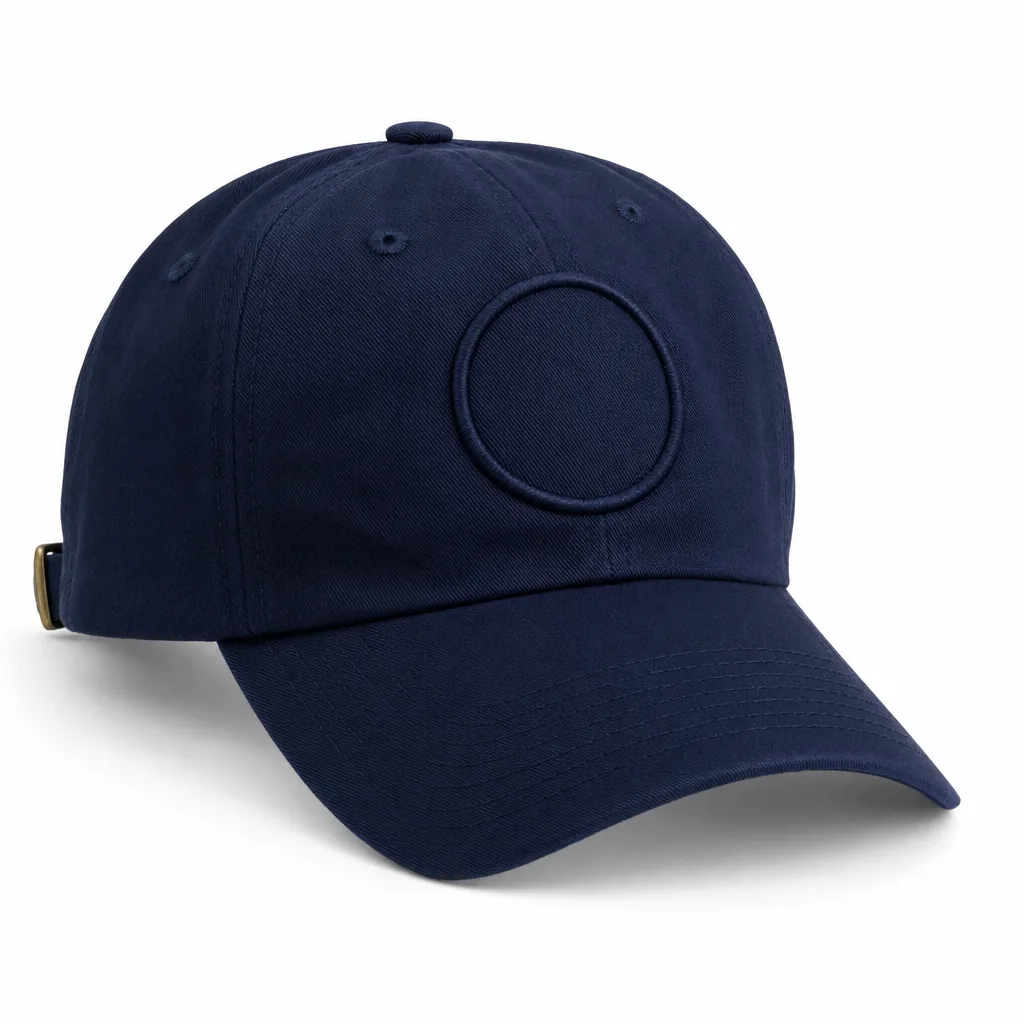
Custom Made Trucker Hat: The 2026 Sourcing & Manufacturing Playbook (2026 Update) - Cost & MOQ Breakdown
Read article →
Blank Hats MOQ And Pricing Plan for Custom Hat Buyers
Read article →Ball Caps for Women: A 2026 Sourcing Playbook for International Buyers
Read article →If you are ready to take the next step on corduroy hat vintage export shipping checklist for custom hat buyers - cost & moq breakdown (2026 update), our team can put a tailored quotation and digital mock-up in your inbox within 24 hours. Send the inquiry form on our contact page or message us directly on WhatsApp.